A new U.S. nuclear bomb designation, the B94, has appeared in Senate documents, the first such designation in decades. It is mentioned in the Senate Appropriations Committee’s explanatory statement accompanying the draft fiscal 2027 spending bill for the Department of Energy. The bill adds $77.1 million for the B94 but gives no other details. For now, this is the only public reference to the new bomb.

Officials have not said what the B94 is. The War Zone considers the most likely candidate to be the Nuclear Deterrent System-Air-delivered (NDS-A), a bunker-busting bomb in development since at least 2022. It could replace the B61-11, the B83-1, or both. The B61-11 is currently the only U.S. nuclear bomb designed specifically to strike deeply buried targets, while the megaton-class B83-1 relies on sheer yield to destroy such sites. The National Nuclear Security Administration (NNSA) has previously said the NDS-A program is “moving aggressively” and will give the president more options against hardened underground facilities.
In the U.S. designation system, the letter B denotes air-dropped bombs, while W denotes missile warheads. The B94 follows directly after the W93, a new warhead for Trident II missiles. The last new bomb designation before this was the B90, which was canceled in 1991 after the end of the Cold War.
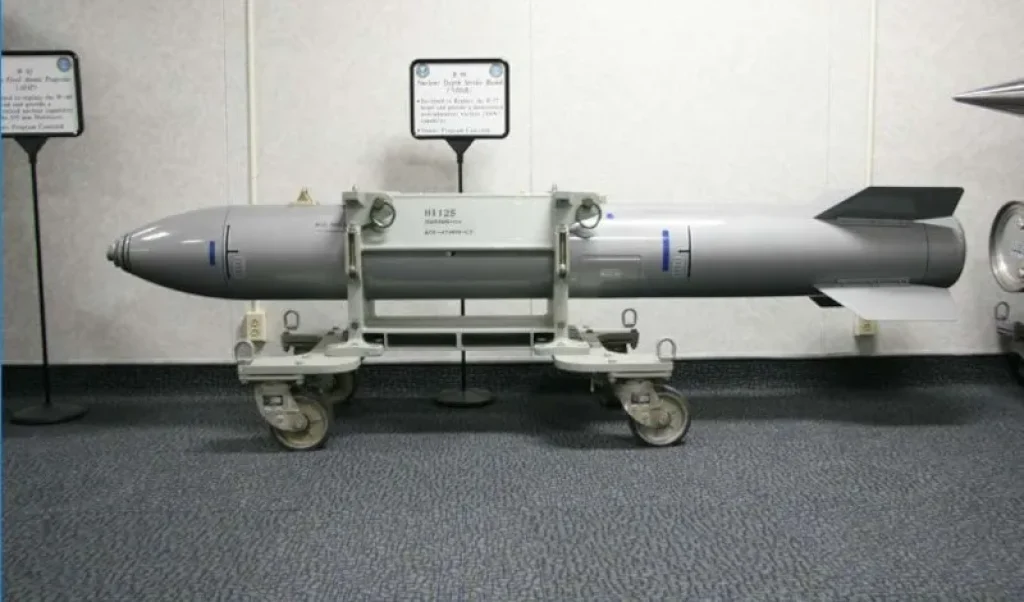
The B94 fits into the broad modernization of the U.S. nuclear triad, which includes the Sentinel ICBM, the B-21 bomber, and the Columbia-class submarine. Russia, China, North Korea, and Iran are building more and more hardened underground facilities, making such weapons increasingly relevant for the Pentagon.
Source: The War Zone, Nov. 16, 2026