Air Defense for a Nuclear Power Plant: Why Slovakia Acquired the Barak MX and Why It’s No Longer Just “Another Air Defense System”

The story began with what seemed like a routine news item: Slovakia received its first battery of the Israeli Barak MX system. The wording is familiar, almost routine. The delivery was delayed due to the war in the Middle East; the remaining systems will arrive later, with a total of six expected by 2030.
But what matters most here is neither the timeline nor the quantity.
What matters more is exactly where the system is installed.
We’re talking about protecting critical infrastructure, including nuclear power plants. And that’s an entirely different level of requirements. Solutions designed “generally for the military” don’t work here. What’s needed here is a system that can reliably protect a specific location from the full spectrum of threats—from low-flying drones to cruise missiles.
And that is exactly why the Barak MX was developed.
Not a complex, but architecture
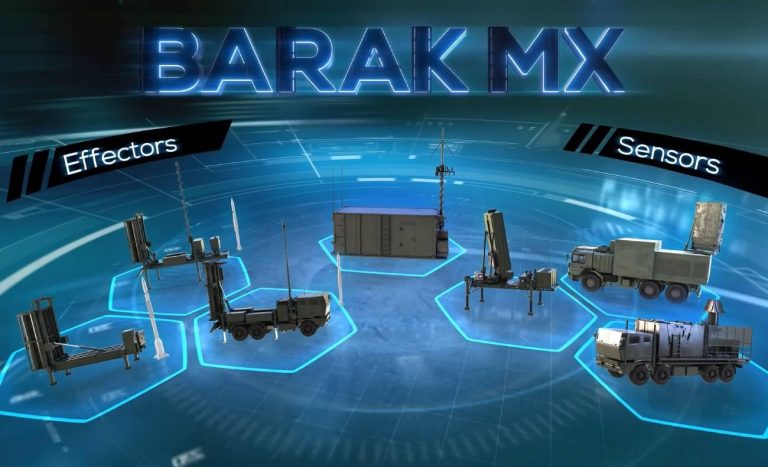
The main feature of the Barak MX is that it is difficult to describe using the usual term “complex.”
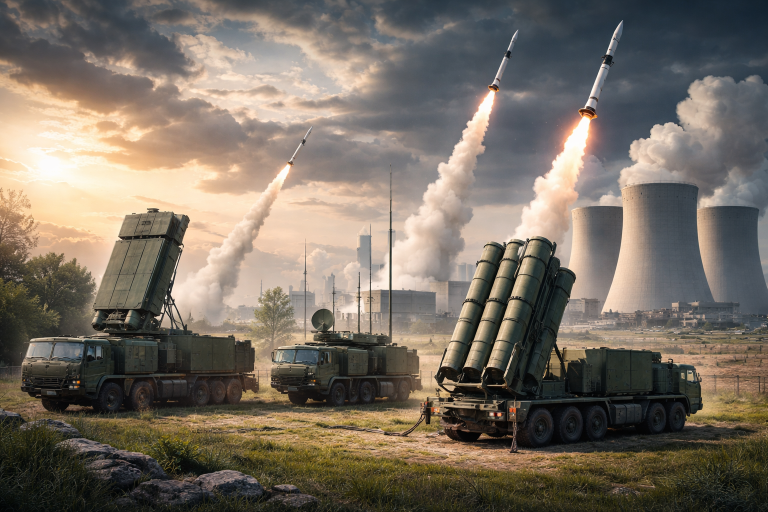
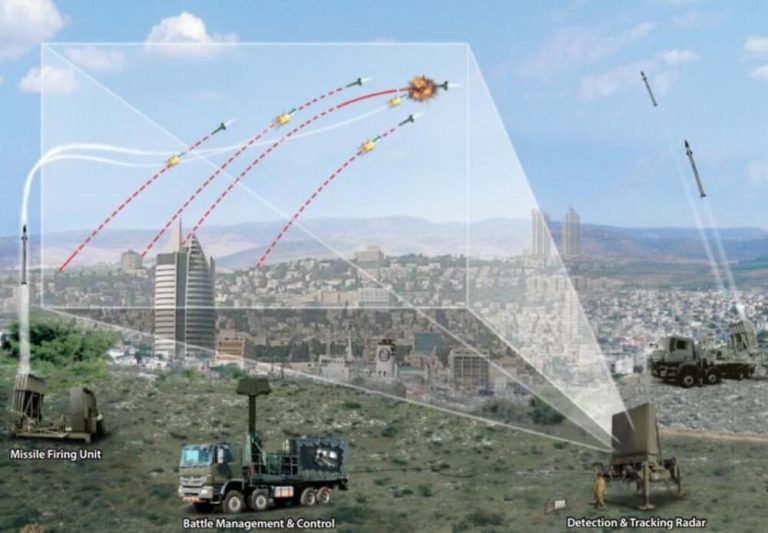
It does not have a rigid structure like “radar—launcher—missile.” Instead, it consists of a set of components that can be assembled in various configurations. Radar stations, command posts, and launchers—all of these are integrated into a network where each component can perform its role regardless of its specific location.
One radar can detect a target, another can track it, and a third can launch a missile. This is no longer a division in the traditional sense, but a distributed structure where data exchange is more important than location.
In fact, this involves a shift from technology to a management system.
“The Hardware” Inside: Where the Real Work Begins
If you strip away the outer layer, the Barak MX is essentially a specific set of components assembled using a modular design.
The core of the system consists of a chain linking the radar, the command post, and the launchers. But the key element here is the missiles.
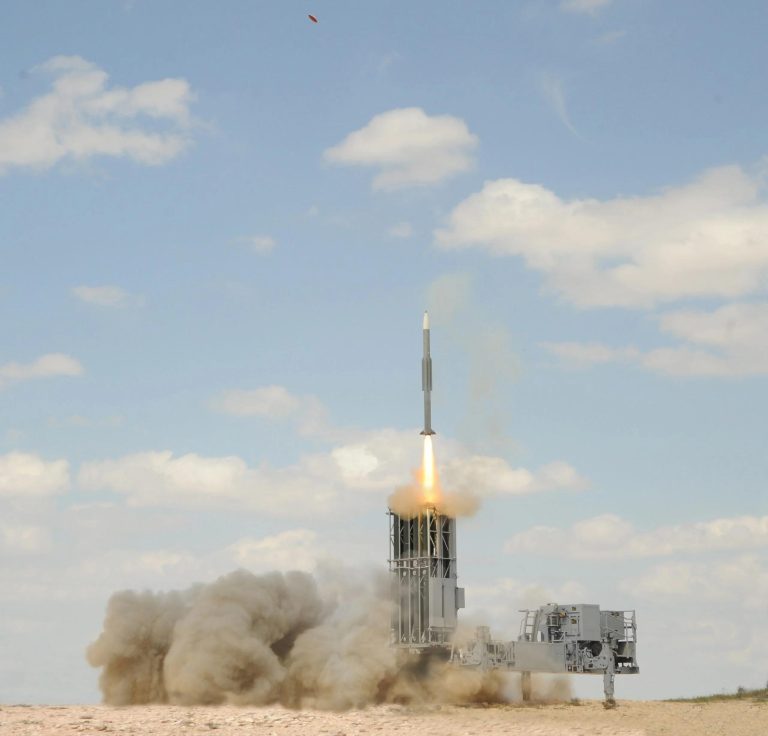
The system uses several types of munitions simultaneously. Broadly speaking, these are divided into three ranges: short, medium, and long—with the long-range variant reaching a range of approximately 130–150 kilometers. All missiles are launched vertically from containers and are equipped with active radar homing heads.
This means that after launch, the missile is not “locked onto” a single radar. It receives correction data and then locks onto the target on its own. It is precisely this autonomy that enables the entire system to operate as a network.
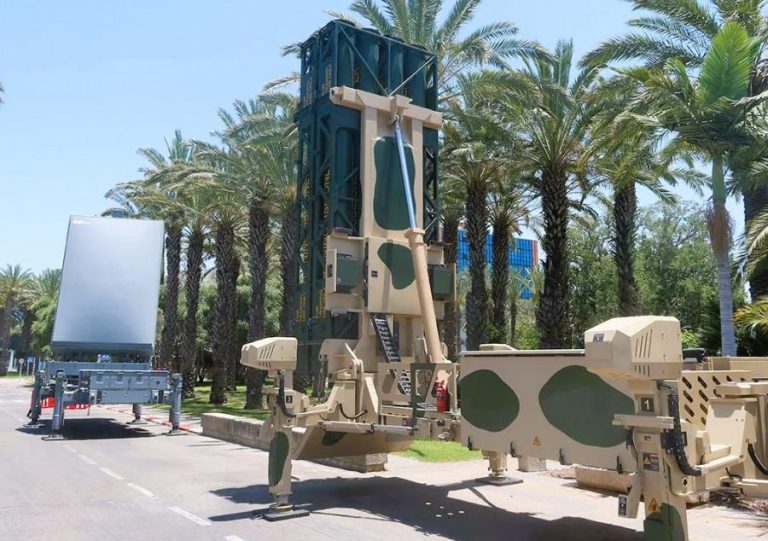
The launcher remains versatile. A single module can hold about eight missiles of different types. As a result, a single battery can simultaneously cover both the short-range and long-range zones without being divided into separate systems.
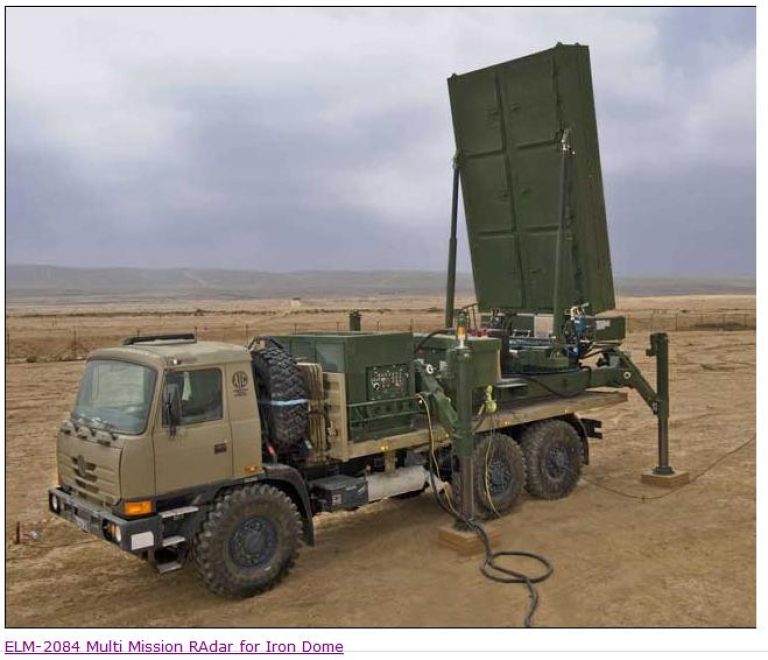
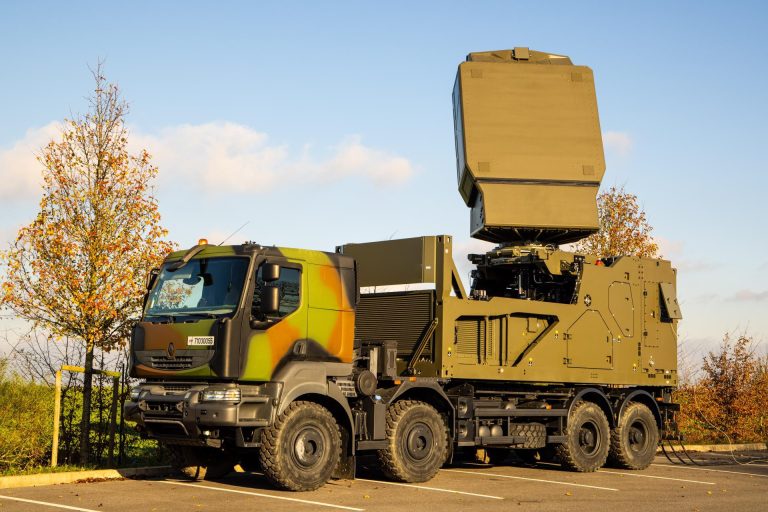
Radar plays a special role. ELM-2084-class radar stations are used—these are multifunctional radars with a detection range of up to several hundred kilometers, capable of tracking dozens of targets, including low-flying and ballistic ones.
But the “magic” doesn’t happen in the missiles or the radar.
She’s at the command post.
It is there that data from all sensors is consolidated into a single picture, targets are assigned, the type of missile is selected, and the launch site is designated. Moreover, the decision is made at the system-wide level, rather than at the level of an individual launcher. This helps avoid duplicate launches and conserve ammunition.
Summary Technical Specifications (based on publicly available data)
| Range | up to ~150 km |
| Guidance Type | inertial + active radar homing system |
| Start | vertical (VLS) |
| Number of missiles per launcher | ~8 |
| Radar | detection range of up to 250–300 km |
| Goals | aircraft, UAVs, cruise missiles, and, to some extent, ballistic missiles |
| Architecture | network-based (IADS) |
| Manufacturer | Israel Aerospace Industries |
Why Nuclear Power Plants, Specifically?
The choice of subject explains a lot.
A nuclear power plant is a target that cannot be “moved” or concealed. Its location is known in advance, and it is of strategic importance. Any strike against it would have not only military but also political consequences.
Therefore, protecting such facilities requires not just the presence of air defense systems, but the ability to reliably engage any target—regardless of altitude, speed, or direction of attack.
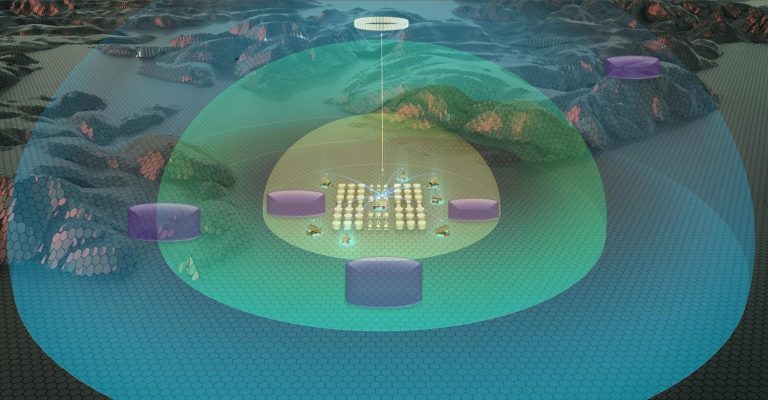
It’s no longer enough to simply “close off the sky.” We need to monitor the airspace at various levels and maintain a margin for response.
In this context, the Barak MX is not a front-line system, but rather a protective umbrella over a specific location.
The Logic of Modern Air Defense
From a broader perspective, the situation with Slovakia is part of a general trend.
Europe is currently actively overhauling its air defense system. The old systems were designed to counter aircraft. But the modern threat has changed.
Drones have become widespread. The number of cruise missiles has increased. It has become necessary to defend infrastructure rather than the front lines.
And this is where the classic “one complex, one task” approach stops working.
She is replaced by another:
One system—multiple tiers;
one network—multiple data sources;
one architecture—various scenarios.
The Price of Versatility
But versatility never comes for free.
Such systems are costly—both to procure and to operate. The use of sophisticated missiles against low-cost targets, such as simple drones, remains economically questionable. Furthermore, the entire architecture depends on the reliability of communications; if communications are disrupted, the advantages of the networked system are diminished.
This is the very compromise that modern air defense systems face—between flexibility and cost.
Conclusion
The story behind the delivery of the Barak MX is more than just a news story about a new system.
This is an indication of how the very logic of defense is changing.
Air defense is no longer a collection of individual systems but is evolving into a network, where what matters most is not a specific installation but the ability of the entire structure to function as a single unit.
Whereas in the past they defended the front line, now they defend specific positions.
But that’s an entirely different level of requirements—and an entirely different set of techniques.