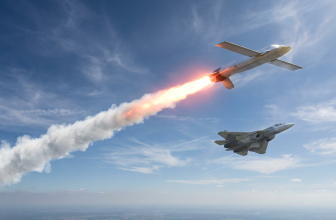
Hypersonic weapons have long been a symbol of cutting-edge technology—complex, expensive, and produced in limited quantities. Missiles capable of traveling faster than Mach 5 were considered tools for rare and critically important strikes. But now that logic is beginning to change. The launch of the Blackbeard project by the startup Castelion shows that hypersonic technology may become not an exception, but a mainstream tool of war.
And that is precisely the major shift.
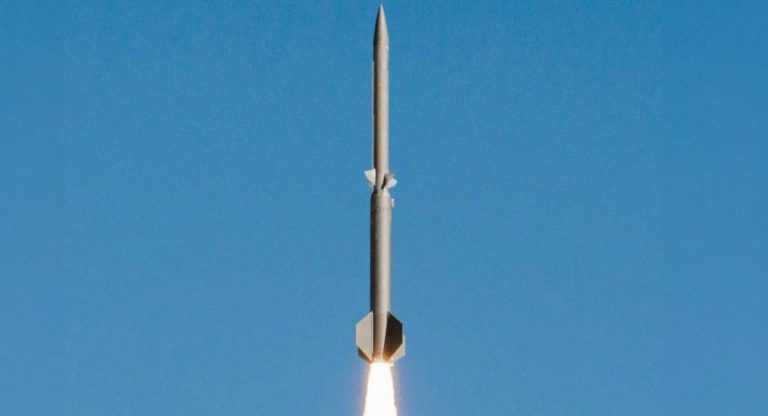
Hypersonic technology they want to produce by the thousands
A key feature of the Blackbeard is not only its speed, which exceeds Mach 5, but also the effort to radically reduce its cost. The United States Navy views this missile as part of a mass procurement program, where the order is for thousands of units, not just dozens.
According to budget plans, the procurement could involve more than 4,000 missiles under the MACE (Multi-mission Affordable Capacity Effector) program, with an average cost of about $384,000 per missile.
For hypersonic weapons, this is practically a revolution. Previously, such systems cost an order of magnitude more.
In fact, what is happening is similar to what we’ve already seen with drones:
technology that was once considered a “niche weapon” is now entering the mass market.
The MACE Program: Aiming for “Good Enough”
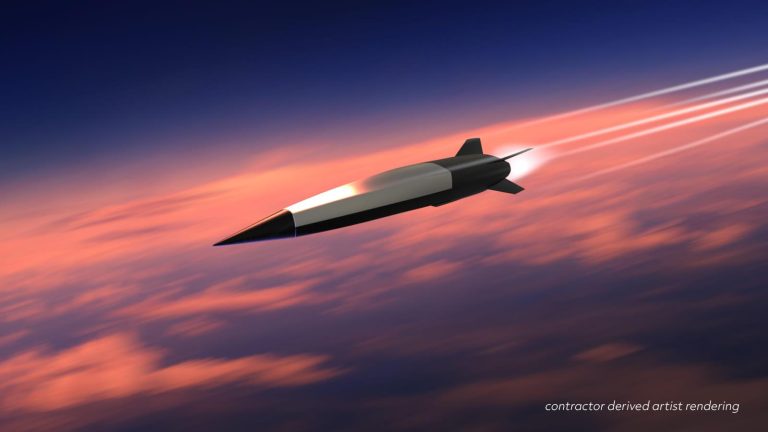
Blackbeard became the first viable candidate under the MACE program—a U.S. Navy initiative to develop a low-cost, mass-produced strike vehicle.
The program’s objective is stated in the most pragmatic terms: to create a weapon that:
— has sufficient range
—is capable of penetrating modern air defense systems
—and can be produced in large quantities
This is a fundamentally different approach compared to previous hypersonic projects, which prioritized maximum performance without regard to cost.
The logic here is different:
it’s better to have thousands of “good” missiles than dozens of perfect ones.
Versatility as a Key Concept
Blackbeard was originally designed as a versatile system.
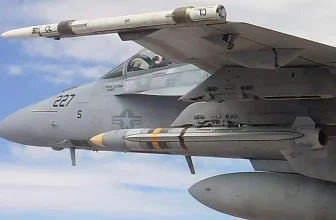
The primary option is air-launch from F/A-18 carrier-based fighter jets, which allows the missile to be launched from aircraft carriers.
However, other options are also being explored at the same time:
— Launch from ground-based systems (e.g., HIMARS)
— Potential integration with other platforms
— Use across different branches of the military
This transforms the missile from a highly specialized weapon into a component of a broader weapons system.
A Startup Takes on the Giants
Another point to note is the developer itself. Castelion is not a traditional defense giant, but a startup founded by former engineers from the aerospace industry.
And this has a direct impact on the project’s philosophy.
The company is focusing on:
— rapid development
— use of commercial technologies
— streamlining of production
For example, the development process utilizes “civilian-grade” components, which significantly speeds up the development cycle and reduces costs.
It’s almost a “SpaceX-style” approach, applied to the military sphere.
Contracts and Reality
The project has already moved beyond the conceptual stage. The U.S. Navy has awarded contracts worth tens of millions of dollars to bring the missile to the testing and integration phase.
In 2026, a contract worth more than $100 million was signed, which includes:
— integration with the F/A-18 —
flight
tests — certification for operation from aircraft carriers
If these phases are successfully completed, the program could move on to large-scale procurement as early as the next few years.
The Problem with the Combat Unit
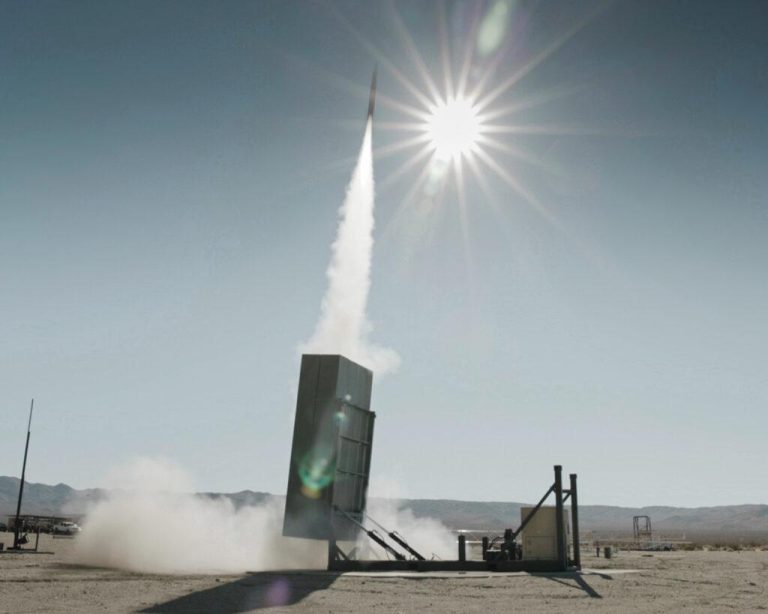
Despite all these advantages, one point of contention remains: power.
It is reported that the Blackbeard combat unit may be relatively small—weighing in at around tens of kilograms. This raises questions about its effectiveness against well-defended targets.
But here, once again, the logic of the project becomes apparent.
A missile does not necessarily have to destroy the target with a single hit.
It can operate as part of a system:
— through precision —
through volume —
through the saturation of the air defense system
In fact, this marks a return to the concept of a “massive strike,” but at a new technological level.
Hypersonic Speed as a Consumable Resource
The most significant change introduced by Blackbeard is the change in the status of hypersonic weapons.
It used to be a strategic tool.
Now it is beginning to take on a tactical role.
If missiles can be produced by the thousands, they can be used on a regular basis, rather than only in critical situations. This changes:
—
operational planning — approach to air defense —
the dynamics of the conflict itself
Hypersonic technology is no longer a “wonder weapon” but is becoming part of everyday warfare.
Conclusion: The New Economics of War
Blackbeard isn’t just a new rocket. It’s a sign of a deeper transformation.
Modern armies are increasingly faced not with a lack of technology, but with a lack of quantity. And that is precisely why the focus is shifting from maximum efficiency to a balance between cost, production, and results.
You can have the perfect weapon.
But the one who has more of them wins.
And it seems that this is precisely where the hypersonic arms race is headed right now.