The Chinese HQ-19 (Hunqi-19, Red Banner-19), is considered a competitor to the U.S. THAAD (Terminal High Altitude Area Defense) system and is capable of intercepting hypersonic threats outside the atmosphere.
China’s newest HQ-19 missile defense system is designed to counter high-altitude ballistic missiles that may be equipped with nuclear warheads. Using “hit-to-kill” technology, the system does not employ explosive warheads.
Instead, it uses kinetic energy to destroy enemy threats. The system can successfully destroy short- and medium-range ballistic missiles. Unveiled at the Zhuhai Air Show in November, the Hongqi-19 destroys aerial targets as they re-enter the atmosphere at altitudes of up to 150 km by colliding with them using pure kinetic energy.
The HQ-19 can detect hypersonic threats
Capable of detecting threats at a range of up to 4,000 km, the HQ-19 has been under development since the late 1990s. If deployed, it could cover vast territories stretching from South and North Asia to the interior of China.
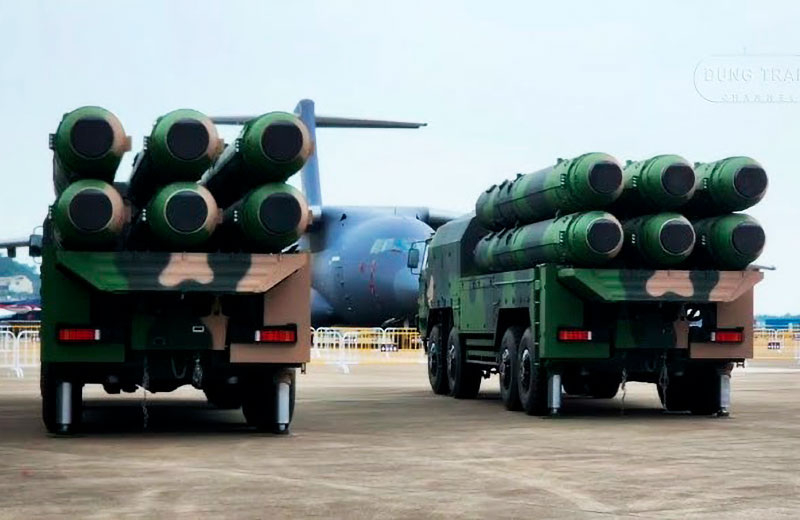
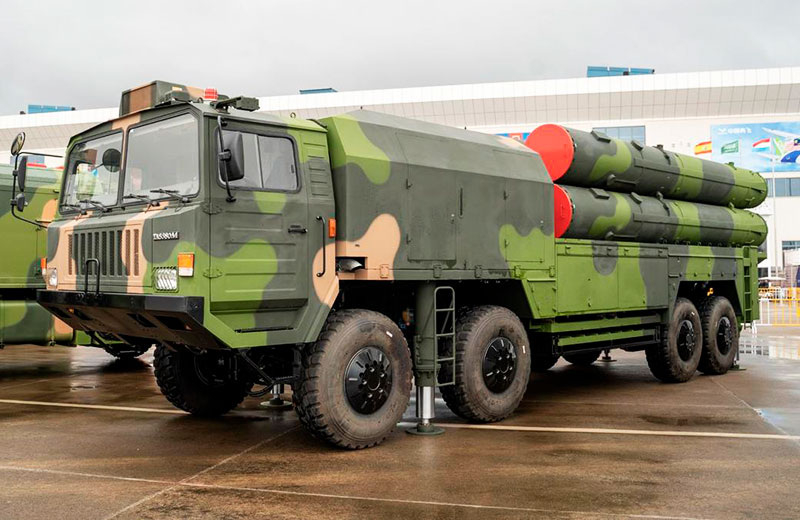
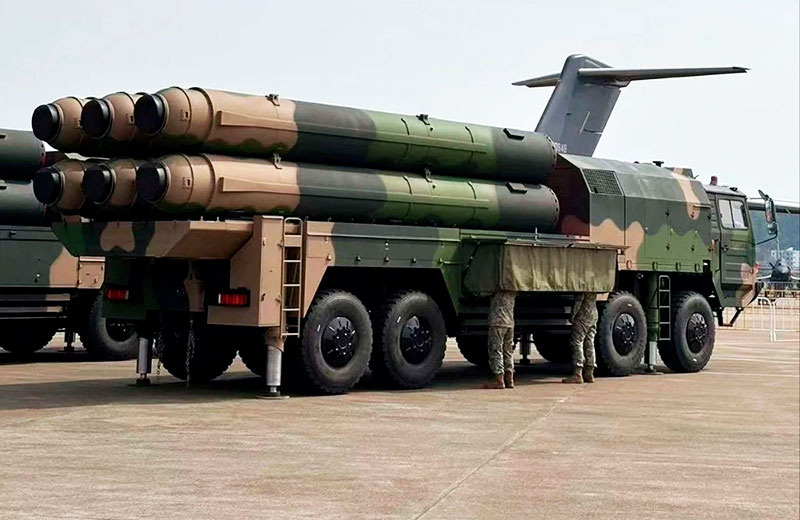
The launcher for the new-generation surface-to-air missile system uses a highly mobile 8×8 wheeled chassis. It is reported that each vehicle is equipped with six interceptor missiles stored in transport-launch containers.
In addition, the HQ-19 is capable of firing at an almost vertical launch angle and rotating 360 degrees in any direction. It uses a two-stage solid-fuel rocket motor.
The report emphasizes that the HQ-19 boosters are made of carbon fiber. The Chinese interceptor is believed to use N15B, a nitrate-based rocket fuel. This configuration provides specific impulse for 260 seconds, maintaining high maneuverability for intercepting warheads in flight.
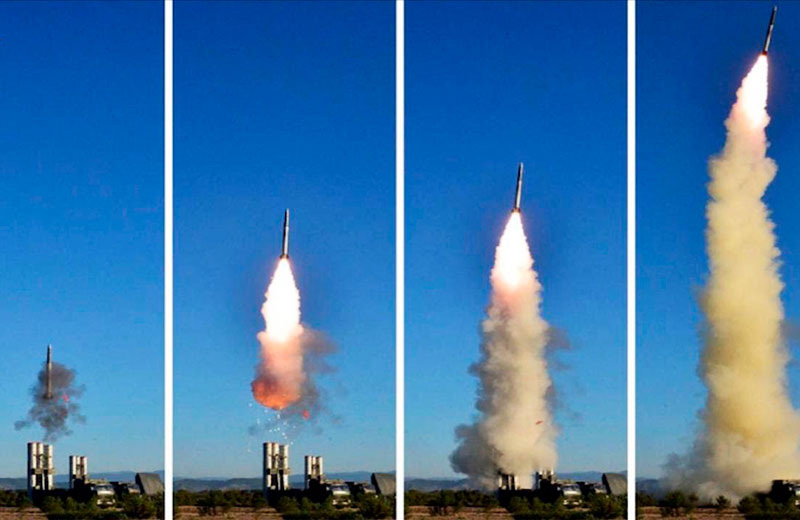
The rocket engine’s design incorporates a dual-impulse capability, which enhances terminal kinetic performance, allowing the missile to maneuver flexibly during interception.
Multi-layered missile defense
The details remain confidential, but the media have reported on some information leaks, and reports indicate that the HQ-19 system is more advanced than its counterparts and has an interception range of up to 3,000 km.
This makes it possible to engage ballistic missiles at various ranges, including enemy warheads, which significantly increases the probability of a successful interception while reducing the risk of collateral damage.
The HQ-19 also provides a multi-layered missile defense system and includes mobile launchers, radars for detection and tracking, as well as command centers for operations and order execution.
Reports indicate that the system’s radar coverage and interception capabilities make it a deterrent against potential regional threats, including ballistic missile systems from neighboring countries.
Source — https://dzen.ru/a/Z9vpJhkJ3HEDHjJk