KamAZ's Forgotten APCs: The "Voín" and "Bronebus" Armored Vehicles. Why Did They Never Make It Past the Design Stage?

The Russian Armed Forces’ main armored personnel carrier, the BTR-82A—developed in the late 2000s—is actively deployed in combat zones. And this experience with intensive use has highlighted a number of issues with the production model. Against this backdrop, statements by a KamAZ representative regarding work on a new APC—scheduled for release in 2027—are of particular interest. Today, we’ll take a look at the main criticisms of existing APCs and the efforts by the Chelyabinsk-based company to create its own alternative.
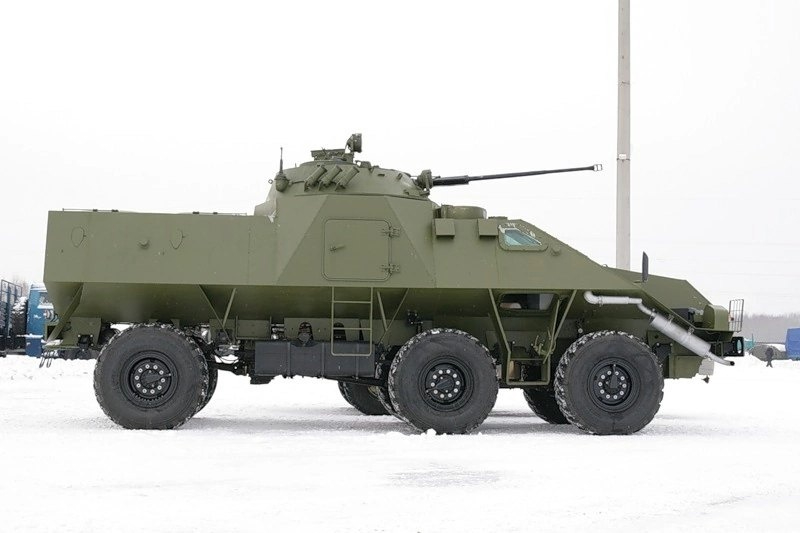
KamAZ-432612
A Mysterious New Release and the Forgotten “Warrior”
On May 5, KamAZ CEO Sergey Kogogin stated that the plant is working on a new vehicle for the Russian Armed Forces. According to him, this in-house development is intended to replace the BTR-82A. The CEO did not provide any details about the design, but this does not prevent us from recalling KamAZ’s relatively recent attempt to change the lineage of Russian armored personnel carriers.
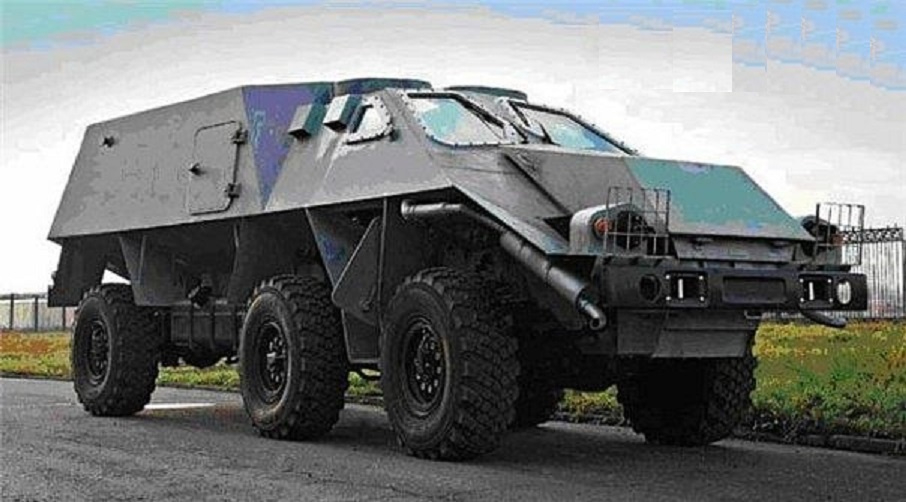
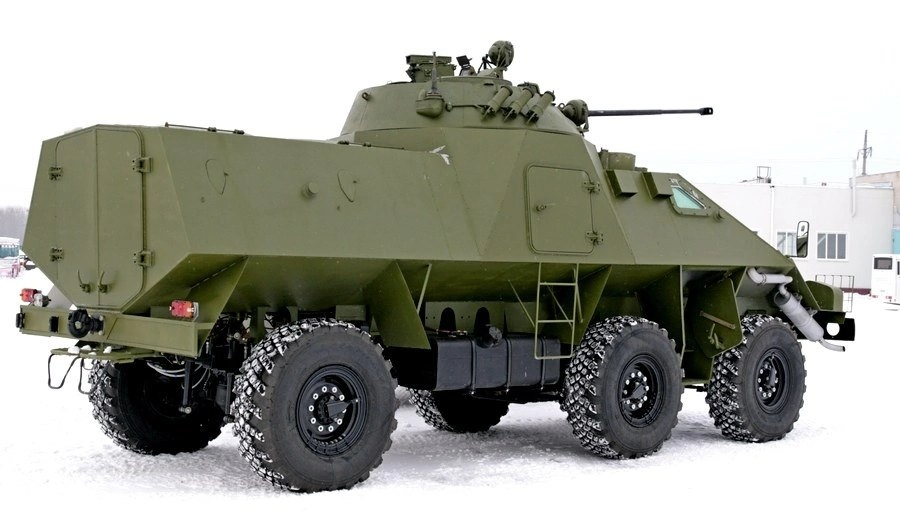
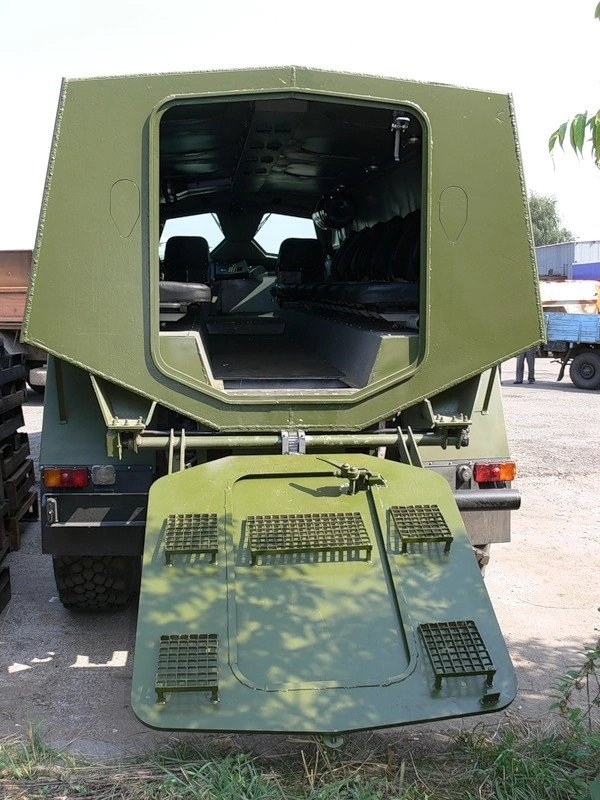
This refers to the KamAZ-432612 armored vehicle, which was developed in 2009. This three-axle vehicle with a 6×6 wheel arrangement is built using components from mass-produced trucks. Depending on the configuration, its weight ranged from 16.7 to 19 metric tons. A key difference from the BTR-82A was its layout, with the engine in the front and a spacious troop compartment in the rear. This allowed for a sufficiently large ramp to facilitate the boarding and disembarkation of troops.
The infantrymen were equipped with seats whose mounts do not touch the floor. This reduces the impact of the blast wave when the vehicle runs over a mine. Mine protection is also enhanced by a V-shaped hull, which deflects the blast wave to the sides. The vehicle is believed to have met the third level of protection under the Western standard STANAG 4569, which requires protection for the troops and crew against a mine with a charge equivalent to 8 kilograms of TNT. Ballistic protection under this standard guarantees resistance to hits from 7.62×51-millimeter armor-piercing rounds.
This promising family included a vehicle often referred to as the “Armored Bus.” The APC carried no weapons, and its troop compartment could accommodate 14 soldiers. An infantry fighting vehicle called the “Voín” was also developed, featuring a smaller troop compartment with six seats and a standard BMP-2 turret equipped with an automatic cannon and a machine gun. As a result, KamAZ produced a vehicle that, at first glance, appeared simple and well-balanced, but it failed to find its niche.
Where did the BMP from KamAZ go, and what happened next?
It is known that at least two prototypes of this promising armored vehicle were built. One was destroyed during testing, and the other was used for road tests. That, in fact, is where the vehicle’s “trail” ends. Incidentally, in that same year, 2009, prototype BTR-82 and BTR-82A vehicles were built, which were subsequently adopted into service following successful testing. We can only speculate that the military opted for a familiar design rather than a fundamentally new chassis (even if it was standardized with trucks).
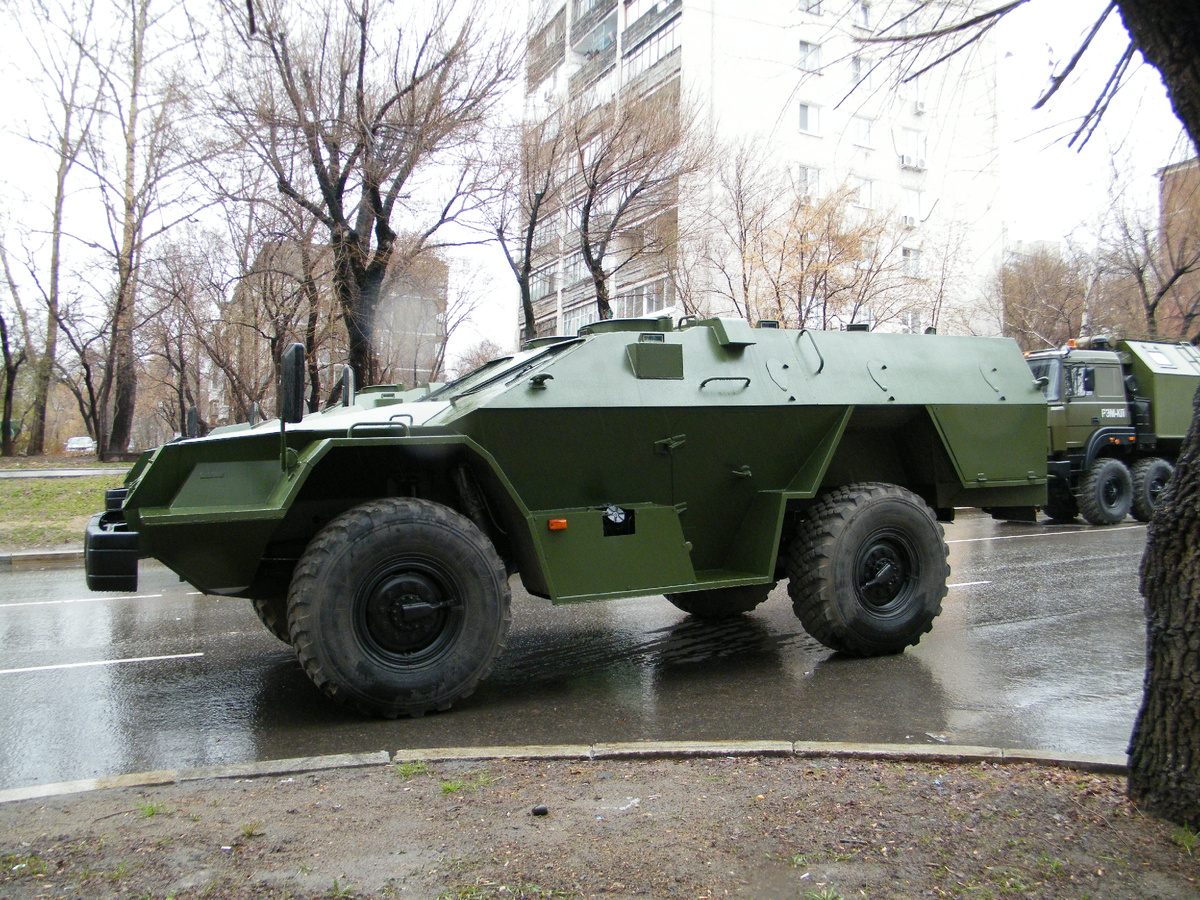
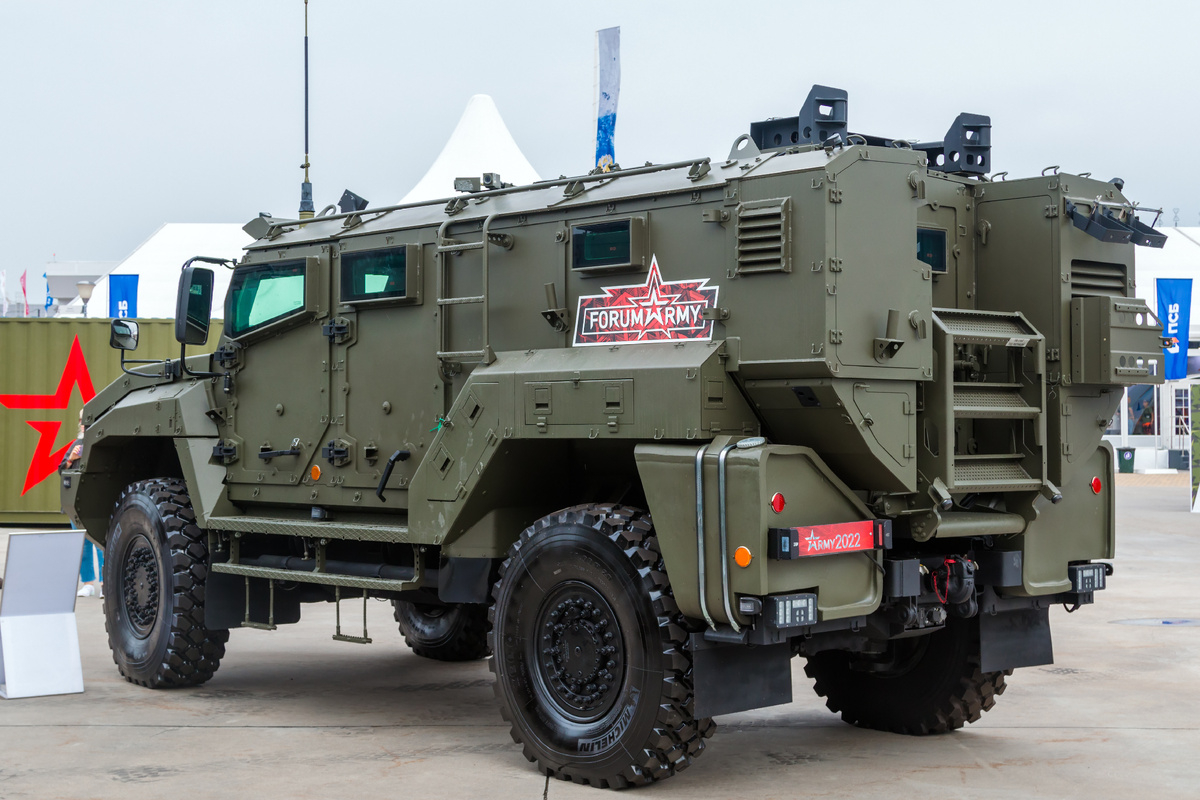
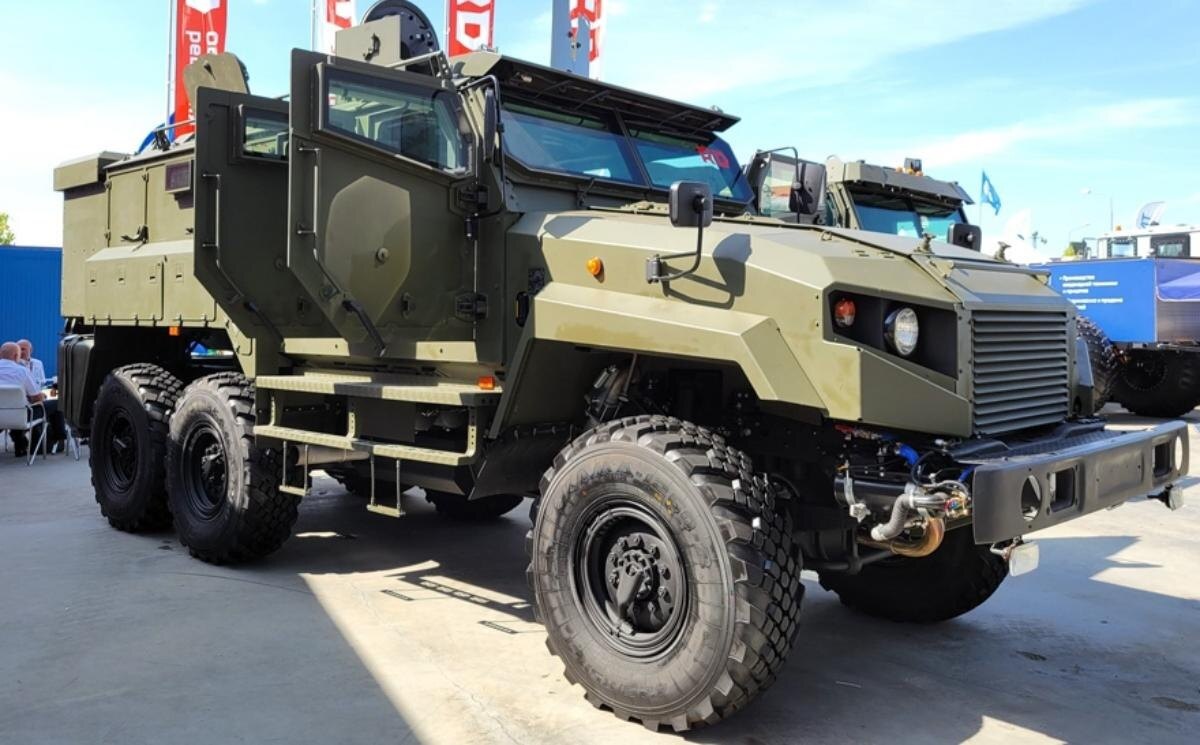
At the same time, in 2008, another design from Naberezhnye Chelny—the K-43269 “Vystrel”—was adopted for supply to the Russian Armed Forces. Judging by the available photographs, the experience gained in developing this vehicle was actively incorporated into the work on the BMP. And while the “Vystrel” was slightly more successful than the experimental “Voina,” this vehicle remains a relatively rare example of armored equipment. The “Typhoon” family of mine-protected armored vehicles is another matter entirely; these are actively deployed in the special operations zone. It is also worth mentioning the Z-STS “Akhmat” armored vehicle, which can be considered the “successor” to the “Broneavtobus.” It can be assumed that the experience gained in developing this vehicle formed the basis for the promising transporter from KamAZ, which the company’s CEO mentioned.
So what’s wrong with the BTR-82A?
The BTR-82A is the result of a major modernization of the Soviet BTR-80, from which it inherited the layout with the engine located in the rear. As a result, the troops have to use hatches in the sides and roof of the hull to exit, which are not the most convenient.
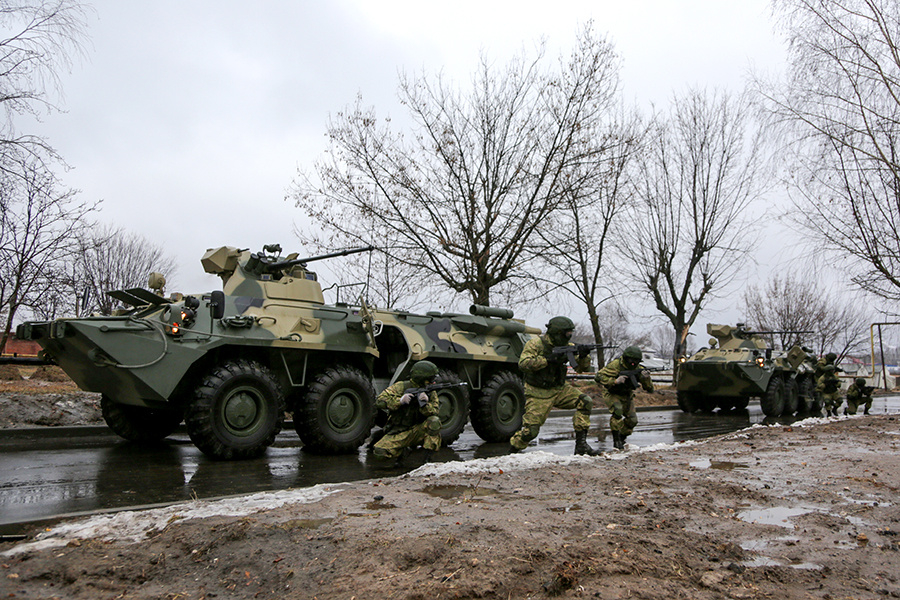
Another drawback of the vehicle is its relatively weak armor—the base BTR-82A offers protection only against bullets. However, a set of add-on armor featuring lattice screens and additional armor plates has been developed for the vehicle. With these, the transporter can withstand hits from large-caliber bullets. In addition, the screens can provide protection against certain shaped-charge munitions. Unfortunately, however, the vehicle’s layout cannot be changed as part of a minor upgrade.
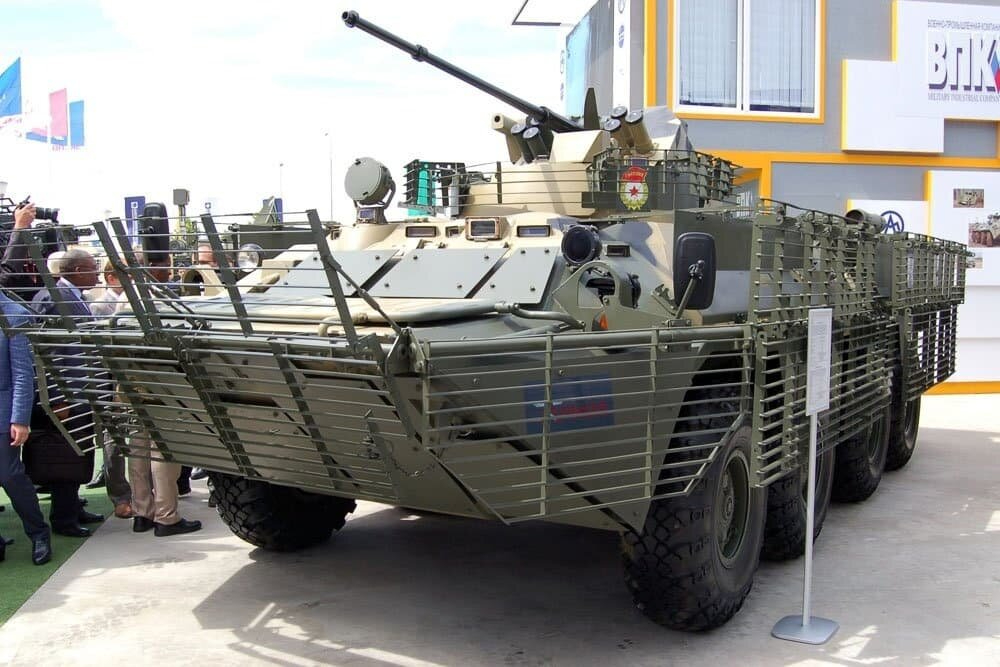
BTR-82A with a set of additional armor
Source — https://dzen.ru/a/afuinQPYgnmR1uDm