Khrushchev shut down the “Bury” supersonic winged super-missile project just weeks before its triumph. Why did this happen?

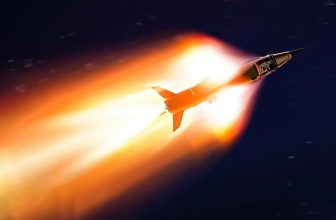
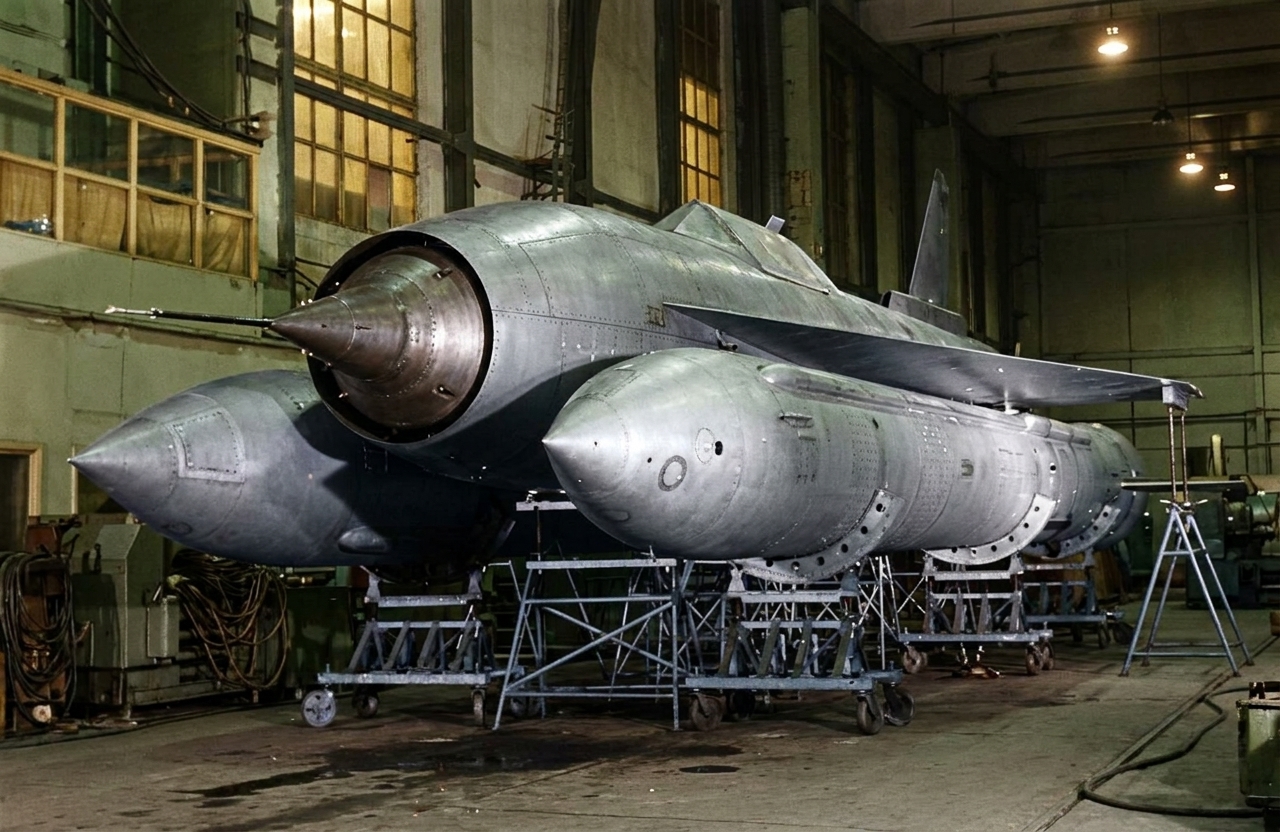
In 1960, a titanium monster streaked across the sky above the Kapustin Yar test site. Its altitude was over 22 km. Its speed was more than 3,000 km per hour. A robot navigator adjusted the craft’s course, using the stars to guide it straight through the daytime sky.
There were only a few weeks left before it was to be put into service. But instead of an order to begin mass production, a directive came down from the Kremlin: Shut down the project. Destroy the prototypes. Classify the technology.
That decision cost the chief designer his life. Aviation historians still debate it to this day. Below is a chronicle of the most bitter technological defeat of the Cold War era.
The Age of Insane Speeds and Nuclear Bluffs
In the early 1950s, the Soviet Union and the United States found themselves in a paradoxical situation. Both superpowers had acquired nuclear weapons of immense destructive power. The only remaining problem was how to deliver the bomb to enemy territory.
Heavy bombers flew at the speed of a typical passenger jet. The flight from the Soviet border to U.S. industrial centers took more than ten hours. During that time, radar stations had enough time to detect the armada, and interceptor fighters could get airborne and shoot down the slow-moving targets. Without an invulnerable “courier,” the nuclear capability became a fiction.
In May 1954, the Council of Ministers of the USSR commissioned the development of a fundamentally new mode of transportation. The task was divided among the country’s leading engineers.
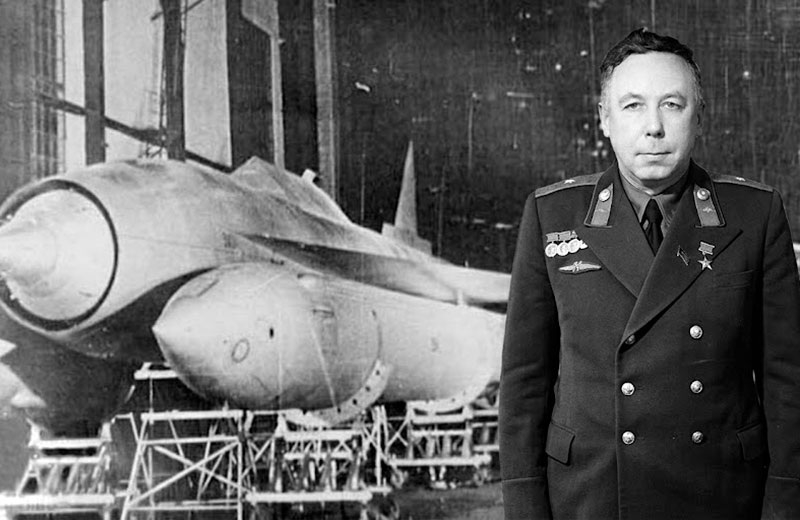
Sergei Korolev set out to develop an intercontinental ballistic missile—the future legendary R-7. Semyon Lavochkin was tasked with designing a supersonic intercontinental winged missile. It was named “Bury” (factory designation La-350).
The scale of the plan was mind-boggling. The vehicle was to travel 8,000 km—the distance from Moscow to Vladivostok—and drop a thermonuclear warhead onto a designated square with pinpoint accuracy. And all this at a speed three times the speed of sound (over Mach 3).
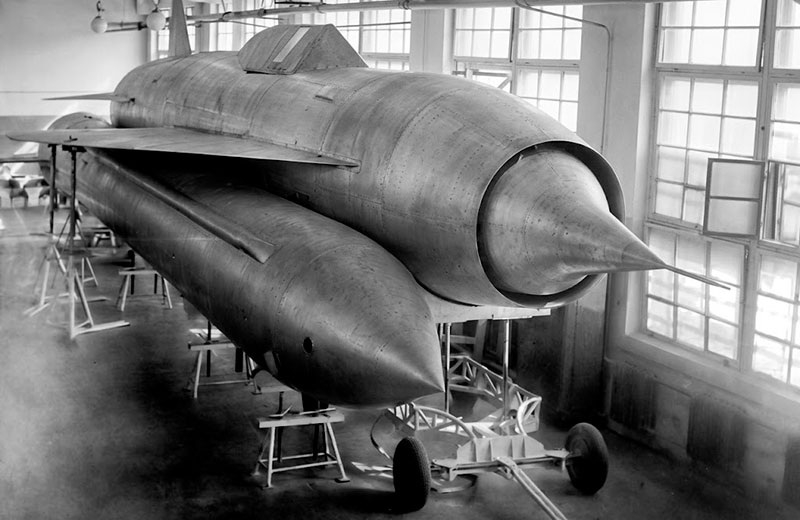
At 3,300 km/h, extreme aerodynamic heating occurs. The skin temperature reaches 300–350 °C. Standard aircraft-grade aluminum loses its strength under such conditions and literally “melts.” Steel is too heavy—the aircraft simply wouldn’t make it to its target.
There was only one option left—titanium. A lightweight, incredibly strong, and high-melting-point metal. However, in 1954, working with it on an industrial scale seemed like pure science fiction. It was impossible to weld titanium sheets using conventional methods: upon contact with oxygen, the molten metal became as brittle as glass.
Lavochkin’s team, led by chief designer Naum Chernyakov, had to develop the technology for argon arc welding in an inert gas environment from scratch.
The Birth of a Titanium Monster
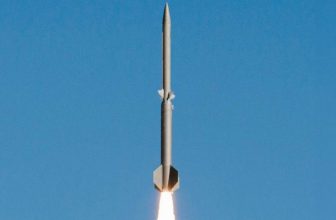
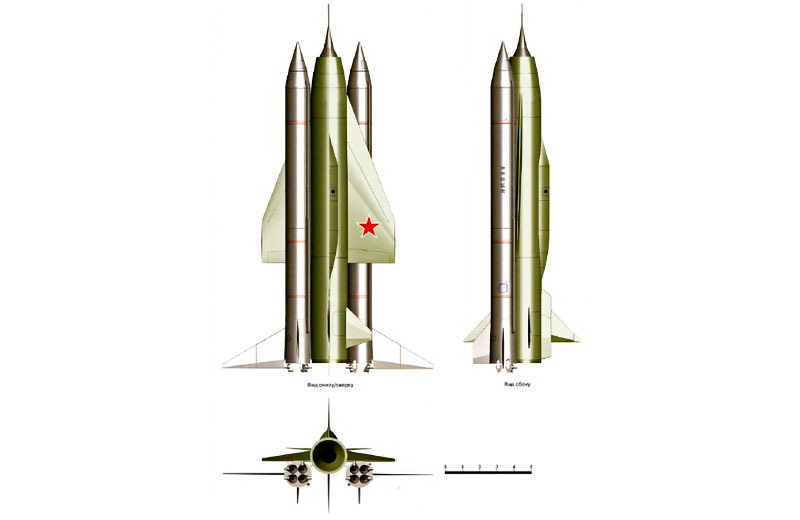
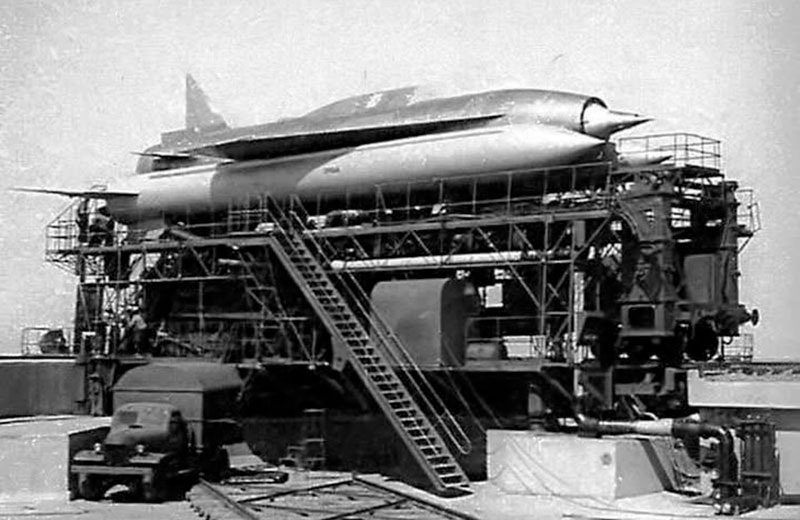
From the very beginning, “Burya” was designed as a two-stage rocket. The first stage consisted of powerful liquid-fueled boosters. Their purpose was to lift the rocket vertically off the launch pad and accelerate it to the required speed.
Then the boosters jettisoned, and the heart of the vehicle took over: the supersonic straight-through ramjet engine (PVRD) designed by Mikhail Bondaryuk.
It had no complex turbines or compressors. At a speed of Mach 3, the oncoming airflow was forced into the air intake with such force that it itself generated the pressure necessary for fuel combustion. The engine literally ran on speed. But to start it, the craft first had to be accelerated—hence the need for booster stages.
Navigation requires special attention. How can you find a destination on another continent if radio signals from Earth don’t reach that far, and GPS systems didn’t even exist in science fiction novels?
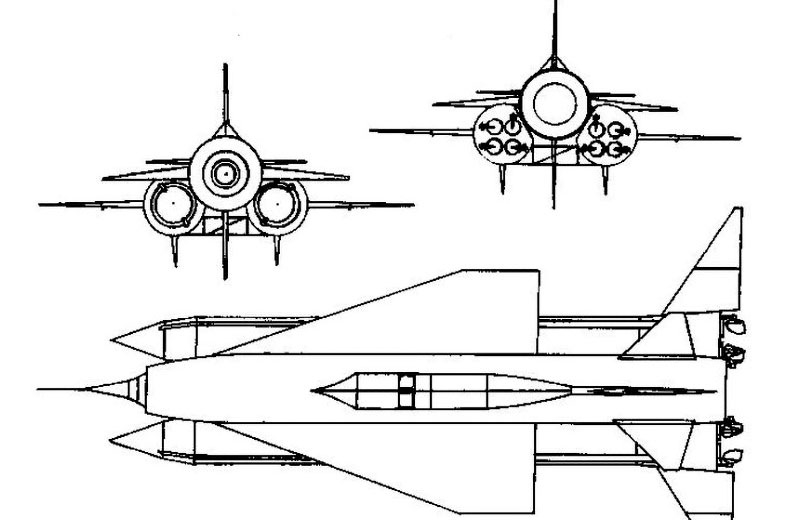
The engineers turned to the most ancient method—navigation by the stars. A unique astro-inertial navigation system called “Zemlya” was developed specifically for the “Bura.” Ultra-precise gyroscopes and optical star sensors were installed on board.
After ascending 20 km into the thin atmosphere, the automated system located navigational stars—such as Sirius—in the daytime sky. It adjusted its course based on their positions. The mechanical brain calculated coordinates more accurately than any human navigator.
The path to the sky proved to be a grueling one. The first tests at the Kapustin Yar test site in 1957 resulted in a series of disasters. Rockets exploded right on the launch pad. The boosters failed to separate. The engines stalled. Each accident reduced millions of rubles and months of round-the-clock work by hundreds of people to ashes.
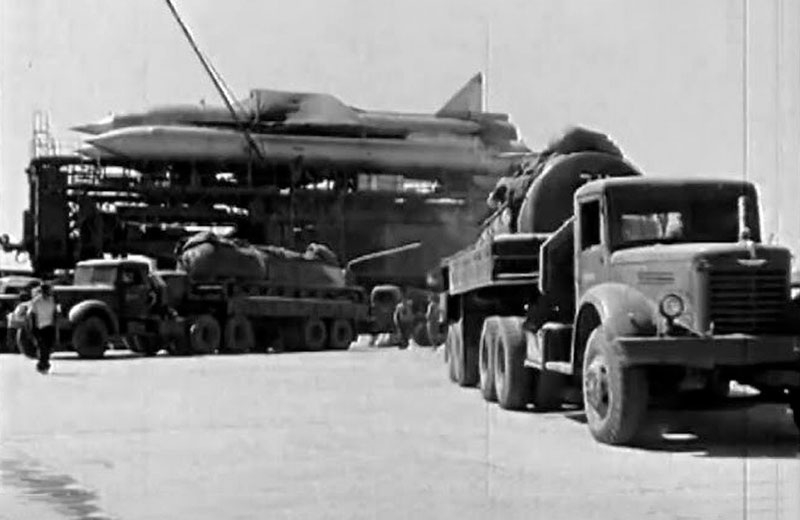
Meanwhile, Sergei Korolev was celebrating his victory. In August 1957, his R-7 ballistic missile successfully flew the specified distance. In October, it launched the first artificial Earth satellite into orbit.
Korolev became a national hero, while dark clouds gathered over Lavochkin’s design bureau. Party leaders began asking uncomfortable questions. Why did the country need two parallel programs if the ballistic missile was already flying perfectly well?
But Chernyakov and Lavochkin’s team managed to achieve the impossible after all. Step by step, the engineers fixed the defects. In 1959, the “Bury” finally flew with confidence. First, it covered 1,300 km. Then—1,700 km.
The astronavigation system worked flawlessly. The ramjet engine propelled the titanium arrow through the stratosphere. The decisive full-range launches were scheduled for the spring of 1960. Victory seemed inevitable.
A Stab in the Back and the Death of the Creator
It was precisely at that moment, at the height of a technological breakthrough, that history took a cruel turn. On February 5, 1960, a resolution was issued by the Central Committee of the Communist Party of the Soviet Union and the Council of Ministers of the USSR. Work on the “Bury” project was ordered to be halted.
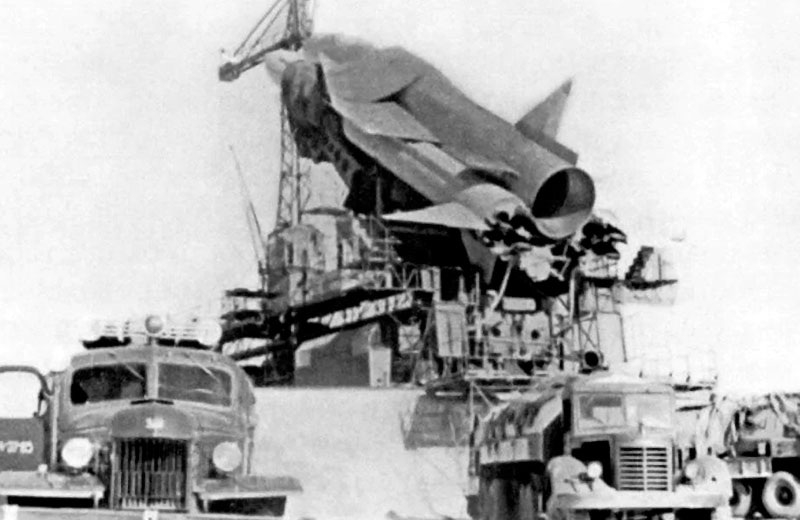
So what happened? Nikita Khrushchev himself was the main driving force behind the program’s closure. The Soviet leader was utterly fascinated by Korolev’s ballistic missiles. He sincerely believed that the era of aviation had come to an end and that the future lay exclusively with ballistic missiles.
The logic was simple. Why would you need a winged missile in the atmosphere when the R-7 can strike the enemy directly from space in a matter of minutes?
Military strategists backed the general secretary. By 1960, it had become clear that anti-aircraft missile systems were advancing too rapidly. On May 1 of that year, a Soviet S-75 missile shot down American spy Gary Powers, who was flying a high-altitude U-2 aircraft, over the Urals.
The generals reasonably concluded that the winged “Bury” would meet exactly the same fate over U.S. territory. It was physically impossible to intercept a warhead falling from space.
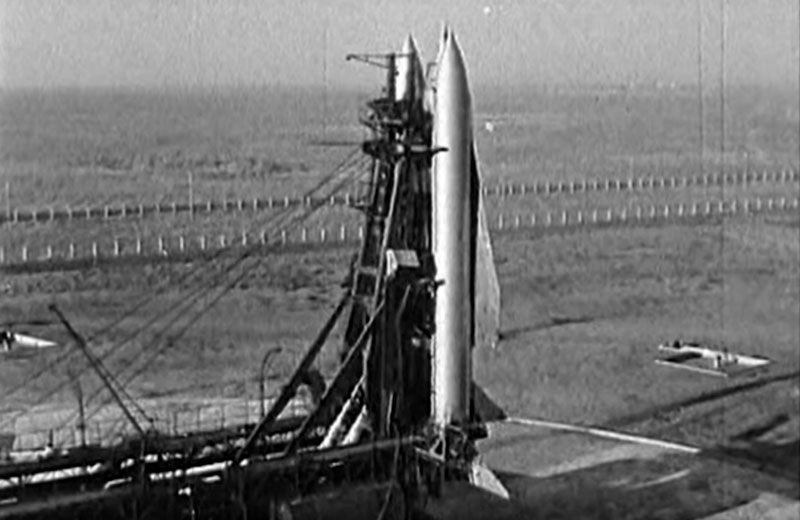
Semyon Lavochkin viewed the cancellation of his life’s major project as a personal tragedy. He argued, wrote memos, and made his case. The designer tried to convince the leadership that the R-7 ballistic missile was extremely difficult to operate under actual wartime conditions.
And he was absolutely right. Korolev’s rocket turned out to be a brilliant space launch vehicle, but a highly controversial first-strike weapon. It took hours to prepare it for launch. A rocket cannot be kept fueled with liquid oxygen for long periods of time. The “Bury” used a different fuel and could launch several times faster.
But no one listened to Lavochkin. On June 9, 1960, at the Sary-Shagan test site, during tests of the “Dal” anti-aircraft system, 59-year-old Semyon Alekseevich died of a massive heart attack. The great designer’s heart could not withstand the stress and the “death” of his titanium brainchild.
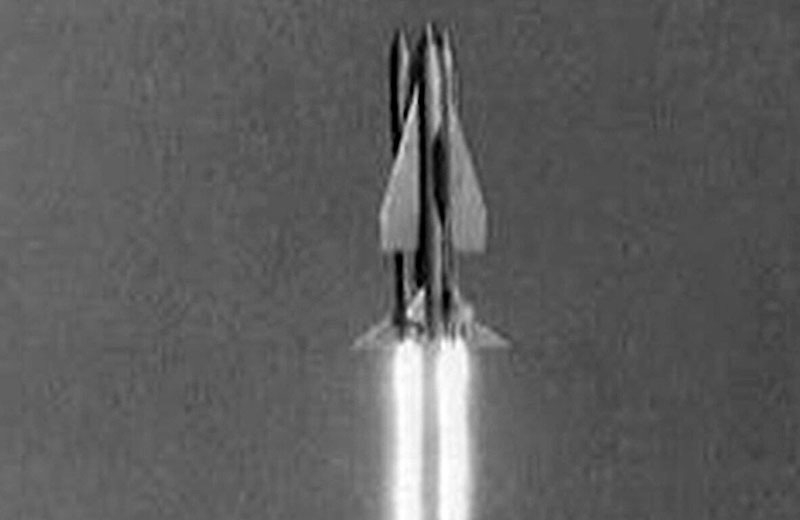
In a cruel twist of fate, engineers were allowed to conduct a few final test flights even after the program had officially been shut down. Just to “test-fire” the completed units. On one of its final flights in December 1960, the doomed “Bury” covered nearly 6,500 km.
She more than fulfilled her flight mission and proved her worth—at a time when it no longer mattered.
Wasted Time or Brilliant Foresight
Was the cancellation of “The Storm” a fatal mistake on the part of the Soviet leadership? The answer is far from clear-cut.
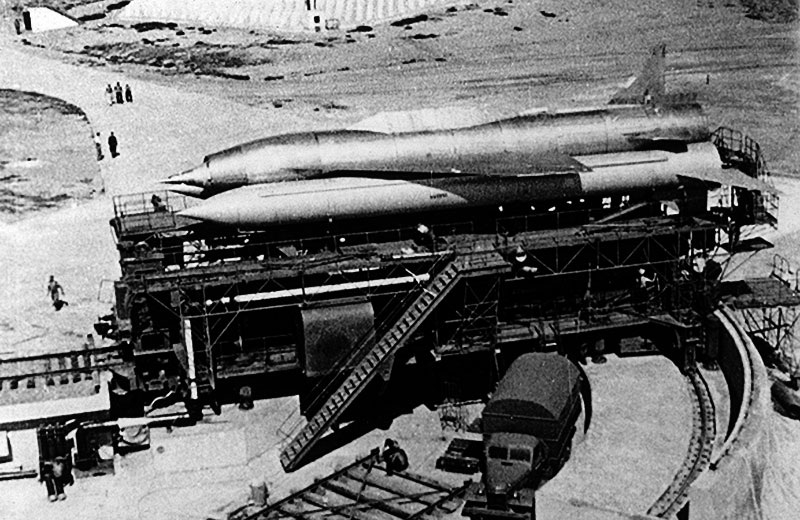
On the one hand, Khrushchev’s decision left the USSR with a unique deterrent for several years. Until engineers developed new capsule-launched ballistic missiles like the R-16, capable of remaining on alert for years while fully fueled, the nuclear shield relied on extremely vulnerable systems.
Furthermore, the country lost a tremendous amount of ground in the field of hypersonic atmospheric flight. The destruction of production equipment and documentation set the Soviet school of engineering back significantly.
On the other hand, the generals were right in that the classic first-generation intercontinental cruise missiles had indeed reached a dead end. Interestingly, an almost identical drama was unfolding on the other side of the ocean. The Americans were developing their own counterpart to the “Bura”—the Navaho (SM-64) project.
And in 1957, the Pentagon just as ruthlessly scrapped it, giving priority to the Atlas and Titan ballistic missiles. Without consulting each other, the two superpowers arrived at the same strategic conclusion.
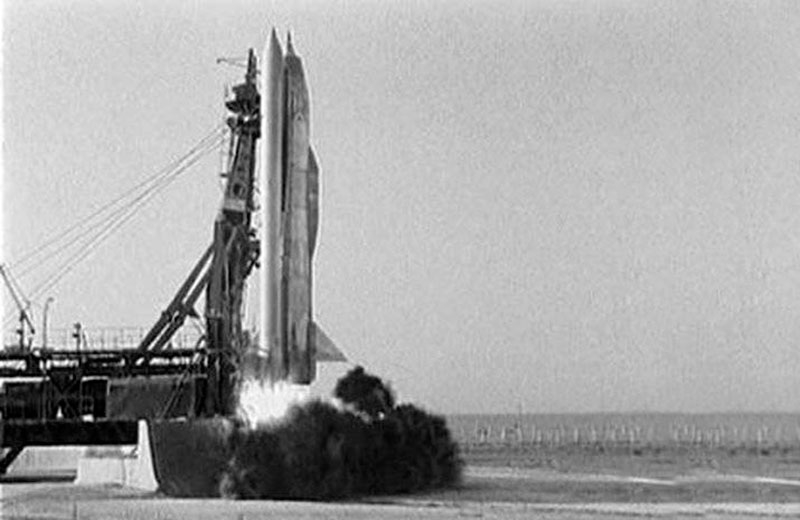
However, the genius of Lavochkin and Chernyakov did not go to waste. Industrial titanium welding technologies formed the basis for the Project 705 “Lira” ultra-high-speed nuclear submarines and the unique T-4 “Sotka” strike bomber.
Astronomical navigation found its way into spacecraft and strategic aviation. Fragments of the classified project spread throughout the industry, propelling the country to a massive technological leap forward.
Today, six decades later, the ideas embedded in *Bury* are experiencing a renaissance. Modern hypersonic glide vehicles—such as Russia’s “Avangard”—are essentially returning to a similar concept.
This is a high-speed, highly maneuverable flight through the dense layers of the atmosphere, completely beyond the reach of traditional missile defense systems. The only difference is that current speeds have increased to Mach 20 and higher.
Conclusion
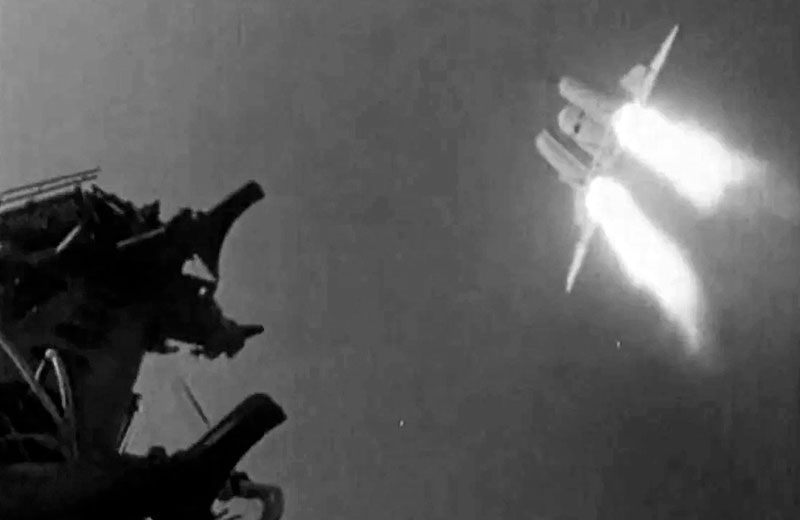
“The Storm” remained a beautiful, daring, yet unfulfilled dream. It fell victim not to technical errors, but to a radical shift in global military doctrines.
The intercontinental titanium bird was born just as the world decided to rely on a heavy ballistic club.
What do you think: if Khrushchev hadn’t been so stubborn and had allowed the “Bury” to be deployed alongside ballistic missiles, would that have changed the balance of power? Or would the country have simply strained its economy by funding two overlapping megaprojects?
If you’re interested in stories about forgotten technologies that could have changed the course of history, subscribe to the channel. We’ll continue to explore the paradoxes of engineering, including those hidden in archival folders marked “Top Secret.”