Russia’s newest hypersonic weapon, the “Iskander-1000.” Is this a technological breakthrough or fake news?

Necessary Preface: As of December 2025, neither the Ministry of Defense of the Russian Federation nor any official government sources had confirmed the existence of a missile system designated “Iskander-1000.” All available information about it is speculative and based solely on reports from third-party sources.
The first mention of the new variant appeared on Ukrainian military Telegram channels: On December 17–18, 2025, according to their reports, the Russian Armed Forces allegedly deployed a modernized version of a missile from the Iskander-M system, tentatively designated as the “Iskander-1000.” There is no confirmation of this information, and the channels themselves do not disclose their sources or methods of identification. Nevertheless, the hypothesis has gained widespread traction—in part because discussions about expanding the Iskander’s capabilities have been circulating among experts for several years now.
Contents:
Why Might the “Iskander-1000” Be More Dangerous Than the “Kinzhal”?
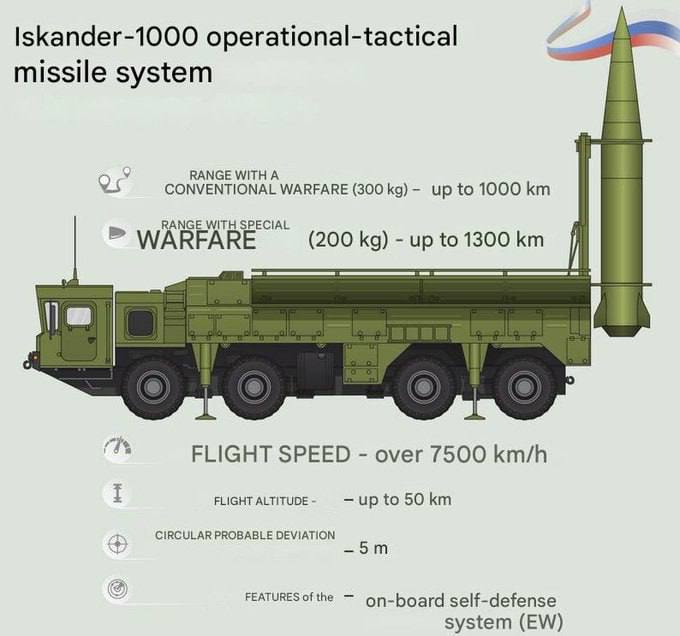
According to unconfirmed reports, the upgraded system has an increased range: up to 1,000 km in its standard configuration and up to 1,300 km when using a lighter warhead. Although the X-47M2 “Kinzhal” air-launched hypersonic missile is capable of striking targets at a distance of up to 2,000 km, its use is subject to a number of tactical limitations.
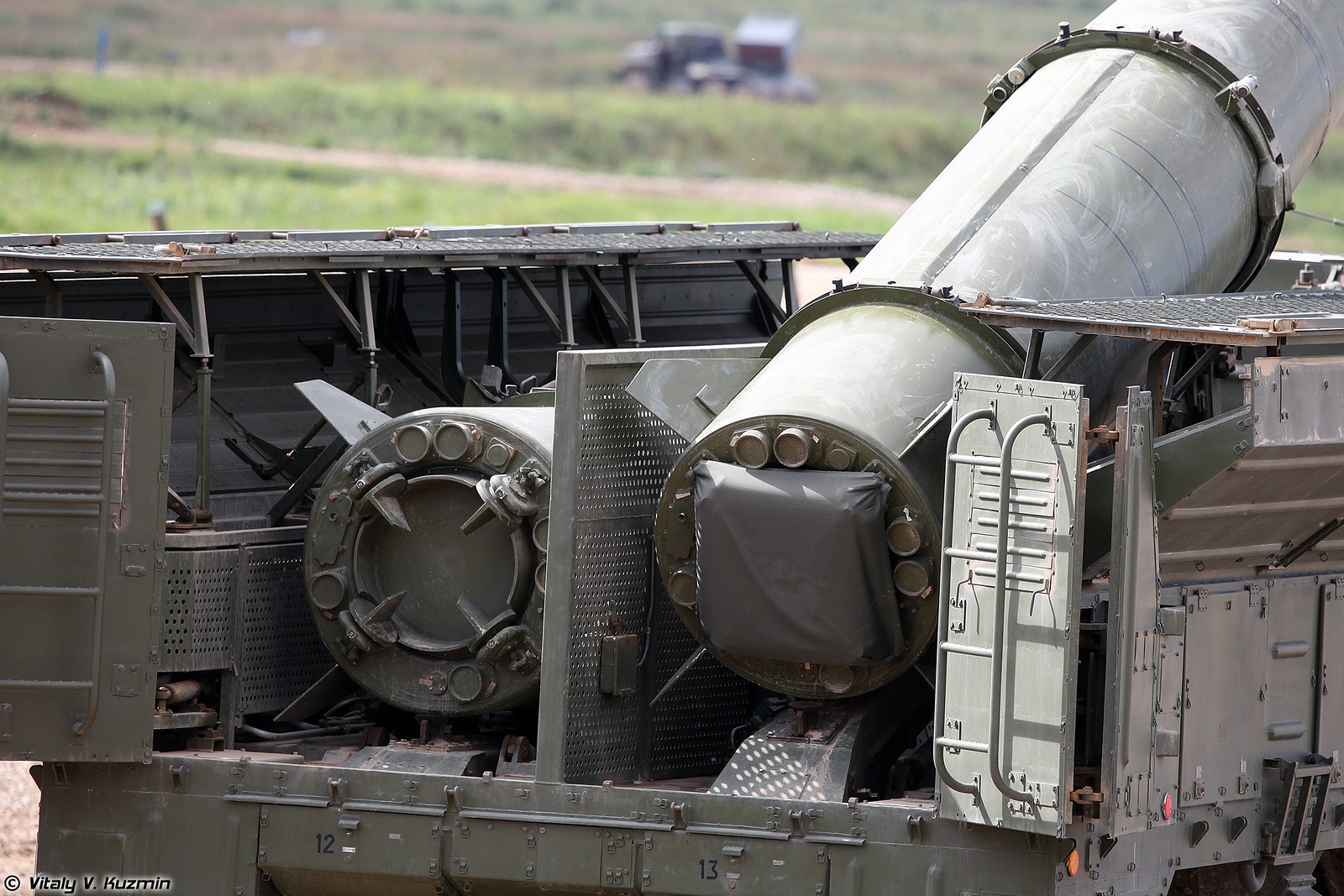
Standard Iskader on a launcher
The “Kinjal” carriers—MiG-31K fighters—are under constant surveillance by NATO’s early warning systems, including satellites and AEW&C aircraft. It is virtually impossible to conceal the takeoff of such an aircraft, especially during daylight hours; at night, it is given away by the infrared signature of its engines. This gives the enemy time to evacuate high-value targets—such as HIMARS multiple-launch rocket systems, aircraft, or command posts.
In contrast, ground-based Iskander launchers are much more difficult to detect in their pre-launch configuration. According to available estimates, the time from the launcher’s arrival at its position to the first launch is 4–15 minutes, and the interval between launches is only about 60 seconds. This leaves the enemy with an extremely limited window to react—often not even enough time to evacuate personnel.
Until 2019, the Iskander’s range was officially limited to 500 km under the Intermediate-Range Nuclear Forces Treaty (INF Treaty). After the U.S. withdrew from the treaty, this restriction ceased to have legal force, paving the way for the development of long-range variants.
Design Features and Tactical and Technical Characteristics
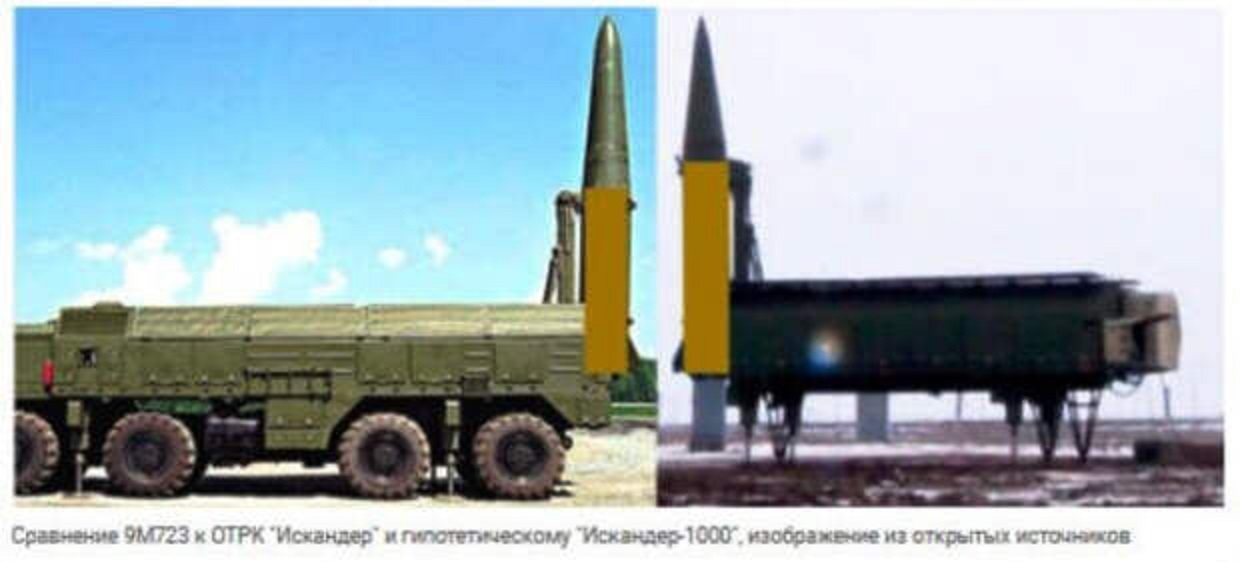
Externally, the “Iskander-1000” (according to available data) is no different from the base model: a quasi-ballistic missile 7.3 m long, 0.92 m in diameter, and weighing about 3.8 metric tons. The increased range is achieved by increasing the volume of solid propellant (by 10–15%) and using a higher-energy propellant—octogen. This allows the main engine to operate longer and reach a speed of 2,700–3,100 m/s (compared to 2,100 m/s for the 9M723).
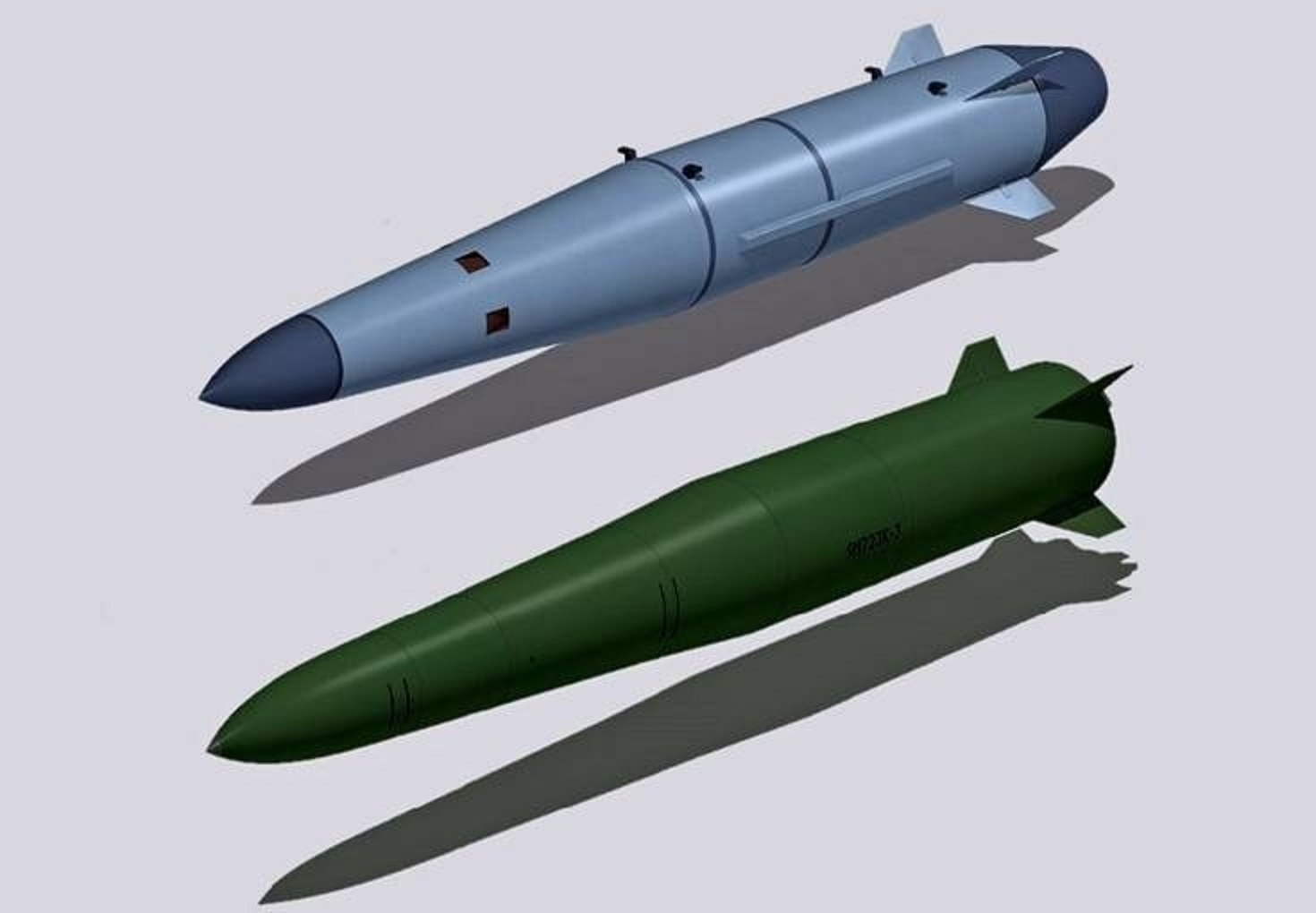
The “Kinzhal” missile (top) and the “Iskander” missile (bottom)
The flight path is quasi-ballistic, with an apogee at an altitude of 120–130 km. This makes interception during the cruise phase virtually impossible:
- SM-6 anti-aircraft missiles are effective up to 35 km;
- THAAD and SM-3 kinetic interceptors lose the sensitivity of their infrared seekers at altitudes above 95–120 km due to overheating of their fairings.
During the initial and terminal phases, the missile maneuvers using aerodynamic control surfaces and tail control units, reaching g-forces of up to 25–30 g. Its speed during the final approach to the target is 1,400–1,900 m/s (about Mach 5), making interception by modern missile defense systems unlikely.
Aiming and Accuracy
The circular error probability (CEP) of the new variant is estimated to be 5–10 meters, which is inferior to that of the base “Iskander” (1–2 meters). The reason is the inability to use an optical homing head due to thermal loads during the terminal phase. Instead, an inertial guidance system is used, corrected by GLONASS/GPS signals via the “Kometa-R8” module.
When satellite navigation is jammed, the circular error probability (CEP) increases to 30–50 m. Additionally, the missile can be equipped with:
- a dipole reflector module;
- an onboard electronic countermeasures system operating in the X, J, and Ka bands.
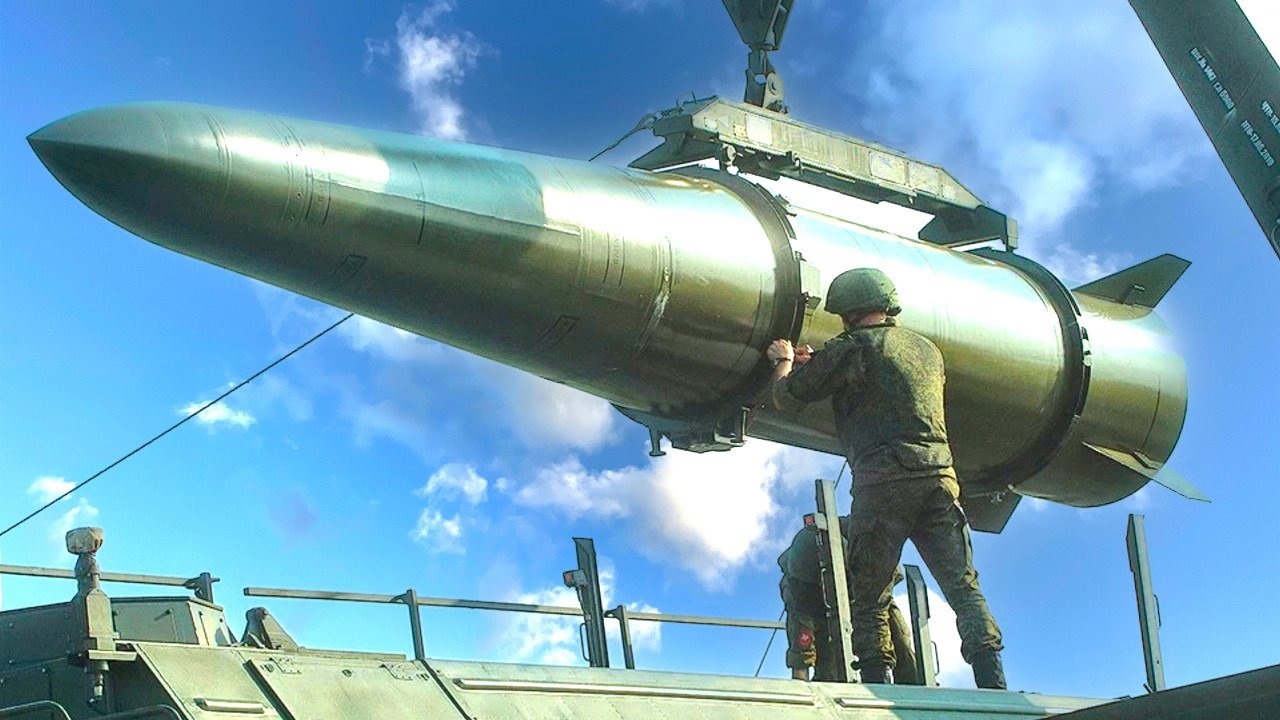
Loading Iskander missiles
Combat Units
The warhead weight has been reduced to 300 kg (compared to 480 kg for the base version) with a range of 1,000 km; when launched at a range of 1,300 km, it can be approximately 200 kg. Possible warhead types:
- Nuclear—presumably with a yield of 10–50 kt;
- Penetrating (concrete-piercing) — for striking underground targets;
- High-explosive fragmentation — for precision targets (military units, warehouses, command posts);
- Cassette munition — for area-of-effect strikes (airfields, railroad hubs, concentrations of military equipment); area of effect — up to 1 hectare;
- High-explosive fragmentation—potentially more effective than the ODAB-500, especially in urban areas or when targets are concealed.
It takes 15–20 minutes to replace the warhead and guidance modules.
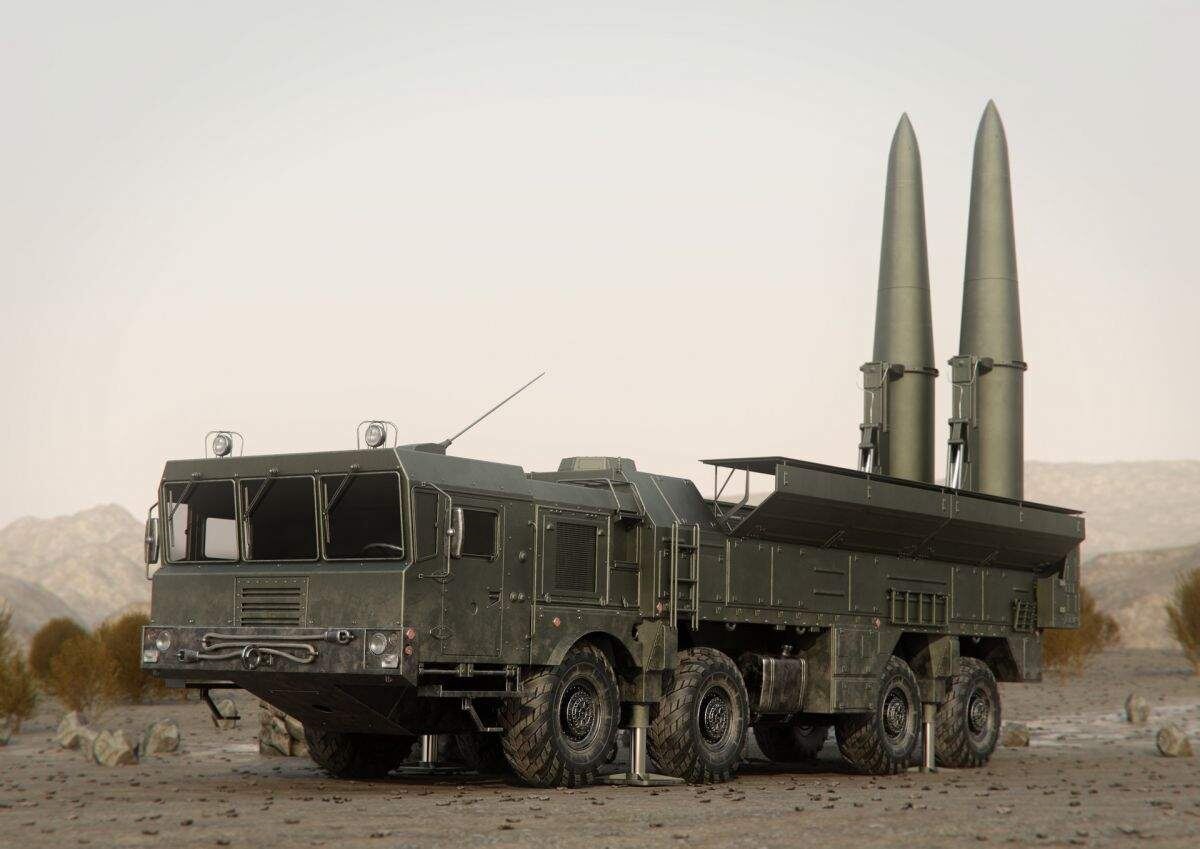
The Iskander launcher is ready for launch
Prospects for Deployment
Developing the “Iskander-1000” does not require designing a new system from scratch: the existing infrastructure—launch vehicles, transport-loading vehicles, command-and-control vehicles, and support vehicles—can be adapted with minimal modifications. The missile’s dimensions remain unchanged, which simplifies the modernization of production lines.
A number of official statements indirectly confirm this trend:
- December 23, 2023 — The Commander-in-Chief of the Strategic Missile Forces announced his intention to deploy medium- and short-range missiles “as soon as possible”;
- May 6, 2024 — The Russian Ministry of Foreign Affairs announced the start of production of such systems;
- June 28, 2024 — President Vladimir Putin confirmed that “the relevant systems are currently in mass production.”
If this information is accurate, the Iskander-1000 could enter operational service as early as 2025–2026—before the United States deploys its counterparts in Europe: the Tomahawk and the LRHW (Dark Eagle).
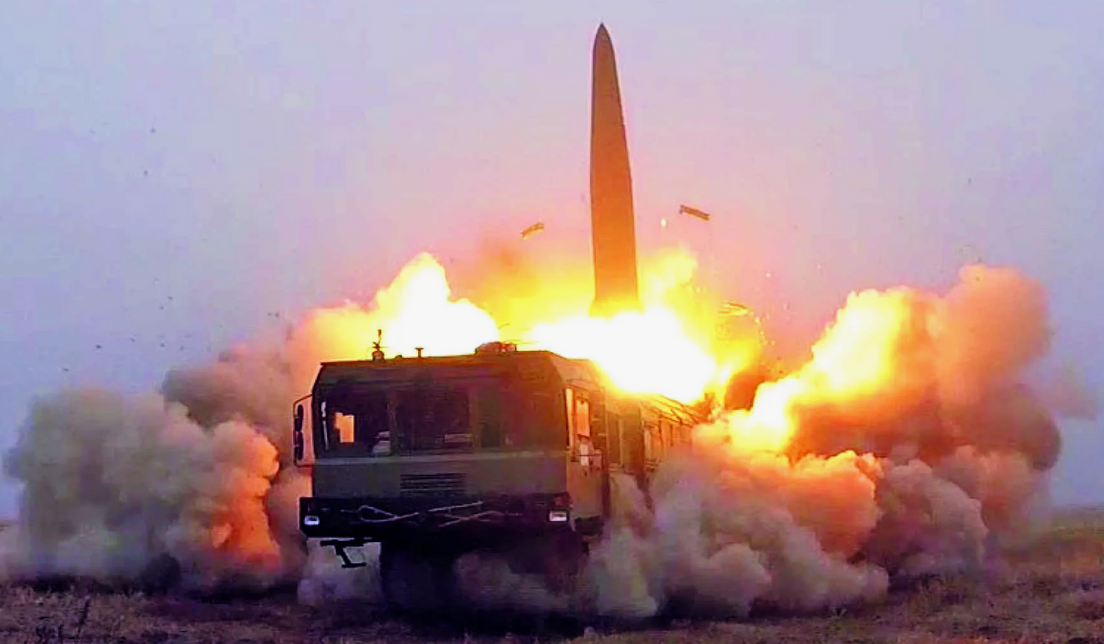
Launch of an Iskander missile
Such a system will be of particular operational value in western Ukraine, where conventional Iskander missiles cannot reach strategically important targets. The use of the long-range version will render even those targets vulnerable that were previously considered “out of reach”—including potential F-16 bases and facilities where NATO military advisers are stationed.