Strikes on the "Eyes" of Missile Defense: Why Iran's Attacks on Radars Have Become a Warning Sign for Modern Defense Systems

Modern missile defense is a complex, multi-layered system in which not only interceptor missiles but also detection systems play a key role. Without radars and sensors, even the most advanced systems become virtually useless.
That is precisely why the series of Iranian strikes against U.S. and allied radar stations in the Middle East has caused serious concern among military analysts. The targets of the attacks were not so much anti-missile launchers as the sensor infrastructure that underpins the entire defense system.
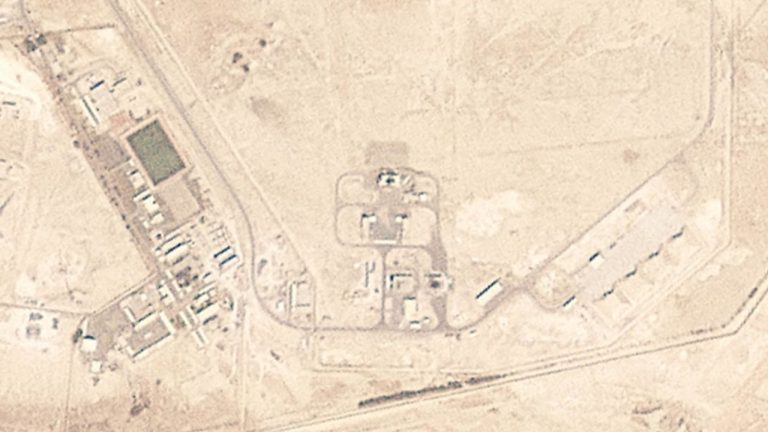
This incident served as a clear example of just how vulnerable the “eyes” of modern missile defense systems can be.
Contents:
Which radars were targeted?
The AN/TPY-2 is the key radar of the THAAD system

This radar station operates in the X-band and performs critical functions:
- detection of ballistic missiles at ranges of up to several thousand kilometers;
- tracking targets during the mid- and terminal phases of flight;
- transmission of data to interception systems.
According to satellite imagery and open-source data, one of these radars sustained serious damage at the Muwaffak Salti Air Base in Jordan.

The cost of a single AN/TPY-2 station is estimated at approximately $300 million, and its loss creates a significant “gap” in the region’s radar coverage.
Early-Warning Long-Range Radars
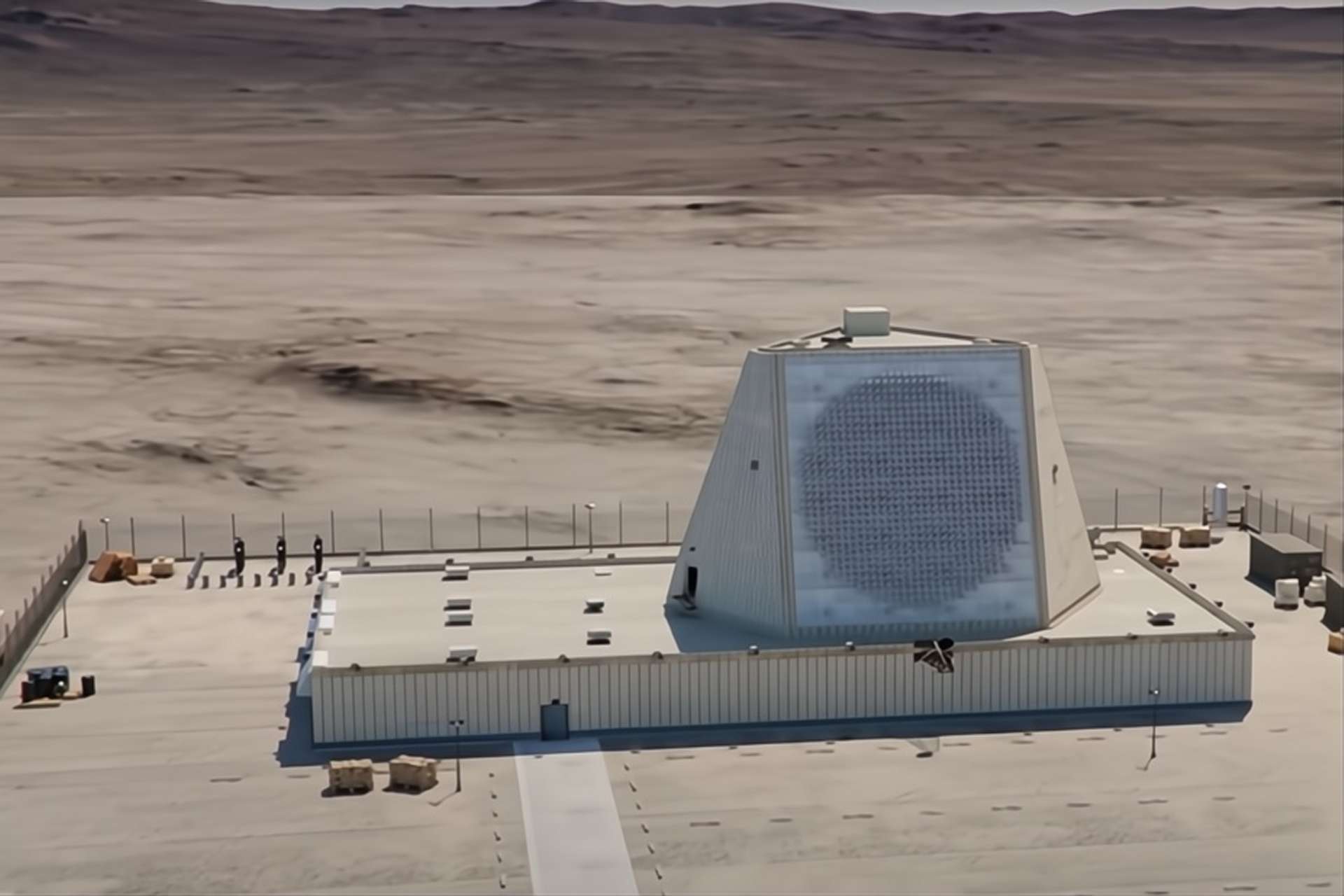
In addition to the THAAD radars, the strikes also targeted larger early-warning stations.
In particular, there were reports of damage to the AN/FPS-132 radar located at Al Udeid Air Base in Qatar.
These stations serve a strategic purpose:
- detect ballistic missile launches at an early stage;
- transmit information to missile defense systems;
- are integrated into the regional early warning network.
Such radars are part of the broader architecture of the U.S. integrated air and missile defense system in the Middle East.
Which air defense systems were affected?
THAAD — Terminal Phase Air Defense
The THAAD system is designed to intercept ballistic missiles at altitudes of up to approximately 150 km.
Each battery pack includes:
- radar AN/TPY-2
- command post;
- mobile launchers.
If the radar is disabled, the battery itself remains operational but loses access to precise guidance data, which drastically reduces the effectiveness of the interception.
Patriot — the first line of defense
The Patriot missile system remains the primary medium-range air defense system in the region.
These systems are capable of intercepting:
- airplanes;
- cruise missiles;
- certain ballistic missiles.
However, Patriot frequently relies on data from external radars and sensor networks, so the destruction of key detection stations could affect the operation of the entire defense architecture.
How Drones and Missiles Were Able to Break Through the Defenses
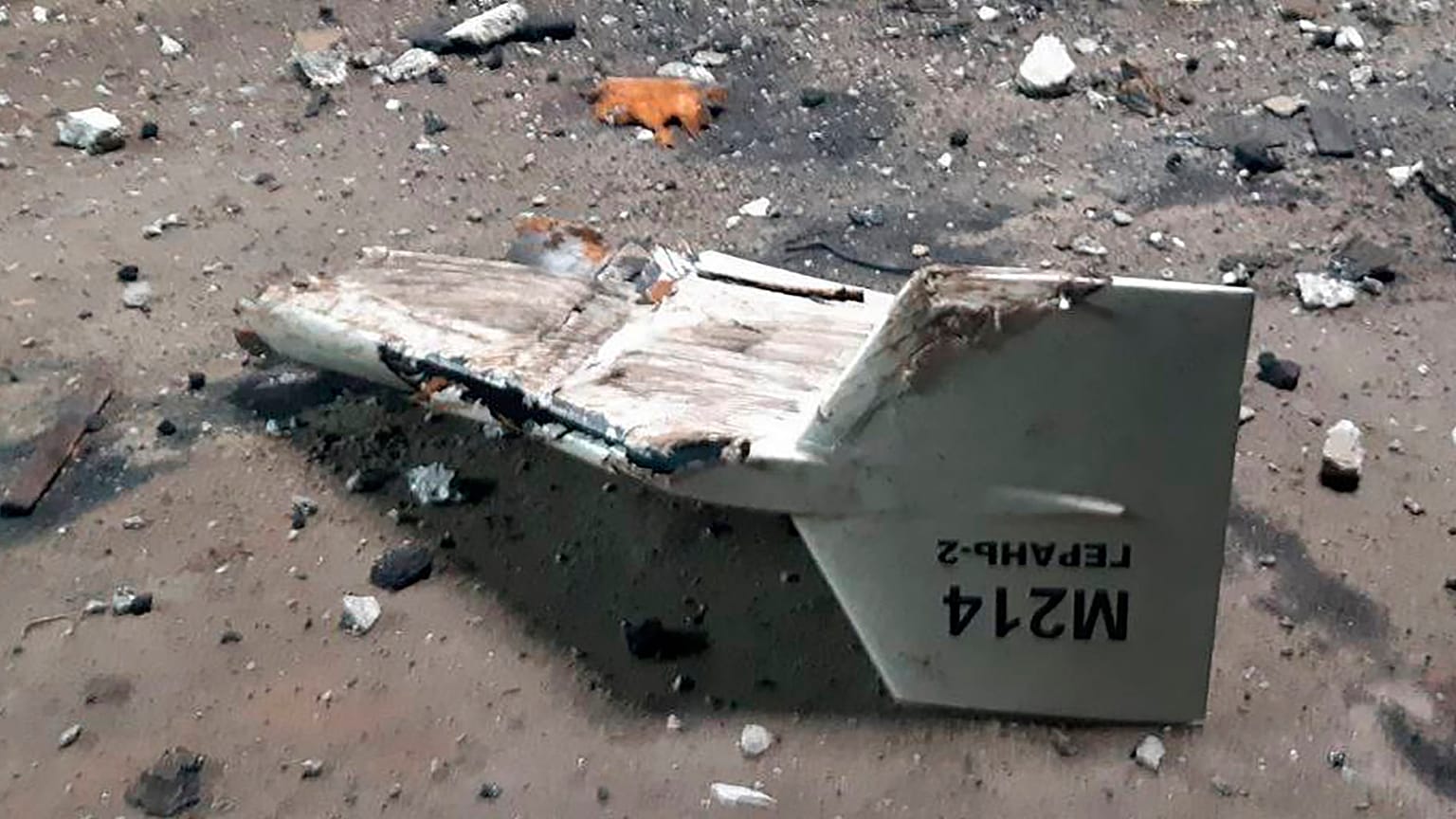
One of the key questions following these attacks is how relatively simple weapons were able to inflict damage on such a complex defense system.
The analysis shows that the attacks were based on several principles.
Overloading the System with Goals
Modern missile defense systems have a limit on the number of targets they can track simultaneously.
The attack likely involved a combination of the following:
- drones;
- cruise missiles;
- ballistic missiles.
This approach forces the defense to allocate resources among a multitude of threats.
The Use of Low-Cost Drones
Shahed-136 loitering munitions have become one of the main weapons used in the attack.
These drones have a number of features:
- low radar cross-section;
- low speed;
- potential for widespread use.
Their cost represents only a small fraction of the cost of the systems they can disable.
Strikes on Known Coordinates
Radar stations are large, fixed facilities. Their coordinates are often known from commercial satellite imagery.
Even if the complex itself is protected, its antennas and supporting infrastructure remain vulnerable to precision strikes.
The Problem of Low-Flying Targets
Many missile defense systems are optimized to intercept ballistic missiles flying at high altitudes.
Low-flying drones and cruise missiles are harder to detect:
- they fly close to the surface;
- may be hidden by the terrain;
- leave less time to react.
A New Lesson for Missile Defense
This series of strikes revealed an important trend in modern warfare:
Sensors, rather than interceptors, are becoming the top priority.
The destruction of several radar systems could significantly reduce the effectiveness of the region’s entire defense system.
That is why many countries are already working on new approaches:
- distributed radar networks;
- mobile touchscreen systems;
- integration of early-warning satellites;
- special measures to counter swarms of drones.
The main conclusion is obvious:
In future conflicts, the battle will be fought not only to destroy enemy missiles, but also to gain control over the “eyes” of the defense system—radars and sensors—without which a modern missile defense system would effectively lose its effectiveness.