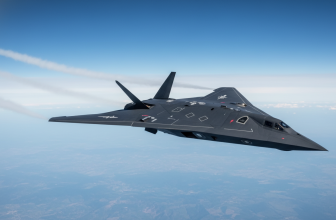
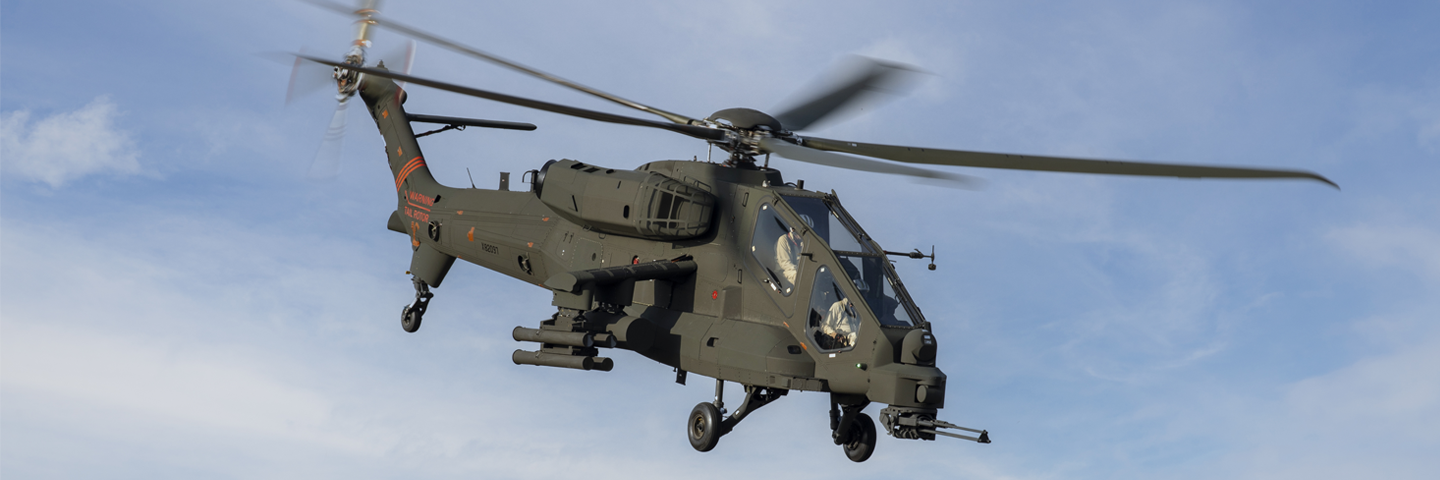
The new Italian attack helicopter, the Leonardo Helicopters AW249 Fenice, is a hybrid of a helicopter and a drone

The Italian government has announced plans to increase its order for the latest Leonardo Helicopters AW249 Fenice helicopters.
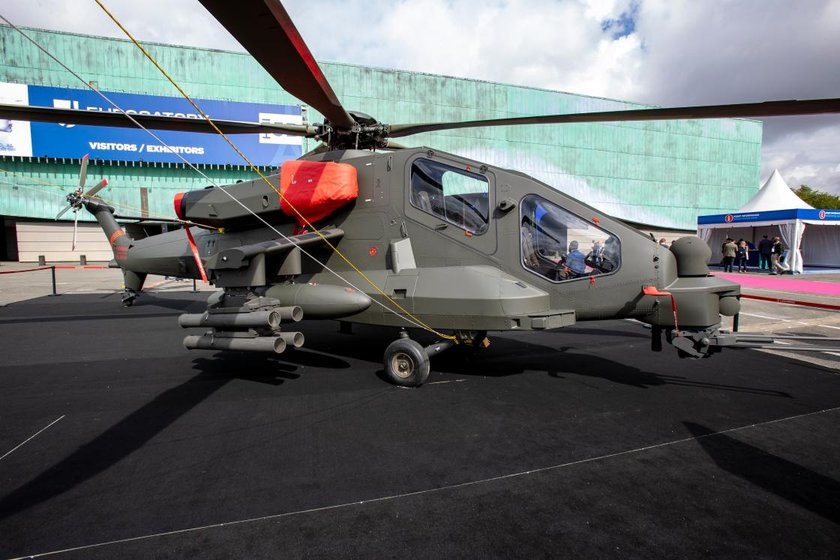
Four prototypes are currently undergoing testing and showing promising results. According to the plan, a total of 48 units of this type will be built, with the first batch of 17 vehicles scheduled for delivery by the end of 2027.
The helicopter was developed by Leonardo S.p.A. This major Italian conglomerate has extensive experience in the design and manufacture of rotorcraft. Work on the project began in 2017. The new model is intended to replace the Agusta A129 Mangusta currently in service with the Italian Army. Production of the A129 began in 1990, although development had started as early as 1983. The design was based on that of the American Boeing AH-64 Apache helicopter.
The four helicopters being used in the current tests will subsequently be used to train Italian Air Force pilots in operating the new equipment.
So what are the differences with the new car?
The Fenice’s primary armament will be similar to that of the A129. These include the M197, a 20-mm, three-barrel, electrically driven rapid-fire cannon, and SPIKE-ER anti-tank missiles, which are equipped with a homing seeker and operate on a “fire-and-forget” principle.
The power plant has been modernized. The latest model is equipped with two American General Electric CT7-8E6 engines, each rated at 2,503 horsepower. The A129 used licensed copies of British Rolls-Royce Gem 2-1004D engines, each rated at 890 horsepower. The increased engine power allowed the combat payload to be increased to nearly two metric tons. The helicopter’s maximum takeoff weight increased from 5 to 8 metric tons, making it significantly heavier than its predecessor.
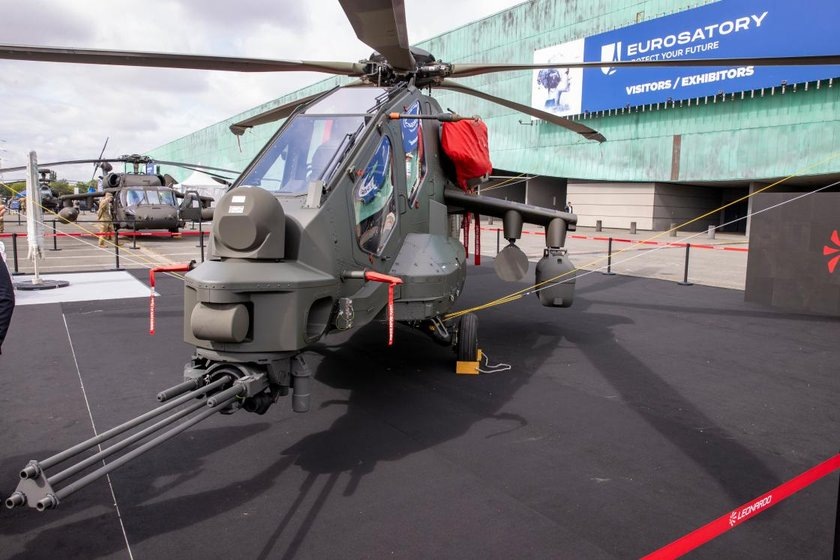
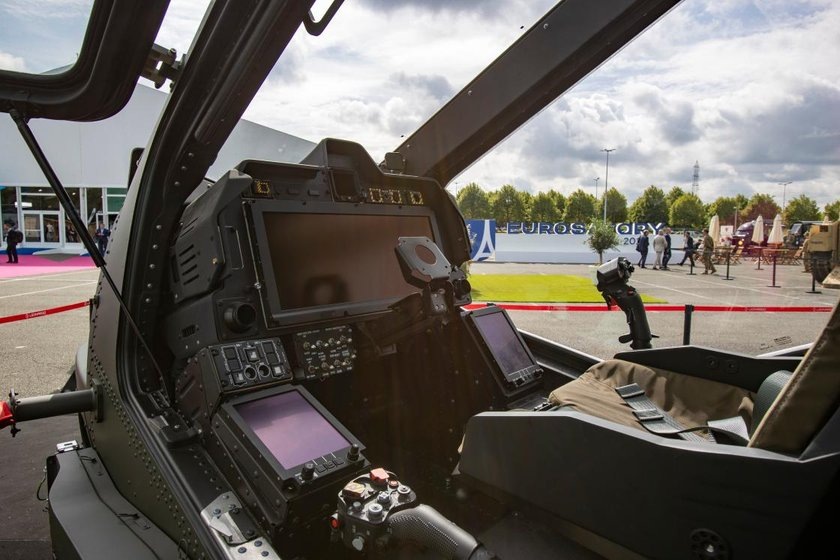
However, the main difference will be the latest electronic systems. The developers state that the helicopter will be equipped with modern communications and weapons control systems. Pilots will have access to advanced situational awareness tools, which will reduce the workload on the crew. A key feature of the helicopter will be the ability to control drones directly in flight using its avionics. It is not yet clear what types of drones will be used—reconnaissance or reconnaissance-and-strike drones. However, the developers guarantee that all systems will use an open architecture. This means that the helicopter could potentially serve as a flying command post for virtually any unmanned aerial vehicle.
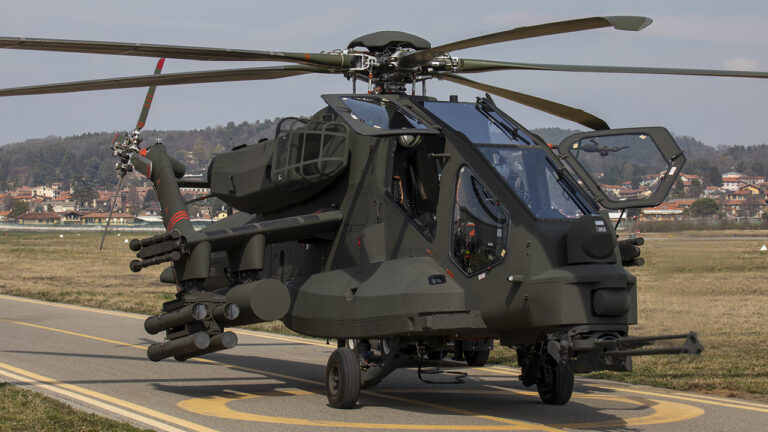
- AW249 24001 static display
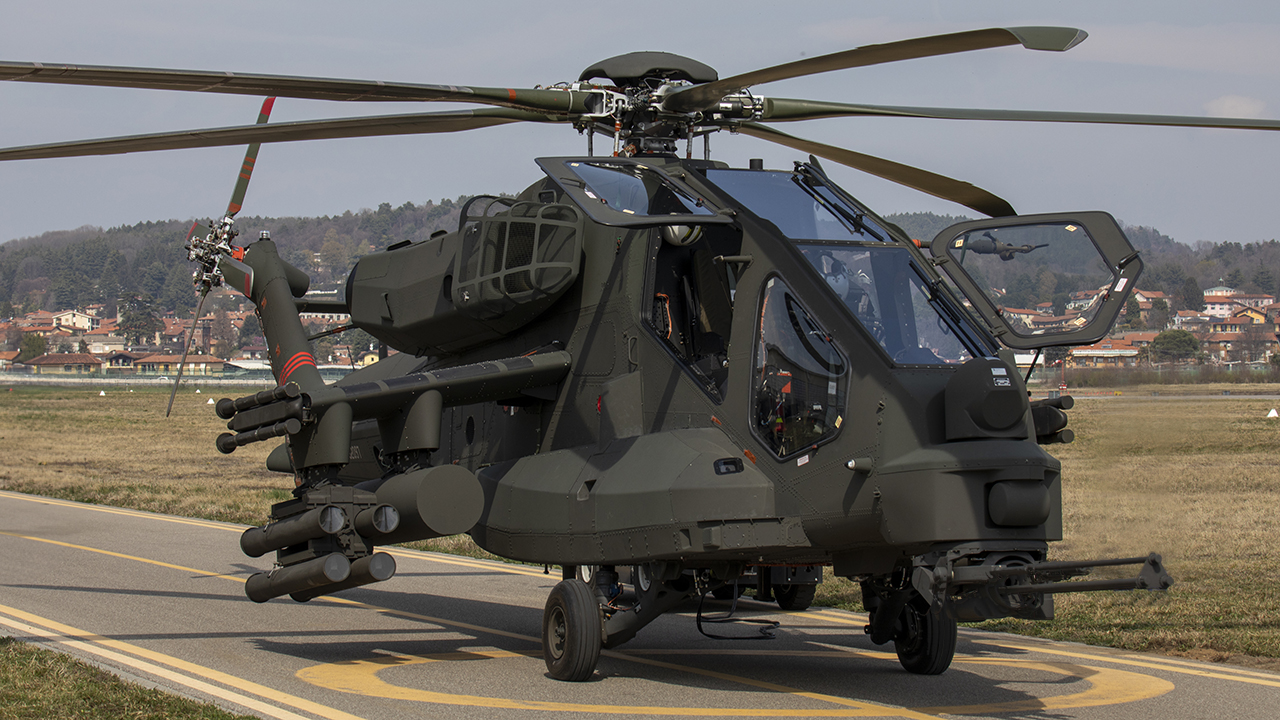
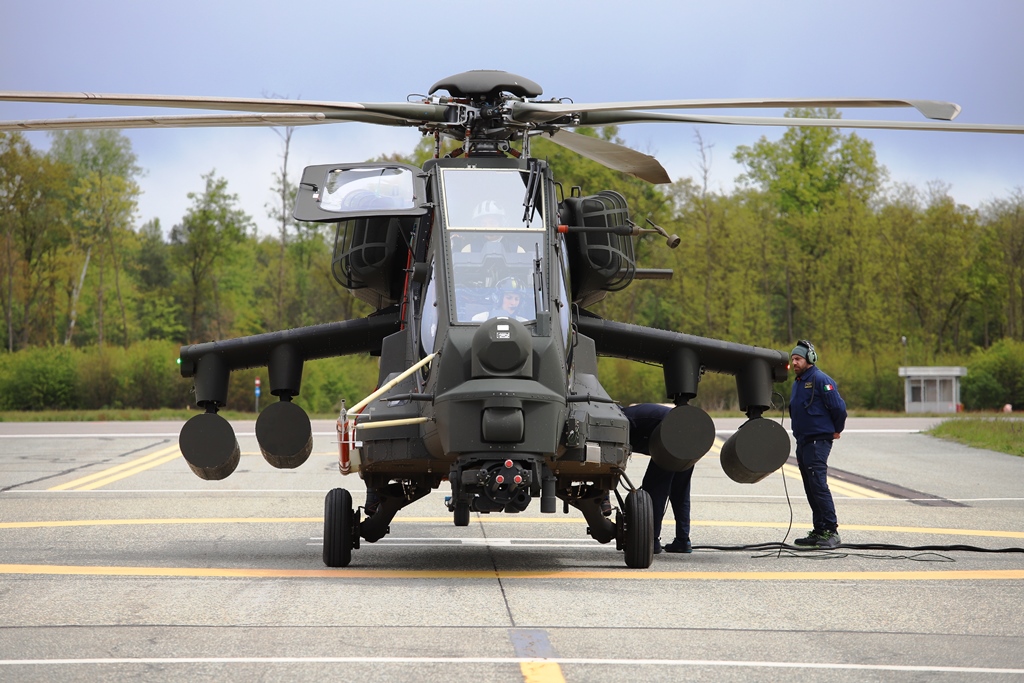
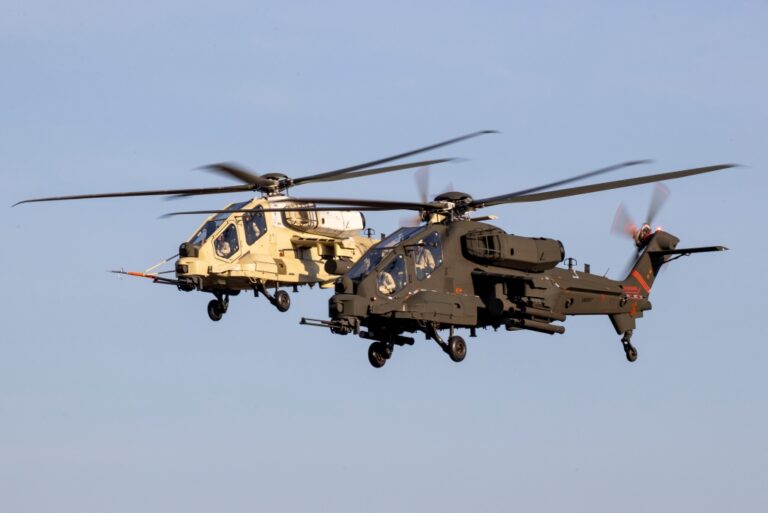
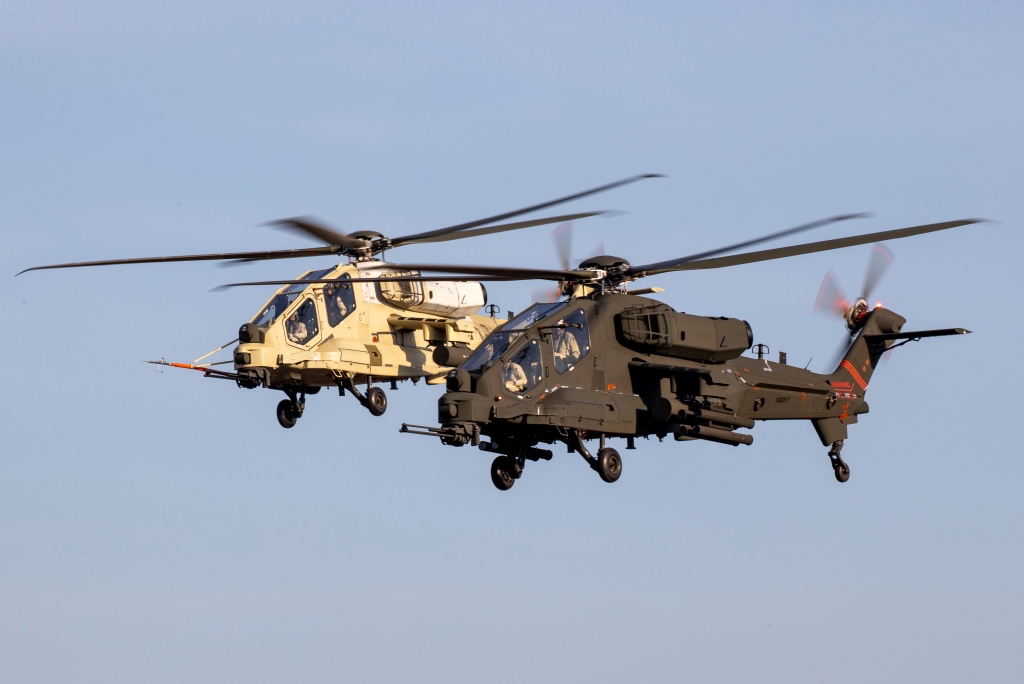
- AW249 formation flight 24001 & 24003
Based on material from https://dzen.ru/a/Z78PDOpnOwByKG_q