To what extent are S-400 air defense systems capable of detecting and shooting down American stealth fighters—the F-22 and F-35—and how do they do it?

The S-400’s ability to detect the much-touted American stealth fighters, the F-22 and F-35, and, consequently, to destroy them, has long been the stuff of legend. And while the U.S. openly intimidates some countries and does everything in its power to prevent them from acquiring export versions of Russian air defense systems, others are trying to figure out why the S-400 is actually so dangerous to American stealth fighters. Let’s try to get to the bottom of this issue ourselves.
Contents:
Why Is a Digital Aircraft Profile So Important?
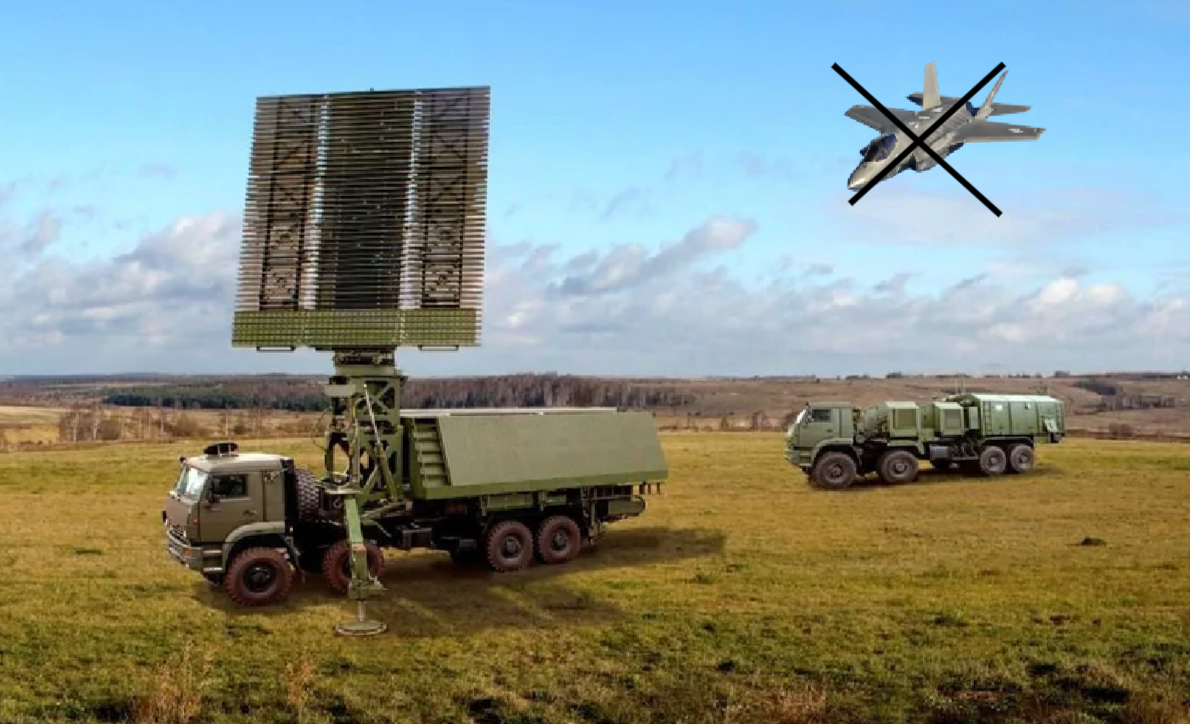
The final and extremely effective weapon in the S-400’s arsenal against an intruder who dares to fly into a restricted area is its missiles. Incidentally, the system is initially configured by default to track low-observable targets, and perhaps the main secret of this system—which people have been trying to unravel for years—lies hidden within the depths of the 96L6E all-altitude detector.
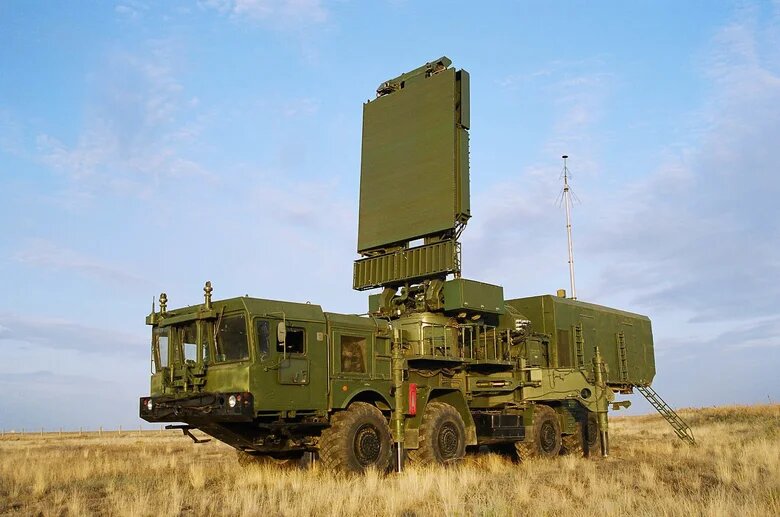
Well, if there are many such small targets and their locations need to be determined with meter-level precision, the 59N6 radar comes into play. Both radars operate in what is known as “accelerated target processing” mode. And even before a missile is launched toward the intruder, all target parameters will have been reliably stored and pre-processed.
In other words, the S-400 system creates a digital “portrait” of every target within the range of its highly sensitive radars.
By the way, the Americans were convinced that their F-117 was simply impossible to detect, but, unfortunately for them, they ran into an S-400
For example, the first American F-117 stealth fighters were long touted as completely invisible and invulnerable to enemy air defenses.
But the thing is, stealth technology has its limitations, and if radars operate in the 8–12 GHz range, then yes, stealth technology is very effective. But here’s the catch. Our systems, specifically the S-400, operate on ultrashort waves ranging from 30 MHz to 3 GHz. And at these frequencies, the much-vaunted American “invisible” aircraft starts to light up on radar like a Christmas tree.
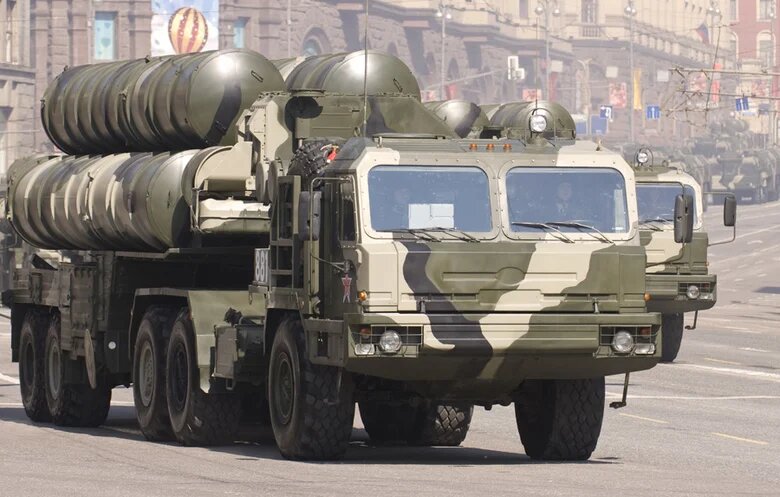
By the way, to put it very simply, here’s how our radar systems work: several radars from different directions simultaneously scan the sky with thousands of pulses, allowing the movement of any object to be observed on the screens in real time.
At the same time, a S-400 division may include several such groups, which constantly exchange data with one another. As a result, even those crews that were previously unaware of an object’s arrival in their area of responsibility become aware of it.
And the system’s ability to detect even small targets has, in fact, become a real stumbling block for NATO and the United States. After all, it was Turkey’s purchase of the export version of this system that led to the decision to deny Turkey the sale of F-35 aircraft. The official denial stated the following:
“Incompatibility between air defense systems and fifth-generation fighter jets,” but in reality, things are somewhat different.
The main reason for the rejection was the United States’ fear that the specifications of its most advanced (in its view) fifth-generation aircraft would fall into Russian hands.
At the same time, the export versions of the S-400, of course, do not provide any information to Russia.
And they know this very well in America. The reason is most likely that Turkey has been trying for a very long time—and so far without much success—to develop its own fifth-generation fighter jet. Let me remind you that the S-400 tracks a vast number of aircraft parameters, and if Turkey manages to “detect” the F-35 with our radars, it will obtain a massive amount of data that will allow it to make significant progress in its own development efforts.
Russia does not know all the secrets of American aircraft, but this is only temporary
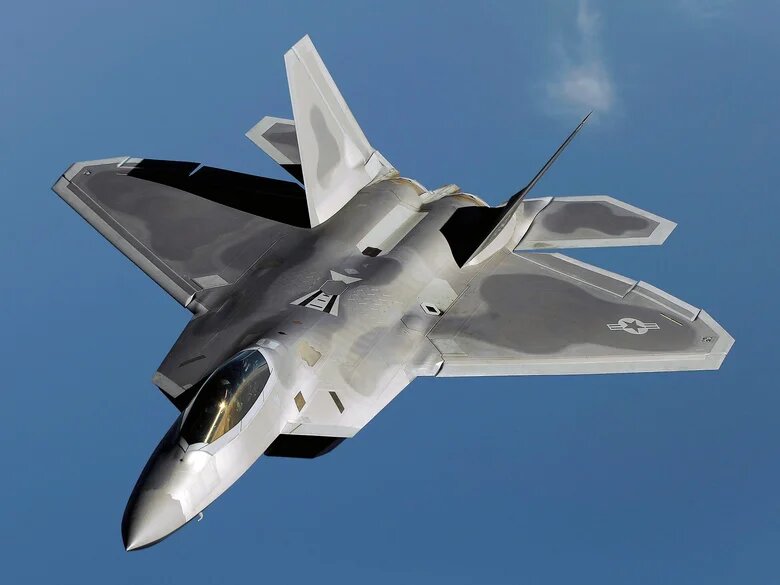
Yes, we already realize that the export versions of the S-400 won’t be able to provide our engineers with such valuable data. But there’s no need to worry too much about that. After all, our air defense systems are doing an excellent job of tracking the flights of those American “little birds” over Kamchatka.
In fact, our crews probably know the U.S. Air Force unit stationed in Alaska almost by name. So, in addition to the F-35, our crews have also studied the top-secret F-22, whose design and features the U.S. guards like the apple of its eye.
Well, as soon as the S-500 becomes operational, its detection range will exceed that of the S-400 by an impressive 250 km, and its detection altitude will reach 180 km—at which point there will be no secrets left. And our crews will have all the data at their disposal by the time these aircraft are taking off from the runway.
And the fear of our systems is starting to work like a vaccine—as soon as our systems appear somewhere, American fighter jets disappear from that area.
Source — https://dzen.ru/a/ZYLcvyWauj1h7SX7