When the Old “Flying Radars” Are Back in Action: Why the Mass Deployment of the E-3 Sentry Reveals Serious Structural Problems

In February 2026, the U.S. Air Force deployed a significant portion of its fleet of Boeing E-3 Sentry aircraft to bases in Europe and the Middle East as part of intensive preparations for possible strikes against Iran. This means that nearly 40% of all available E-3s in the Air Force were brought to operational readiness and deployed to forward positions.
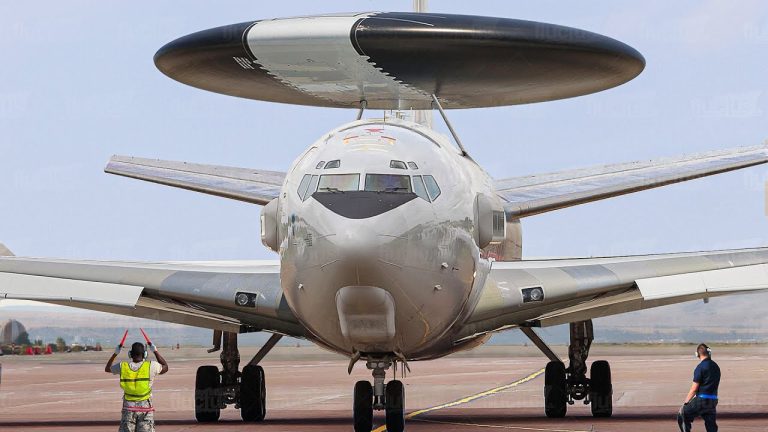
It sounds impressive—but there’s a troubling reality behind it: these aircraft should have been replaced long ago, and their limited numbers and age call into question the U.S. Air Force’s ability to carry out multiple missions simultaneously around the world.
Contents:
E-3 Sentry: A Flying Combat Control Center
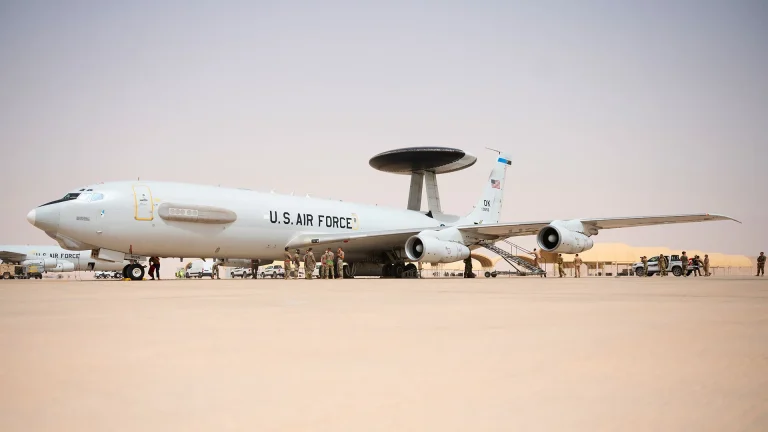
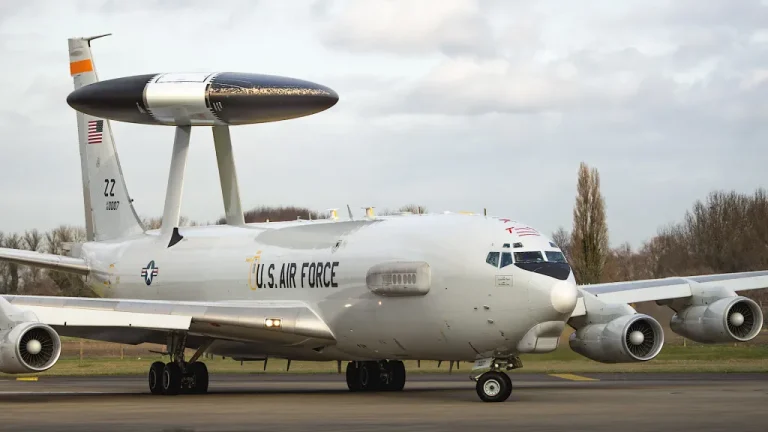
The classic E-3 Sentry is a long-range airborne early warning and control (AWACS) aircraft based on the civilian Boeing 707.
These aircraft don’t just “fly over the combat zone” — their massive rotating antenna above the fuselage is capable of monitoring the airspace for hundreds of kilometers in all directions, tracking aircraft, ships, missiles, and even low-flying threats such as drones.
Their purpose is to provide situational awareness and manage air combat. They serve as a kind of airborne command post, not only observing and recording the air situation, but also helping to redeploy forces by directing fighters to where they should operate and informing command of what is happening on the battlefield.
The Crisis in Iran — “A Challenge for the Elderly”
In recent days, the U.S. Air Force has deployed six of its 16 E-3 aircraft, first to the United Kingdom and Germany, and then to Prince Sultan Air Base in Saudi Arabia, where they will join the growing air presence. This indicates that these aircraft are considered key to future operations and the defense of allies.
But here’s the problem:
- Of the 16 aircraft, about half are actually ready to fly at any moment, while the rest are undergoing maintenance or awaiting repairs.
- The E-3 fleet is struggling to cope with the workload: its average mission readiness rate was about 55–56% in fiscal year 2024, meaning that nearly half of the aircraft were unfit for actual missions at any given time.
This situation suggests that nearly all of this type’s “operationally capable assets” are simply being deployed to active operations, even though they are no longer new and require significant maintenance.
What is the “midlife” crisis?
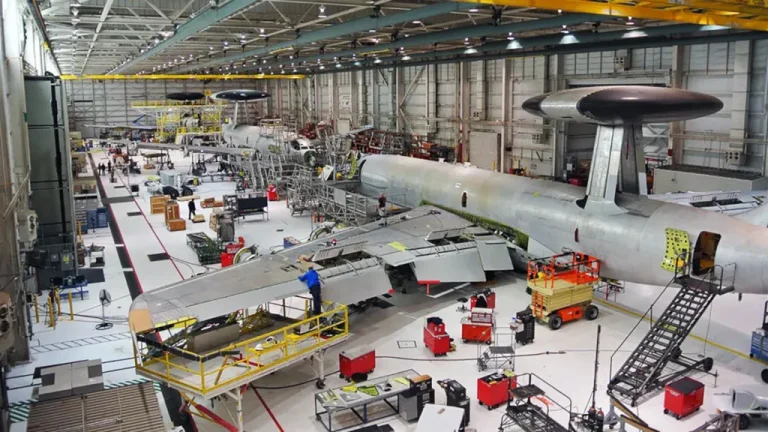
The first E-3 Sentry was built back in the 1970s, and the last production models were manufactured in 1992. Since then, no new E-3s have been produced, and the aircraft’s avionics and technical systems have become obsolete:
- The aircraft is based on the Boeing 707, which has long been out of production, making maintenance more difficult.
- The TF33 engines that power many of the U.S. Air Force’s E-3s are also long outdated, and production of them has been discontinued, which is causing problems with the supply of spare parts.
- The equipment compartment contains old radars, computers, and communication lines that constantly require upgrades, replacement, and maintenance.
A former air force commander put it this way: the current fleet consists of “aircraft in hospice care”—too old to keep in service for much longer, but still too essential to be retired.
So where’s the replacement?
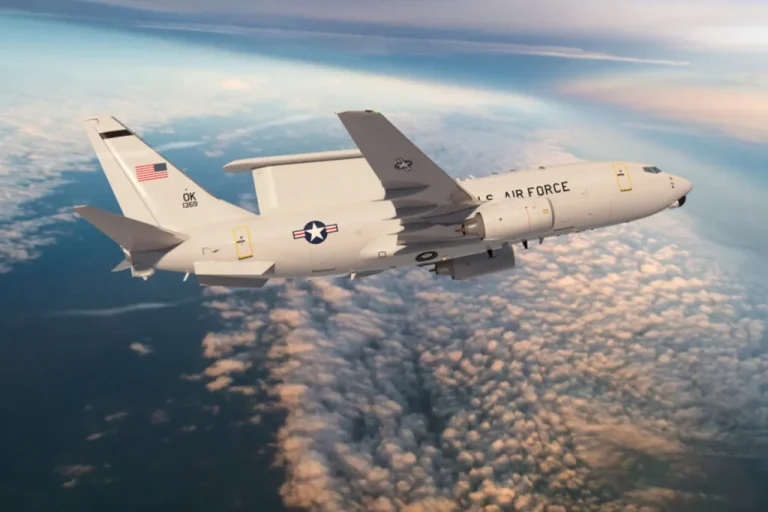
As early as 2022, the U.S. Air Force began efforts to replace some of its E-3s with more modern Boeing E-7 Wedgetail aircraft, which offer improved detection and control capabilities through the use of advanced digital systems.
But the E-7 program faced delays and budget overruns. At one point, the Pentagon officially planned to abandon the Wedgetail procurement in favor of cheaper platforms, such as carrier-based E-2 Hawkeyes, which called into question the possibility of a full-fledged replacement.
This sparked a strong reaction among lawmakers: for example, Senator Lisa Murkowski of Alaska explicitly stated that the E-3 remains “barely operational,” and that simply “taping it up” is not enough to ensure its combat readiness, especially given the growing operational demands in the Arctic and other regions.
As a result, Congress intervened and blocked further E-3 retirements at least until the end of fiscal year 2026, and also reversed the decision to phase out the E-7 program; however, the timeline for introducing the new equipment may now be pushed even further into the future.
What Does the Redeployment of the E-3 to the Middle East Mean?

The deployment of part of the fleet from the U.S. and Europe to the crisis zone around Iran highlights two points at once:
- The E-3s remain essential for modern air warfare—their capabilities for detection, tracking formations of aircraft, and airspace control cannot be easily replaced.
- But the fleet is too small and too old to carry out global missions in several regions at the same time—which is precisely why a buildup in the Middle East could result in gaps in other theaters, such as the Pacific.
What to Expect Next
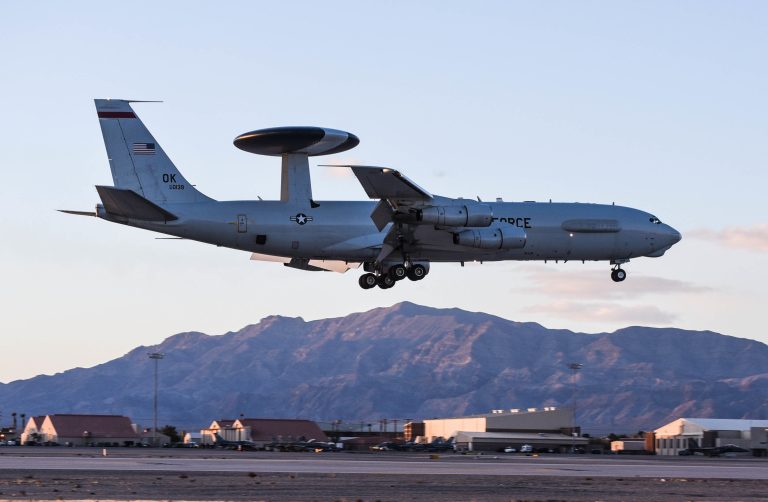
As the U.S. prepares for possible military action in the Middle East, the aging AWACS aircraft remain a key asset. But questions about when and with what they will be replaced remain a major strategic challenge for the Air Force:
- The E-7 Wedgetail has officially been reinstated in the procurement program, but its mass production and entry into service will take years.
- Temporary solutions—such as using carrier-based E-2 Hawkeyes—may help, but they are not equivalent in terms of capabilities.
- And even the most advanced space-based observation systems and networked sensors, which are scheduled to be deployed in the 2030s, are still far from being fully operational.
Conclusion
The large-scale deployment of E-3 Sentry aircraft amid tensions surrounding Iran is not merely a show of force, but clear evidence that AWACS aircraft remain a critically important element of air warfare, despite their age and technical issues.
But at the same time, this highlights:
- The fleet is too small to handle the growing range of tasks;
- The replacement of outdated equipment is being delayed;
- and there is still no ready-made solution that can fully fill the gaps left by the aging E-3s.
по материалам https://www.twz.com/air/major-deployment-of-rickety-e-3-sentry-fleet-for-iran-crisis-highlights-worrisome-gaps