The Tu-214 is set to get a new lease on life. What engineering marvels will be hidden beneath its updated exterior?

The Tu-214 is a long-range version of the Tu-204-200, which was developed back in the late 20th century. Despite the Tu-214’s impressive flight performance at the time, mass production of this airliner was limited due to economic factors and fierce competition from Western manufacturers such as Airbus and Boeing.

According to studies by Russian research institutions, including MAI and TsAGI, the current situation calls for an urgent solution to the issue of the competitiveness of the domestic aircraft manufacturing industry, and the modernization of the Tu-214 is viewed as one of the possible paths for the development of the domestic aviation industry. Furthermore, in 2024, a special design center for the modernization of the Tu-214 was opened in Moscow under the leadership of Tupolev JSC and with support from various parties.
However, given the progress of the MC-21 program, the question arises as to whether it is advisable to invest significant resources in modernizing an aging aircraft model. This decision should be based on an analysis of the economic benefits and strategic goals for the development of Russia’s aircraft manufacturing industry.
Calculations conducted by MAI experts show that a major modernization of the Tu-214 will require significant investment; however, the expected economic benefits will justify the costs in the long term.
First and foremost, the Tu-214 deep modernization project can pay for itself thanks to fuel savings and the higher selling price of the modernized aircraft, whereas developing a new aircraft from scratch is a more expensive project and will require more time and resources.
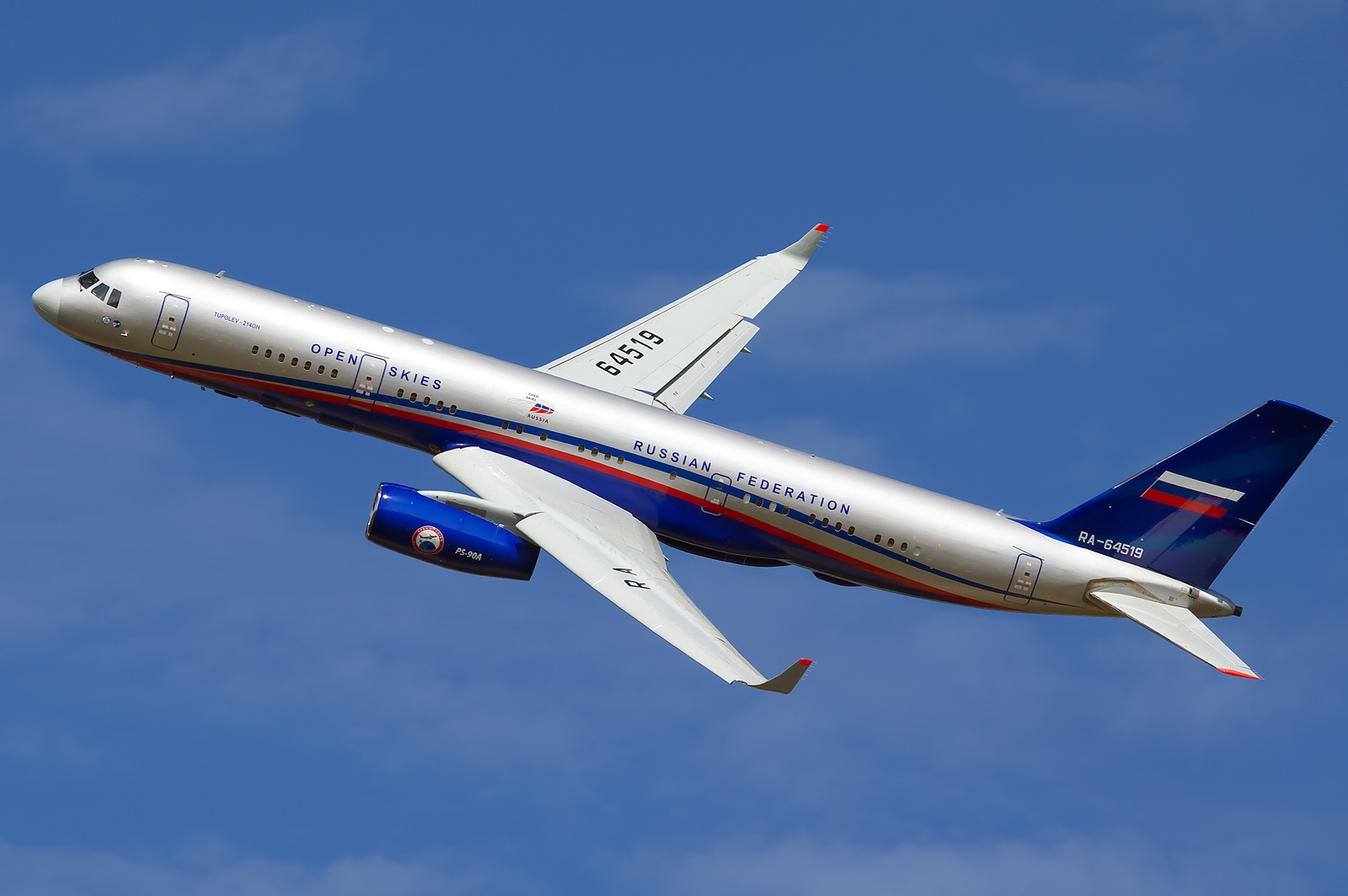
As experts note, in order to meet international requirements and reach the level of modern airliners such as the Airbus A320neo and Boeing 737 MAX, the following key performance indicators must be taken into account when modernizing the Tu-214:
- Operational efficiency: reduced fuel consumption, improved engine fuel efficiency.
- Environmental standards: reduced CO₂ and NOₓ emissions; ICAO noise limits.
- Flight safety: state-of-the-art aviation navigation, communication, and control systems.
- Passenger comfort: improved in-flight conditions to enhance the product’s appeal to airlines and customers.
According to research by the Russian Science Foundation (“Aerospace Technologies of the 21st Century”), achieving the above-mentioned targets is possible only through the adoption of new technologies and materials.
Key Areas of Modernization for the Tu-214:
According to research, the use of new types of engines with similar thrust characteristics—such as the PS-90A3 or the promising PD-18R geared turbofan engine, will reduce fuel consumption by 15% or more compared to existing PS-90A engines. However, there are also “pitfalls” and risks associated with this approach.
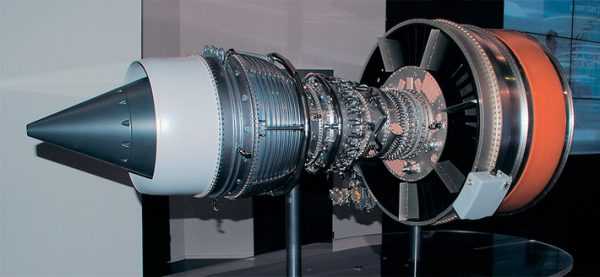
PD-18R engine
According to a scientific and technical report by the Design Bureau of PJSC “Aviadvigatel,” the integration of the previous-generation interchangeable power unit in the PS-90A3 version involves a series of measures aimed at improving the operational performance of the Tu-214 aircraft. This will undoubtedly lead to a reduction in operating costs and improved environmental performance.
Nevertheless, the results of the studies conducted confirm the success of this approach and suggest significant prospects for further improvements to the Tu-214 family of aircraft—but only in the short term. However, in terms of competitiveness on the international market, this aircraft will still lag behind modern airliners—such as the Airbus A320neo and Boeing 737 MAX—in a number of areas.
As for the PD-18R, it is a next-generation Russian engine currently under development based on the PD-14, specifically for new versions of the MC-21 aircraft family featuring a fuselage extended by one section and an increased range.
It is expected that, thanks to its modern design and planetary gearbox, the PD-18R will offer a number of key advantages over traditional direct-drive turbofan engines.
In turn, the planetary gearbox reduces the fan’s rotational speed relative to the engine turbine, which provides greater thrust at lower compressor and turbine speeds.
It also reduces energy losses due to friction and improves the engine’s overall efficiency, resulting in fuel savings of approximately 15–20% compared to modern direct-drive engines. And higher fuel efficiency reduces emissions of carbon dioxide (CO₂) and nitrogen oxides (NOₓ), helping to minimize aviation’s negative impact on the environment.
Another advantage of the PD-18R engine is that its planetary gearbox will allow for a smaller fan diameter while maintaining thrust, which helps reduce the engine’s overall weight and improve the aircraft’s aerodynamic performance.
In addition, by reducing the fan rotation speed, the PD-18R engine should generate less aerodynamic noise, which significantly improves acoustic comfort for passengers and reduces noise pollution at airports and in surrounding areas.
And because of the reduced load on the fan blades and turbines, the engine experiences less wear on its components, which extends the time between overhauls and increases the overall service life of the engine.
However, at this point, the PD-18R is still only a long-term plan, even though preliminary work on this engine and its gearbox at AviaDvigateli in Perm will still be carried out. It is expected that this powerplant will not appear until at least the second half of the next decade, while its absence would likely mean shelving the project to extensively modernize the Tu-214.
As for the possibility of installing the existing modern Russian PD-14 engines on the Tu-214, it is worth noting that this powerplant was developed specifically for the future Russian MS-21 aircraft. However, it can also be used on existing aircraft types, including the Tu-214.
Research conducted by the design bureau of PJSC “Irkut Corporation” also indicates that the PD-14 engine can be adapted for use in Tu-214 aircraft, underscoring the importance of developing a competitive in-house product.The findings of these studies have been published in specialized journals devoted to civil aircraft manufacturing.
According to their data, the project to retrofit the Tu-214 with the PD-14 engine is a technically feasible and economically sound solution, given the strategy for the development of civil aviation in Russia and the international passenger transport market.
The use of the modern Russian-made PD-14 engine reduces the risks associated with the supply of spare parts and the maintenance of foreign-made engines.
Since there is no need to purchase foreign parts, this helps reduce the costs of maintaining and repairing the aircraft fleet.
The development of the domestic industry, as the creation of infrastructure for the production and maintenance of domestic engines contributes to the development of Russia’s aviation sector as a whole.
However, in addition to significant investment, the project to install PD-14 engines on the Tu-214 aircraft will require a number of measures to be taken.
It is noted that this will primarily require modifications to the wing, landing gear, and flight control systems. In this regard, engineering calculations and tests must be conducted in advance to confirm the compatibility of the new power plant with the aircraft’s existing or new systems.
In addition, for an aircraft with new engines to be approved for operation, full type certification of the new aircraft type is required. This includes developing technical specifications, obtaining a type certificate, and conducting tests to confirm the safety and reliability of the new aircraft design.
In addition, to improve the Tu-214’s competitiveness, it will be necessary to modify the aircraft’s design, optimize its aerodynamics, reduce its structural weight, and install modern avionics.
Modifying the wing shape and using composite materials will reduce aerodynamic drag and improve flight efficiency. Improving the wing geometry will increase the lift coefficient and reduce the aircraft’s weight.
The use of composite materials in the fuselage and wings will result in a significant reduction in the aircraft’s weight. The reduction in total weight will lead to lower fuel consumption and an increase in payload capacity.
The installation of modern avionics, including integrated avionics and a flight management system, will improve flight safety and comfort. Modern engine condition monitoring systems will also help reduce maintenance costs.
The study concludes that a comprehensive modernization of the Tu-214 aircraft appears to be an appropriate measure for sustaining the Russian aircraft manufacturing sector in the global market. Furthermore, the use of the latest technologies and materials will make it possible to create a competitive product that meets global aviation standards.
However, it is emphasized that, as work on the development of the MS-21 aircraft of the same class nears completion, further study and analysis of the situation are necessary, and this should be prioritized before a final decision is made on whether to carry out a comprehensive or partial modernization of the Tu-214.
Source — https://dzen.ru/a/aV5IQxebV0GshccT