Almost Decommissioned—Back in Service: What the “Cheetah” Anti-Aircraft System Really Is

Amid reports that Belgian self-propelled anti-aircraft guns might have been scrapped and that transferring them proved to be a difficult task, interest in the system has flared up again. The story itself is telling: equipment that was considered obsolete suddenly turns out to be in high demand. But if we set aside the media hype, it becomes clear that the reason lies not in politics, but in the vehicle’s design itself.
The Flakpanzer Gepard is one of those rare cases where the engineering logic of the Cold War unexpectedly aligned with the demands of modern warfare.
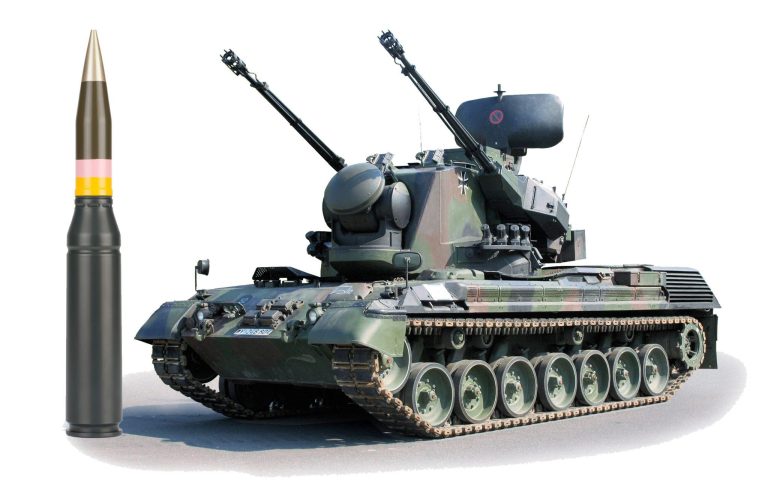
Chassis and Layout: The Tank as the Basis for Air Defense
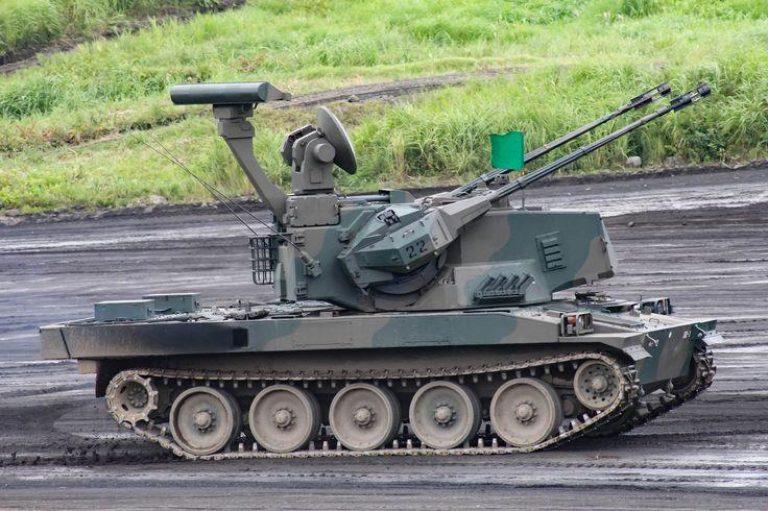
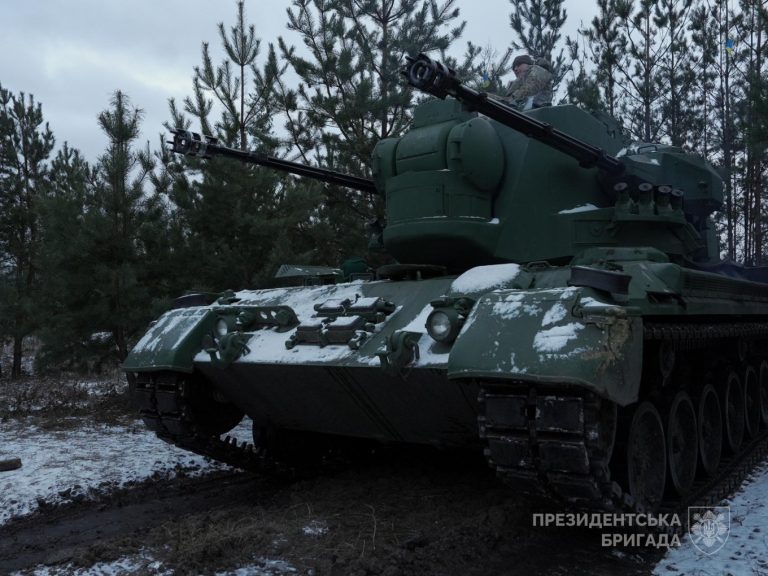
The “Cheetah” is based on the Leopard 1 tank, and that immediately defines its nature. This is neither a stationary installation nor a towed gun, but a fully-fledged armored vehicle capable of moving in formation with other armored vehicles.
The hull retains the classic tank layout:
— engine in the stern —
crew in the bow —
rotating turret
But the turret here is fundamentally different. It is massive, packed with equipment, and is essentially a separate combat module that houses the very “heart” of the vehicle—from radars to guns.
Armament: two cannons as a single system
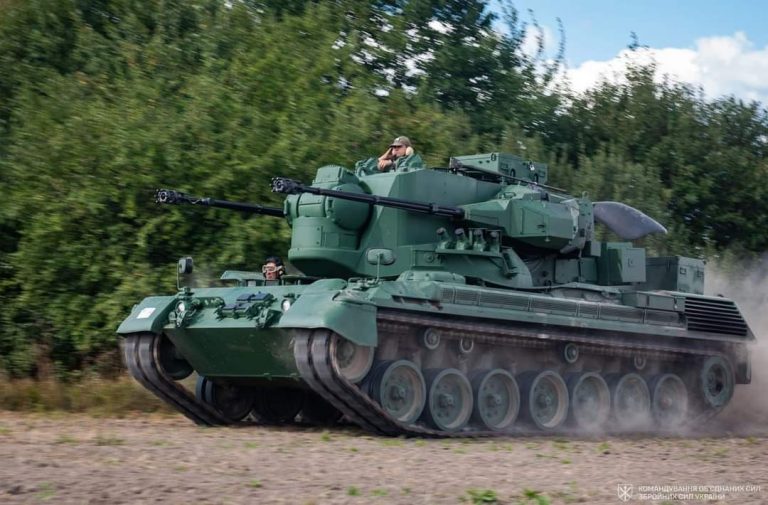
The main component of the “Cheetah” is a twin mount consisting of two 35-mm Oerlikon automatic cannons.
Each barrel has a rate of fire of about 500–550 rounds per minute. In total, that’s more than a thousand. But it’s not just the intensity of the fire that matters—it’s also its controllability.
The guns do not fire “toward the target,” but rather in conjunction with the guidance system. Fire is delivered in short bursts, creating a dense field of fire at the point where the target is expected to be.
The ammunition load is divided as follows:
— primary — for air
targets — secondary — for ground targets
This allows the vehicle to remain versatile, even though its primary mission is air defense.
Radar: The Heart of the Complex
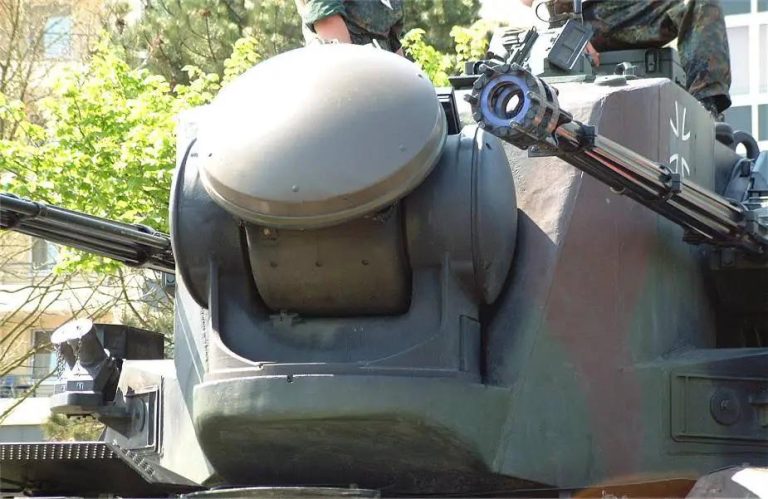
The key feature of the “Cheetah” is its autonomy.
There are two radars mounted on the tower:
— survey (target search)
— tracking (precision guidance)
The first unit is responsible for detection, while the second is responsible for tracking the target and calculating the lead. Upon lock-on, the system automatically calculates the firing parameters.
For its time, it was a fully autonomous system: the vehicle did not require external target designation. It could operate as a standalone unit, which was particularly important for providing cover for convoys and forward units.
Ballistics and the Area of Effect
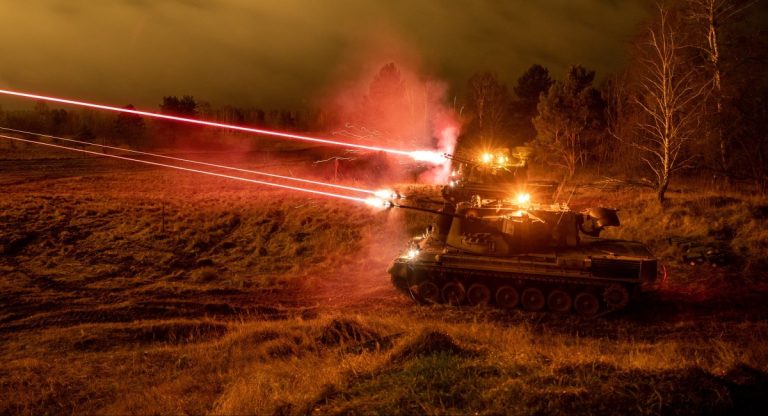
The .35-caliber is a compromise between power and rate of fire.
Practical parameters:
— effective firing range: up to 4–5 km —
maximum altitude: up to 3 km
But the key factor is not maximum range, but probability of hit. Thanks to its high fire density and precise guidance, the system creates a “corridor” through which the target must pass.
That is precisely what makes it effective against small and evasive targets.
Ammunition: The Main Constraint
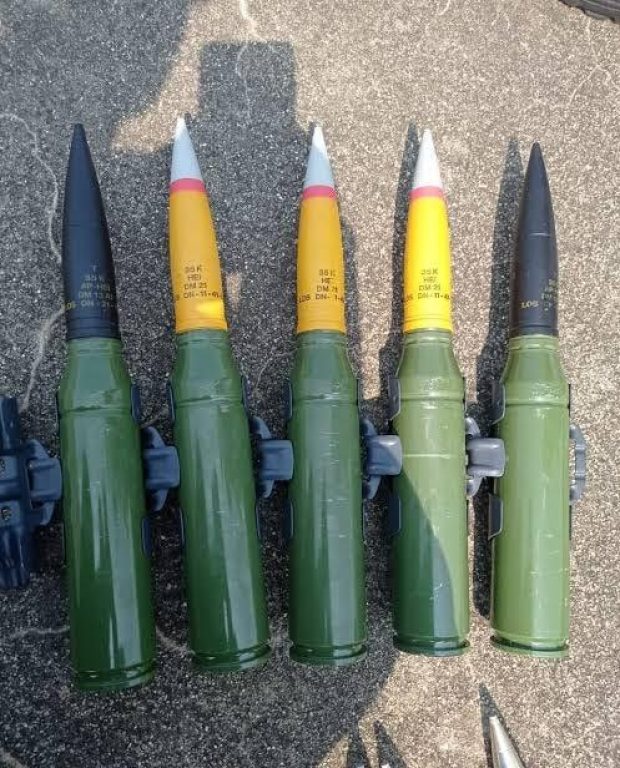
Any artillery system relies not only on its barrels but also on its shells. This is particularly evident in the case of the “Cheetah.”
The following are used:
—
high-explosive fragmentation —
armor-piercing — in later versions — programmable
It is precisely these programmable projectiles that take the system to a new level, allowing the munition to detonate near the target. But their availability and production are a separate issue.
The shortage of 35-mm ammunition is one of the reasons why bringing the “Cheetahs” back into service has proven difficult.
Mobility and Operating Mode
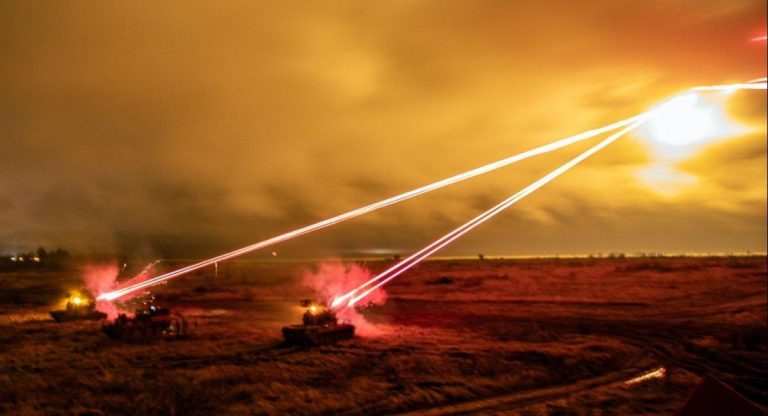
Unlike stationary air defense systems, the “Cheetah” can operate while on the move. This is critical for providing cover for convoys.
Operating modes:
— escort during a march
— rapid deployment
— autonomous operation at the position
At the same time, the vehicle can fire from a short stop or even while moving, which reduces reaction time.
Why the system is relevant again
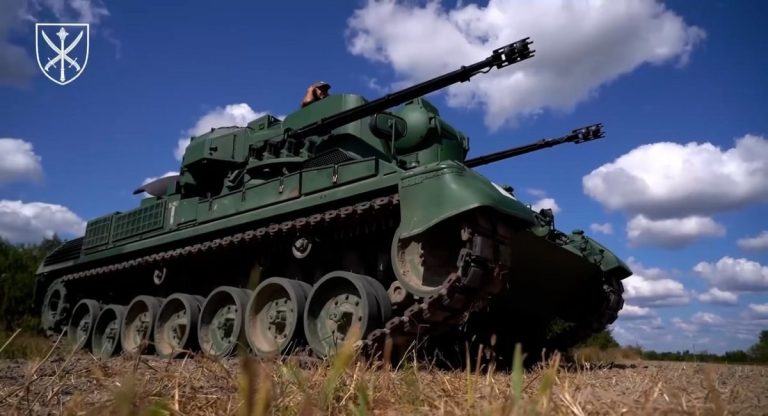
If you look at the “Cheetah” out of context, it is a typical example of 1970s air defense systems.
But if you look at the tasks involved, it becomes clear why it’s in demand again.
The system was originally designed to combat:
— low-flying
targets— helicopters
— attack aircraft
In other words, with targets located in an area where missiles aren’t always effective.
Modern requirements in this range have changed, but the niche itself remains. And the “Cheetah” still fits right into it.
Conclusion
The story of the attempt to decommission the “Cheetahs” and their subsequent return is not a paradox, but a natural course of events.
The system was designed for a specific purpose—providing cover at low altitudes.
This problem hasn’t gone away.
And as long as it exists, these cars will remain in demand—regardless of their age.