France is completing a long-running modernization program for its Atlantique 2 patrol aircraft

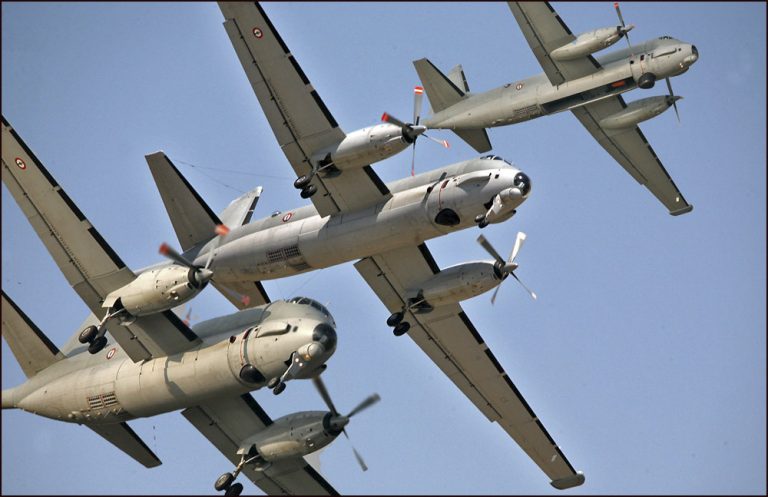
France has completed the major overhaul and modernization of its entire fleet of Atlantique 2 (ATL 2) maritime patrol aircraft to the Standard 6 specification, a program that began back in 2013. This large-scale modernization program is designed to maintain the operational capability and relevance of these aircraft well into the 2030s, despite their origins in the late 20th century.
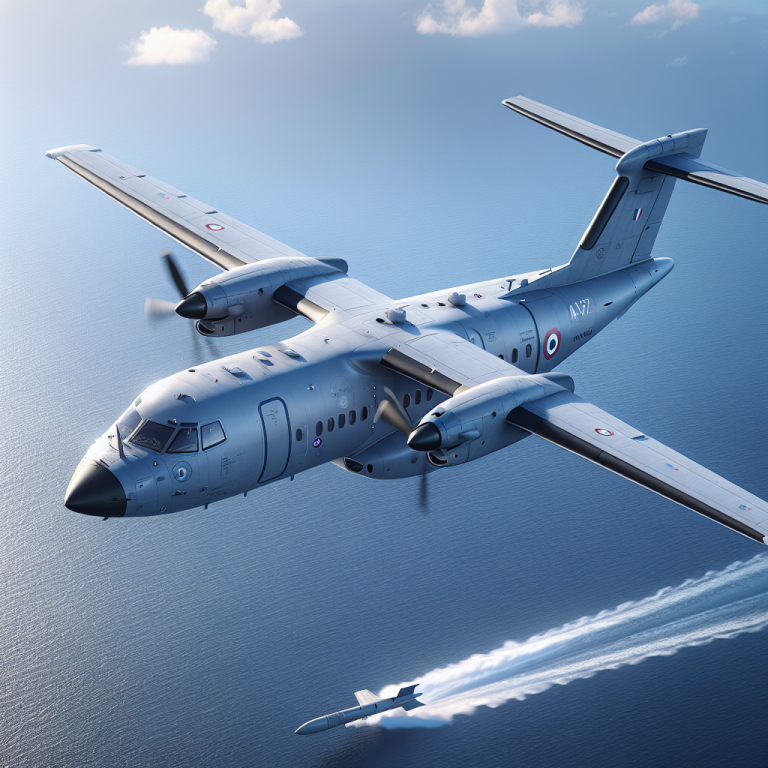
The last of the 18 modernized aircraft was delivered to the French Navy in February 2026, officially marking the completion of a multi-year phase of upgrading the patrol aviation fleet.
Contents:
Atlantique 2: France’s primary anti-submarine aircraft
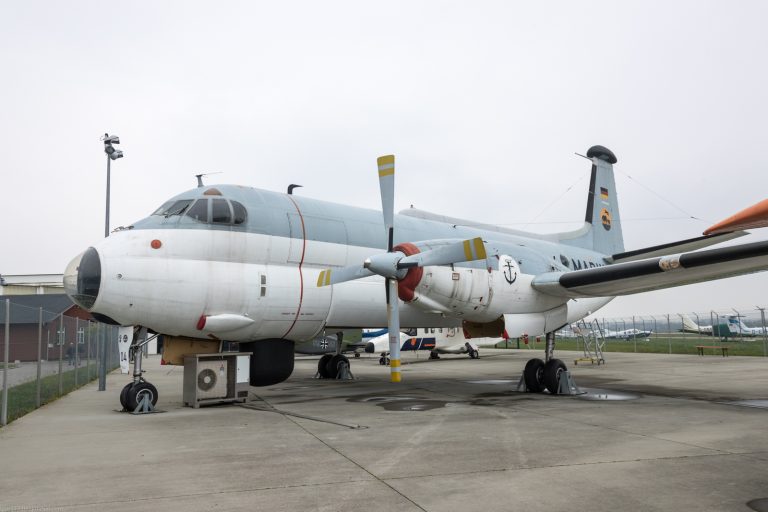
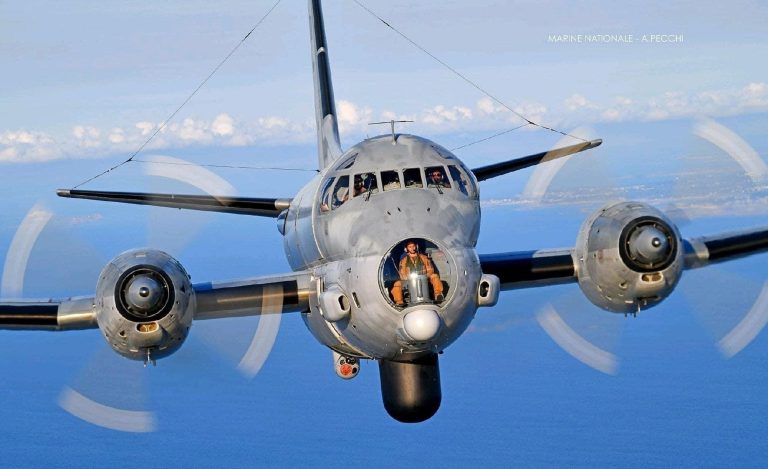
The Dassault-Breguet Atlantique 2 is a heavy anti-submarine and maritime patrol aircraft powered by two turboprop engines, developed for the French Navy and in service since the late 1980s. It was designed as the primary means of detecting submarines, escorting naval task forces, and monitoring large maritime areas.
The ATL 2 is capable not only of tracking submarines, but also of performing maritime tasks: monitoring surface targets, supporting its own fleet, conducting reconnaissance, and carrying out operations in the interests of the Navy.
Why was a major modernization necessary?
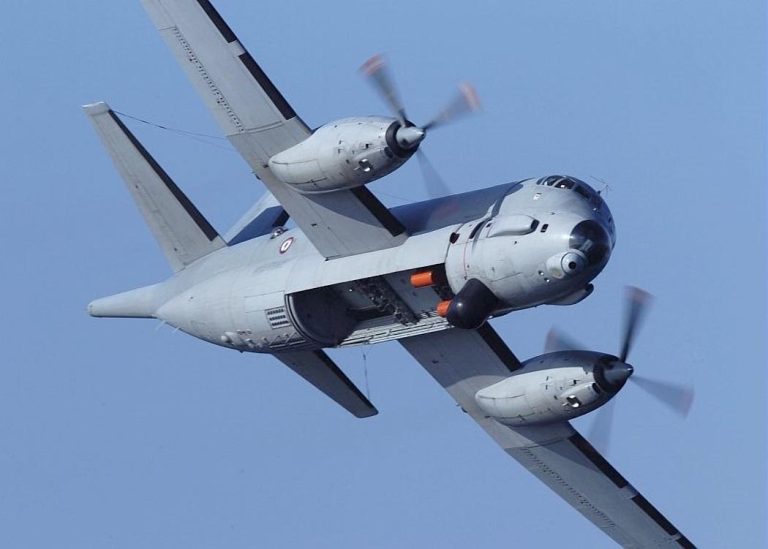
ATL 2 aircraft have been in service for more than three decades, and by the early 2010s, it had become clear that without a major technological upgrade, they would lose their combat effectiveness in the face of modern threats: new types of submarines, advanced communications and electronic warfare systems, and a broader range of missions involving reconnaissance and the engagement of submarine and surface targets.
In 2013, the French Defense Procurement Agency (DGA) officially authorized the launch of the program to upgrade the ATL 2 to Standard 6. The goal of the modernization was:
- extend the service life of these machines into the 2030s;
- upgrade the onboard electronics and sensor systems;
- to improve the effectiveness of anti-submarine and reconnaissance operations.
The work was carried out by contractors led by Dassault Aviation, in collaboration with Thales and SIAé, a specialized French military aviation support organization.
What exactly has changed in the updated ATL 2?
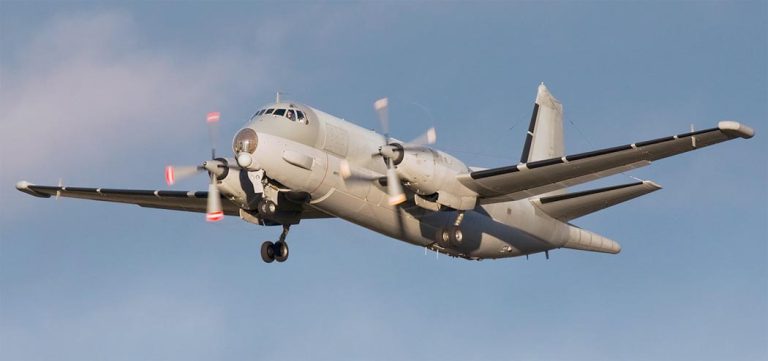
Upgrading to Standard 6 is not a cosmetic update, but a comprehensive technical overhaul that includes:
Improved Detection of Underwater Targets
The ATL 2 has been equipped with a new acoustic system that processes signals from the latest hydrophones and sonobuoys, thereby improving the sensitivity and accuracy of submarine detection.
Modern radar with an active antenna
The new Thales Search Master multi-mode radar replaces outdated surveillance stations, providing a better picture of the surface and airspace.
New Navigation and Tactical Systems
The onboard computers and information interfaces have been replaced with state-of-the-art systems, which improve data processing speed, in-cockpit information display, and mission control.
As a result, the ATL 2 is now much better equipped to operate in the challenging conditions of modern naval warfare, including reconnaissance, communications, and command-and-control networks.
ATL 2 Tactics and Capabilities
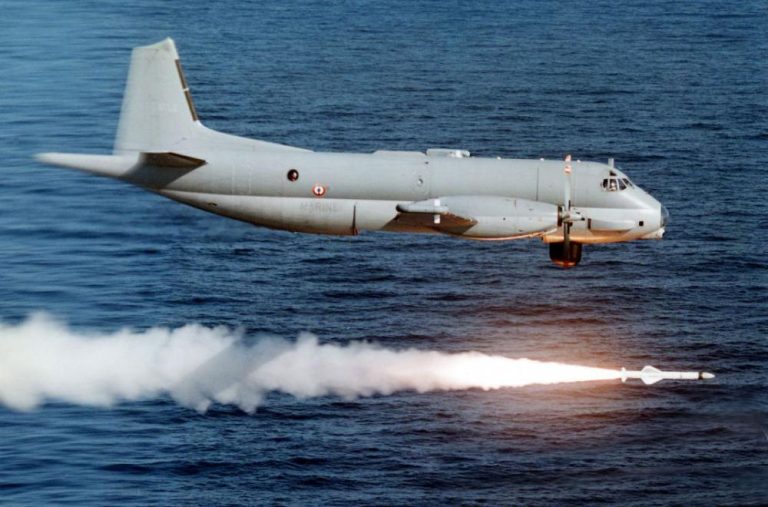
Following its modernization, the ATL 2 remains more than just an anti-submarine aircraft: it is also suitable for other missions, including:
- monitoring the maritime situation and surface vessels;
- gathering intelligence over the territory;
- escorting its own submarines and surface vessel groups;
- the use of tactical weapons as necessary.
The vessel can still carry torpedoes, depth charges, and guided weapons such as anti-ship missiles, although its primary mission is to detect and track submarines before they pose a threat.
Why did the modernization take so long?
The ATL 2 upgrade program began back in 2013, but due to the scope of the modernization and the multitude of technologies being integrated, its completion was delayed by nearly ten years. The work involved not only replacing the equipment but also adapting the aircraft to accommodate new sensor and computing systems.
The significant technical scope, as well as the need to maintain operational compatibility with other parts of the fleet and the armed forces’ systems, made this program very labor-intensive. Nevertheless, all 18 ATL 2s have now been upgraded to Standard 6 and are ready to continue service until at least the mid-2030s.
What Happens After ATL 2
Although the ATL 2 has now been modernized, this aircraft will also need to be replaced someday. France is already working on the Patmar program—a new generation of maritime patrol aircraft, likely based on the commercial Airbus A321XLR platform, which is expected to enter service after 2030.
This demonstrates that MARITIME PATROL AIRCRAFT remain a strategic asset for France, vital for monitoring maritime routes, anti-submarine warfare, and reconnaissance on a global scale.
Conclusion
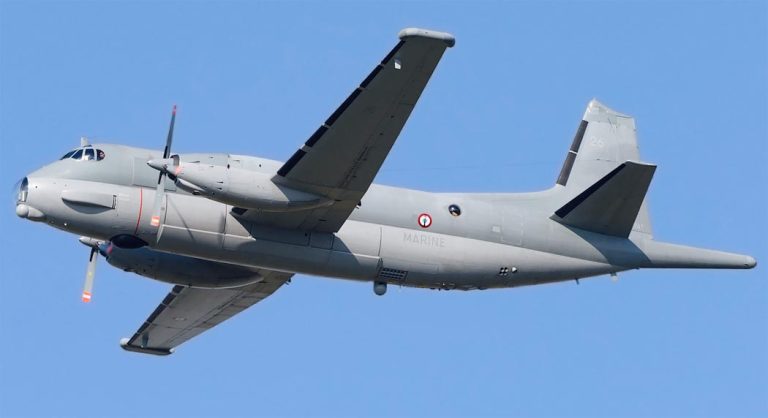
The modernization of France’s Atlantique 2 anti-submarine patrol aircraft to the Standard 6 configuration became one of the country’s largest aviation programs. Launched in 2013, the program was completed in 2026, providing all 18 aircraft with new combat capabilities and ensuring they remain operational through the 2030s. This allows France to maintain a high level of autonomy in maritime patrol aviation and confidently carry out anti-submarine warfare, reconnaissance, and the protection of its maritime interests.
Based on material from https://en.defence-ua.com/industries/france_began_modernizing_anti_submarine_patrol_aircraft_in_2013_only_finishing_now_so_they_can_fly_into_2030s-17624.html