The era of pilots is coming to an end. The new MiG-41 will fly without a pilot on board due to extreme g-forces.

The author of this article, posted on the “One and a Half Engineers” Zen channel, has once again raised the perennial topic of the future Russian MiG-41 interceptor. Personally, I doubt that work on this aircraft is even underway, but the issue has been raised correctly. The increasing performance of future aircraft will make it impossible for pilots to control them—they simply won’t be able to handle them. But let’s get to the point.
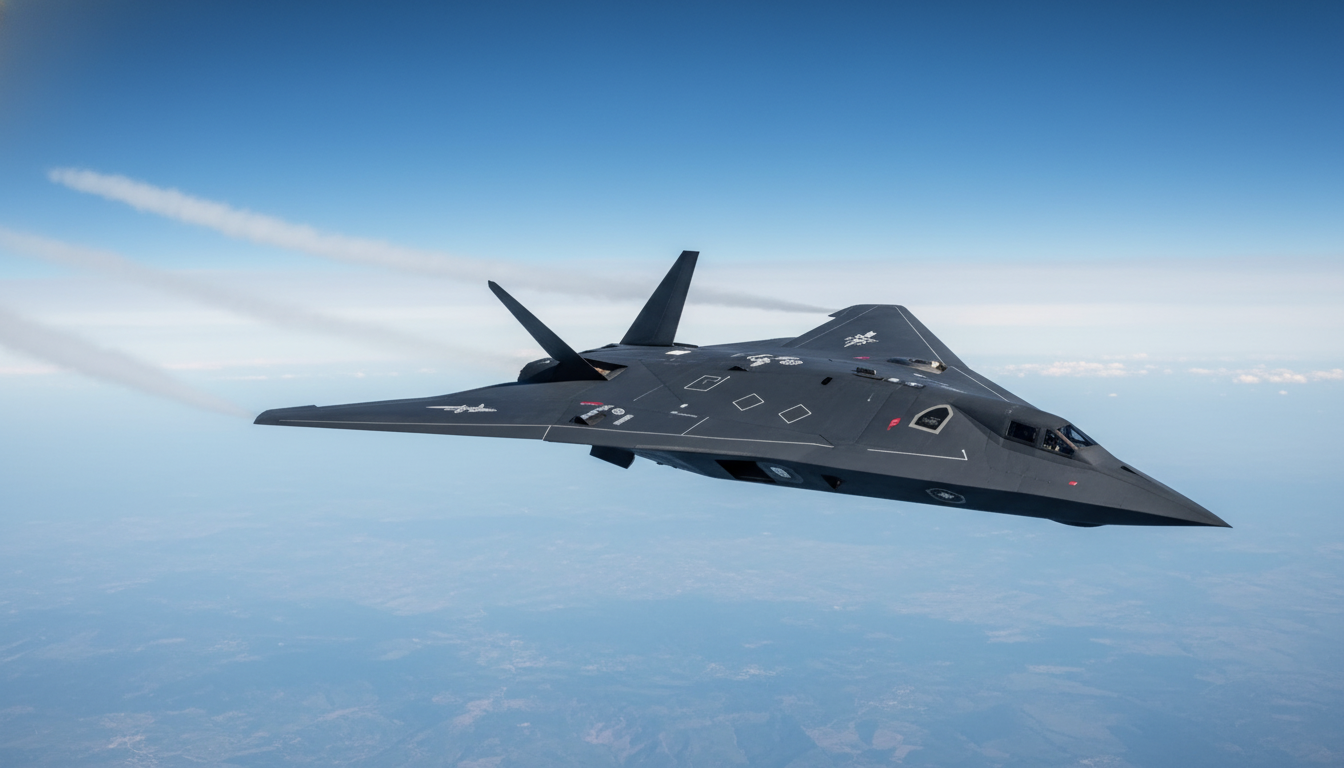
Why the MiG-41 Is Being Discussed More and More Often
The MiG-41 is not just a continuation of the legendary line of interceptors that succeeded the MiG-31. It is an attempt to go beyond the boundaries of conventional aviation, where the aircraft remains merely a tool in the pilot’s hands. Here, however, everything is different: the aircraft is designed from the outset with autonomy and interoperability with other systems—including drones—in mind.
It’s important to understand that talk of the sixth generation isn’t just a formality. This represents a whole new level of requirements: speed, altitude, intelligent control systems, and the ability to operate as part of a unified network. This is precisely what makes the project such a hot topic of discussion among both experts and the general public.
Numbers That Change Our Perspective
If we set aside the grandiose claims and look at the facts, the picture becomes even more interesting. The MiG-41’s projected speed reaches 4–5 Mach, and in the future it could approach approximately 6,000 kilometers per hour. Its operational altitude extends all the way to the edge of near-space, which already goes beyond the scope of conventional aviation.
Its combat radius is estimated at approximately 1,500 kilometers, which allows the aircraft to operate at considerable distances without constant support. In the initial phase, the plan is to use upgraded engines from the Su-57, but in the future, the focus will shift to fundamentally new powerplants, including direct-flow engines.
But speed isn’t the deciding factor in this story.
A pilot is no longer required
The most unexpected twist in the project is the approach to control. At hypersonic speeds, G-forces and the dynamics of combat make the human pilot a limiting factor. And this is where the key idea comes in: a shift toward unmanned operation as the primary mode, rather than a secondary one.
At first, everything will look familiar—a pilot in the cockpit, monitoring, testing. But the system’s architecture is designed from the ground up to allow for full autonomy. This means that in critical situations, decisions can be made by artificial intelligence—faster than a human could react.
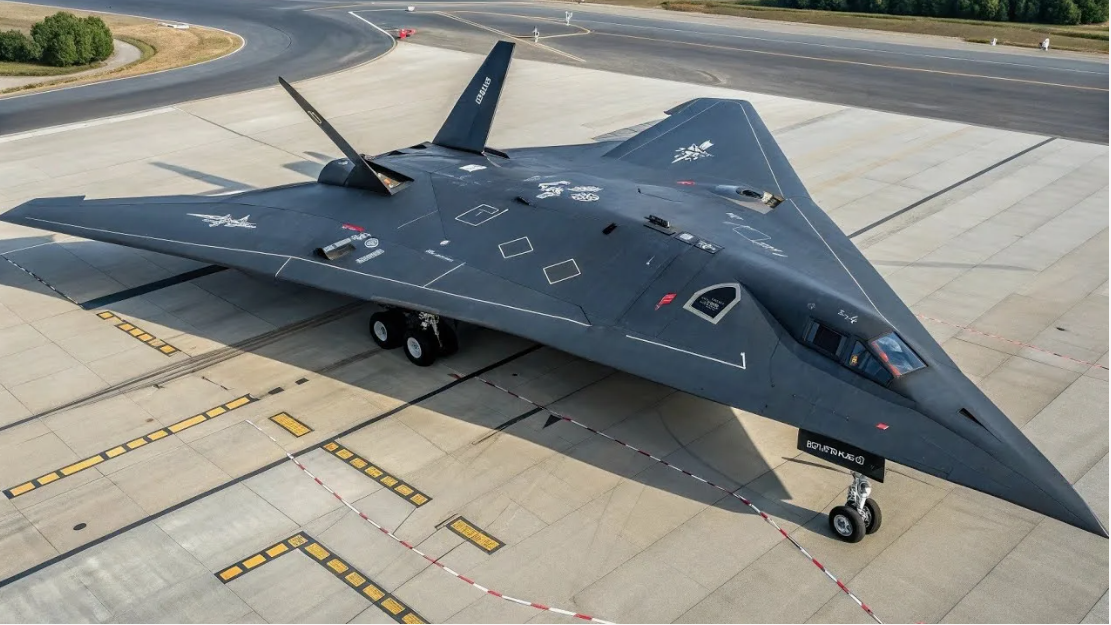
How it’s supposed to work and where the problem lies
If we break the situation down step by step, the picture becomes clearer.
Initially, it was assumed that the new fighter would simply be a faster and higher-altitude version of the MiG-31. Then it became clear that at such speeds, a human pilot would no longer be an effective element of control. As a result, the concept shifted toward a hybrid model, in which the aircraft can operate both with and without a pilot.
And this is where the main question arises: where is the line between human control and machine decisions? This very point is currently key to the project’s development.
Connection with “The Hunter”: The Future Is Just Around the Corner
But the real impact becomes apparent when the MiG-41 is considered not in isolation, but in conjunction with the S-70 “Okhotnik” unmanned aerial vehicle. In this tandem, the roles are distributed differently: the manned or semi-autonomous aircraft serves as the command center, while the drones carry out certain tasks—ranging from reconnaissance to delivering strikes.
In essence, this involves creating an integrated combat system in which each element complements the others. And this is no longer just an aircraft, but an entire combat architecture in which speed, data, and automation work together.
Weapons: Not a List, but an Effect
When it comes to weaponry, it is not so much the list of weapons that matters as their capabilities. Long-range missiles can strike targets hundreds of kilometers away, hypersonic systems reduce response times to a minimum, and advanced electronic warfare systems open up new scenarios for combat.
The possibility of using weapons against space-based targets is discussed separately, which once again underscores that this is a vehicle operating at the edge of the atmosphere.
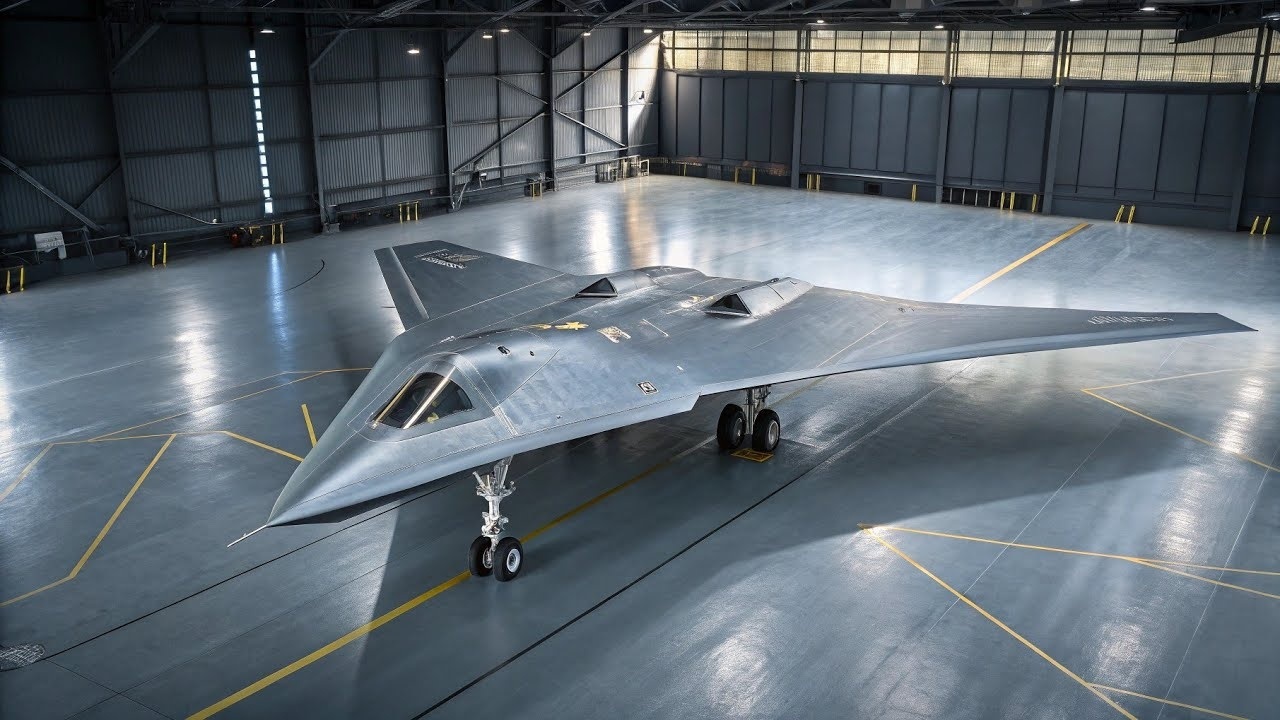
When to Expect It and Why Timing Is Important
According to experts, including Viktor Bondarev and Yuri Knutov, the first flight is expected around 2026. The aircraft is projected to enter service closer to 2028, when the MiG-31’s service life will be nearing its end.
At the same time, it is important to take into account the pace of technological development: the integration of design schools and accumulated experience allow us to expect these processes to accelerate. In such projects, deadlines often become more than just dates; they serve as an indicator of how rapidly the industry itself is changing.
What does this mean in practice?
When you put it all together, it becomes clear: the MiG-41 is not just a new aircraft, but a transition to a different model of aviation. Here, the human pilot gradually gives way to a system, speeds exceed what we’re used to, and combat becomes a coordinated effort involving entire systems.
And perhaps that is precisely the main conclusion. It is not a single machine, but a new way of thinking in which technology and algorithms are beginning to play a key role.
Source — https://dzen.ru/a/aet4JLebRH3nTqLv