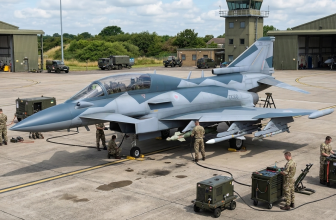
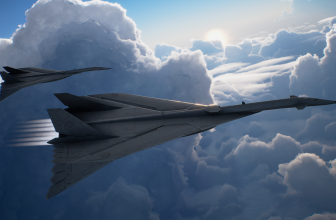
The Soviet-American “Orca.” How Could the Joint Su/F-55B+ Orca Fighter Have Emerged if the USSR Had Survived?

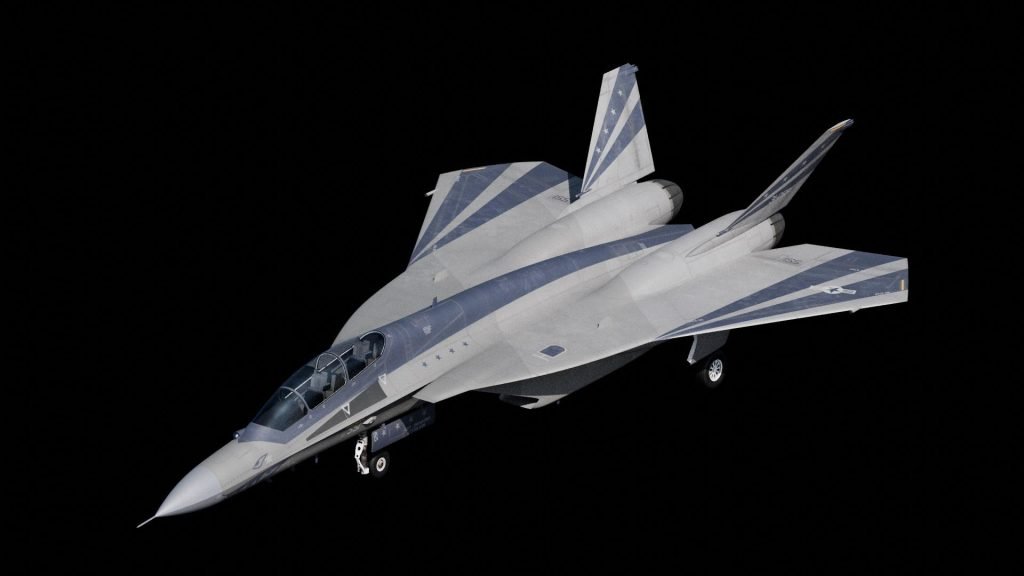
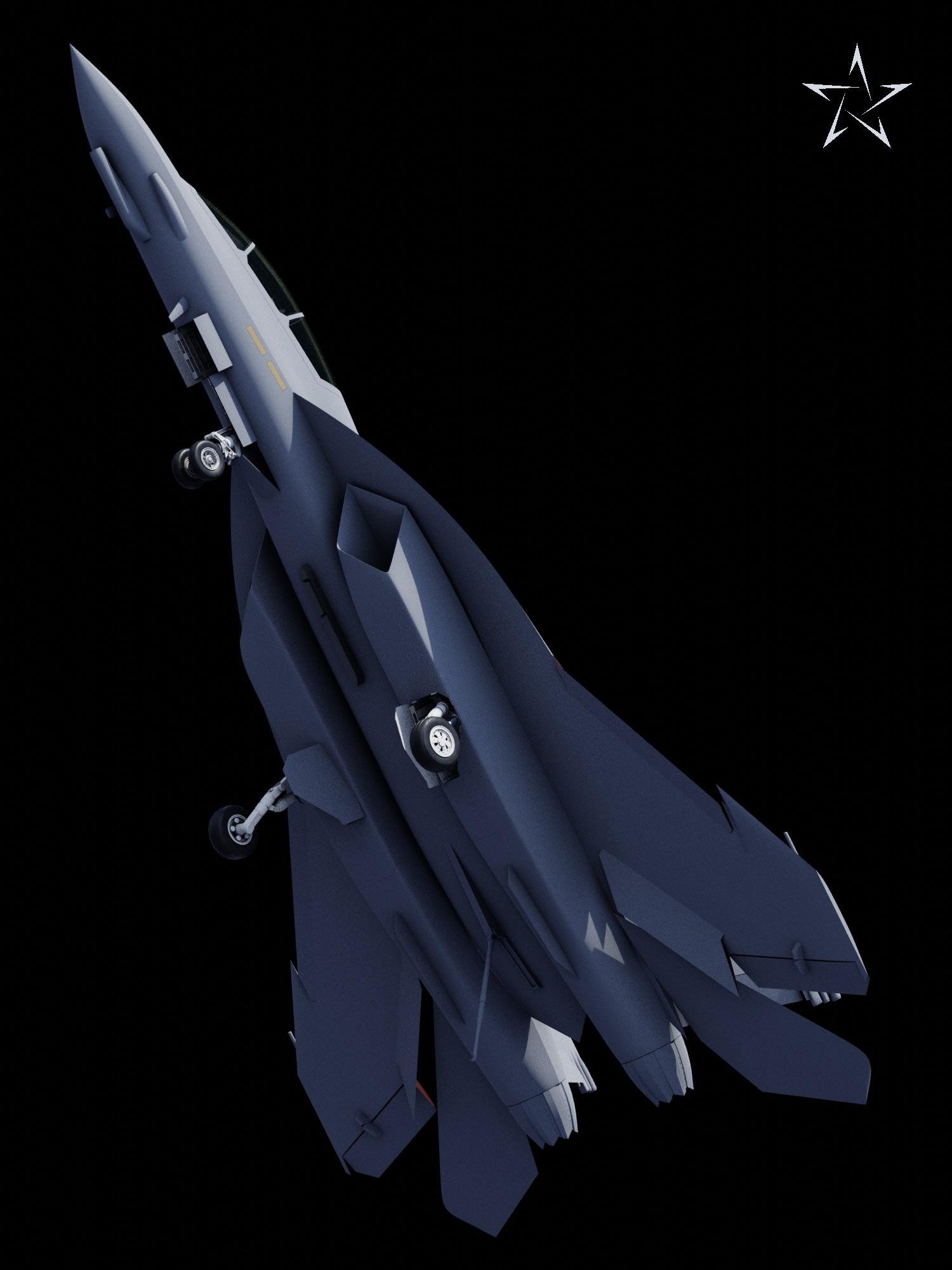
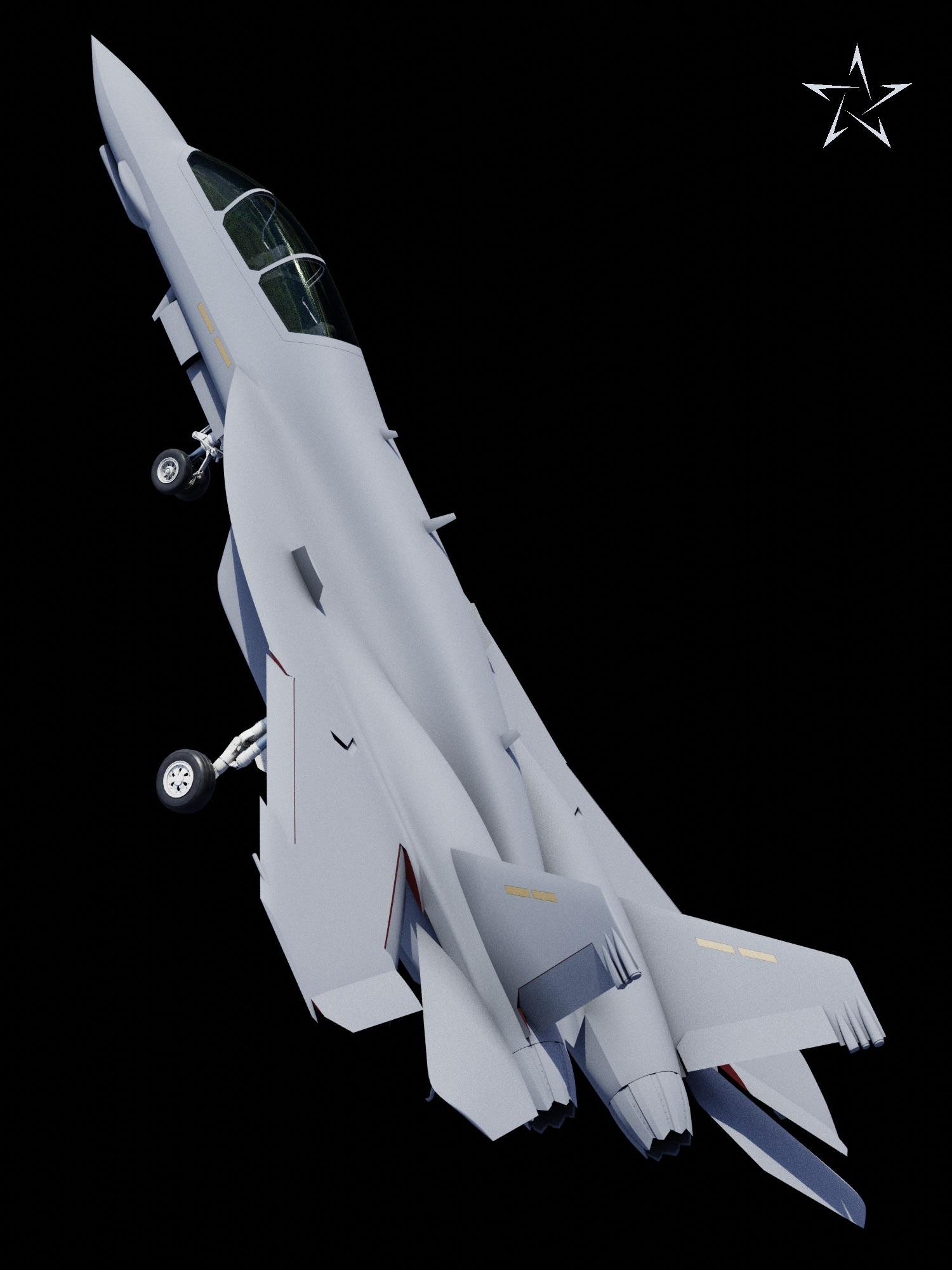
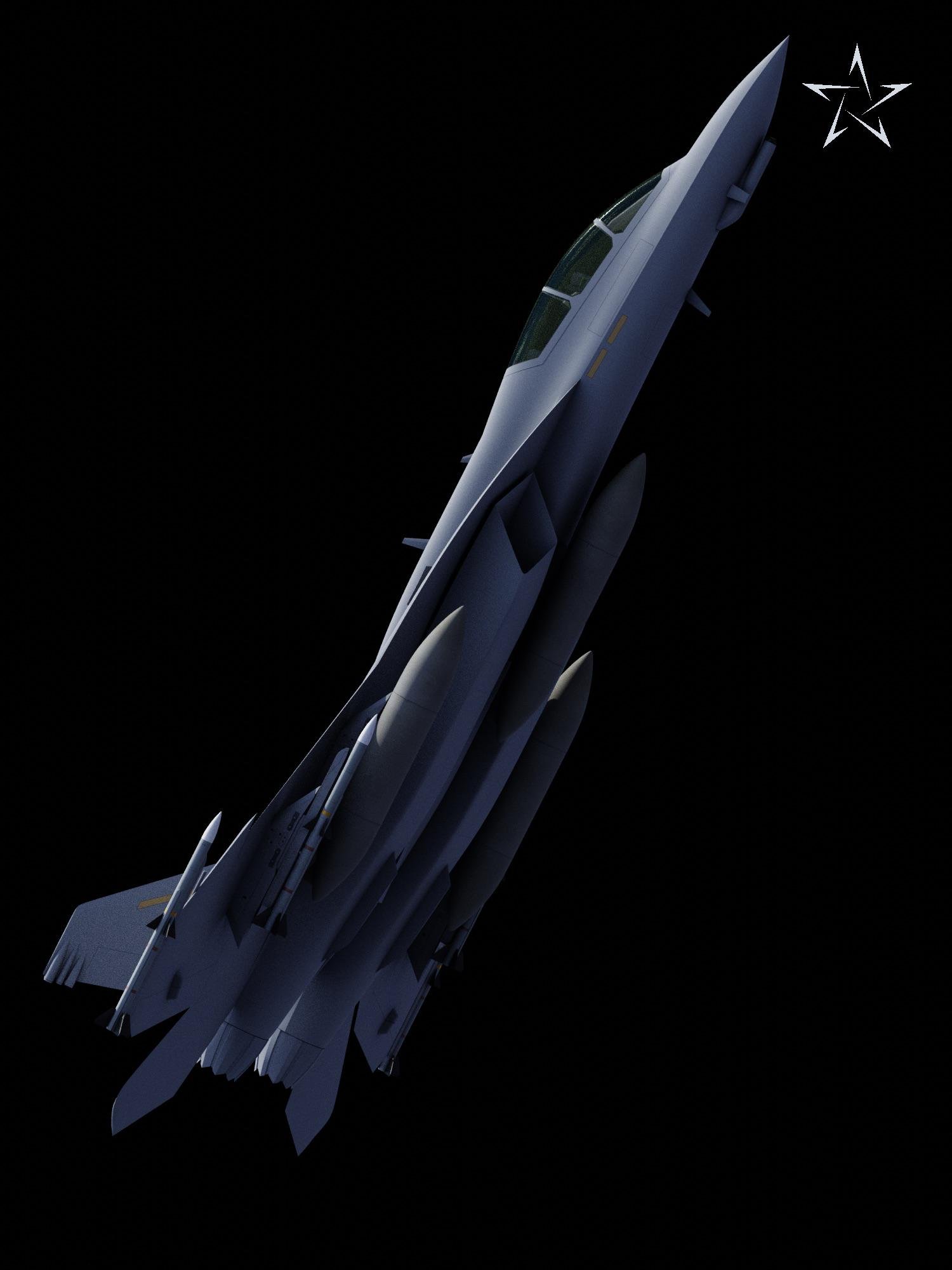
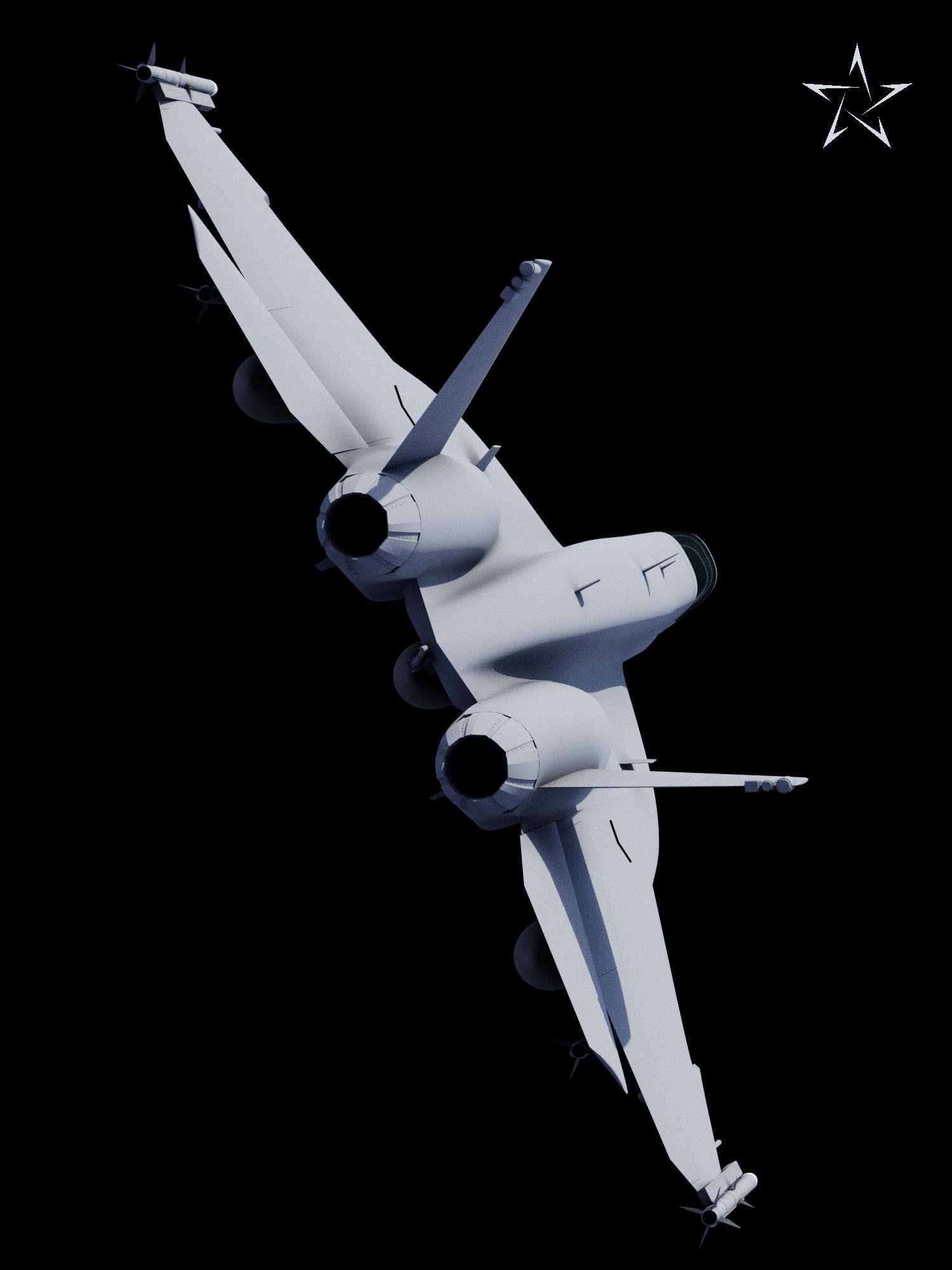
What would happen if American stealth technology, the experience gained from developing the carrier-based F-14 Tomcat, and the Soviet tradition of designing heavy, highly maneuverable fighters were combined? Perhaps something resembling the aircraft depicted by our Western colleague MrGatsby1984 on Reddit. His fictional F-55B+ Orca looks rather unusual, but the most interesting detail is that one of the illustrations shows a similar aircraft bearing Soviet red stars. What could this mean?
I propose exploring an unusual alternative-history scenario in which the Soviet Union does not collapse but instead transforms into a capitalist federation while retaining its original name. Meanwhile, following the revolution of 1989, China becomes the main stronghold of radical communism, proclaiming its goal of world revolution and restoring the USSR to the “correct” socialist path. Faced with a common threat, Moscow and Washington form a military alliance, one of whose achievements is the development of a joint fifth-generation heavy carrier-based fighter. Thus, the F-55 Orca is born, known in the Soviet Union as the Su-55 “Orca.”
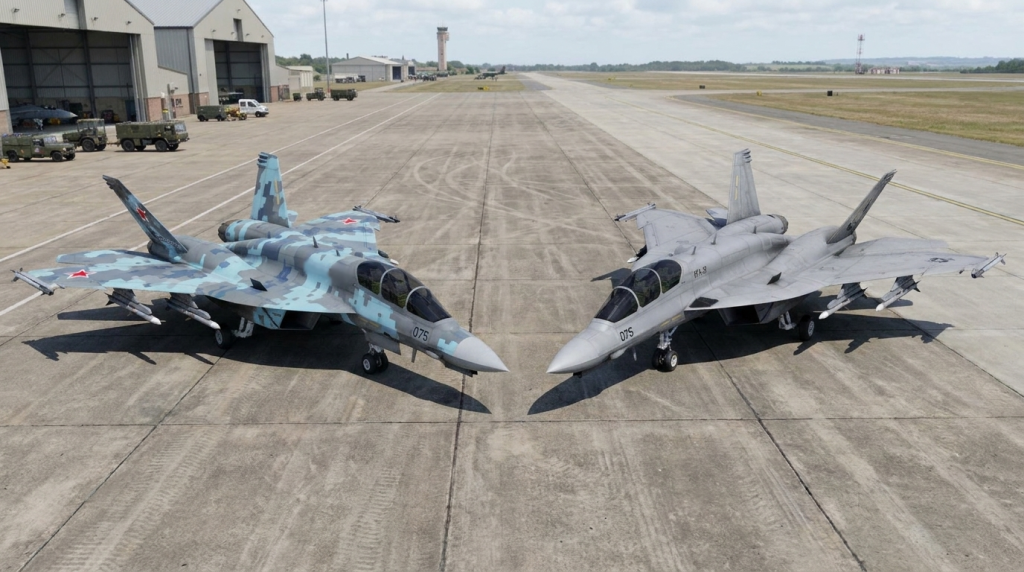
Su-55 and F-55 at an airfield
The Beijing Revolution. Why Did the USSR and the United States Become Allies?
The point of divergence from real history comes in 1989. During the mass demonstrations in Tiananmen Square, China plunges into a deep political crisis. However, in our alternative timeline, events take a completely unexpected turn. Instead of suppressing the protests and preserving the existing leadership, the Communist Party and the armed forces split into opposing factions. A radical group takes advantage of the situation, accusing Deng Xiaoping’s reformers of betraying socialism. Having secured the support of part of the military leadership, the radicals seize power and proclaim the beginning of a new Chinese revolution.
China’s new leaders declare market reforms to be counterrevolutionary and denounce the Soviet Union, where Gorbachev’s perestroika leads to the emergence of a capitalist economy, as a state that has betrayed the ideals of communism. Beijing promises to restore “true socialism” not only at home but also in Moscow, openly calling for world revolution. At the same time, the Chinese authorities do not abandon industrialization. On the contrary, the country experiences rapid industrial growth, but almost all of the additional production capacity is directed toward developing the military-industrial complex. Instead of mass-producing consumer goods, China builds new aircraft factories, shipyards, missile production facilities, and armored vehicle plants. Civilian industry develops primarily to the extent necessary to support military production.
In 1991, Mikhail Gorbachev and George H. W. Bush sign the “Treaty on the Joint Defense of Ocean Frontiers,” informally known as the Northern Hemisphere Treaty. For the first time, the USSR and the United States become military allies. One of the first areas of cooperation is the development of an advanced carrier-based fighter intended to counter China’s growing air and naval power.
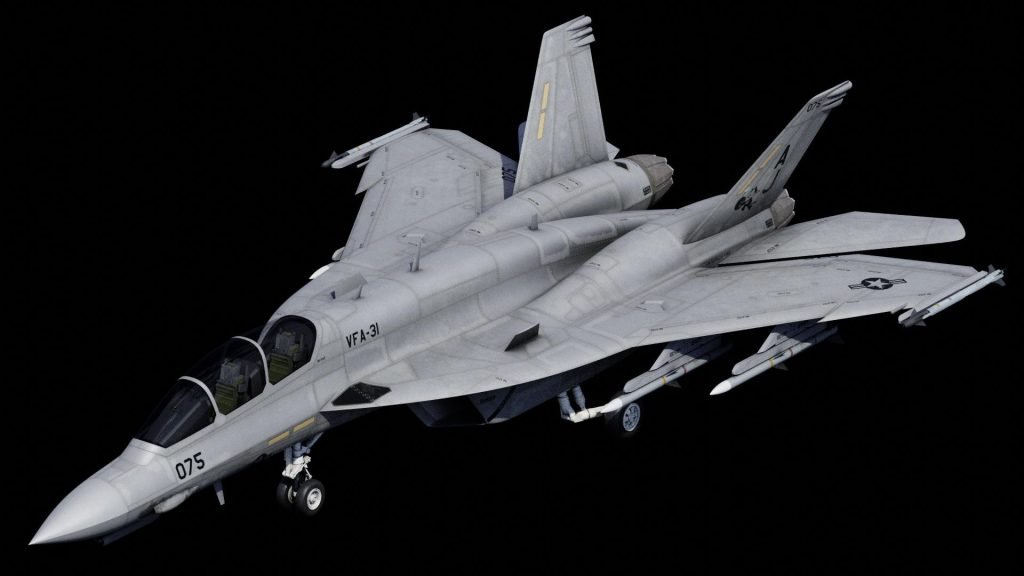
Grumman and Sukhoi. The Birth of an Unusual Project
In 1992, the Joint Aerospace Design Bureau (JADB), known as SAKB in Soviet documentation, is established. Its most important program becomes the development of a fifth-generation heavy carrier-based fighter intended to replace the American F-14 Tomcat and the Soviet Su-33. At the same time, the customers demand that the aircraft be capable of operating from both American Nimitz-class nuclear-powered aircraft carriers and the new Soviet Project 1143.7 Ulyanovsk-class nuclear-powered heavy aircraft-carrying cruisers, whose construction continues in this alternative reality.
The main participants in the project are the American company Grumman and the Soviet Sukhoi Design Bureau. Northrop Grumman and Lockheed Martin subsequently become actively involved, contributing to the development of stealth-related structural components and onboard electronics. The Soviet side is primarily responsible for the overall aerodynamic configuration, propulsion system, supermaneuverability, and adapting the aircraft for operation in harsh climatic conditions. A new family of engines is developed with the participation of the Saturn Research and Production Association.
The designers face an extremely difficult task. The new fighter must combine long range, high speed, and powerful armament while maintaining a low radar signature. Moreover, it must withstand the enormous loads associated with aircraft carrier landings and be capable of taking off using catapults. For Soviet ships, the ability to take off from a ski-jump ramp is also required, although with a restricted takeoff weight.
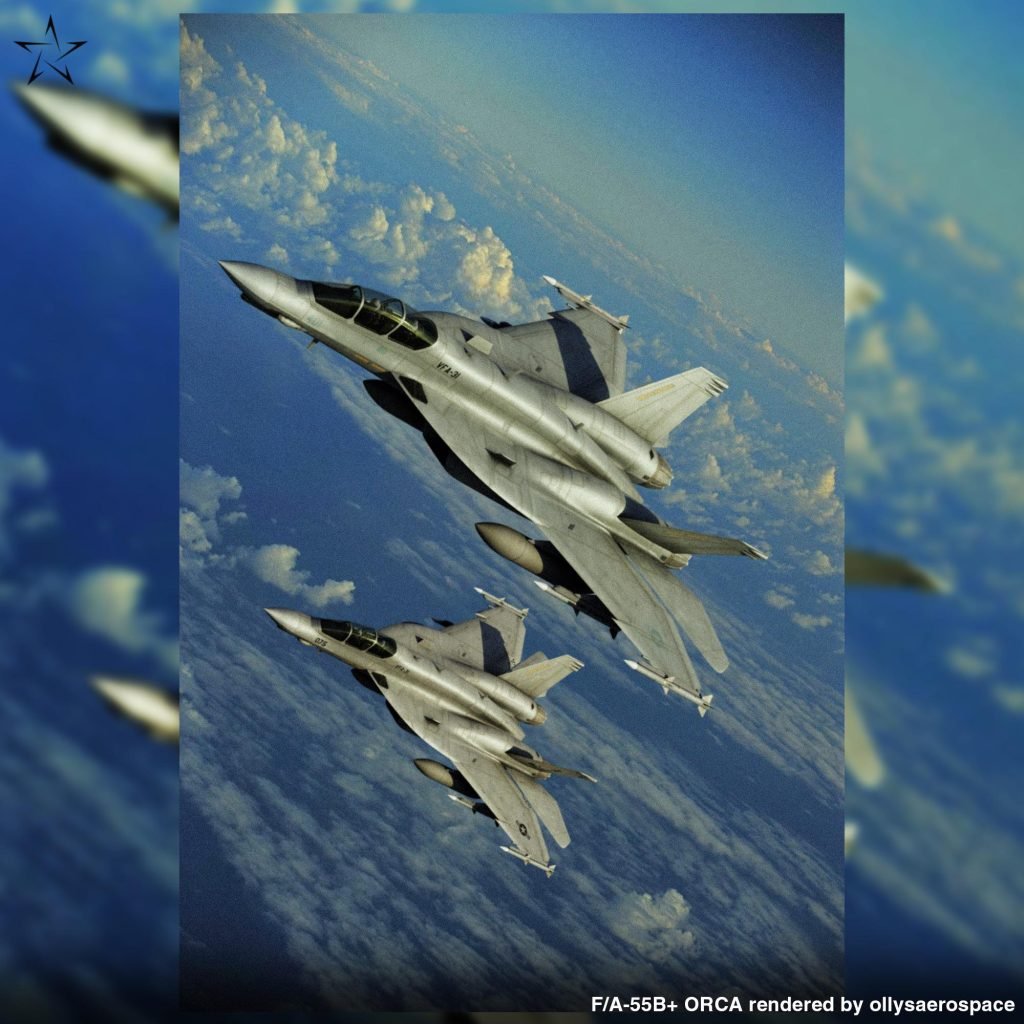
Two Aircraft Design Traditions in One Fighter
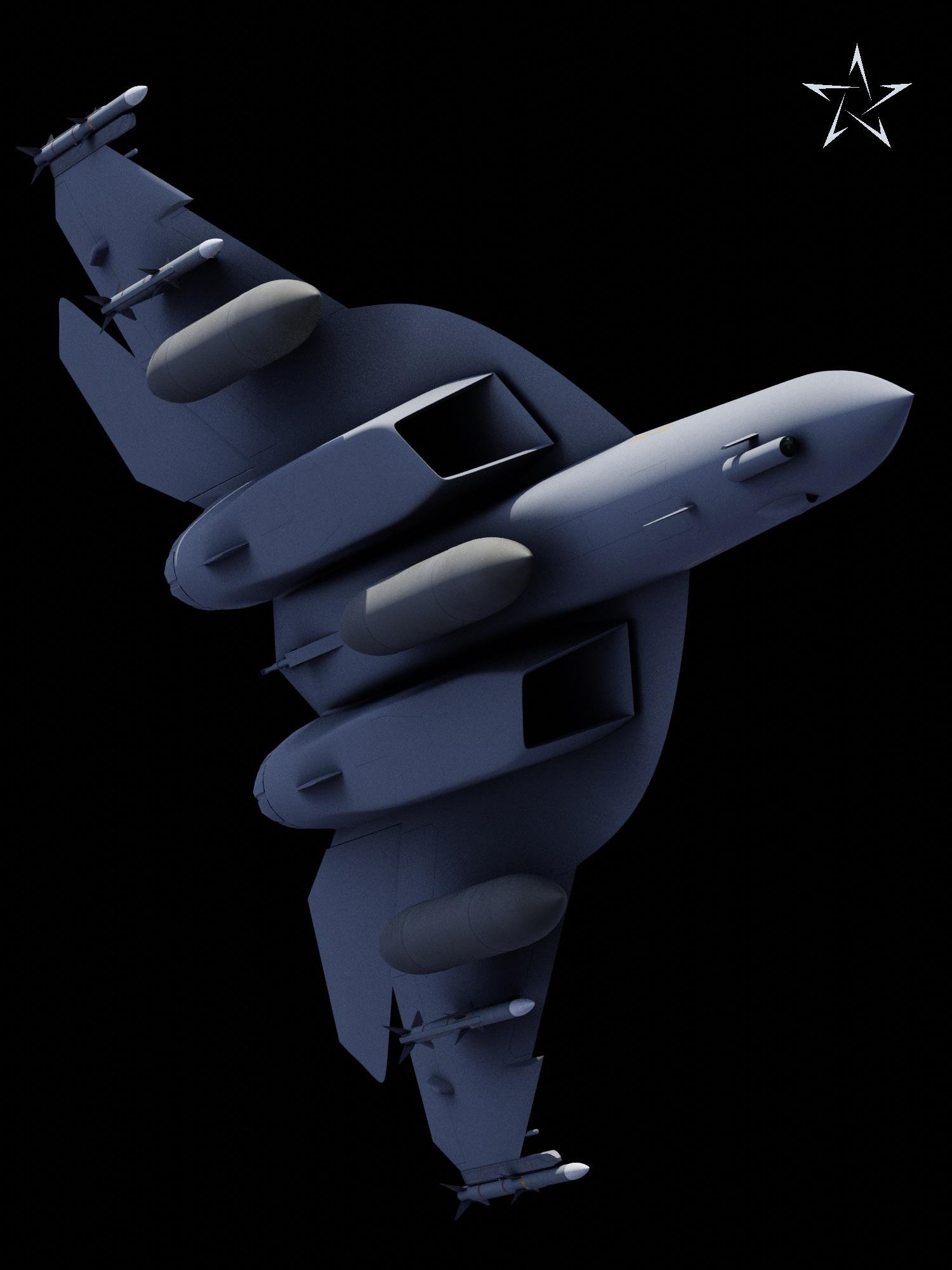
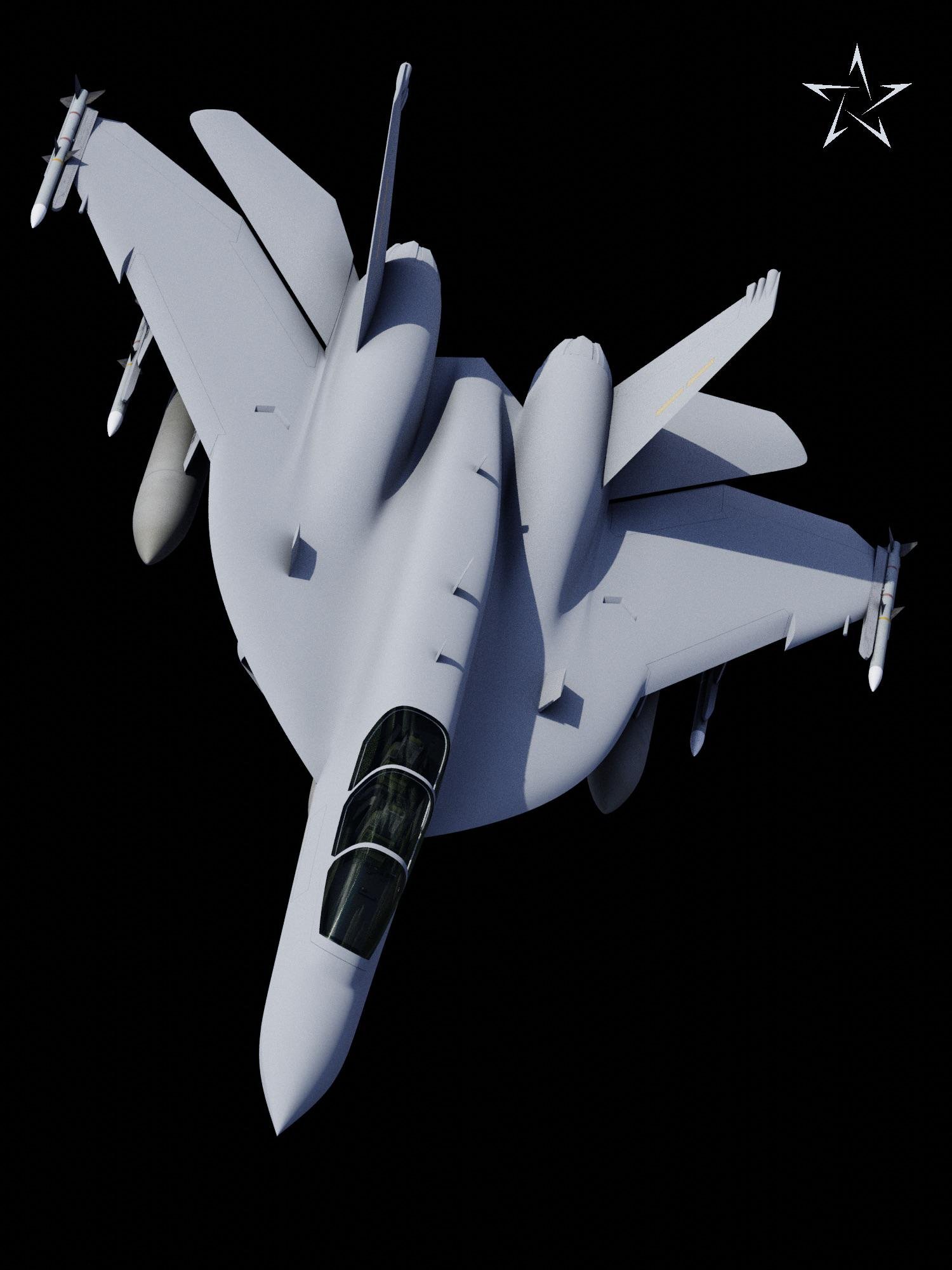
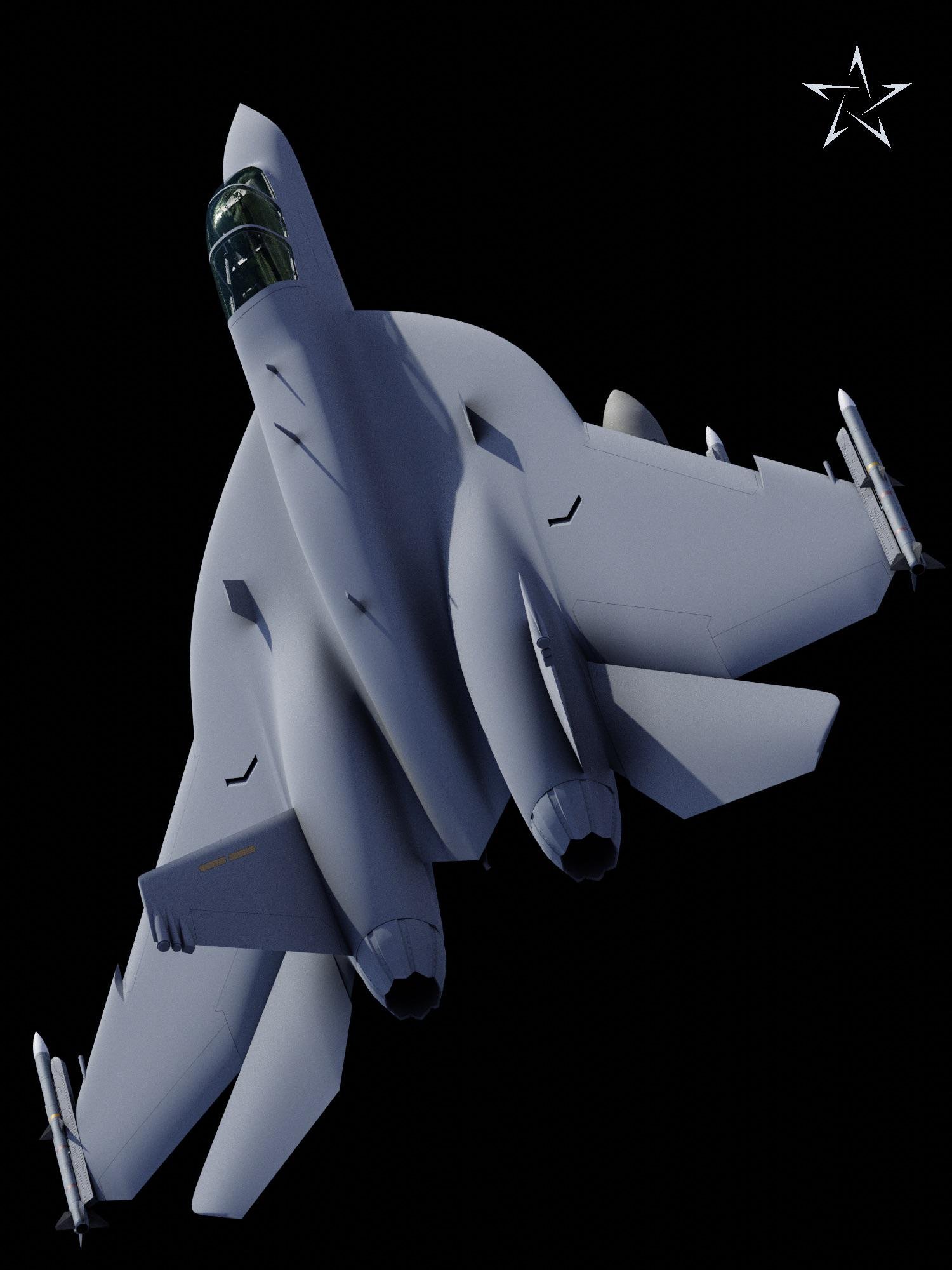
The appearance of the future fighter is rather unusual. Its broad lifting fuselage blends smoothly into the wings, forming an integrated aerodynamic configuration. Two engines are installed in the rear section, while the main structural elements are shaped to reduce radar visibility. At first glance, the aircraft resembles a peculiar combination of American experimental designs and Soviet heavy fighters of the Su-27 family.
From American developments, the Orca inherits the extensive use of radar-absorbing materials, internal weapons bays, a modern active electronically scanned array (AESA) radar, and an integrated electronic warfare suite. Considerable attention is devoted to automating aircraft control and exchanging information with other combat aircraft. Thanks to these systems, the fighter can receive information about the aerial situation from ships, satellites, and airborne early warning aircraft without switching on its own radar.
Soviet designers, meanwhile, achieve high maneuverability at large angles of attack. The engines are equipped with thrust-vectoring systems, while the fly-by-wire flight control system allows the aircraft to exploit almost its entire aerodynamic potential. At the same time, American engineers insist on maintaining high levels of stealth, leading to numerous disputes over the positioning of the air intakes, the shape of the tail surfaces, and the design of the engine nozzles. The result is a compromise aircraft combining the characteristics of a long-range interceptor and a highly maneuverable fighter.
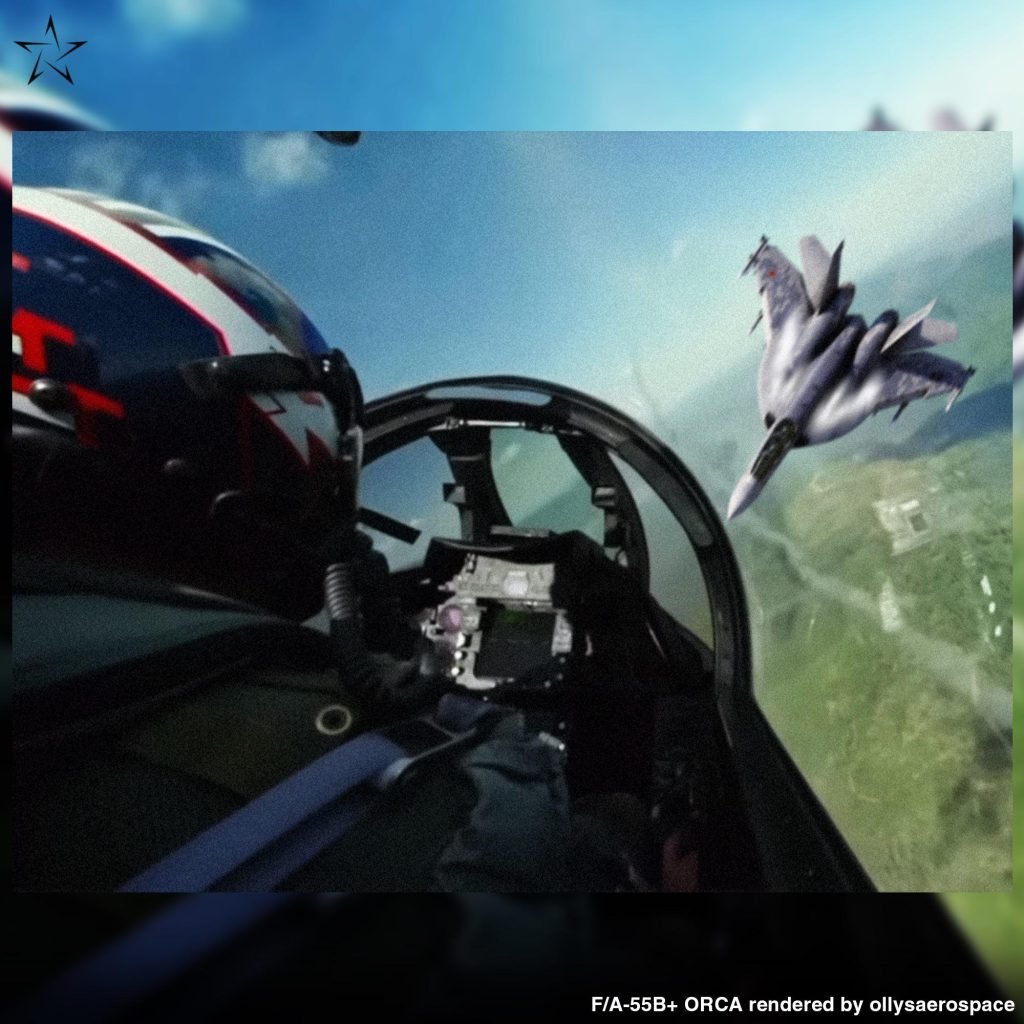
The Orca’s Main Advantage — Exceptional Range
Since the new aircraft’s primary opponent is expected to be Chinese aviation operating over the Pacific Ocean, American and Soviet military planners place particular emphasis on flight range. The fighter must protect carrier battle groups, escort strike aircraft, and intercept enemy aircraft at considerable distances from its own ships.
To achieve this, the Orca receives large internal fuel tanks and two powerful afterburning turbofan engines. In our scenario, each engine develops approximately 160–170 kN of maximum thrust with afterburner. At the same time, the aircraft retains the ability to fly at supersonic speeds without engaging afterburners under certain conditions and with a suitable combat load. Its estimated maximum speed is around Mach 2.1, while its combat radius can reach 1,500 kilometers.
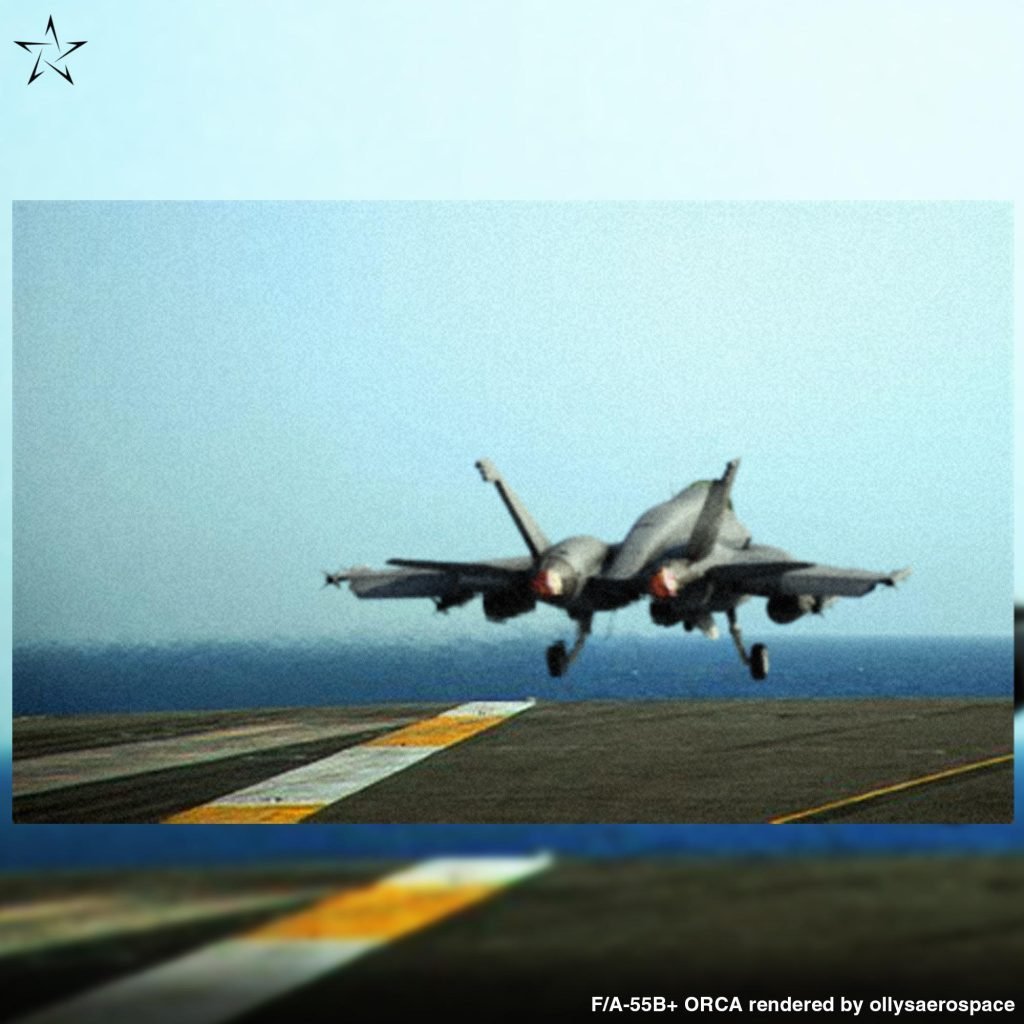
But the most interesting feature is its ability to operate from both Soviet and American aircraft carriers. To achieve this, the designers must develop reinforced landing gear, folding wingtips, an arresting hook, and a special thrust control system for carrier approaches. As a result, the Orca becomes one of the largest carrier-based fighters of its time.
130-mm Missiles? No, the Main Weapons Are Hidden Inside
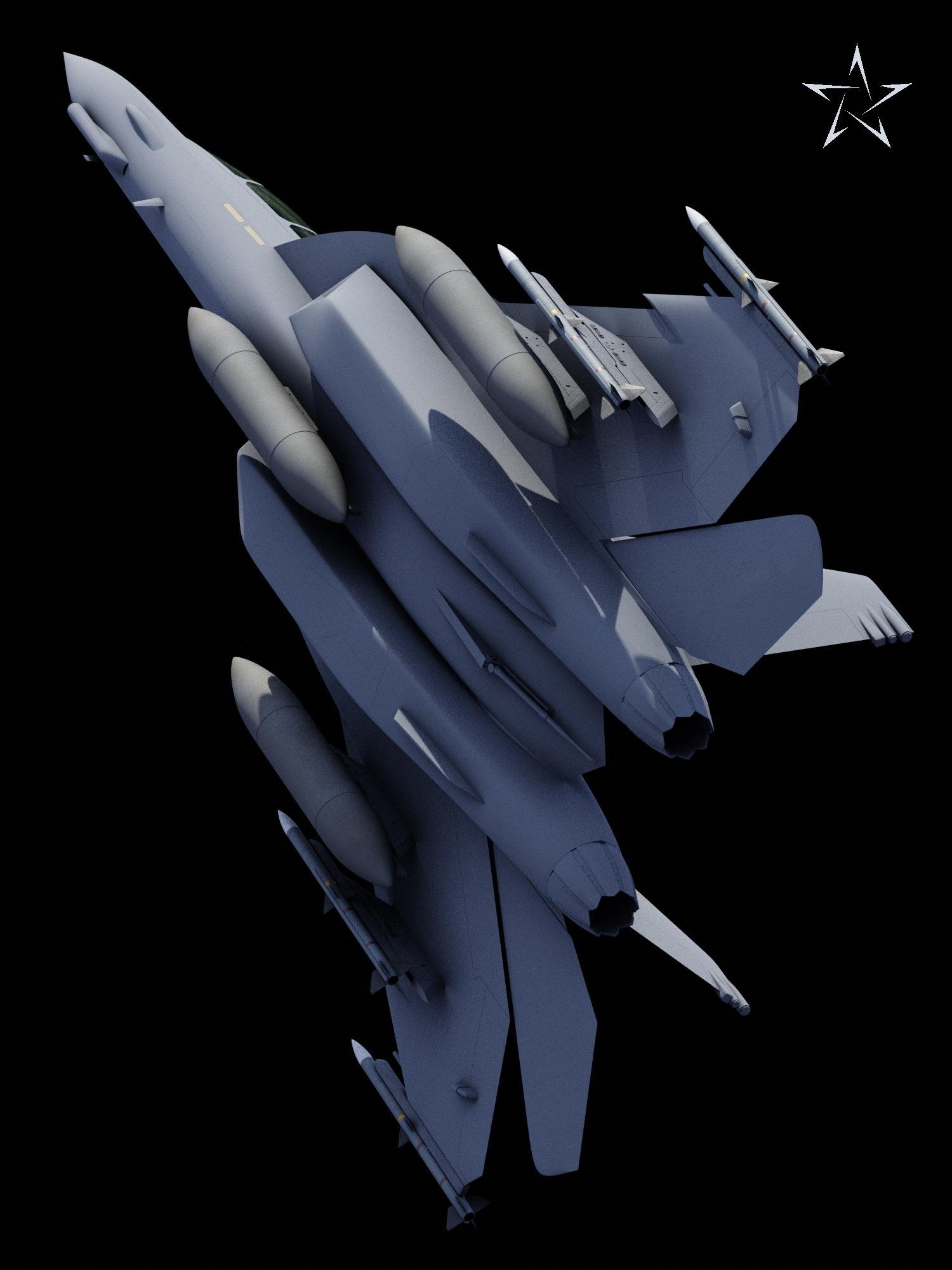
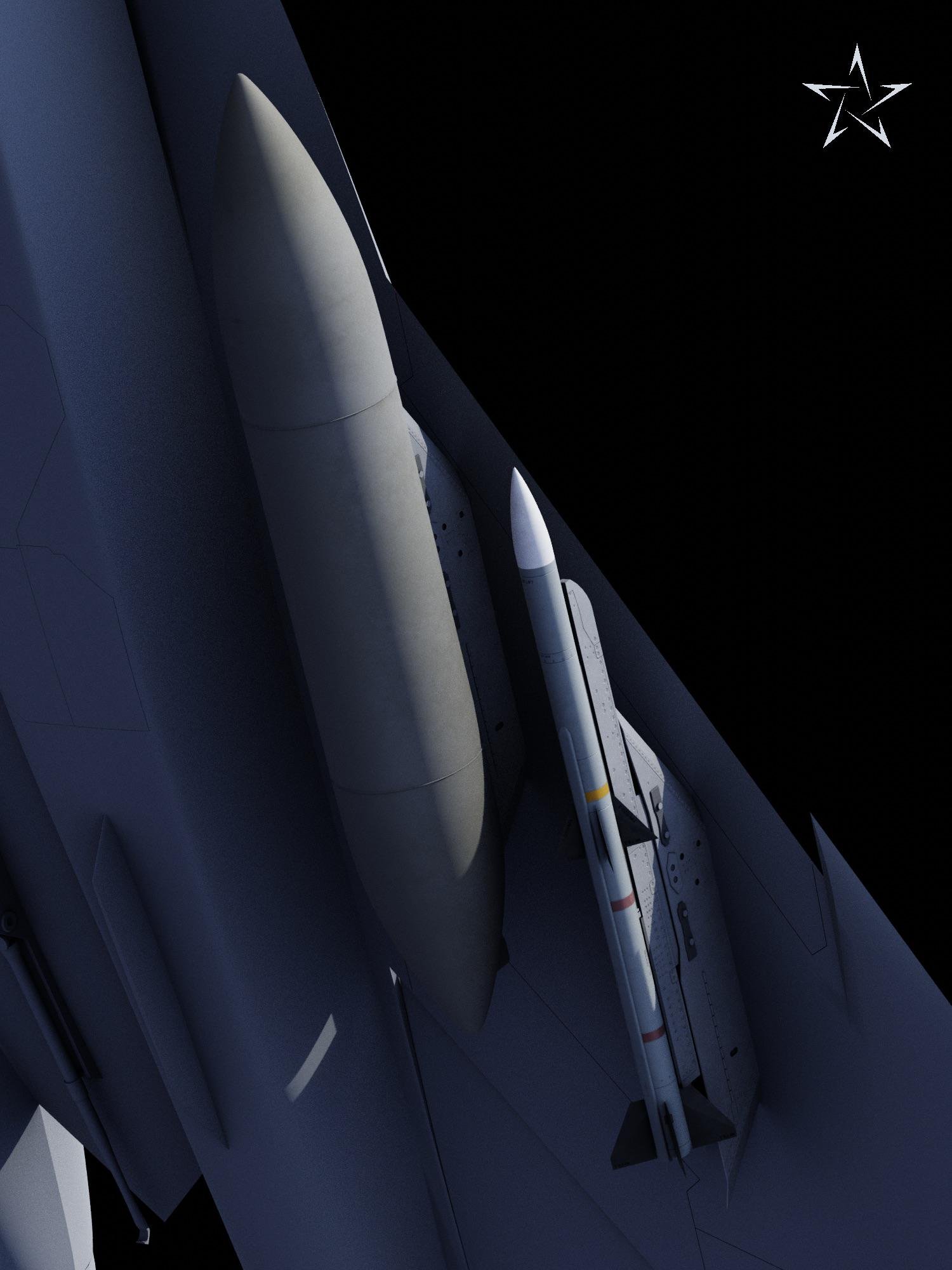
The new aircraft’s armament is also developed through joint efforts. To preserve stealth characteristics, its primary missiles are carried in internal fuselage bays. The aircraft is designed to employ medium- and long-range air-to-air missiles, as well as precision-guided aviation munitions for attacking ships and ground targets.
The development of a unified weapons management system becomes particularly important. It allows American aircraft to use certain Soviet missiles and Soviet aircraft to employ selected American weapons. Naturally, complete interchangeability cannot be achieved, but the ability to use weapons from both countries considerably simplifies joint operations.
When necessary, the aircraft can carry additional weapons on external hardpoints. However, this significantly increases its radar signature. Therefore, such a configuration is intended primarily for use after air superiority has been established or during operations against an enemy lacking modern air defense systems.
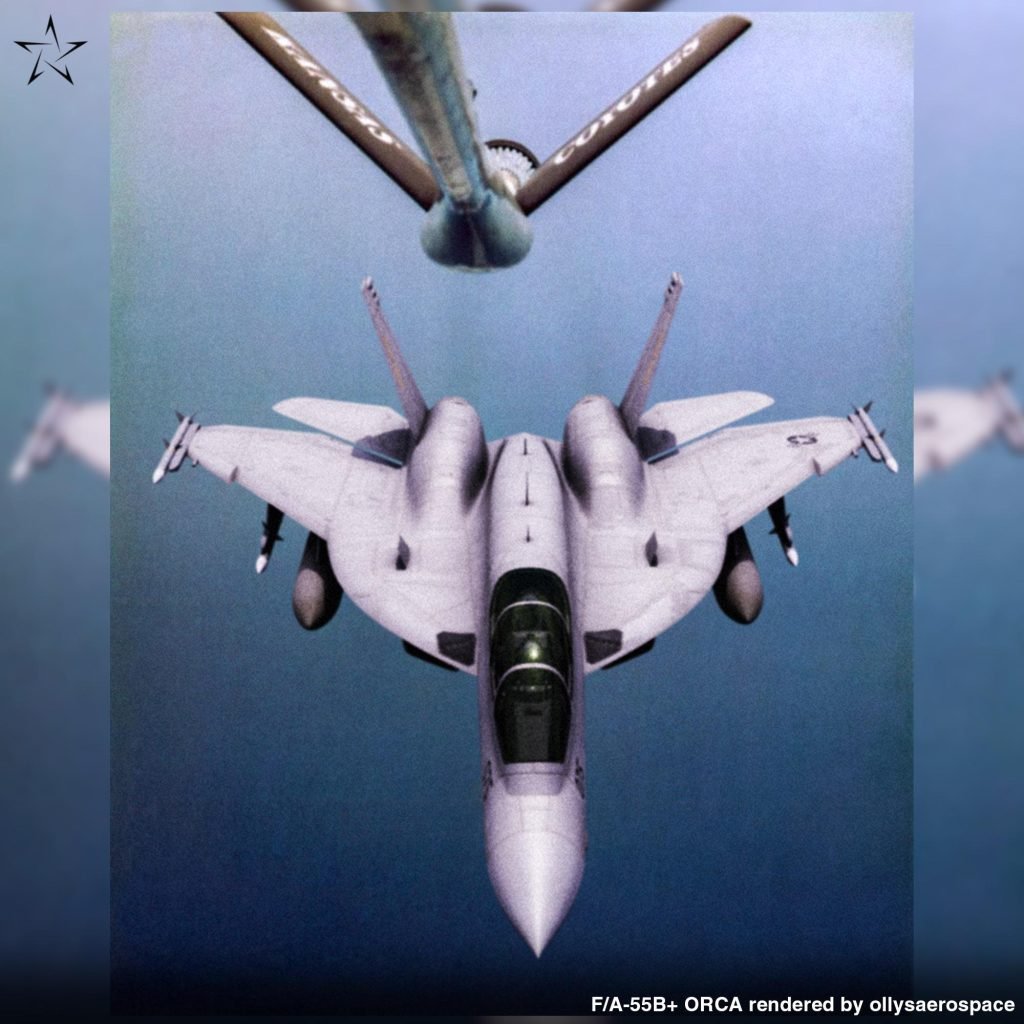
From the First Prototype to the F-55B+ Orca
The main design work continues from 1992 to 1998. By the end of the decade, American and Soviet enterprises manufacture the first prototypes. Following extensive ground testing, the prototype makes its maiden flight in 1999. The flight test program is conducted simultaneously in the United States and the USSR, with the most challenging trials involving carrier-based operations.
In the early 2000s, the aircraft receives the designation F-55A Orca in the US Air Force and Su-55 in Soviet aviation. A specialized carrier-based variant, the F-55B, subsequently appears, equipped with reinforced landing gear, folding wingtips, and equipment for aircraft carrier operations. It becomes the foundation for the family’s further development.
In the 2010s, modernization of the carrier-based fighters begins. The new version receives the designation F-55B+ and features improved engines, more powerful onboard electronics, an upgraded radar system, and expanded precision-strike capabilities. The Soviet variant has its own designation, Su-55BM, but retains a high degree of commonality with its American counterpart.
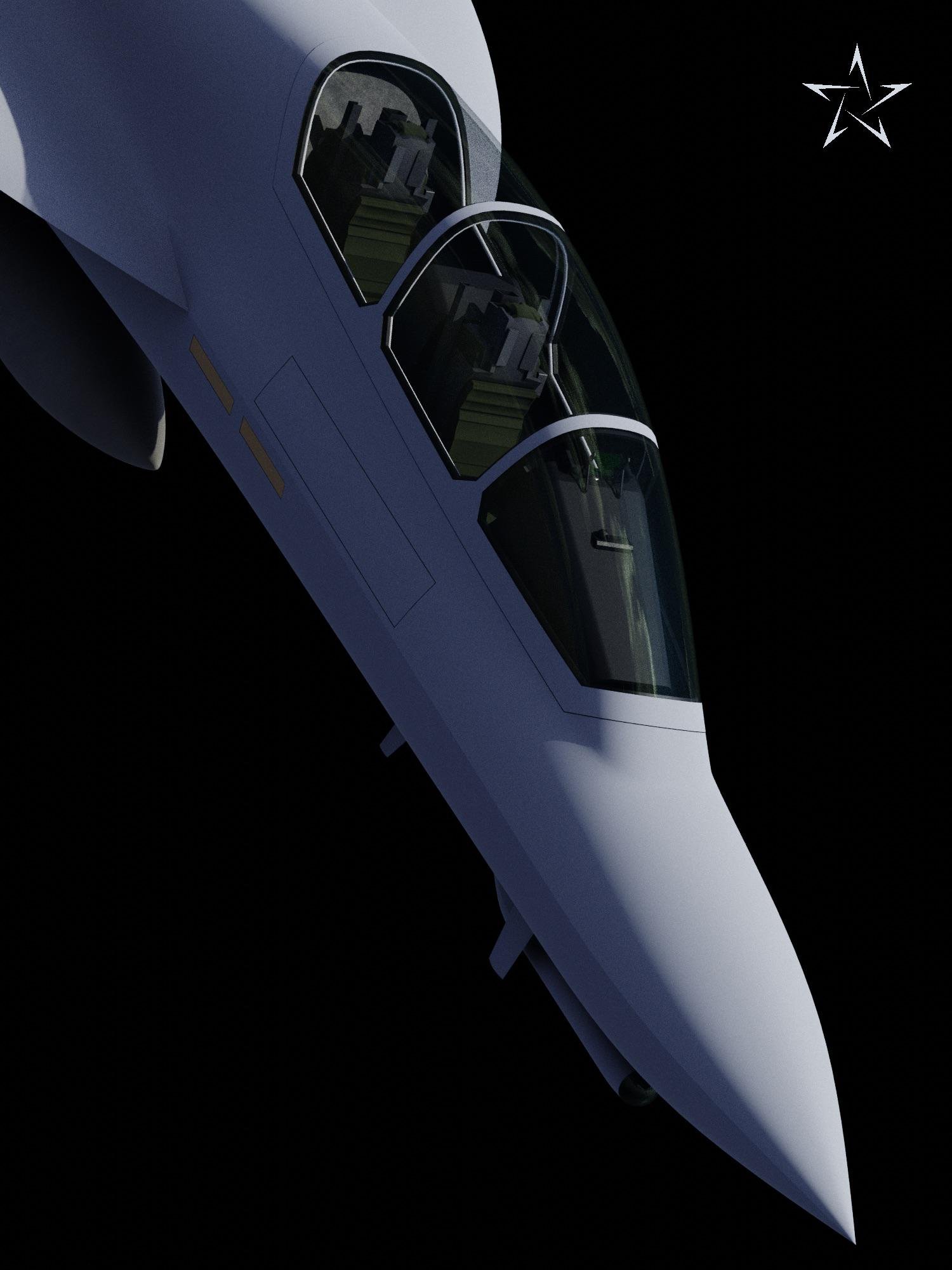
This is precisely the aircraft depicted in the illustrations created by our Western colleague.
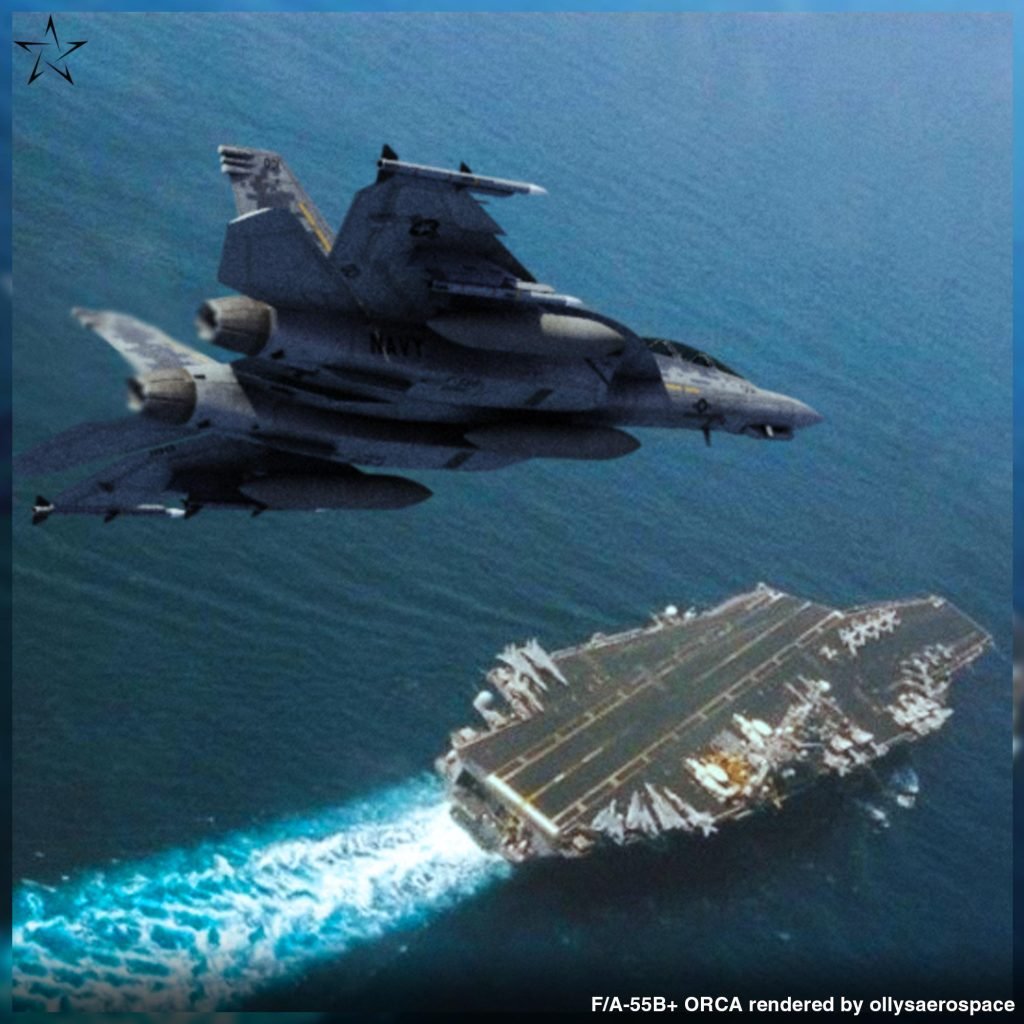
Why Did Soviet Red Stars Appear on the F-55B+?
In our alternative history, the answer is simple: the aircraft is the result of a joint development program and is therefore manufactured in both countries. American Orcas are produced by Northrop Grumman, while Soviet Orcas are assembled at aircraft factories across the USSR. At the same time, some of the most important components are supplied across the ocean in both directions. For example, some electronic equipment is manufactured by American companies, while certain engine components and airframe structures come from the Soviet Union.
However, the aircraft remain identical only in their general appearance. American fighters receive national communication systems and weapons, while Soviet versions differ in certain cockpit equipment and software components. Nevertheless, thanks to their common platform, the aircraft can operate in mixed aviation formations, use standardized maintenance procedures, and exchange data directly in flight.
That is why the appearance of Soviet red stars on the Orca makes perfect sense. This is neither a captured American aircraft nor an experimental fighter temporarily transferred to the USSR, but a fully fledged Soviet production fighter of joint origin.
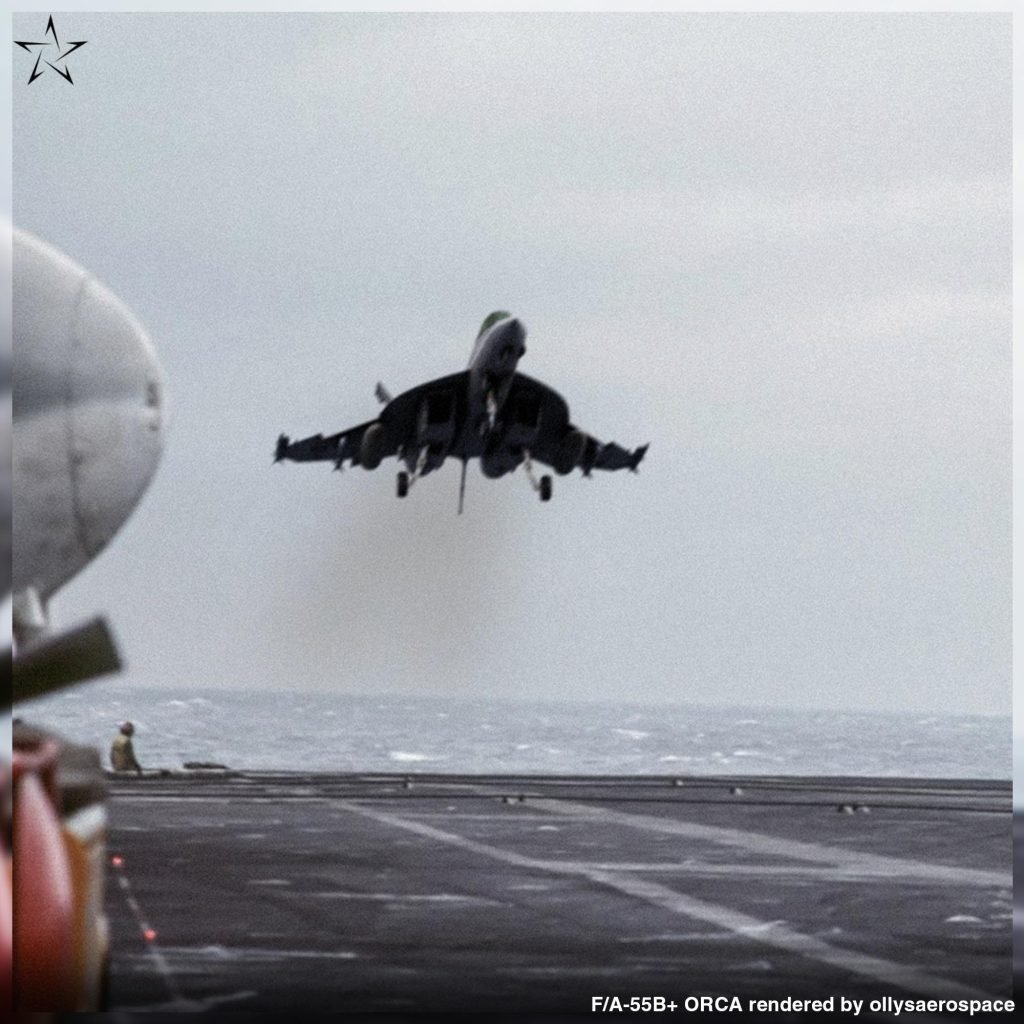
Estimated Specifications of the F-55B+ Orca
- Developer countries: United States and USSR (alternative history).
- Main program participants: Grumman, Lockheed, Sukhoi Design Bureau, Saturn Research and Production Association.
- Development began: 1992.
- First flight: 1999.
- Entry into service of the family: First half of the 2000s.
- Type: Fifth-generation heavy multirole carrier-based fighter.
- Crew: 1.
- Engines: Two afterburning turbofan engines with thrust-vectoring capability.
- Engine thrust: Approximately 160–170 kN each with afterburner.
- Maximum speed: Approximately Mach 2.1.
- Combat radius: Up to 1,500 km.
- Ferry range: Approximately 4,000 km.
- Maximum takeoff weight: Approximately 36 metric tons.
- Armament: Long- and medium-range air-to-air missiles, guided anti-ship weapons, and precision-guided air-delivered munitions.
- Main variants: F-55A, F-55B, F-55B+, Su-55, and Su-55BM.
All technical specifications are the author’s hypothetical estimates proposed for this alternative-history scenario. They do not refer to an actual existing aircraft.
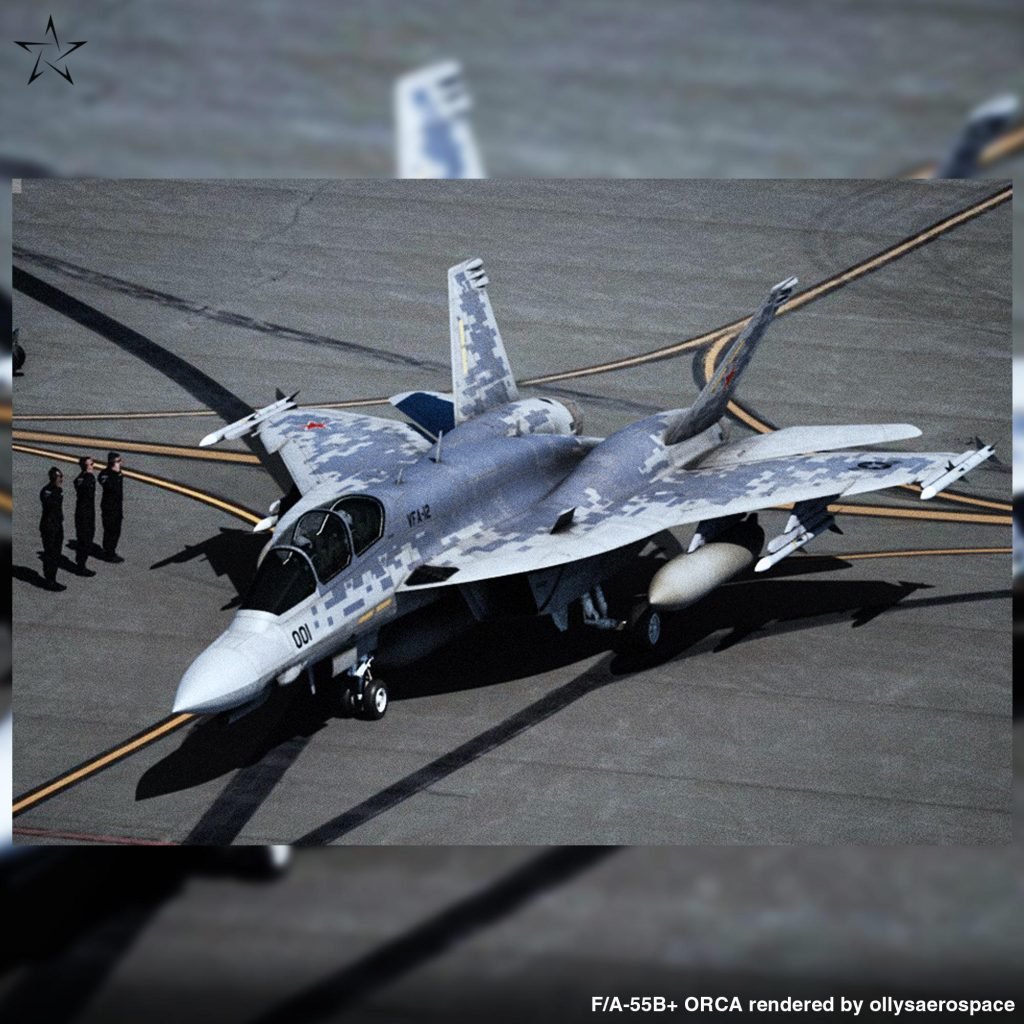
An Afterword. Could Such an Aircraft Have Existed?
In my opinion, the development of such a fighter would have been entirely within the capabilities of the aerospace industries of the late 20th and early 21st centuries. The Americans possessed extensive experience in developing stealth aircraft and carrier-based aviation, while the Soviet design tradition was particularly strong in heavy-fighter aerodynamics, engine development, and the creation of highly maneuverable combat aircraft.
The main problem would not have been technological but political. For such a program to become possible, relations between the USSR and the United States would have had to develop in a completely different direction. Moreover, simply ending the Cold War would not have been enough. A common threat would have been necessary, one serious enough to persuade former adversaries to share their most closely guarded aviation technologies.
In our scenario, that threat comes from a radically communist China, which has transformed its rapidly growing economy primarily into an instrument of military expansion.
And if the USSR had indeed survived, transformed into a capitalist federation, and formed a military alliance with the United States, the development of a joint fifth-generation fighter could well have become one of the symbols of a new era.
And the sight of American insignia and Soviet red stars on the same aircraft would perhaps have demonstrated better than anything else just how unusual this alternative world had become.
Source: F-55B+ Orca by MrGatsby1984 — Reddit, r/ImaginaryAviation