The future of aviation is just around the corner. Hybrid passenger aircraft will be in service with airlines as early as 2030. What kinds of aircraft are we talking about, and what are they like?

According to aviation experts, the future of civil aviation lies in hybrid powerplants. This means lower noise levels, greater fuel efficiency, and, of course, environmental friendliness. In principle, all the necessary technologies already exist. All that remains is to bring them together, design aircraft for the new engines, complete certification, and begin operations. These same experts estimate that all of this will take about 20 or 30 years. However, ATR, the Franco-Italian manufacturer of turboprop regional aircraft, claims that the world’s first hybrid-electric regional airliner will enter service as early as 2030. Let’s take a closer look at which aircraft we’re talking about and how feasible this is.
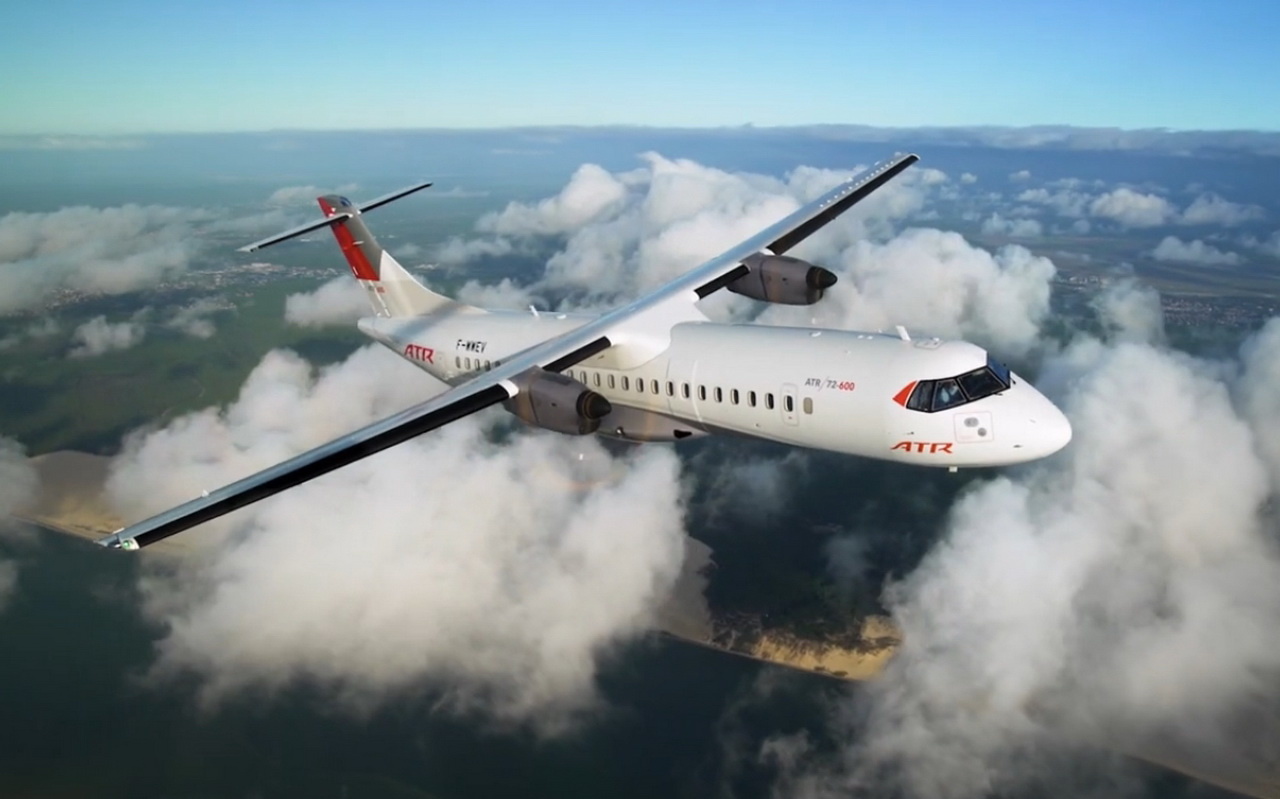
ATR 72-600. ATR promotional images
In an official statement released by ATR on September 9, 2025, the company announced the launch of projects aimed at demonstrating hybrid-electric engines and innovative systems on regional airliners. This brings the company closer to its key goal—the first flight of a regional aircraft with a hybrid power plant.
The plan is to use a production-model ATR 72-600 as the basis for the test platform, which will become the world’s first hybrid-electric regional aircraft.
As Natalie Tarnod-Lod, CEO of ATR, stated, this initiative is not merely a demonstration of technological capabilities, but a decisive step toward the future of regional aviation.
The aircraft design will be developed as part of the HERACLES project, which involves the creation of a hybrid-electric power plant, high-efficiency battery packs, and a heat engine that runs on 100% environmentally friendly aviation fuel (SAF).
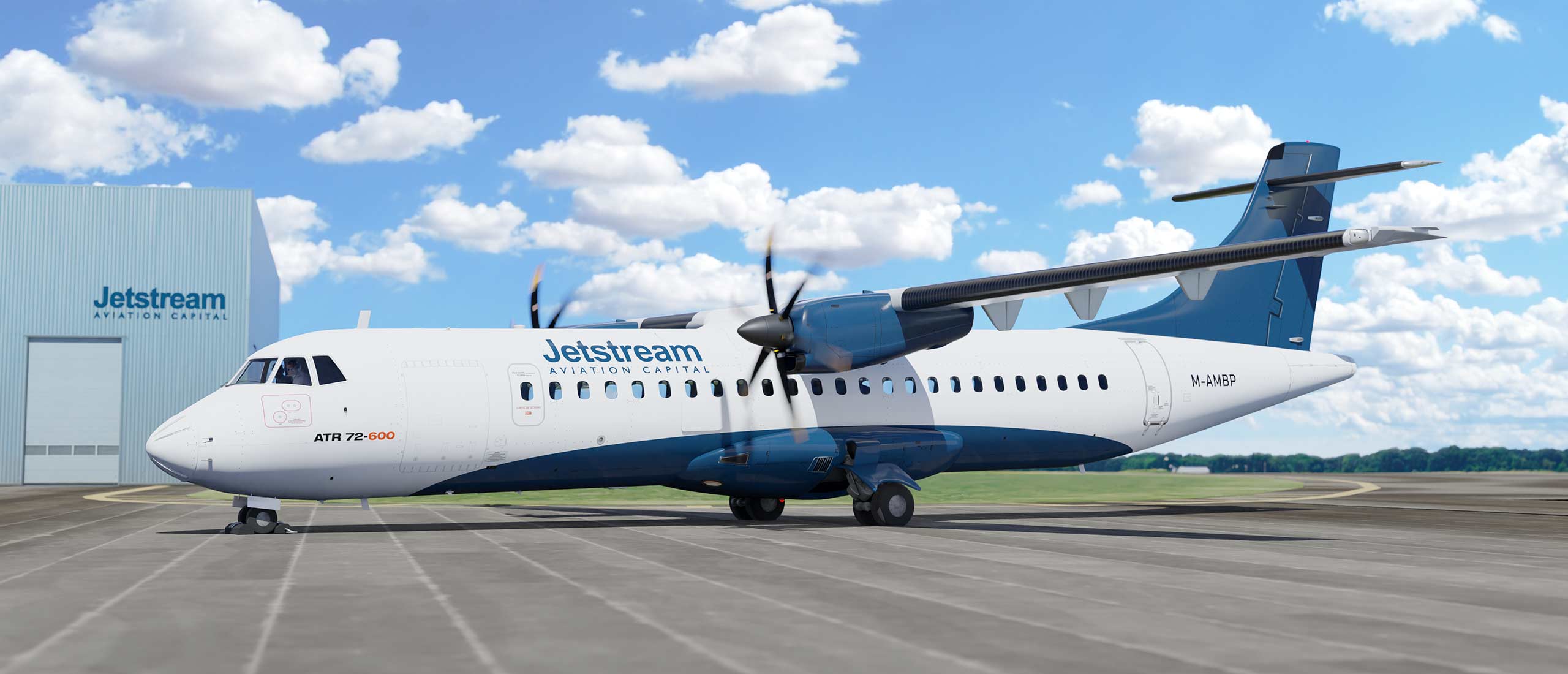
ATR 72-600
Flight tests of the developed technologies will be conducted as part of the DEMETRA program using the same ATR 72-600 prototype. These efforts are in line with the aircraft manufacturer’s strategy to develop a new-generation regional aircraft capable of carrying 50 to 100 passengers with a range of more than 900 km, according to ATR.
The proposed regional aircraft concept is designed to reduce CO2 emissions by 30% and to be fully compatible with the use of sustainable aviation fuel (SAF).
The first new-generation hybrid-electric regional aircraft are expected to enter service by 2035.
It is worth noting that in April of this year, Kirill Sypalo, CEO of TsAGI, announced in an interview with RIA Novosti that work had begun on the development of a regional electric aircraft and an aircraft with a hybrid power plant.
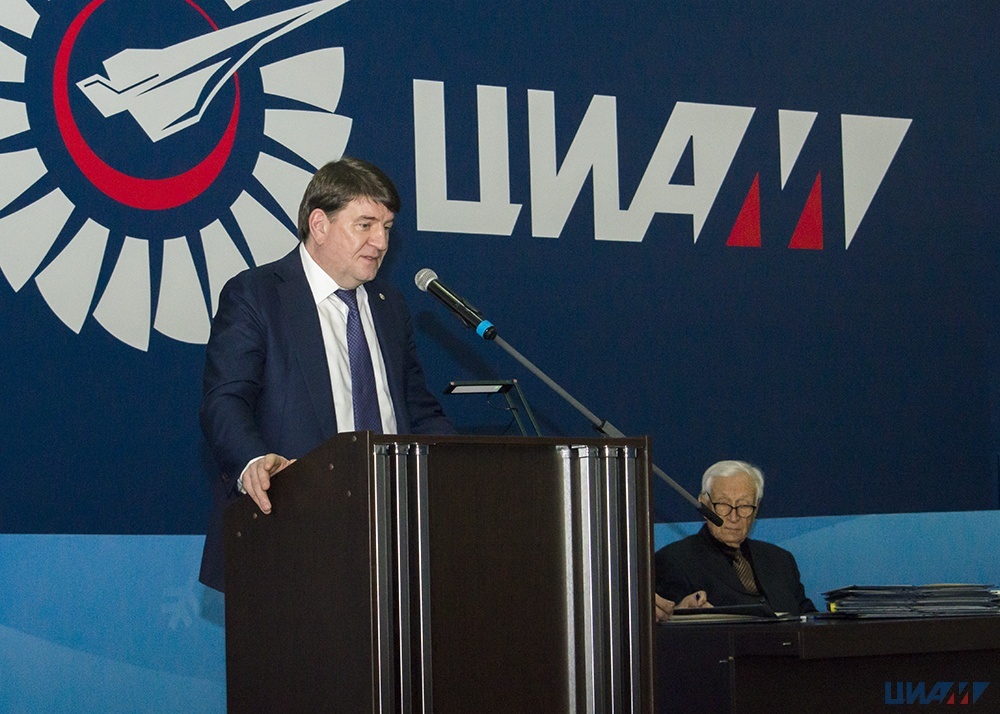
Andrei Kozlov. Photo by CIAM
According to him, current advances in battery technology and electric motors are enabling Russia to begin developing electric aircraft and aircraft with hybrid power systems for local and regional transport.
Earlier, Andrei Kozlov, CEO of the Central Institute of Aviation Engine Design (CIAM), said in an interview with RT that development is actively underway on a hybrid-electric power plant for a regional aircraft with a capacity of up to 80–100 passengers.
Andrey Kozlov emphasized that engineers at CIAM are currently working on the development of a domestically produced hybrid power plant (HPP) with a capacity of 1.5–2 MW (approximately 2,000–2,700 l.s.) for a regional aircraft.
The next phase of research and development (R&D) involves creating a power supply unit with even greater capacity. One of CIAM’s key objectives in this area is to replace liquid nitrogen with liquid hydrogen as the coolant, which will allow the power of the electric machines to be increased nearly threefold.
A domestically produced regional aircraft with a capacity of up to 100 passengers is expected to be introduced in the medium term, by the 2040s. However, according to the head of CIAM, a Russian hybrid-electric aircraft with a capacity of 19 passengers is expected to be introduced in the first half of the 2030s.
Previously, CIAM completed a research project to develop a 500 kW (679 l. s.) gas turbine power plant, in which, in addition to the Moscow institute, SuperOx CJSC, Ufa State Aviation Technical University, and the Foundation for Advanced Research (FAR).
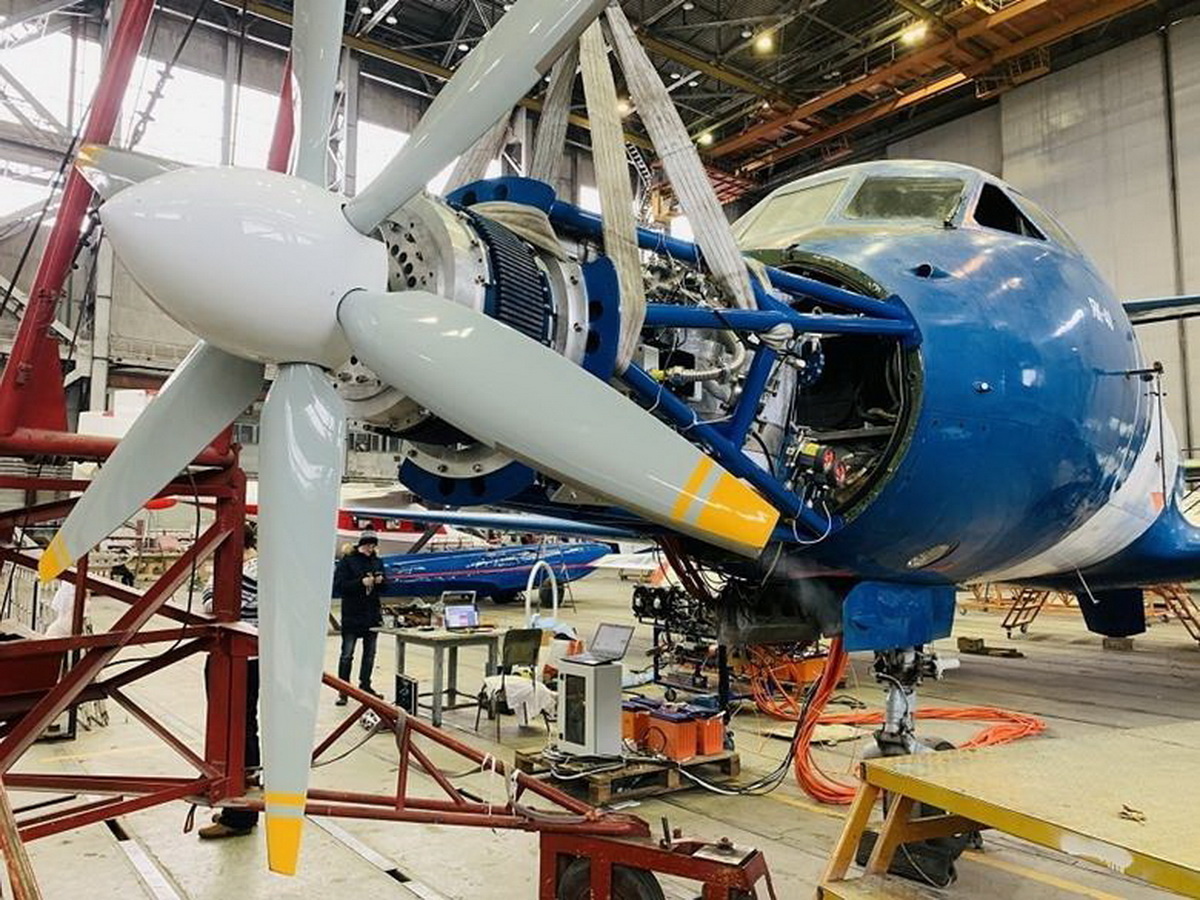
Yak-40LL with a 500-kW power unit demonstrator
Testing of the 500-kW power generation system demonstrator—which includes the world’s first electric aircraft engine utilizing the superconducting effect—was successfully conducted as part of flight tests on the Yak-40LL flying laboratory, which was developed based on a production regional aircraft.
Based on material from https://dzen.ru/a/aMFzMAaPJSIu5UoJ