The oldest U.S. bomber is heading back to the factory: Why are the B-52 Stratofortress’s engines being replaced after 60 years?

Sometimes, modernizing equipment looks like a routine upgrade. But in the case of the B-52, this is no longer just an upgrade—it’s an attempt to extend the service life of an aircraft that has been flying since the 1950s and, by all aviation standards, should have been retired long ago.
The reason was a news report: the first B-52 is set to arrive at the Boeing plant for an engine replacement very soon. And this isn’t a one-time job, but the start of a program on which the future of the entire U.S. strategic air force depends.

Cold War-era plane is being sent “for refurbishment” once again
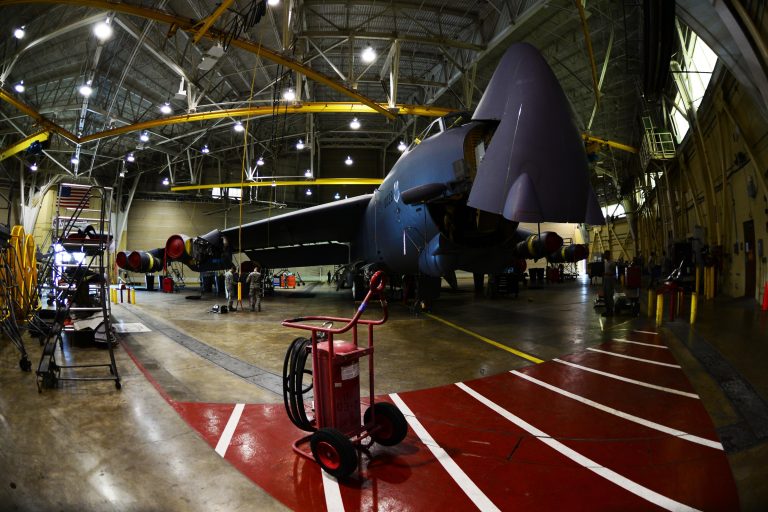
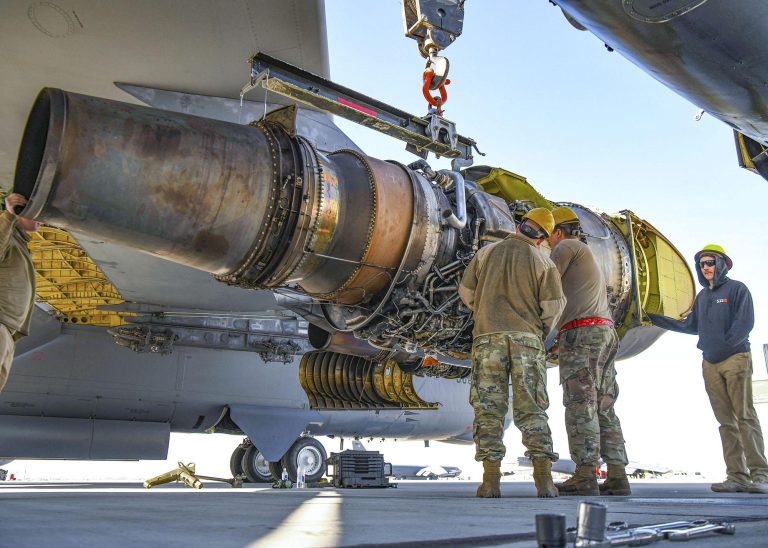
The program is called the Commercial Engine Replacement Program (CERP). The idea behind it is simple: to completely replace the old Pratt & Whitney TF33 engines that have been powering the B-52 for more than half a century.
The contract for the initial work—worth more than $2 billion—has already been signed, and as part of the first phase, two aircraft will be upgraded to test the new configuration.
It is precisely one of these aircraft that is set to be sent to the Boeing plant—effectively marking the start of a new phase of the program.
Why was this even necessary?

At first glance, the question seems strange: why replace the engines on an airplane that’s already flying?
The answer lies in resources and efficiency.
Old TF33s:
— are technologically
obsolete — require complex
maintenance — are less
economical — generate significant thermal and acoustic noise
And most importantly—they haven’t been manufactured for a long time.
Meanwhile, the B-52 itself remains in service and is expected to remain in service for decades to come.
According to U.S. Air Force plans, the upgraded aircraft will remain in service at least until the 2050s and beyond.
New engines: What exactly are they installing?
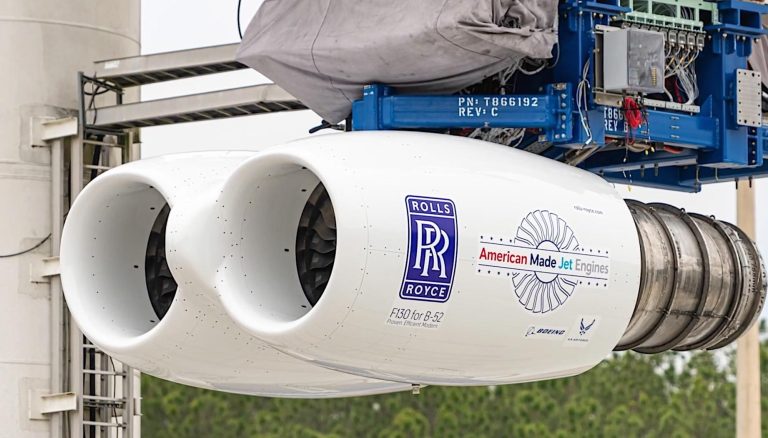
The Rolls-Royce F130 engine—the military version of the BR725 family of civil turbofan engines—was selected to replace the old powerplants.
This is an important point: the focus is not on a “purely military” engine, but on a proven civilian platform.
What are the benefits?
— improved reliability
— lower fuel consumption—
increased range
— reduced maintenance costs
Testing is already underway: the engine has passed high-altitude tests and is being prepared for installation on the aircraft.
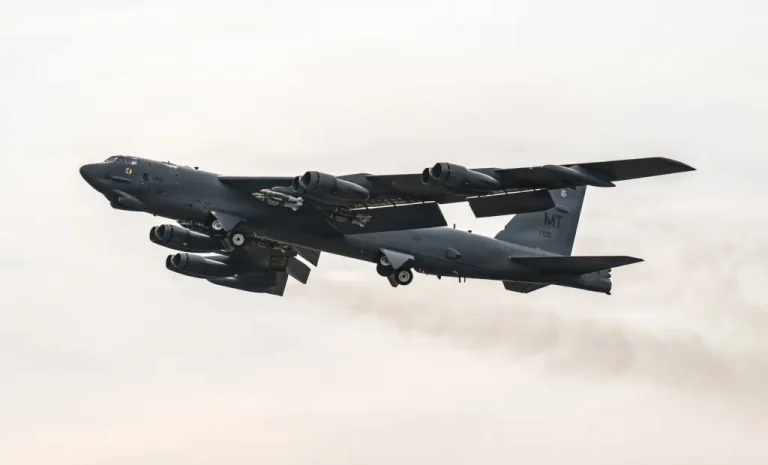
The configuration remains the same—eight engines

An interesting fact: despite all the upgrades, the B-52’s design remains unchanged.
As before, the plane will have eight engines—just new ones.
This decision was made deliberately:
— Design changes are minimized—
Balance and
aerodynamics are maintained— Integration is simplified
In fact, the engineers aren’t “rebuilding” the aircraft; rather, they are carefully integrating new systems into the existing architecture.
Not just engines
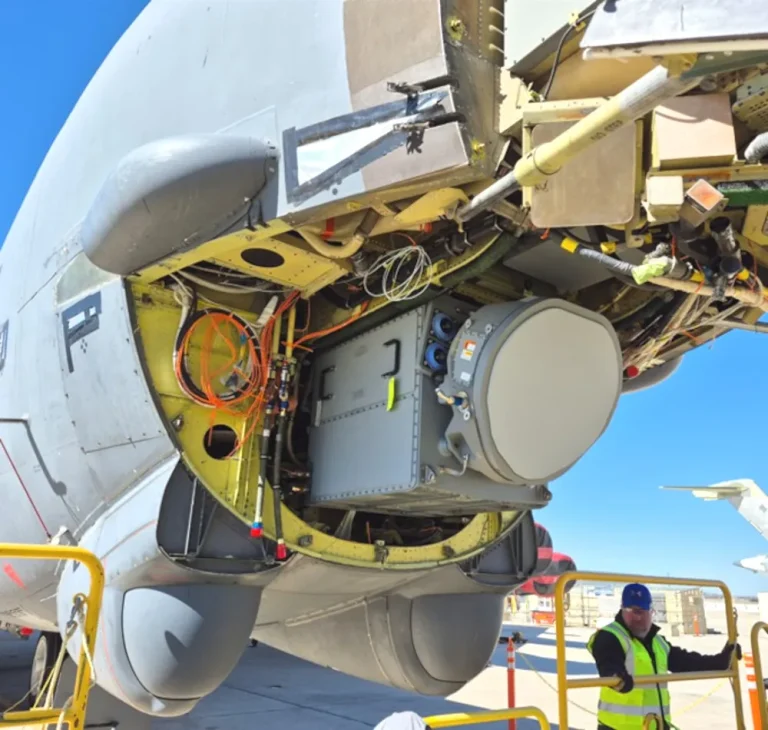
Replacing the engines is just one part of a larger program.
At the same time, the B-52 receives:
— a new active phased-array radar—
upgraded electronics
— modernized weapons systems
Once all work is complete, the aircraft will be designated as B-52Js.
In other words, we’re talking about a major overhaul, not just a cosmetic fix.
Timelines: It’s Not That Fast
Although the program has been launched, the process has dragged on for years.
According to current plans:
— initial tests — following the modernization of two
aircraft — start of full-scale testing — toward the end of the
decade — full program — through the 2030s
Moreover, the program itself has already faced delays, and its implementation timeline has been pushed back on multiple occasions.
Why Is This Important?
At first glance, it’s just a modernization of an old aircraft.
But in reality, it is a key element of U.S. strategy.
By the 2030s:
— The B-1 and B-2 will be phased
out gradually—the B-21 and upgraded B-52s will form the backbone of the air force
In other words, the aircraft, which first took to the skies in 1952, remains a part of the future.
Conclusion
The story of the B-52 engine replacement isn’t about the technology—it’s about the approach.
Instead of developing an entirely new platform, the U.S. is relying on a proven aircraft and upgrading it to meet modern standards.
Old housing, new motors, new electronics.
And there is a certain logic to this:
if the structure survived the Cold War,
it may well survive the 21st century as well.
источник https://www.twz.com/air/first-b-52-to-arrive-for-re-engining-at-boeing-plant-later-this-year