The Pipistrel Virus is an ultra-fuel-efficient aircraft that flies around the world

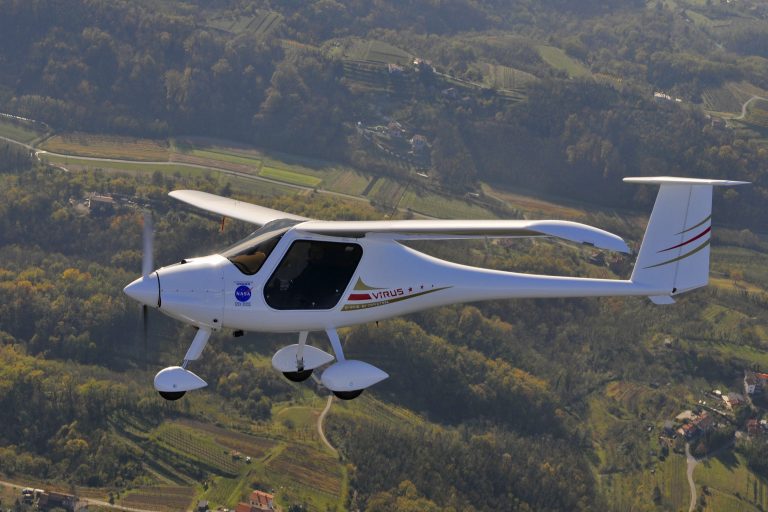
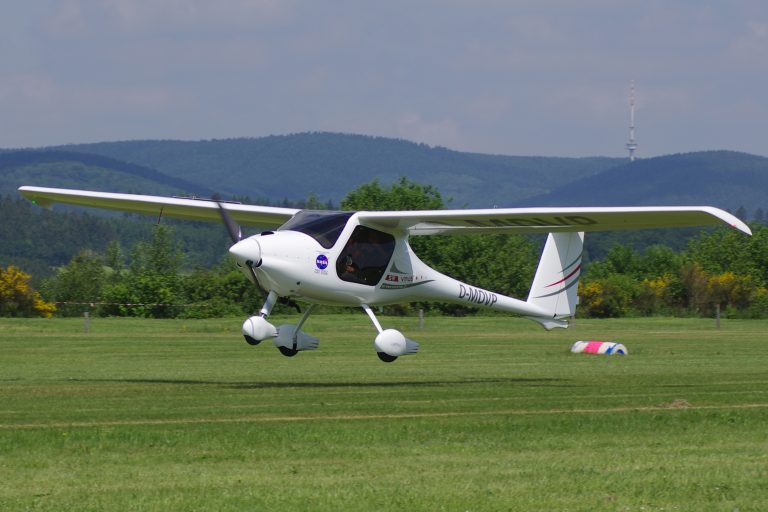
The Pipistrel Virus is one of the world’s most famous ultralight aircraft, having become a symbol of fuel efficiency, range, and technologically sophisticated simplicity. It is equally popular among private pilots, flight schools, research organizations, and aviation tourists embarking on round-the-world flights. With fuel consumption of about 6 liters per 100 kilometers, the Virus has long been considered the benchmark for efficiency in its class.
Where did the name “Pipistrel” come from?

The names of the company and the aircraft have their roots not in marketing, but in the semi-legal aviation romance of the late 1980s.
The word “Pipistrel” comes from “pipistrelle”—the name given to a species of small bat. The company’s founders saw themselves as much like these bats: in Yugoslavia at that time, a group of enthusiasts engaged in illegal hang-gliding flights, taking off in the evenings at dusk to avoid attracting the attention of the authorities. Like bats, they would appear in the sky at sunset and disappear just as silently.
Over time, this informal “evening pilots’ club” evolved into a full-fledged aviation company—Pipistrel.
Pipistrel: Slovenia and Light Aviation
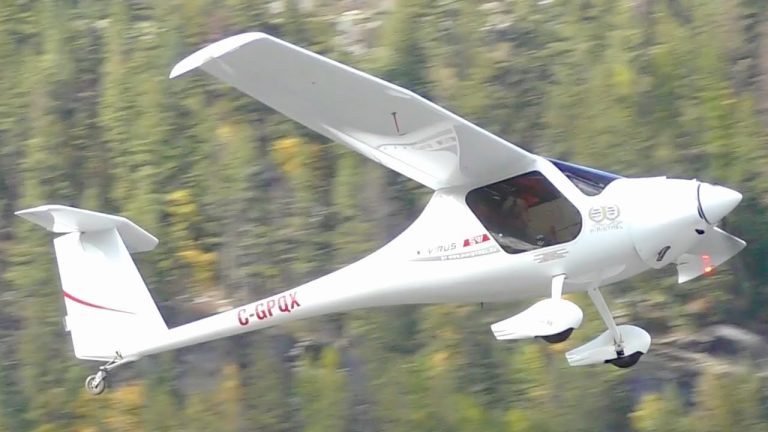
Pipistrel was founded in 1989 in Ajdovščina, Slovenia. From the very beginning, the company has focused on:
- lightweight composite structures;
- minimal aerodynamic drag;
- record-breaking fuel efficiency;
- modern materials and precision engineering.
Over time, Pipistrel has become one of the world leaders in the ultralight and light aircraft segment, as well as in electric aviation. The company’s aircraft are in service in dozens of countries and are used in both private and government programs.
Pipistrel Virus: Design Philosophy
The Virus was originally designed as a long-range, fuel-efficient, and easy-to-fly aircraft capable of flying for many hours.
Key Features:
- a thin, high-aspect-ratio laminar wing;
- all-composite airframe;
- lightweight and highly aerodynamic;
- Excellent gliding performance.
The aircraft is most often equipped with Rotax engines, which combine reliability with low fuel consumption.
Fuel efficiency: 6 liters per 100 km
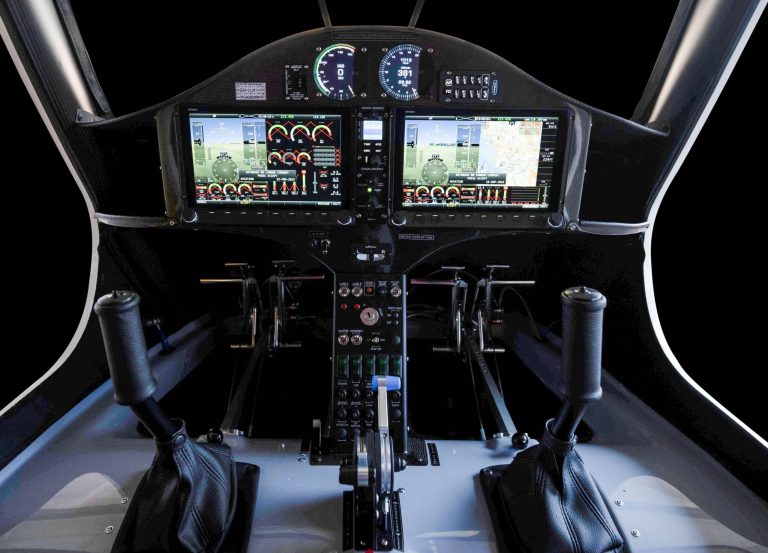
One of the main reasons for the Virus’s popularity is its exceptionally low fuel consumption. In cruising mode, it consumes about 15–18 liters per hour, which, at a speed of around 250–280 km/h, translates to approximately 6 liters per 100 kilometers.
In this respect, the Virus is closer to a fuel-efficient car than to a traditional airplane. This makes it:
- low-cost to operate;
- ideal for long-distance trips;
- attractive to private owners and flight schools.
NASA Tests
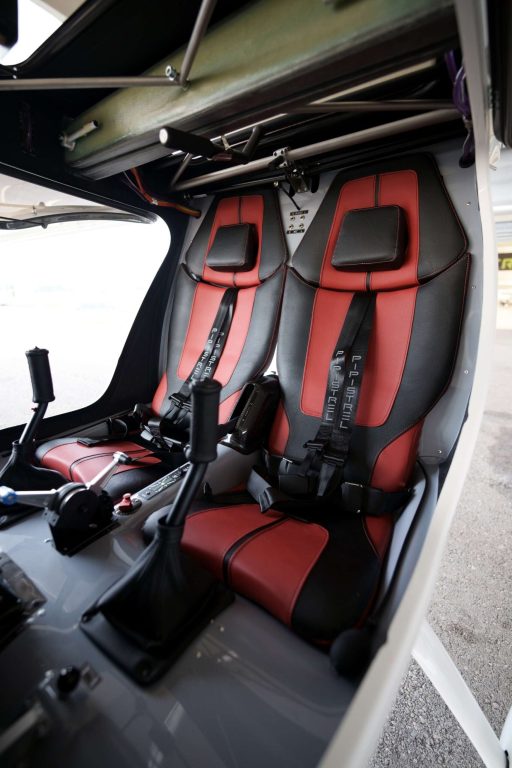
The Pipistrel Virus’s fuel efficiency and aerodynamics caught NASA’s attention. The aircraft was used in the agency’s research programs focused on:
- reducing fuel consumption;
- the environmental sustainability of general aviation;
- analysis of laminar wings;
- the prospects for “green” aviation.
NASA viewed the Virus as a real-world example of what an effective general-purpose aircraft could be, rather than an experimental prototype.
An airplane for round-the-world flights
Despite its small size, the Pipistrel Virus has been used on numerous occasions for round-the-world flights. This is due to:
- long practical range;
- low operating costs;
- high reliability;
- the ability to operate from short runways.
Virus has proven that you don’t need a large, expensive airplane to fly around the world—all it takes is sound aerodynamics and a well-thought-out design.
Key Features (Summary)
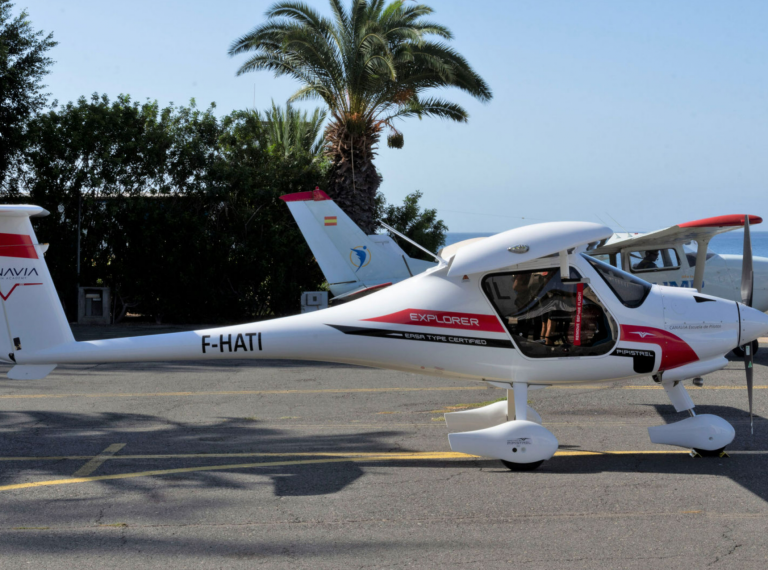
- Type: Light single-engine aircraft
- Crew: 1–2 people
- Cruising speed: 250–280 km/h
- Range: up to 1,500 km or more
- Fuel consumption: about 6 liters per 100 km
- Material: composite
- Purpose: education, tourism, long-haul flights, research
Why the Pipistrel Virus Became a Cult Classic
The Pipistrel Virus is not just a light aircraft. It has proven that aviation can be:
- available;
- cost-effective;
- environmentally friendly;
- designed for long-distance routes.
From illegal nighttime flights “like bats” to NASA tests and round-the-world flights—the history of the Virus perfectly reflects Pipistrel’s philosophy: to fly farther, quieter, and more efficiently than is generally thought possible.