The American startup Regent Craft has achieved a significant technological breakthrough: its experimental electric seaplane, the Viceroy, has successfully completed test flights with pilots and passengers on board. This milestone marks an important step in the development of a new class of air-sea platforms that could revolutionize short- and medium-range transportation over water.
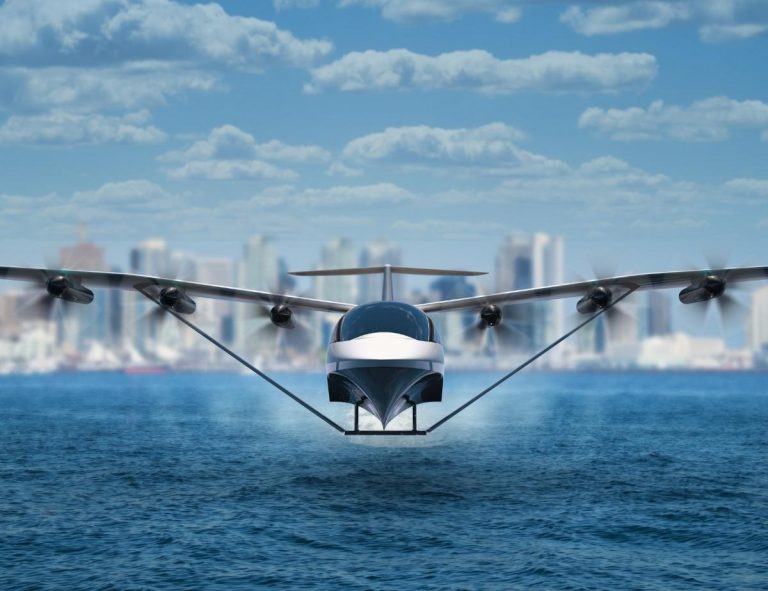
What is Viceroy, and what makes it special?
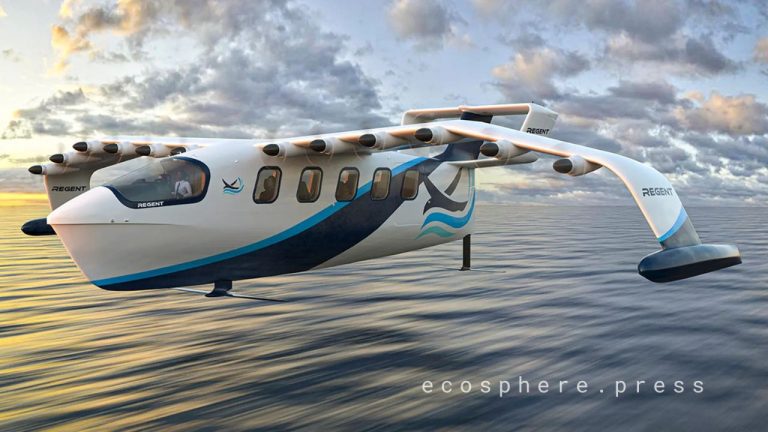
The Viceroy is a large electric sea glider approximately 17 meters long that combines elements of an airplane, a boat, and a hydrofoil. It is designed to operate in three modes:
- swimming on the water’s surface like a typical amphibian;
- hydrofoil gliding as speed increases;
- flight over water in a mode similar to the “wing-ground” effect, when aerodynamic drag is significantly reduced.
Thanks to this combination, the Viceroy can reach speeds that are unusually high for this type of craft—around 300 km/h—while flying just 9–18 meters above the water. This makes it not just a boat or an airplane, but a highly efficient hybrid platform for maritime routes.
Technical Specifications and Features
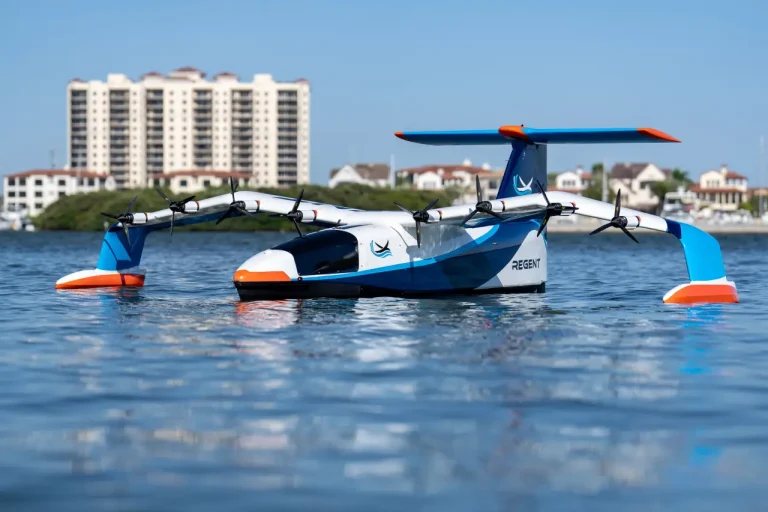
The tested prototype can accommodate up to 12 passengers and two crew members, and is capable of carrying up to 1.6 metric tons of cargo. Its range without recharging is approximately 300 km, which opens up a wide range of possibilities for use on coastal, island, and resort routes.
Its fully electric powertrain makes the Viceroy an environmentally friendly alternative to traditional aircraft and boats, while its multifunctional design makes it a convenient and versatile platform for a variety of tasks: passenger transport, cargo delivery, emergency response operations, and even logistical support for naval forces.
Industrial Development of the Project
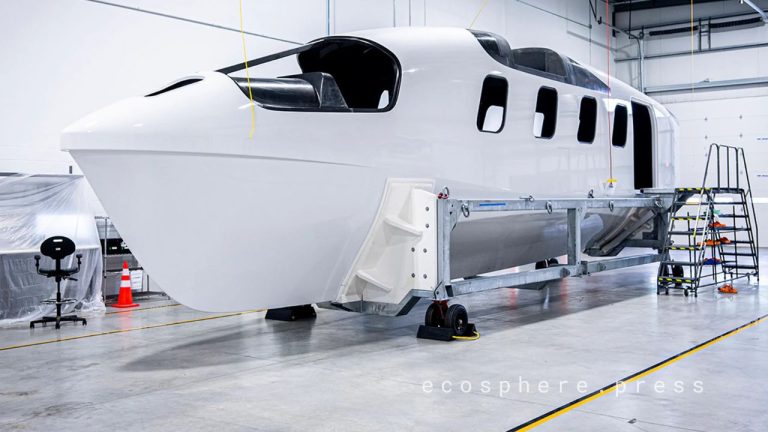
To date, the project has attracted approximately $90 million in investment, and pre-orders for the vehicles have already exceeded $9 billion, demonstrating strong interest in such technologies from commercial operators and government agencies.
Regent Craft is building a large manufacturing complex in Rhode Island, scheduled to begin operations in 2026. This facility will produce a new generation of series-production seaplanes, and the first commercial flights could begin shortly after production starts.
Prospects for Application
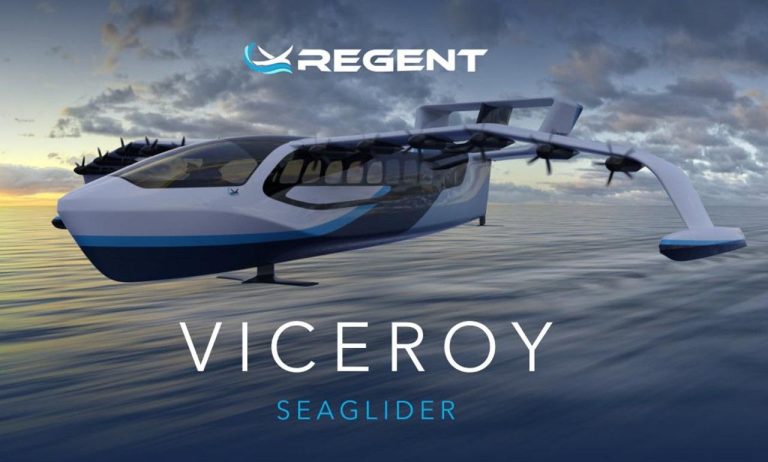
Such a vehicle could transform transportation infrastructure, particularly in regions with extensive coastlines and archipelagos, where traditional airplanes and ships face limitations in terms of infrastructure or speed. An electric seaplane is capable of:
- combine the advantages of air and sea transport;
- reduce travel time between the islands and coastal cities;
- to provide a more sustainable and cleaner alternative to traditional transportation.
In the future, aircraft like these could become part of the sustainable aviation ecosystem being developed by companies around the world, including similar electric seaplane projects from other manufacturers.
Conclusion
The successful testing of the Viceroy is not just a technical achievement for a particular startup, but evidence that electric aviation is rapidly moving beyond highly specialized experiments. Hybrid sea gliders like Viceroy could become an important part of a future transportation system that combines speed, environmental friendliness, and versatility.
Based on material from https://ecosphere.press/2025/03/18/revolyuczionnyj-elektricheskij-gidroplan-uspeshno-proshel-ispytaniya/