To What Extent Is a Major Upgrade of the Tu-214 Feasible? A Study of the Prospects for Integrating New Domestic Aircraft Engines

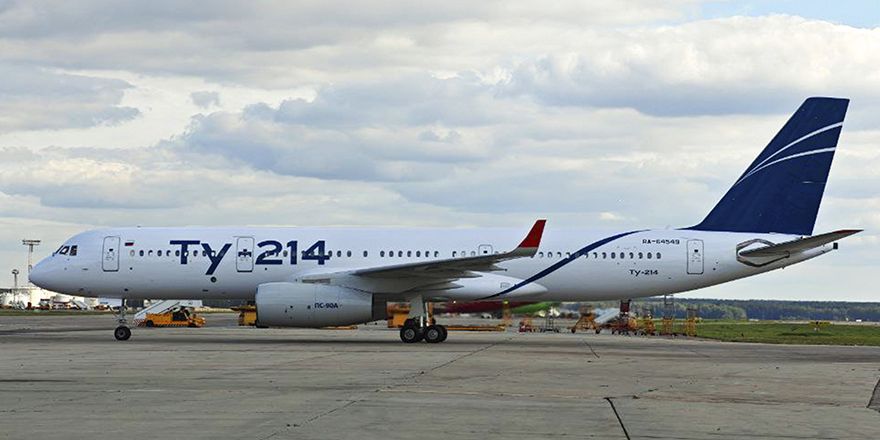
The Tu-214 is a long-range version of the Tu-204 family, developed in the late 20th century to replace the Il-86 and Il-62, which had reached the end of their service lives. Amid tightening sanctions, restrictions on imports of Western engines and electronics, and a push for import substitution in civil aviation, the extensive modernization of the Tu-214 is evolving from a purely technical task into a key strategic project. It will ensure the technological independence of the Russian aviation industry.
Of particular significance is the fact that the Tu-214 is equipped with advanced Russian engines, such as the PD-14 and upgraded versions of the PS-90A. This not only reduces operating costs but also strengthens the aircraft’s position in the domestic market, with the prospect of entering the international market. This article analyzes the technical, economic, and organizational aspects of the Tu-214’s comprehensive modernization, including options for re-engining with modern domestic powerplants.
Overview of the Design and Current Status of the Tu-214
The Tu-214 is based on the Tu-204-200 design but features an increased fuel capacity and a reinforced airframe, which provide greater range and a higher commercial payload. Production models are equipped with PS-90A engines, which, although considered domestically produced, rely in part on imported components and are less efficient than the latest-generation engines.aviaport+3
Key Technical Features of the Tu-214:
-
a twin-engine narrow-body airliner with a maximum commercial capacity of up to 210 passengers in a single-class configuration;cyberleninka+1
-
the use of modern materials and technologies, including composite structural elements and digital avionics;alternathistory+1
Modern aircraft are increasingly being designed for operation at airports with limited runway lengths. The key to this is a combination of highly efficient aerodynamics and advanced flight control systems, which significantly reduce takeoff and landing distances.
Optimized aerodynamics minimize drag and increase lift at low speeds. High-chord wings with large flaps, slats, and slats generate powerful lift even at speeds close to stall. For example, the use of supercritical wing profiles (as in Russian aircraft such as the Su-57 or Il-114) reduces the critical stall speed by 15–20%, allowing takeoff from runways as short as 800–1,000 meters.
In addition, blended wing body designs reduce aerodynamic drag, while adaptive features such as variable sweep or flexible surfaces improve maneuverability both on the ground and in the air.
Fly-by-wire flight control systems provide precise control during all phases of flight. Automatic optimization of angle of attack, roll, and pitch compensates for turbulence and runway irregularities. Intelligent algorithms that use data from sensors (inertial measurement units, GPS, lidar) predictively adjust the flight path, reducing the distance traveled by 25–30%.
In Russian aircraft designs, such as the MC-21 or the future Il-112V, the flight control system is integrated with the braking systems: thrust reversers, anti-skid brakes, and parachutes are activated automatically. This makes the aircraft suitable for airfields with runways 600–1,200 meters long, typical of regions such as the Far East or the Arctic.
Despite these advantages, the Tu-214 faces a number of challenges: an outdated power plant, high specific fuel consumption compared to new foreign airliners, and a reliance on imported components. This makes the task of a comprehensive modernization, including engine replacement, critically important.alternathistory+1
Modern Russian-made Engines: PD-14 and PS-90A3
PD-14 Engine
The PD-14 is a new-generation turbofan engine developed by the United Engine Corporation (UEC) for the next-generation MS-21 aircraft. The PD-14’s key specifications include: rg+1
-
a pulling force of about 14 metric tons; Rostec
-
a 10–15% reduction in specific fuel consumption compared to previous generations of engines;rostec+1
-
Improved environmental performance (reduced NOx emissions and noise levels).alternathistory+1
Studies conducted by the design bureaus of Irkut Corporation and the Design Bureau of PJSC Aviadvigatel have shown that integrating the PD-14 into the Tu-214 is technically feasible and economically viable. This makes it possible to significantly improve the aircraft’s fuel efficiency, increase its range, and reduce operating costs.
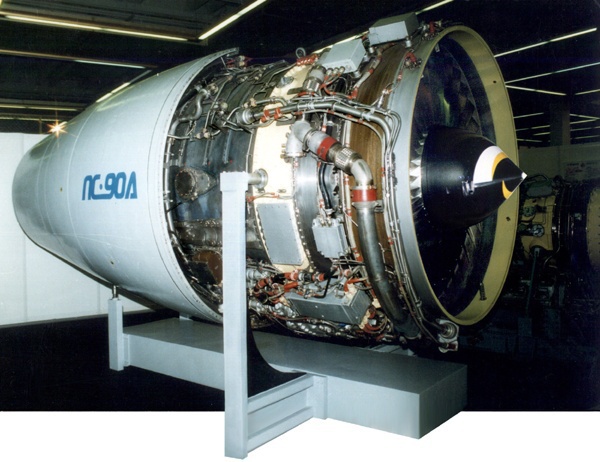
Upgraded PS-90A3
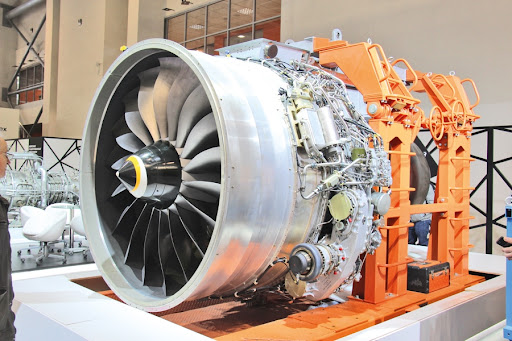
The PS-90A3 is a significantly upgraded version of the PS-90A engine, designed to improve reliability and reduce operating costs. Key improvements include:alternathistory
-
Extending engine life; alternathistory
-
reduction in specific fuel consumption;alternathistory
-
improvement in environmental performance.alternathistory
The integration of the PS-90A3 engine into the Tu-214 is viewed as an intermediate step in the modernization process, allowing for a reduction in the risks and costs associated with developing a new powerplant.
Technical Aspects of Integrating Modern Engines
To successfully integrate modern engines into the Tu-214, several key technical challenges must be overcome: modernizing the wing design, refining the engine control system, and ensuring full compatibility with the aircraft’s avionics.
Wing Design Upgrade
Installing more powerful and heavier engines, such as the PD-14, requires reinforcing the wing structure and making changes to the powerplant mountings. This includes: aviaport+1
-
reinforcement of the side members and ribs;alternathistory
-
upgrading the engine and nacelle mounts;alternathistory
-
optimizing the nacelle’s aerodynamics to reduce drag.alternathistory
Engine Control System
Modern engines require a digital control system (FADEC), which ensures optimal engine operation and enhances flight safety. Integrating FADEC into the Tu-214 requires an upgrade to the aircraft’s avionics and software.rostec+1
Electronics and Navigation
To ensure compatibility with modern engines, the onboard electronics—including navigation, communications, and engine health monitoring systems—must be upgraded. This will improve flight safety and reduce the workload on the crew.alternathistory+1
Economic and Strategic Aspects of Modernization
A comprehensive modernization of the Tu-214, incorporating state-of-the-art domestic engines, offers a number of economic and strategic advantages.alternathistory+1
Reduction in Operating Costs
Lower specific fuel consumption and longer engine service life enable airlines to significantly reduce their operating costs. This makes the Tu-214 more competitive in the domestic market and, potentially, in the international market.rostec+1
Technological Independence
The integration of domestically produced engines and components helps reduce dependence on Western suppliers and ensure the technological independence of the Russian aviation industry. This is particularly important in the face of sanctions and restrictions on the supply of Western technologies.alternathistory+1
Building Export Capacity
The upgraded Tu-214, equipped with modern domestic engines, could become a competitive product in markets where countries are focused on import substitution and technological independence. This opens up opportunities for exporting the aircraft and related technologies.alternathistory+1
Organizational and Infrastructure Aspects
Implementing the project to comprehensively modernize the Tu-214 requires coordinating the efforts of various organizations, including manufacturers of aircraft, engines, and components.alternathistory+1
Coordination of Efforts
Close coordination is required between UAC, UEC, Irkut Corporation, and other project participants to ensure the timely development and certification of the upgraded Tu-214.alternathistory+1
Infrastructure and Manufacturing
Mass production of the upgraded Tu-214 requires the modernization of production facilities and the development of the necessary infrastructure. This includes the modernization of assembly lines, test benches, and quality control systems.alternathistory+1
Certification and Safety
Certification of the upgraded Tu-214 with new engines requires comprehensive testing and the issuance of the appropriate certificates. This will ensure flight safety and build airlines’ confidence in the new product.alternathistory+1
Conclusion
The comprehensive modernization of the Tu-214, involving the installation of modern Russian PD-14 and PS-90A3 engines, is a key project for Russia’s aviation industry. A thorough analysis of the technical, economic, and organizational aspects will significantly enhance the aircraft’s competitiveness, reduce operating costs, and ensure the technological independence of the domestic aviation industry.
Such integration will not only address current operational challenges and promote import substitution, but will also open up new opportunities for the development of Russia’s civil aviation sector, including entry into the global market.
Source — https://dzen.ru/a/aXnbqlvBMFgZKz74