Turkey Takes on the Aviation Giants. The Güçhan Engine, with 19,000 kgf of thrust, Has Been Unveiled

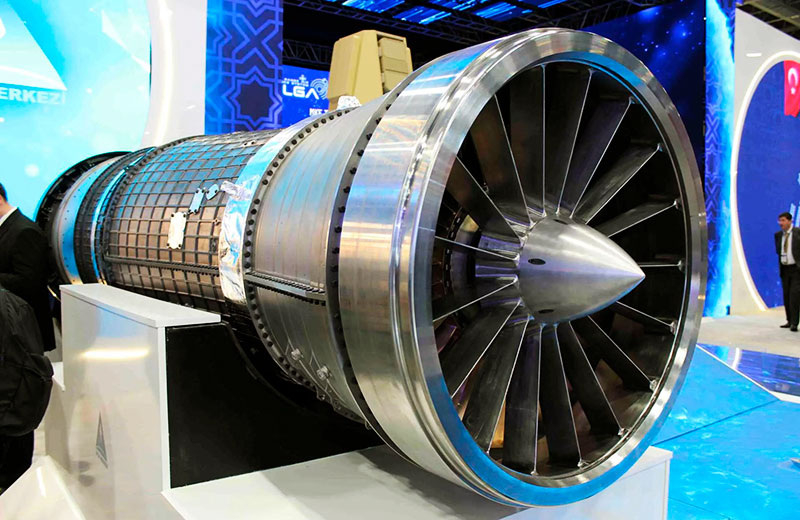
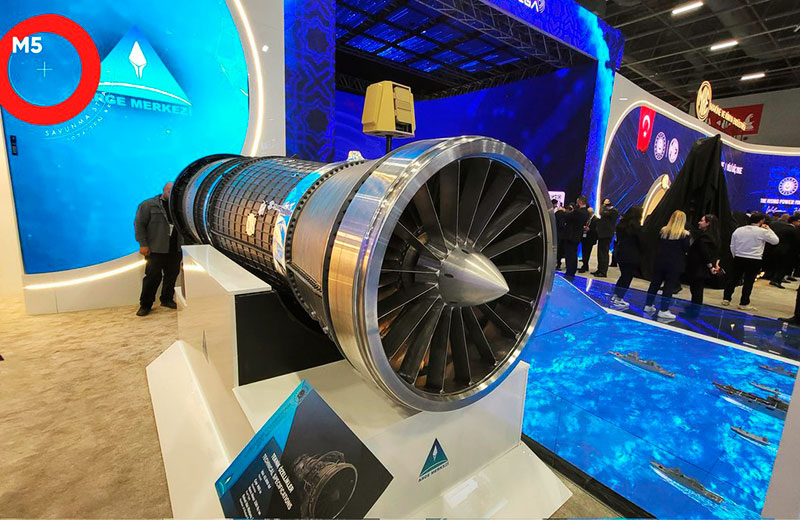
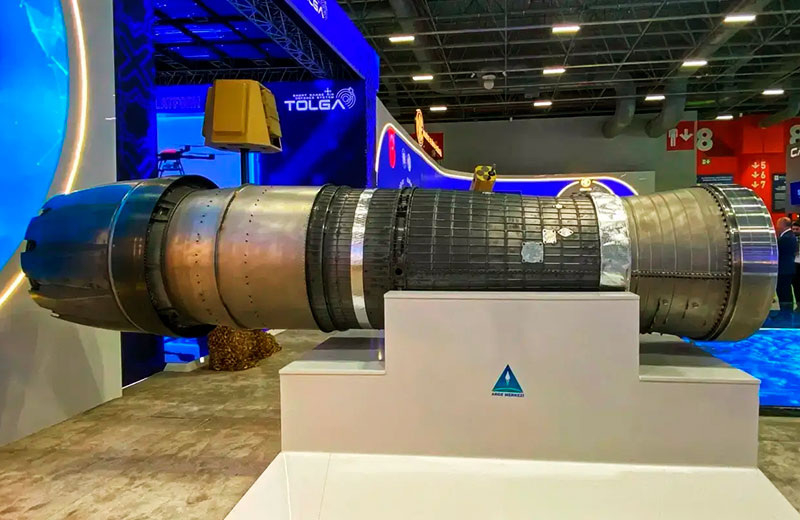
The SAHA 2026 exhibition in Istanbul served as the venue for a premiere that could reshape the global engine manufacturing landscape. The Turkish defense industry unveiled Güçhan—an engine whose capabilities come very close to those of fifth-generation fighter jets.
For Ankara, this is not just another engineering achievement, but a strategic breakthrough. The project aims to achieve full sovereignty and eliminate dependence on foreign suppliers, who have traditionally controlled the market for critical components for combat aircraft.
Technical Specifications and Ambitions
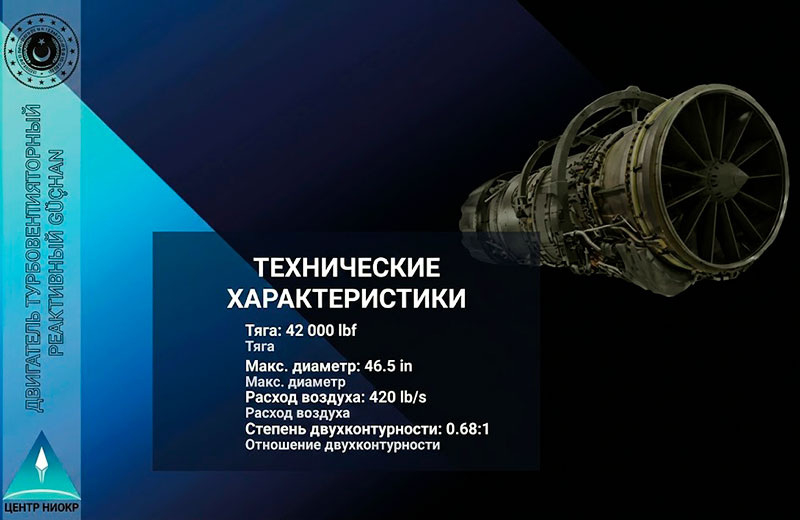
Engineers have revealed key figures: The Güçhan belongs to the class of two-circuit engines with an afterburner chamber.
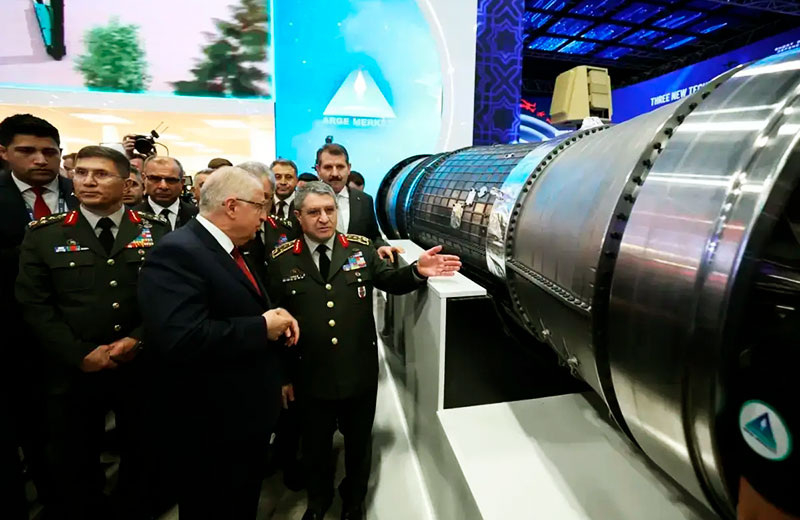
Its maximum thrust reaches 19 metric tons. With a bypass ratio of 0.68:1 and optimized aerodynamics, the engine is ideally suited for heavy supersonic aircraft.
In terms of performance, the new Turkish engine is neck and neck with the American F135-PW-100 (used in the F-35), which has a thrust of 19,000 kgf on afterburner.
The similarity is also evident in the engine’s dimensions: with a diameter of 118 cm, the Güçhan is almost identical to the Pratt & Whitney engines used by Lockheed Martin, falling just slightly short of the massive 50-inch F119 installed on the F-22 Raptor.
The Strategic Foundation for the KAAN Project
Industry analysts are confident that Güçhan will become the “heart” of future versions of the Turkish fifth-generation stealth fighter, the KAAN.
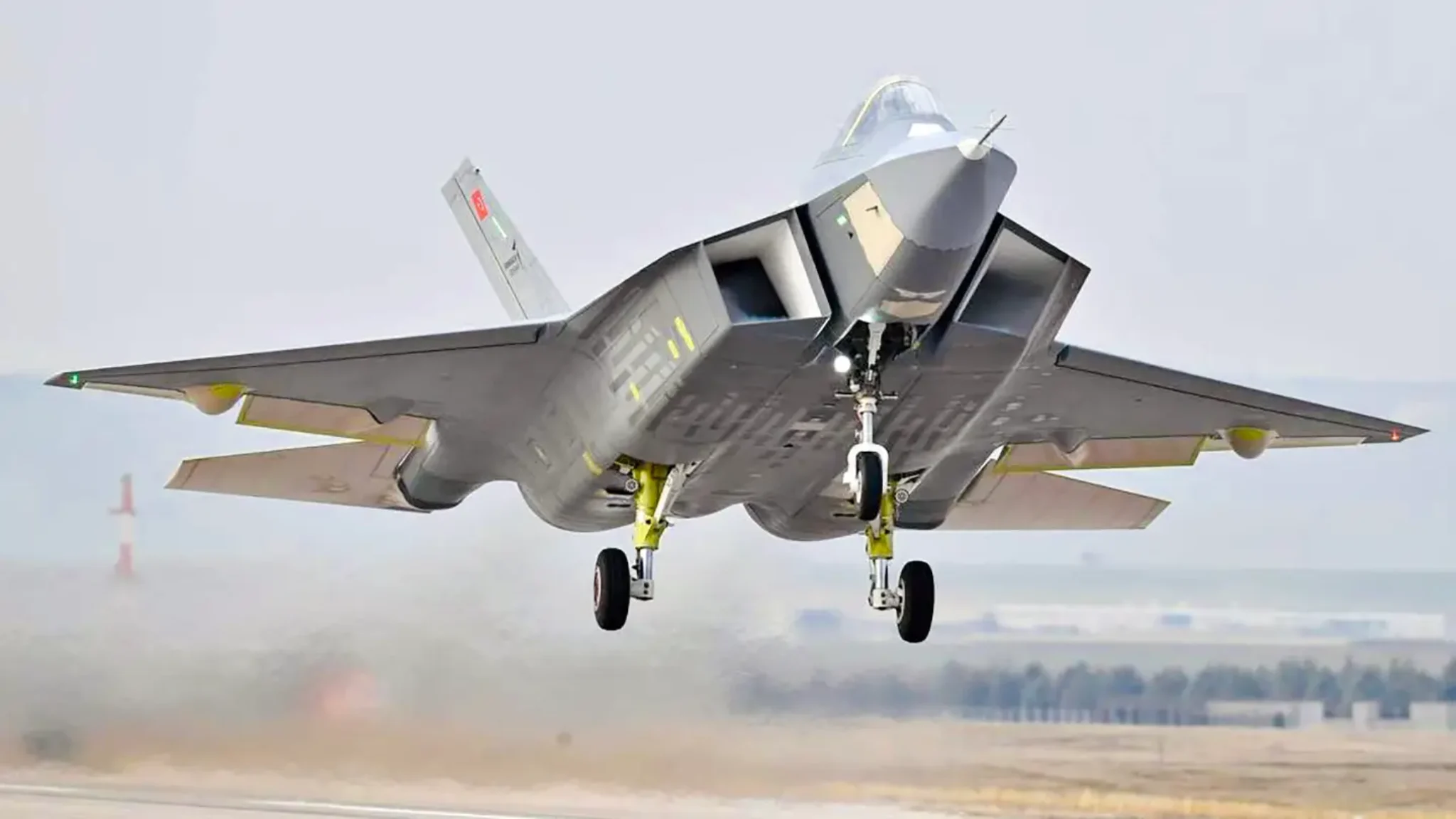
TAI’s Turkish “Kaan” Stealth Fighter
In the future, there are plans to adapt the power plant for heavy attack drones, which are currently being actively developed in Turkey.
The success of mass production will not only provide Ankara with operational freedom but also expand the export potential of its national platforms. Turkey will no longer have to seek permission from third countries to re-export engines, which removes the main political barriers to selling aircraft abroad.
However, the path from prototype to production remains challenging. The main challenge lies in materials science: turbine blades must operate reliably under extreme conditions where temperatures exceed the melting point of conventional alloys.
The Turkish Ministry of Defense emphasizes that the project has already moved beyond the conceptual stage. Several prototypes have been built, and the engine is now entering the active testing phase.
Next up is a series of on-site qualification tests that will confirm the engine’s reliability and its compliance with the strict international standards adopted in the global engine manufacturing industry.