What if the USSR hadn’t collapsed? What might the successor to the legendary American A-10 Thunderbolt II attack aircraft have looked like?

The disappearance of the main potential adversary rendered a whole range of promising developments unnecessary. Why develop new types of expensive weapons to counter Soviet tank armies when those armies no longer existed in their former form? As a result, many projects were canceled, postponed, or significantly revised.
A particularly interesting situation emerged in American ground-attack aviation. As early as the 1980s, the United States was looking for a replacement for the famous A-10 Thunderbolt II, but the aircraft never received a fully fledged, dedicated successor.
But what if the Soviet Union had survived, the confrontation between the two superpowers had continued, and American aircraft designers had been commissioned to develop a fundamentally new anti-tank aircraft?
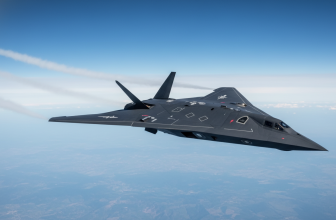
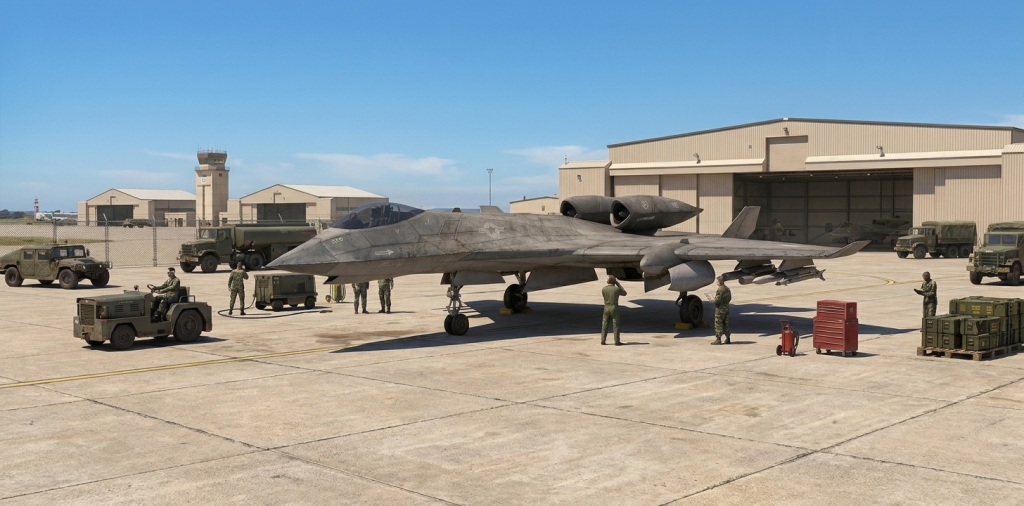
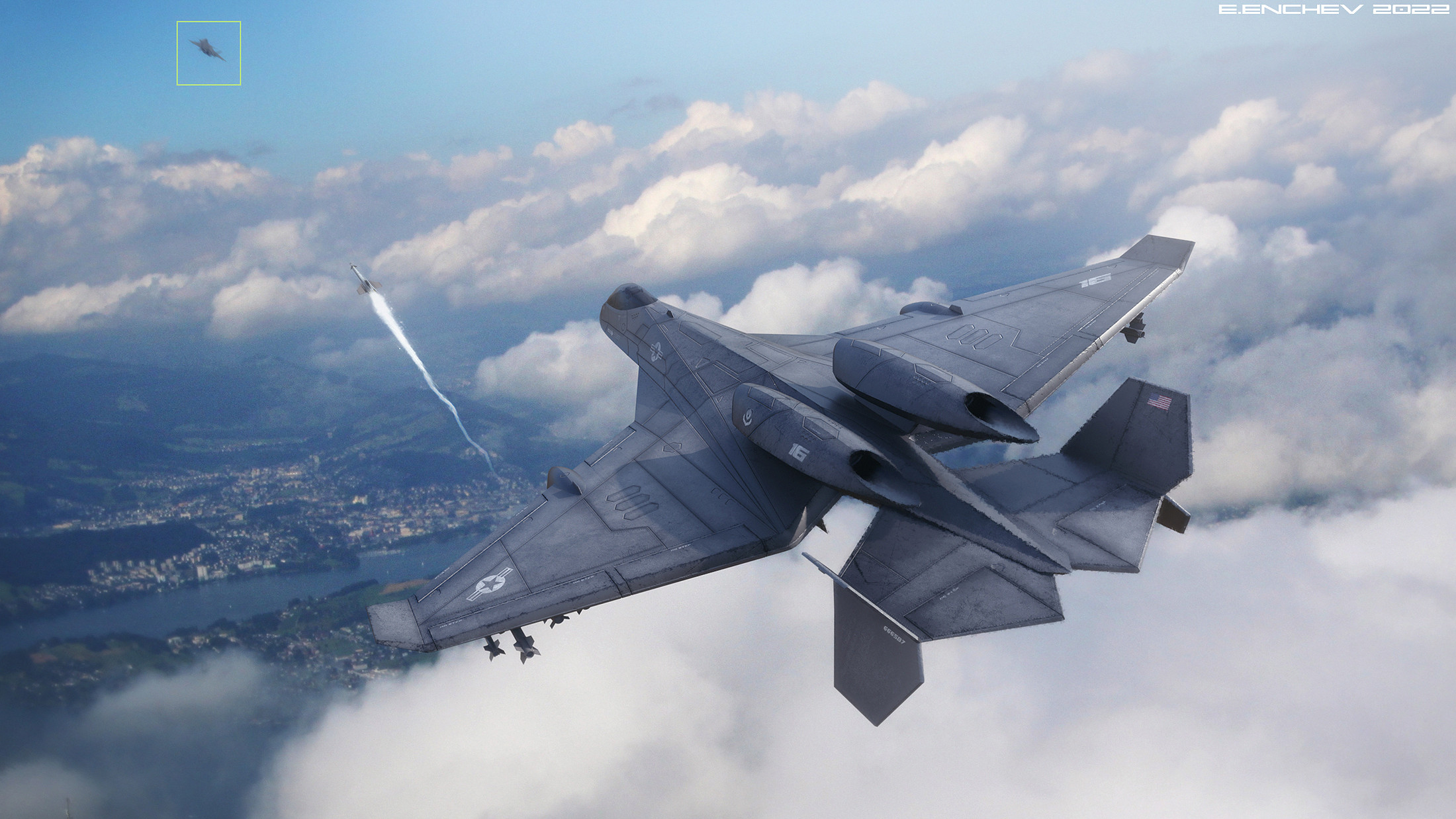
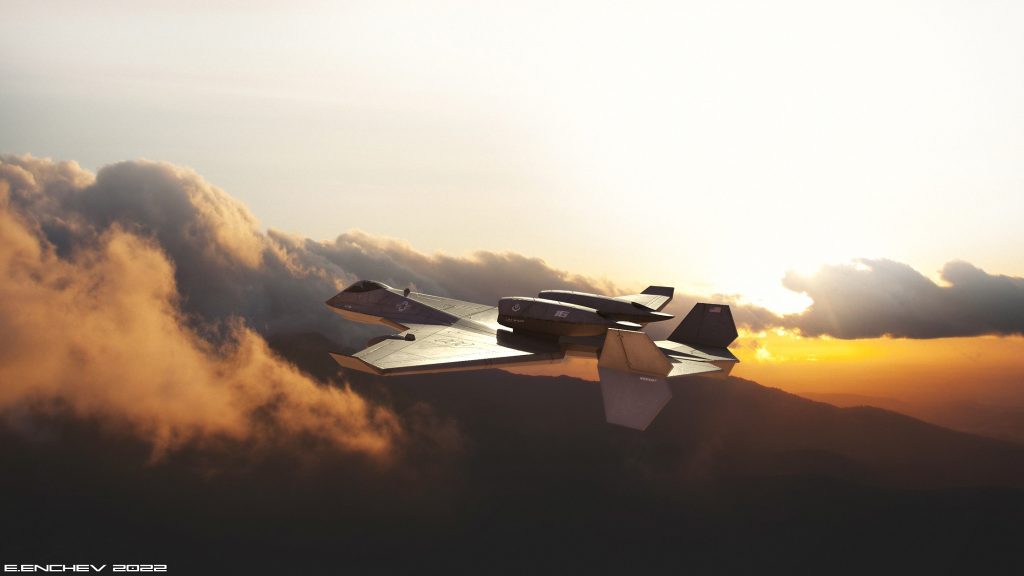
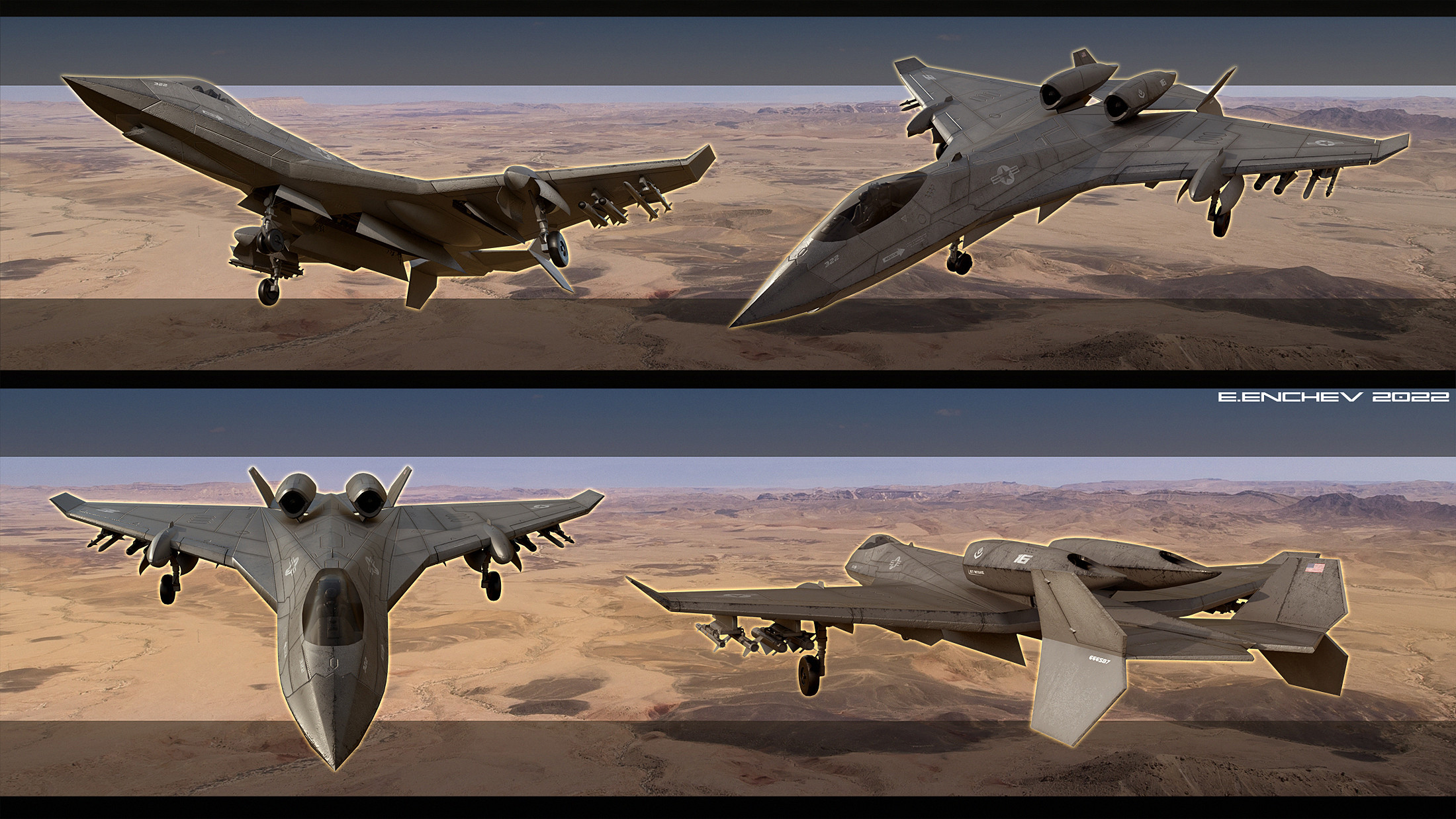
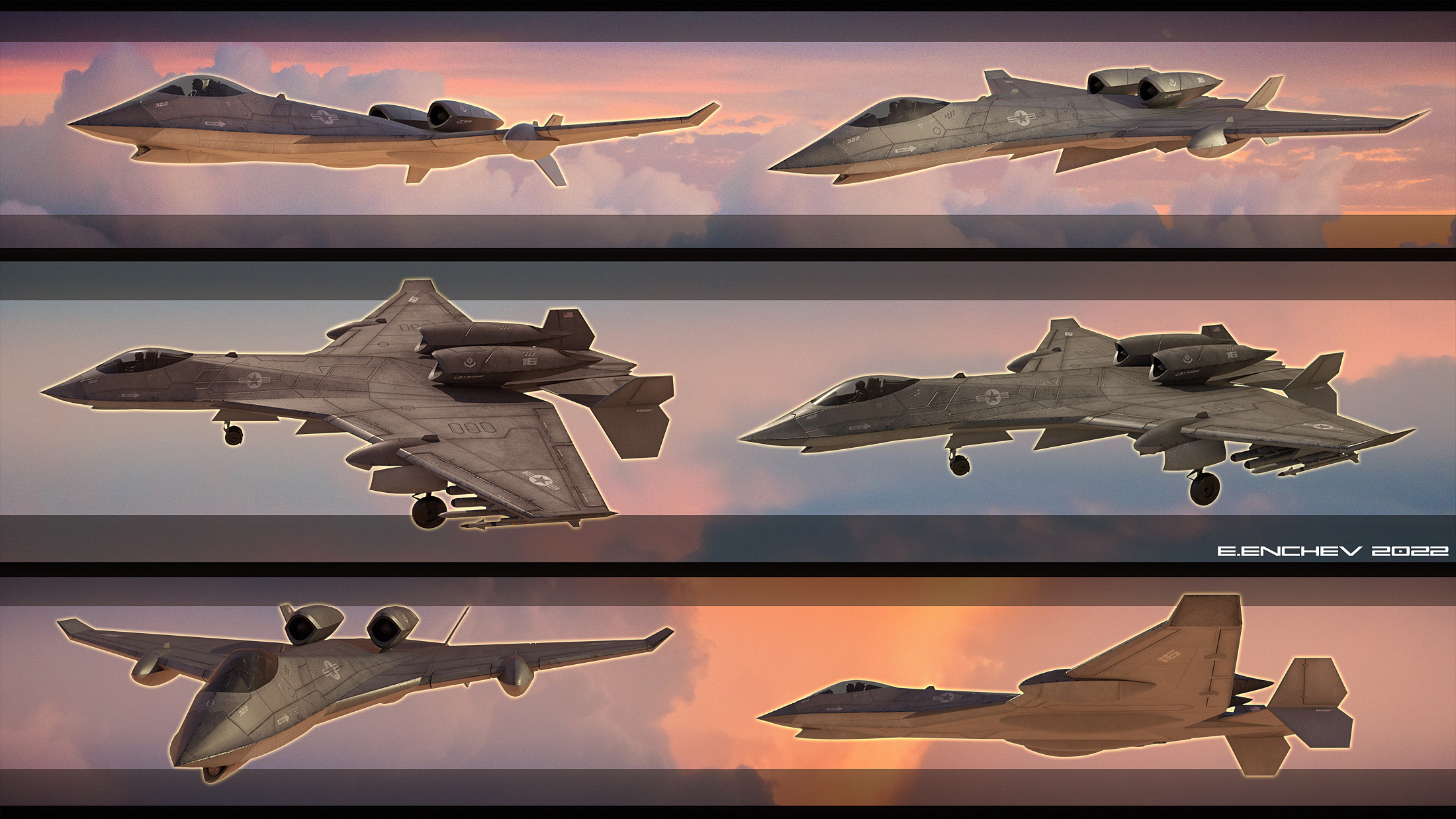
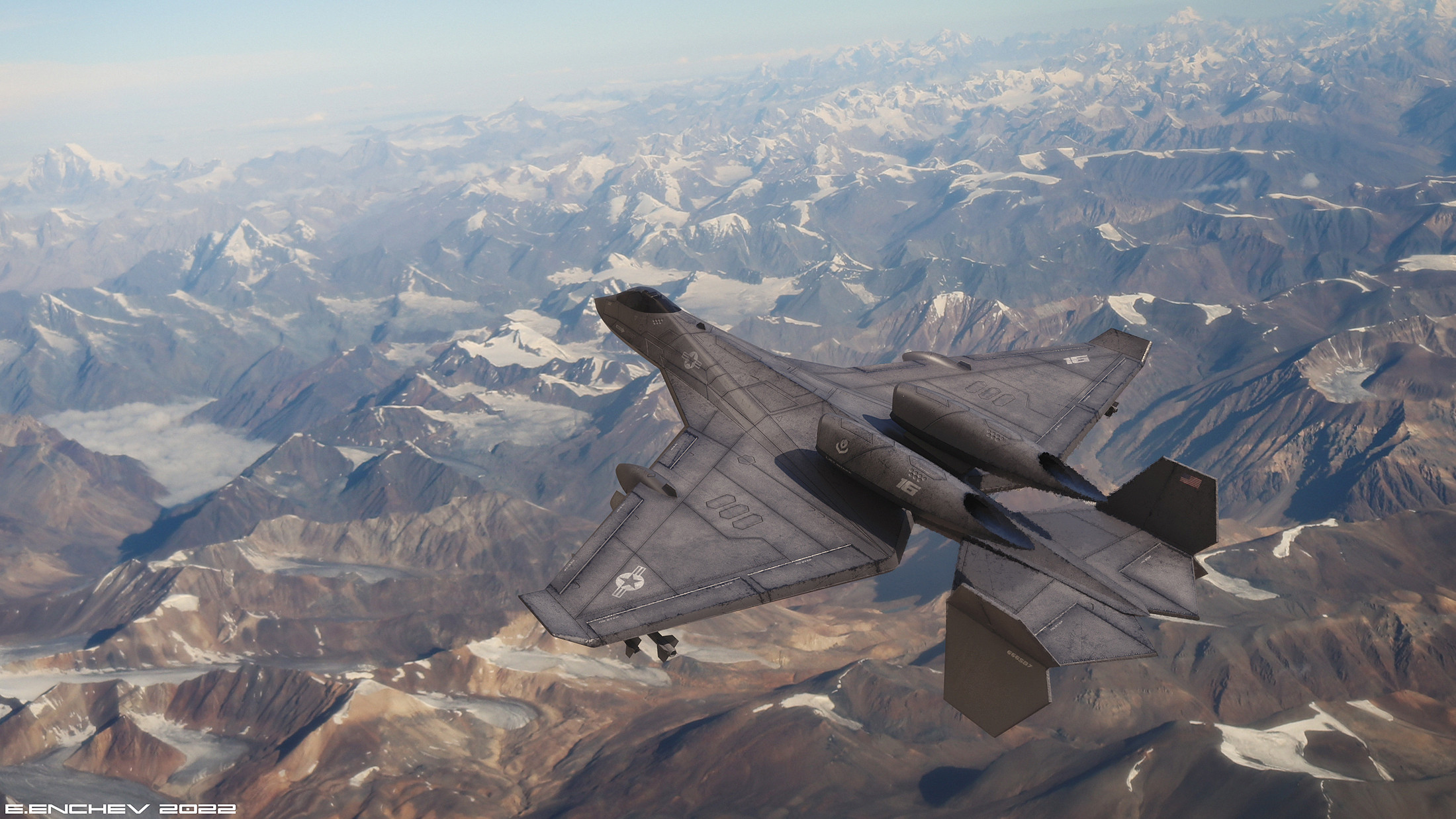
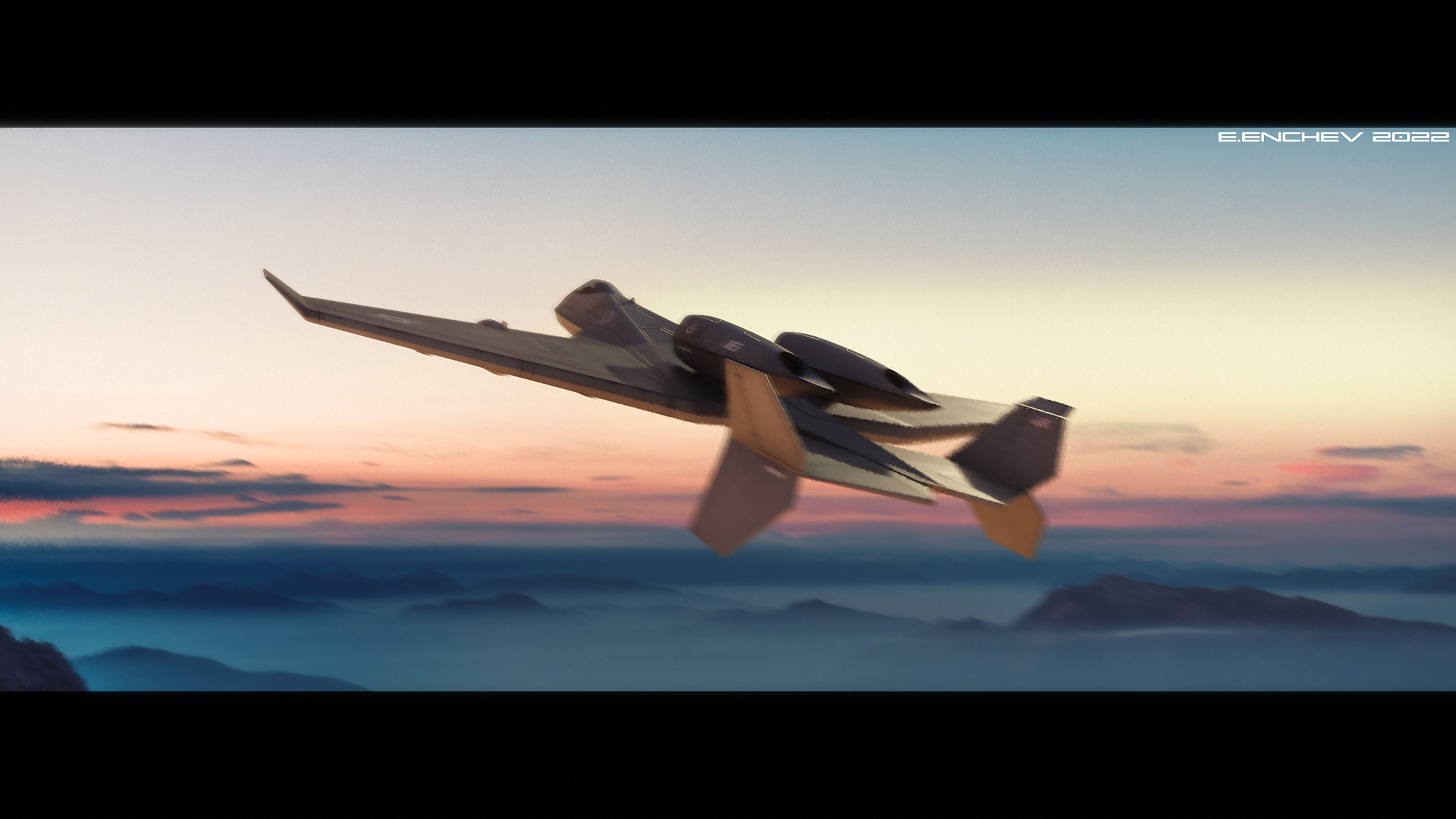
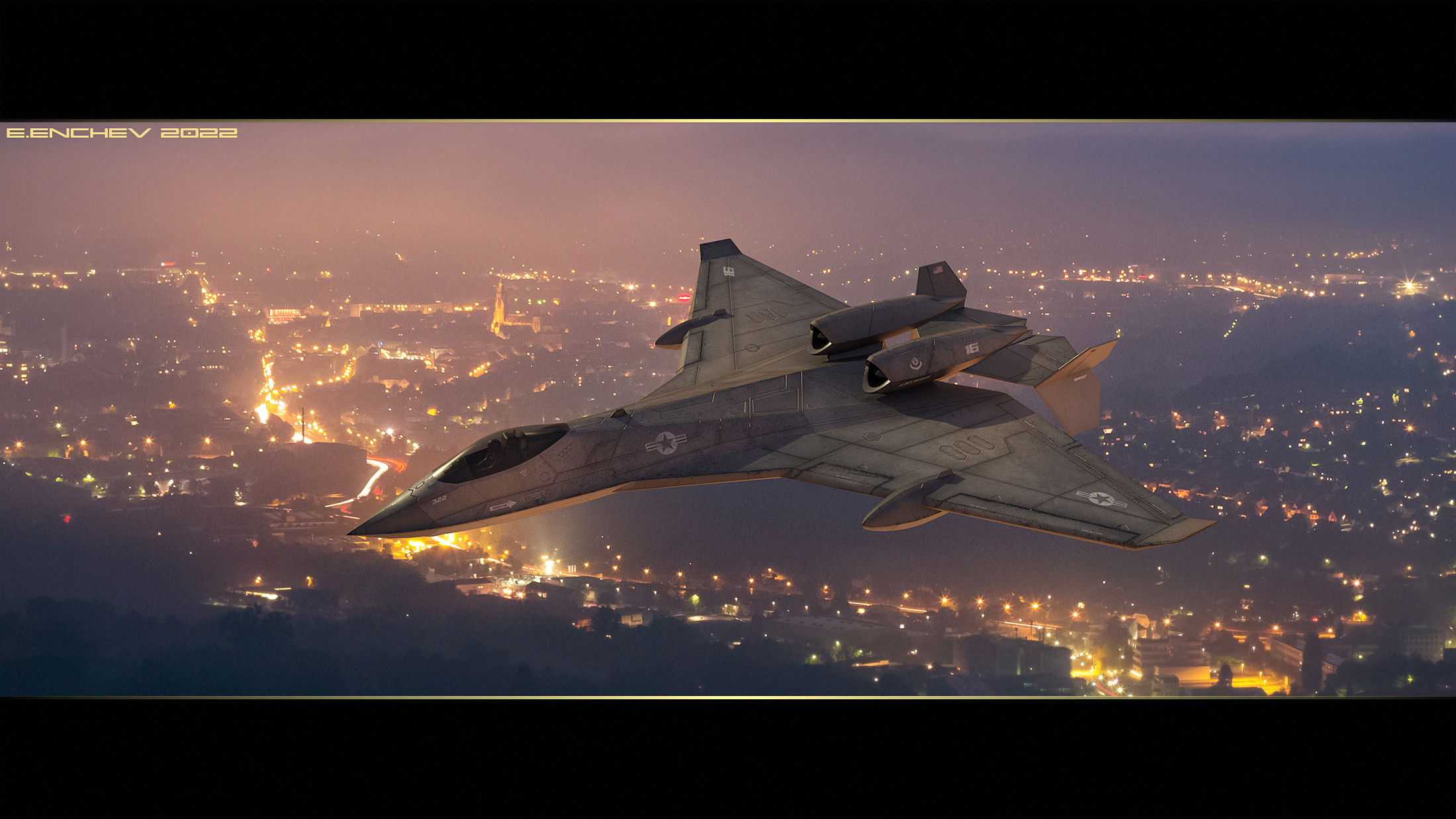
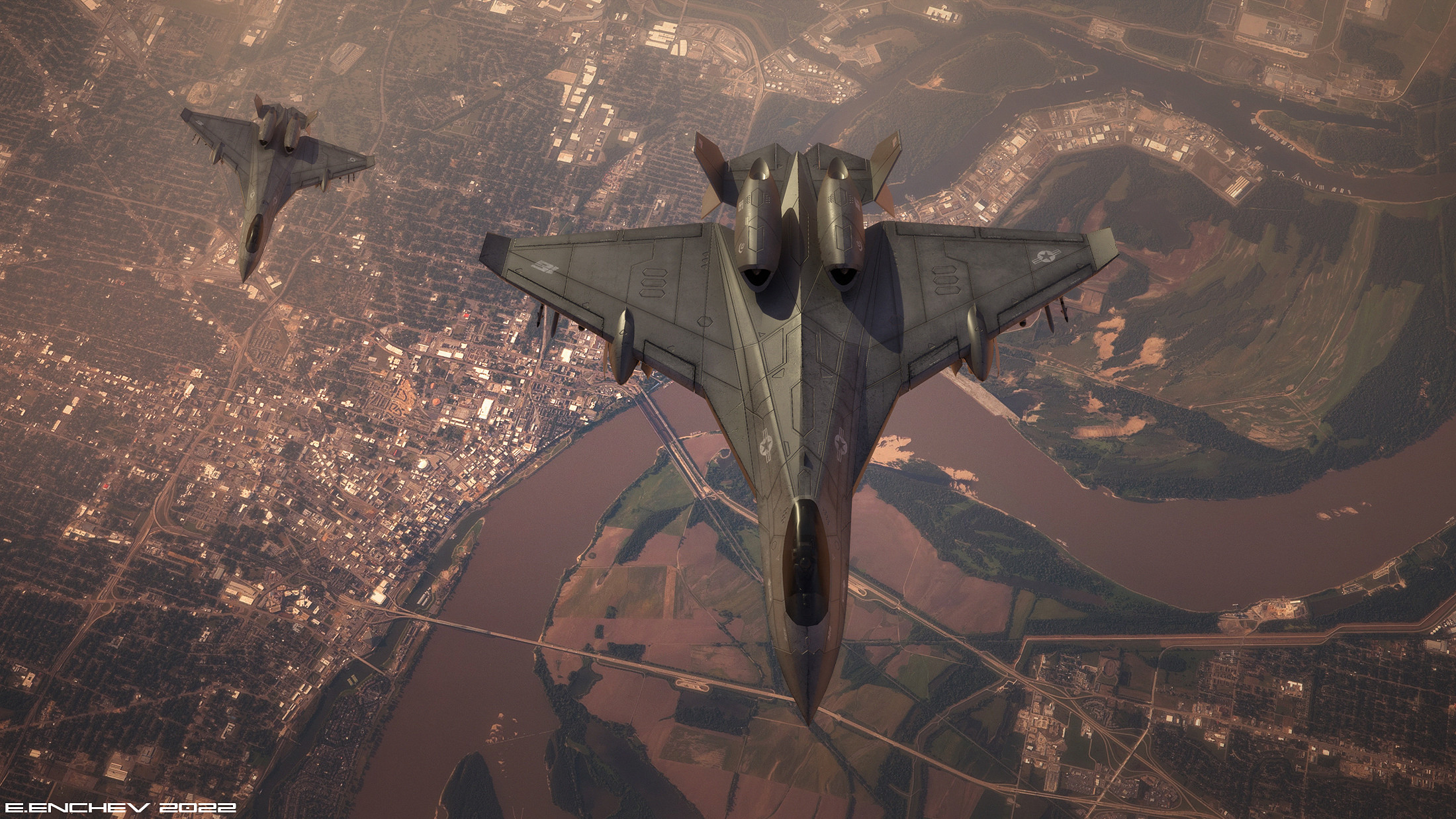
Our colleague, talented artist and 3D designer Encho Enchev, has presented his own vision of such a ground-attack aircraft, called the A-10 NEXT. Let us examine how realistic such a machine might have been and what its combat capabilities could have looked like.
The Ground-Attack Aircraft the Americans Wanted to Replace While the USSR Still Existed
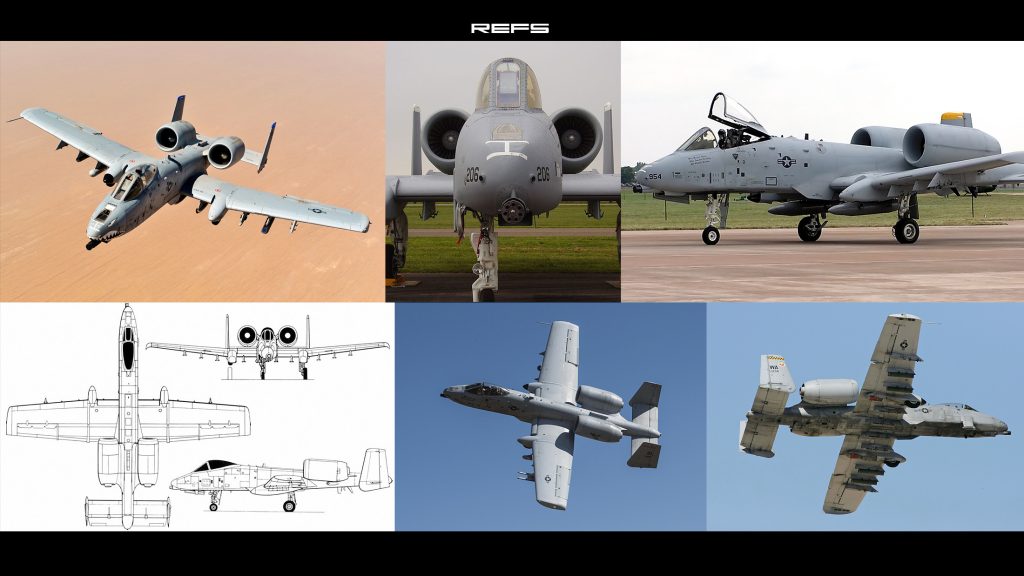
The American A-10 Thunderbolt II, which received the unofficial nickname “Warthog,” was designed for a very specific mission: destroying Warsaw Pact armored vehicles on the European battlefield.
Its design was based on three principles: powerful armament, high survivability, and the ability to operate directly over the battlefield.
The aircraft’s defining feature was its seven-barreled 30 mm GAU-8/A Avenger rotary cannon. In fact, the entire aircraft was designed around this enormous weapon. Its armament was supplemented by guided missiles, bombs, and other weapons carried on external hardpoints.
The unusual placement of the engines above the rear fuselage partially shielded them from ground fire. An armored cockpit, redundant critical systems, and widely separated tail surfaces ensured high combat survivability.
However, such a specialized aircraft also had serious disadvantages. Above all, these included its relatively low speed and high vulnerability to modern air defense systems.
By the mid-1980s, the American military had already begun to question whether the A-10 could operate effectively against advanced Soviet air defenses. In 1984, studies of possible replacements began, and later, initial preference was given to a specialized version of the F-16 fighter, designated the A-16.
What If the Cold War Had Continued?
Imagine that the events of August 1991 had ended differently. The Soviet Union survived, albeit in a reformed form, the Warsaw Pact continued to exist, and confrontation in Europe remained the main factor shaping American military planning.
In such a world, the US military would still be preparing for a possible confrontation with thousands of Soviet tanks supported by mobile surface-to-air missile systems.
Moreover, by the mid-1990s, the classic A-10 would have become less of a hunter and more of a potential victim. The development of tactical air defenses made prolonged operations by ground-attack aircraft at low altitudes increasingly dangerous.
American designers would have had to find a completely new solution. On the one hand, the military wanted to preserve the ability to destroy tank columns and support ground troops. On the other, it was necessary to dramatically reduce the probability of the aircraft being detected and shot down.
This was precisely where stealth technology, already used on the F-117 and incorporated into the B-2 then under development, could have proved useful.
In our alternative reality, the Pentagon might have abandoned the idea of simply converting the F-16 into a ground-attack aircraft and instead commissioned a dedicated stealth aircraft for supporting ground forces.
The aircraft envisioned by Encho Enchev could easily have become such a successor to the A-10.
The New “Warthog”: Old Solutions in a New Package
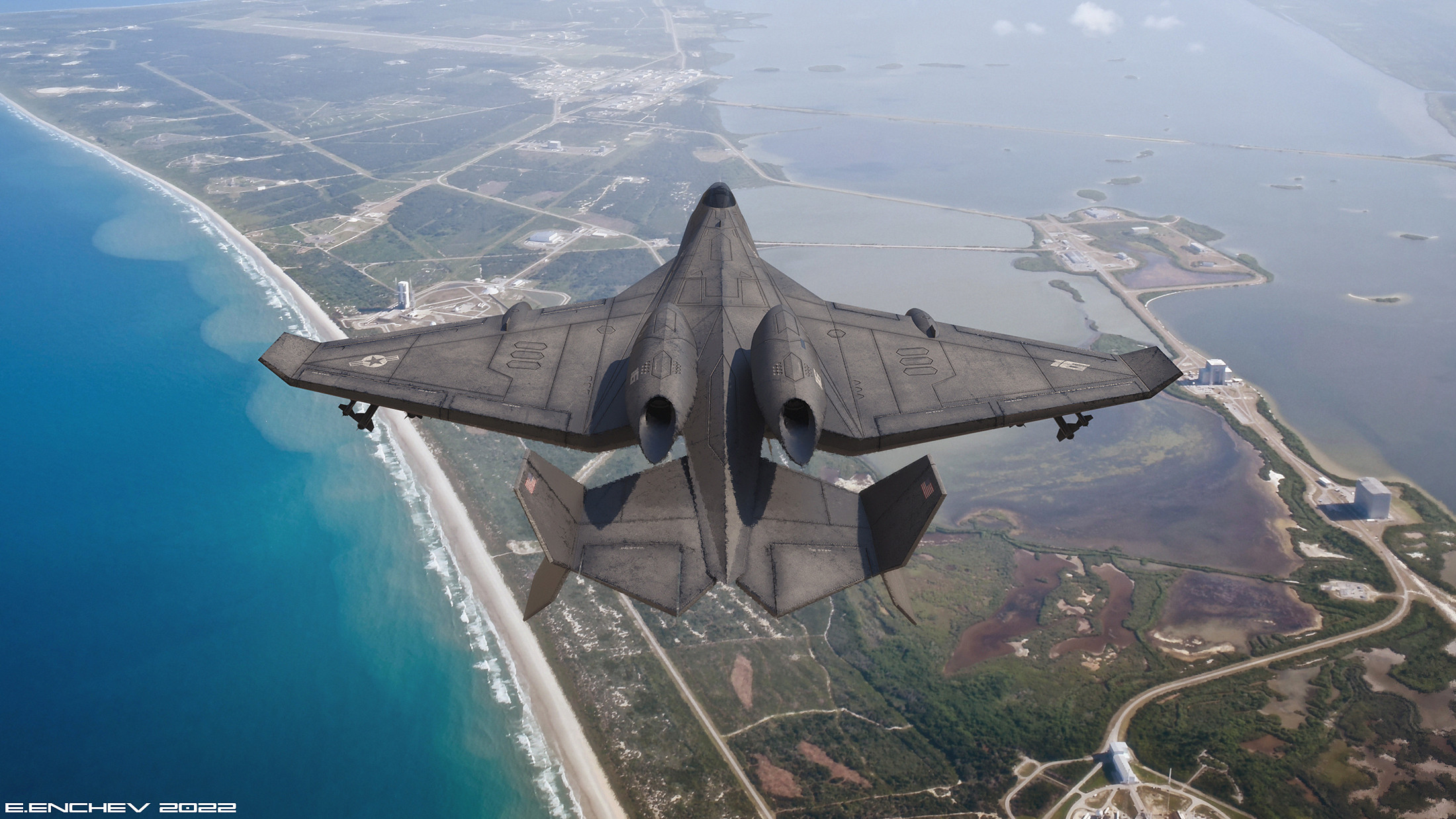
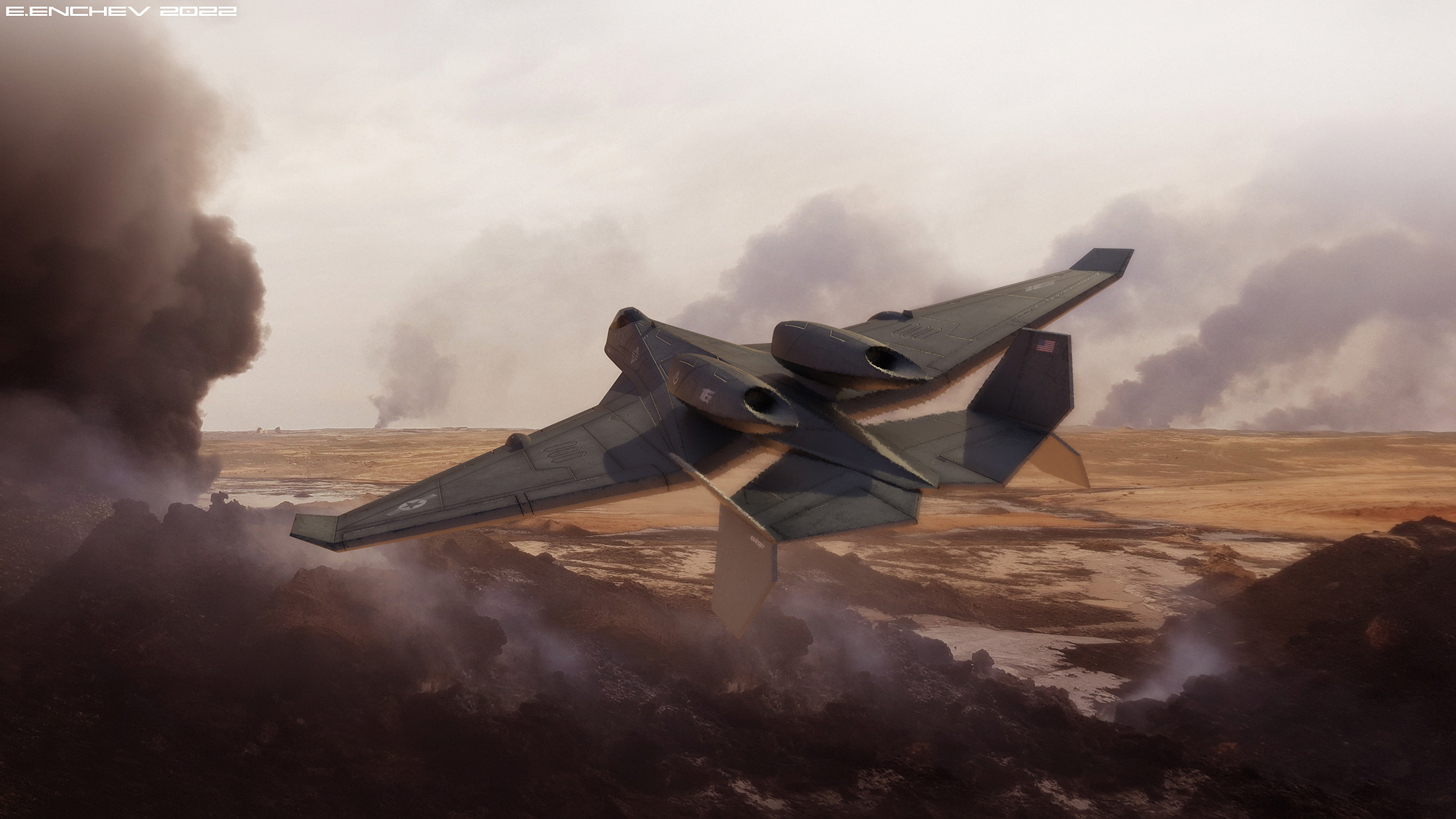
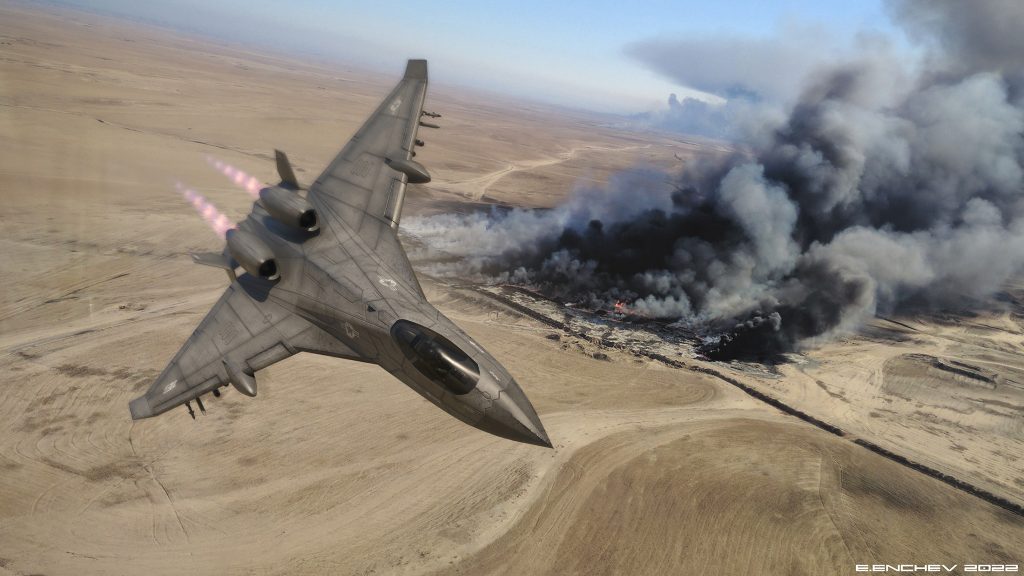
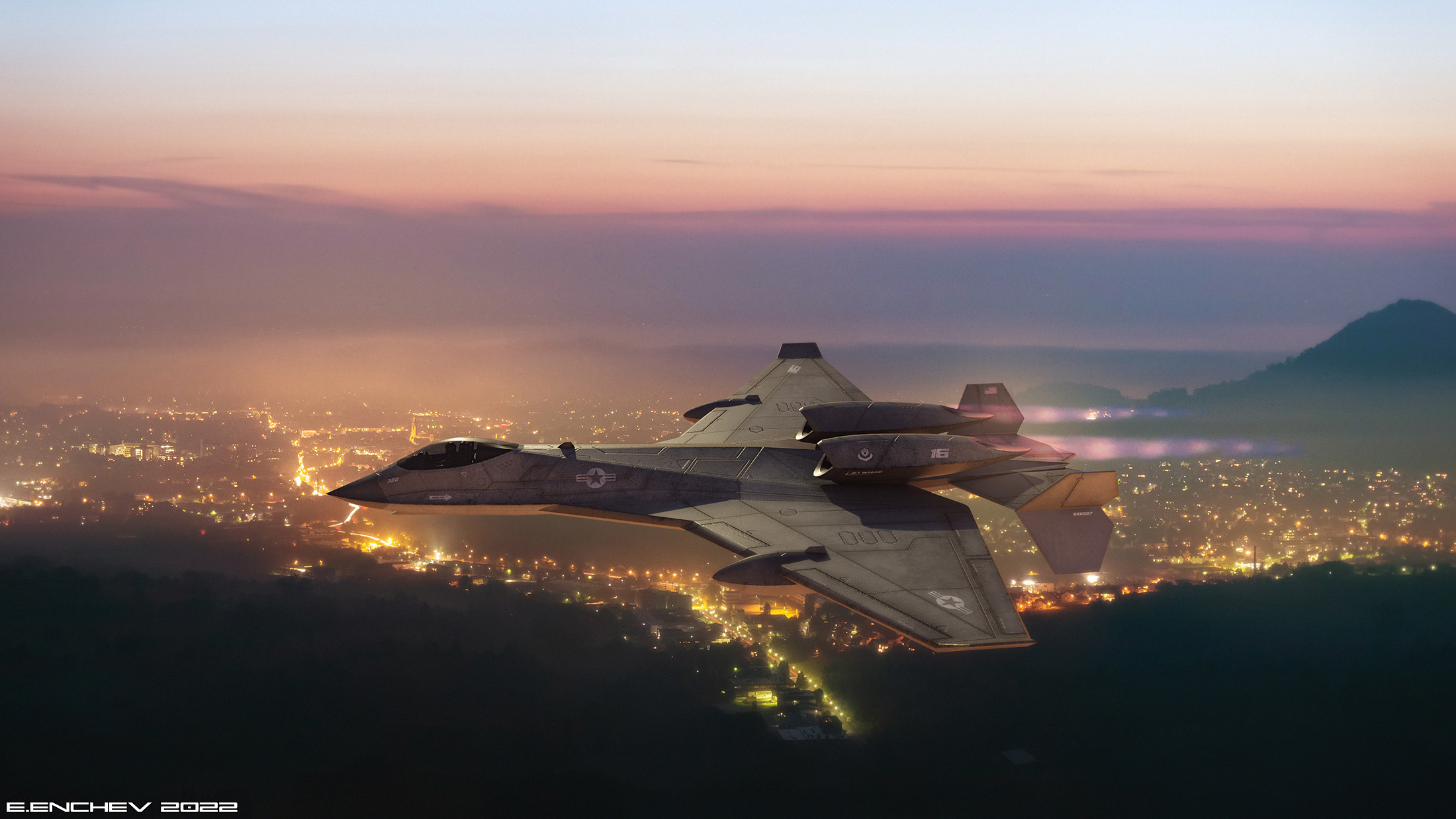
The first thing that catches the eye when looking at the A-10 NEXT is its appearance. This is no longer the angular aircraft of the 1970s, but a sleek, aggressive-looking machine with features characteristic of fifth-generation combat aircraft.
At the same time, the artist did not completely abandon the concept behind its famous predecessor.
The main element of continuity is the retention of two engines mounted above the fuselage. Such an arrangement partially shields the engines from observation and ground fire, while appropriately designed air intakes and exhaust nozzles could also reduce certain detectable signatures.
However, the rest of the aircraft has changed radically.
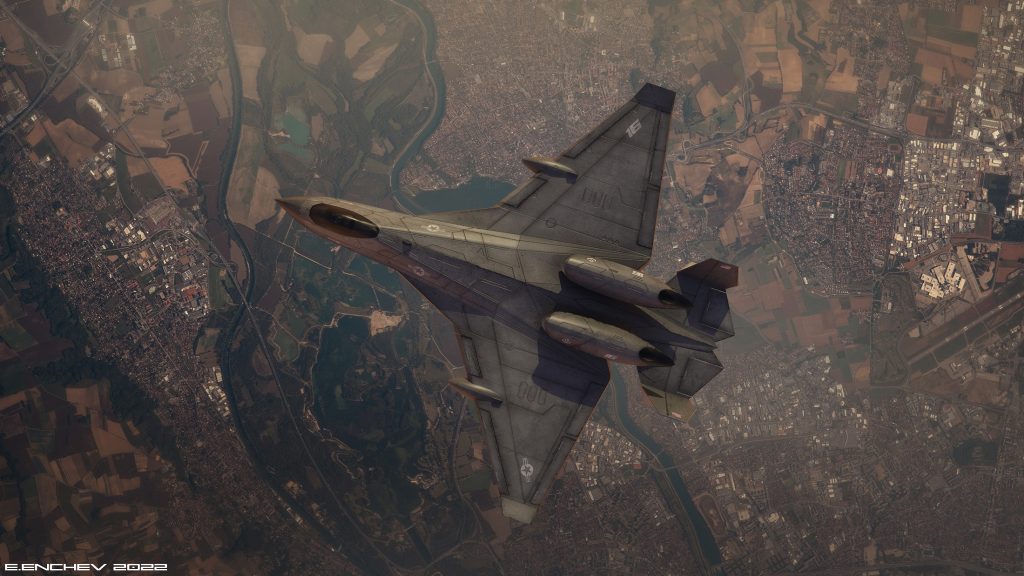
The straight, high-aspect-ratio wing has been replaced by a swept wing smoothly blended into a broad lifting fuselage. The aircraft’s contours feature distinctive angles and faceted surfaces reminiscent of modern stealth fighters.
The tail assembly has also been redesigned, while the cockpit canopy has become considerably more streamlined.
All this points to a fundamentally different philosophy of combat employment. Instead of circling directly over enemy positions for hours, exposing itself to hostile fire, the new ground-attack aircraft would rapidly approach designated targets, deliver precision strikes, and leave the danger zone.
However, the project’s appearance alone would not guarantee genuine stealth capabilities. Achieving them would require specially designed air intakes, shielding of the engine compressor blades, reduced infrared signatures, and careful optimization of every element of the airframe.
Goodbye, Giant Cannon!
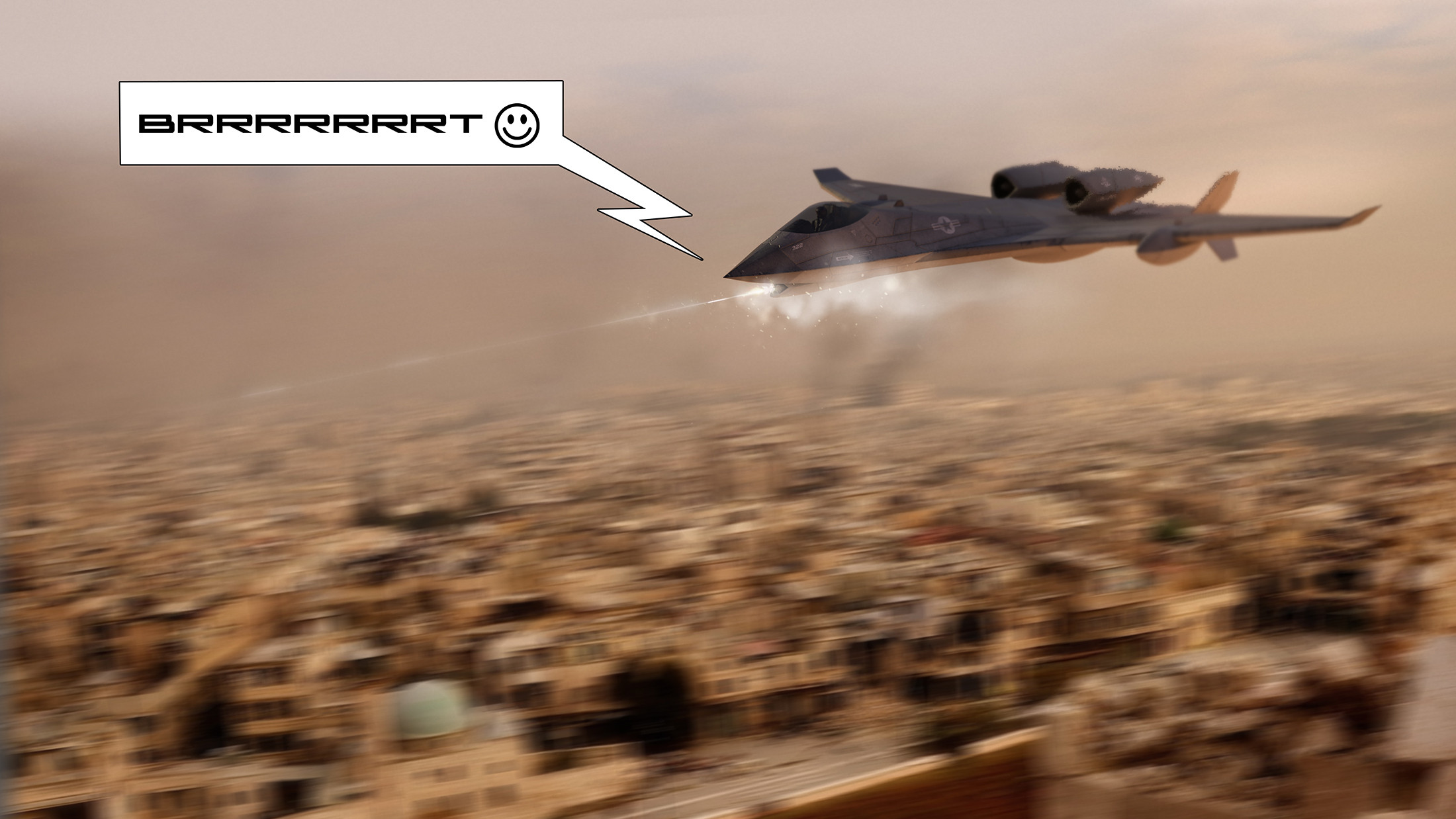
Perhaps the most revolutionary decision in the design of the new ground-attack aircraft would have been the abandonment of the famous GAU-8/A Avenger.
For the classic A-10, this weapon was practically the aircraft’s reason for existence. However, in a confrontation with a modern army, the effectiveness of cannon armament was already raising questions.
To destroy a tank with its cannon, the aircraft needed to approach the target at a relatively short distance. Against dense air defenses, such an attack became an exceptionally risky undertaking.
Furthermore, the enormous cannon and its ammunition feed system occupied considerable internal space and added significantly to the aircraft’s weight.
The designers of the alternative A-10 NEXT could quite reasonably have abandoned this weapon, freeing up space for additional fuel, avionics, and internal weapons bays.
The aircraft’s primary striking power would instead come from precision-guided missiles and guided aerial bombs, allowing it to engage armored vehicles from beyond the effective range of many short-range air defense systems.
However, abandoning the cannon would also mean losing one of the original A-10’s most important advantages: the ability to repeatedly attack small targets using relatively inexpensive ammunition.
Missiles Instead of Shells: Weapons Inside the Aircraft
Another feature of the prospective ground-attack aircraft could have been enclosed internal weapons bays.
On the classic Thunderbolt, missiles and bombs were carried externally. This arrangement allowed the aircraft to carry a substantial weapons load, but it also increased aerodynamic drag and radar visibility.
For a new-generation aircraft, such a solution would already have represented a compromise.
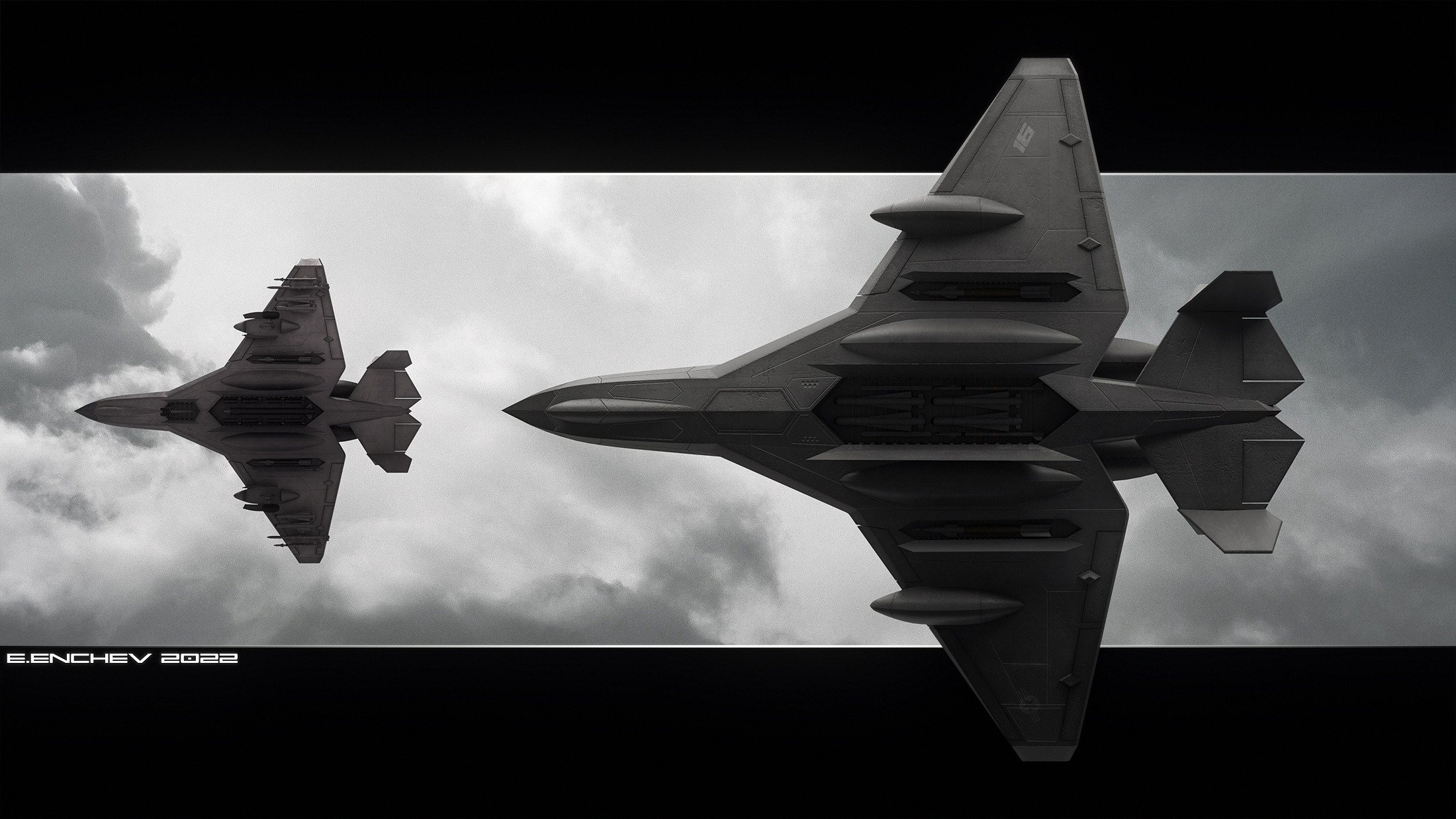
On the alternative A-10 NEXT, the main armament could have been housed in special compartments inside the fuselage. These would primarily accommodate compact guided missiles and precision-guided bombs.
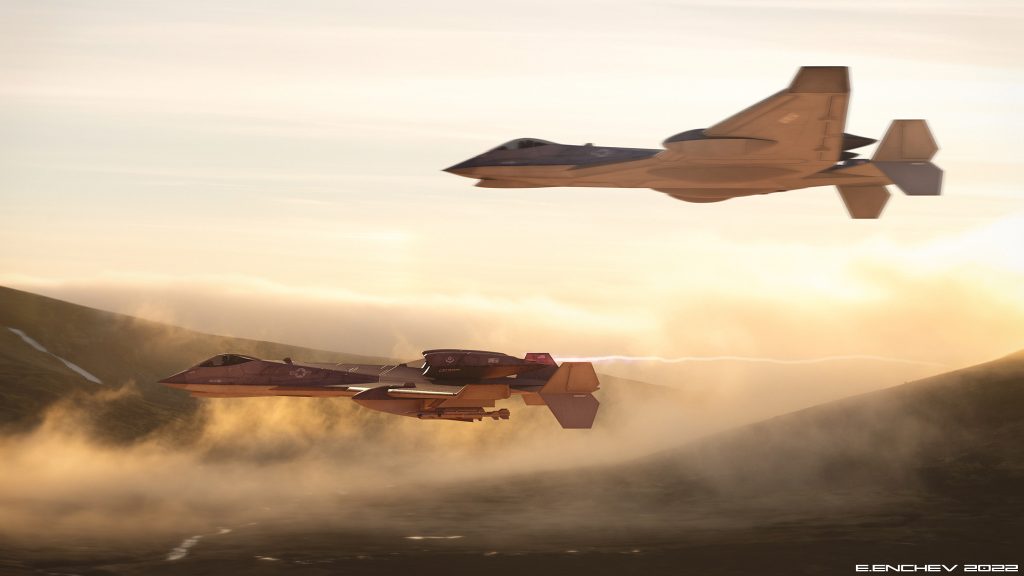
However, there is an important detail worth mentioning. Encho Enchev’s illustrations also clearly show external underwing hardpoints. Therefore, fully internal weapons carriage is not a confirmed feature of the artist’s model, but rather our own assumption about how the design might have evolved.
The most realistic solution would have been a combination of both approaches. When operating against powerful air defenses, the aircraft would use its internal weapons bays to preserve its stealth characteristics. Once enemy air defenses had been suppressed, it could carry a much larger weapons load on external pylons.
In this case, the successor to the A-10 would have become a versatile strike aircraft capable of operating both in the most dangerous sectors of the front and against conventional ground targets.
How Might the A-10 NEXT Have Performed in Actual Combat?
The main advantage of the new aircraft would have been not so much its speed or the quantity of weapons it carried, but its ability to survive over a battlefield saturated with modern air defenses.
Imagine a conflict between NATO and the Warsaw Pact in the late 1990s. Soviet armored formations advance with the support of mobile surface-to-air missile systems. Conventional A-10s have to operate with extreme caution, since practically every attack run carries the risk of being shot down.
The A-10 NEXT would have employed entirely different tactics.
After receiving intelligence about enemy positions from reconnaissance aircraft, ground units, or unmanned aerial vehicles, the ground-attack aircraft would approach the target area and employ precision-guided weapons. It could strike from beyond the engagement zones of certain enemy air defense systems without necessarily descending to low altitude.
Of course, stealth would not mean invulnerability. Modern radar systems, passive detection equipment, and enemy fighters would still pose serious threats.
Furthermore, such an aircraft would have been far more complex and expensive than its predecessor. The high cost of a stealth ground-attack aircraft would inevitably have limited the number of machines produced.
The Americans would probably have had to retain some of their older A-10s for supporting troops in relatively low-threat environments, while deploying the new aircraft in the most dangerous sectors.
Instead of a Conclusion
Of course, the A-10 NEXT presented by Encho Enchev is merely an artistic concept with no direct connection to actual development programs conducted by American aircraft manufacturers.
Nevertheless, it is interesting precisely because it illustrates a plausible direction in which specialized ground-attack aviation might have evolved if the Cold War had continued.
Most intriguingly, the Americans really were looking for a replacement for the A-10 while the Soviet Union still existed. In the late 1980s, they considered a wide variety of options, ranging from modifications of existing fighters to the development of dedicated ground-attack aircraft.
But history took a different path.
Instead of a new generation of dedicated anti-tank attack aircraft, the United States ended up with modernized older machines and multirole fighters that gradually took over close air support missions. Even in 2026, the Americans continued to reconsider the timetable for the A-10’s final retirement from service.
But what if the Soviet Union had survived? Perhaps, by the beginning of the 21st century, unusual stealth ground-attack aircraft similar to Encho Enchev’s creation would already have been flying over the European theater of operations.
And then the story of the legendary “Warthog” would have had an entirely different continuation.
Sources of Information:
Encho Enchev — A-10 NEXT concept, ArtStation. Original art project; primary source for the images.
Encho Enchev — A-10 NEXT concept, Behance. Additional gallery of the artist’s work.