Yuri Pasholok. An American self-propelled gun carriage for storming the Siegfried Line—and more

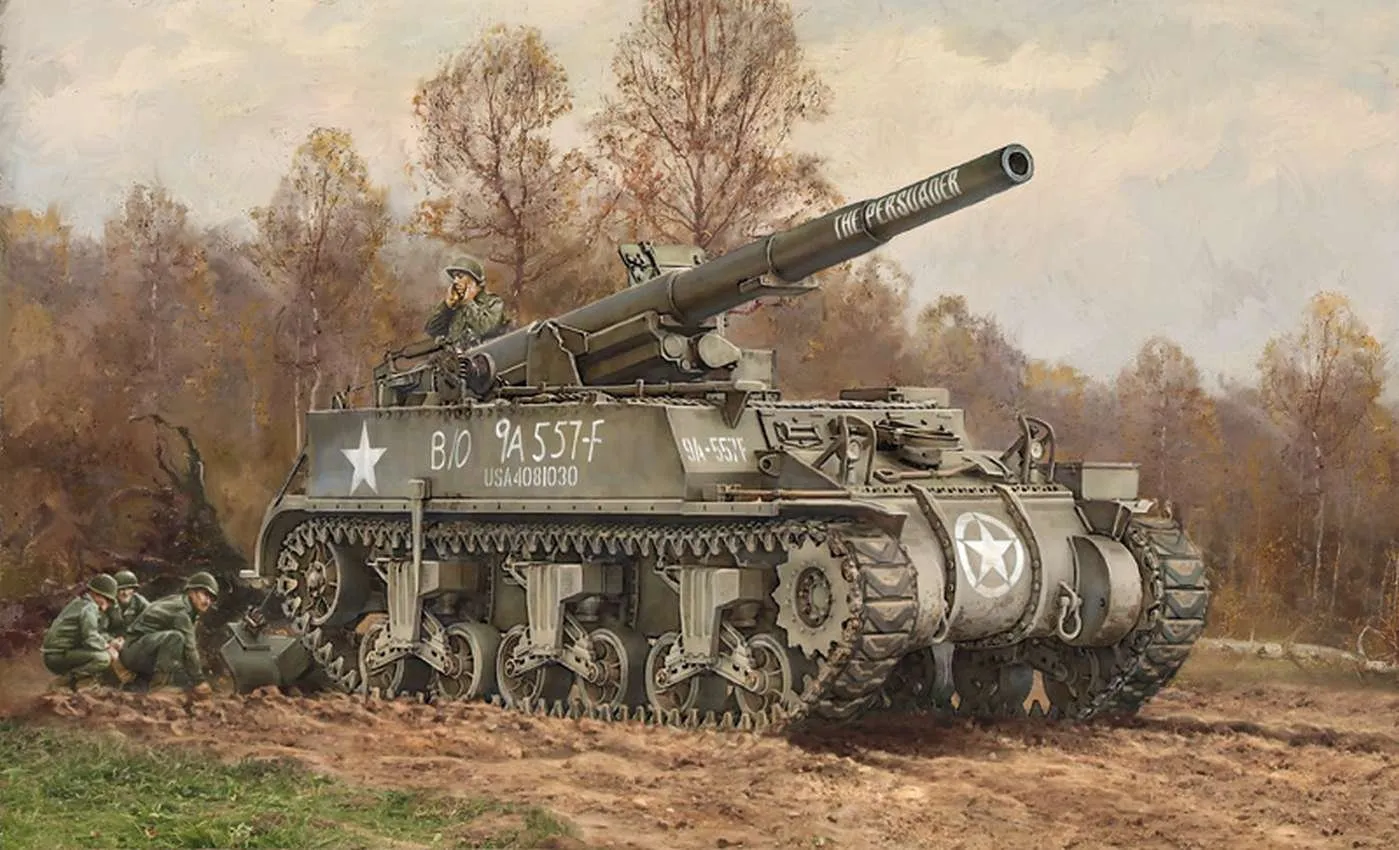
The History of the 155 mm Gun Motor Carriage M12, the First American Large-Caliber Self-Propelled Gun Produced in Series
By the end of World War I, the United States had made significant progress in the development of self-propelled artillery. Development proceeded in two directions: self-propelled anti-aircraft artillery systems and self-propelled guns armed with large-caliber guns. The most successful models were those armed with the 155 mm Gun M1918 M1 (Filloux). For this system, Christie developed the Christie 155 mm Self-Propelled Mount, also known as the Christie Self-Propelled Mount for the 155-mm Gun M1918. It turned out quite well, but the project was derailed by the fact that the war ended, and then the conservatives took over, who had no need for self-propelled guns.
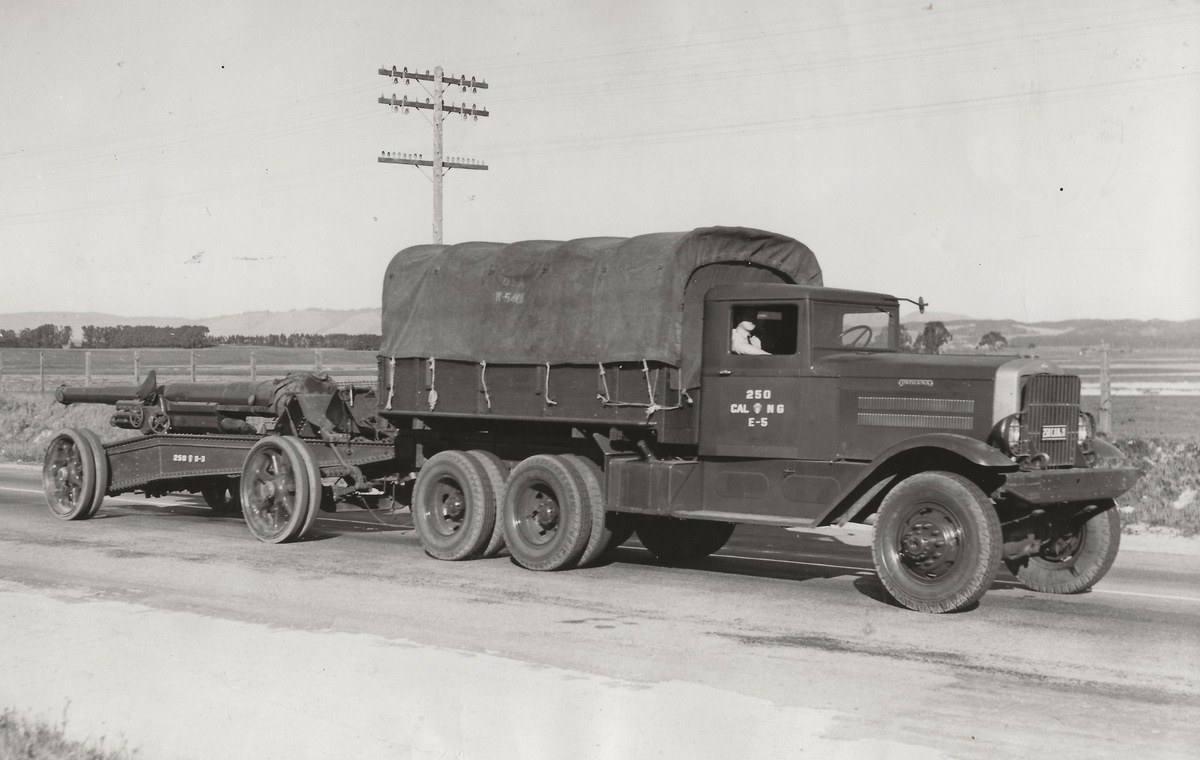
The artillerymen believed that the towed version of the 155 mm Gun M1918 would be sufficient for them
Somehow, American self-propelled artillery began to show signs of life toward the end of the 1930s. However, no significant progress was made until 1941. The main reason was simply the lack of a suitable platform. It wasn’t until production of the M3 Medium Tank began that things finally got moving. That said, the focus was primarily on small- and medium-caliber self-propelled guns. As for the successors to the Christie 155 mm Self-Propelled Mount, the situation was far more complicated. It could be said that the 155 mm Gun Motor Carriage M12—which became the first American large-caliber SPG to enter full-scale production—came about more by accident than by design.
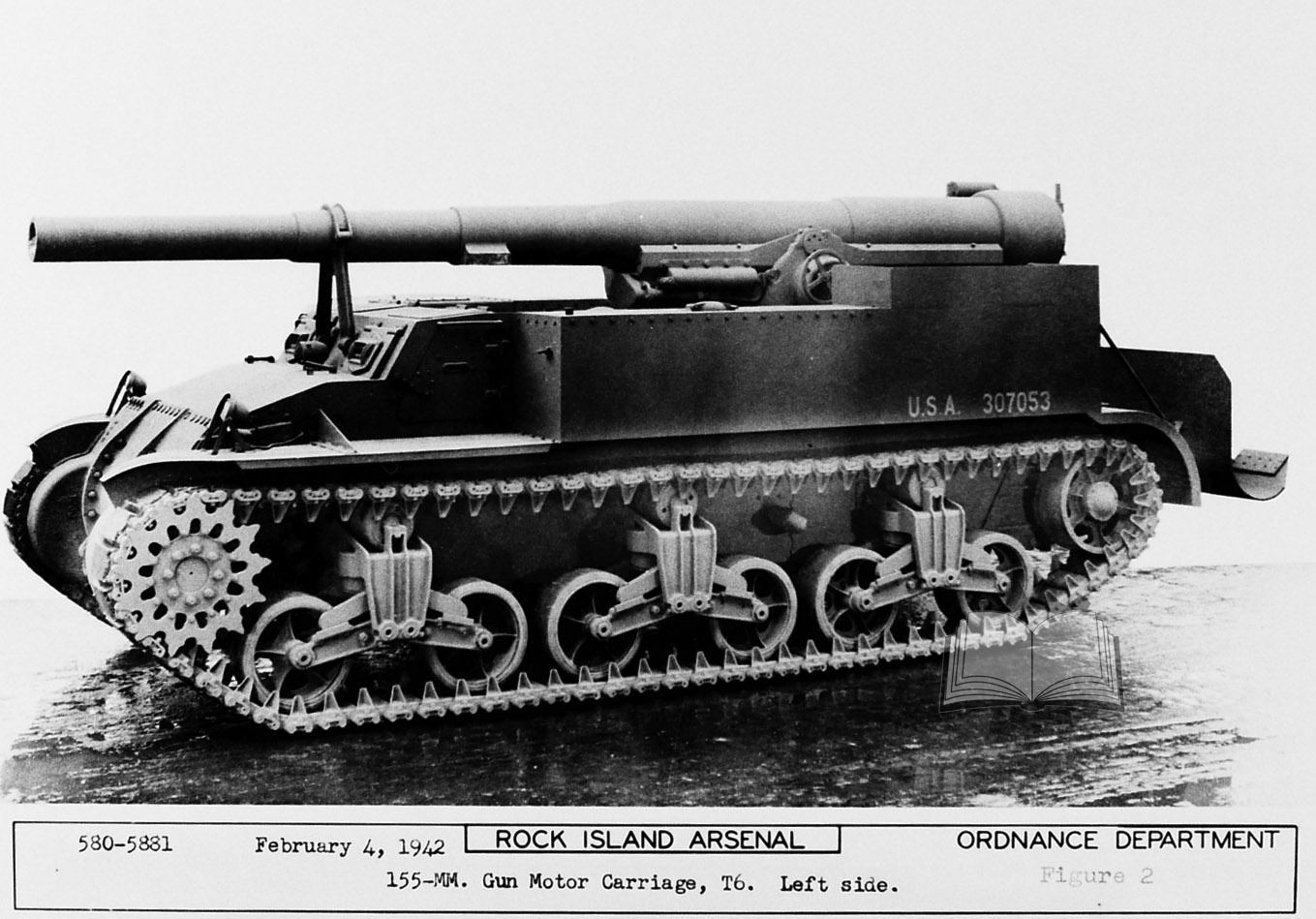
For this reason, the development of the 155 mm Gun Motor Carriage T6 was a real struggle
The Armaments Department first began discussing the mechanization of the 155 mm Gun M1918 in June 1941. However, this seemed more like a test of the waters. As for the U.S. artillery command, however, the opinion there was quite different. Artillery officers believed that high-speed artillery tractors, capable of hauling towed guns at fairly high speeds, would suffice. On the one hand, the M4 High-Speed Tractor, developed by Allis-Chalmers, appeared in 1942. On the other hand, right up until 1943, the 155-mm guns were still being hauled by the far from high-speed M1 tractors.
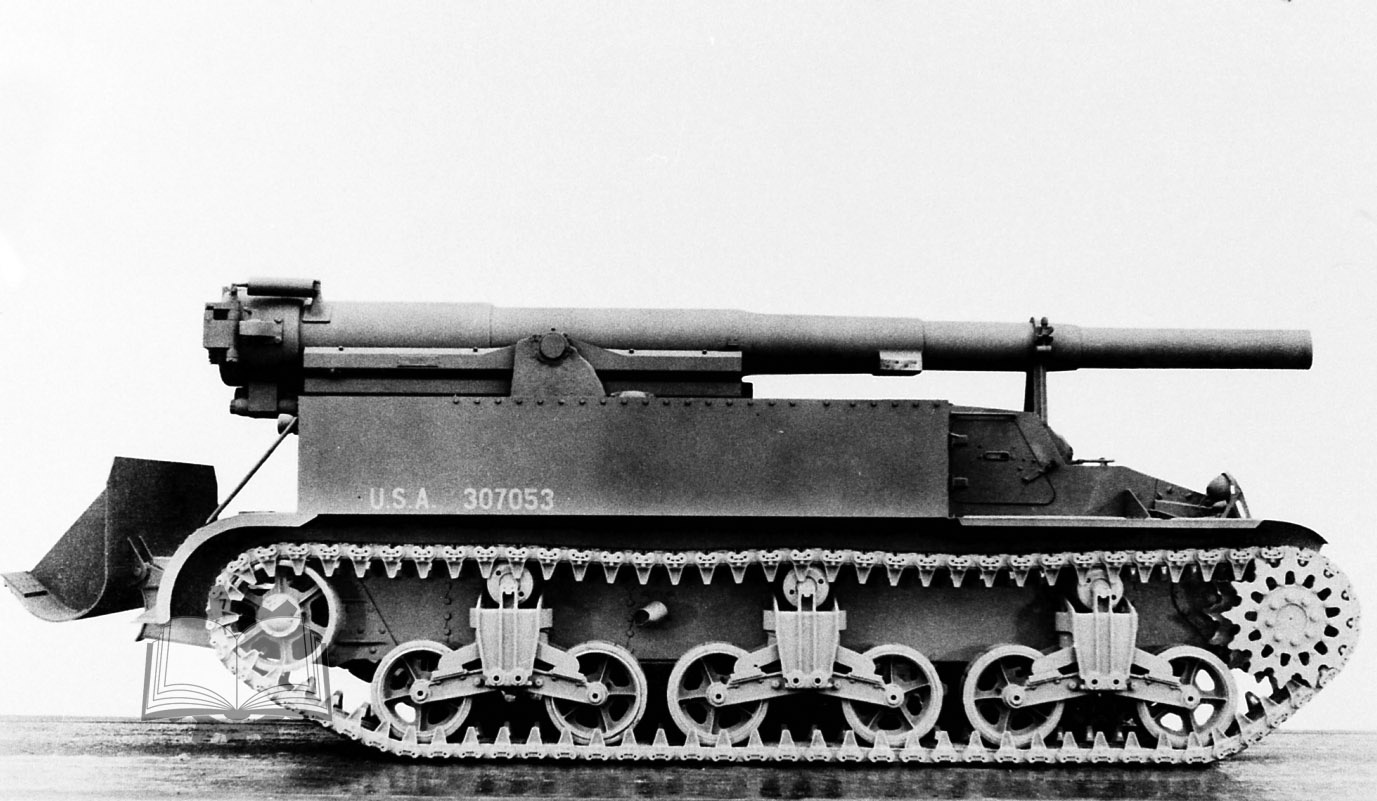
The work was carried out by units within the Department of Armaments and the Rock Island Arsenal
In any case, the Ordnance Department did authorize the development of a 155-mm M1918A1 gun mounted on the M3 Medium Tank chassis. The work was carried out by units within the Ordnance Department and the Rock Island Arsenal. It must be said that the task turned out to be no small feat. Even the M3 Medium Tank chassis was too small to accommodate a gun with a barrel length of nearly 6 meters. Therefore, from the very beginning, the only feasible mounting method was to install the gun in the same manner as its predecessors—that is, by creating a “self-propelled gun carriage” with the crew compartment in the rear. This required a major redesign of the M3 Medium Tank chassis.
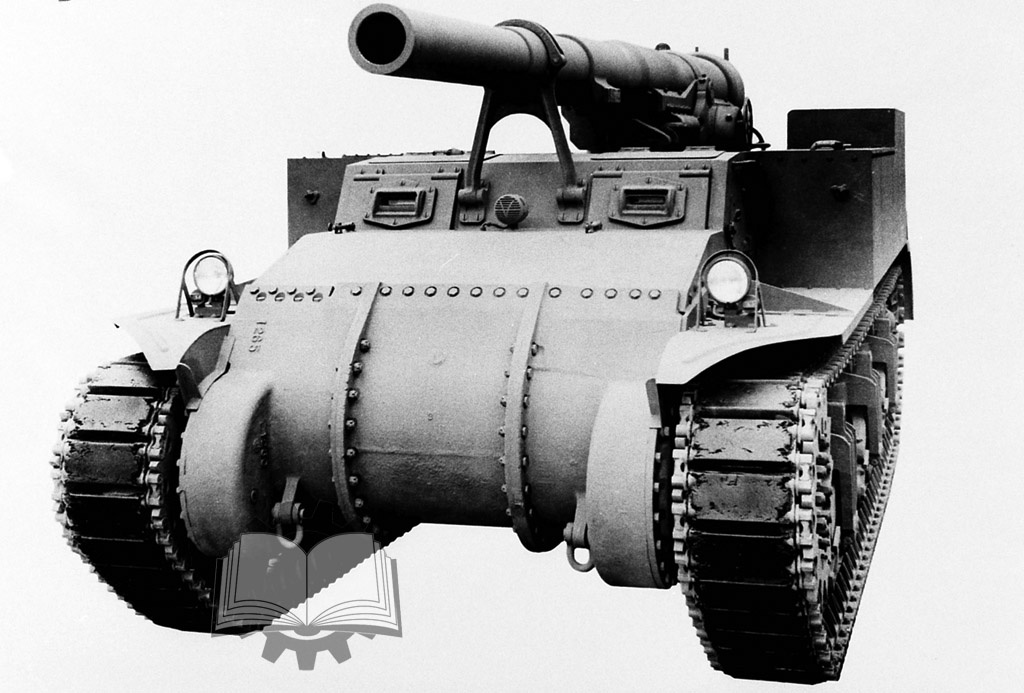
To install the gun, the base chassis had to be extensively modified
The Armaments Committee approved the designation “155 mm Gun Motor Carriage T6” for this project. Since it was clear that mounting such a large gun would not be possible without further modifications, it was decided to follow the French approach. Specifically, this meant building two vehicles—the self-propelled gun itself and an ammunition carrier. In fact, the 155 mm Gun Motor Carriage T6 was a self-propelled gun mount with minimal amenities for the crew, and its components were designed to operate on the ground. In other words, conceptually, the new self-propelled gun differed little from Christie’s design.
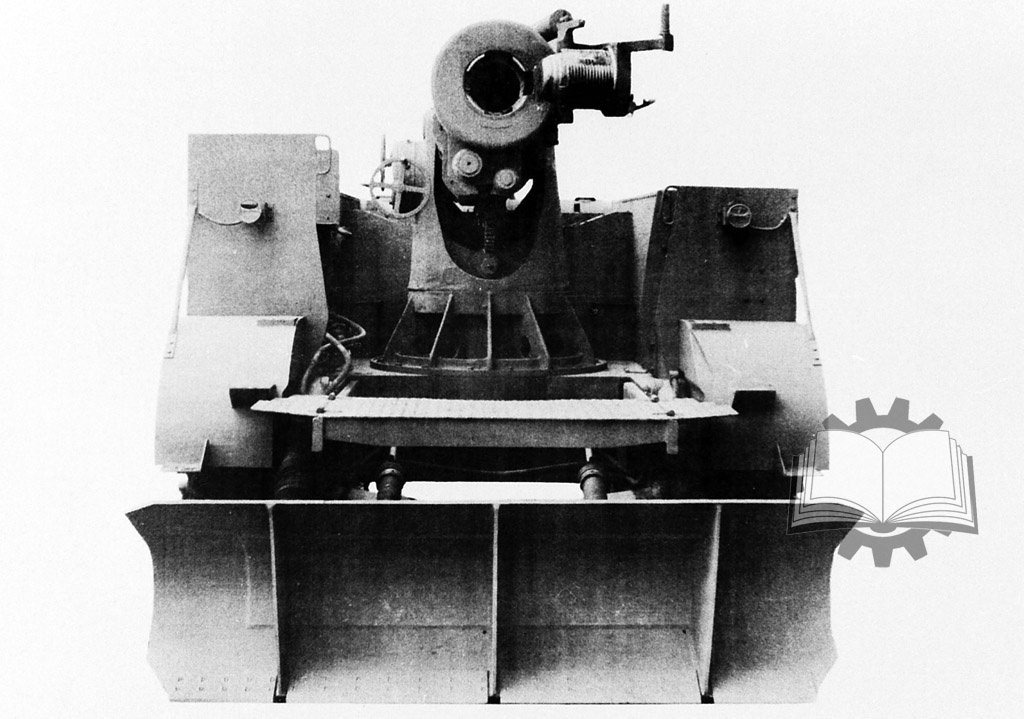
The implement was mounted at the rear, and a coulter was also added
A prototype of the GMC T6 was ready by early February 1942. In terms of its running gear, the Medium Tank M3 remained unchanged, but everything above the track racks was significantly different. To provide a reasonably spacious fighting compartment, the powerplant was moved to the center of the vehicle. Consequently, the exhaust system was routed through the sides of the hull near the running gear. This significantly complicated access to the engine; however, on other vehicles of a similar purpose, half the vehicle had to be disassembled to access the engine. Here, however, it was necessary to remove the gun’s recoil mechanism. After that, access was even better than on the Medium Tank M3.
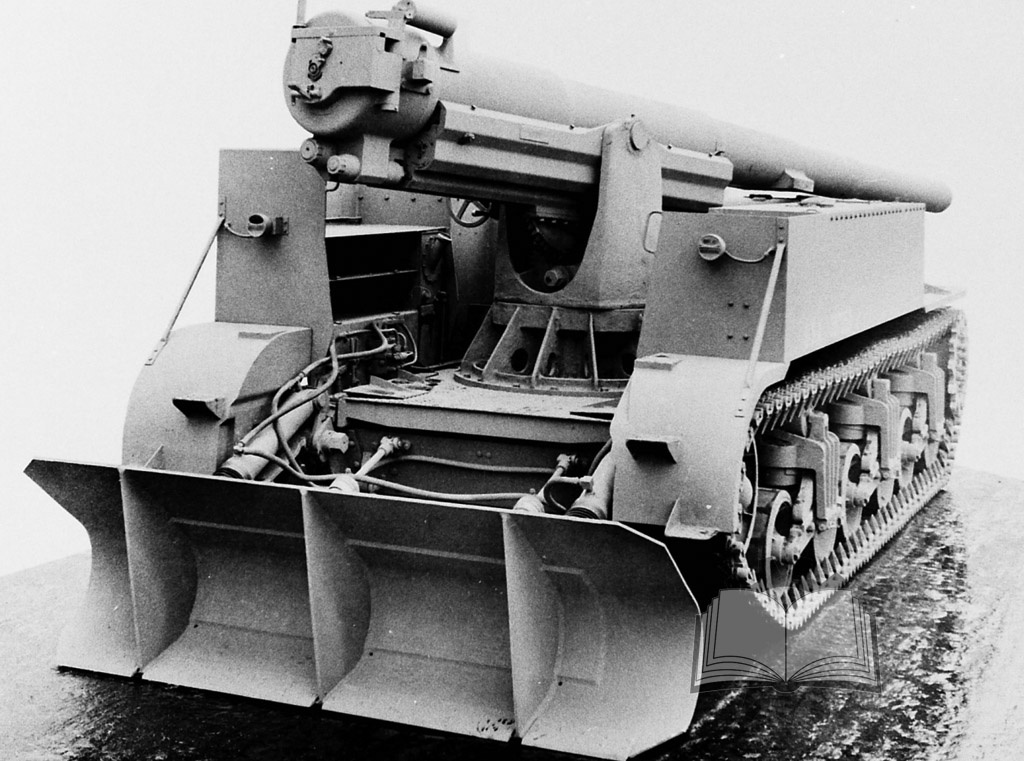
These angles of depression didn’t just appear out of nowhere. The GMC T6 was designed to fire directly at the target.
Due to the redesign of the engine compartment, space in the front became quite tight; moreover, the presence of a large gun barrel (which, incidentally, protruded almost none at all beyond the vehicle’s overall dimensions thanks to this layout) necessitated a significant change to the access system. The driver and his assistant each got a hatch. Two hatches were provided in the roof of the commander’s compartment, and there was one hatch on each side. The side hatches were needed primarily for access when the gun was turned to the sides; otherwise, they weren’t particularly convenient. Observation hatches similar to those on the Medium Tank M3 were also added to the front. As for the rest of the crew, seats for them were provided in the fighting compartment. Ammunition was stored next to the seats (including underneath them). The ammunition load was modest—only 10 rounds.
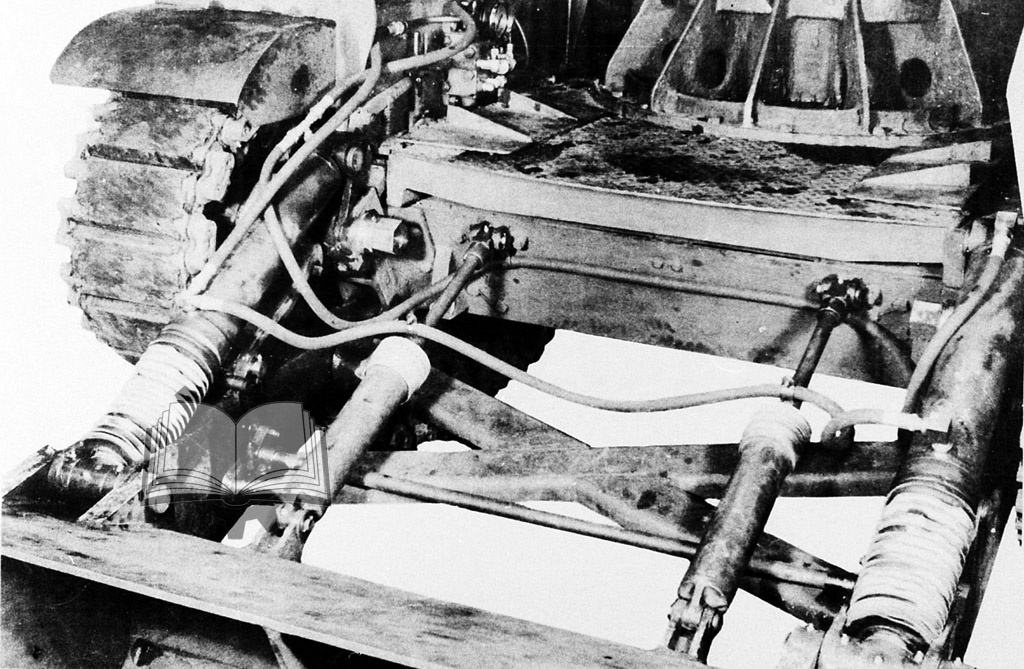
Coulter Design
One of the distinctive features of the new self-propelled gun was its relatively high firing height of 2,200 mm, while its overall height was 2,883 mm. At the same time, due to their design characteristics, such self-propelled guns very rarely had a low profile. At the same time, unlike the Christie 155 mm Self-Propelled Mount, the crew of the GMC T6 did not have to dig a small pit behind the self-propelled gun for the barrel to recoil into when firing at high elevation angles. In addition, the design incorporated lessons learned from previous vehicles of this type, including the fact that firing produced significant recoil. Therefore, the GMC T6 was equipped with a large plow blade attached to the rear of the vehicle. It was hydraulically driven, meaning it could raise and lower itself automatically.
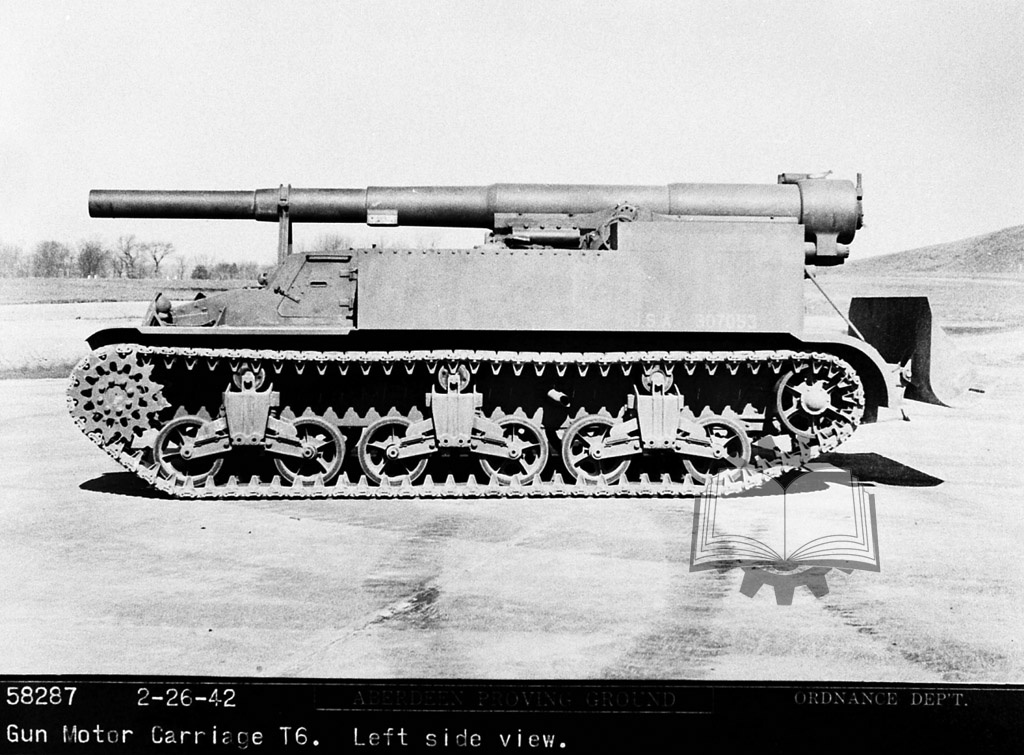
During testing at the Aberdeen Proving Ground
The very first tests, which began in February 1942 at the Aberdeen Proving Ground, showed that the GMC T6 was a good gun platform. However, during the tests, there were quite a few complaints about the skid, which got in the way of the crew and scraped the ground when driving over rough terrain. It was modified, after which further tests were conducted at Fort Bragg, where the U.S. Field Artillery Command was headquartered. It turned out that the GMC T6’s mobility far exceeded that of towed guns hauled by tractors. While the self-propelled gun took 35 minutes to move to a new position 9.6 kilometers from its previous location, the towed M1918A1 required 3 hours to do so. At this point, it had to be acknowledged that the vehicle was a success.
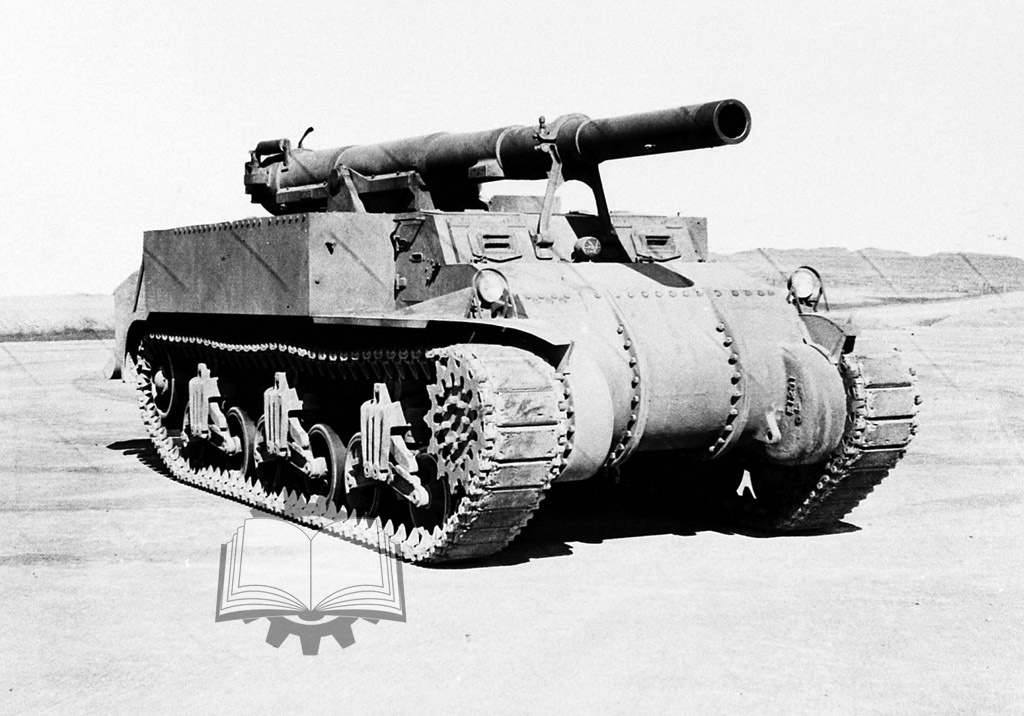
On July 17, 1942, a decision was made to standardize this self-propelled gun
On July 17, 1942, the Field Artillery Command recommended that the GMC T6 be adopted into service after a short list of deficiencies had been corrected. Shortly thereafter, the vehicle was standardized as the 155 mm Gun Motor Carriage M12, or GMC M12. The initial order was for 50 self-propelled guns (Contract T-4145), and on August 12, 1942, it was increased to 100 units (Supplemental Contract T-4243). After that, the U.S. artillery command decided that was enough. They continued to believe that high-speed tractors would be more than sufficient for their needs. For American artillerymen, such stubbornness was par for the course.
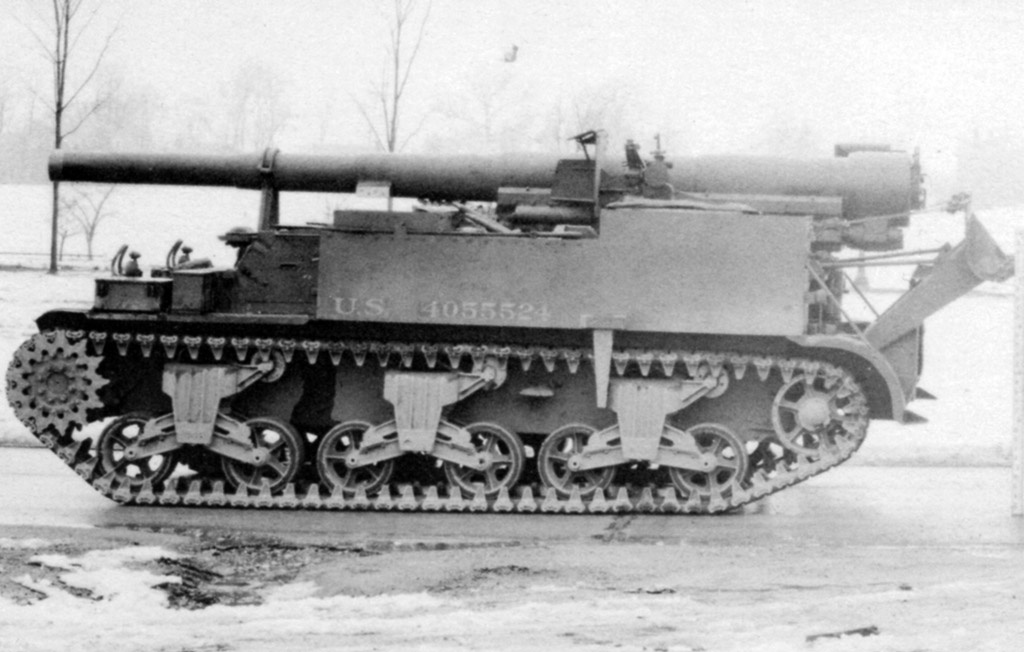
Production GMC M12
The contract to produce the GMC M12 was awarded to the Pressed Steel Car Company, a railcar manufacturer based in Pittsburgh, Illinois. The company certainly assembled the M3 Medium Tank there, but it also produced the Grant I for the British Army. However, production of the Grant I ceased in July 1942; by that time, production of the M4A1 Medium Tank was already underway. All of this directly influenced the design features of the production self-propelled gun. By and large, the M3 Medium Tank served only nominally as the basis for this vehicle. In reality, the basic components, including the running gear, were taken from the M4A1 Medium Tank.
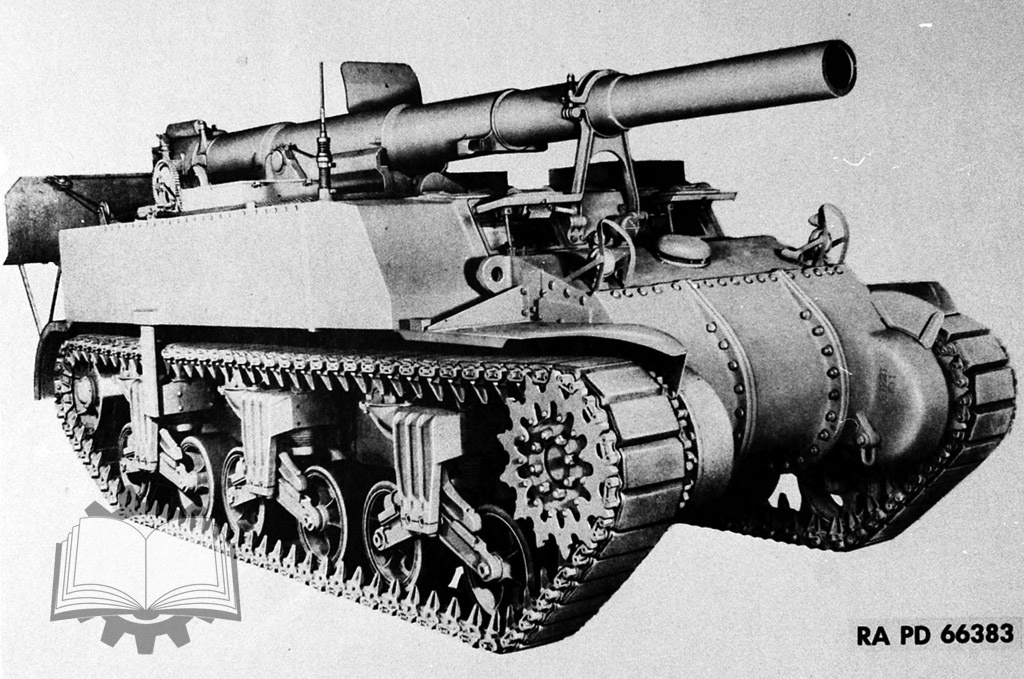
In fact, the vehicle was already based on the M4A1 Medium Tank chassis
The first production model of the GMC M12 was manufactured in September 1942 and differed slightly from the prototype. The track-mounted shelf on the assistant driver’s side was extended, and the side hatch was removed; the exhaust pipes were partially relocated to the track racks, the muzzle was redesigned again, and a whole host of changes were made to the fighting compartment. The gunner was given a flip-up gun shield to prevent being shot in the head. A fan was installed in the control compartment, and a new type of skid was also introduced. The guns, by the way, were taken from older models rather than built from scratch.
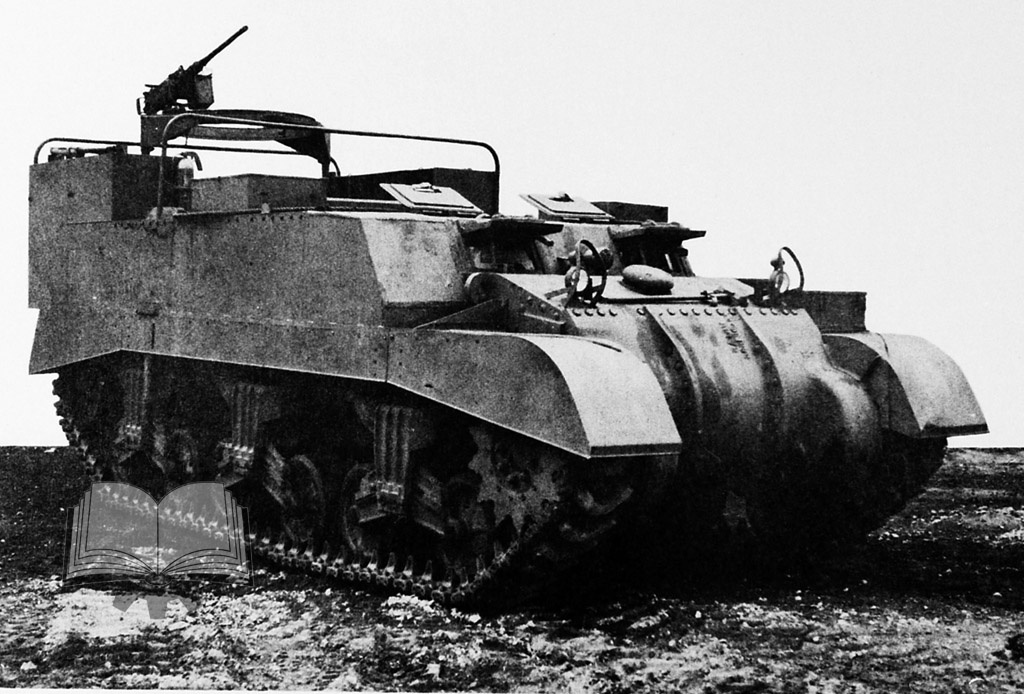
Cargo Carrier M30—this ammunition supply vehicle operated in tandem with the GMC M12
Pressed Steel fulfilled Contract T-4145 fairly quickly. In October 1942, 37 self-propelled guns were delivered; in November, the remaining 12 were delivered. In total, including the vehicle delivered in September, 50 units were delivered with U.S.A. registration numbers W-4055490–4055539. In December, 10 self-propelled guns were delivered under Contract T-4243; in January 1943, another 16; in February, 19; and in March, the remaining 5. These self-propelled guns were assigned U.S.A. registration numbers W-4081004–W-4081053. It should be noted that the artillerymen were in no hurry to adopt this self-propelled gun, as they did not consider it particularly necessary.
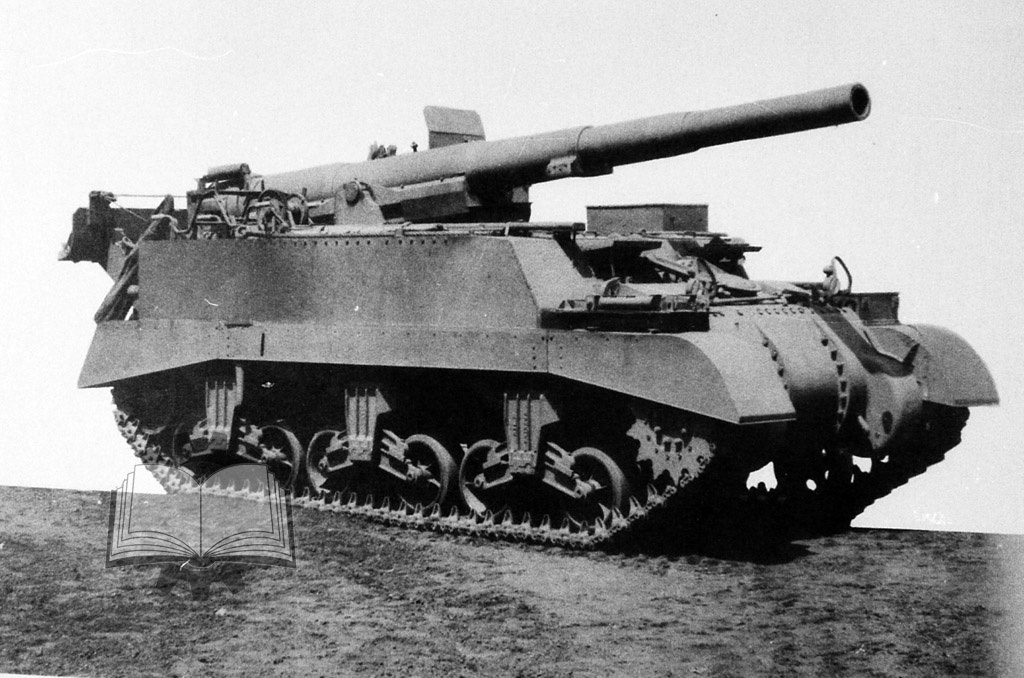
Self-Propelled Artillery System (SPAS) after modernization
Alongside the production of self-propelled guns, production of ammunition transport vehicles—designated Cargo Carrier T14—was established. Its design was similar to that of the Geschützwagen III für Munition for the Hummel self-propelled gun. It was essentially the same GMC M12, but without a gun, and with a slightly enlarged crew compartment that was converted into a cargo area. It could carry 40 rounds of ammunition. One of the vehicle’s distinguishing features was a ring turret mounted in the crew compartment, equipped with a large-caliber Browning M2HB machine gun. In 1942, the same 60 units were delivered; the remaining 40 were delivered in February–March 1943. In 1944, they were standardized as the Cargo Carrier M30.
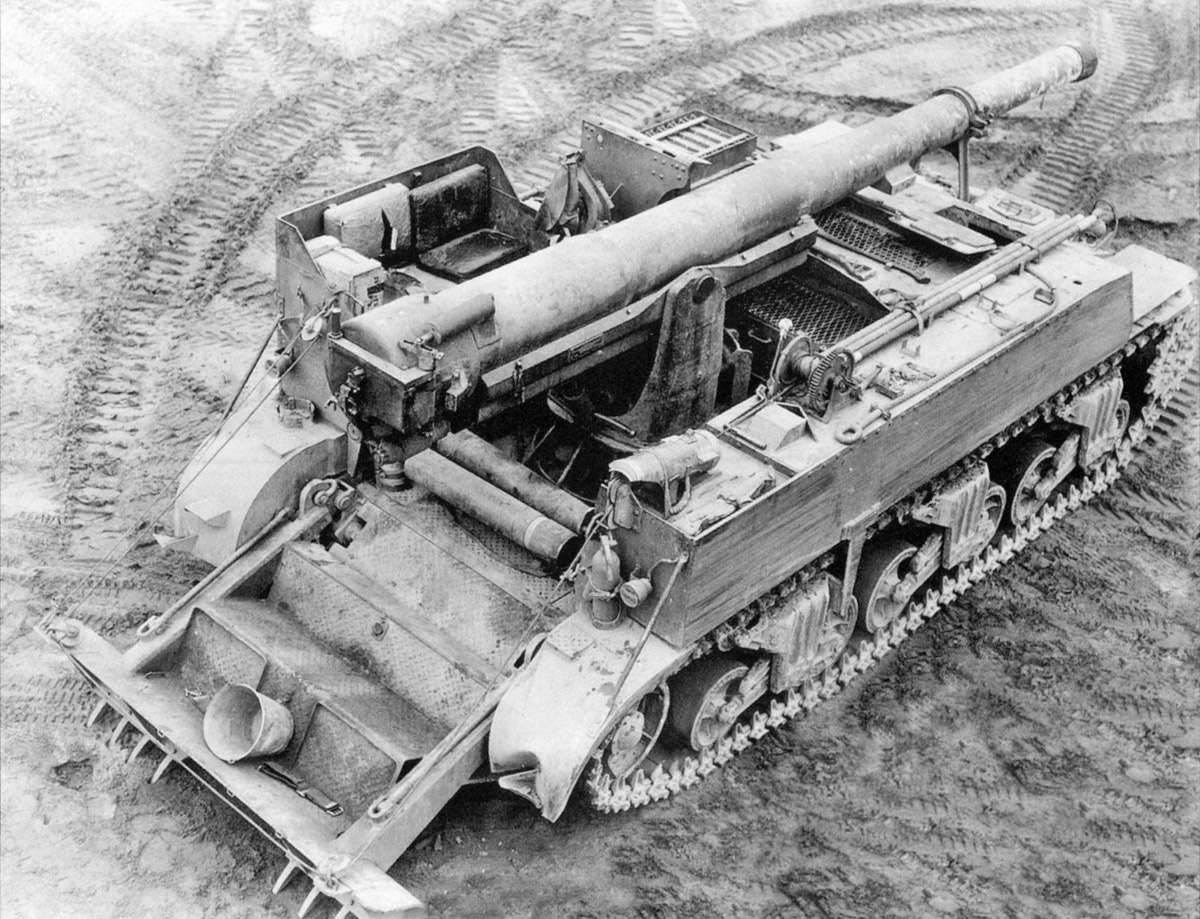
Vehicles of this type went into battle in this configuration
The self-propelled gun underwent extensive testing to establish requirements for heavy self-propelled artillery. This once again demonstrates the attitude of American artillerymen toward self-propelled artillery—or, more precisely, the attitude of the command. Following field trials, a substantial number of observations were gathered, which necessitated modernization. The modernization specifications were prepared in December 1943. Baldwin Locomotive Works was contracted to perform this work, and the modernization took place from February through May 1944. Although plans called for modernizing 75 self-propelled guns, work was actually carried out on 74 vehicles. The same number of M30 Cargo Carriers were also modernized.
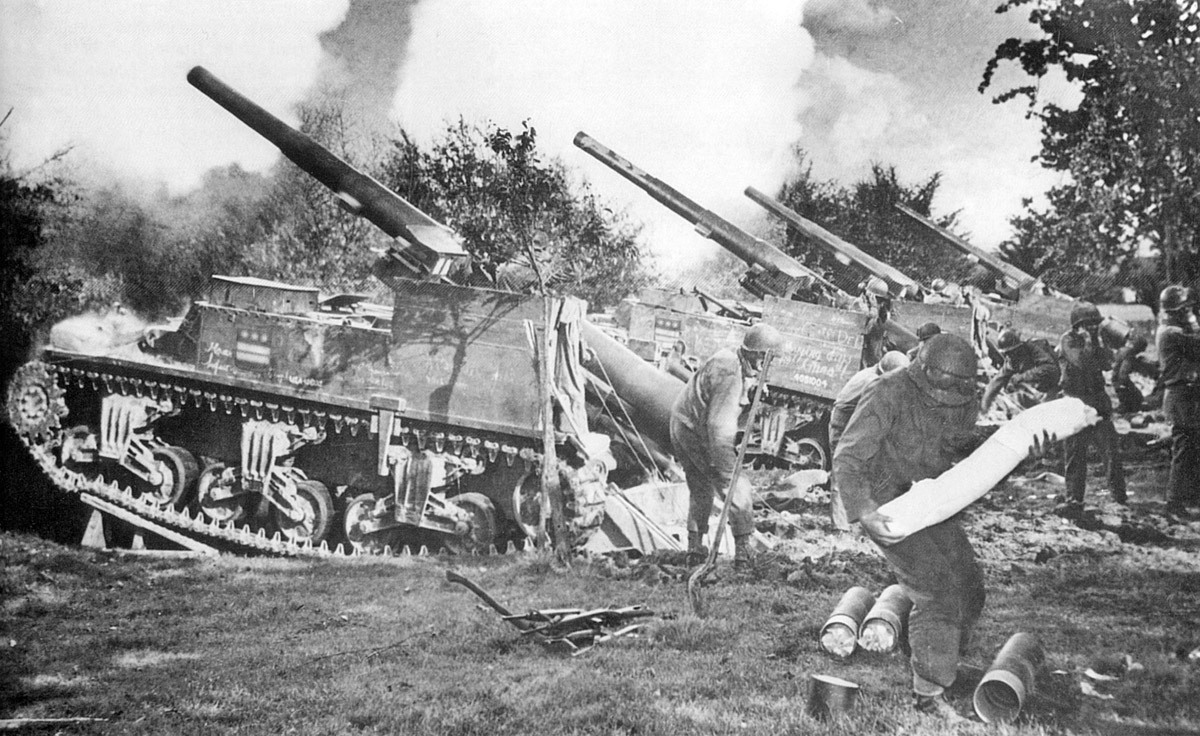
During the fighting in Normandy
As a result, the vehicle’s appearance changed somewhat. For example, the ammunition racks were slightly modified to make them more convenient to use. A radio was also added. The gun carriage underwent a significant change: it was equipped with a more convenient stepped “floor” (this feature was originally present on the M12 but was still awkward to use), making it easier for the crew to load the gun. Some vehicles were fitted with additional mud flaps with side shields, as well as arcs for the canvas cover. As a result, the vehicle’s effectiveness increased slightly, as did its reliability. However, this did not mean that it would be immediately deployed in combat.
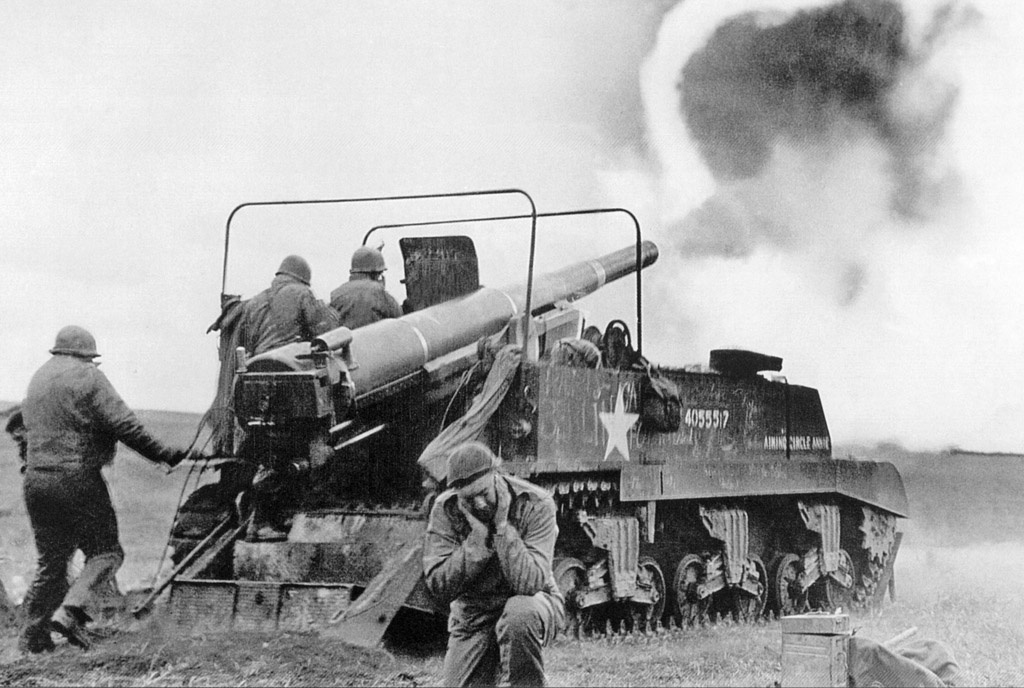
Thanks to their high mobility, GMC M12 battery units could be quickly redeployed to new positions, while serving as an excellent means of supporting units
The GMC M12 made its combat debut in June 1944, during the fighting in Normandy. The first units to use them were two artillery battalions—the 557th and the 558th. Each battalion consisted of two batteries (six self-propelled guns in each). In total, the GMC M12 was issued to six artillery battalions, some of which had previously been equipped with towed guns. The remaining divisions (the 258th, 987th, 989th, and 991st) arrived in Normandy a little later. Interestingly, the artillery command initially intended to use the GMC M12 not as “self-propelled gun carriages,” but rather as assault self-propelled guns. The plan was to fire at the defensive fortifications of the Siegfried Line using direct fire.
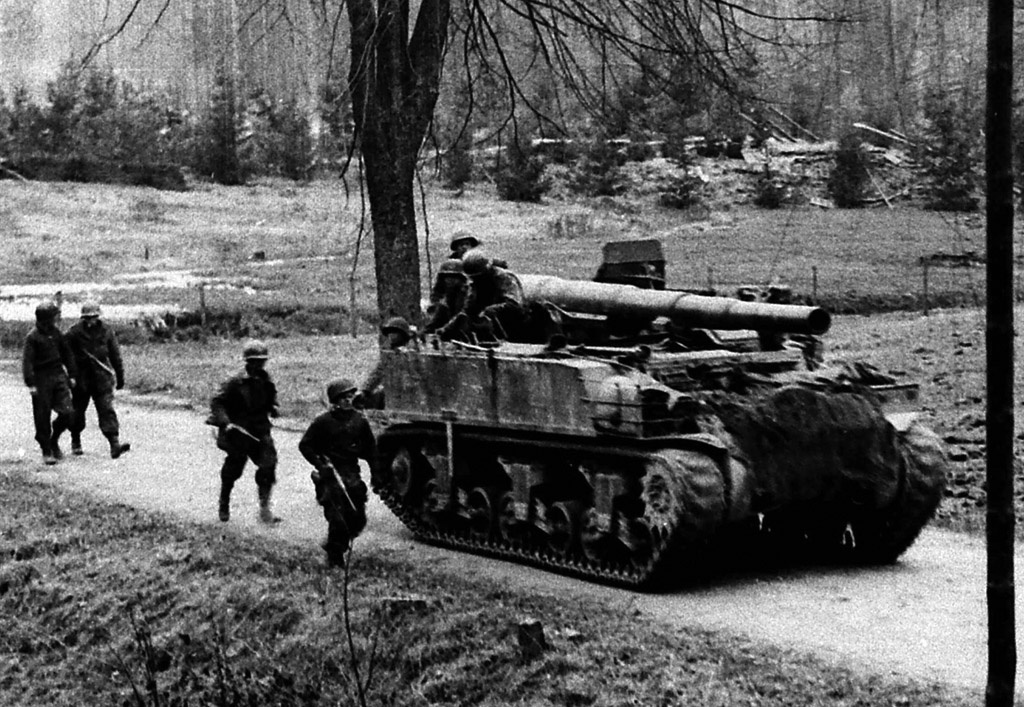
They fired at will and with direct fire
In practice, however, it very quickly became clear what had already been evident during the GMC T6 tests. Thanks to their high mobility, the GMC M12 batteries could be rapidly redeployed to new positions, serving as an excellent means of supporting units. This was evident both during the assault on Cherbourg and during Operation Cobra. Units armed with towed guns could not even have dreamed of such mobility. Divisions equipped with GMC M12s were attached to armored divisions. Thus, the Germans and Americans shared the same approach to the use of heavy self-propelled artillery. An advantage of the GMC M12 was that it could fire at much greater ranges than the HMC M7, the standard American howitzer self-propelled gun.
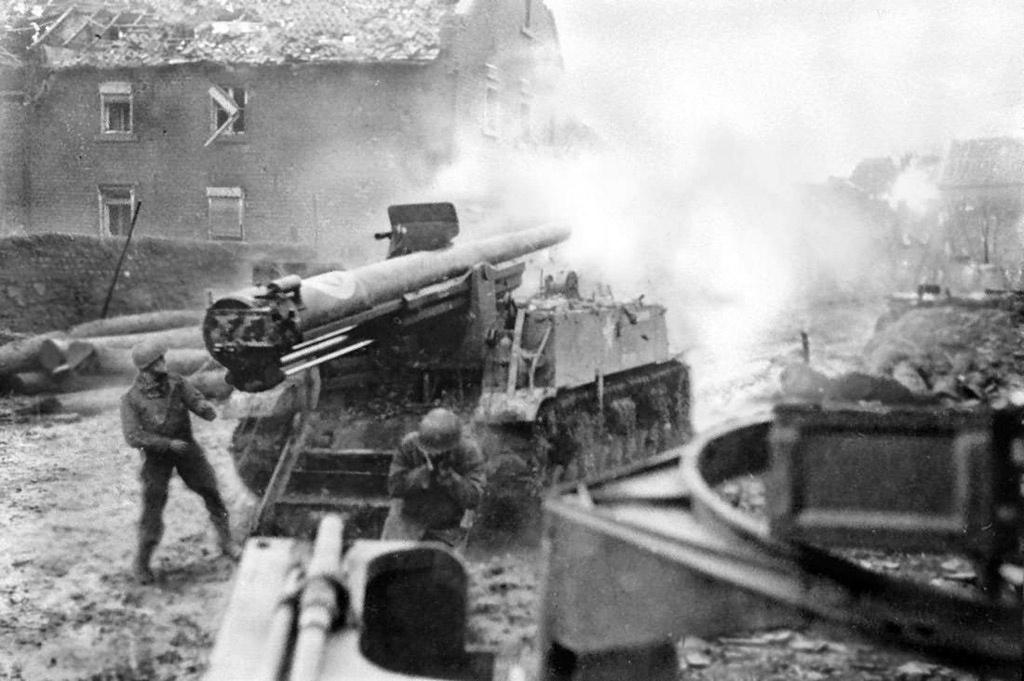
During the shelling of pillboxes along the Siegfried Line
However, the artillerymen’s ideas regarding the use of the GMC M12 as assault artillery were also put into practice. They were used for direct fire, and the vehicle’s relatively low profile—for a vehicle of this class—proved useful in this regard. They fired directly at the pillboxes of the Siegfried Line, and 1–2 rounds were enough to put them out of action. However, this was far from always the case—sometimes it took more than a dozen shells to achieve the desired result. Most importantly, using the GMC M12 to destroy fortifications turned out to be a very common task. In this regard, incidentally, the Americans were not alone. The Hummel tanks, mentioned more than once, also frequently fired with direct aim.
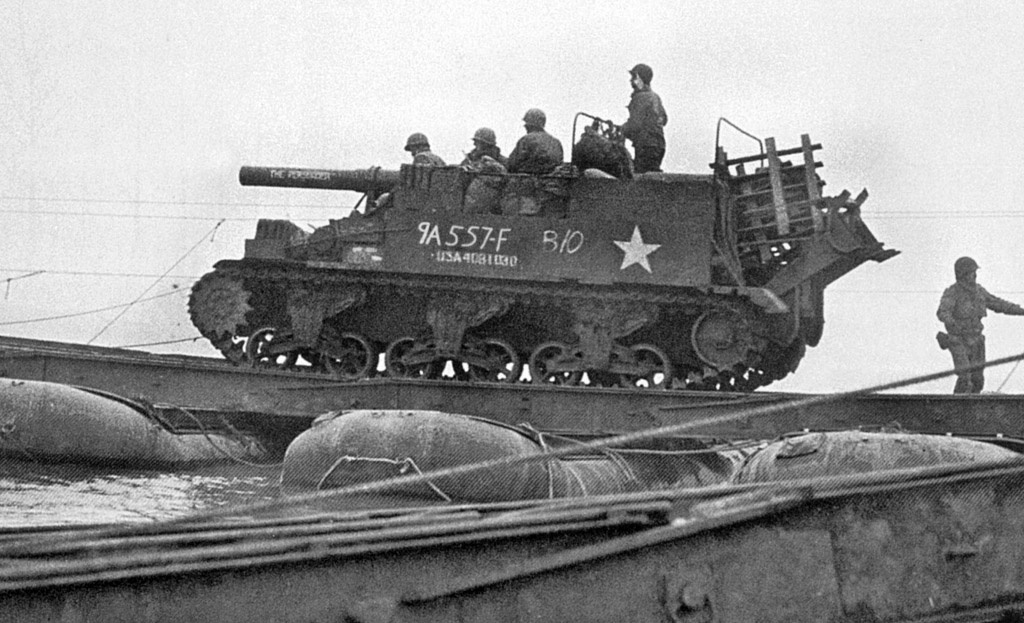
During the fighting in the spring of 1945
The main thing the GMC M12 managed to achieve was to force the U.S. artillery command to acknowledge the obvious. Self-propelled guns proved to be more maneuverable than towed guns, and the time required to bring them into combat position was significantly shorter. The battles of the summer of 1944 made this abundantly clear, after which the development of new, more advanced American self-propelled guns was accelerated. Against this backdrop, the GMC M12 quickly became obsolete, and after the war, almost all of these self-propelled guns were decommissioned. The fact that at least one survived is a positive outcome in itself.
List of Sources:
-
-
- US NARA
- Sherman: A History of the American Medium Tank, R.P. Hunnicutt, Presidio Press, 1994
- Фотоархив автора
- US Signal Corps
-