Yuri Pasholok. Leading Soviet expert on light tanks and light tracked chassis

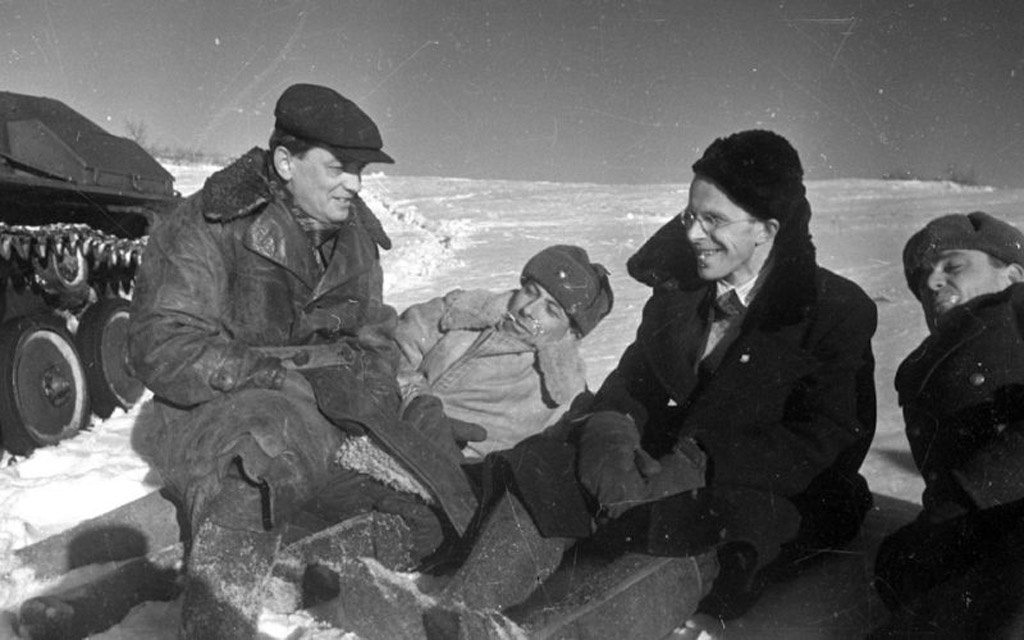
Marking the 120th anniversary of the birth of Nikolai Alexandrovich Astrov, one of the key Soviet tank designers
Usually, when people talk about tanks, they think of those who designed medium and heavy combat vehicles. Of course, there are John Carden and Vivian Lloyd, renowned tank designers who created tankettes and light tanks. But they are more of an exception to the rule. To paraphrase a saying, the bigger the machine, the louder the fame. Nevertheless, the “little guys” are often just as important a part of the battlefield, and dealing with them involves just as much hassle as with “full-size” tanks. Moreover, not everyone was able to produce successful light-class combat vehicles.
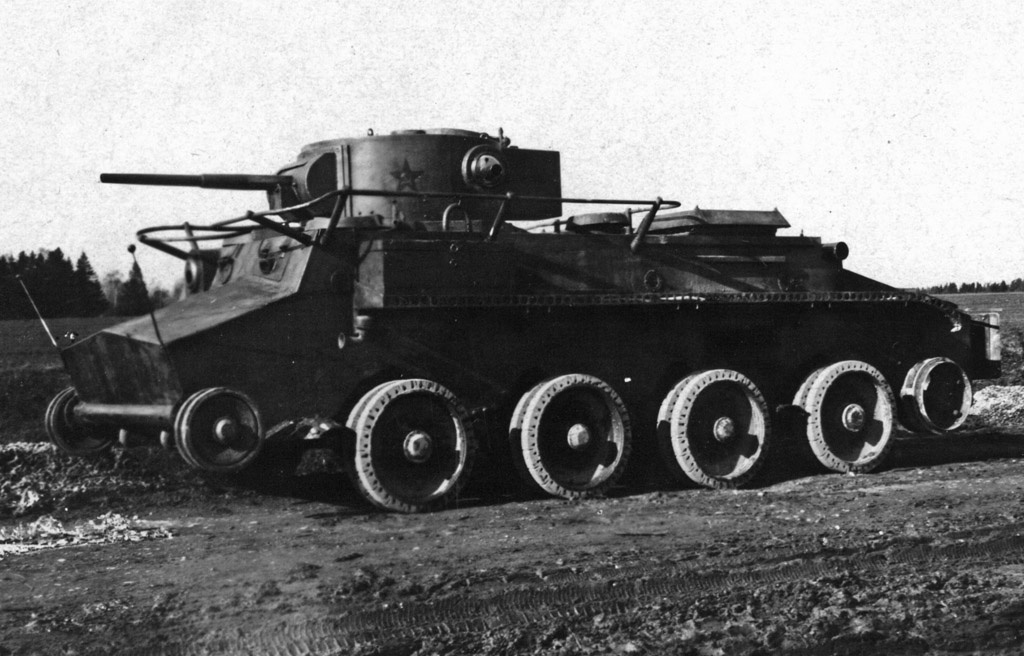
PT-1, Astrov’s first tank
In the Soviet Union, light combat vehicles were manufactured in two locations—Leningrad and Moscow. While in the city on the Neva such vehicles were typically classified as classic light escort tanks, the capital produced reconnaissance tanks. And while S.A. Ginzburg became the leading expert on escort tanks, N.A. Astrov emerged as the leading expert on the “little ones.” April 28 marks the 120th anniversary of Nikolai Alexandrovich’s birth. It is high time to remember this extraordinary man, who created more than two and a half models of armored vehicles that were adopted for service.
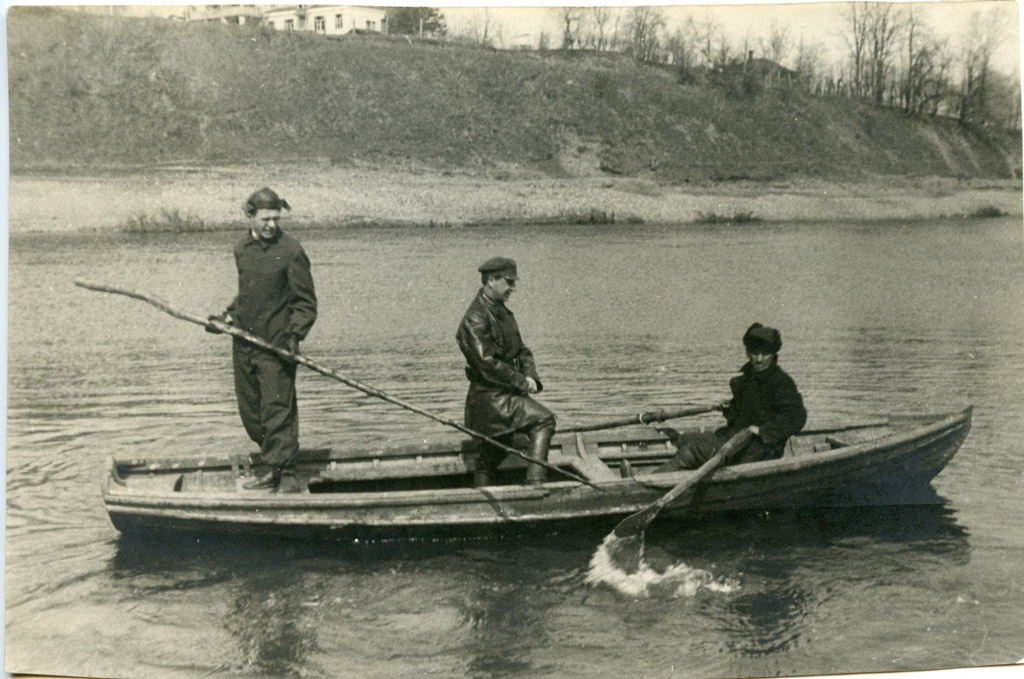
Astrov (with the pole) and V.F. Filon (center) during PT-1 tests, 1933
Astrov’s path into tank engineering proved to be anything but easy. For one thing, Nikolai Alexandrovich began working on tanks while he was… a prisoner. In the late 1920s, a wave of repression swept through Soviet industry—sometimes justified, sometimes not. As the son of a professor at the Imperial Moscow Technical School who had been executed in 1919, Astrov certainly fit the profile of a potential “hostile element.” At the time of his arrest, Astrov was working at the Moscow Electric Plant, though he already had experience as a designer at NAMI. As it turned out later, his experience working with automobiles proved to be extremely valuable.
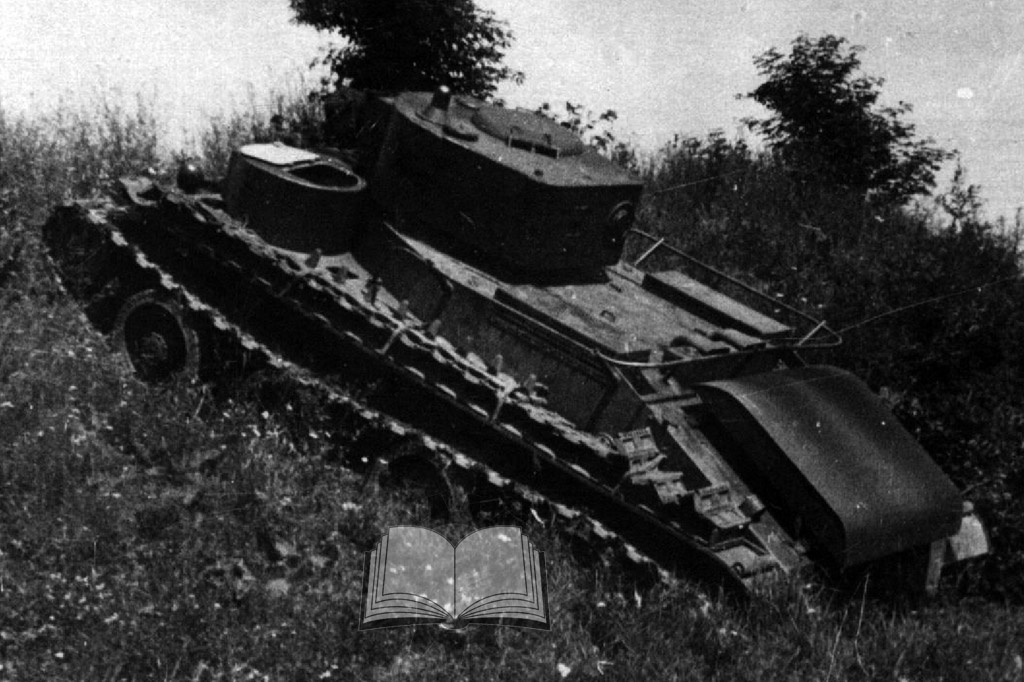
The PT-1 subsequently evolved into the T-29
After his arrest, Astrov was sent to the Special Design Bureau (the technical department of the OGPU’s Economic Control Administration), whose tank division was headed by V.F. Filon. It was a makeshift tank workshop where, among others, convicted tank engineers were sent. In 1931, the OGPU’s Special Construction Bureau began developing a wheeled-tracked amphibious tank, which was an ideological counterpart to the German Großtraktor. They borrowed the general concept from the Germans; the rest was their own design. The tank, designated PT-1, marked Astrov’s debut as a tank designer—and immediately as the vehicle’s lead engineer.
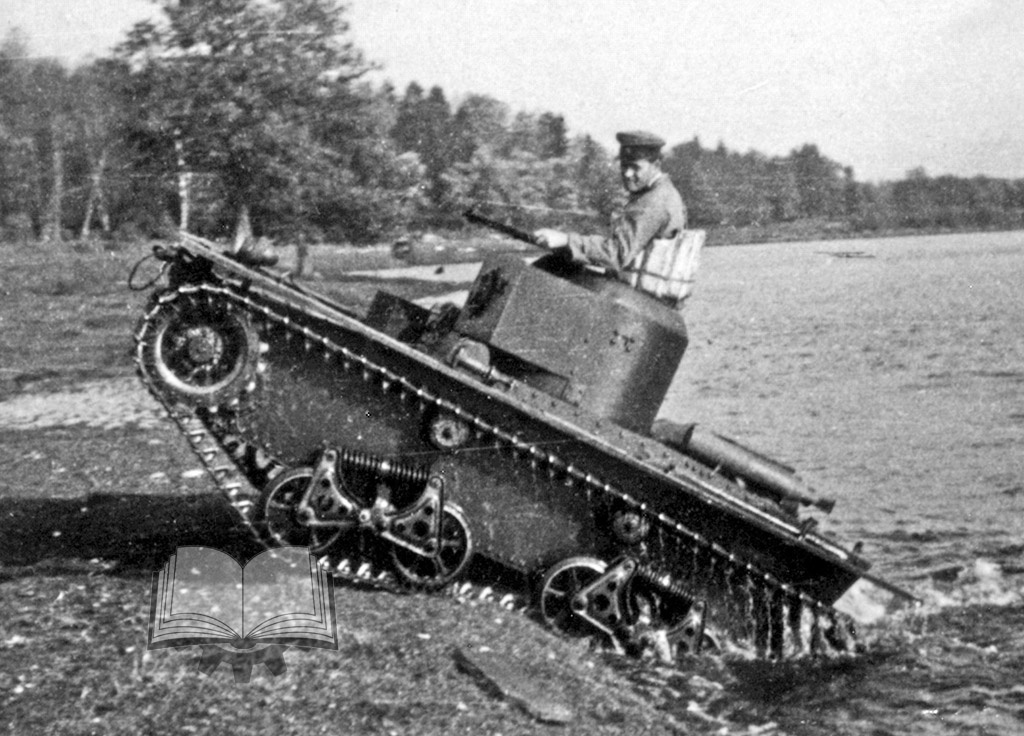
T-38, Astrov’s first production tank
The PT-1 marked a turning point in Astrov’s life. Suffice it to say that he initially worked on the tank while he was a prisoner, and later as a free man. For its time, the PT-1 was a cutting-edge combat vehicle, driven not by a single pair of road wheels but by four. For a number of reasons, the PT-1 remained a prototype, but it served as the basis for the development of the IT-3 tank destroyer, followed by the PT-1A, T-29-4, and T-29-5 tanks. It was intended that the T-29 would eventually replace the T-28; however, work on this tank proceeded without Astrov.
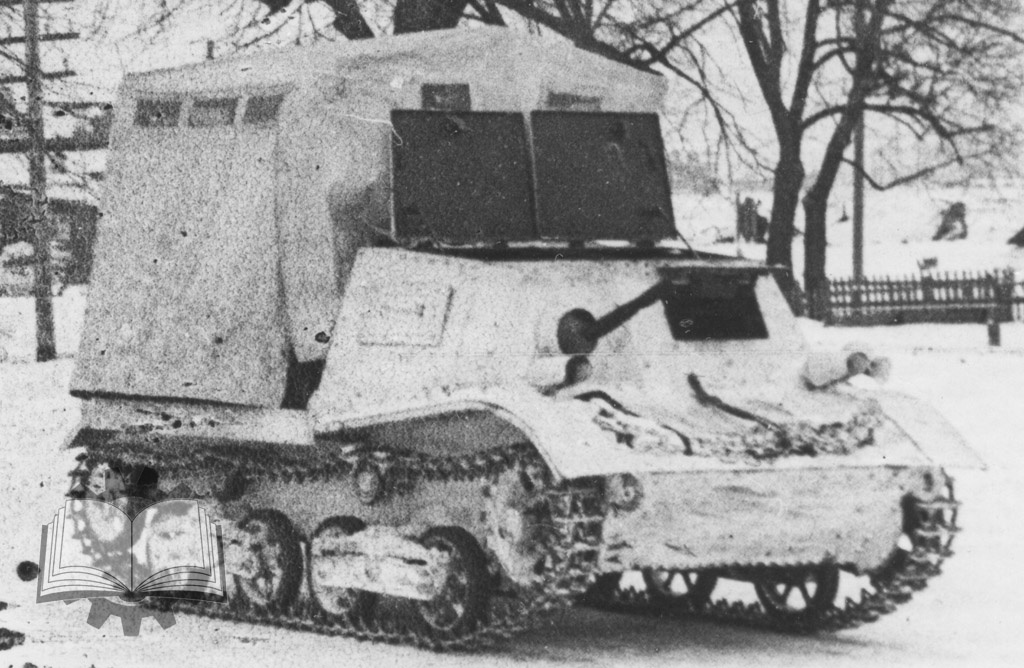
Equally important was the development of the “Komsomolets,” the most widely produced Soviet semi-armored tractor of the interwar period
In 1934, the OGPU’s EKU Tank Design Bureau was disbanded, after which Astrov was appointed head of Design Bureau No. 1 at Plant No. 37. By that time, the former automobile assembly plant was producing T-37A amphibious reconnaissance tanks. This tank was designed with the British Vickers-Carden-Loyd M1931 reconnaissance tank in mind, but it turned out to be clearly superior. However, it was not without its flaws. One of the key issues was the bevel differential with shoe brakes. While this turning mechanism was simpler to manufacture, it made the tank more difficult to control. During a test run, Astrov nearly lost his life when the tank veered into a ditch and overturned.
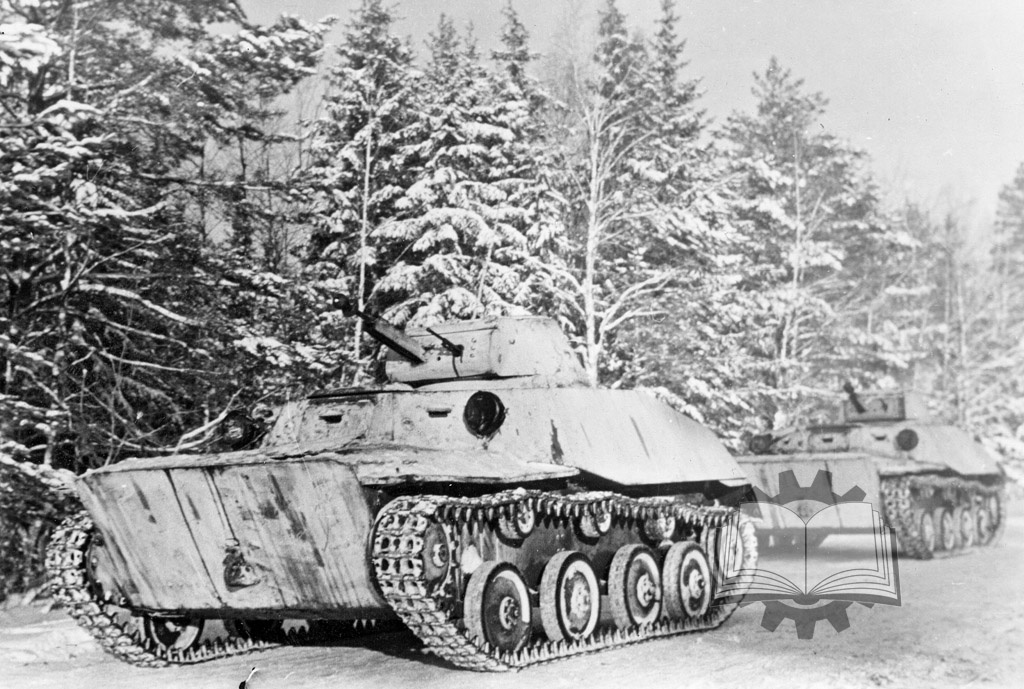
The T-40 might have been Astrov’s last tank. But in the summer of 1941, these tanks were no longer needed as reconnaissance vehicles
The first task at the new facility was to develop a reconnaissance tank that was more advanced than the T-37A. This led to the creation of the T-38, which proved to be a greater success than its predecessor. At the same time, the tank turned out to be shorter. Another of Astrov’s successes was the “Komsomolets,” the most widely produced Soviet semi-armored tractor of the interwar period. The vehicle was no less interesting than the T-38. A high-speed wheeled-tracked tank, the T-43 (the first with that designation), was also developed, but the concept itself was flawed. However, the program to develop another amphibious reconnaissance tank—the T-40—was a success. At the time of its creation, it was the best tank in its class.
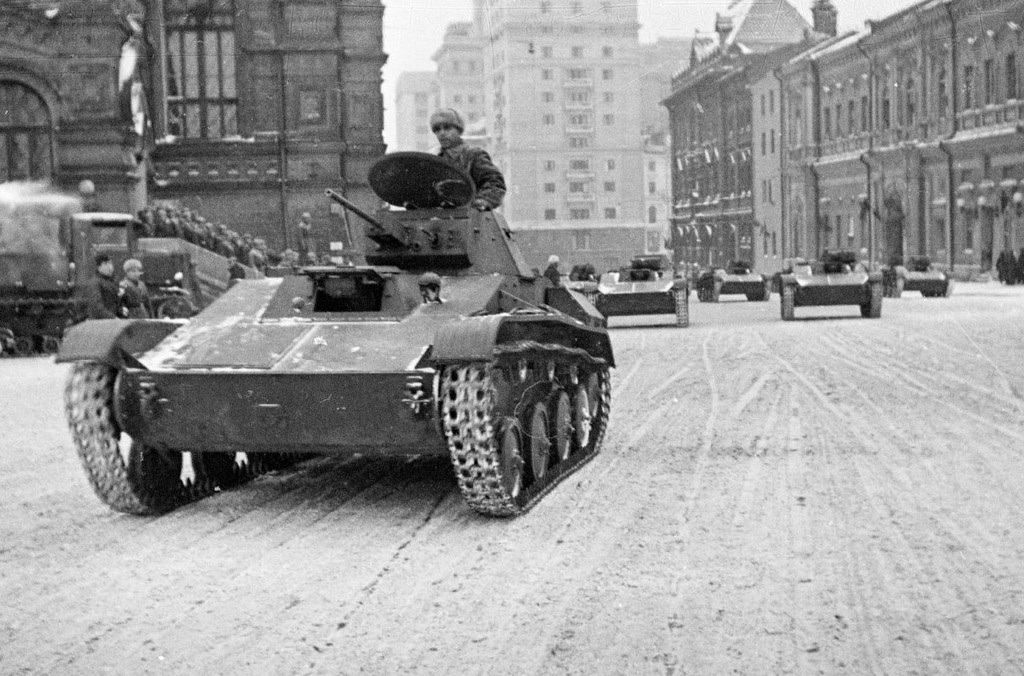
The T-60, an ad-hoc tank developed out of the need to put something together
Meanwhile, more and more questions arose about the necessity of reconnaissance tanks based on automotive powerplants. Astrov himself, incidentally, was skeptical of this concept, rightly believing that tanks required specialized engines. Moreover, in 1941, he was planning to leave Department 22 of Plant No. 37 to take up a teaching position. But then the war broke out, which put an end to his prewar plans. It turned out that the tank’s disadvantages became its advantages. They could be produced in large quantities at factories that were unable to manufacture other types of tanks. Thus, the T-30 and T-60 were born, produced during the country’s most difficult period.
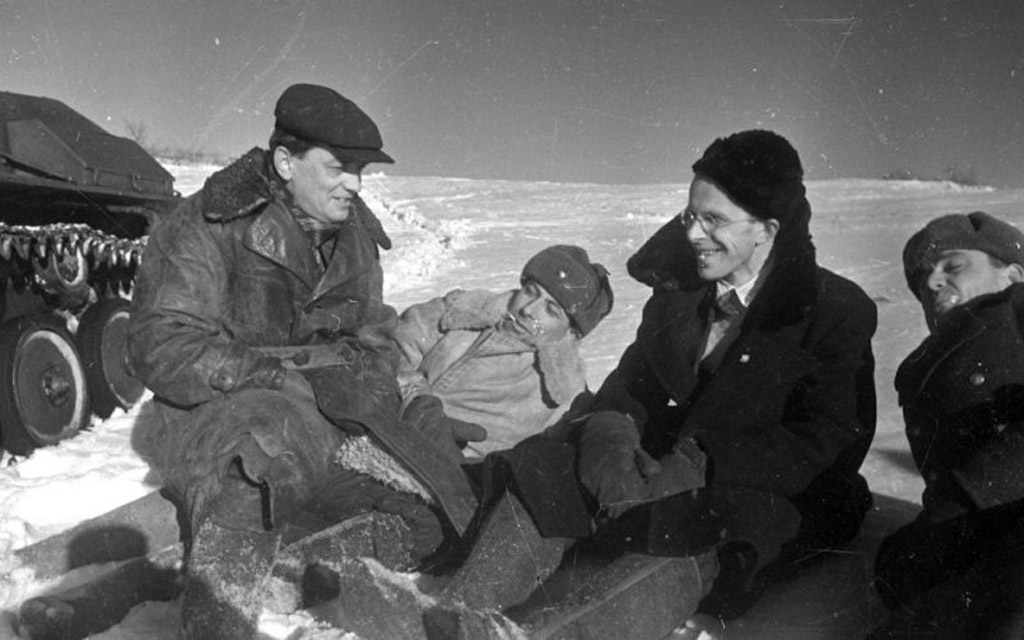
Astrov and A.A. Lipgart during T-60 trials, winter of 1941–42.
In the fall of 1941, Astrov found himself in Gorky; a temporary assignment to assist in setting up T-60 production turned into several years of work as deputy chief designer. Astrov headed up tank development at GAZ. His first major project in his new position was the creation of the T-70 light tank. It was intended to replace the T-50, which, incidentally, was the main reason Astrov had planned to leave Plant No. 37. It had been planned that the T-50 would be produced in Moscow, but it turned out to be unready even for production at Plant No. 174. Tanks were needed here and now. The facilities where the T-50 was produced could also manufacture the T-34. As for the T-60 and T-70, plants with more modest capabilities were able to take on their production. Moreover, they were produced in large quantities.
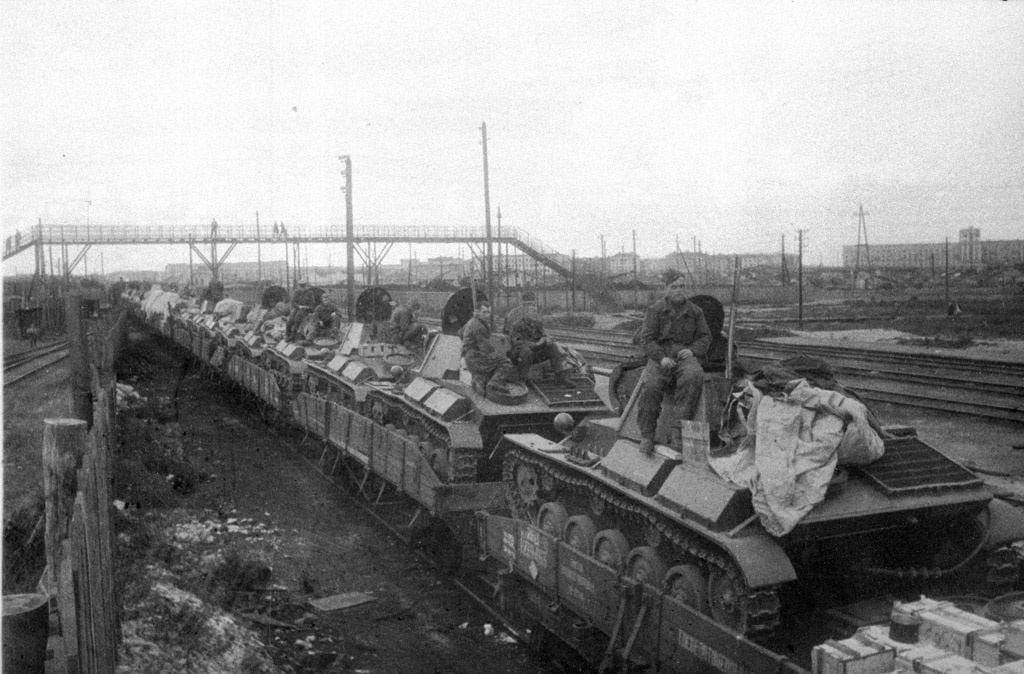
The T-70, like the T-60, was developed in response to the front’s need for tanks, of which large numbers were required
The T-70 was undoubtedly just as much of a makeshift substitute as the T-60. However, its chassis proved suitable for the production of tractor units and self-propelled artillery systems. Using T-70 components, the NATI-D tractor was developed and put into series production as the Ya-11, as well as the SU-12 self-propelled gun, which entered service as the SU-76. Astrov himself worked on other self-propelled guns—first the GAZ-71, and then the GAZ-74. These combat vehicles were outperformed by the SU-76. Also in 1943, the GAZ-75 (SU-85) prototype self-propelled gun was developed, featuring heavy frontal armor and an 85-mm gun. Weighing 14 metric tons, this combat vehicle outperformed the majority of its contemporaries in the self-propelled gun class.
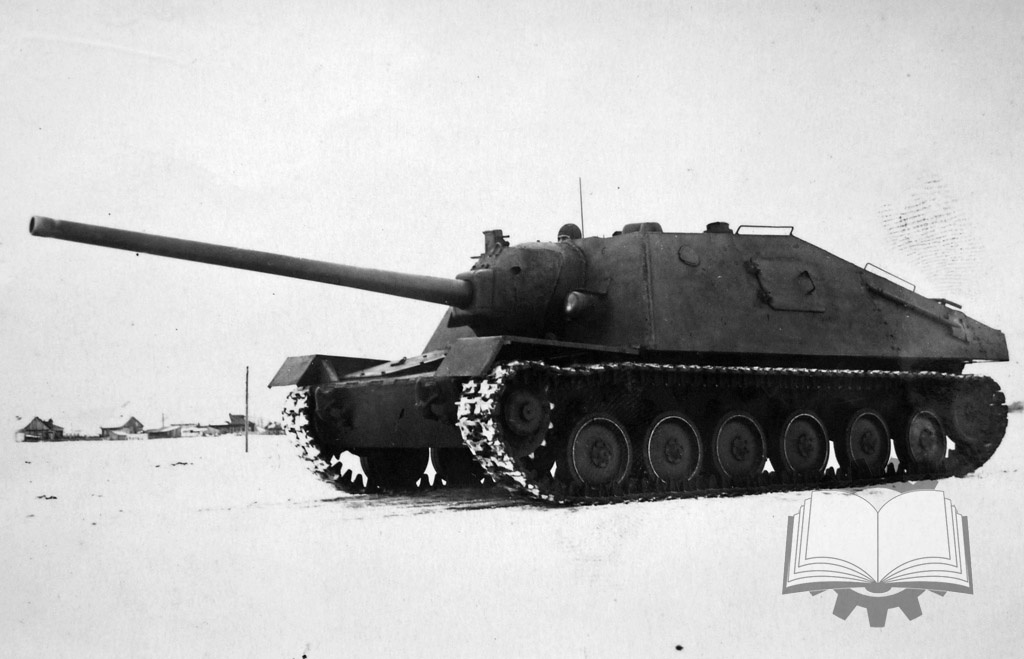
GAZ-75—Lipgart blocked his path
The problem was that the Molotov GAZ Plant was, first and foremost, an automobile factory. Tanks, and later the SU-76M self-propelled gun, took the place where passenger cars had previously been manufactured. The plant was unable to develop a program for new vehicles, including the promising GAZ-63/GAZ-51 trucks. For this reason, A.A. Lipgart, chief designer at the Molotov GAZ Plant, began “thwarting” Astrov’s fundamentally new designs starting in late 1943. Consequently, the only self-propelled gun to enter series production was the SU-76M (SU-15M). Astrov had no involvement in this project. GAZ became the leading manufacturer of these combat vehicles, which went on to become the most mass-produced self-propelled guns in history. However, this self-propelled gun did not undergo further development, due to production-related issues. Lipgart was strongly opposed to turning GAZ into a tank factory, and it is difficult to argue with him on this point.
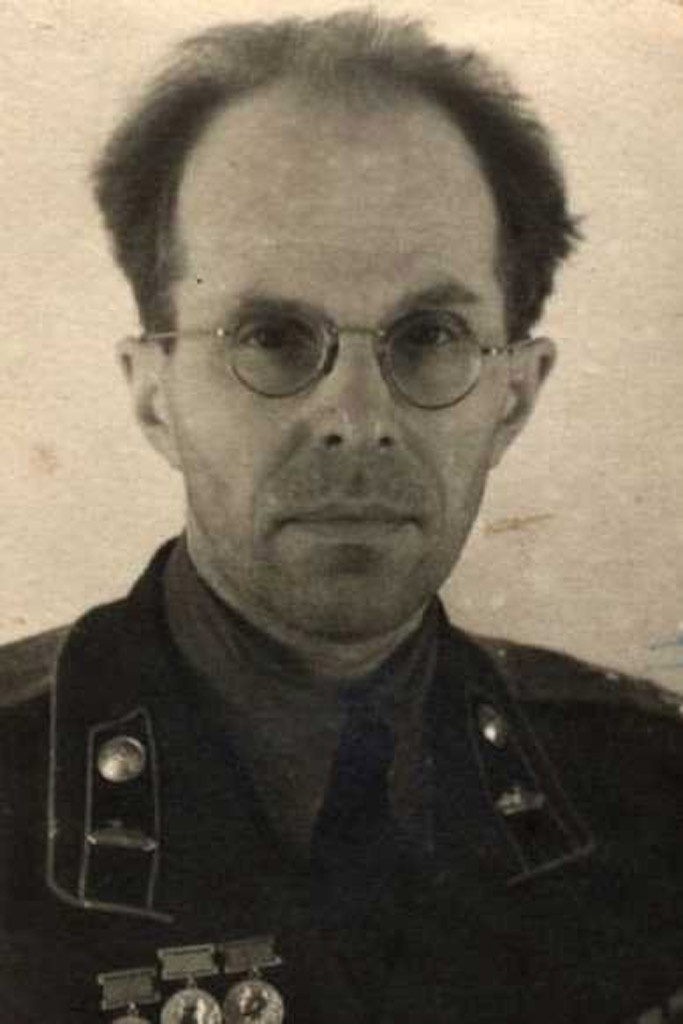
In the spring of 1945, Astrov enlisted in the military
In the spring of 1945, it became clear that victory was just around the corner. Avstrov began receiving strange assignments, such as designing a side-mounted device for planting trees. In March 1945, Avstrov enlisted in the military, receiving the rank of colonel engineer. By June 1945, he had left the Molotov GAZ and found himself at the revived KIM plant. But soon after, Nikolai Alexandrovich moved to Plant No. 40 (in Mytishchi), becoming its chief designer. This plant, like Plant No. 37, was heavily dependent on engine production, which, incidentally, also had its roots in the automotive industry. Nevertheless, it was in Mytishchi that Astrov’s talent as a designer truly came into its own. Nikolai Alexandrovich worked there for several decades.
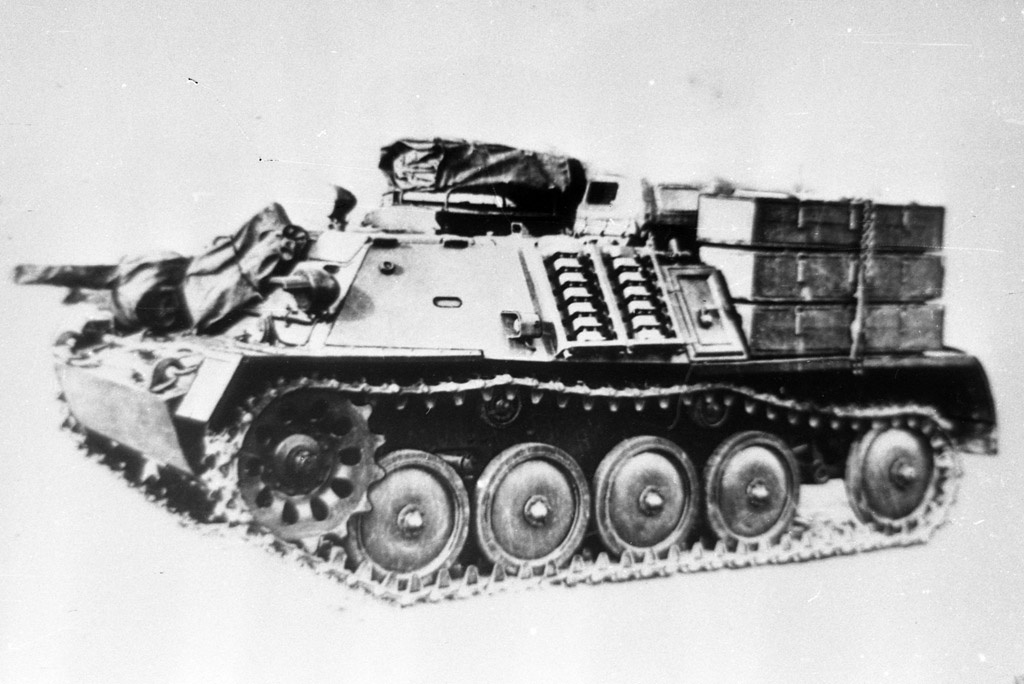
AT-P, the successor to “Komsomolets”
Astrov’s first achievement in his new position was the development of the AT-P artillery tractor. From the “ugly duckling” ATP-1—which Plant No. 40 had been developing since 1944—he managed to create a more successful vehicle. The next success was the ASU-57, the first domestically produced mass-produced airborne self-propelled gun. Developing a self-propelled gun for the Airborne Forces was a true epic undertaking, and the fact that it was brought to fruition is a great credit to Astrov. The ASU-85 was originally designed for the Airborne Forces as well, but it later evolved into the SU-85. Ironically, the SU-85 subsequently entered service with the Airborne Forces, but the ASU-85 designation was never used again.
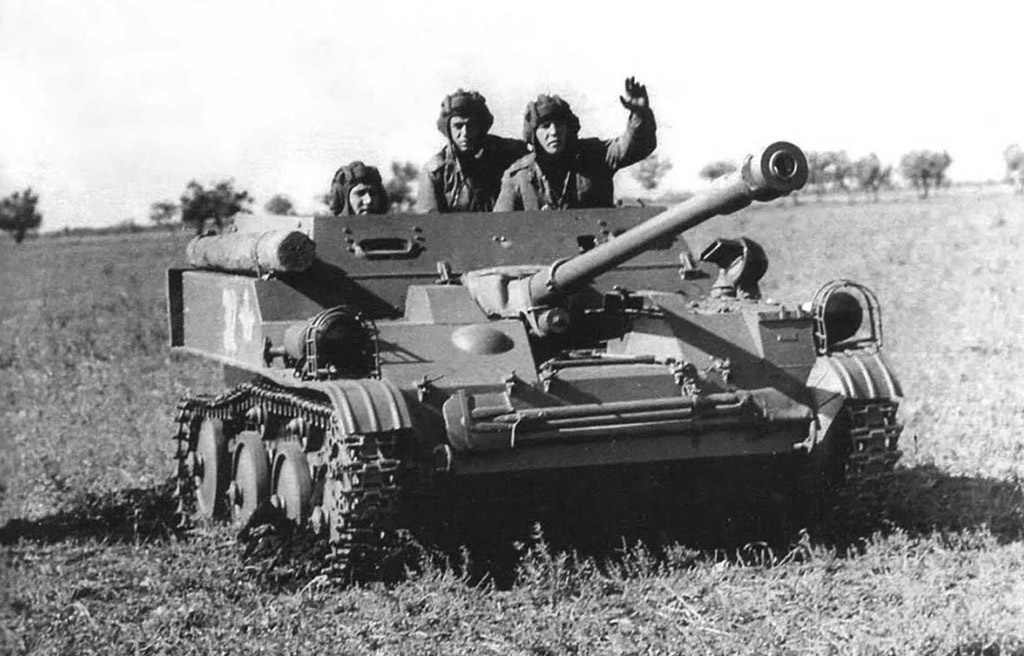
ASU-57, the first domestically produced mass-produced combat vehicle for the Airborne Forces
However, all these developments pale in comparison to one of the major achievements in Astrov’s career—the ZSU-23-4 “Shilka.” At Design Bureau No. 40 of the Moscow Machine-Building Plant (as Plant No. 40 came to be known in 1948), engineers developed the GM-575 tracked chassis, equipped with the more suitable V-6 engine. With the introduction of the “Shilka,” the Soviet Army finally obtained a reliable “umbrella” to protect mechanized columns. During service, it became clear that the “Shilka” also performed well when operating on the ground. As a result, a special version, the ZSU-23-4M2, was developed and used in Afghanistan. It is no coincidence that a “Shilka” is depicted on Astrov’s tombstone.
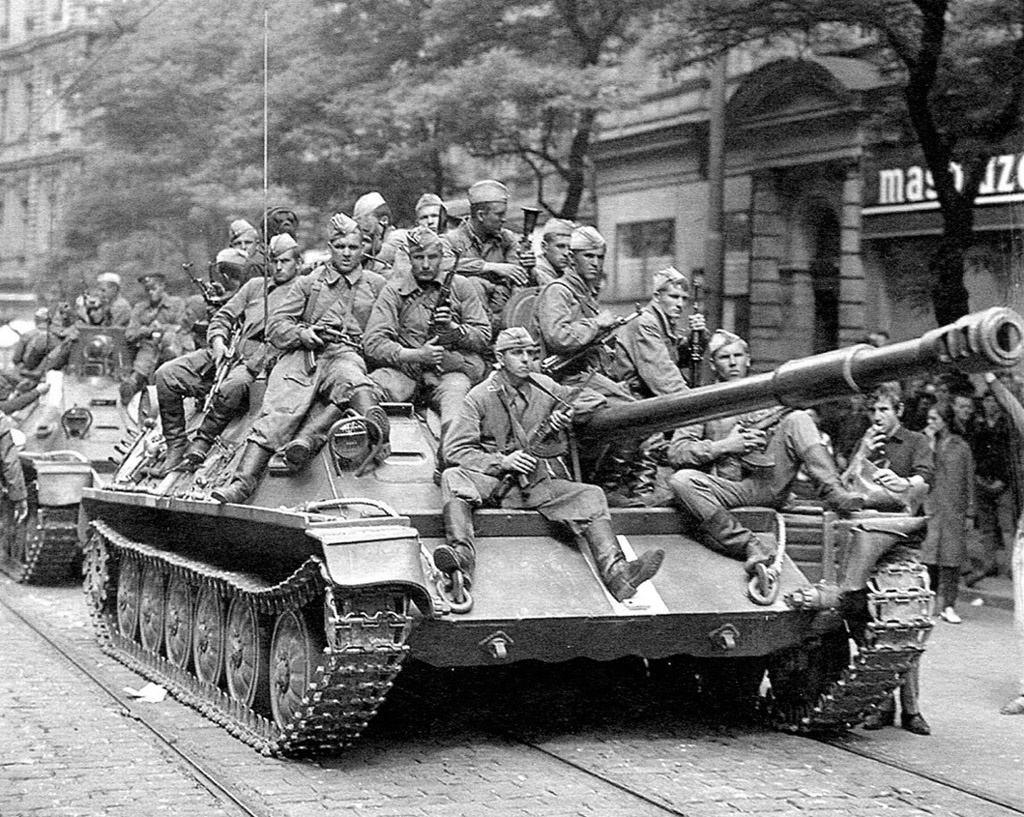
SU-85 in Prague, 1968
Subsequently, under Astrov’s leadership, the GM-569 tracked chassis was developed for the “Kub” and “Buk” air defense systems, and the GM-352 chassis for the “Tunguska” air defense missile-and-gun system. The GM-355 chassis for the “Tor” air defense missile system was also developed. In total, from 1935 to 1985, 26 types of combat vehicles were developed under the leadership of N.A. Astrov; these were first adopted by the Red Army and later by the Soviet Army.
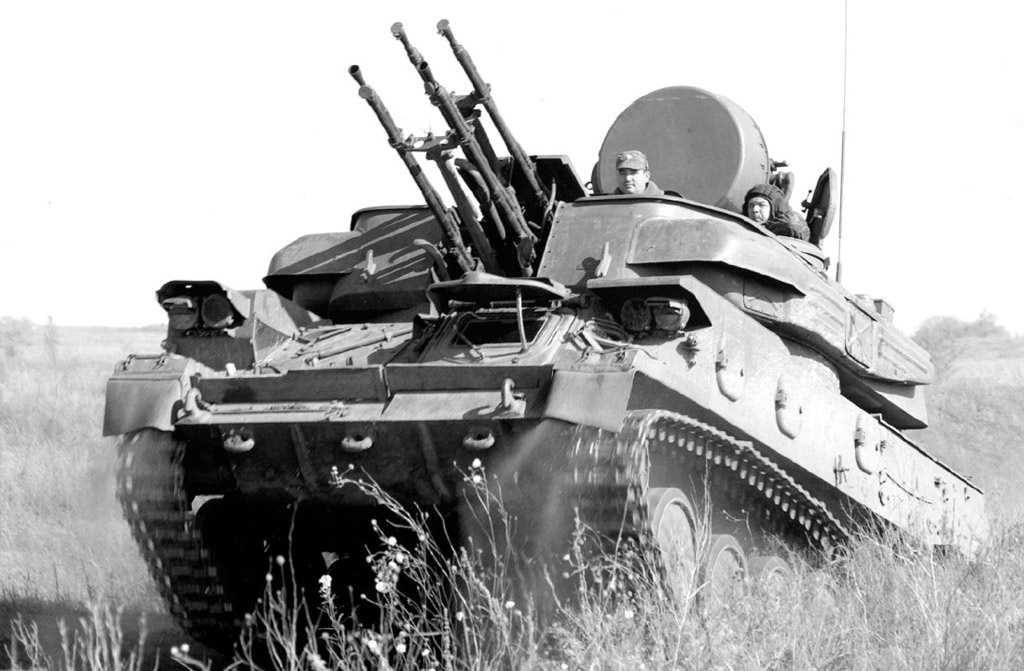
ZSU-23-4 “Shilka”
Nikolai Alexandrovich is one of the most prolific Soviet tank designers. He had to work under extremely difficult conditions. Not long ago, his memoirs were published, covering the period up to 1941. In them, Astrov provided a very detailed account of all the problems he faced at Plant No. 37. And it must be said that his memoirs align perfectly with what was happening at the time. It’s fair to say that his situation was far more difficult than that of those who designed heavier combat vehicles.
List of Sources:
-
-
- RGVA
- RGAE
- Central Archives of the Ministry of Defense of the Russian Federation
- Author’s Archive
- State Catalog
-