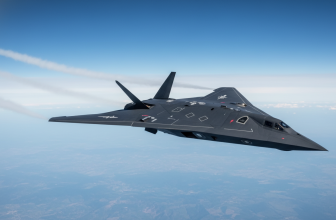
A Rare Mi-24 "Hind" Equipped with Radiation Detectors: The Story of an Unusual Ukrainian Modification

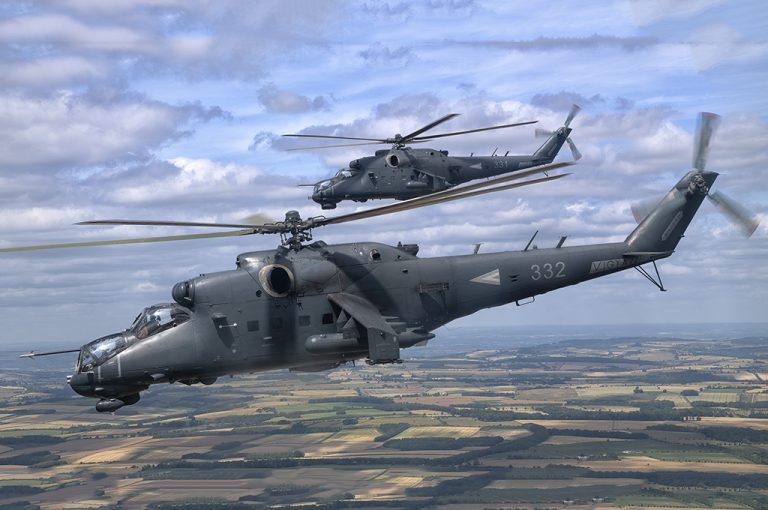
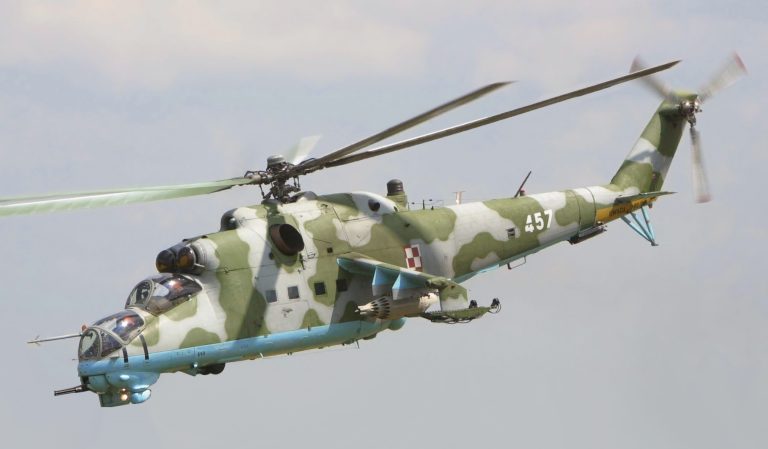
The Mi-24 helicopters—the legendary “Crocodile”—have long served as a symbol of Soviet and, later, Russian aviation. Conventionally, it is considered a combat attack helicopter, but there is an unusual episode in Ukrainian history when one of these helicopters was repurposed as a radiation monitoring tool. This refers to a rare variant equipped with specialized sensors and instruments for detecting radiation. This story shows that even traditional combat vehicles can be adapted for completely non-standard tasks.
Why Did Ukraine Need a “Radiation-Resistant” Mi-24?
Context is quite important here. Following the outbreak of numerous military operations within the country, Ukrainian experts faced the risk of damage to critical facilities, including nuclear power plants, nuclear material storage sites, and energy-related infrastructure. Damage to such facilities could lead to a radiation leak—a threat that requires not only ground-based monitoring but also aerial surveillance over large areas.
Under normal conditions, radiation is detected by stationary instruments or portable detectors operated by ground-based services. However, in a combat situation, ground-based monitoring can be difficult due to active hostilities, destroyed infrastructure, or risks to personnel. In such cases, aviation provides the solution—it can cover large areas, respond quickly to alerts, and provide real-time data.
That is exactly how the idea arose to equip at least one of the Mi-24 helicopters with a system for collecting radiation data in flight.
How the Radiation Detection System Works
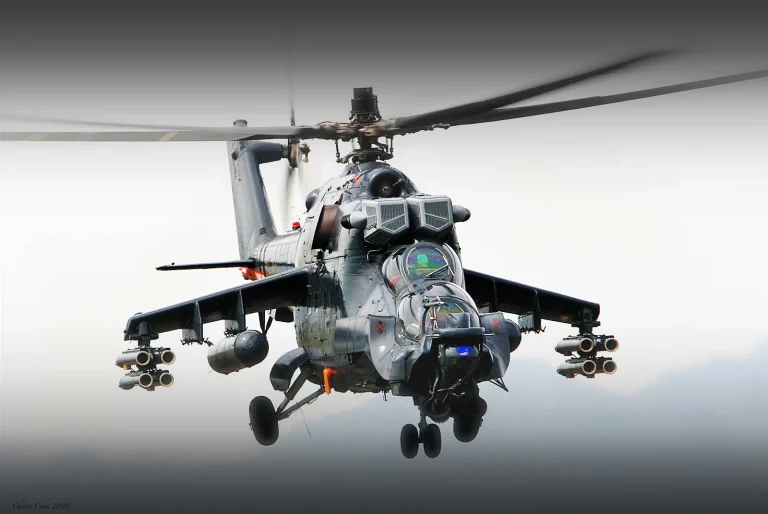
This variant is based on the standard Mi-24 design but has been equipped with a suite of specialized sensors and instruments designed to measure radiation levels in the atmosphere and on the ground. It is neither a weapon nor an aviation targeting system—it is specifically a means of surveillance and situational assessment.
The main components of the system include:
- gamma-ray spectrometers and detectors, which make it possible to measure gamma-ray levels;
- particle and alpha/beta radiation analyzers;
- an aviation data processing unit integrated with the helicopter’s navigation system;
- the ability to transmit data to the ground in real time to support decision-making.
This configuration makes it possible to detect areas of elevated radiation levels, identify potentially hazardous areas, and monitor changes over large areas.
Why did you choose the Mi-24 in particular?
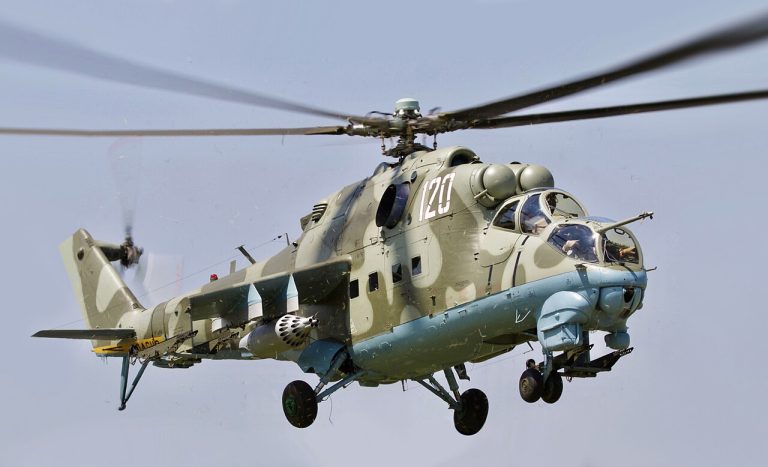
At first glance, the choice seems strange: the Mi-24 is not a specialized reconnaissance platform, but a combat helicopter with powerful weaponry. However, this aircraft has a number of advantages that made it suitable for the experiment:
1. High durability and load capacity
The Mi-24 is capable of taking off with a heavy payload, which is important for installing additional equipment.
2. Ability to perform tasks in challenging situations
This helicopter has proven itself in combat and under challenging weather conditions—which is critical for any aviation missions in areas of active combat.
3. Easy integration with the existing fleet
Ukraine had already been operating several Mi-24s, which made it possible to adapt one of them for a new role without having to learn how to operate an entirely different platform.
When and where were the Mi-24s equipped with radiation detection systems used?

The exact timeline of the deployment of such helicopters remains part of classified reports from military agencies, but it is known that they patrolled areas at high risk of radiation leaks, especially in regions where energy or infrastructure facilities—potentially associated with nuclear materials—had previously been damaged.
The flight routes generally passed over villages and towns where anomalies might have been detected, as well as over areas where ground-based monitoring is difficult due to hostilities or destroyed infrastructure.
What Are the Practical Benefits of Such Flights?
The main goal of this type of aerial reconnaissance is to detect and document potentially dangerous areas before people are harmed. In normal peacetime, ground-based sensor networks, mobile laboratories, and even satellite systems are used for such tasks, but in wartime, these are not always effective.
A helicopter equipped with radiation detection equipment makes it possible to:
- quickly assess the situation over large areas;
- monitor changes in radiation levels until they reach a critical level;
- determine the possible paths of radioactive clouds;
- provide data to emergency services and civil defense agencies.
In other words, it is an aviation “early warning system” that can alert us to problems before they turn into a disaster.
Why Is This Important Right Now?

Modern conflicts are increasingly affecting areas containing critical infrastructure, including nuclear power plants, fuel storage facilities, and industrial zones with toxic materials. Damage to such facilities can lead to radiation releases over large areas, requiring an immediate response.
Aviation radiation monitoring is becoming part of a comprehensive safety system that includes ground-based services, satellites, and public emergency response services. It helps integrate information into a unified picture and make decisions regarding the need for evacuation, the closure of areas, or the provision of medical care.
What Can We Learn from This Experience?
The story of a rare Mi-24 helicopter equipped with radiation sensors illustrates how the military can adapt existing platforms for entirely new missions. War, unfortunately, accelerates the implementation of practical solutions that, in peacetime, might take decades to emerge.
This approach is important not only from a defense perspective, but also in the area of civil security, where the rapid detection of hazards can save lives.
Conclusion
This rare variant of the Mi-24 helicopter, equipped for radiation monitoring, is an example of engineering and tactical flexibility. The use of a combat aircraft for safety monitoring tasks reflects the reality that modern aviation must be multifunctional. Such a helicopter does not replace specialized satellites or ground-based laboratories, but it plays an important role in complex, dynamic, and dangerous situations.
based on https://www.twz.com/air/the-story-of-ukraines-rare-mi-24-hind-radiation-detection-helicopters