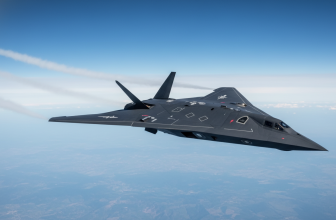
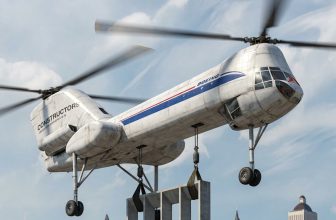
A unique tiltrotor has been patented in Russia. What makes it unique, and when will it take to the skies?

I’ll say right off the bat that I don’t know the answer to the second part of the title. But since a patent was granted, there must be some element of uniqueness to it. I hope my more knowledgeable colleagues can help shed some light on this. But let’s get to the point.
Russian engineer Sergey Cheranyov has been granted a patent for a concept of a vertical takeoff and landing (VTOL) passenger aircraft designed to carry 30–40 passengers. According to the database of the Federal Service for Intellectual Property (FIPS), the new design is intended to combine the high speed of an airplane with the flexibility of a helicopter—the ability to take off and land on unprepared surfaces.
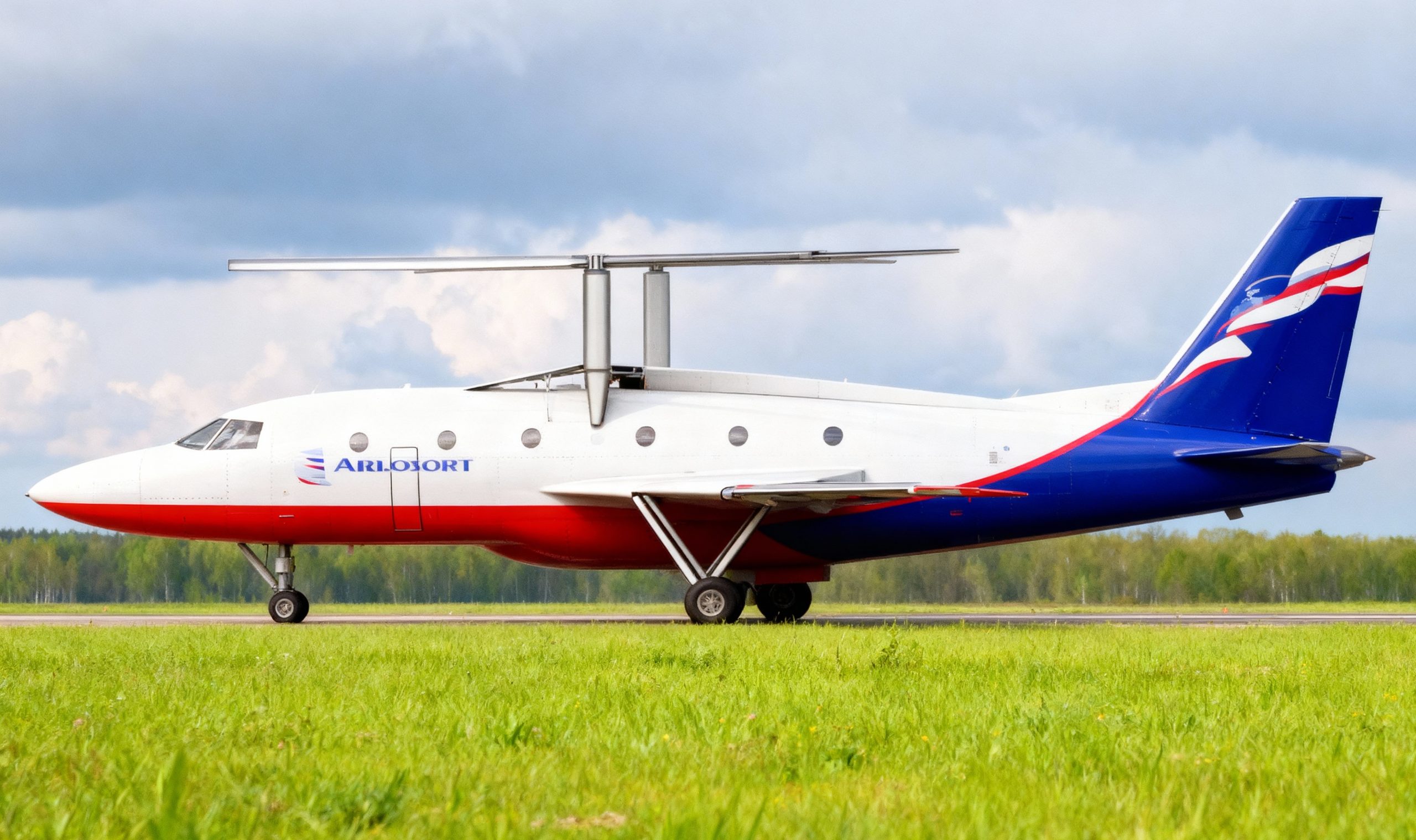
The AI-generated
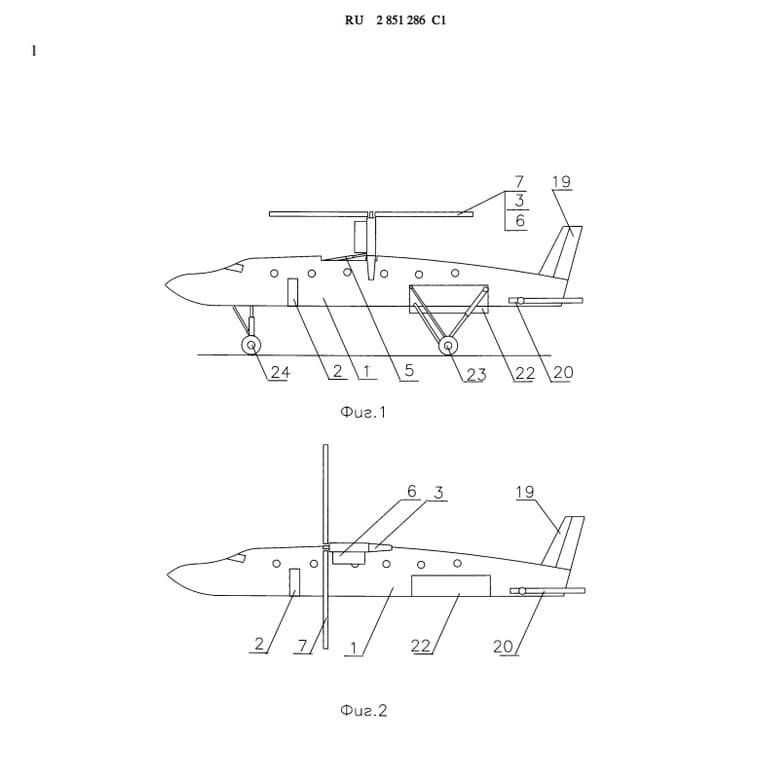
image isn’t great. But it is what it is. It can’t interpret the available drawing any better than this.
Design: swiveling wings and a hybrid power plant
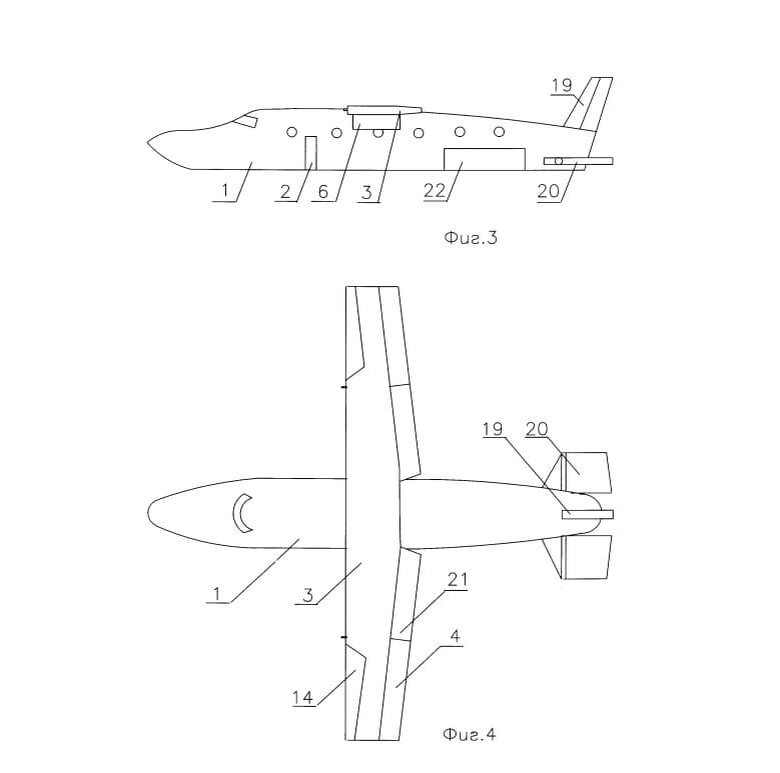
The aircraft is designed with an elliptical fuselage cross-section, which increases the usable internal space, and is equipped with a high-mounted wing. Its main feature is its tilt-wing configuration: the wings are hinged to the fuselage and can be tilted from a horizontal to a vertical position using hydraulic cylinders. This is what enables the aircraft to perform vertical takeoffs and landings.
The underwing pylons are equipped with dual-circuit turbojet engines, which operate as turboprop engines during takeoff and landing, driving large-diameter propellers.
During the transition to level flight, the propellers shut down, decelerate, and fold away, clamping tightly against the wing with the help of electromagnets. The aircraft switches to pure jet power, enabling a high cruising speed.
Advantages: safety, versatility, and environmental friendliness
This design solves one of the main problems with traditional jet-powered ground-to-air systems—the hot exhaust jet, which can damage the ground and cause fires. The new device emits a cold air jet, allowing it to be used even on dirt, forest, or snow-covered surfaces without posing a risk to the environment.
In addition, the aircraft is capable of hovering in place and performing forward, backward, and lateral maneuvers by controlling its ailerons—just like a helicopter.
Intended Use
According to Cheranyov, the project is primarily aimed at hard-to-reach regions of Siberia and the Far East, where there is no developed airport infrastructure. However, it may also be in demand by regional airlines, medical evacuation services, charter carriers, and for military purposes—for example, to transport small special-purpose teams.
As a reminder, the publication “First Technical” previously reported on the development in Russia of a kit for converting production aircraft into hybrid aircraft—another step toward expanding the capabilities of regional aviation.
Based on material from — https://dzen.ru/a/aWjLD7QyR0fEzFho