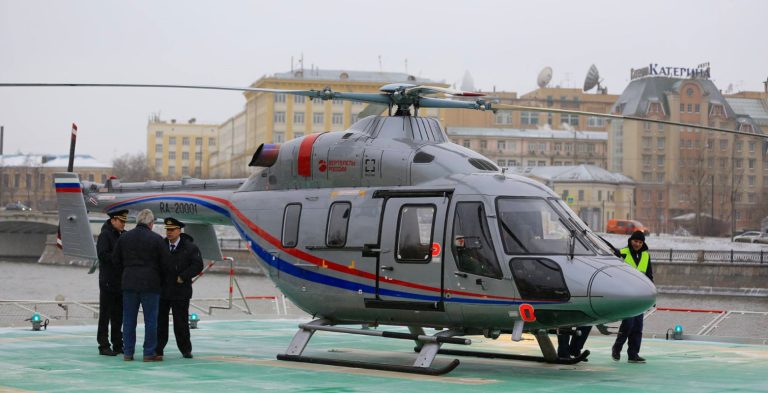
"Ansat" — the first 100% Russian next-generation helicopter: how Kazan created a completely domestically produced aircraft

The Russian aviation industry is currently facing what is perhaps its most difficult period since the 1990s. Sanctions, disruptions in supply chains, and the suspension of deliveries of engines, avionics, and electronic components have jeopardized a vast number of projects. The situation has hit civil aviation particularly hard, as it has relied heavily on foreign technology for decades.
That is precisely why the “Ansat” light helicopter is attracting so much attention today. At first glance, it seems like just another Russian civil helicopter. But in reality, it is something far more significant. The “Ansat” is gradually becoming one of the first modern Russian helicopters to be built entirely from domestic components—from the engine to the onboard electronics.
For the Russian aviation industry, this is not just another step toward import substitution. In fact, it is an attempt to rebuild a fully-fledged, independent school of civil helicopter engineering from the ground up.
Why a “100% Russian helicopter” is a huge problem
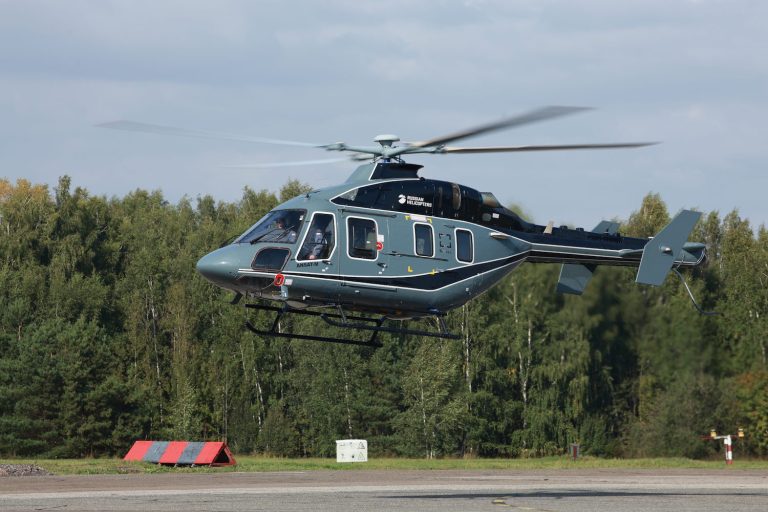
From the outside, a modern helicopter may look relatively simple. The main rotor, engine, cockpit, and tail boom—all of these have been familiar since the mid-20th century. But inside, a modern helicopter is an extremely complex array of technologies.
The main problem lies not in the airframe itself, but in the mission-critical systems:
— turbofan engines;
— avionics;
— control systems;
— electronics;
— navigation systems;
— digital monitoring systems.
It is precisely these components that are traditionally controlled by a very limited number of manufacturers in the global aviation industry. Developing an in-house aircraft engine is generally considered one of the most challenging engineering tasks in the industry.
Therefore, the complete localization of the helicopter is not a marketing formality, but a huge technological challenge.
How “Ansat” Came to Be
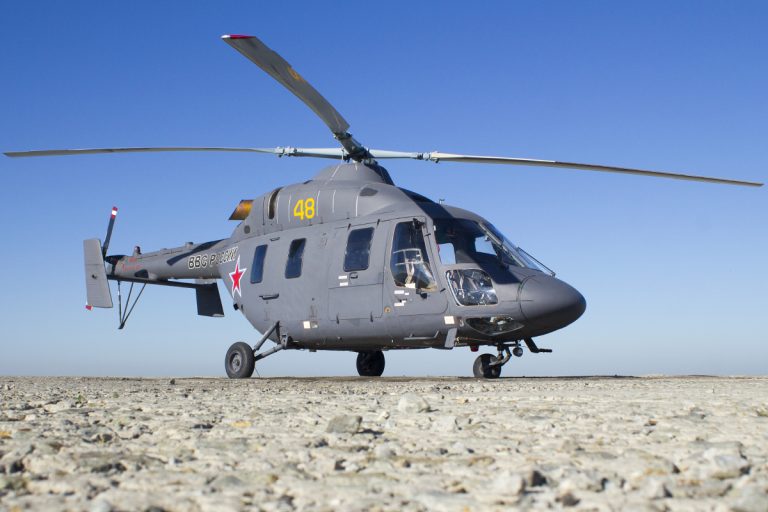
Development of the “Ansat” began back in the 1990s at the Kazan Helicopter Plant.
The name itself translates from Tatar as “light” or “simple,” which accurately reflected the helicopter’s design concept. The engineers wanted to create a modern, lightweight, multipurpose helicopter capable of replacing aging Soviet platforms while also competing with Western counterparts.
The vehicle made its first flight in 1999.
Moreover, the project was extremely ambitious from the outset. For its time, the “Ansat” featured a system that was unusual for Russian helicopters: an electronic remote-control system. Essentially, the pilot controlled the aircraft via electronic systems rather than directly through mechanical controls.
For the Russian helicopter industry in the late 1990s, this seemed almost revolutionary.
Later, some of these decisions were revised to simplify the certification process, but this fact alone shows just how forward-thinking the project was.
An SUV with great ground clearance for a vast country
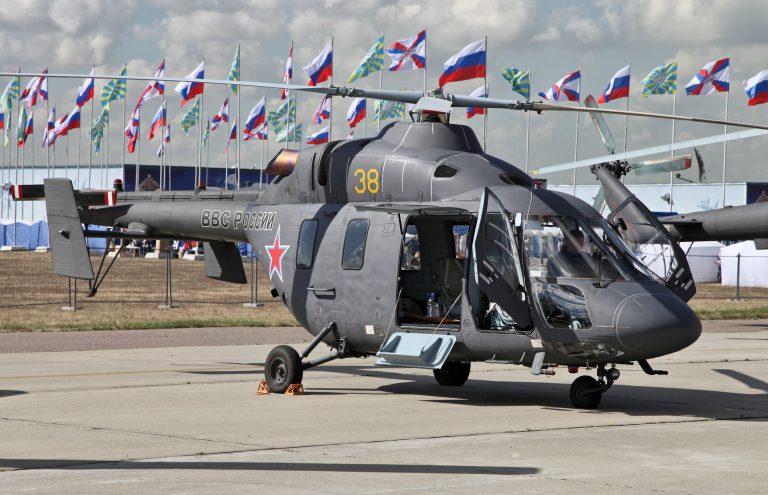
The “Ansat” belongs to the class of light twin-engine helicopters.
The helicopter’s maximum speed is approximately 275 km/h, its range is about 500 kilometers, and its service ceiling is 3,500 meters. The helicopter can carry up to eight passengers or various types of cargo weighing up to one metric ton, depending on the configuration.
But the car’s main feature is its versatility.
The helicopter’s design allows for quick reconfiguration of the cabin to suit various missions. In fact, the same platform can be used as:
— a passenger helicopter;
— an air ambulance;
— a training helicopter;
— a search-and-rescue helicopter;
— a police or patrol helicopter.
That is precisely why the “Ansat” is used particularly extensively in regions with challenging transportation infrastructure—from Siberia to the Caucasus and the Far North.
In a vast country like this, light helicopters often serve as a kind of “air SUV,” capable of quickly transporting people, doctors, or cargo to places where there may simply be no roads.
Flying Intensive Care Unit
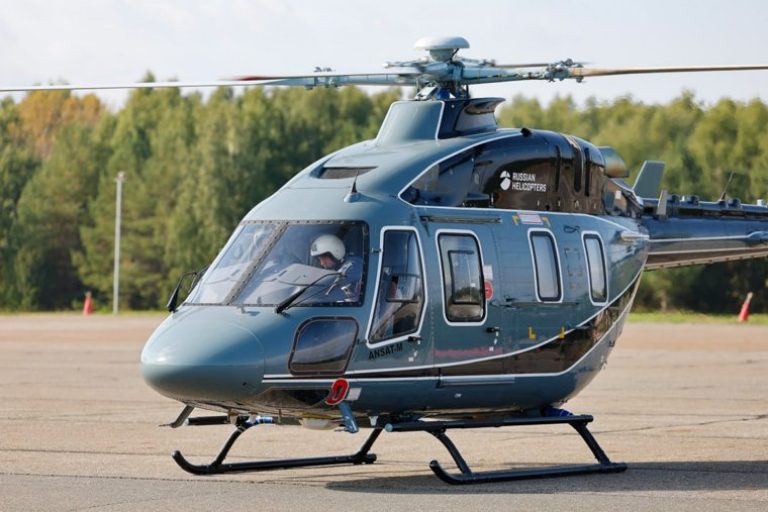
One of Ansat’s most important roles has unexpectedly turned out to be medical evacuation.
In Russia, a huge number of communities are located too far from major medical centers. Sometimes every hour counts, and the only way to get a patient to the hospital is by air.
That is precisely why the medical versions of the “Ansat” have become so widespread.
The aircraft is equipped with a full-fledged medical module, intensive care equipment, and life support systems. Essentially, the helicopter becomes a flying intensive care unit.
Having two engines is particularly important. For medical evacuation, this is a critically important safety feature. Even if one engine fails, the helicopter is capable of continuing the flight.
Since 2018, the “Ansats” have been actively used by the National Air Ambulance Service, and during that time, tens of thousands of patients have been evacuated using them.
Why Is the VK-650V Engine So Important?
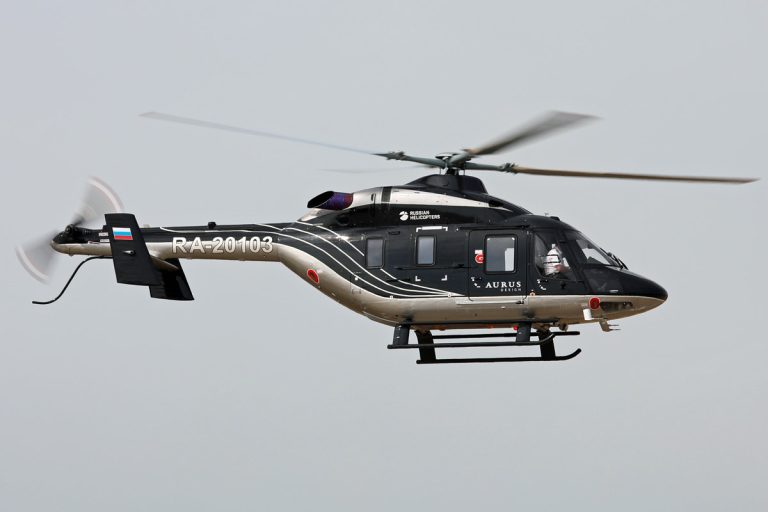
A key milestone in the history of the modern “Ansata” was the switch to the Russian VK-650V engine.
Previously, the helicopter used Pratt & Whitney Canada PW207K engines. After the sanctions were imposed, the question of replacing them became, in effect, a matter of the project’s survival.
That is precisely why the VK-650V is now regarded as one of the most important new-generation Russian aircraft engines.
Developing a turbo-shaft engine is an extremely complex task. These powerplants operate under extreme temperatures and loads, and aviation reliability requirements remain among the most stringent in the world.
In addition, import substitution has also affected avionics. Modern “Ansats” are equipped with Russian avionics, navigation systems, and control systems.
In fact, a fully domestic platform is currently being developed that is not critically dependent on foreign suppliers.
Could the “Ansat” Become a Symbol of Russia’s New Aviation Era?
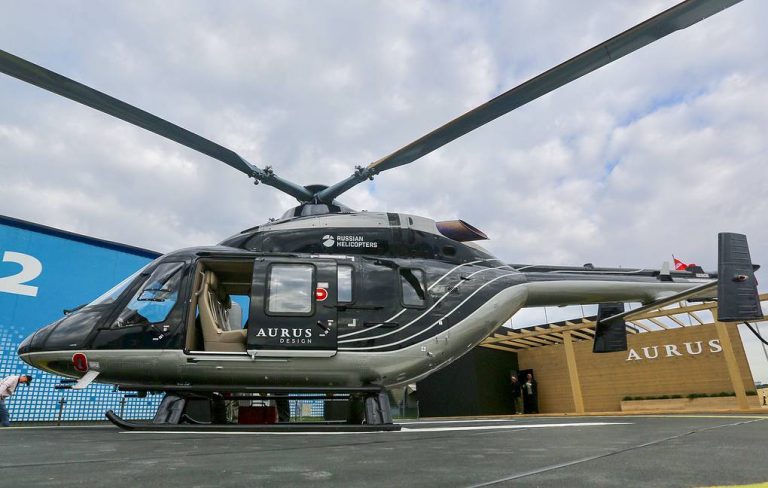
The most interesting thing about the “Ansata” story is that it is one of the few Russian civil aviation projects that looks truly modern.
The helicopter does not give the impression of being a major modernization of the Soviet legacy. It is, in fact, an attempt to create a modern, lightweight helicopter for the 21st century.
And if the VK-650V program proves successful, the “Ansat” could become an extremely important aircraft for Russian regional aviation.
Because for Russia, helicopters are neither a luxury nor a niche technology. For a vast country with enormous distances, they remain part of the basic transportation infrastructure—almost as important as railroads or regional aviation.