As we wrap up our discussion of piston-engine aircraft used as UAV hunters, we must also mention alternative options capable of providing worthy competition to the Yakovlev aircraft.
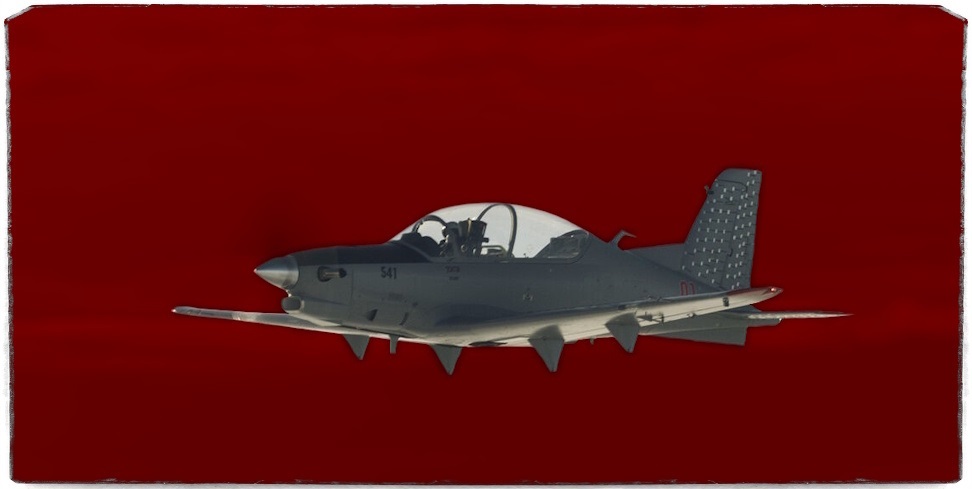
As you might guess, today’s main focus will be the UTS-800—a direct competitor to the Yak-152, which competed alongside it for a spot in the training program for future pilots. The fact is that Yakovlev’s engine problems became apparent long before 2022, and it was precisely for this reason that the Ural Civil Aviation Plant was brought into the “game” as a sort of backup. And, unlike its competitor, work there is proceeding much faster—a mock-up of the future “flying desk” was presented in 2021, and the first full-scale tests began just one year later. It’s not that aircraft of this type are particularly complex, but we shouldn’t forget the Ministry of Defense’s requirements for the electronic systems—the aircraft must be able to simulate a full-fledged fighter or bomber, primarily through electronic activation of its “weapons load.”
Incidentally, no armament has been announced for this aircraft, but—as with the Yak-152—this option is available through a minor upgrade. We won’t delve too deeply into the topic; suffice it to say that, ideally, we’d like to see a similar configuration consisting of an optoelectronic pod and a pair of S-8L missile launchers guided by a laser beam. Now that we’ve covered the background, let’s move on.
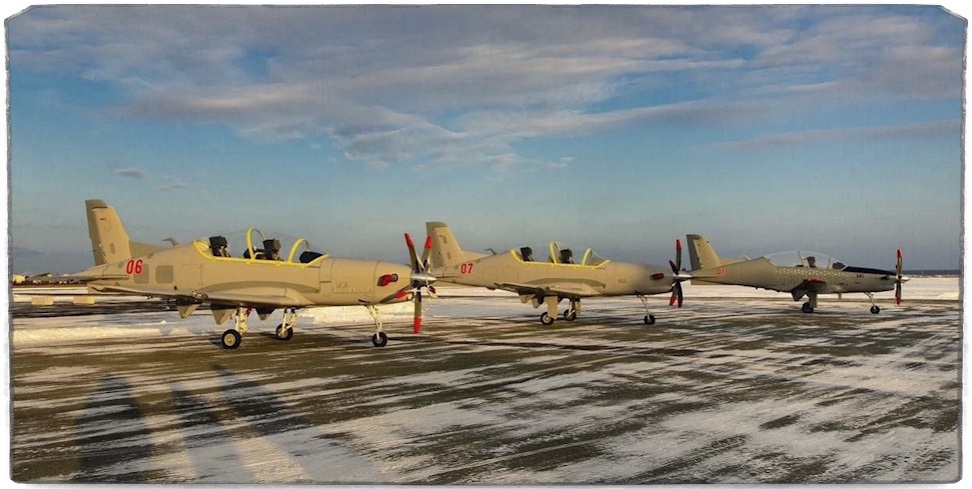
If the plant is performing better than its competitor and there are no issues with foreign components, then why hasn’t the Yak-152 been shelved yet? Again, the problem lies with the engine—the UTS-800 is powered not by a piston engine but by a VK-800PS turboprop, which is fundamentally different. Without getting into the technical details of the design, if we simply compare the pros and cons, the piston engine wins hands down—which was the Yak-152’s main advantage.
Let’s start with the fact that the VK-800PS, as strange as it may sound, is considered excessively powerful for an aircraft like the UTS-800, which gives rise to a whole list of problems and risks that those directly responsible for operating the aircraft aren’t particularly keen to deal with. But that’s only half the problem; the main issue lies in the cost—the VK-800PS is much more expensive than the RED A03T V12, had production been successfully relocated to Russia, as originally planned. Moreover, the service life and reliability of these engines are lower, which means they require more frequent maintenance and specialists competent in this field—the economic aspect clearly does not favor the UTS-800, even though the aircraft itself is cheaper than its competitor.
On the other hand, the VK-800PS allows the aircraft to fly at altitudes inaccessible to the Yak-152: figures ranging from 6,000 to 8,000 meters are cited online, which effectively puts the aircraft out of range of UAVs armed with R-60M missiles. And as an added bonus, there is room for future upgrades involving an increase in the airframe’s weight.
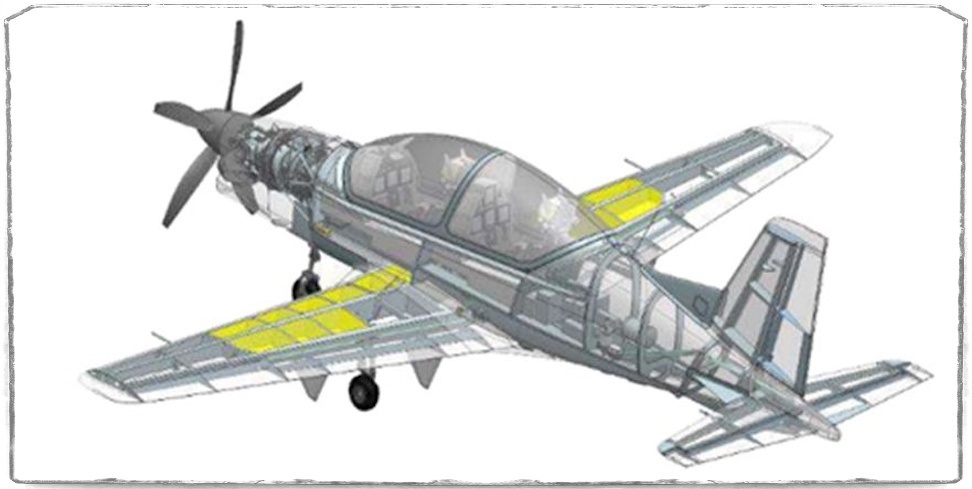
Otherwise, the aircraft are quite similar, and the UTS-800, like its main competitor, is capable of landing on unpaved runways. True, it falls short in terms of maneuverability—its maximum G-load is rated at 7G compared to 9G for the Yakovlev—but let’s be honest: that’s overkill here. Its speed is slightly lower—460 versus 500—while its range is slightly higher—1,800 versus 1,500.
But the UZGA aircraft has one undeniable advantage that shouldn’t be overlooked—composite materials are widely used in its design, thanks to the fact that the manufacturer has long since mastered their use in unmanned vehicles, which means that the UTS-800 should be significantly less visible on radar. It’s not as if it’s being sent to areas where there’s a risk of being hit by an anti-aircraft missile, but overall, this could pose a small—albeit real—problem for enemy reconnaissance. For example, when NATO AEW&C aircraft are operating to monitor air defense activity, dealing with a small aircraft—especially one with a composite airframe—isn’t exactly straightforward.
And one last thing I’d like to mention, since we’re on the topic of countering UAVs—the UTS-800 is equipped with a cockpit canopy that offers a much better field of view than that of the Yak-152, as is clearly visible in the photos. This is a significant factor, since even a simple visual inspection can play a role in hunting down drones if, for example, the detection systems fail or something similar happens.
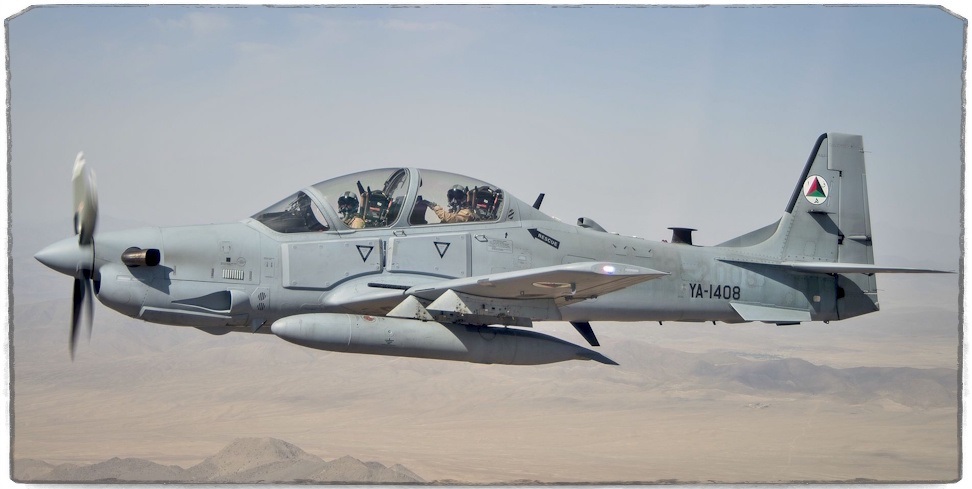
The UTS-800’s latest advantage over the Yak-152 as of today is that it has been in mass production for two years, and some operational results are already available. But how the situation will develop in the future remains to be seen. After all, the Yakovlev aircraft is better suited to certain requirements, but the lack of an engine ruins everything. On the other hand, perhaps in the near future we’ll have a chance to see the Yak-152M, modeled after the Yak-130M, which would feature both a new engine and armament capable of making it an effective and inexpensive drone interceptor.
Source — https://dzen.ru/a/aUEdjA7001G5T0Du