Convair RB-58 “Recce” Hustler — The Short but Fascinating History of the Reconnaissance “Hustler”

When people talk about the Convair B-58 Hustler, it is remembered first and foremost as the world’s first supersonic strategic bomber, capable of speeds exceeding Mach 2 and serving with the U.S. Air Force’s Strategic Air Command in the 1960s.
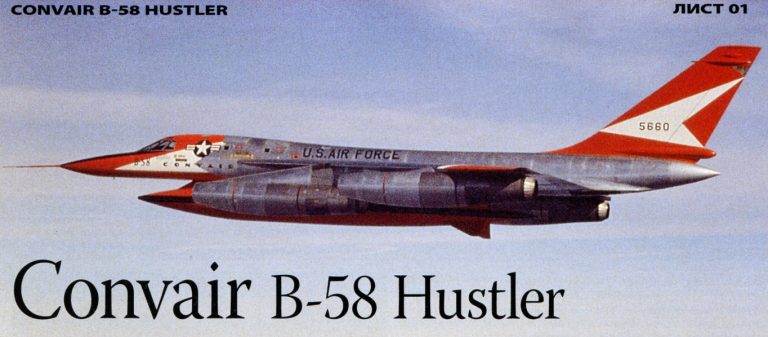
But few people know that this aircraft had another, not very well-known “role”—an attempt to use it for reconnaissance (recce). Such ideas emerged as early as the design phase and were developed in a number of programs, although they never progressed to full-fledged operational service.
Contents:
Why was Hustler even considered for the role of scout?
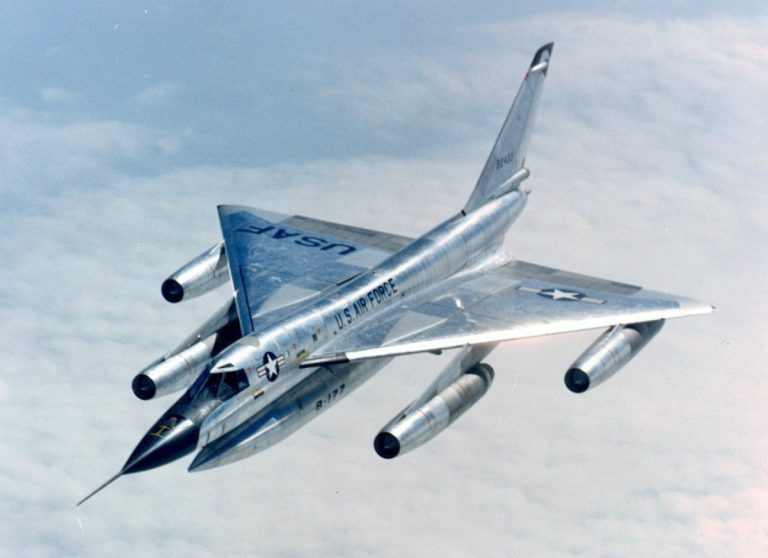
Its high cruising speed (up to Mach 2.2) and a service ceiling of over 19,000 m made the Hustler an attractive platform for reconnaissance flights deep behind enemy lines—it could be used not only as a nuclear-weapon carrier but also as a high-speed reconnaissance aircraft.
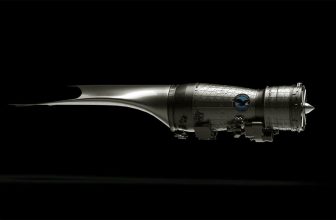
In addition, the Hustler had a unique “platform-body” design: it carried a large container module (mission pod) under its fuselage that could be adapted for various tasks—from additional fuel and weapons to sophisticated equipment.
Early Projects: SLAR Reconnaissance and Under the Large Antenna
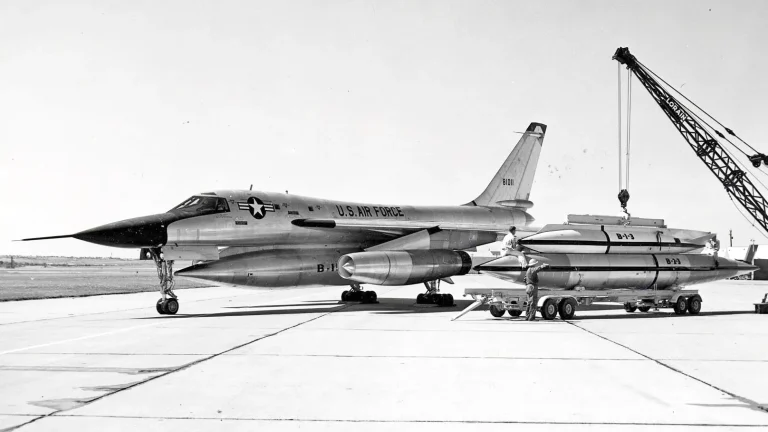
As early as April 1956, before the aircraft’s first flight, a proposal was made to install the AN/APQ-69 SLAR (side-looking airborne radar) reconnaissance system in a container. It used a massive antenna about 15 m long, which would scan the ground on either side of the aircraft and provide a detailed picture of the terrain.
In practice, however, the SLAR container proved to be too large and heavy: it took up virtually all of the usable space, leaving no room for either fuel or proper aerodynamics. As a result, speed and range were compromised, and the AN/APQ-69 project was canceled in 1958.
Quick Check и «Peeping Tom»
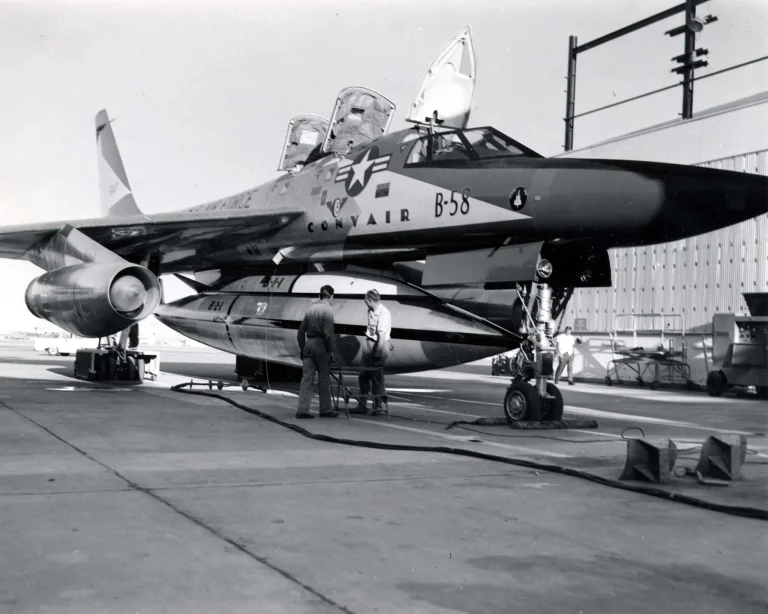
Nevertheless, work continued. In the late 1950s, a new initiative called Project Quick Check was launched, under which the YB-58A aircraft, serial number 55-0668, was converted into a test “reconnaissance” aircraft. It was designated RB-58A and nicknamed “Peeping Tom.”
This time, the container housed more compact, yet still high-tech equipment—the AN/APS-73 SAR (an X-band synthetic aperture radar system), which could scan the terrain in both directions at ranges of up to about 80 nautical miles (~150 km) and record images on film for subsequent analysis.
This system combined an intelligence radio with additional fuel, making the configuration more practical than the previous SLAR module.
The Cuban Missile Crisis — the only known mission
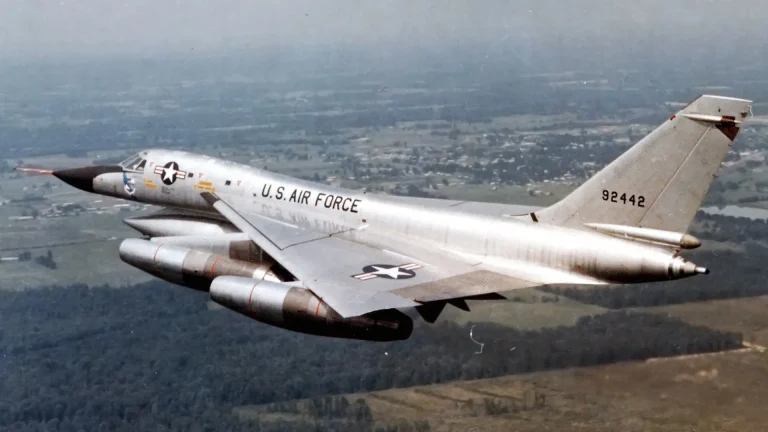
“Peeping Tom” was indeed used in an actual operation. On October 30, 1962, at the height of the Cuban Missile Crisis, an RB-58A flew along the northern coast of Cuba, mapping the locations of Soviet missile systems (such as the medium-range R-12 and R-14) and other military equipment from the air. This was a rare instance of the Hustler being used in a reconnaissance role during an actual international conflict.
Main Line and the Final Attempts
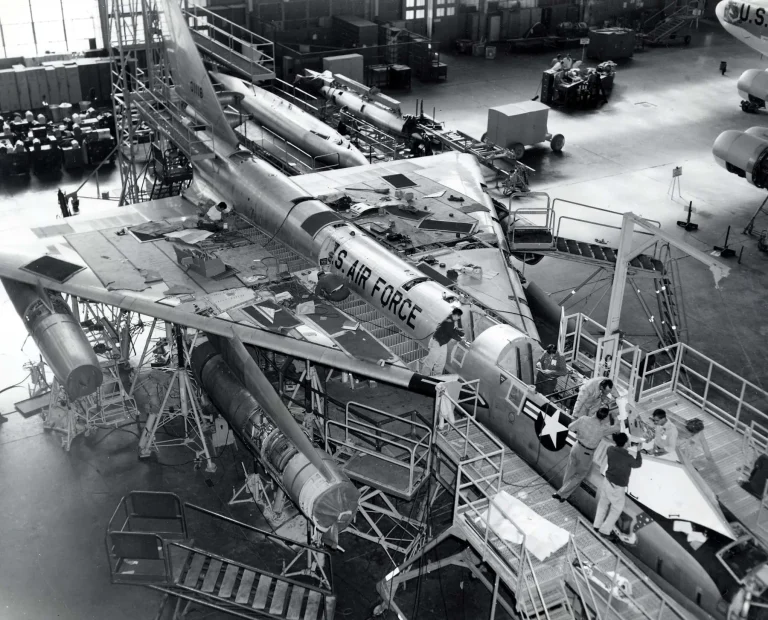
Later, under the name Project Main Line, dozens of standard MB-1C modules were adapted to carry KA-56 panoramic cameras—a more traditional means of photographic reconnaissance capable of taking images from low altitudes at speeds of approximately Mach 0.9. In total, about 45 aircraft were modified for this type of reconnaissance, although their primary operational role remained that of a conventional strategic bomber.
Why Did the Idea Fail?
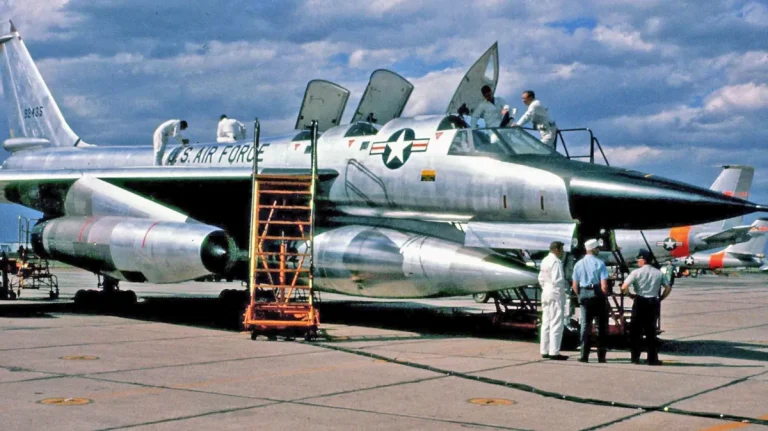
Despite the Hustler’s impressive specifications, it never quite became a full-fledged reconnaissance aircraft for a number of reasons:
-
The loss of speed and altitude when loading large containers made the aircraft vulnerable to air defense systems;
-
High operating costs and maintenance challenges were already a problem for the bomber;
-
By the 1960s, standard reconnaissance aircraft such as the RB-47 were cheaper, simpler, and already equipped with the necessary instruments;
-
The advent of intercontinental ballistic missiles diminished the strategic role of both bombers and long-range reconnaissance aircraft.
In the end, the “Recce Hustler” program remained a brief chapter in the history of one of the most spectacular aircraft of the Cold War. The B-58 itself was in service for only about a decade (1960–1970), after which it was decommissioned and its functions were transferred to more versatile platforms.
Conclusion
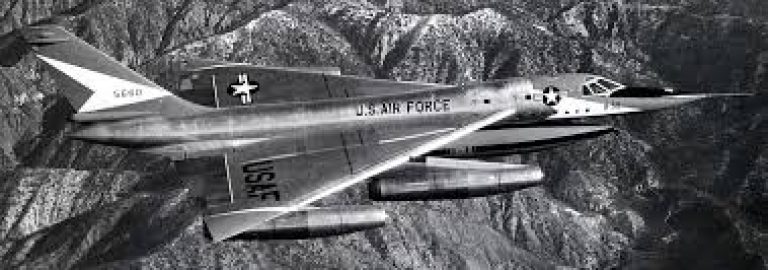
The history of the RB-58 “Recce” Hustler is the story of an intriguing attempt to adapt a supersonic bomber for reconnaissance missions, an effort that was confronted by the realities of aerodynamics, technology, and the strategic shifts of the era. Although these modifications never became widespread or long-lasting, they reflect a time when every new platform was put to the test to maximize its potential—even if that wasn’t its original purpose.
sourcehttps://www.twz.com/the-convair-rb-58-recce-hustlers-short-but-fascinating-career