Doomsday Planes: How U.S. Presidents Prepared to Lead the Country During a Nuclear Apocalypse

With the dawn of the nuclear age, the United States was faced with a frighteningly simple question: What would happen to the country’s governance if its traditional centers of power were wiped out in a matter of minutes? The bunkers beneath the White House and the Pentagon no longer seemed like a reliable solution. Thus was born the idea of moving the government… into the sky.
First Steps: Cold War Command Aircraft
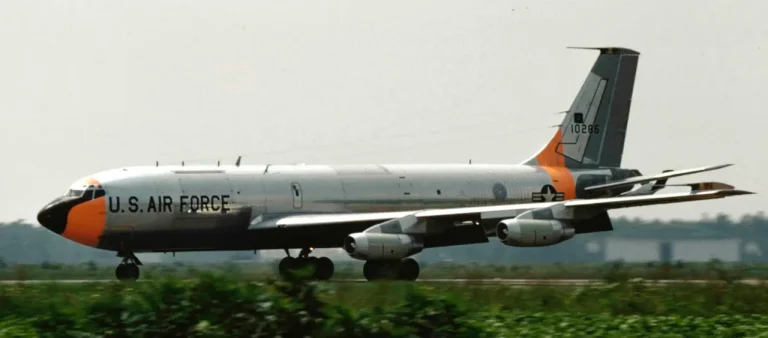
In the late 1950s and early 1960s, the U.S. military began experimenting with airborne command posts. These were based on KC-135 aircraft—refueling planes that had been modified for the task of commanding nuclear forces. They could remain airborne for extended periods, receive orders, and transmit commands even when ground infrastructure had been destroyed.
At the same time, the concept of a separate airborne command center for the president and his inner circle emerged. These aircraft were intended to ensure the survival of the top leadership and the continuity of government in the event of a global-scale disaster.
The President in the Sky: The First Real-Life Experience
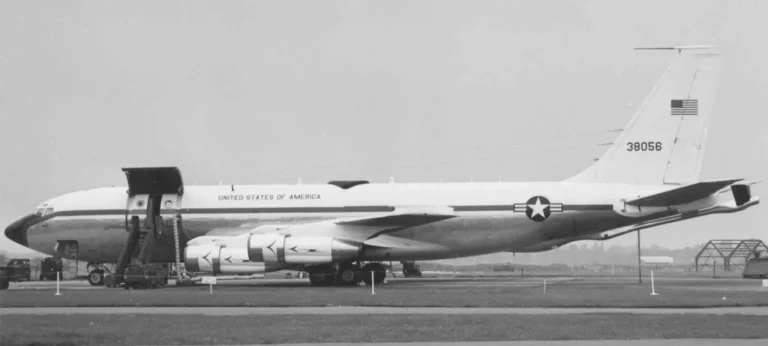
In the late 1960s, one of these aircraft was used for the first time to transport a sitting president. It was not a comfortable aircraft with carpets and armchairs, but a veritable flying command center: cramped quarters, few windows, and a vast array of communications equipment. The flight was more of a demonstration of capabilities, but it clearly showed that an airborne command center could indeed replace a ground-based center of power.
However, the idea of a “president fleeing to the skies” also drew criticism. Many believed that such a scenario would sever the country’s leader from the people at the most critical moment in history.
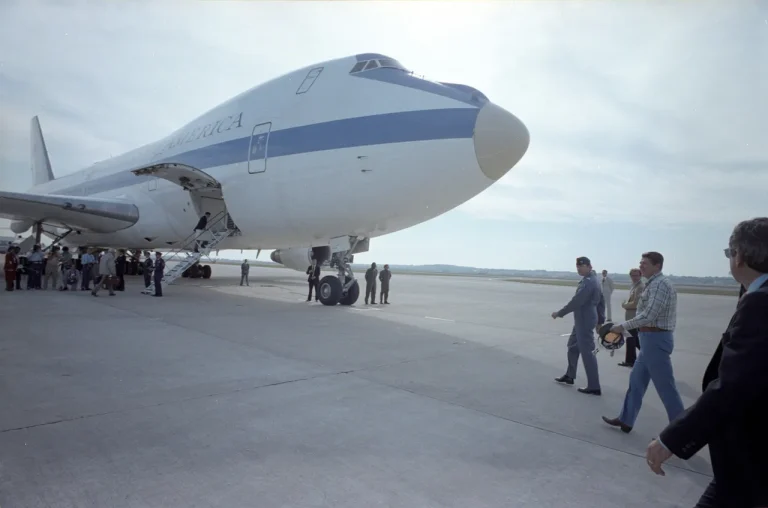
E-4: A massive command center based on a Boeing 747
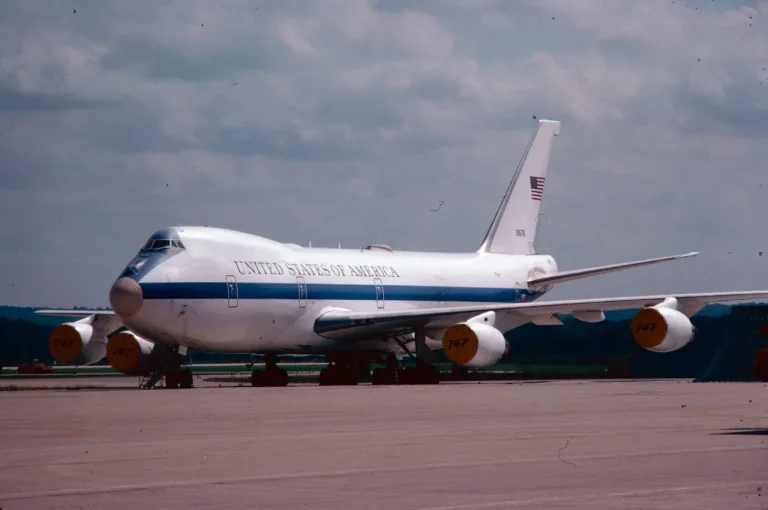
The E-4 aircraft, based on the wide-body Boeing 747, are the true embodiment of this concept. They are no longer merely a shelter, but a fully-fledged flying command center on a national scale.
The aircraft have been equipped with enhanced protection against electromagnetic pulses, highly sophisticated communication systems, an autonomous power supply, and the capability for extended flight durations. Dozens of specialists can operate on board, ensuring command and control of the armed forces and communication with any surviving institutions.
A total of four such aircraft were built—each of them is constantly maintained at a high level of readiness.
Usage and Philosophy of Application
Despite their ominous nickname, “Doomsday Planes” are rarely used for their intended purpose. For most presidents, they have served more as a safety net—a last resort in the event of scenarios that people prefer not to discuss openly.
Some heads of state were skeptical of them, believing that the president should remain on the ground, close to the nation. Others, on the contrary, viewed such vehicles as a key element of strategic deterrence: the very fact of their existence demonstrates that the system of government would survive even after a strike.
The Current Role and the Future
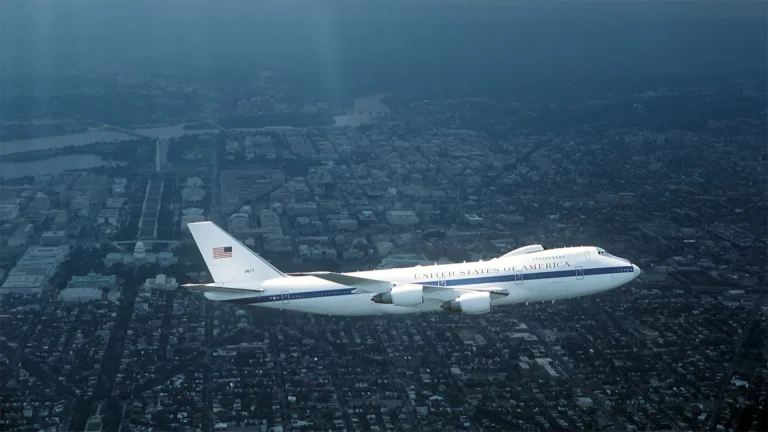
Over time, the roles of these aircraft have expanded. Today, they are viewed not only as a tool in the event of a nuclear war, but also as mobile command centers in the event of large-scale disasters, cyberattacks, or infrastructure failures.
At the same time, the platform’s age is taking its toll, and discussions are already underway in the U.S. to replace the E-4 with a new generation of airborne command centers that are better protected against modern threats.
Why Are They Still Needed?
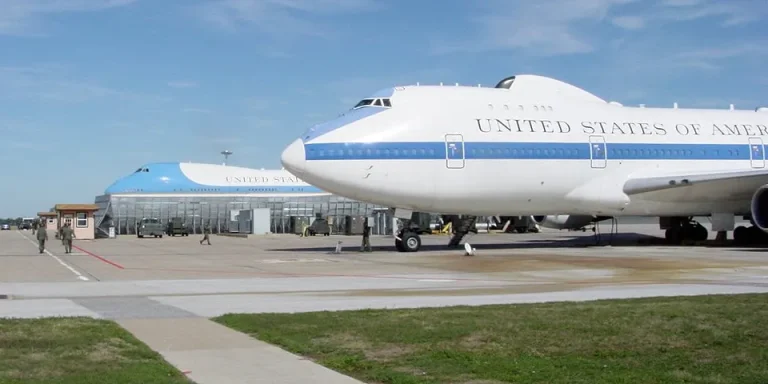
“Doomsday Planes” are not a symbol of paranoia, but a reflection of cold calculation. In a world where major conflicts can escalate rapidly and unpredictably, nations strive to preserve what matters most—the ability to make decisions.
And as long as such threats exist, aircraft will remain on standby in the skies, ready to serve as the nation’s last command center.
based on https://www.twz.com/40661/the-presidents-and-the-doomsday-planes