Exports of Chinese fighter jets are set to surge: a new era for Beijing's aircraft exports

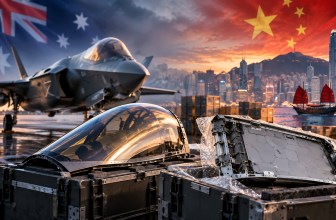
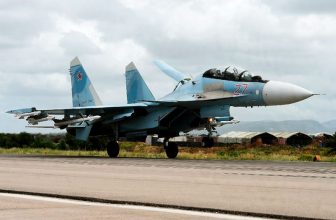
Chinese fighter jets are poised for significant growth in the global arms market. The country, which for decades has developed its own aviation industry primarily for domestic needs, is entering the international market with competitive fighter jets capable of posing a serious challenge to Western and Russian aircraft.
This shift not only reflects the growing technical capabilities of the Chinese aviation industry, but also a change in the balance of power in the supply of high-tech military equipment.
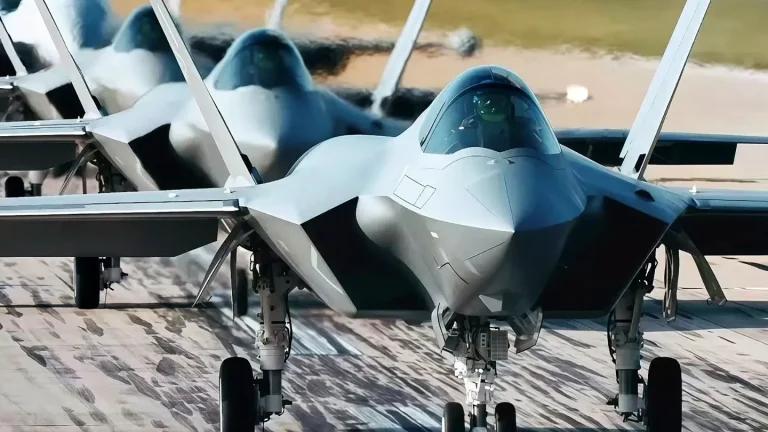
Why Chinese fighter jets have become in demand
In recent years, Beijing has invested enormous resources in modernizing its own combat aircraft, including models such as the J-10, J-16, and the advanced Chengdu J-20. These aircraft demonstrate steady progress in terms of avionics, armament, and flight performance, approaching Western standards and, in some respects, even surpassing them.
At the same time, China has actively invested in infrastructure, certification, and the adaptation of weapons to meet the requirements of foreign customers. As a result, potential buyers receive not only the aircraft but also a package that includes technical support, weapons integration, and training for pilots and engineers—all of which makes Chinese offers attractive to countries seeking an alternative to a limited pool of suppliers.
Which models could become export hits?
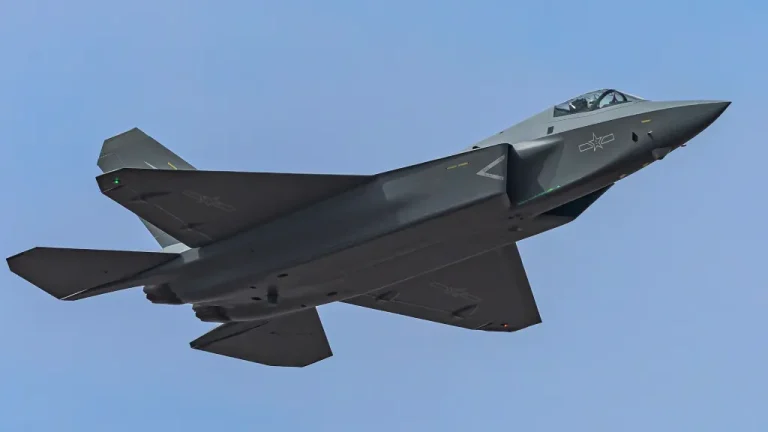
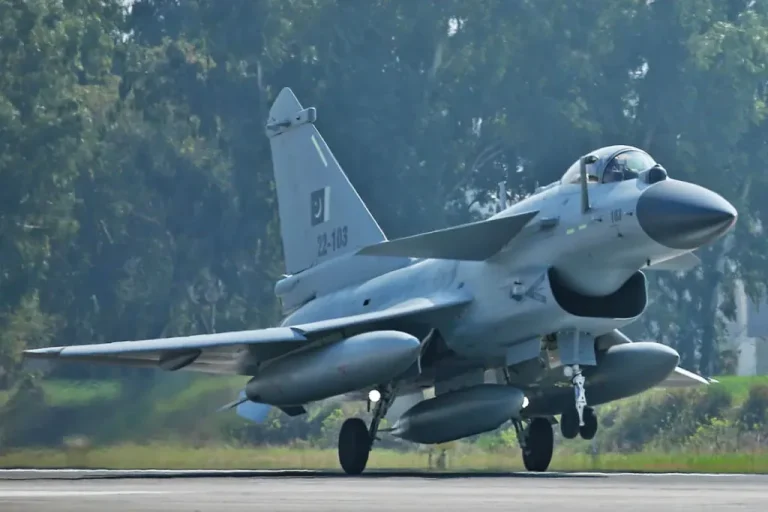
Several types of promising export platforms stand out:
- The J-10 is a versatile light fighter that has already undergone a series of production and combat tests. It combines modern capabilities with a relatively low price, making it an attractive option for countries with limited budgets.
- The J-16 is a larger and heavier aircraft with enhanced capabilities for engaging ground and air targets. This model can serve as the foundation for the formation of strike aviation forces.
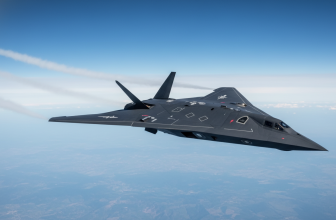
- The J-20 is a promising fifth-generation aircraft that offers a high level of stealth, advanced avionics, and networked combat capabilities. The J-20 is of interest to countries seeking to take a step toward a new level of aviation.
Modifications of these platforms tailored to specific customer needs—with the ability to integrate local weapons, sensors, and communications systems—may prove even more attractive for export.
To whom is China offering its aircraft?
The most likely buyers are considered to be countries that traditionally purchase Chinese military equipment or are seeking to diversify their sources of arms. These may include countries in Southeast Asia, the Middle East, Africa, and Latin America.
For many of these countries, Chinese fighter jets offer an attractive combination of:
- current level of tactical and technical skill;
- a lower price compared to Western equivalents;
- relatively short delivery times;
- the ability to perform on-site maintenance.
In addition to direct sales, Beijing is also actively promoting joint programs, training centers, and training for flight and engineering personnel, which strengthens long-term relationships with its partners.
Regional and Geopolitical Implications
The growth in exports of Chinese fighter jets has the potential to alter the nature of regional power balances. In regions traditionally dominated by Western or Russian aircraft, the emergence of Chinese aircraft creates new options for purchasing nations. This could influence local defense strategies, the redistribution of roles in interactions with international blocs, and the integration of new tactical capabilities into national doctrines.
For example, countries that previously depended on supplies from one or two producer countries now have a choice, which enhances their strategic autonomy.
Problems and Challenges in Exporting
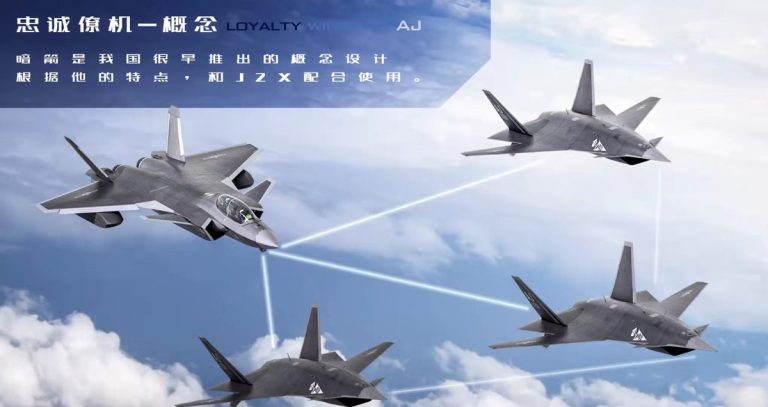
Despite its growing potential, China faces a number of barriers:
- certification and standardization issues, particularly in countries with strict safety and compatibility requirements;
- the impact of political factors that may restrict or encourage transactions;
- competition with established suppliers, such as the United States, Russia, and European countries, which are actively operating in the same markets.
Nevertheless, China is actively working to reduce these barriers by offering flexible contract terms, mutually beneficial financing arrangements, and joint modernization programs.
What does this mean for the future of global aviation?
The growth in exports of Chinese fighter jets is not merely a commercial success for China’s aviation industry, but also an indicator of a shift in the global balance of power in the arms sector. It reflects Beijing’s steady progress toward competing with the world’s largest suppliers of high-tech weapons.
This also means that in the coming decades, we may see not just isolated cases of Chinese fighter jets being purchased, but entire fighter fleets becoming part of the air forces of new partner nations.