France Entered World War I With Guns From 1877 — and Ended It With a Weapon Half a Century Ahead of Its Time: Why the 155mm GPF Survived Two World Wars

In August 1914, French artillery found itself in a rather strange position. At one end of its arsenal stood the famous Canon de 75 modèle 1897 — an exceptionally advanced rapid-firing field gun for its time and one of the symbols of the French Army. At the other were heavy artillery systems that quite literally belonged to another era. France possessed 1,392 long 155mm de Bange guns dating from 1877, most of them assigned to fortresses and depots rather than organized as genuinely mobile field artillery. When the war almost immediately changed from a war of maneuver into a positional struggle, it became clear that even the magnificent French 75 was not enough. Long-range heavy guns were needed to smash fortifications and conduct counter-battery fire.
Only three years later, the French Army received a very different 155mm weapon: the Canon de 155 Grande Puissance Filloux modèle 1917, better known simply as the 155 GPF. It could send a 43-kilogram shell almost 20 kilometers, achieved muzzle velocities of up to 735 meters per second, was designed for motorized towing and, most importantly, used a split-trail carriage providing roughly 60 degrees of horizontal traverse. Today, that layout looks almost ordinary; it would become characteristic of countless heavy towed artillery systems throughout the 20th century. But for a French heavy gun in 1917, it represented such a major advance that the GPF would outlive its creator as an engineering concept. The Americans adopted it, the Germans used captured examples, and a quarter of a century later its descendants went back into battle mounted on the tracked M12 Gun Motor Carriage.
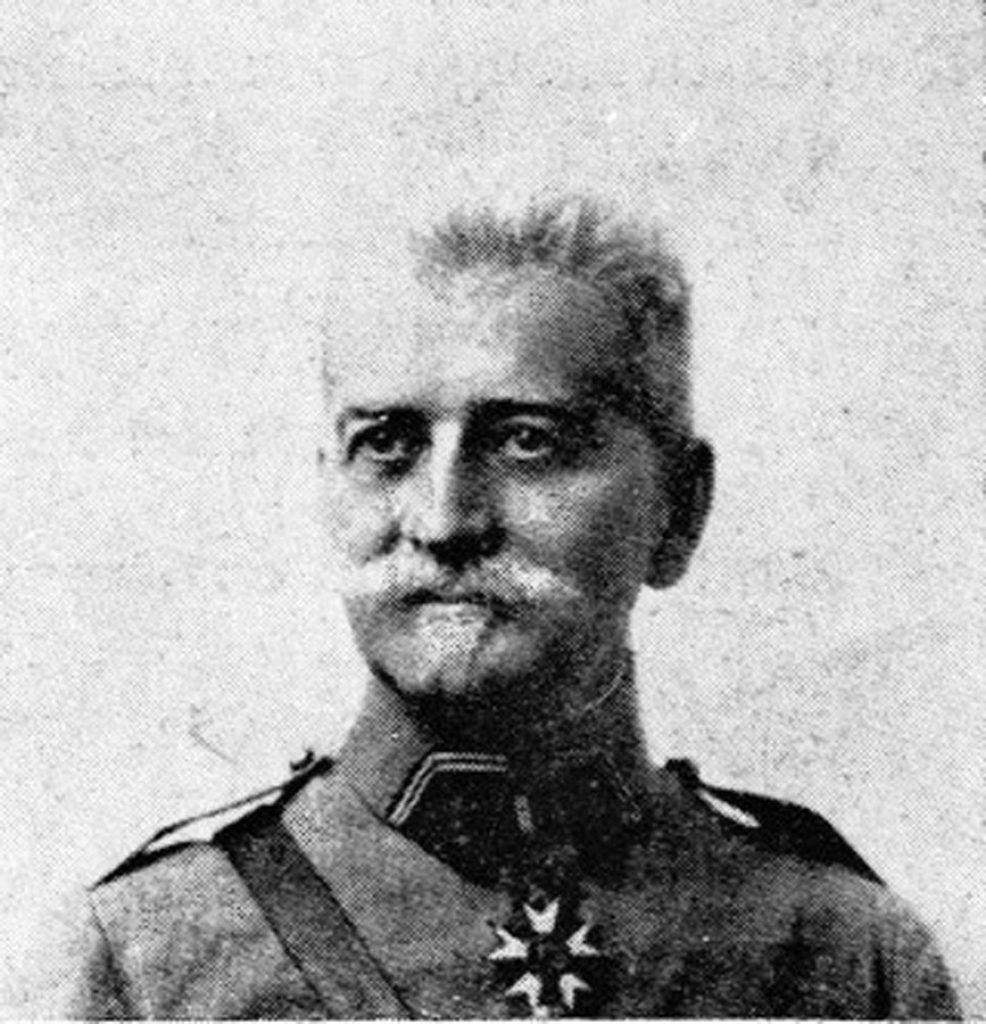
That is why the GPF story is more interesting than the biography of a merely successful artillery piece. Lieutenant Colonel Louis Jean François Filloux did not invent a fantastic new caliber or some miraculous projectile. Instead, he correctly identified one of the weakest parts of contemporary heavy artillery: gun barrels had already learned to shoot a long way, but their carriages still forced multi-ton weapons to look in almost one direction.
French Artillery Had Believed a Little Too Much in Its Own 75mm Gun
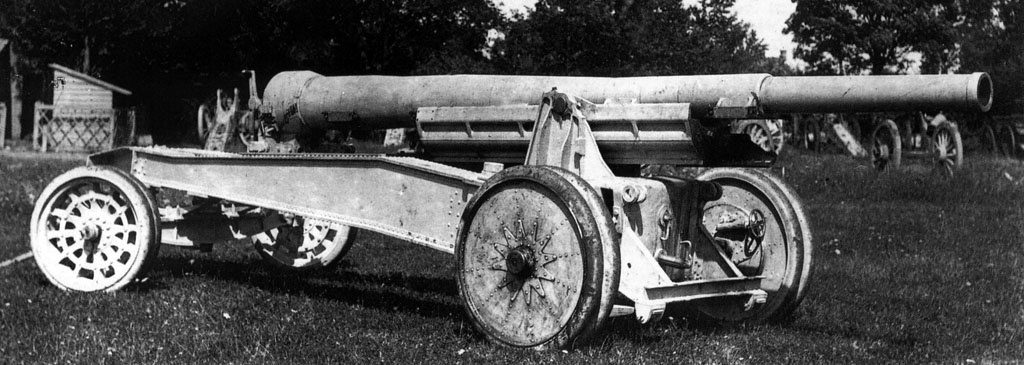
With the Canon de 75 modèle 1897, the French Army really did possess an extraordinary weapon. Its hydro-pneumatic recoil mechanism allowed the barrel to recoil independently of the carriage, meaning that the gun largely retained its aim after firing and could maintain a remarkably high rate of fire. Combined with France’s prewar offensive doctrine, this encouraged enormous confidence in light rapid-firing artillery. Heavy guns did not disappear, but the field army entered the war heavily weighted toward the 75mm weapon. In August 1914, the French field armies possessed 3,840 standard modèle 1897 75mm guns but comparatively few modern heavy pieces. The enormous stock of 155mm de Bange guns existed primarily outside the mobile field formations.
Trench warfare rapidly demolished the assumptions behind that imbalance. Trenches became deeper, concrete shelters appeared, artillery batteries moved farther behind the front line, and counter-battery warfare demanded not only heavier shells but greater range. France had to remove old guns from fortresses, adapt naval weapons for land use, massively expand its heavy artillery and simultaneously search for modern long-range designs. The de Bange guns, already technically outdated by the beginning of the 20th century because they lacked a modern recoil system, nevertheless helped fill this gap during 1914–1916.
The problem had actually been recognized before the war. Filloux had been working with artillery long before 1914, while French artillery authorities had already begun considering what would eventually become the GPF. By late 1916, the new weapon had been demonstrated with an initial range of around 16 kilometers, and one of its major advantages was already apparent: a horizontal traverse of 60 degrees. The first GPF guns reached the front in Flanders in August 1917.
This is an important distinction. The GPF was not an improvised weapon hastily sketched after Verdun. The war did not create Filloux’s idea. It forced the French Army to understand why it needed it.
The Barrel Could Reach Far Away. The Carriage Could Barely Look Sideways
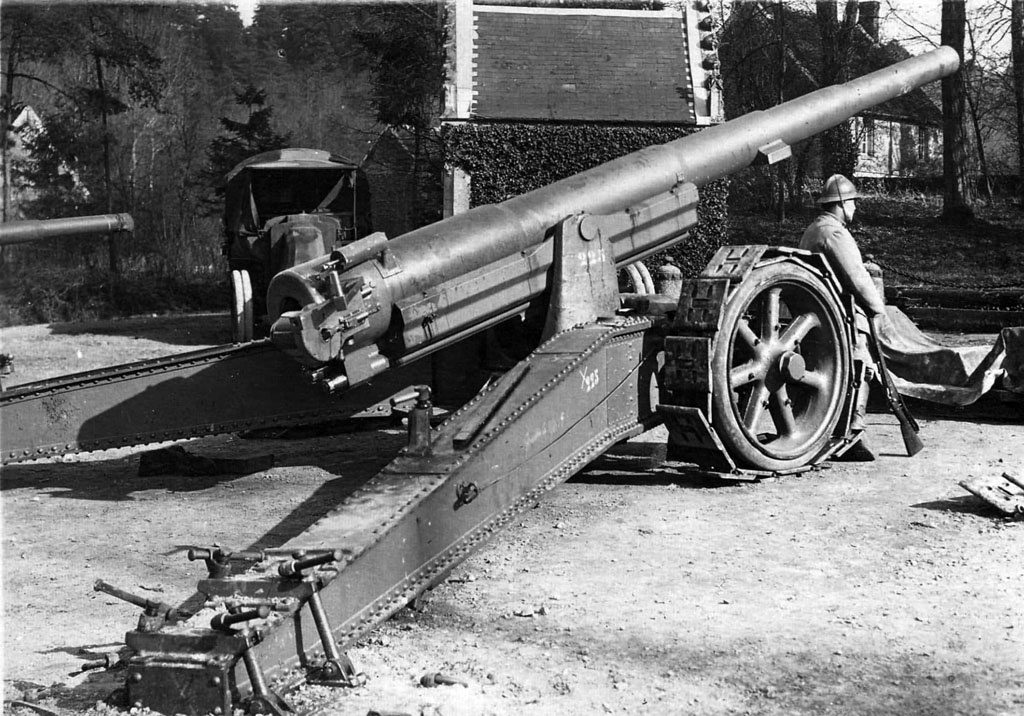
Heavy artillery of the early 20th century often retained the classic box-trail carriage. Behind the wheels ran a single long central trail, which provided a strong and relatively simple structure for absorbing recoil but severely restricted horizontal traverse. To shift the gun significantly to the left or right, the crew effectively had to move the entire weapon.
That was inconvenient for a light field gun. For a weapon weighing more than ten tons, it became a serious operational problem.
The French Canon de 145 modèle 1916 Saint-Chamond provides a useful comparison. It was a powerful long-range weapon, with a muzzle velocity of around 780 meters per second and a range of approximately 17.5 kilometers in its original 145mm form. Yet its conventional carriage severely limited the ability to shift fire rapidly.
The GPF took a fundamentally different approach.
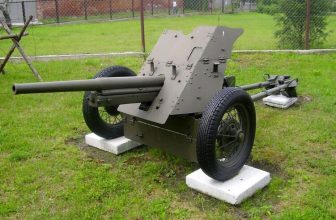
Filloux used two trails that spread apart when the gun was placed into firing position. They created a broad support base while leaving open space between them for the breech to move. French data gives the GPF a horizontal field of fire of 60 degrees — an exceptionally valuable characteristic for a heavy artillery piece of the period.
On paper, the solution seems almost ridiculously simple: instead of one trail, use two.
But the effect was fundamental. A long-range gun could finally exploit its range across a broad sector rather than along one narrow axis. It could shift between targets much more quickly without forcing its crew to reposition the entire multi-ton carriage.
Nearly 20 kilometers of range stopped being a long corridor and became a genuine field of fire.
Filloux Did Not Invent the Split Trail — and That Makes His Achievement More Interesting
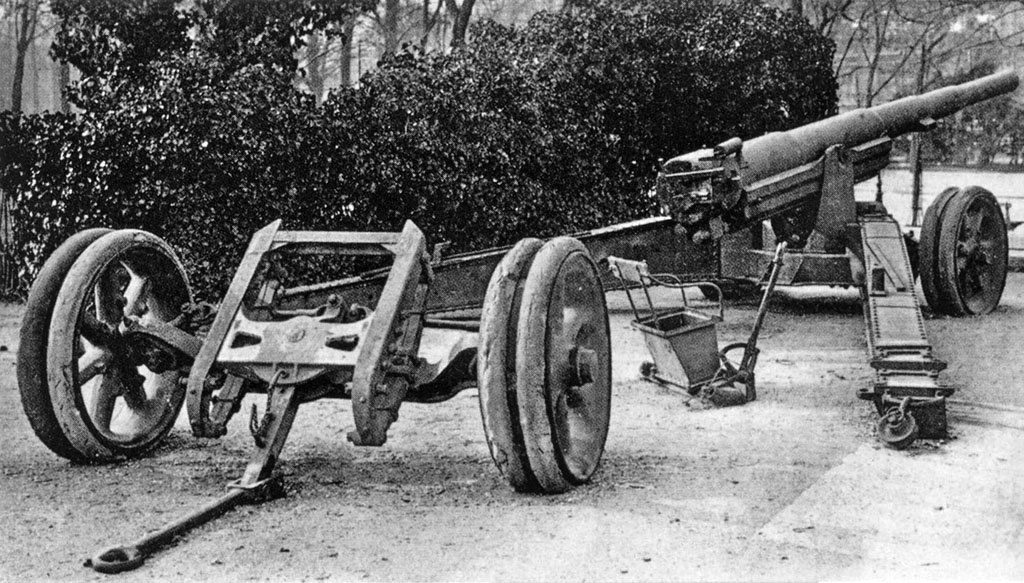
This distinction matters.
Split-trail carriages existed before the GPF. Similar arrangements had appeared on lighter artillery pieces, including designs associated with Joseph-Albert Deport. It would therefore be inaccurate to describe Filloux as the inventor of the basic idea.
His achievement was different: he successfully applied that architecture to a heavy long-range artillery system and combined it with the other requirements of modern warfare.
In fact, the GPF is an excellent illustration of the difference between revolutionary invention and excellent engineering. It is difficult to identify one component that had never existed before. The breech mechanism, recoil system, gun barrel and motorized towing all had precedents.
Filloux instead assembled proven technologies in an unusually successful combination.
The production GPF had a barrel roughly 38 calibers long. French artillery data gives its weight as approximately 11.5 tons in firing position and 13 tons in traveling configuration, with a 43-kilogram projectile, muzzle velocities ranging from around 550 to 735 meters per second depending on the propellant charge, and a maximum range reaching approximately 19.5 kilometers. Separate-loading ammunition and multiple propellant charges allowed the crew to select the ballistic performance appropriate for the mission.
For 1917, this was an impressive combination of characteristics, but no single number explains the gun’s success. Other weapons had longer barrels. Heavier systems existed, and even longer-ranged artillery was emerging.
The GPF succeeded because range, weight, mobility and traverse did not cancel one another out.
There Was a Price for the Low Silhouette: The Crew Needed Shovels
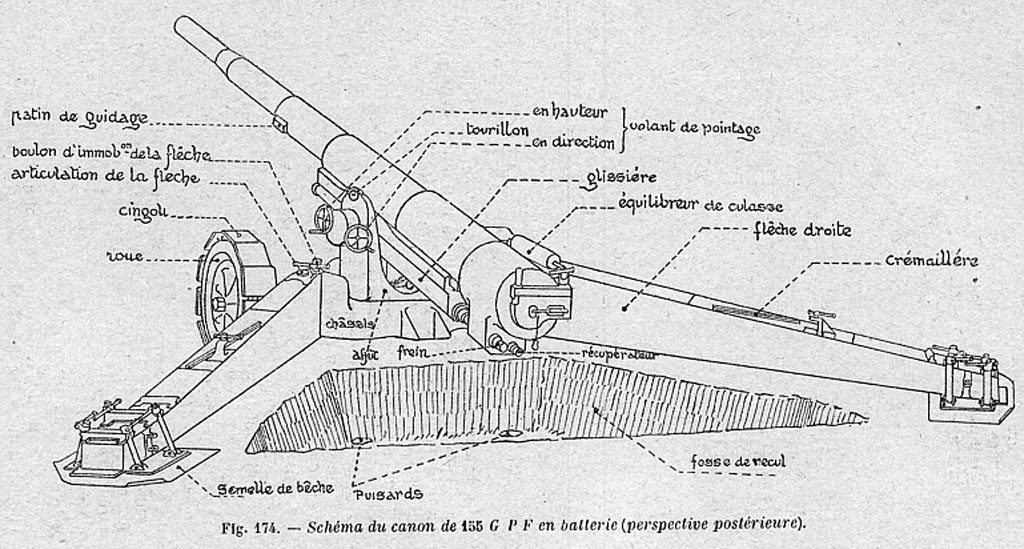
The GPF had one particularly distinctive feature. Its line of fire was relatively low, but at higher elevations the breech and recoiling barrel required space below the level of the carriage.
So the crew had to dig a recoil pit beneath the gun.
French technical data gives an elevation range of roughly zero to +35 degrees and explicitly refers to the fosse de recul, or recoil pit. Preparing a full firing position could therefore take hours, partly because of the earthworks required.
From the perspective of modern artillery, this looks like a substantial disadvantage. But the GPF had been designed for the Western Front of 1917, where a heavy battery could remain on a prepared firing position for a considerable period. The compromise was rational: a lower and relatively compact gun in exchange for additional preparation before firing.
In return, the weapon had been designed from the beginning for motorized towing. French sources explicitly describe mechanical transport, although the early steel-wheel configuration limited towing speeds to roughly 7–10 kilometers per hour. This explains why interwar modernization focused heavily not on the gun itself, but on its running gear.
That is perhaps one of the most revealing details about the design. Twenty years later, artillery officers primarily needed better wheels — not a better barrel.
The GPF Arrived Just as Heavy Artillery Was Becoming Motorized
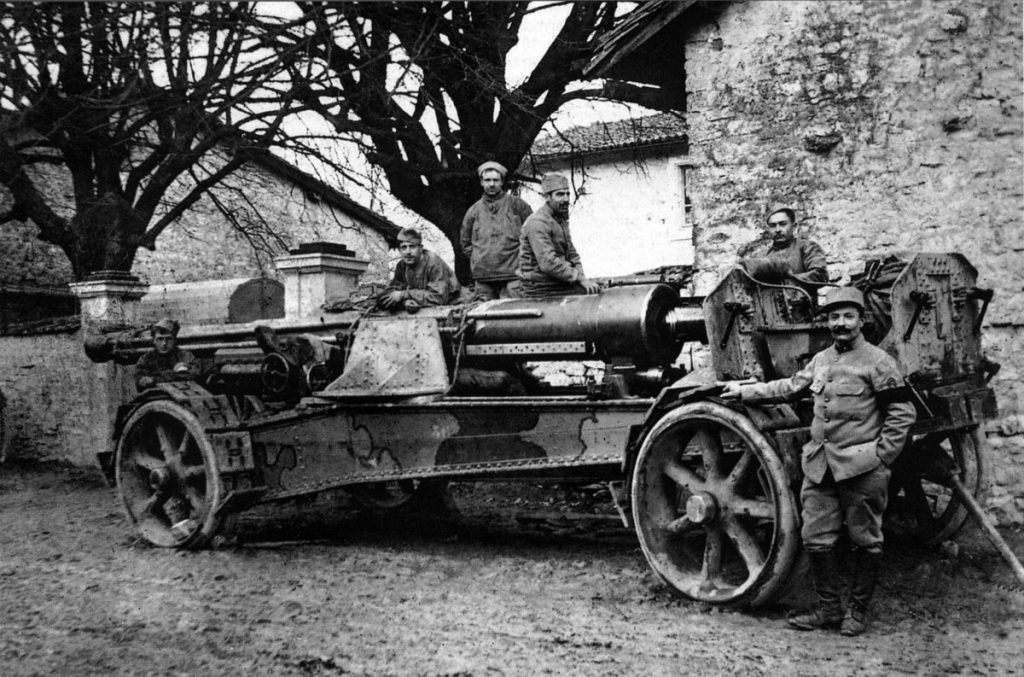
The first guns reached the front in the summer of 1917 and were issued to motorized heavy-artillery formations. This was itself part of a much larger transformation. World War I had begun with enormous dependence on horses, but by its final years the internal-combustion engine was increasingly entering heavy artillery, both in the form of tractors and the earliest self-propelled systems.
Once again, the GPF appeared at exactly the right moment.
Older heavy guns often had to be moved slowly under severe restrictions or even transported in separate loads. Filloux’s weapon had been designed around the assumption that a machine would tow a multi-ton gun.
France ordered hundreds of GPFs, and by the end of the war the weapon had become an important component of its heavy artillery. Establishing an exact final French production total is more difficult: sources vary, production continued after the Armistice, and modified versions later appeared. Rather than relying on an attractive but uncertain total, there is a more reliable indication of the gun’s success.
The Americans wanted it.
And not merely a handful for testing.
The U.S. Army Decided It Wanted the Same Gun
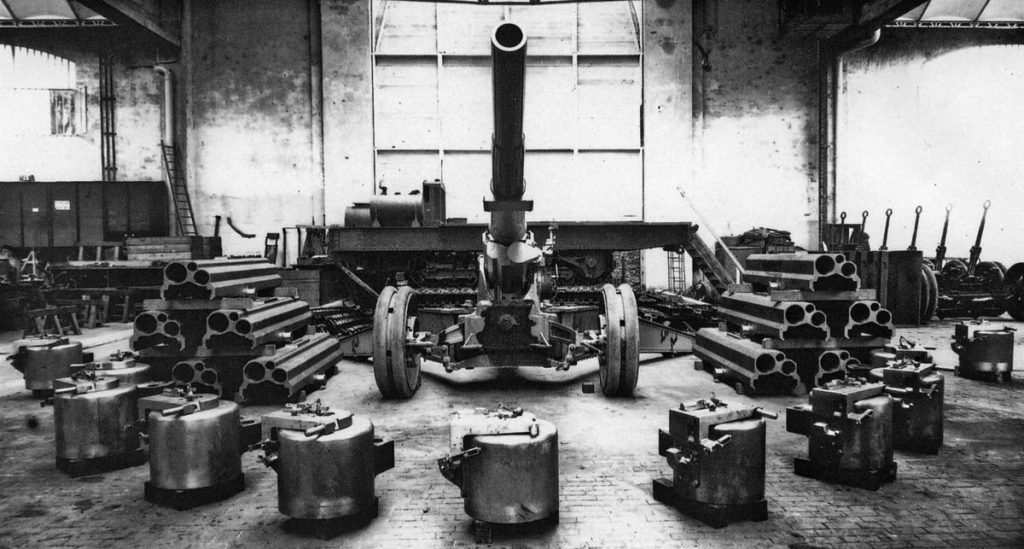
When the United States entered World War I, it discovered that raising a huge army could be done relatively quickly, but equipping it with modern heavy artillery could not. The American Expeditionary Forces therefore relied extensively on French weapons.
The U.S. Army’s official history records that by the Armistice the Americans had received 232 155mm GPF guns from France. Of these, 96 had been issued to units serving at the front, while the remainder were used by training organizations. At the same time, production of the GPF was being established in the United States. By November 11, 1918, only 16 American-built guns had reached France, and those were still without recoil mechanisms. As a result, the GPFs used by American forces during World War I were overwhelmingly French-built.
American production continued afterward, producing the M1917 and M1918 versions with various domestic modifications. The U.S. Army would later describe the French GPF as a predecessor to the famous American 155mm “Long Tom” of World War II. In other words, the United States did not merely borrow an Allied weapon temporarily. Filloux’s design became one of the developmental steps in America’s own heavy-artillery lineage.
The U.S. government also formally recognized Filloux’s contribution. Lieutenant Colonel Louis Filloux received the Army Distinguished Service Medal, with the citation specifically noting the importance of his 155mm GPF to the American Expeditionary Forces and his technical assistance in establishing production of the weapon in the United States.
For a foreign artillery designer, that is a fairly convincing review of his work.
Twenty Years Later, It Turned Out That the Wheels Had Aged More Than the Gun
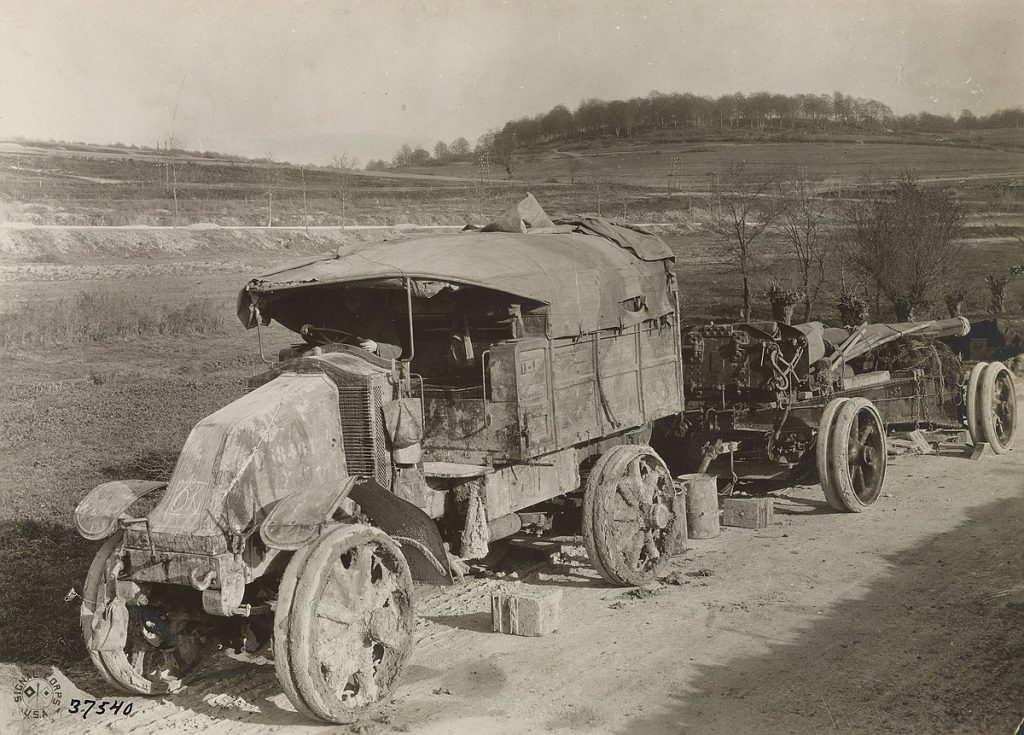
After World War I, France and the United States found themselves in a convenient position: they possessed large numbers of heavy guns that nobody was particularly eager to discard.
The reason was simple. Ballistically, the GPF was still useful.
Its solid-rubber-tired steel wheels were another matter. Artillery tractors became faster, roads improved, military vehicles increasingly adopted pneumatic tires, and the old running gear began restricting the gun’s operational mobility.
France therefore developed the GPF modifié Touzard, or GPFT. This modernization used a raised carriage and a four-wheel pneumatic-tire running gear. French data gives it a weight of 11,320 kilograms in firing position and 12,860 kilograms in traveling configuration, while retaining the same 155mm 38-caliber gun, 735-meter-per-second maximum muzzle velocity and a range of roughly 19.2 kilometers.
So two decades after the weapon first appeared, the French needed to significantly improve its mobility.
They did not need to throw away the artillery system itself.
That says a great deal about the engineering margin built into the original design. The GPF had been born before pneumatic tires became standard for heavy artillery, yet its fundamental architecture survived the transition to a new generation of tractors.
Then the French Gun Returned to the Germans as a Trophy
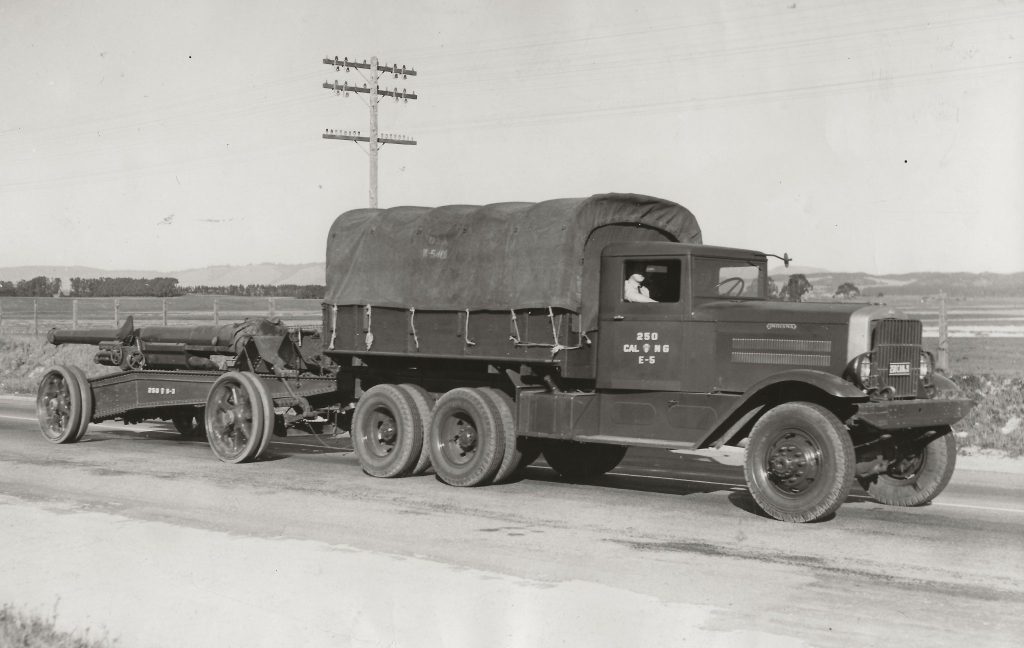
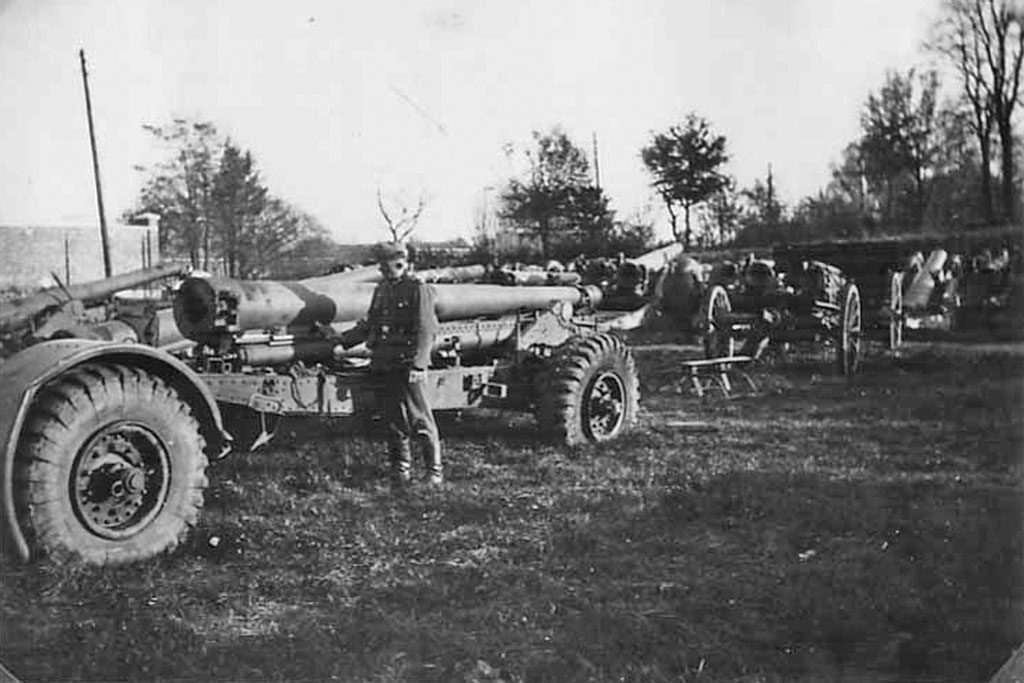
By May 1940, the GPF was unquestionably an old weapon.
But old did not mean useless.
The French Army still operated the guns, and the rapid collapse of the campaign allowed Germany to capture substantial quantities of French heavy artillery.
The Germans had little hesitation about using captured weapons and integrated serviceable systems into their own arsenal. The GPF received the German designation 15.5 cm K 418(f). Coastal defense became an especially logical role for these aging heavy guns. Limited mobility mattered far less in a fixed battery, while the powerful 155mm shell and substantial range remained useful.
As a result, the GPF found itself in a wonderfully ironic position during World War II. A gun France had developed during a war against Germany was now being used by Germany to defend occupied French territory against the returning Allies.
But the most remarkable second career of Filloux’s gun did not take place in German service.
It happened with the Americans.
The Americans Took a World War I Gun and Put It on Tracks
By the beginning of World War II, the United States had already developed the much more modern 155mm Gun M1, the famous Long Tom, which substantially exceeded the old GPF in range. The French design should, logically, have been approaching the end of its useful life.
Then the U.S. Army decided it needed heavy self-propelled artillery.
Suddenly the old barrels became useful again.
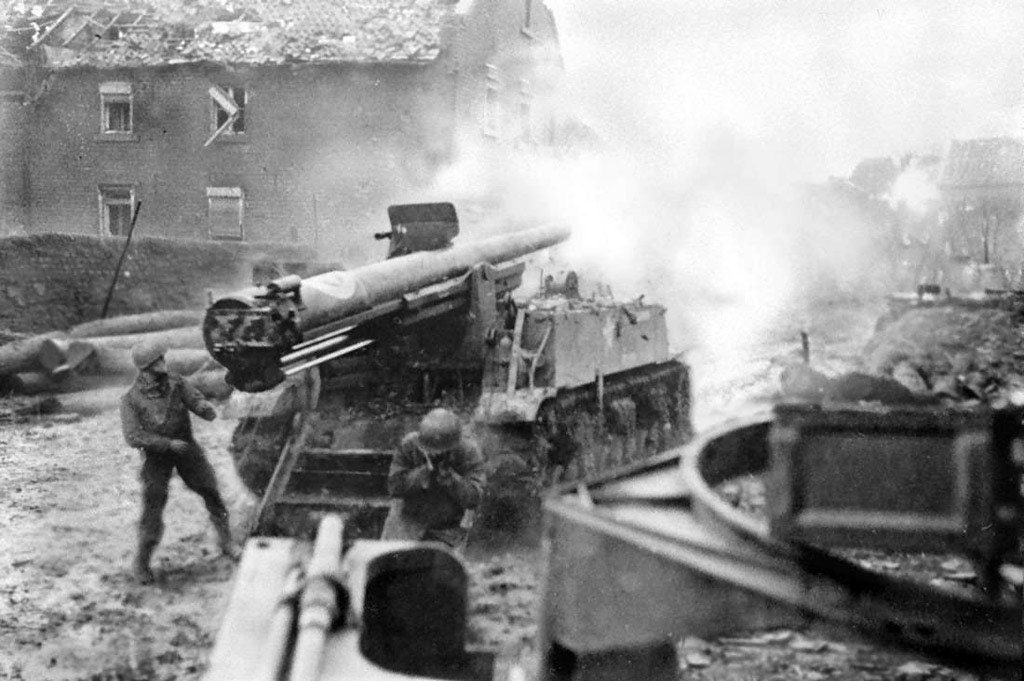
The result was the 155 mm Gun Motor Carriage M12. American M1917, M1918 and M1918M1 155mm guns — direct descendants of Filloux’s design — were installed on a tracked chassis derived from components of the M3 medium tank.
The M12 was not merely an improvised way of getting obsolete guns out of storage. Only one hundred vehicles were produced, but they proved highly useful in Europe. Their mobility allowed heavy artillery to keep pace with armored formations, while during attacks on the Siegfried Line they were even used at relatively short ranges against concrete fortifications.
The engineering irony is almost perfect.
Filloux had begun working on the gun before World War I.
The French Army received it in 1917.
The Americans copied it.
And in 1944, descendants of the same GPF were driving across France on tracked chassis and firing directly at German fortifications.
If a weapon still possesses enough useful performance almost thirty years after its birth for an army to deliberately turn it into a self-propelled gun, the original engineering balance was clearly exceptional.
But the GPF Was Not a Wonder Weapon
This is where the legend needs to be tempered slightly.
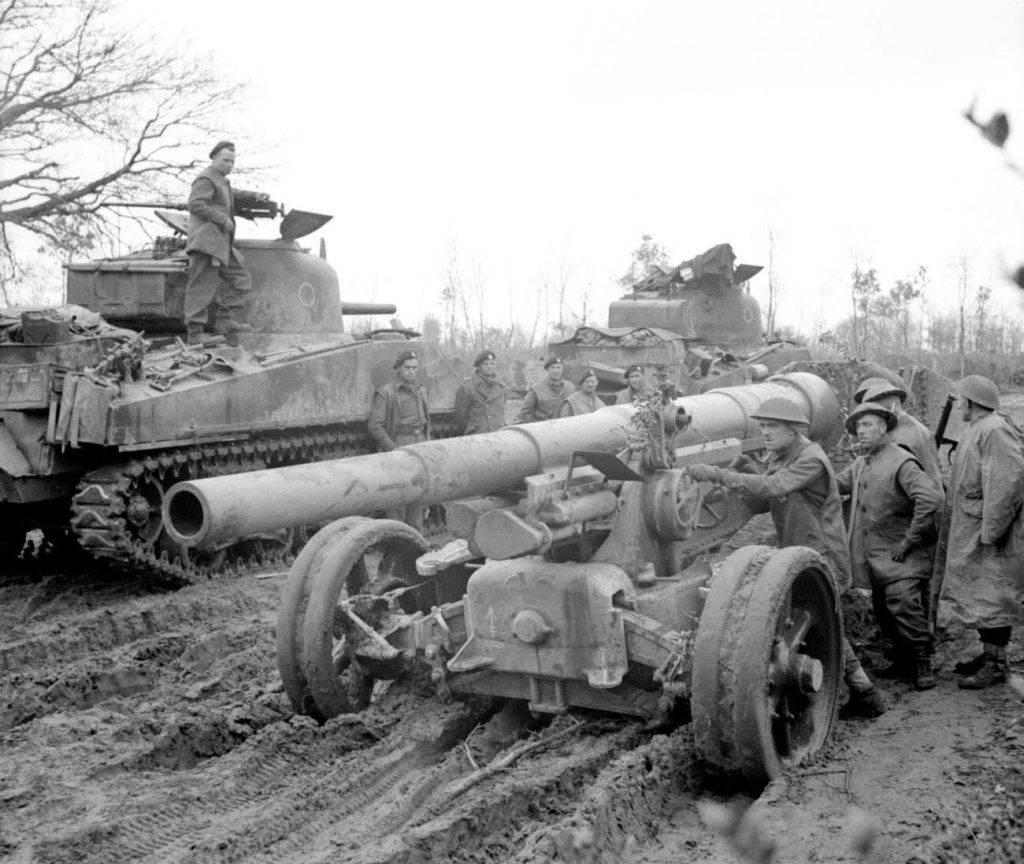
The French gun was not the longest-ranged artillery piece in existence. It was not the lightest. Its rate of fire was not extraordinary. Preparing a firing position could take considerable time. Its original running gear quickly became obsolete. Digging a recoil pit was hardly an ideal solution. And during the interwar years artillery development continued: newer 155mm guns received longer barrels, improved carriages, greater elevation and substantially longer range.
The American 155mm Gun M1 of World War II, for example, could reach beyond 23 kilometers, comfortably outperforming Filloux’s old design.
The GPF was certainly not “the best gun forever.”
And that is precisely what makes its success so interesting.
It was created early enough to fight in World War I and correctly enough not to become useless in World War II.
Filloux found an unusually successful compromise. The 155mm caliber could deliver a heavy high-explosive shell without making the weapon impossibly large. Nearly 20 kilometers of range was substantial for 1917. Its weight remained manageable for mechanical towing. The split trails provided an unusually broad field of fire. And the design remained conventional enough to be manufactured not as a handful of experimental pieces but in significant numbers.
It did nothing magical.
It simply did almost everything well enough.
And That Is Why the GPF’s Most Important Specification Is Not Its Caliber — or Even Its Range
Look at the heavy towed guns and howitzers of the following decades.
A long barrel.
A relatively low or moderate firing line.
Wheeled running gear.
Mechanical towing.
Two trails spreading backward from the carriage.
A broad horizontal field of fire.
Of course, an enormous technological distance separates the GPF of 1917 from the artillery systems of the mid-20th century. Ammunition changed, breeches and recoil mechanisms improved, elevation increased, sights became more sophisticated, pneumatic tires appeared, and the entire culture of artillery operation evolved.
But if you look only at the silhouette, the family resemblance is immediately apparent.
That is why the figure of 60 degrees tells us more about the GPF than its impressive-for-the-time range of roughly 19.5 kilometers.
Before carriages of this kind became common, a heavy artillery piece was still, to a significant extent, a gun that was brought to a position and pointed in a particular direction. The split trail gave heavy artillery much greater freedom to work across a broad front without forcing crews to reposition an entire multi-ton weapon every time the target shifted.
France entered World War I with an enormous stock of 155mm guns designed in 1877 and largely sitting in fortresses and arsenals. Three years later, it fielded a motor-towed heavy artillery system whose fundamental features looked modern enough for the Americans to adopt it, begin domestic production, and a generation later place its descendants on a tracked chassis.
That is why Louis Filloux’s legacy is not that he once built “the best gun.”
It is something much more interesting.
He was one of the engineers who, at exactly the right moment, understood what a modern heavy field gun was supposed to look like.
And to achieve that, he did not need to invent a fantastic projectile or discover some new law of ballistics.
He needed to do something that looks almost too simple on a drawing.
Split one trail into two — and finally allow ten tons of steel to look somewhere other than straight ahead.