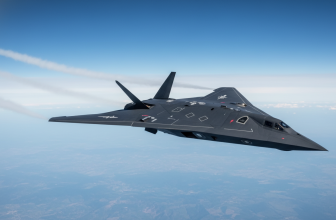
The B-21 Raider: The Future of U.S. Strategic Aviation, as Seen by the Commander of the Bomber Command

The American B-21 Raider stealth strategic bomber is one of the U.S. Air Force’s key projects, designed to carry out deep-strike operations in the challenging conditions of modern warfare. This platform is being developed as the successor to such legendary aircraft as the B-2 Spirit and may eventually replace part of the Air Force’s aging fleet of heavy bombers.
Recently, General Stephen L. Davis, head of the U.S. Air Force Global Strike Command, Davis, shared his views on the future capabilities of the B-21 for the first time since taking office—discussing what is already known about the aircraft and how it will be used within the armed forces.
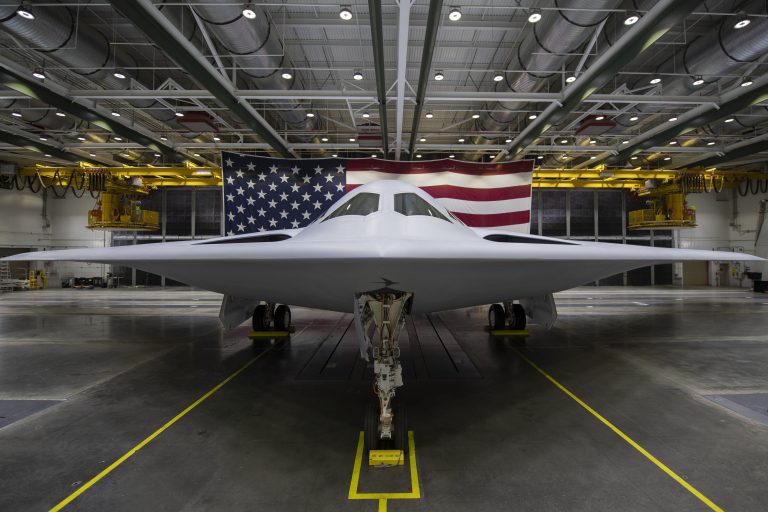
What kind of plane is this, and what is it used for?
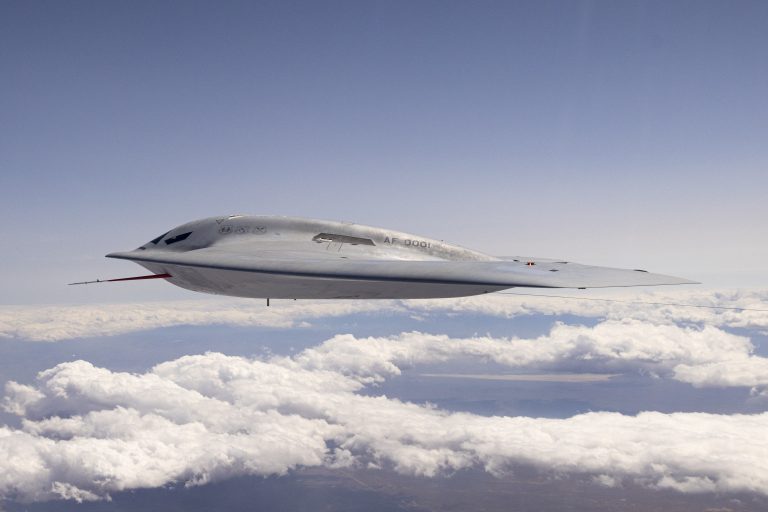
240404-F-HC101-1373
The B-21 Raider is an advanced long-range stealth bomber being developed to carry out both conventional and nuclear strike missions. It is being designed to meet the growing requirements for overcoming modern air defense systems and ensuring high survivability in an environment of dense electronic and radar surveillance.
The aircraft will be part of the Long Range Strike family of systems, which already officially includes the aircraft itself and the future Long-Range Stand–Off Weapon (LRSO). According to General Davis, the B-21 will be integrated into operational networks with next-generation systems, including future sixth-generation fighters, which will expand its capabilities for joint missions.
Program Status and Production Plans
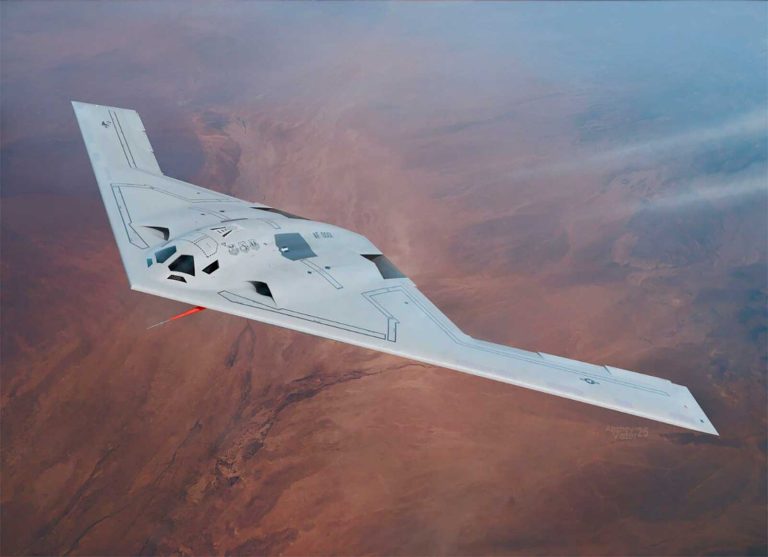
The B-21 is being developed as part of a program aimed at providing the United States with a modern strategic strike platform. The transition from prototypes to mass production has already begun: following successful test flights, the aircraft has entered the Low-Rate Initial Production (LRIP) phase at Northrop Grumman’s manufacturing facilities.
Initial plans call for the purchase of approximately 100 such bombers, but experts and official estimates suggest that this number could increase to as many as 140–200 aircraft in order to build sufficient combat capability capable of replacing several classes of aging platforms at once.
Key Features of the B-21
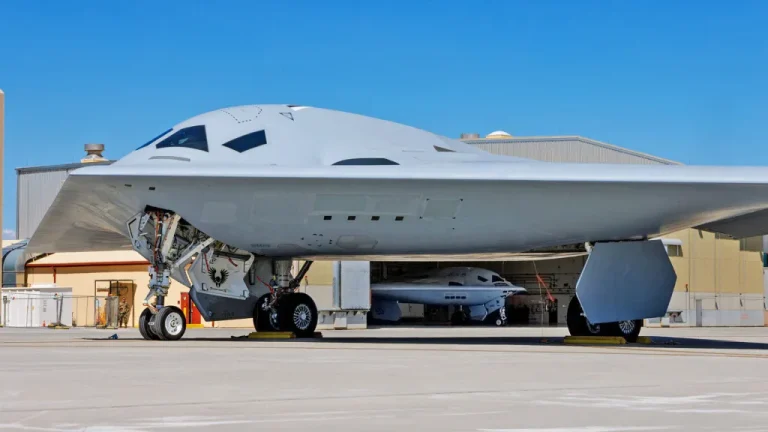
Modern Stealth Architecture
The Raider is designed with advanced low-observability technologies that enable it to reduce the likelihood of detection by radar, which significantly increases its chances of successfully penetrating a heavily defended enemy area.
Information Integration
According to Davis, one of the goals is to make the most of all available data—from satellite systems to autonomous and manned platforms—to provide the crew with better situational awareness and improve the effectiveness of decision-making in combat.
Operation as part of a weapons family
The B-21 is being developed not as a standalone asset, but as part of an integrated network of air and ground assets. General Davis noted that the aircraft will be integrated with next-generation platforms, including future sixth-generation fighters (F-47), and may eventually interoperate with combat drone systems and collaborative combat agents (CCAs).
Crew and Interior Layout
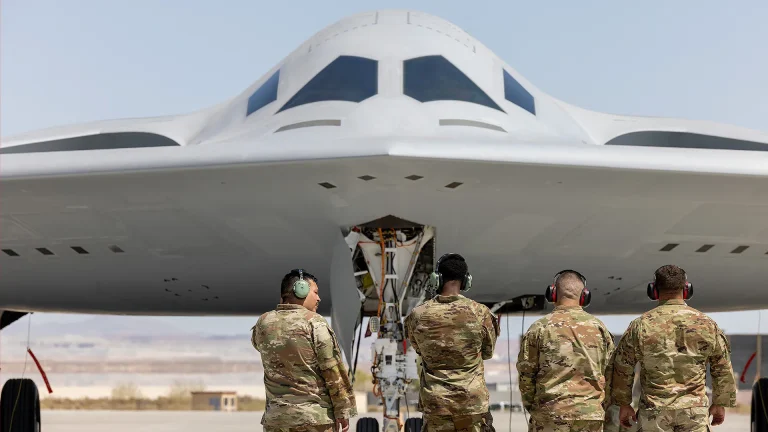
The question of the crew composition remains under discussion: Options are being considered, ranging from a single pilot plus a weapons systems officer to the traditional two-pilot configuration, as in the B-2—the choice will depend on what is optimal for combat missions and operational efficiency.
It is also known that the layout includes provisions for long-duration missions: space for rest, food preparation, and sanitary facilities, which are important for operations involving long, continuous flights.
Tactical and Strategic Capabilities

Although the specific parameters of the B-21’s defense systems and maneuvers remain classified, General Davis emphasized that adapting to the enemy’s advanced air defense systems is one of the key missions for which this aircraft is being developed. It will be capable of operating in situations requiring penetration into complex defense zones, including for the delivery of strategic nuclear weapons as directed by the country’s leadership.
In addition, the B-21 is viewed as a key component of strategic strike capabilities, deployed in all critical missions during global conflicts where a combination of long range, stealth capabilities, and integration with other types of weapons is required.
Conclusion
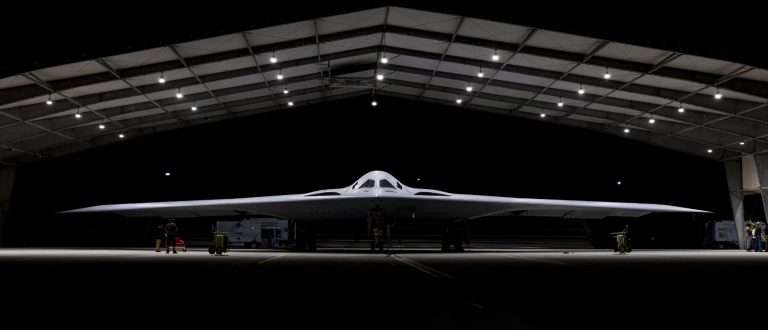
General S. L. Davis, head of Global Strike Command, emphasizes that the B-21 Raider will be a central component of the future U.S. strategic air force: the aircraft combines stealth technology, data integration, and the ability to integrate into modern weapons networks. It is being developed not just for a single mission, but as a multi-role global strike asset capable of operating in heavily defended airspace and supporting key combat operations anywhere in the world.
based on https://www.twz.com/air/b-21-raider-future-insights-from-global-strike-commands-top-general