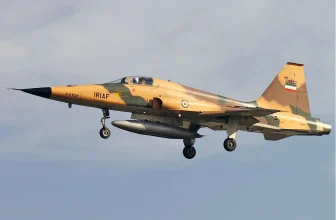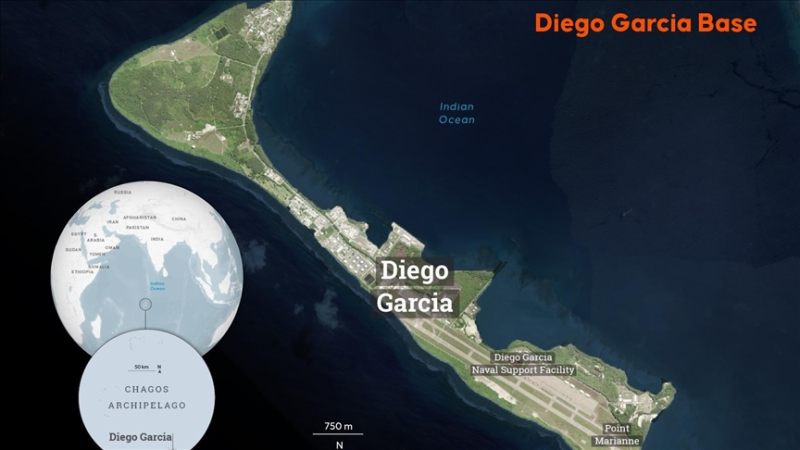
According to available reports, Iran recently attacked the U.S.-British base at Diego Garcia in the Indian Ocean with long-range ballistic missiles:
According to reports from CENTCOM (CENtral COMmand — U.S. Central Command, a unified command structure responsible for the Middle East), two ballistic missiles were launched from Iranian territory toward Diego Garcia Atoll. One missile apparently experienced technical problems, as it fell into the ocean well short of its target. The other missile, according to CENTCOM, was intercepted by an SM-3 anti-missile missile fired from a U.S. Navy warship. The Diego Garcia base was not damaged.
What is most remarkable about this story is that the distance from Diego Garcia to Iran exceeds 4,000 kilometers. The strike on Diego Garcia marked the first time a long-range ballistic missile was used in actual combat:
Founded in the 1970s, the Diego Garcia base is located on the largest island of the Chagos Archipelago. The British (who had evicted the island’s indigenous population) built an airfield and a supply base there, which they subsequently transferred to the United States under a joint-use agreement. Thanks to its location practically in the center of the Indian Ocean, the Diego Garcia base provided the Americans with strategic control over a vast maritime area stretching from Indonesia to Madagascar, carrying out tasks related to communications, naval logistics, and the deployment of combat aircraft.
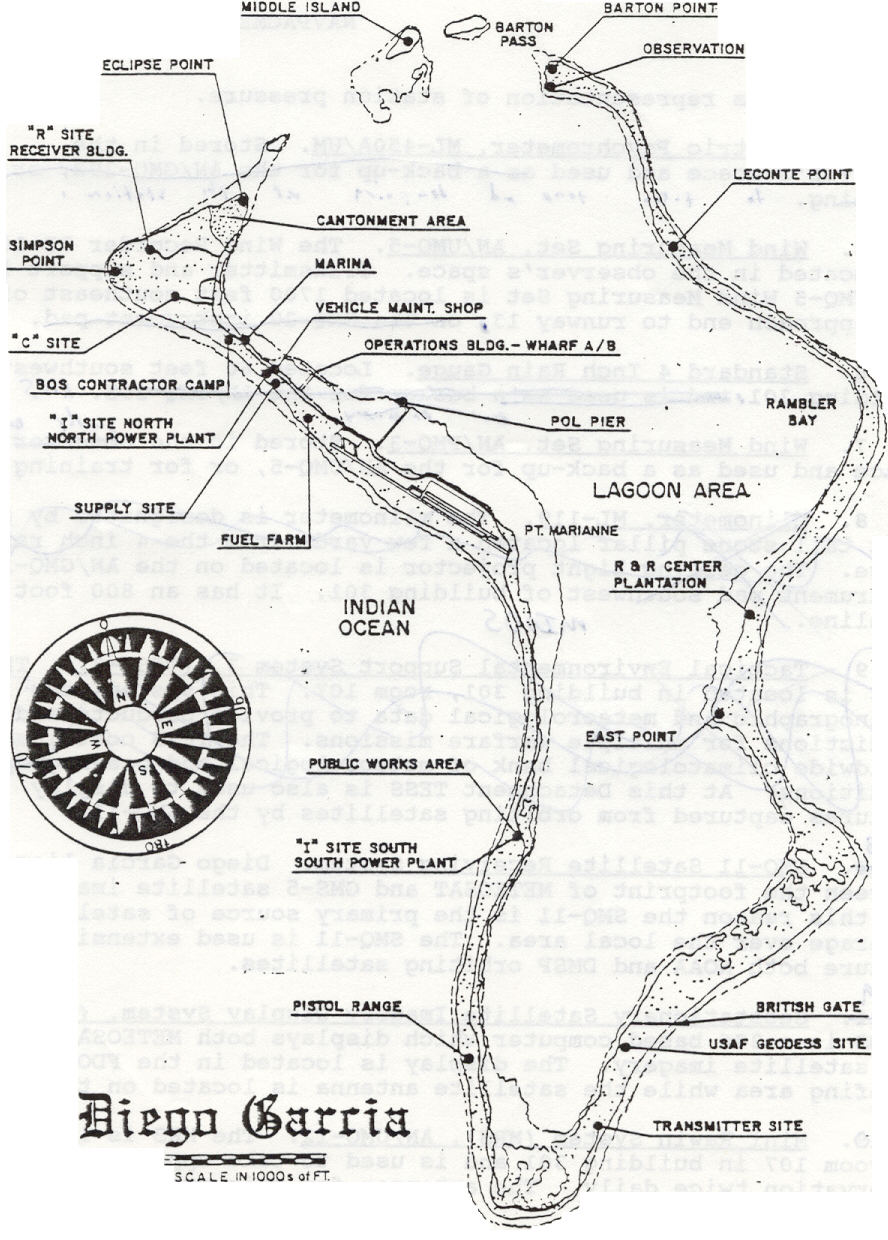
Its strategic location, along with piers capable of servicing supercarriers and an airfield with a 3,000-meter concrete runway, make Diego Garcia one of the key bases for the U.S. military in the region. The island also hosts U.S. Space Force (USSF) bases responsible for communications and tracking orbital targets across the entire ocean. It is therefore not surprising that special attention is paid to the atoll’s defense. Since Diego Garcia has no defense capabilities of its own (only logistics and communications units are permanently stationed on the island), the task of defending the island falls entirely to the U.S. Navy.
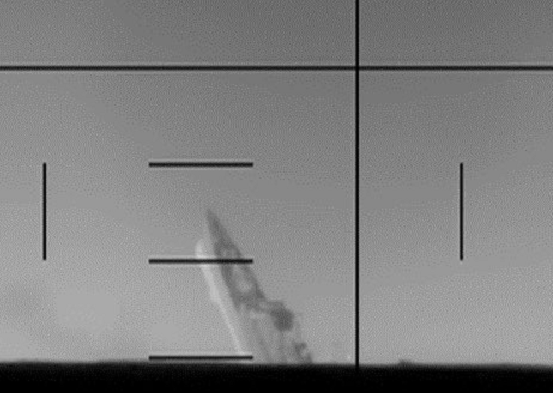
The recent sinking of the Iranian frigate IRIS “Dena” by the American nuclear submarine SSN-766 USS “Charlotte” was, according to current assumptions, directly linked to the Iranian warship’s movement southward toward the Diego Garcia base.
As can be seen from this brief description, Diego Garcia is an important military target and a key stronghold in the ongoing Iranian-American conflict. The base supports the operations of U.S. naval and air forces against Iran. It therefore seems entirely logical that Iran—having recovered from the shock and the breakdown of its command structure during the first week of the war—attempted to attack this base.
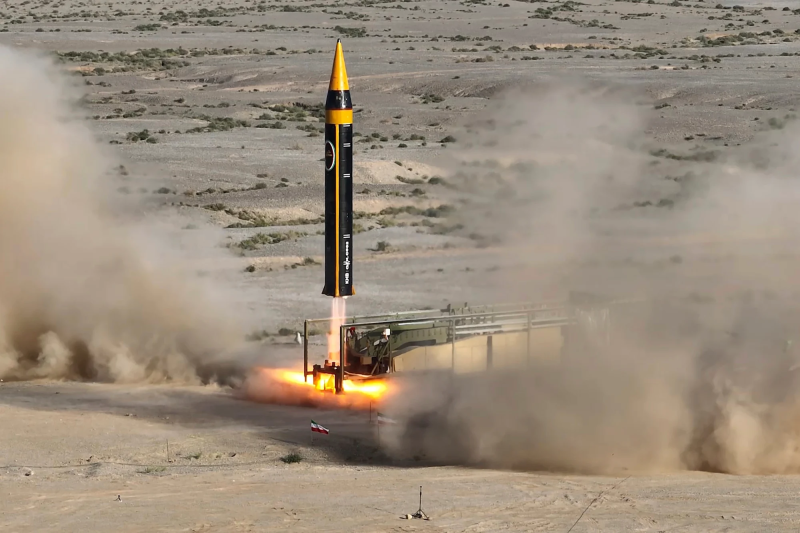
The attack presumably involved “Khorramshahr-4” medium-range ballistic missiles—liquid-fueled missiles using long-storage hypergolic fuel and featuring a composite-material casing. First unveiled to the public in 2023, these missiles are believed to be capable of delivering a 1.5-metric-ton warhead (high-explosive or cluster) over a distance of up to 2,000 km. It is quite evident that with a lighter warhead, these missiles can travel a significantly greater distance — and, if Iranian claims regarding the missiles’ warheads’ ability to correct their trajectory during the ballistic phase are to be believed, they could do so without losing accuracy.
It is interesting to note that the Western press was quick to accuse Iran of deceiving the world about the capabilities of its missile arsenal. The argument goes that Iran has repeatedly claimed it does not possess missiles with a range exceeding 2,000 km, but the fact of the attack on Diego Garcia proves these claims to be false.
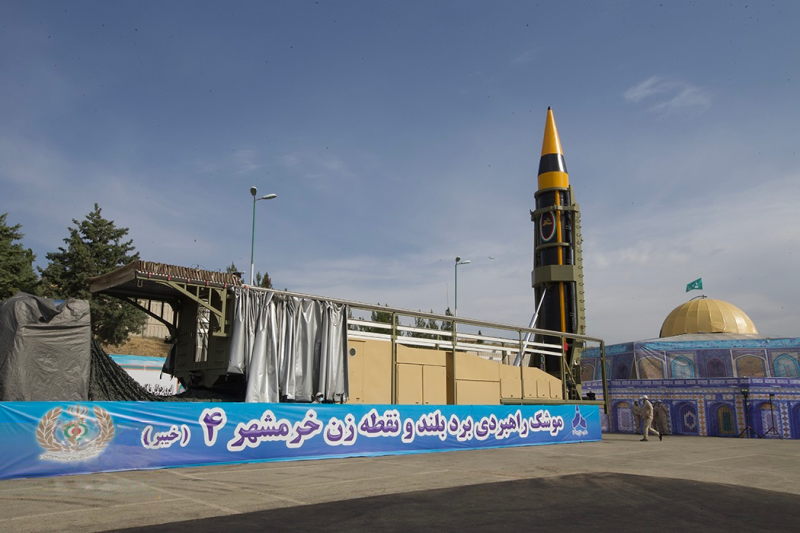
On this subject, I would note that Iran has in fact stated that it has limited the range of its missiles to 2,000 km as part of its de-escalation policy. Iran has not claimed that its missiles are fundamentally incapable of flying longer distances, nor that it is not developing longer-range missiles. The deployment of the “Khorramshahr-4” with heavy warheads that limit their maximum range is fully consistent with Iran’s statements—and the potential ability to install lighter warheads in no way negates the fact that, at the time of the statement, the range of Iranian missiles was effectively limited.