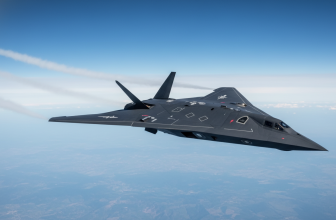
The Last “Cobra”: How the AH-1Z Viper Became the U.S. Marine Corps’ Deadliest Helicopter

The AH-1Z Viper attack helicopter is the culmination of nearly half a century of evolution for the AH-1 Cobra family. Although it retains its recognizable silhouette, it is, in essence, a thoroughly redesigned aircraft built from the ground up to meet the demands of the 21st century. Its introduction was a response to the new realities of warfare, where an attack helicopter is required not only to deliver firepower but also to integrate into networked combat systems.

The Project’s Roots: The Legacy of the AH-1 Cobra
The history of the AH-1Z dates back to the Vietnam War. It was then that Bell Helicopter developed the AH-1 Cobra—the world’s first dedicated attack helicopter. Its narrow fuselage, tandem cockpit, and high speed made it the benchmark for future combat aircraft.
In the decades that followed, the Cobra underwent continuous upgrades, but by the late 1990s it had become clear that the existing versions had reached the limits of their upgrade potential. New threats, the development of short-range air defense systems, and the requirements for night and all-weather operations called for a fundamentally new level of technology.
The Start of AH-1Z Development
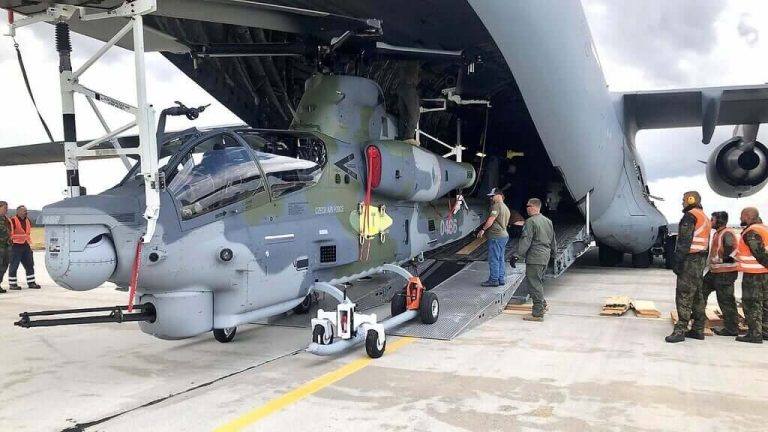
Work on what would later become the AH-1Z began in the late 1990s as part of a program to extensively modernize the U.S. Marine Corps’ attack helicopters. Initially, the project was conceived as an upgrade to the existing AH-1W Super Cobra, but it soon became clear that the changes would affect nearly all of the helicopter’s key systems.
In fact, the AH-1Z had become a new helicopter that only nominally continued the Cobra lineage.
Key development objectives:
- a sharp increase in survivability;
- improved stability and handling;
- integration of digital avionics;
- improved combat effectiveness at night and in adverse weather conditions;
- standardization with the UH-1Y Venom transport helicopter.
Design Evolution

During its development, the AH-1Z incorporated a number of fundamental differences from previous versions:
- the switch to four-bladed main and tail rotors, which improved thrust, reduced vibration, and increased reliability;
- a reinforced airframe with an extended service life;
- a fully digital “glass” cockpit;
- new flight and weapons control systems;
- architecture designed for long-term modernization.
The helicopter was designed from the outset with shipboard operations and operation in a maritime environment in mind—a key requirement of the U.S. Marine Corps.
Testing and Fine-Tuning
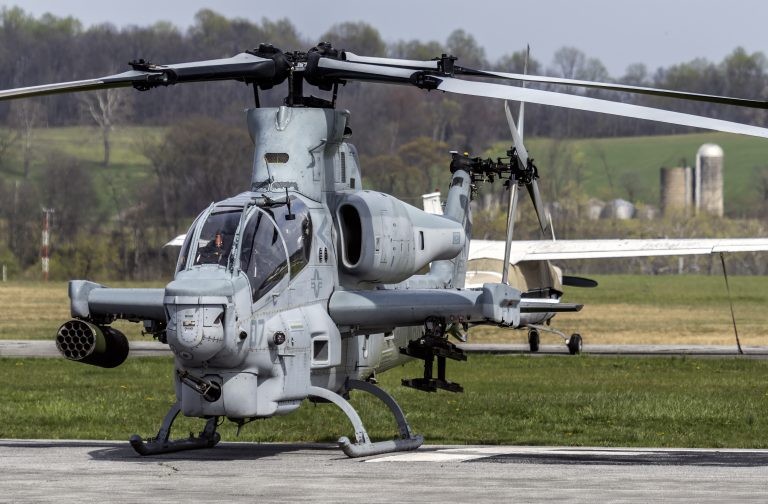
Flight testing of the AH-1Z prototypes began in the early 2000s. The program included:
- transient stability analysis;
- weapons testing;
- survivability assessment;
- operational training from the decks of amphibious ships.
The tests revealed a number of issues typical of complex helicopter programs; however, phased refinements made it possible to bring the aircraft up to the required level of reliability.
Adoption into service
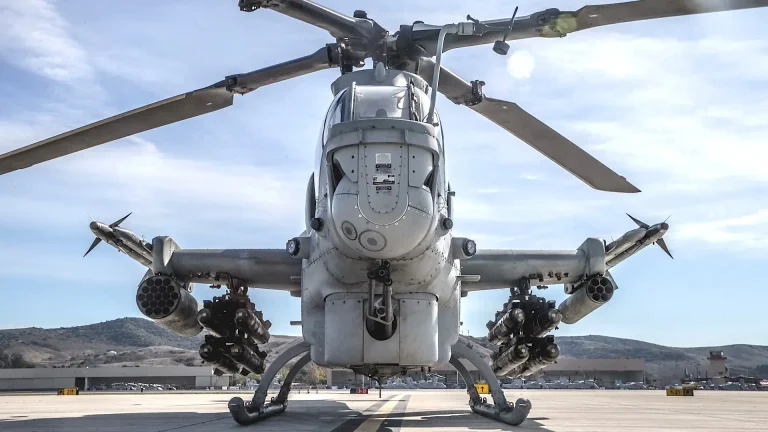
The AH-1Z Viper was officially adopted by the U.S. Marine Corps in 2010.
From that point on, combat units began a gradual transition from the earlier AH-1W models to the new variant. The AH-1Z became the Marine Corps’ primary attack helicopter, replacing all previous versions of the Cobra.
Why Did the Marine Corps Choose the AH-1Z?
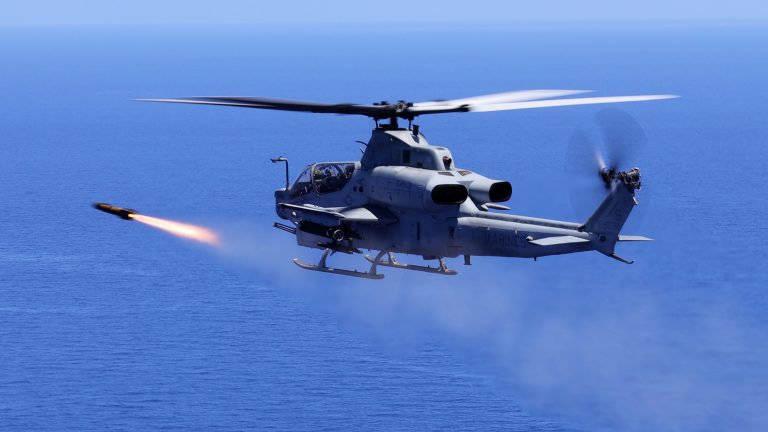
The decision to select the AH-1Z was based on several factors:
- A high degree of commonality with the UH-1Y Venom reduces operating costs;
- the optimal combination of weight, maneuverability, and firepower;
- adaptation for expeditionary operations;
- the ability to work closely with naval task forces and amphibious assault units.
The helicopter proved to be a perfect fit for the Marine Corps’ rapid deployment doctrine.
The AH-1Z Today
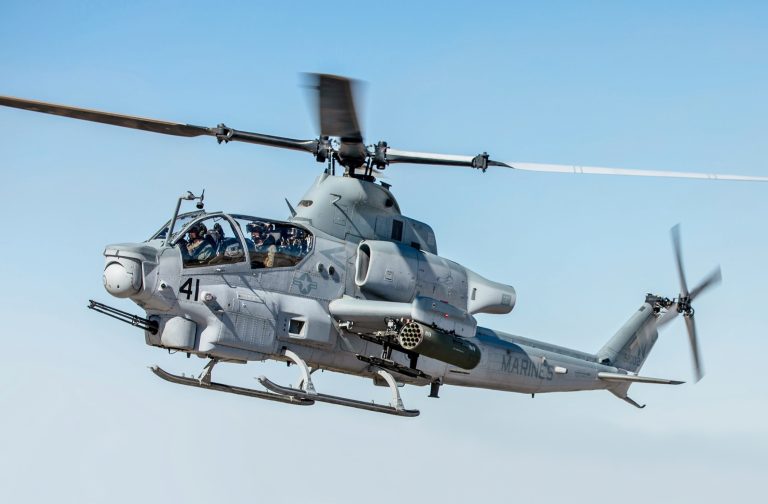
Today, the AH-1Z Viper is viewed not merely as an attack helicopter, but as a component of a networked combat system capable of:
- receive target designation from drones;
- interact with ground-based and airborne platforms;
- operate under conditions of active electronic countermeasures.
It remains relevant thanks to its potential for modernization and the design margin built into it during the design phase.
Conclusion
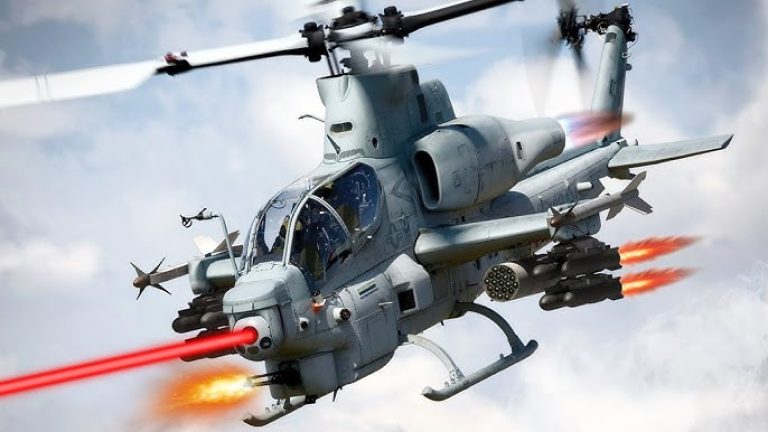
The AH-1Z Viper is the result of a long and deliberate evolution of the attack helicopter concept, which began as far back as the Vietnam War. Its development history demonstrates how evolution, rather than revolution, can lead to the creation of one of the most balanced and effective combat machines in its class.