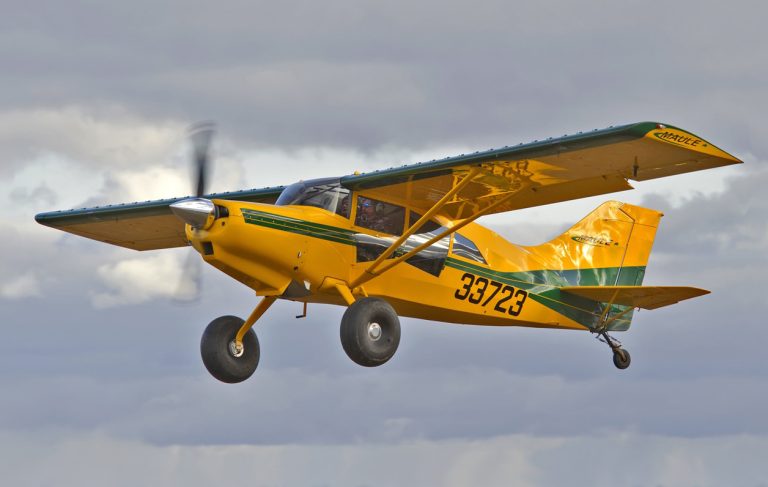
The Maule MXT-7 is a family of light, single-engine aircraft designed for versatile use, particularly on short runways and in bush aviation. This model is often referred to as an “aviation SUV”: it can take off and land on short stretches of ground, operate from dirt and forest landing strips, and transport cargo and passengers in a wide variety of conditions.
Origin and Purpose
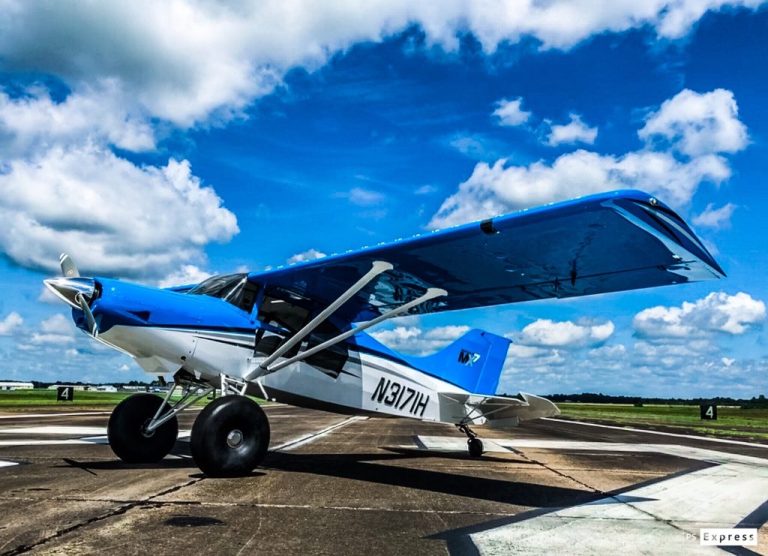
The Maule MXT-7 is part of the M-7 / MX-7 / MXT-7 family, which has been developed and manufactured by Maule Air Inc. in the United States since the late 1980s. It is an evolution of earlier models, such as the M-4 and M-6, featuring a larger cockpit and improved aerodynamic performance.
The MXT-7 is specifically designed for short-haul flights and light aircraft:
- tourist flights;
- “Bush-fly” aviation (short takeoffs and landings in remote areas);
- photographic and observation missions;
- pilot training and even towing gliders.
Design and Features
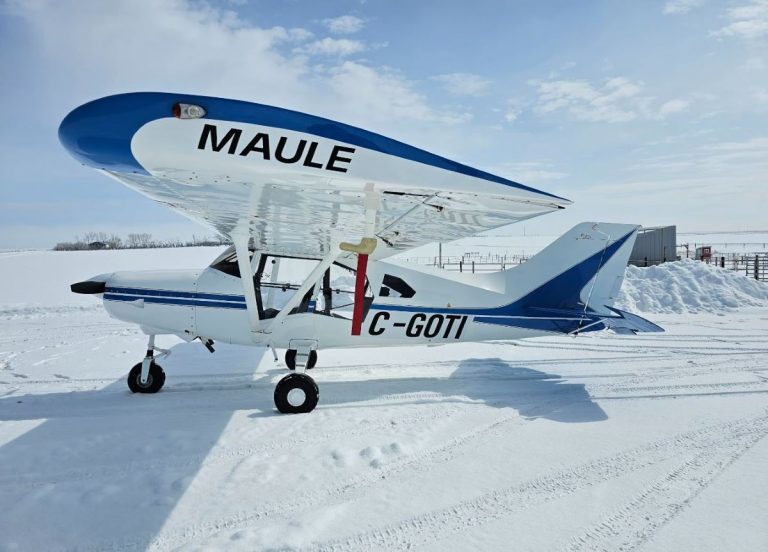
The aircraft features a classic high-wing configuration with a strut-mounted wing, which provides stability and excellent handling at low speeds. The MXT-7 can be equipped with various types of landing gear:
- classic tailwheel (taildragger);
- a nose wheel (tricycle landing gear) for easier steering on the ground;
- It may even be possible to use floats or skis for amphibious operations.
With its wing featuring highly efficient flaps and a low landing speed, the MXT-7 excels in STOL (Short Takeoff and Landing) conditions. As pilots note, on typical models, the takeoff roll can be as short as a few hundred feet, and landing is possible almost from a standstill at minimum speed.
Engines and Performance
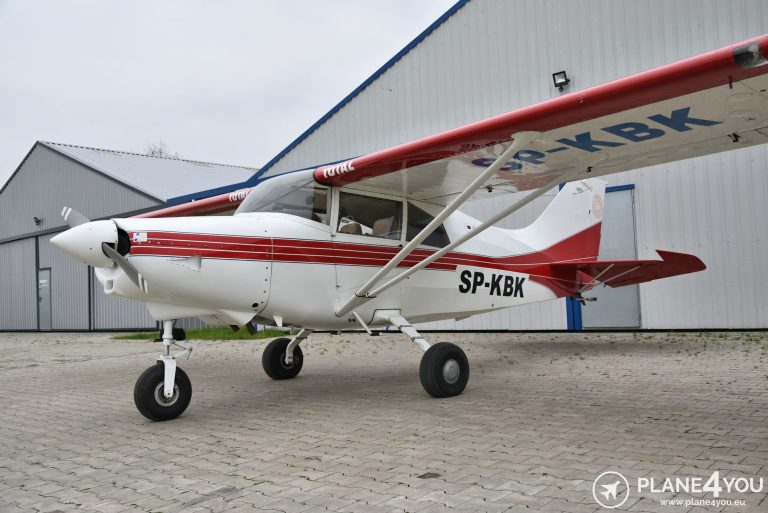
The MXT-7 is available with various Lycoming engine options; the most common is the Lycoming O-360-C1F with 180 л. с., which provides a good balance of power and moderate fuel consumption.
Typical specifications for this configuration:
- cruising speed: approximately 130–140 mph (≈210–225 km/h);
- maximum flight altitude: up to 15,000 ft (≈4,600 m);
- flight range: approximately ≈1,095 miles (≈1,760 km) with an optimal fuel load;
- top speed: about 40 mph (≈64 km/h);
- Flight from the ground to a 50-foot obstacle: approximately 600 ft (≈180 m).
These features make the MXT-7 a good choice for pilots who need to operate in both mountainous and forested terrain, as well as the ability to perform missions where conventional aircraft with higher takeoff weights may be limited.
Cabin and Practicality
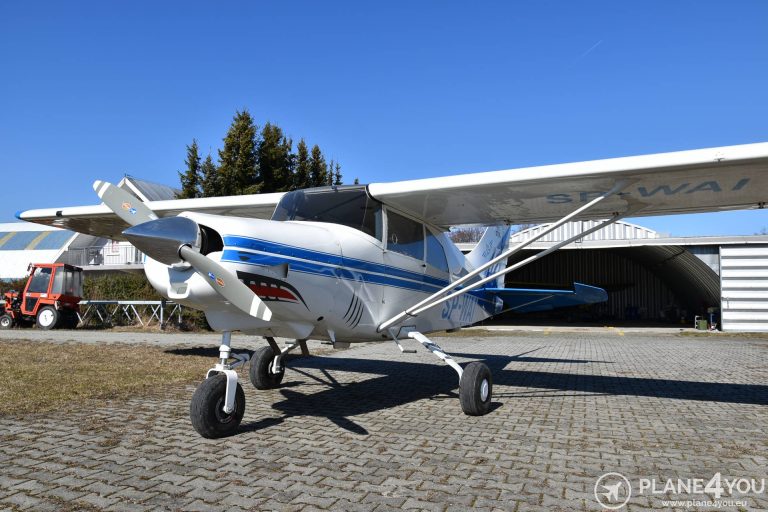
The Maule MXT-7 cabin is equipped with four passenger seats, and the rear seats can be removed if necessary to increase cargo space. The spacious cabin width (about 42 inches / ≈1.07 m) ensures comfort even on long-haul flights.
Its large payload capacity and wide doors make it easy to load luggage, equipment, or even small deck-mounted machinery, making the MXT-7 an attractive option not only for private flying but also for commercial and research missions.
Flight Characteristics
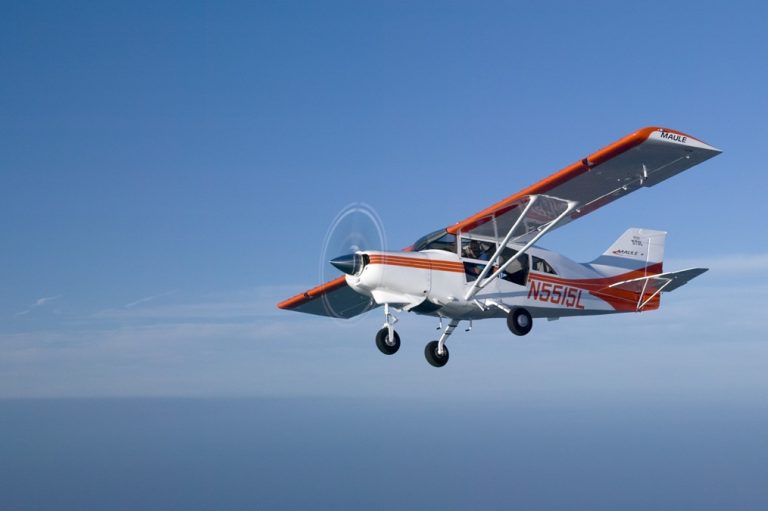
One of the MXT-7’s distinctive features is its ability to maintain stability and controllability at very low speeds—a characteristic that is particularly valued in bush flying and when landing on unpaved or short runways.
Pilots note that the MXT-7 is capable of “hovering” in the air during the final approach, making it possible to land in confined spaces with minimal headroom—an important feature for aviation in mountainous or forested areas.
Technical Specifications (Example for MXT-7-180)
| Engine | Lycoming O-360-C1F, 180 hp |
| Engine Type | Piston-type |
| Number of seats | 4 |
| Cruising speed | 130–140 mph (≈210–225 km/h) |
| Maximum height | ~15,000 ft (≈4,600 m) |
| Settling velocity | ~40 mph (≈64 km/h) |
| Fuel supply | 73–85 gal. (~276–321 L) |
| Flight range | up to ~1,095 miles (~1,760 km) |
| Length of the aircraft | ~23 ft 6 in (≈7,16 м) |
| Wingspan | ~32 ft 11 in (≈10,03 м) |
| Flight from a 50-foot obstacle (takeoff) | ~600 ft (≈180 m) |
| Data may vary depending on the specific model and load. |
Where and how it is used
The Maule MXT-7 is widely used in situations where short takeoff and landing capabilities and reliability over rough terrain are important:
- aviation for farms and private ranches;
- aviation for delivery and logistics in mountainous areas;
- patrolling natural areas;
- Pilot training in general aviation.
Some flight schools also purchase tricycle-landing-gear versions, which are easier for novice pilots transitioning from more traditional light aircraft to learn to fly.
Conclusion
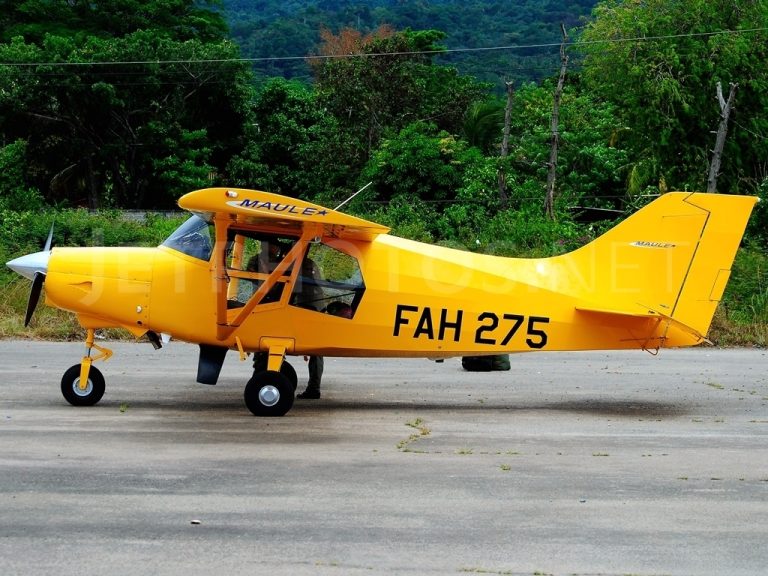
The Maule MXT-7 is one of the most versatile and practical light aircraft platforms on the market: it combines good payload capacity, the ability to take off and land from short runways, stability at low speeds, and a reasonably comfortable cockpit. This aviation “workhorse” is particularly valuable for pilots operating in confined spaces or at remote airfields, where more typical aircraft would be limited.