The Secrets of Soviet Aircraft Carriers: What Prevented the USSR from Carrying Out Projects 71 and 72, and How Close Did It Come to Building Them?

Discussions about aircraft carriers usually remind me of the joke about the gift for Cheburashka: “Let’s give Cheburashka a book!” “No, we don’t need to give him a book—he already has one!” The thing is, aircraft carriers are all completely different. Their missions are completely different, and therefore their designs are different as well.
When it comes to “classic” aircraft carriers, their era ended long ago. It ended with the advent of guided missiles with sufficient firepower. (I’m not talking about nuclear anti-ship warheads—that’s extreme—but even an old “Tomahawk” carries half a metric ton of explosives that slams into the hull at a very respectable speed.) Russian anti-ship systems deliver nearly a metric ton of explosives (and not even TNT, at that).
Consequently, since the 1960s, the strategic importance of aircraft carriers as the navy’s primary strike force has declined significantly.
And that is why the British (for example) have partially phased them out. Two of the three “Invincible”-class ships have been decommissioned, and the two new ones will never be fully commissioned.
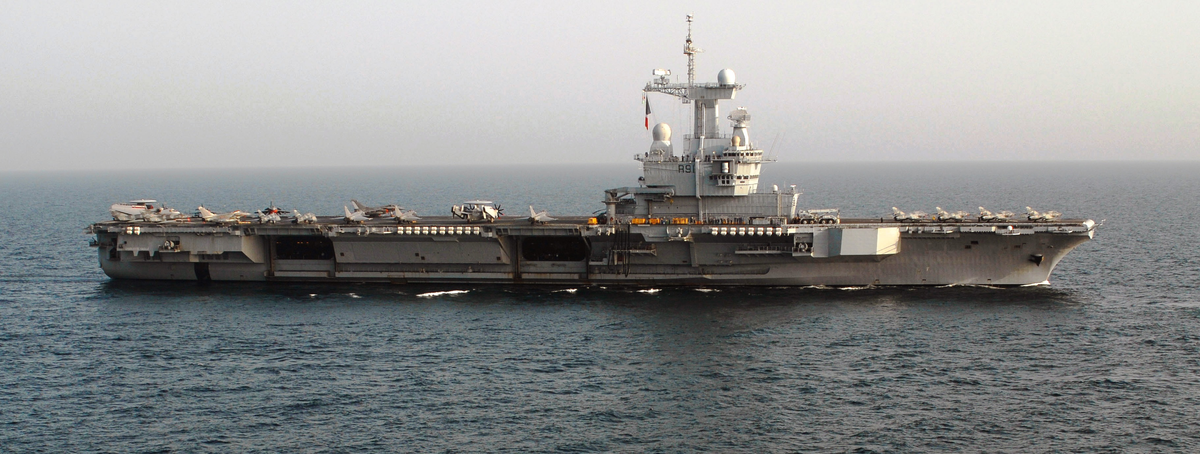
As of 2025, the French have only one aircraft carrier remaining in service—the Charles de Gaulle (R91). It is France’s first surface vessel with a nuclear propulsion system and the only nuclear-powered aircraft carrier built outside the United States (and there has long been talk that it is past time to decommission the carrier).
The
French aircraft carrier Charles de Gaulle (R91)
But if we rewind time and look at the different types of aircraft carriers, we can identify several main categories.
The concept of an “aircraft carrier strike group” (ACSG) first emerged during World War II (1939–1945). Some of the missions for which strike carriers were (in theory) intended:
-striking ground targets with air power;
– the destruction of enemy ships and vessels at sea and in bases, and of aircraft at airfields and in the air;
– providing air support to ground forces and facilitating the landing of marine assault forces
A classic example of an aircraft carrier strike group is the Japanese group that was intended to attack the harbor and airfields at Pearl Harbor.
Strike aircraft carriers never operate alone; they are always part of a task force. They require minesweepers, gunboats, anti-submarine warfare ships, and so on for cover.
But there is a caveat. This concept, in turn, is divided into a strike “anti-ship group” and a strike aircraft carrier group tasked with providing cover and support for amphibious landings. These are also slightly different concepts.
While a strike aircraft carrier can, in and of itself, be used to carry out both missions, the air groups required for these missions are completely different (torpedo bombers are useless for land attacks. American nuclear-powered aircraft carriers are typical strike ships carrying a large number of aircraft.)
The design of an escort aircraft carrier differs fundamentally from that of a strike aircraft carrier. As a rule, it is a ship with a smaller displacement; sometimes it is a converted high-speed commercial vessel (in the USSR after the war, high-speed container ships could be converted into escort aircraft carriers fairly quickly). Ships of this type are designed to escort convoys and formations of other types of ships, conduct anti-submarine warfare, and so on. After the war, there was a trend toward distinguishing between anti-submarine aircraft carriers, amphibious helicopter carriers, and so on.
Before the war, virtually all aircraft carriers were multipurpose. They carried several types of aircraft: reconnaissance planes, torpedo bombers, and fighters. But a “jack-of-all-trades” is always inferior to a specialized “specialist.”
“You can’t harness an ox and a timid doe to the same cart.”
Convoys protected by escort carriers rarely traveled faster than 14 knots, and strike groups were not allowed to move at that speed, as there was a risk of coming under attack.
I think I’ve outlined these trends fairly clearly. Now let’s get back to history. Today we’ll talk about the Soviet aircraft carriers that were planned for construction before the war.
What kind of ships were they, and what were they used for?
Contents:
Project 71 and 71B Aircraft Carriers
As early as 1936, the Central Research Institute of Naval Architecture (TsNIIVK) had been independently developing a preliminary design for an aircraft carrier with a displacement of 17,750 metric tons. However, the project was excluded from the development program.
On September 7, 1937, in accordance with Resolution No. 87 of the Defense Committee under the Council of People’s Commissars (SNK) of the Union of Soviet Socialist Republics, dated August 13/15, 1937, the People’s Commissar of Defense of the USSR, K. E. Voroshilov, submitted a report to the Central Committee of the All-Union Communist Party (Bolsheviks) (VKP(b)), addressed to I. V. Stalin and the Chairman of the SNK, V. M. Molotov, regarding the revised plan for the construction of warships for the Naval Forces of the Red Army. In this document, in particular, the increase in the total tonnage of ships in the main classes compared to previous plans was justified by the inclusion of heavy cruisers and aircraft carriers in the construction program. A total of two aircraft carriers were to be built: one for the Northern Fleet and one for the Pacific Fleet. The keel laying for the first was planned for 1941, and for the second in 1942, with these ships scheduled for delivery during the fourth five-year plan.
In February 1938, Lev Galler, Chief of the Main Naval Staff, approved the requirements of the tactical and technical specifications (TTS) for the design of the future aircraft carrier.
On June 27, 1938, the approved technical specifications were forwarded to the Shipbuilding Directorate of the Red Navy. In October of that same year, the technical specifications were reviewed by the Red Navy’s Main Naval Staff, which, after approving them with minor comments, they ordered that it be prepared as a specification for the People’s Commissariat of the Shipbuilding Industry (NKSP) to create a preliminary design. The design of the aircraft carrier, as commissioned by the NKSP, was undertaken by TsKBS-45—the name given to the former TsNIIVK following its reorganization. Engineers L. A. Gordon and N. Ya. Maltsev led this development effort at the design bureau. The technical specifications provided for:
- Crew and Capacity: It was estimated that the crew, together with the air group, would number approximately 1,300–1,500 people.
- Armament: The ship was to carry 30 aircraft on board; to support their operations, it was planned to use air-launchers, catapults, special landing lights, roll stabilizers, etc.
- Flight deck dimensions: 215 x 24 meters. Supplies: aviation fuel and lubricants—110 metric tons; aviation ammunition—33 metric tons.
- Armor: main belt—75 mm on the starboard side and 100 mm on the port side; transverse bulkheads—75 mm; armored deck—50 mm; conning tower—50 mm, protection of the rudder compartment and aviation fuel tanks—30 mm.
The aircraft carrier was designed to have a speed of 32 knots with a power plant output of 210,000 l. s.. The artillery armament consisted of eight twin 130-mm multi-purpose guns and four quad 37-mm automatic guns.
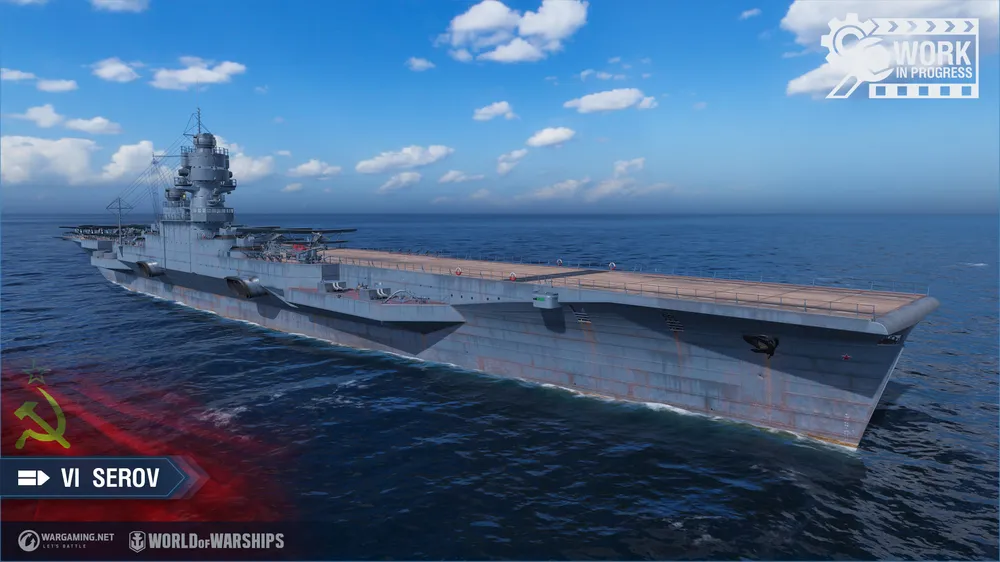
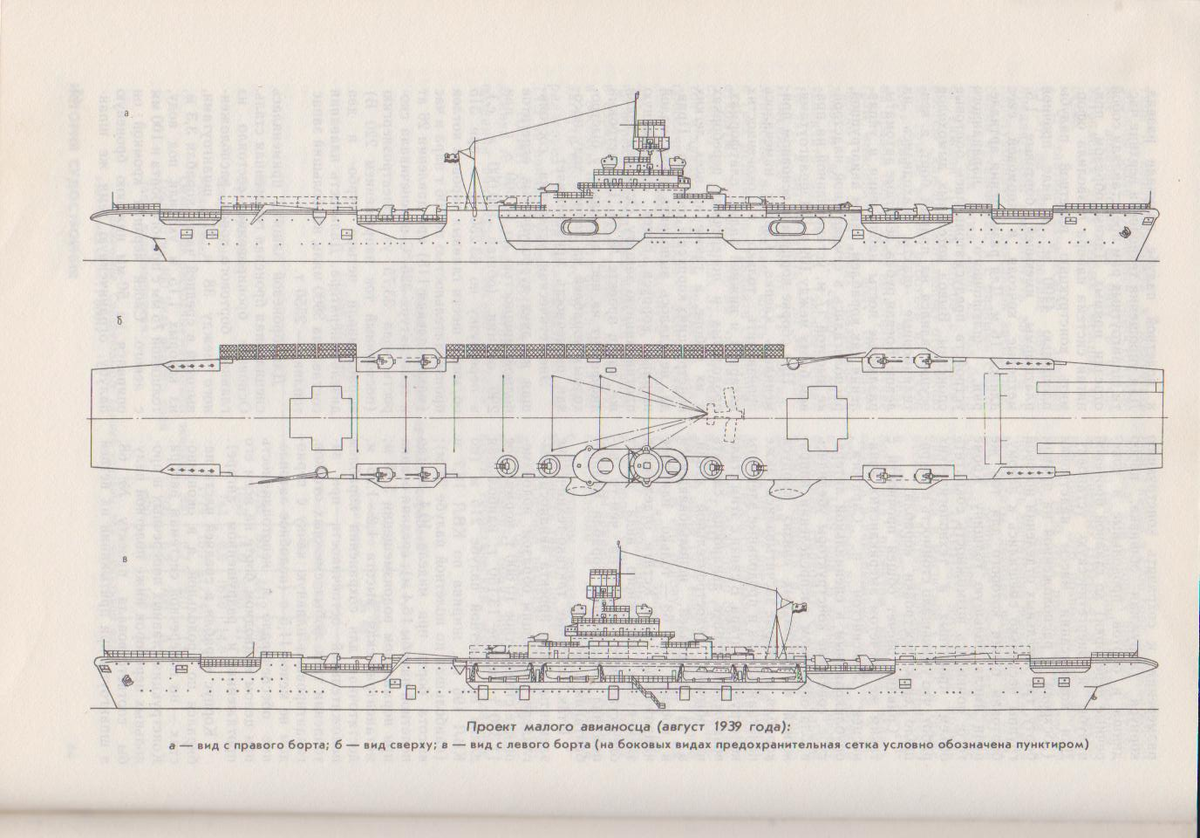
By May 1939, the Central Design Bureau for Shipbuilding (TsKBS-45) had completed a preliminary design for a small aircraft carrier, designated No. 71; a 1:200 scale model was also built for wind tunnel testing. Only the hull lines were borrowed from the Project 68 cruiser, while the internal layout and configuration were significantly revised. Structurally, the hangar in Project 71 was not merely a superstructure but was integrated into the structural framework and contributed to the hull’s strength. At the same time, significant effort was devoted to designing a ship hull with the most favorable aerodynamic profile; models of the future aircraft carrier were tested in a wind tunnel for this purpose. Unlike the prototype cruiser, the light aircraft carrier was not intended to engage in artillery exchanges or withstand the stresses of main-caliber gunfire; so it was deemed appropriate, to reduce construction costs, to forgo the use of special steels and construct the aircraft carrier’s hull from standard shipbuilding steel.
As with the Project 68 light cruisers, the aircraft carrier was intended to be equipped with a twin-shaft main power plant (MPP) developed by Design Bureau No. 17. This was the first domestically developed cruiser-class propulsion system, created based on licensed documentation from the Italian firm Ansaldo and taking into account the test results of the light cruiser Kirov. The aircraft carrier’s main propulsion system was to consist of two active three-casing TV7-type gas turbine steam engines and six KV-68 main boilers of the vertical water-tube type with natural circulation. Boilers of this type produced 106 metric tons of superheated steam per hour at a pressure of 26 atmospheres and a temperature of 350°C. The power plant’s rated output was 110,000 l. s. (with the boilers overloaded, up to 126,500 l. s.), which was intended to provide the aircraft carrier with a maximum speed of 33 knots. Unlike the prototype cruiser, the three boiler rooms in the forward section were shifted to the port side of the hull, thereby partially offsetting the weight of the superstructure on the starboard side. The total fuel capacity for the boilers was 2,250 metric tons, and the estimated range at an economical speed of 18 knots was to be 3,800 miles. The aircraft carrier’s electrical power system would also have been similar to that of Project 68 cruisers, on which four turbogenerators and two diesel generators with a total installed capacity of 1,700 kW supplied the ship’s electrical system with 230-volt direct current.
The primary method of takeoff for wheeled aircraft from aircraft carriers of that era was a free run down the flight deck; the use of catapults was intended only for maximum takeoff weight and adverse weather conditions. Two pneumatic catapults with a 24-meter track length were planned for the forward section of the flight deck. The design of the catapults was not finalized. The aircraft hoists were cross-shaped and, according to the design, were capable of lifting aircraft with their wings unfolded.
This project best aligned with the Navy’s vision for an aircraft carrier, as well as with the capabilities of the Soviet shipbuilding industry. Shipyard No. 199, located in Komsomolsk-on-Amur, was designated as the site for the future construction of the aircraft carrier. The keel of the first ship was scheduled to be laid in 1942. On August 6, 1939, People’s Commissar of the Navy N. G. Kuznetsov presented the next fleet development program. At the initiative of N. G. Kuznetsov, two aircraft carriers were included in the program for the first time. However, when the program was revised in January 1940, the aircraft carriers were once again excluded from it.
But work continued. In September 1939, Project 71 was reviewed by the Scientific and Technical Committee (STC) of the People’s Commissariat of the Navy. Although the conclusion was generally positive, it also contained recommendations for significant revisions to the project aimed at strengthening the air group and anti-aircraft armament.
It was precisely in the NTK’s recommendations that the primary purpose of this type of aircraft carrier was specified. It was proposed that the air group completely abandon specialized bombers and switch to a single type of fighter aircraft, increasing their number to 40–45. This further emphasized the aircraft carrier’s role as an air defense vessel.
For the deck-based version, they used the I-190 (a modification of the I-153 fighter “Chaika” equipped with an M-88 engine); later, the Yak-1 was used as a prototype, but no specific design work was carried out in this direction. The Project 71 aircraft carrier design contained only general requirements for the aircraft, since carrier-based aircraft were not yet being developed in the USSR at that time.
In addition to revising the aircraft group, the NTC’s recommendations included the following revisions:
-increasing the number of 100-mm single-barrel mounts from eight to twelve while increasing their ammunition load, as well as exploring the option of replacing all 100-mm artillery with four universal 130-mm twin-gun turret mounts;
-Replacing the Fram passive anti-roll system with an active one;
-increasing the cruising range to 6,000 miles, which would require more fuel-efficient main propulsion systems with higher steam parameters and, where possible, converting as many auxiliary systems as possible to electric power;
-the widest possible use of welding in the structure;
– Widening of the flight deck in the area of the island superstructure.
Revising the design in accordance with the Technical Committee’s recommendations inevitably led to an increase in the ship’s displacement; the attempt to incorporate all the comments as much as possible ultimately resulted in the new Project 71B, which never progressed beyond the preliminary design stage.
Project 72 Aircraft Carrier
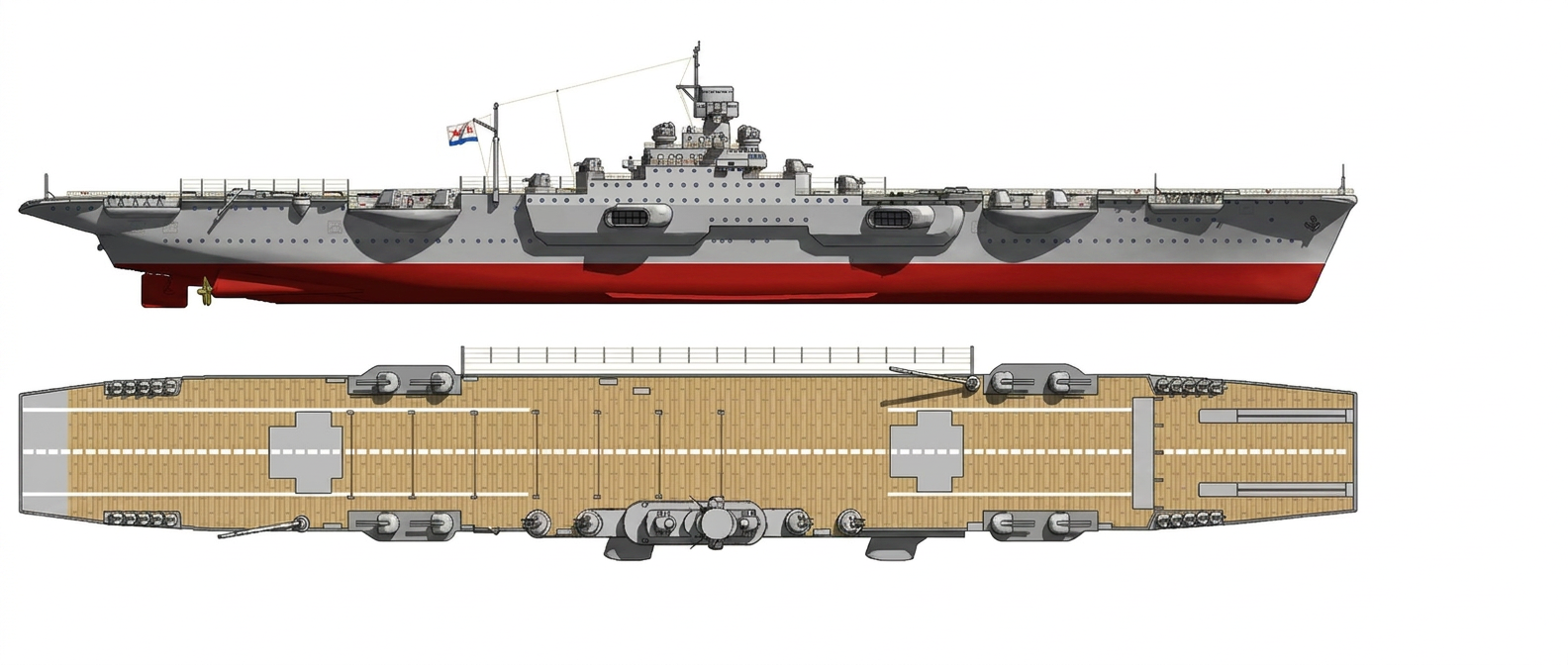
A preliminary design for an aircraft carrier developed in the Soviet Union toward the end of World War II. The designers sought to create a modern squadron-type aircraft carrier capable of providing air support and cover to combat ship formations while they conducted operations far from their home bases. Several variants were developed, but the design never progressed to the technical design stage or was put into practical implementation.
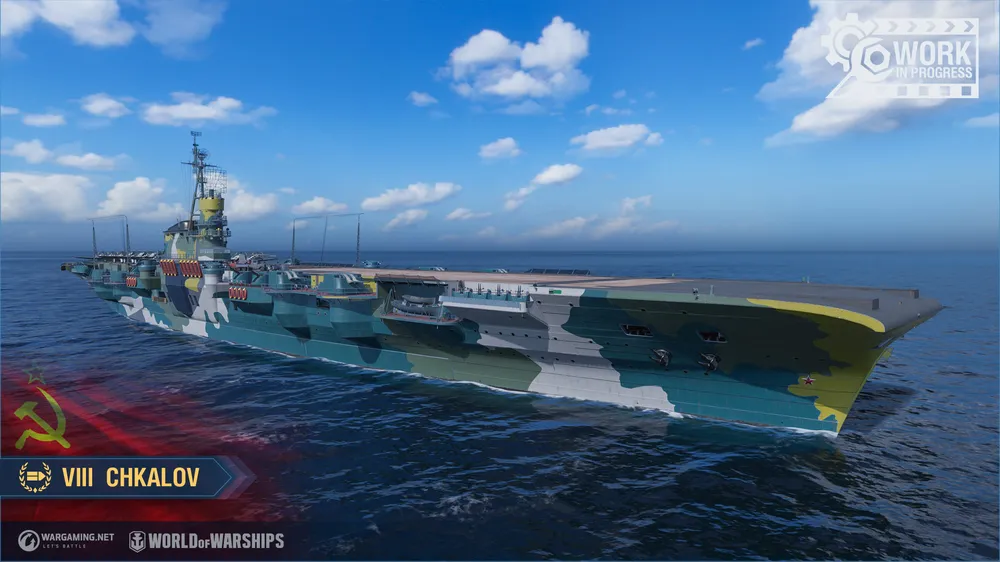
In 1943, the TsKB-17 design bureau, under the leadership of Viktor Vladimirovich Ashik, resumed work on the development of Soviet aircraft carriers. By that time, TsKB-17 had been evacuated from Leningrad to Kazan, so the project was launched in that city on the Volga River. TsNII-45—the lead research institute of the NKSP—was also brought in to assist with the work. Work proceeded in two directions: a large aircraft carrier with a two-level hangar for 60 aircraft and a smaller ship with a single-level hangar for 30 aircraft. The preliminary design specifications also included a variant with an air group of 45 aircraft; however, this variant was based on the specified dimensions of the future carrier-based aircraft.
At the same time, design work was underway on deck-based torpedo bombers. I. Chetverikov’s Design Bureau began developing the PT-1M-82 deck-based torpedo bomber to arm these ships, while the Tupolev Design Bureau worked on the PT-M71 torpedo bomber.
By November 1944, Central Design Bureau No. 17 had completed the preliminary design for a new aircraft carrier designated Project 72. Three variants of Project 72 were submitted to the Shipbuilding Directorate of the People’s Commissariat of the Navy for review:
-
I-B, a “large” aircraft carrier with a two-deck hangar capable of holding 60 aircraft, a displacement of 30,755 metric tons, a length of 273 meters, and eight 130-mm multi-purpose turret guns;
-
II-B “large” aircraft carrier with a two-deck hangar for 60 aircraft, a displacement of over 30,000 metric tons, a length of 273 meters, and twelve versatile 130-mm deck-mounted turrets on sponsons;
-
The III-M “small” aircraft carrier, with a single-deck hangar capable of holding 30 aircraft, a displacement of 23,700 metric tons, a length of 242 meters, and eight 130-mm multi-purpose gun mounts.
However, in the end, none of the Project 72 variants was selected for further development and implementation.
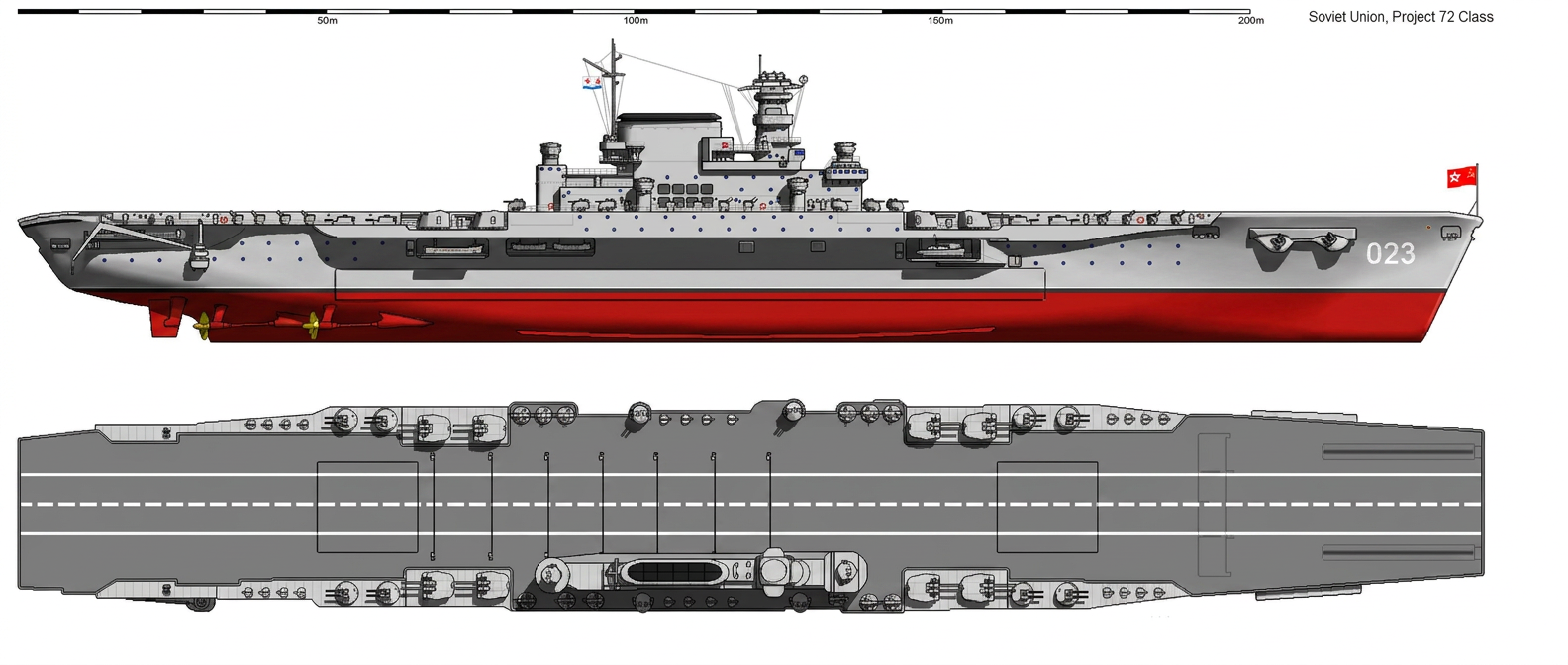
In principle, an analysis of the surviving documents suggests that it would have been entirely feasible to build them, but they were never built.
Why?
It’s simple: both Project 71 and Project 72 were intended to be part of a battleship strike group; specifically, the battleships were supposed to provide cover for the carrier-based fighters of these aircraft carriers. While design work was underway on Project 24 battleships (the successor to Project 23), small battleships, and Project 82 heavy cruisers, work was also being done on the aircraft carrier. With the cancellation of these projects, the aircraft carrier was scrapped as well.
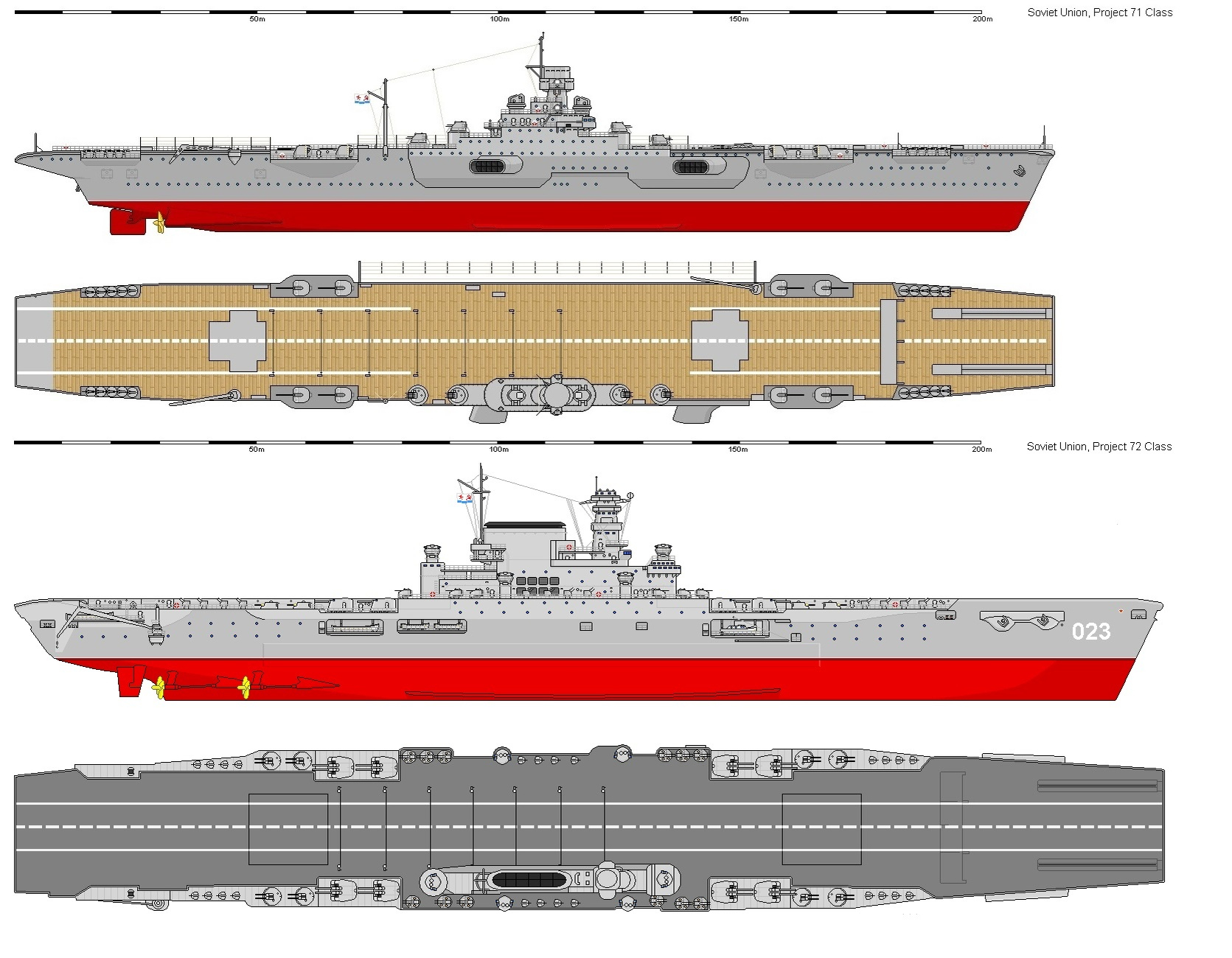
Alternative Project 72
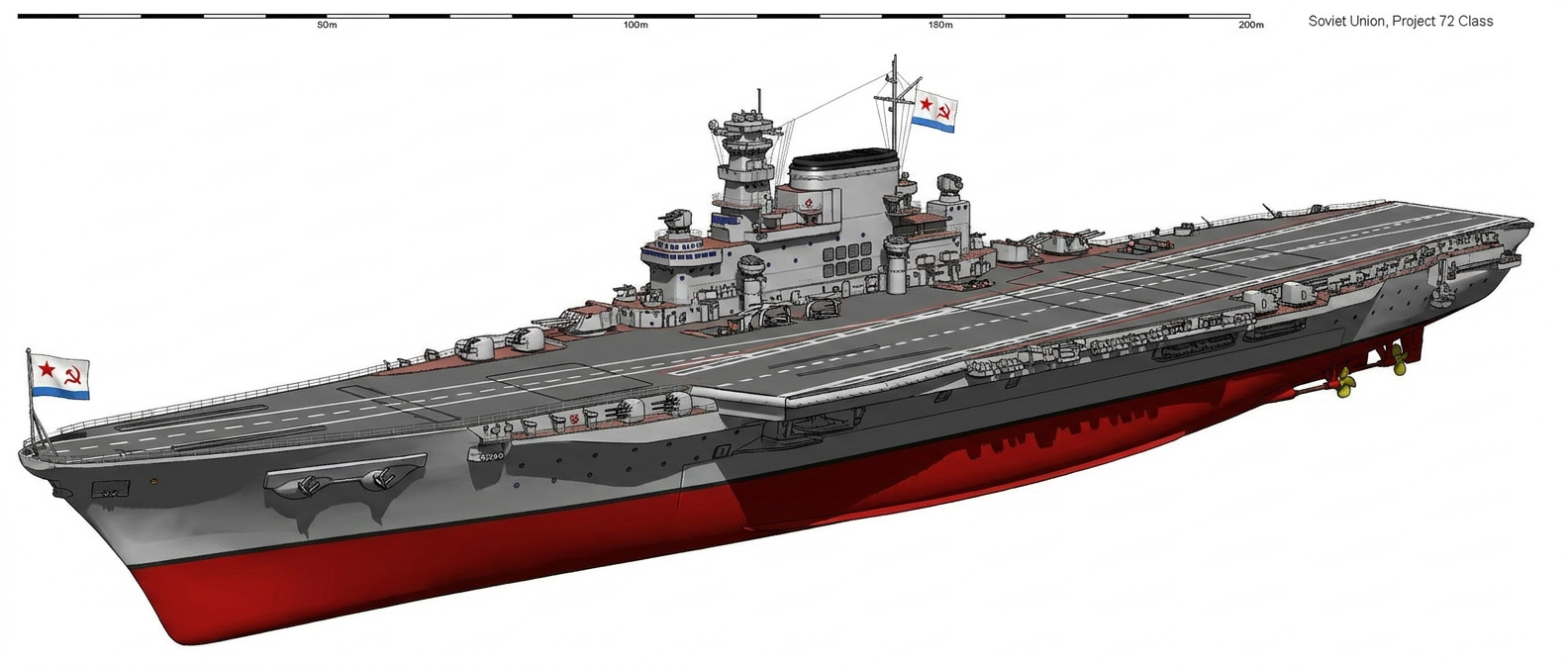
I wasn’t planning on coming up with an alternative on this topic. But the AI came up with an alternative version of Project 72 for me. As you can see, this is a version of the aircraft carrier after modernization—say, sometime in the 1970s—when a angled deck was installed on the ship. Or rather, it was likely built from the start with this exact takeoff deck configuration:
Source — https://dzen.ru/a/aAjaVh0RRHq_J6Km