The Tachikawa Ki-94 II (航空機 キ94 II), a Japanese superfighter that arrived too late for the war

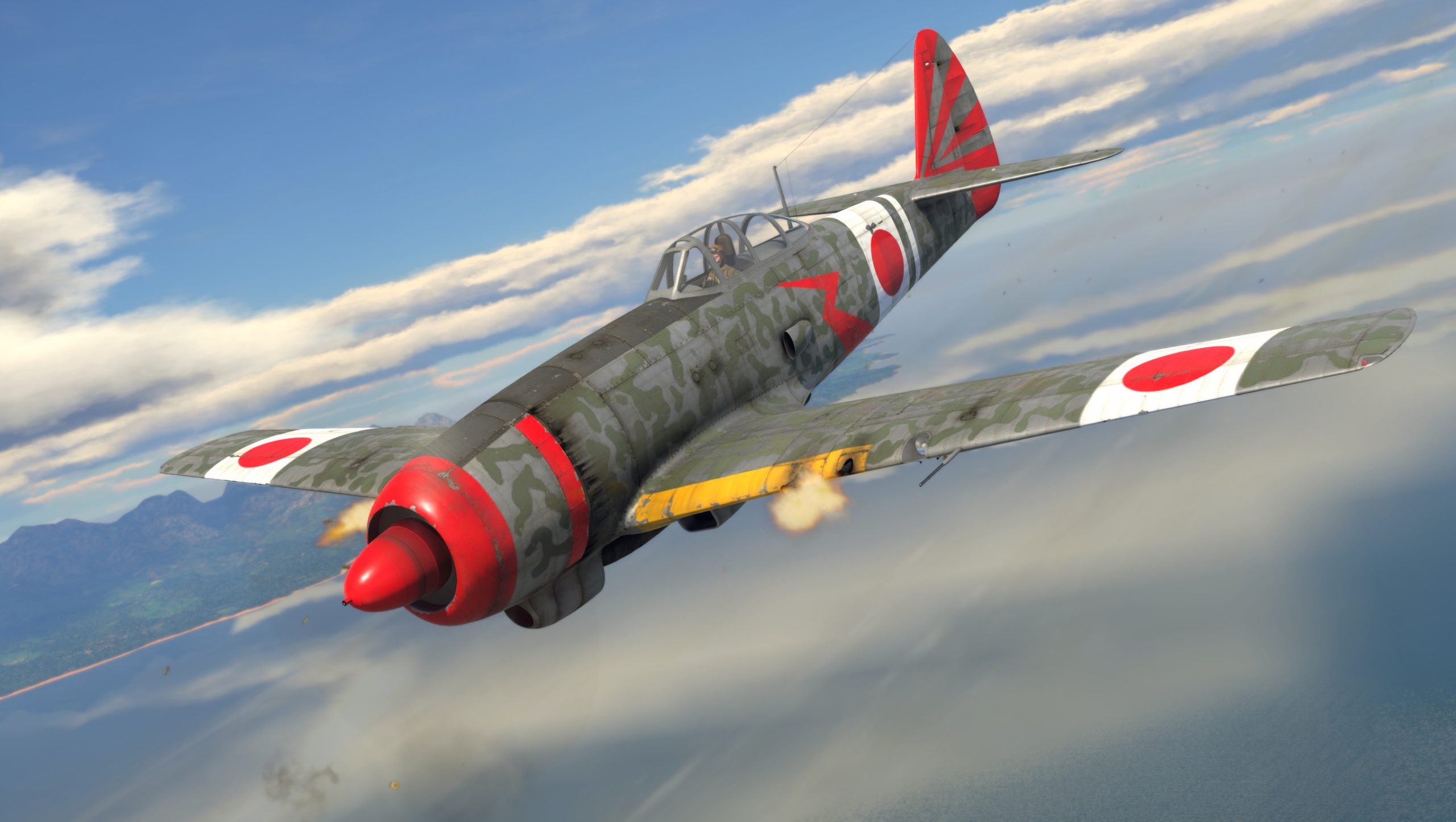
Unlike the Eastern Front, where most air battles took place at medium or low altitudes (sometimes even just above the ground), air battles in Western Europe and the Pacific during the war shifted to increasingly higher altitudes. Excluding specialized high-altitude reconnaissance aircraft, this shift was in fact initiated by U.S. Army Air Forces bombers, such as the Boeing B-17 Flying Fortress and the Consolidated B-24 Liberator, whose turbocharged engines allowed them to fly routinely at altitudes ranging from 6,000 to 8,000 meters, and theoretically even higher. Fighters, which were not technically designed for flight at these altitudes and suffered from reduced performance and maneuverability, had difficulty repelling raids by high-altitude bombers.
The trend toward developing high-altitude fighters equipped with turbochargers and pressurized cockpits was evident in all countries that participated in World War II, but Japan found itself in a unique position, since, following its failed attempt to conquer India and occupy much of the interior of China, it anticipated that formations of American B-17 Flying Fortress and B-24 Liberator bombers, operating from airfields located within those countries, in the near future, formations of American B-17 Flying Fortress and B-24 Liberator bombers would take off and carry out raids on the homeland.
When the first reports came from the United States regarding the existence and planned deployment of Boeing B-29 Superfortress strategic bombers—equipped not only with turbocharged engines but also with pressurized crew compartments, and capable of flying at altitudes of about 10,000 meters, a certain nervousness took hold at the Japanese Army Air Headquarters (Koku Hombu), a certain nervousness set in, as the Imperial Army Air Force command rightly suspected that the B-29 bombers would carry out massive raids on the Japanese islands.
The command’s anxiety was reflected in the orders placed with aircraft manufacturers, from whom Koku Hombu began demanding the development of long-range interceptor fighters with suitable flight characteristics and powerful armament, since it was expected that even a specialized high-altitude fighter operating in thin air would be able to deliver only a single strike against the B-29. Turbochargers and pressurized cockpits were to be standard features of such high-altitude fighters.
Around the middle of 1942, preliminary talks were held between Koku Hombu, on the one hand, and the companies “Tachikawa” (Tachikawa Hikoki K.K.) and “Nakajima” (Nakajima Hikoki K.K.) on the other, preliminary negotiations were held regarding the possibility of developing a high-altitude, well-armed fighter. The negotiations resulted in the issuance of a specification calling for a fighter with a maximum speed of 800 km/h, a practical ceiling of 15,000 meters, and a range of 3,000 kilometers. Given the capabilities of Japanese industry and its designers at that time, these requirements were practically impossible to meet. However, both companies took the task very seriously. Development lasted over a year, and both companies considered designs featuring piston engines and propellers. While Nakajima worked on the Ki-87, a more traditional cantilever low-wing design, Tachikawa developed a design designated the Ki-94. Given that Tachikawa had never previously developed modern all-metal fighters and had only produced such aircraft under license, the company’s engineers chose a configuration whose development entailed significant technical risks. The Tachikawa area on the western outskirts of Tokyo was home not only to the company of the same name (a subsidiary of the Ishikawajima Shipyards) but also to the 1st Army Aviation Arsenal (Tachikawa Dai-ichi Rikugun Kokusho), and it is likely that there were certain connections and exchanges of ideas between employees of both companies.
The first Ki-94 design was a fairly large twin-beam aircraft equipped with two massive, air-cooled, 18-cylinder, two-row Mitsubishi Ha-211 Ru radial engines; the first engine was mounted at the front of the short fuselage and drove a pull propeller, while the second engine was mounted at the rear of the fuselage and drove a push propeller. The vertical tail was mounted on the rear ends of tail booms extending from the wing consoles. The engines were to be equipped with turbochargers, the single-seat cockpit was to be pressurized, and the landing gear was to be a tricycle configuration with a nose wheel. The plan was to arm the aircraft with two 37-mm Ho-203 cannons and two 30-mm Ho-105 cannons. According to calculations, the maximum speed at an altitude of 10,000 meters was 780 km/h, and the practical ceiling was five kilometers higher. When, in late 1943, the technical department of the Imperial Japanese Army Air Force examined a full-scale wooden mockup of the Ki-94, it ultimately deemed the design too complex in terms of both production and operation, and saw little potential for converting the airframe from duralumin to steel and wood in the event of an emergency. The project was officially rejected, and although Nakajima continued work on its Ki-87 design, which underwent no significant changes, Tachikawa was given another chance.
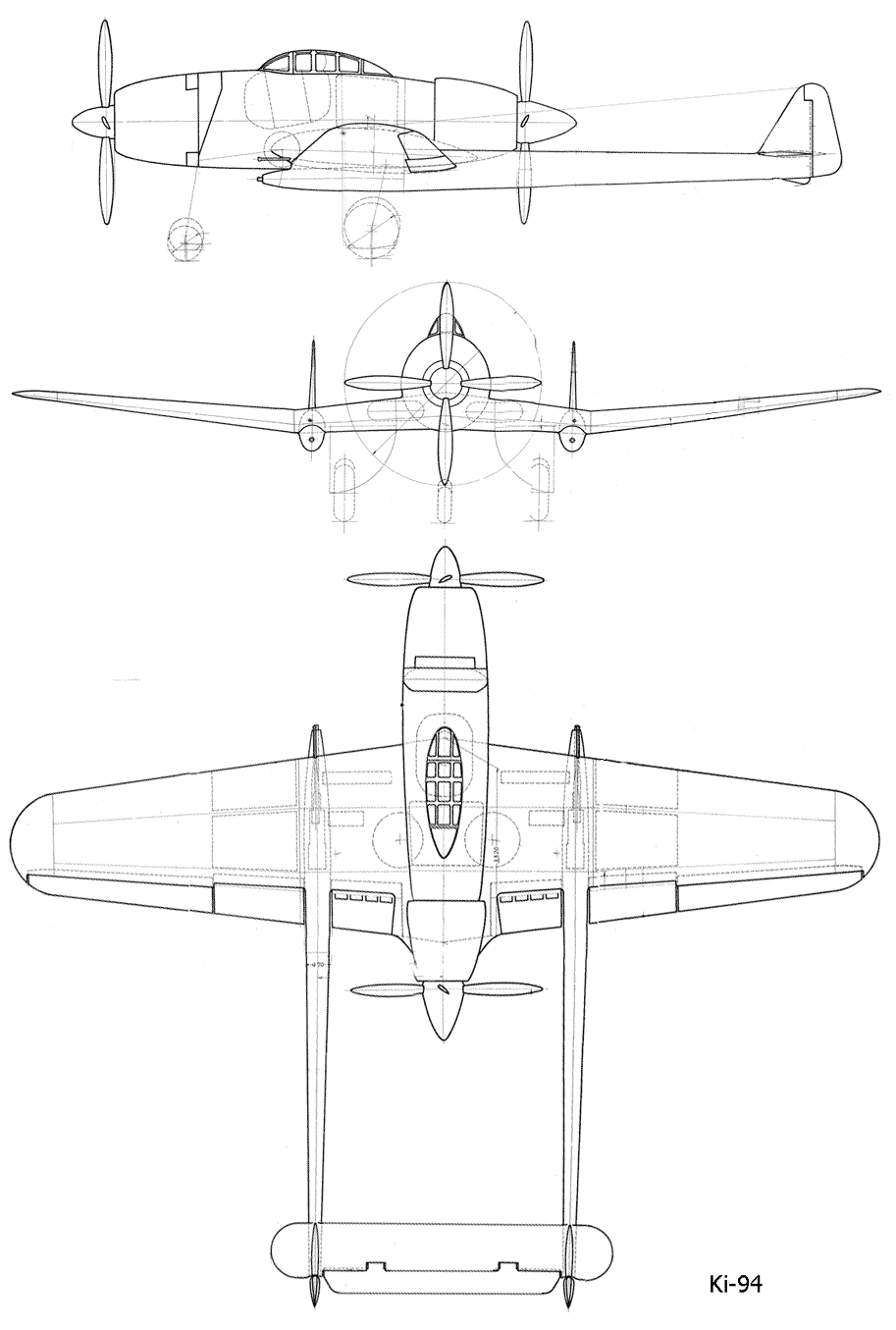
Schematic diagram of the Tachikawa Ki-94 I fighter-interceptor. Drawing from airpages.ru
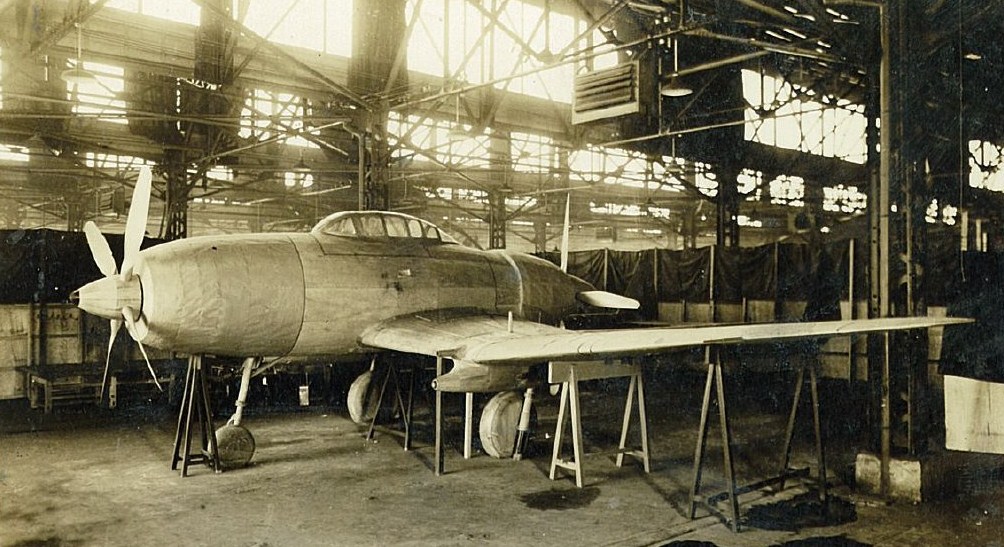
A full-scale wooden model of the Tachikawa Ki-94 I fighter-interceptor project. Photo from military-history.fandom.com
The new project was designated Ki-94 II, and to avoid confusion with the original, the rejected twin-engine aircraft was retroactively designated Ki-94 I in the documents. Although the new aircraft was still large, it was more modest from a design and technical standpoint. It was a large aircraft, but a classic all-metal, single-engine low-wing monoplane with a single-spar laminar wing, into the root sections of which the main landing gear legs retracted. Each wing spar contained armament compartments, each housing a 30-mm Ho-105 cannon and a 20-mm Ho-5 cannon. The middle section of the fuselage had a semi-monocoque structure, while the rear section was a pure monocoque. The tail landing gear was retractable. An 18-cylinder air-cooled Nakajima Ha-219 radial engine (Ha-44/12 Ru), equipped with a fan to increase cooling efficiency and driving the six-bladed variable-pitch propeller specified in the design. The pressurized cockpit, with a fairly high canopy, was designed as an insertable duralumin cylindrical housing. Beneath it, on the lower part of the fuselage, a flat turbocharger was installed; exhaust gases were fed to its turbine through a simple pipe from a manifold ring located behind the engine. Air was drawn into intakes located along the sides of the fuselage, compressed through a pair of intercoolers, and then fed into the engine through a split intake duct in the upper part of the fuselage. It was expected that the engine, which produced 2,400 l.s. (1,764 kW) at ground level, would maintain a power output of 2,200 l.s. (1,617 kW) at an altitude of 4,400 meters, 2,040 l.s. (1,500 kW) at an altitude of 11,000 meters, and 1,800 l.s. (1,320 kW) at maximum altitude. The capacity of the fuel tanks, located in the fuselage behind the engine, was 1,820 liters (under normal operating conditions, the tanks were intended to be filled with 1,220 liters of fuel). The oil tank capacity was 120 liters. In addition to its cannons, the Ki-94 II could theoretically carry two 250-kilogram bombs or drop tanks under its wing pylons.
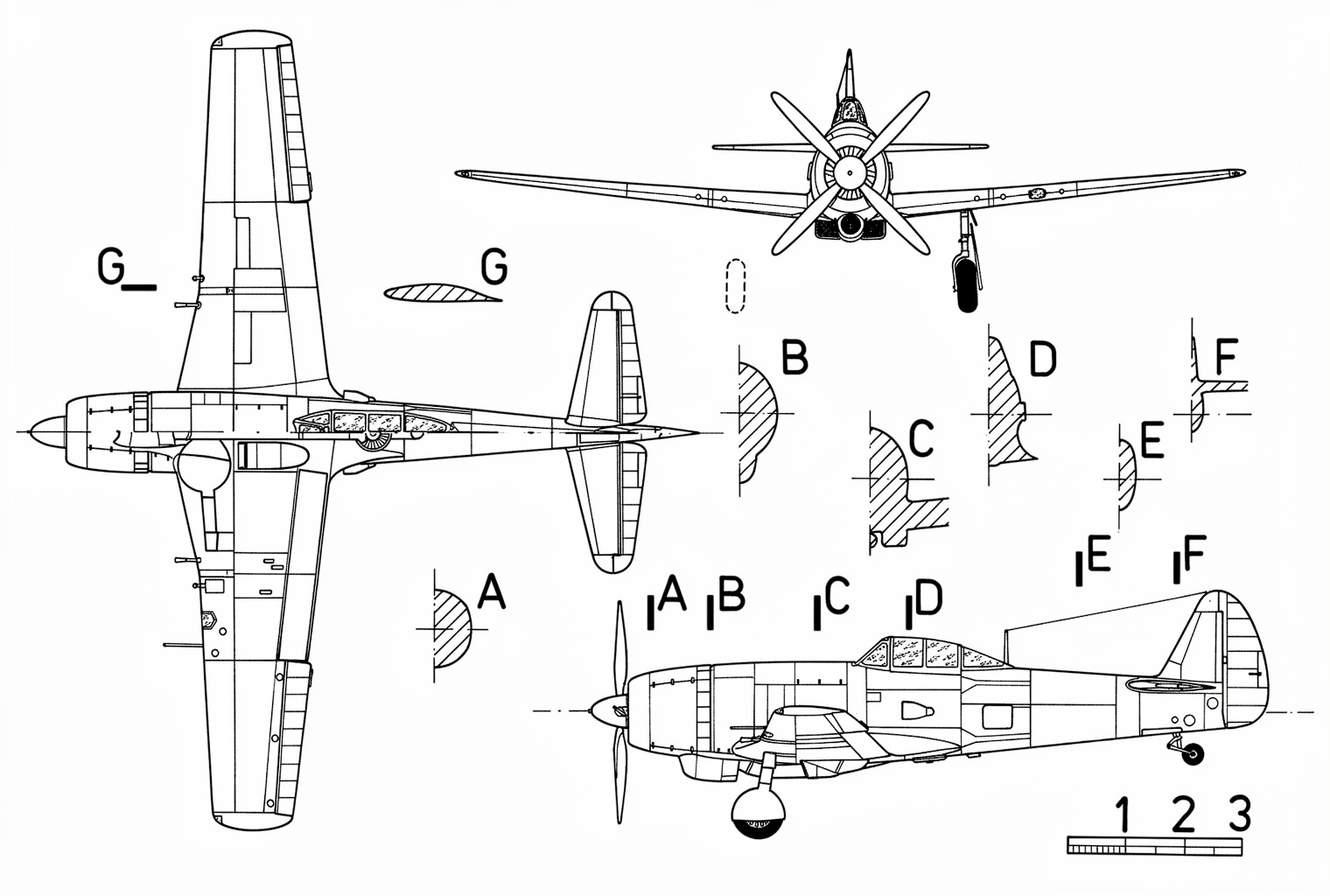
Schematic of the Tachikawa Ki-94 II experimental fighter-interceptor. Image processed by lmarena.ai
Koku Hombu approved the Ki-94 II project, and the prototype was expected to be ready for testing in the summer of 1945. However, due to attacks by the U.S. Air Force—particularly raids by B-29 Superfortress bombers—work on this technically complex aircraft proceeded slowly and intermittently. The first Ki-94 II, initially equipped with only a four-bladed propeller, was completed in late July 1945. The maiden flight was scheduled for August 18, but for obvious reasons, it did not take place. Following two atomic bombings and the Red Army’s rapid advance into Manchuria, Japan surrendered.
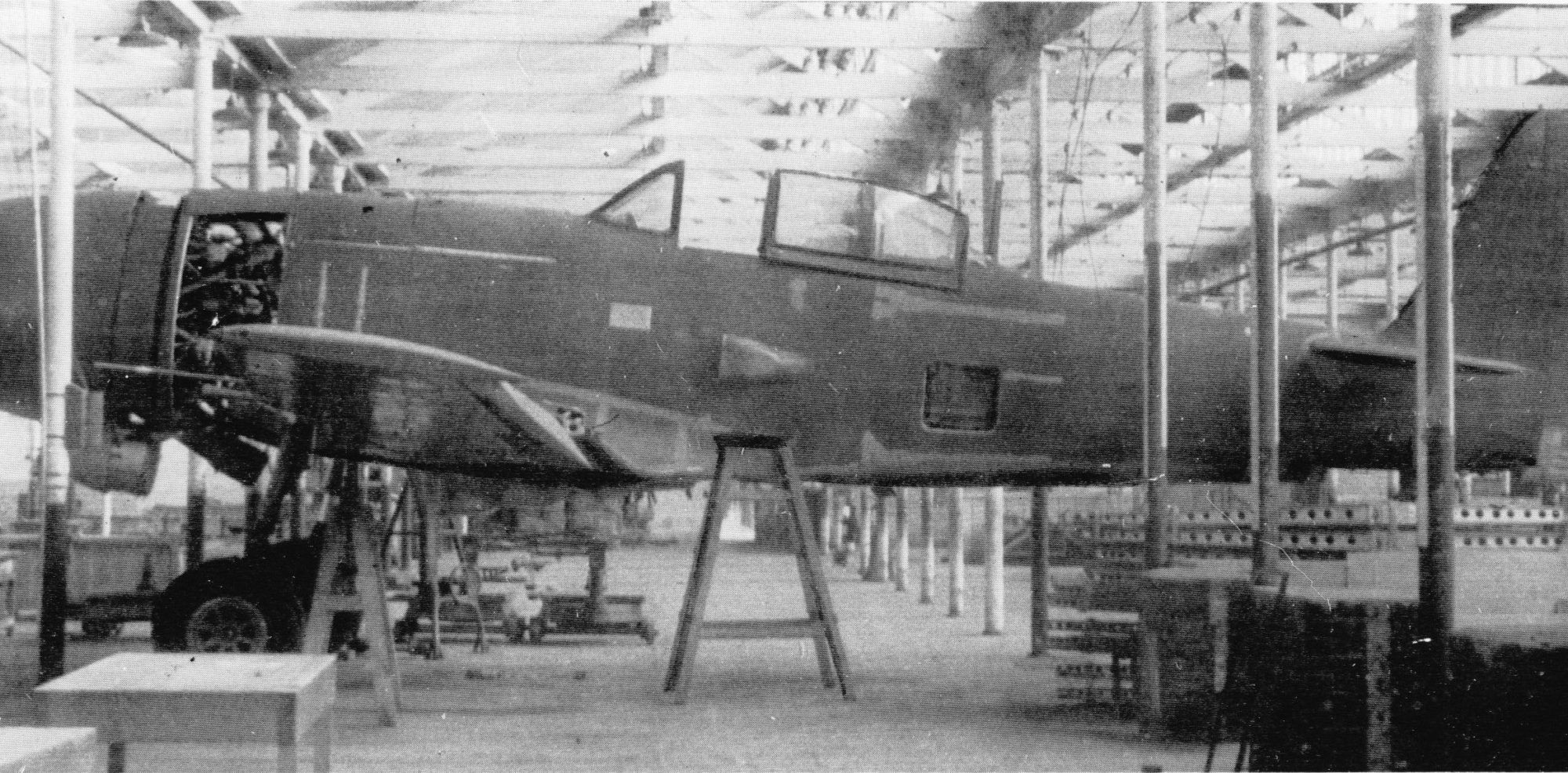
The first prototype of the Tachikawa Ki-94 II experimental fighter-interceptor, prior to completion of assembly. Photo: i.pinimg.com
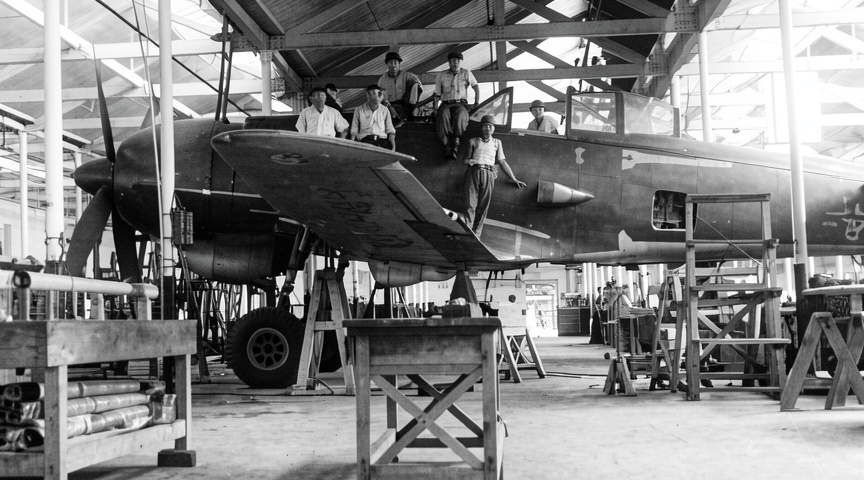
The first prototype of the Tachikawa Ki-94 II experimental fighter-interceptor, prior to completion of assembly. Photo from i0.wp.com
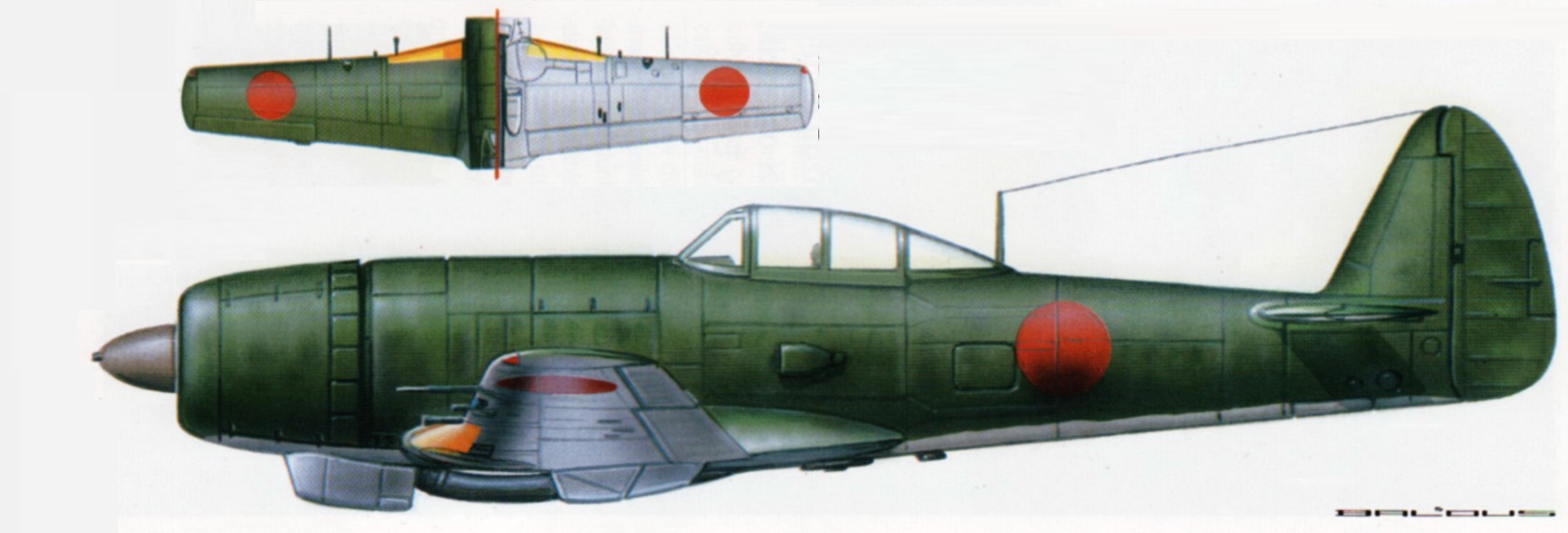
According to Japanese sources, the upper and side surfaces of the first prototype of the Tachikawa Ki-94 II experimental fighter-interceptor were painted dark green, while the undersides were painted light gray. The leading edges of the inner sections of the wing roots were yellow; identification markings were applied in the usual locations and did not have white outlines. There were no other markings.
After Japan’s surrender and the landing of American troops, the first Ki-94 II prototype was captured. The prototype was transported to the United States and taken to Middleton Air Force Base, where it was assigned the designation FE-150. It was then transferred to a museum in 1949. That is where all traces of the first Ki-94 II prototype are lost. As for the second prototype, it remained unfinished at the end of hostilities.
FLIGHT AND TECHNICAL SPECIFICATIONS
Type: Tachikawa Ki-94 II
Purpose: high-altitude fighter-interceptor
Status: prototype
Manufacturer: Tachikawa Hikoki K.K., Tachikawa, Tokyo.
Crew: 1 person
Powerplant: one 18-cylinder, two-row, air-cooled Nakajima Ha-219 (Ha-44/12 Ru) radial engine,
Dimensions:
Wingspan: 14.00 m
; Length: 12.00 m
; Height: 4.65 m
; Wing area: 28.00 m²
Weight:
Empty aircraft: 4,610 kg
; normal takeoff weight: 6,400 kg
; takeoff weight under overload: 6,955 kg
Flight Performance (Estimated):
Maximum speed at an
altitude of • 12,000 meters – 712 km/h •
14,000 meters – 687 km/h
; cruising speed at an altitude of 9,000 meters – 440 km/h
; minimum speed: 145 km/h
; time to climb to 12,000 m: 24 min 13 s
; service ceiling: 14,680 m
; range: 2,100 km
Source: Text: Miroslav Balous, Illustration: Petr Kolmann, “Aircraft 39–45: Tachikawa Ki-94 II,” *Letectvi+Kosmonautika*, December 2011, pp. 68–69
Translation first published at – https://vk.com/@710541705-tachikawa-ki-94-ii