This is the next installment in a series of vintage articles from the magazine *Letectví + kosmonautika* (1984–91 issues) that focus on the history of long-distance flights and which, I believe, will be of interest to readers and colleagues.
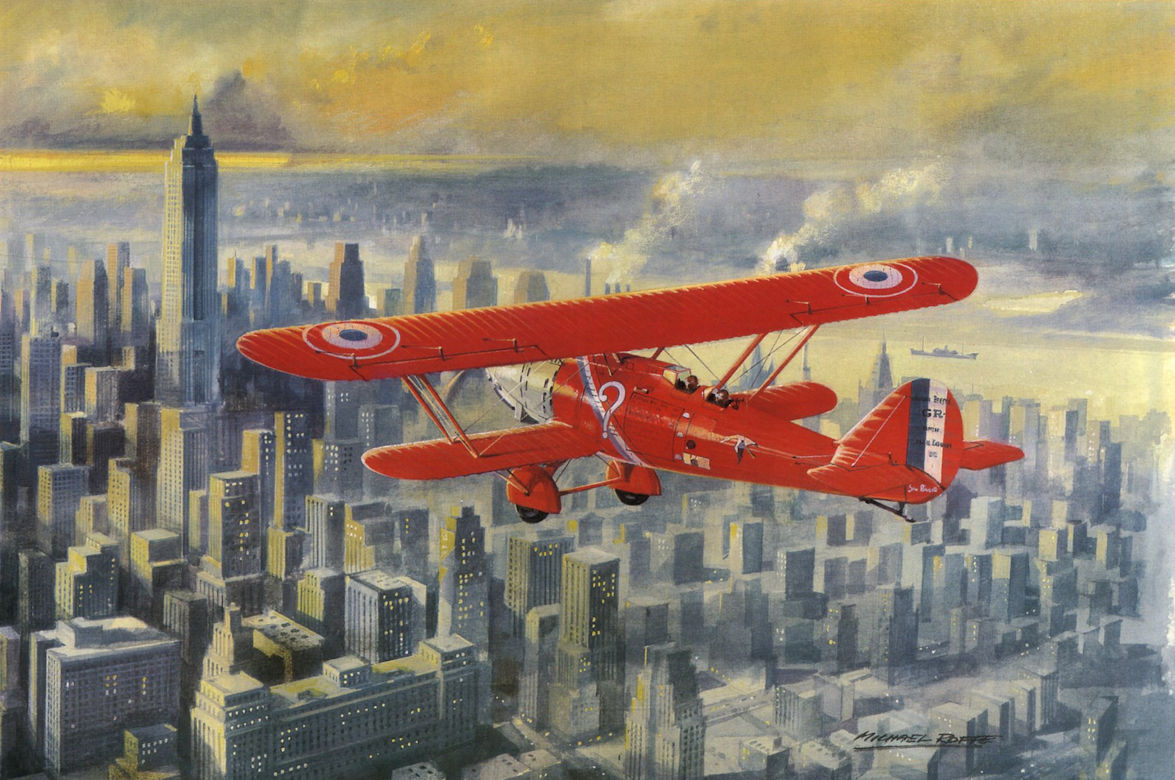
The story of the Bréguet 19TF “Point d’Interrogation” (Question Mark) aircraft and its crew is one of the most famous and celebrated chapters not only in the history of long-distance flight, but also in the history of aviation as a whole. It encompassed not just one, but several remarkable long-distance flights, as well as several years of effort by an entire generation of French aviators and aircraft designers. It is therefore no surprise that, for most French people, the Bréguet 19 is one of the symbols of their national pride…
The aircraft manufacturer Société Anonyme des Ateliers d’Aviation Louis Bréguet (Bréguet) joined the race for the range record with its highly successful all-metal biplane—the Br-19 reconnaissance and light bomber. This aircraft, which made its maiden flight in March 1922 piloted by Robert Thierry, entered service with the air forces of many countries in the 1920s and proved itself to be a sturdy and reliable machine. The aircraft’s design allowed for more or less extensive modifications and was well suited for long-range flights to various parts of the world.
Initially, production models of the Br-19 A-2 or Br-19 B-2 were used for long-range flights, but by the end of 1924, the first specially modified version, the Br-19GR (Grand Raid—long-range flight), had been developed with fuel tanks holding 2,000 liters. The aircraft with serial number 64 was assigned the civil registration number F-ADHP, and in February 1925, Lemaitre and Arrashar set the first official record for a long-distance non-stop flight in a Br-19 along the Étampes–Villa Cisneros route, covering a distance of 3,166.3 kilometers. In the years that followed, aircraft of the Br-19 family—both production models and specially modified versions—were chosen for long-distance flights not only by the French, but also by the Japanese, Belgians, Poles, and Spaniards.
In 1927—the year of Charles Lindbergh and the great trans-Atlantic crossings—Bréguet also began to consider the idea of a flight across the “Big Pond.” The idea came from two popular French pilots—the company’s chief test pilot, Dieudonné Costes, and Joseph Le Bré. After weighing the pros and cons, including the still-limited capabilities of the Br-19GR aircraft, they finally decided to change their route and, instead of the North Atlantic, attempt to cross the southern part of the ocean, which, in addition to the shorter distance between the continents, also offered more favorable weather conditions. If successful, they intended to continue their flight and complete a round-the-world flight, which they did between October 1927 and April 1928.
However, in late 1927, while Kostes and Le Brie were somewhere between Buenos Aires and Lima, Bréguet began to pursue the idea of crossing the North Atlantic with renewed vigor. The plan was based on the idea of creating an improved and enlarged version of the “nineteen”—the Br-19TR (Transatlantique), better known as the Bréguet-Bidon or simply the Bidon (canister). The main changes compared to the previous Br-19GR variant included the installation of larger fuel tanks (3,735 liters in the fuselage and 390 liters in the upper wing), an increase in wing area, modifications to the cockpit, and so on. In total, Bréguet manufactured five aircraft of this variant (two others were manufactured under license by the Spanish company CASA, one of which also distinguished itself during a transatlantic flight). Three were equipped with Hispano-Suiza 12Lb engines rated at 441 kW (591 l.s.) each, the fourth was fitted with a Renault 12Kg engine rated at 404 kW (542 l.s.), and the fifth with a Lorraine 12Eb W-shaped engine rated at 331 kW (524 l.s.). The fate of the last two aircraft was quite interesting, but in terms of setting new range records—and, above all, crossing the Atlantic—they were somewhat less successful.
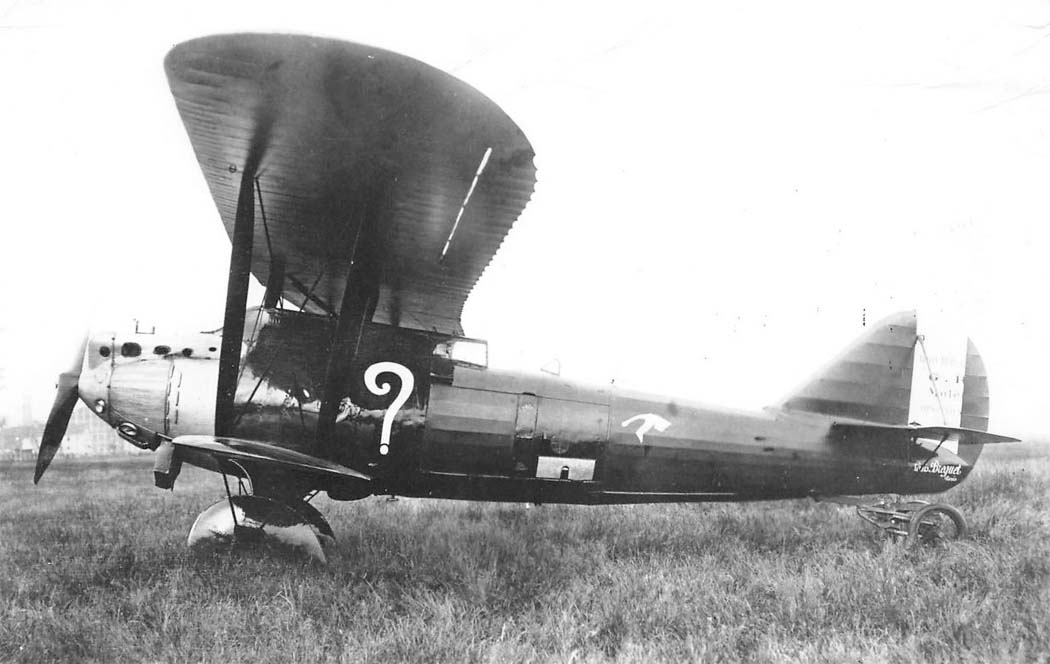
The first Bréguet Br-19TR with a Hispano-Suiza engine before being converted to a Br-19TF. Photo courtesy of airwar.ru
In 1929, the Bréguet-Bidon, powered by a Renault 12Kg engine and piloted by Arrashar and Rigno, reached China, where it ultimately remained in service with that country’s air force. A Bidon powered by a Lorraine 12Eb engine was selected for the 1929 flight by a mixed French-Uruguayan crew—consisting of Challe (Challe) and Larre Borges from Spain to South America. The first Br-19TR, powered by a Hispano-Suiza 12Lb engine, set off for Africa with a Belgian crew in late 1927. In May 1929, a second Br-19TR with a Hispano engine, piloted by Girier and Weiss, set a speed record over a distance of 500 kilometers—188.097 km/h— and in January of the following year, 1930, it attempted a record-breaking flight along the route from Istres to Pondicherry and back. In the spring of 1931, the aircraft, with a crew consisting of Dieudonné Costes and Aviation Minister Jacques-Louis Duménil, made a round-trip journey to Africa, covering a total distance of 15,000 kilometers.
The third and final Br-19TR, powered by a Hispano-Suiza 12Lb engine, took to the air for the first time on July 23, 1928. The aircraft was assigned the civil registration number F-RANS, and a question mark—“?”—was painted in white on the side of the red fuselage, intended to symbolize the technical complexity of its development and the uncertainty surrounding whether it would live up to the hopes placed upon it. This uncertainty dragged on for several long months. It turned out that the aircraft would require a number of modifications for the upcoming flight from Paris to New York. Engineer Vullierme and his assistants, Gabb and Mollard (Mollard). They focused primarily on further increasing the aircraft’s size and installing additional fuel tanks. The wing area was increased by extending the upper wing’s span by 2.4 meters; the I-shaped wing struts were replaced with four struts; and the fuselage was lengthened by 1.2 meters.
The main fuel tanks—one with a capacity of 2,990 liters and the other 720 liters—were still located in the fuselage, while four additional tanks—one with a capacity of 110 liters, one with a capacity of 195 liters, and two with a capacity of 240 liters each—were located in the wings. In addition, the aircraft could carry two auxiliary tanks under the lower wing, each with a capacity of 200 liters, from which the navigator was to transfer fuel to the pressure tank.
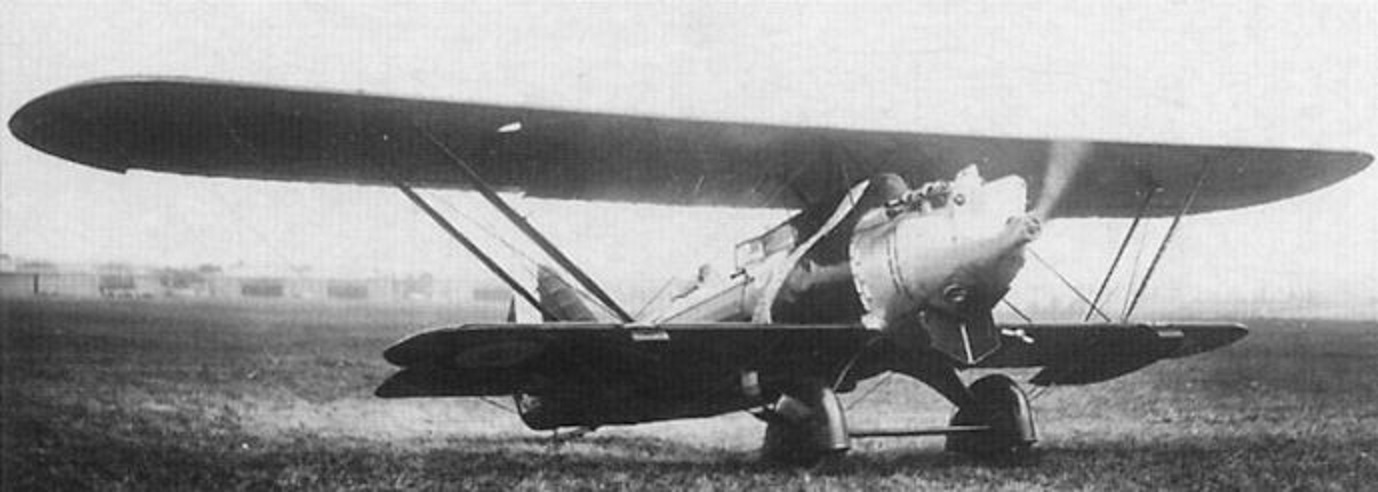
A Bréguet 19 Point d’Interrogation aircraft with auxiliary fuel tanks mounted under the lower wing. Photo courtesy of aviadejavu.ru
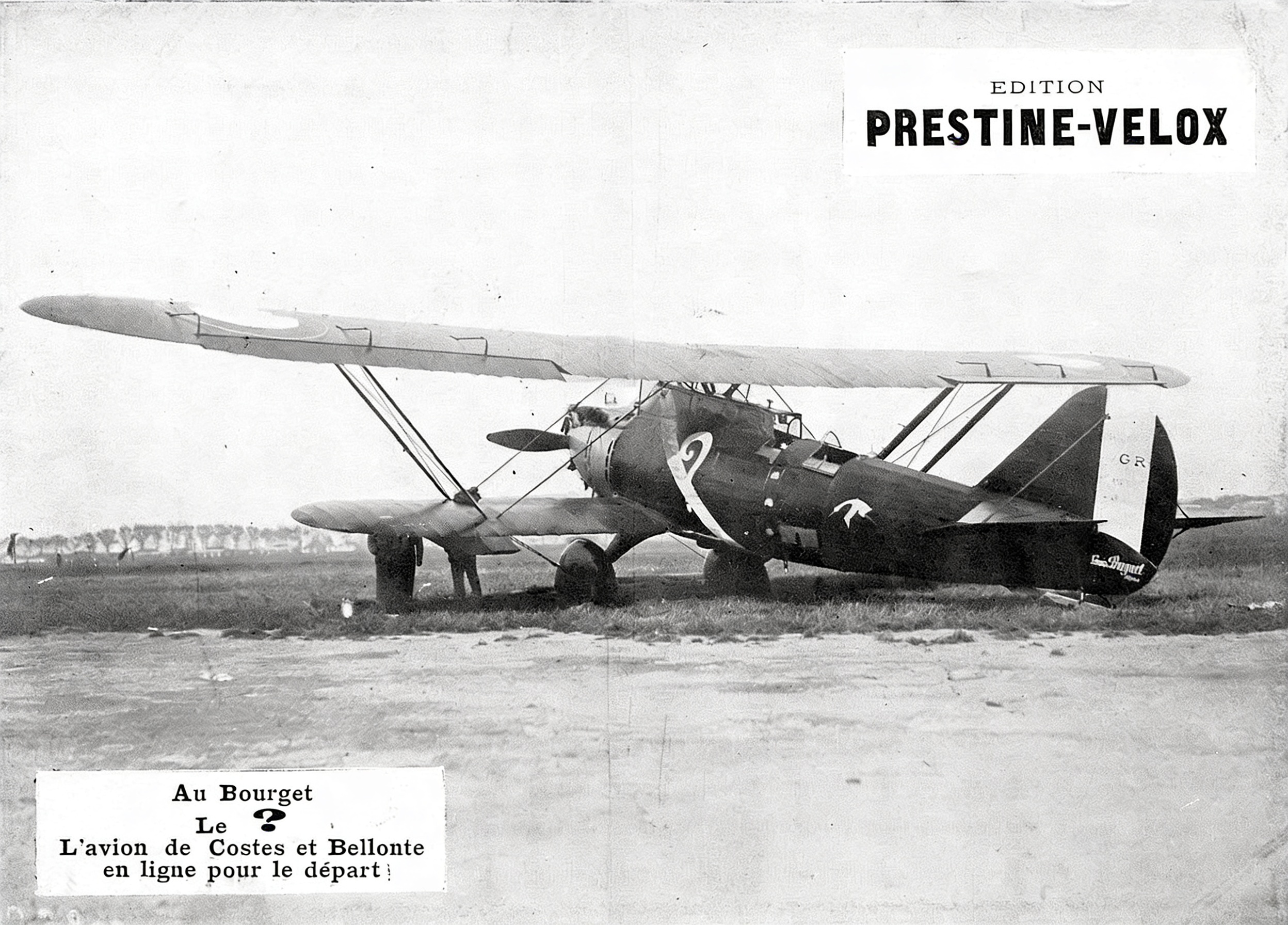
A Bréguet 19 Point d’Interrogation aircraft with auxiliary fuel tanks mounted under the lower wing. Photo from vk.com
The aircraft was equipped with a liquid-cooled Hispano-Suiza 12Nb inline 12-cylinder V-type engine with a power output of 478 kW (641 l.s.) and a weight of 469 kg. Fuel consumption was 295 g/kW·h. The fuel consisted of a mixture of aviation gasoline and a special blend of gasoline and benzene in an 80-to-20 ratio; this mixture was loaded into a smaller fuselage tank.
The maiden flight of Bréguet’s “new” aircraft, initially named the Super Bidon and later renamed the Br-19TF, took place on May 29, 1929, and on July 13 of that same year, it taxied onto the runway at Le Bourget Airport, intending to repeat Charles Lindbergh’s feat by flying in the opposite direction (from Europe to the United States). However, the Super Bidon was not flying alone but alongside the Amiot 123 piloted by Polish aviators Ludwik Idzikowski and Kazimierz Kubala (see “Heroes of Great Flights. Part 8: Poles Over the Atlantic”). Both planes took off from Le Bourget in quick succession, but neither was destined to reach its destination. While the Poles crashed in the Azores, the “question mark” from—due to poor weather conditions and excessive fuel consumption over the Azores—turned back toward mainland Europe and, after a flight lasting 28 hours and covering 5,400 kilometers, landed once again on French soil at the VLacquuble Airport.
Dieudonné Costes was once again the pilot of the aircraft, with Maurice Bellont serving as navigator. At that time, Costes was a leading figure in the aviation world, and the French public placed just as much hope in his preparations for the trans-Atlantic flight as they had in Charles Nungesser’s flight. Dieudonné Costes was born on November 14, 1892, in Cosade, in southern France, and on September 26, 1912, he received his French pilot’s license, No. 1046. Costes served in World War I as a fighter pilot and night bomber; during the war, he shot down ten enemy aircraft (six confirmed victories) and was promoted to second lieutenant. After the war ended, Costes was demobilized and took a job at the Ernoul company. Later, Dédonne Costes joined the CGA company. He then moved to Air Union, where he flew the Farman Goliath route between Paris and London. In 1925, at the recommendation of Joseph Portal of Aéropostal, Costes was hired by Bréguet, but his first long-distance flight in a Bréguet Br-19GR (F-ADHP), which took place on September 13 of that year, ended in failure. While attempting to set a world record for flight range, the plane crashed in fog near Freiburg, Germany, and Bréguet’s chief pilot, Lieutenant Robert Thierry, the second crew member of the Br-19GR (F-ADHP), was killed. A second attempt, made a year later, also failed to set the desired range record. On September 26, 1926, the Br-19GR (serial number 1685), piloted by Costes and de Vitrolle, reached Aswan, covering a distance of “only” 4,050 kilometers. Meanwhile, the current record at that time, set by Schall and Weiser on the Le Bourget–Bender Abbas route, stood at 5,174 kilometers. It was only on his third attempt that Dédonné Costes set the world speed record. On October 28–29, 1926, together with Rigno, he took off from Le Bourget in a Br-19GR (serial number 1685) and, after covering a distance of 5,396 kilometers, landed near the port of Jask (Djask) in southern Iran (about 200 kilometers southeast of Bandar Abbas). On June 4, 1927, shortly before the start of the aforementioned round-the-world flight, Kostes and Rigno made another remarkable long-distance flight in the Br-19GR (serial number 1685), covering 3,970 kilometers on the Le Bourget–Nizhny Tagil route.
Starting in the spring of 1928, Dédonné Costes devoted himself entirely to preparing the Bréguet Br-19TF “Le Point d’Interrogation.” As soon as the aircraft was completed, Costes began rigorous load tests. Through these tests, he sought to further improve the aircraft’s performance on long-distance flights and, at the same time, verify its ability to cross the North Atlantic from east to west.
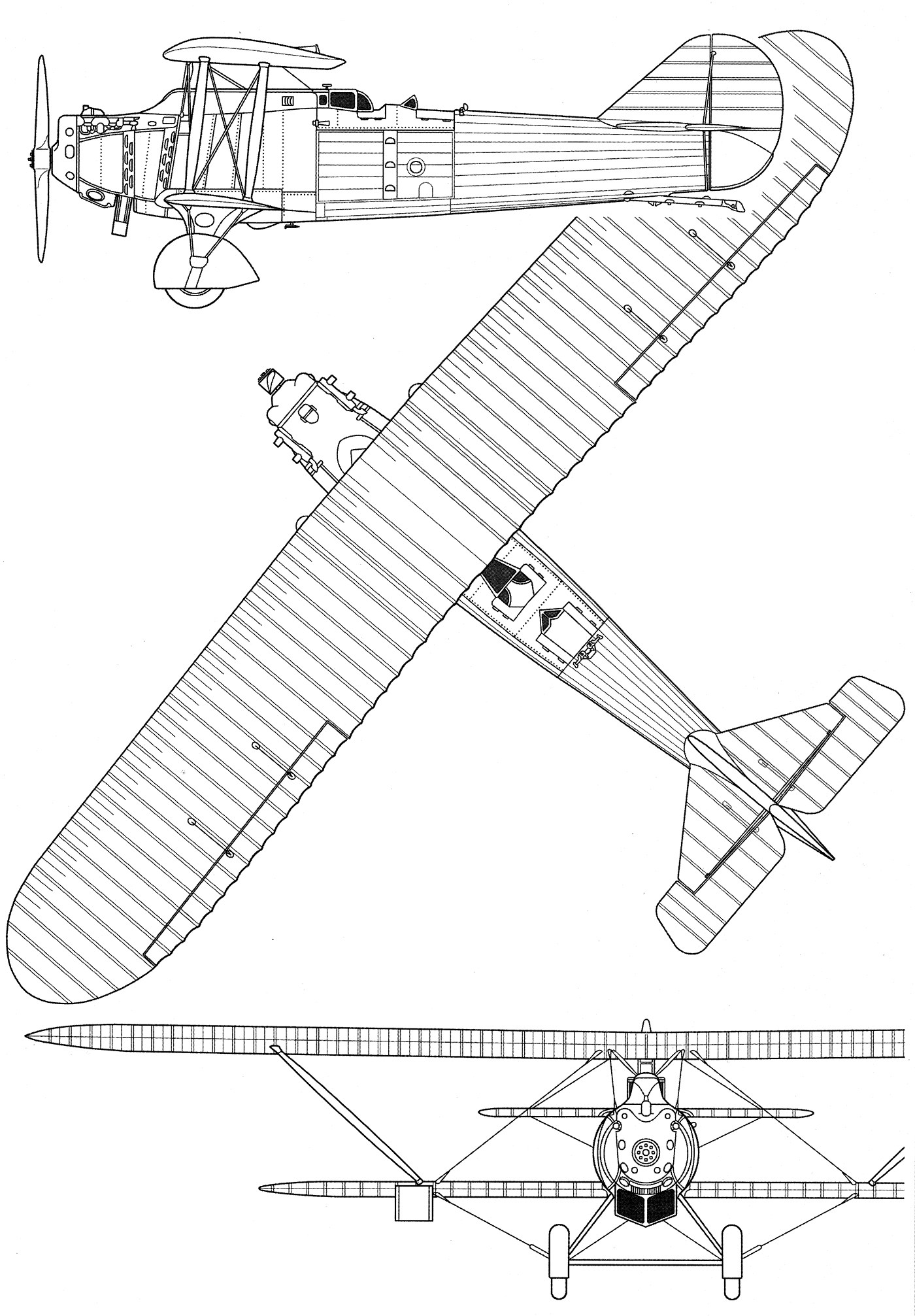
Diagram of the Bréguet Br-19TF “Point d’Interrogation” aircraft and its technical specifications: wingspan 18.30 m; length 10.71 m; height 4.08 m; wing area 59.94 m²; empty weight 1,990–2,190 kg; maximum takeoff weight 5,240–6,700 kg; maximum speed 250 km/h; flight range 6,700 m; range 9,000 km. Drawing from airwar.ru
Dieudonné Costes recalled Maurice Bellont, whom he had known since the days when he worked for Air Union and Bellont himself worked as an aircraft mechanic at Hispano-Suiza.
At the same time, Maurice Bellont was known as a skilled radio operator, so when the need arose to operate the onboard radio of the Bréguet 19TF “Point d’Interrogation,” Dieudonné Costes knew exactly who to turn to. Then, in July 1929, the Costes-Bellont crew undertook their first attempt at a transatlantic flight, and from September 7 to 29, 1929, they set a new world record for flight distance, when they completed a record-breaking flight from Le Bourget to Mullart near Cicicar (now Longjiang) in Manchuria (now the People’s Republic of China), covering a distance of 7,905.14 kilometers. This already seemed like a sufficient guarantee of success for the “mere” 6,000 kilometers across the Atlantic. Meanwhile, winter was already approaching, and they had to wait until the following summer and find a suitable date to cross the ocean. Still, Costes had no intention of sitting idly by. When Costes, Bellont, and Point d’Interrogation returned from China in the fall of 1929, Dieudonné Costes made arrangements with another famous French pilot, Paul Codos, to participate in a winter training program. As part of this program, over the Isère region on December 15–17, 1929, January 17–18, 1930, and February 15–16, 1930, circuit flights were conducted, during which the following records were set: a circuit flight distance record of 8,029.44 kilometers, a record for flight distance with a 500-kg payload of 4,361.98 kilometers, and a record for flight distance with a 1,000-kg payload of 3,309.9 kilometers.
After these tests under harsh conditions, the Bréguet 19TF “Point d’Interrogation” was disassembled down to the last screw and reassembled. The Bréguet 19TF was fitted with a new right-hand-rotating Bréguet Series 123 propeller and an SFR A-81D radio. The aircraft took to the air on May 10, 1930, and by July 23, the Point d’Interrogation was ready for its transatlantic flight. Everything was ready—except the weather.
Days and weeks passed, but the weather forecast remained bleak. Meanwhile, Dédonne Costes was calculating fuel consumption and concluded that, with an estimated distance of 6,310 kilometers, the flight should not have lasted more than 36 hours. Therefore, he decided to make do with a fuel supply of 5,180 liters and forgo the additional underwing tanks…
Summer was gradually reaching its peak when, on the last weekend of August, Philippe Vehrlé, the head of the meteorological service, arrived at the airfield. Vehrlé stated that the meteorological service would announce on Monday, September 1, 1930, that favorable weather conditions would prevail along the flight route for at least forty hours. Costes and Bellont did not hesitate for a second and decided to fly from Villacoublay to Le Bourget on Sunday, August 31, in the afternoon. However, the weather was not favorable during the flight, and so when, at 6:30 p.m., they taxied the plane into the hangar and checked into a hotel, at 11:00 p.m., Costes made arrangements with Kodos, who promised to take a reconnaissance flight the next morning to check the weather.
The Bréguet 19TF crew spent a tense night in Paris: while Costes hoped that sunlight would greet him at the airport in the morning, Bellont was still on the phone with four friends at half past three in the morning. Shortly after 4:00 a.m., Dieudonné Costes tried to get a weather update from the headquarters of the National Meteorological Service (L’Office National Météorologique). Dawn was breaking, but the view from the window did not bode well. Costes checked the weather conditions several times and received a report that the weather over the sea was favorable. In addition, at 9:00 a.m., Codos confirmed that the weather over the sea was favorable. It was still drizzling in Le Bourget, and the end of the runway was not visible, but the decision had already been made…
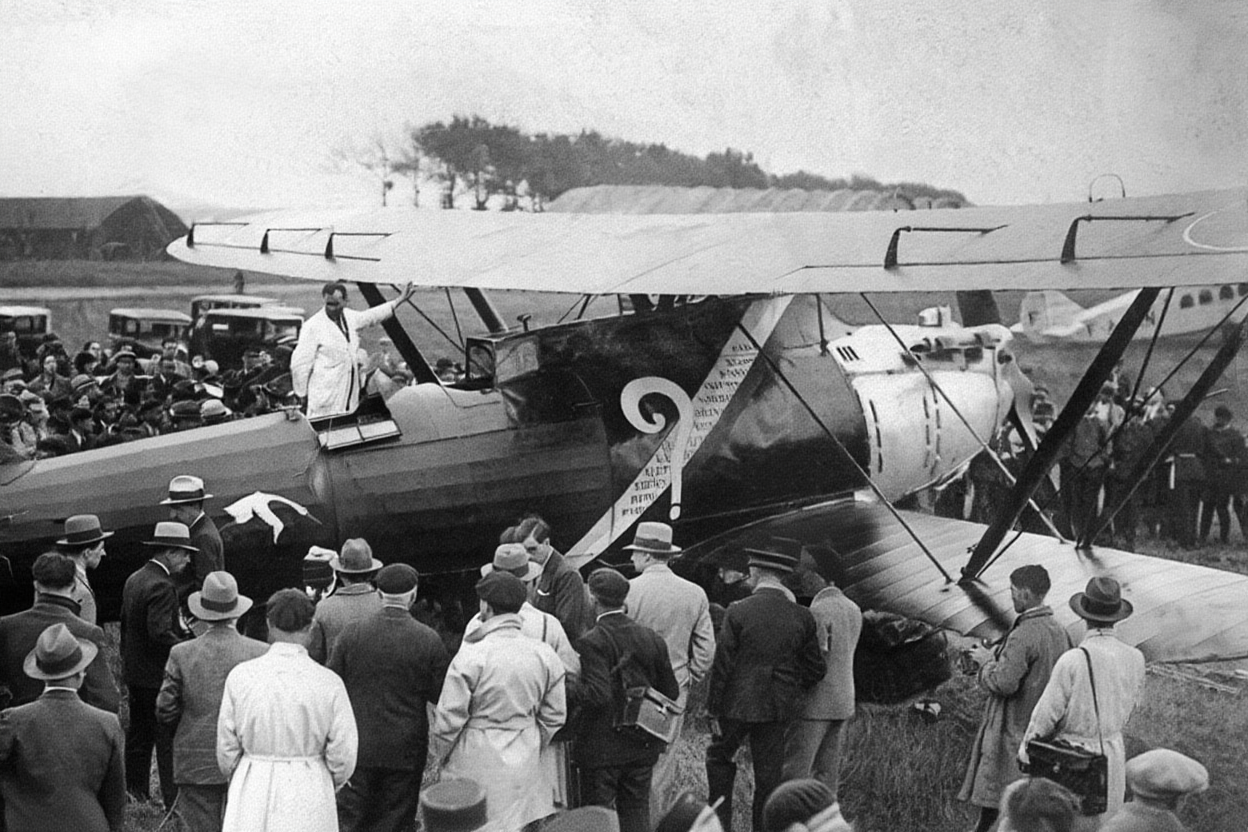
Costes and Bellont take their seats in the cockpit of the Bréguet Br-19TF “Point d’Interrogation” shortly after 10:30 a.m.; Le Bourget, September 1, 1930. Photo: Getty Images
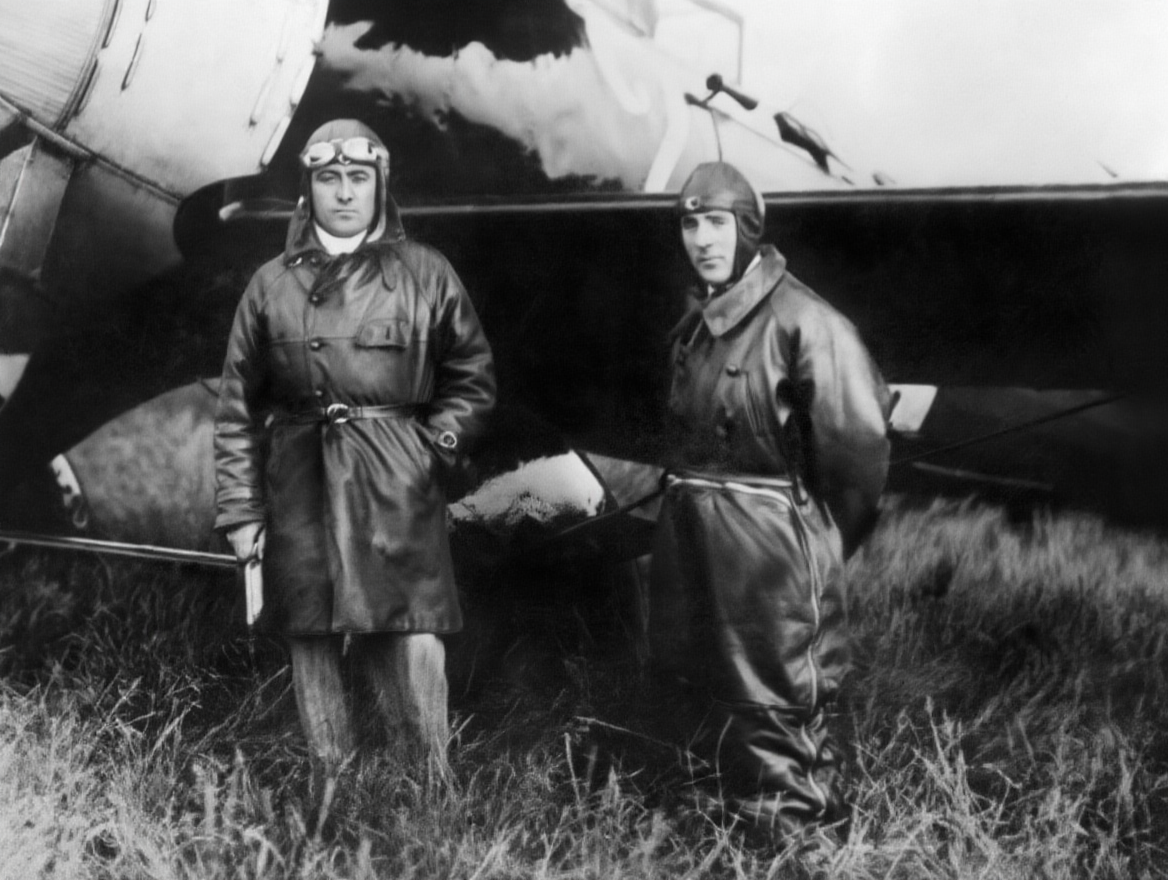
The crew of Maurice Bellont and Dieudonné Costes before their transatlantic flight (the Hispano-Suiza 12NLb engine is visible in the lower right corner); Le Bourget, September 1, 1930. Photo: Getty Images
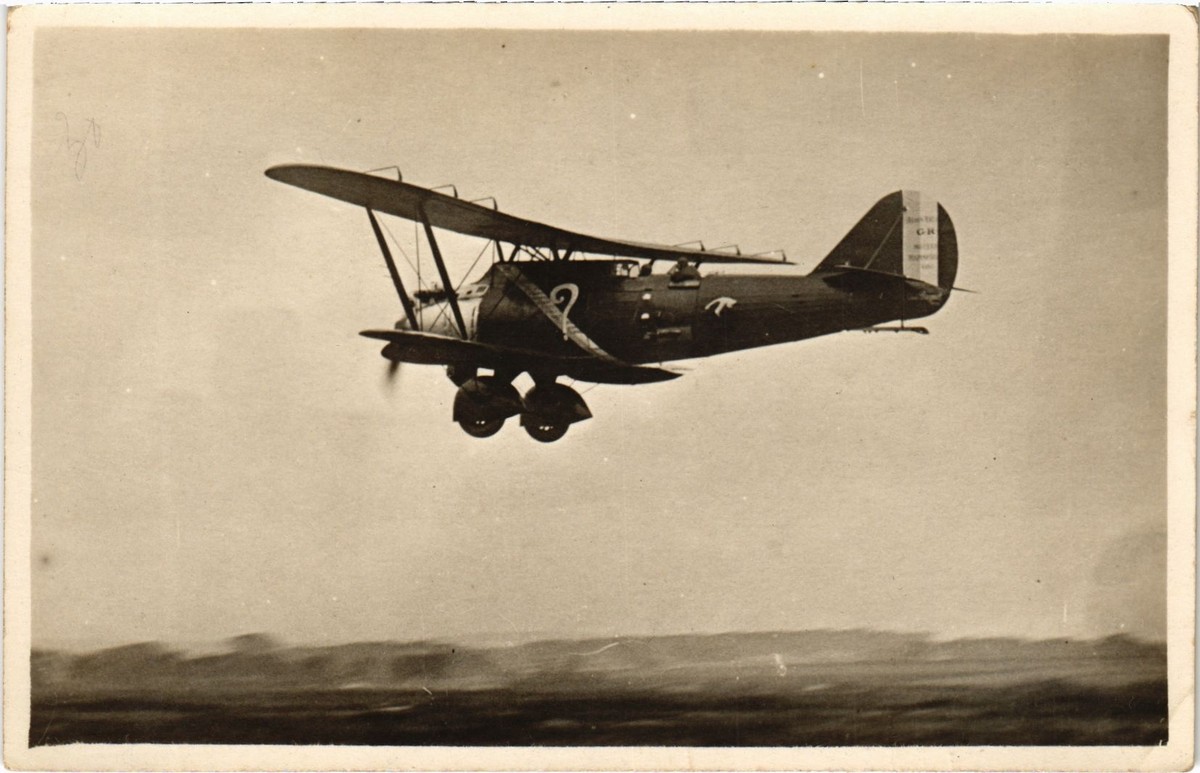
A Bréguet Br-19TF “Point d’Interrogation” aircraft in flight shortly after takeoff; Le Bourget, September 1, 1930. Photo from i.ebayimg.com
At 10:55, the Hispano engine was started, and the Bréguet 19TF “Point d’Interrogation,” weighing 6,375 kg, began to move. It took the aircraft 44 seconds to finally lift off the ground and set a course for the northwest. At 11:30, the Point d’Interrogation flew over the English coast; at 12:20, the Bréguet 19TF was over Bristol, and forty minutes later, the pilots sighted the Irish coast. At 3:04 p.m., Point d’Interrogation left the European continent at an altitude of 600 meters, and all that lay before Costes and Bellont was the boundless ocean.
At 6:40 p.m., the crew spotted the first clouds at an altitude of 700 meters. Costes climbed the Bréguet 19TF to an altitude of 1,300 meters, while Bellont attempted to maintain regular radio contact with the mainland, particularly with the national meteorological service, in order to adjust the route according to the latest reports. Based on the data received, Costes turned west and did not return to his original southwesterly course until around 9:00 p.m. At 9:15 p.m., the last radio communication session took place between the aircraft and the European continent; after that, the crew communicated only with the steamships “Île-de-France,” “Bérenger,” “Rochambeau,” “Liberty,” and “Bremen.” At this time, the aircraft’s average speed was 220 km/h…
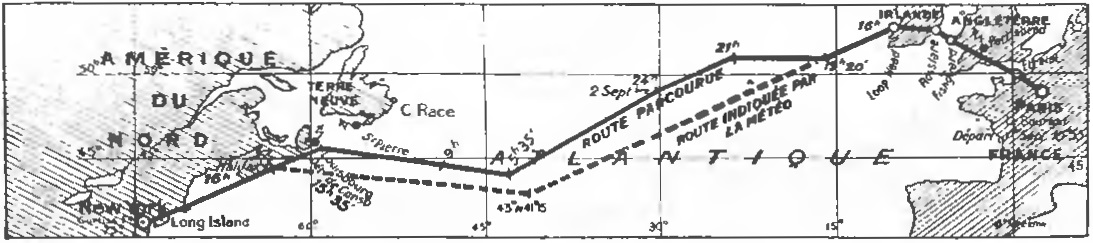
Map of the transatlantic flight of the Bréguet Br-19TF “Point d’Interrogation,” completed on September 1–2, 1930. Diagram from the author’s archives
Shortly after midnight, the Point d’Interrogation crossed the 30th meridian and entered an area of strong headwinds. The aircraft’s speed immediately dropped to 120 km/h. By morning, the wind and turbulence had subsided, and the sea below the plane was perfectly calm. At about 5:30 a.m., the Bréguet 19TF set a course for Cape Breton on the coast of Nova Scotia, but visibility began to deteriorate. Maurice Bellont established contact with the Louisbourg radio station, and in the afternoon, Point d’Interrogation flew over Cape Canso at an altitude of 1,600 meters. At 7:10 p.m., the Bréguet 19TF descended to an altitude of 2,000 feet (600 m) to get below the cloud base and better navigate over the North American coast. However, twenty minutes later, the sky cleared slightly, and the coast of Maine became visible on the horizon. Shortly after 11:00 p.m., Dieudonné Costes—and an hour later (Paris time)—the Point d’Interrogation landed at Curtiss Field in New York. In 37 hours and 17 minutes of flight, the Bréguet 19TF covered a distance of 5,850 kilometers, with 450 liters of fuel remaining in its tanks. Thousands of spectators, including Charles Lindbergh, welcomed the aviators. The arrival of the Bréguet 19TF was broadcast live on the radio and could be heard across the ocean in many European cities, including Prague…
The successful completion of the first historic flight from Paris to New York was followed by a 24,000-kilometer tour of the United States, and on October 25, the pilots were given a ceremonial welcome back home. Dieudonné Costes resumed his interrupted work as chief test pilot for Bréguet, while Maurice Bellont returned to work at Hispano-Suiza. Then an incident occurred involving the *Point d’Interrogation*: the very next year, following the triumph of Costes and Bellont, the crew of the *Kodos* – Robida was scheduled to participate in a new attempt to set a range record in this Bréguet 19TF, competing against the rival Dewoitine D-33 Le Trait d’Union (hyphen). Both attempts ended tragically. Le Trait d’Union crashed in Siberia, while Point d’Interrogation made an emergency landing in Germany, where Kodos was even arrested and imprisoned. It was only after the intervention of the director of the Havas press agency (officials took no action) was Kodos released and able to return to his homeland. Shortly thereafter, the Bréguet 19TF “Point d’Interrogation” also returned to France, where it is now part of the Aviation Museum’s collection.
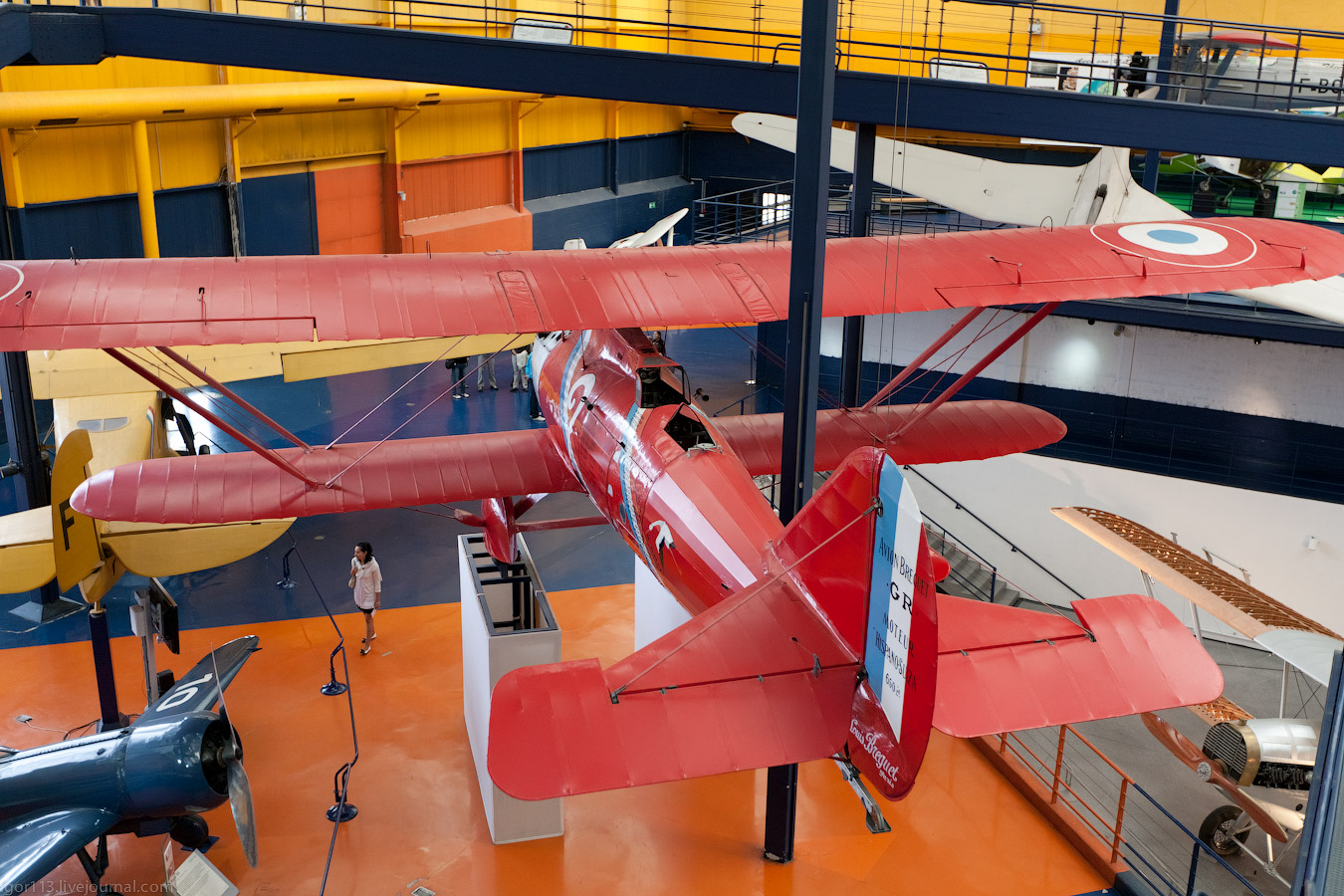
The Bréguet Br-19TF “Point d’Interrogation” aircraft on display at the aviation museum. Photo from ru-avia.livejournal.com
Source: František Kuník, Photo archive and collection of the author, drawing by AM, “Heroes of Great Cross-Country Flights: The Legendary ‘Otazník’” “Aviation + Astronautics” 13/87, pp. 14–16/494–496
This translation was first published at – https://vk.com/@710541705-geroi-velikih-pereletov-10