The Y-30 Takes to the Skies: China Has Begun Flight Tests of a New Medium Military Transport Aircraft

In China, the promising Y-30 turboprop transport aircraft—whose existence had previously been known only through leaks and rumors—was spotted in flight for the first time. The aircraft’s appearance in the sky confirms that the program is indeed active and that China continues to systematically fill all key niches in military transport aviation.
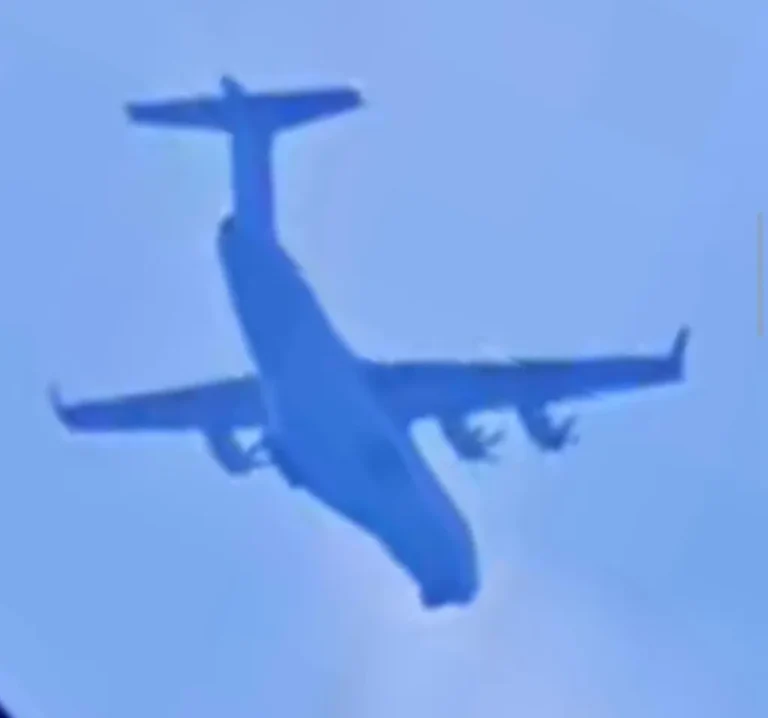
What is Y-30 and what is it used for?
The Y-30 is a medium-sized military transport aircraft powered by turboprop engines, which, in terms of its role, falls between light transport aircraft and the heavier jet-powered Y-20. In fact, it is being developed as an equivalent to Western aircraft such as the C-130 Hercules or the A400M, but with a focus on regional missions.
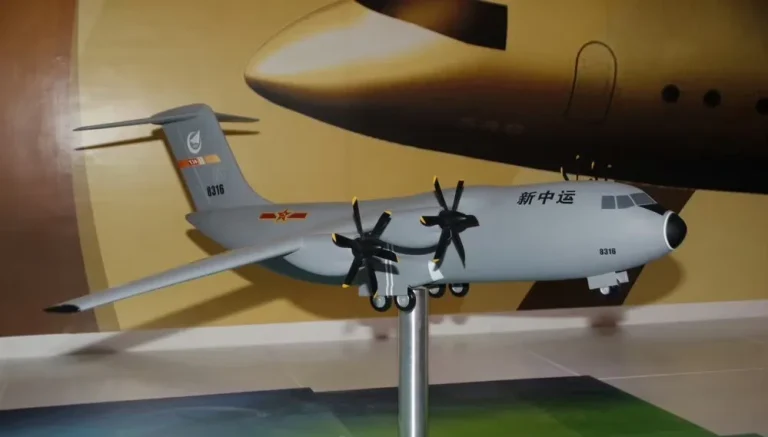
The basic idea is simple: we need an aircraft capable of operating from unpaved runways, transporting troops, equipment, and cargo, and doing so more cheaply and efficiently than jet aircraft.
Appearance and Layout
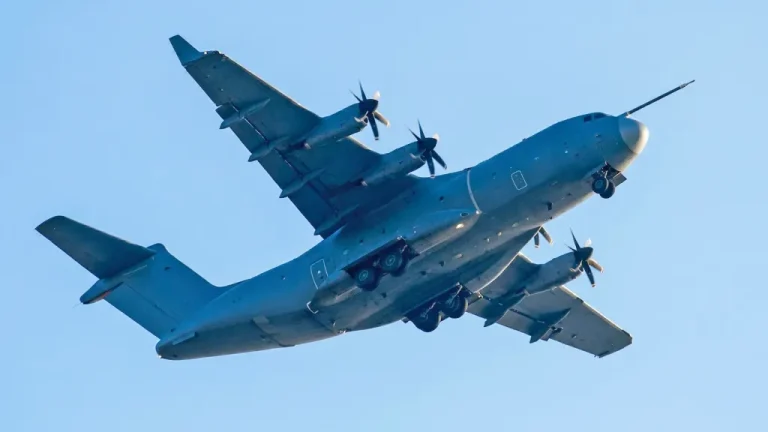
Judging by the first images, the Y-30 has a layout that is typical for its class:
- high-mounted wing;
- T-shaped tail;
- a loading ramp at the rear;
- four turboprop engines;
- Non-retractable landing gear designed for harsh operating conditions.
Visually, the aircraft appears larger than the Y-9 but more compact than the Y-20, which confirms its “intermediate” status. The wing and fuselage geometry is clearly optimized for low speeds, short runways, and high wing loading.
Why a turboprop, specifically?
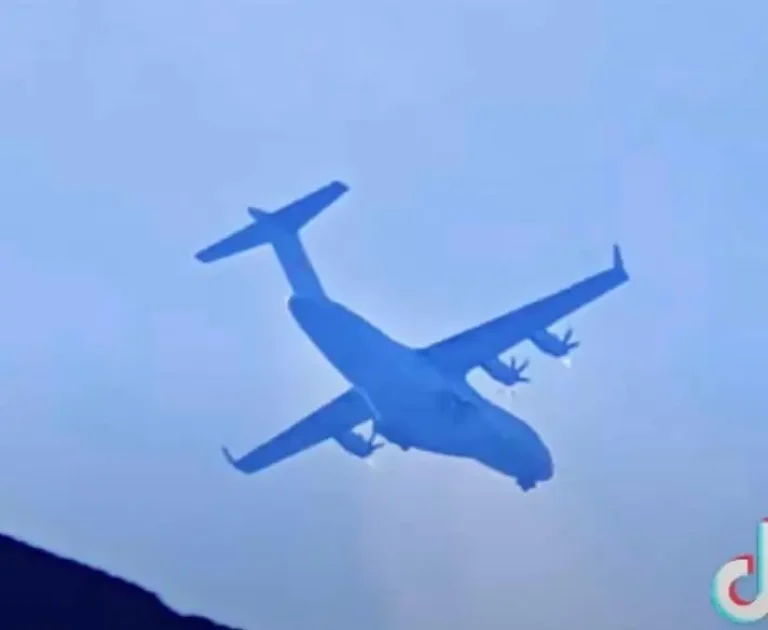
The choice of a turboprop configuration is no accident. These engines:
- more fuel-efficient over medium distances;
- are better suited for takeoff from short and unprepared runways;
- easier to maintain;
- allow you to stay airborne longer at low and medium speeds.
This makes the Y-30 particularly useful for operations in hard-to-reach areas, on islands, in the mountains, and near the front lines—precisely where jet transport aircraft are less effective.
What niche does it fill?
Until recently, China’s commercial aviation sector had a significant gap:
- light aircraft — yes;
- The heavy strategic Y-20—we have it;
- But there had long been a lack of a versatile mid-range platform.
The Y-30 is designed to address several challenges at once:
- tactical troop redeployment;
- supplying remote garrisons;
- airborne troops;
- humanitarian and rescue missions;
- A potential base for specialized versions—electronic warfare, reconnaissance, command and control, or maritime patrol.
What Does the First Flight Mean?
The fact that the Y-30 has taken to the skies indicates that the project has moved from the theoretical development stage to flight testing. This is an important milestone, typically followed by a lengthy period of refinement, system testing, and preparation for mass production.
Most likely, the aircraft is still a long way from entering service, but its debut shows that China is systematically building a full-fledged, multi-tiered transport aviation force that does not rely on foreign models.
Why is this important from a strategic perspective?
Having its own medium-sized turboprop transport aircraft dramatically increases the autonomy of the armed forces. It becomes an unobtrusive yet critically important element of logistics—the very “workhorse” without which neither large-scale operations nor rapid responses to crises are possible.
The Y-30 isn’t the most impressive aircraft, but in reality, it’s aircraft like this that determine the outcome of protracted conflicts.
based on https://www.twz.com/air/chinas-y-30-turboprop-airlifter-spotted-for-the-first-time