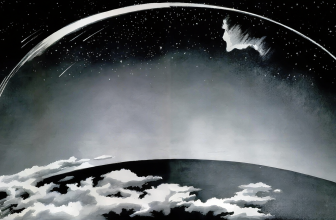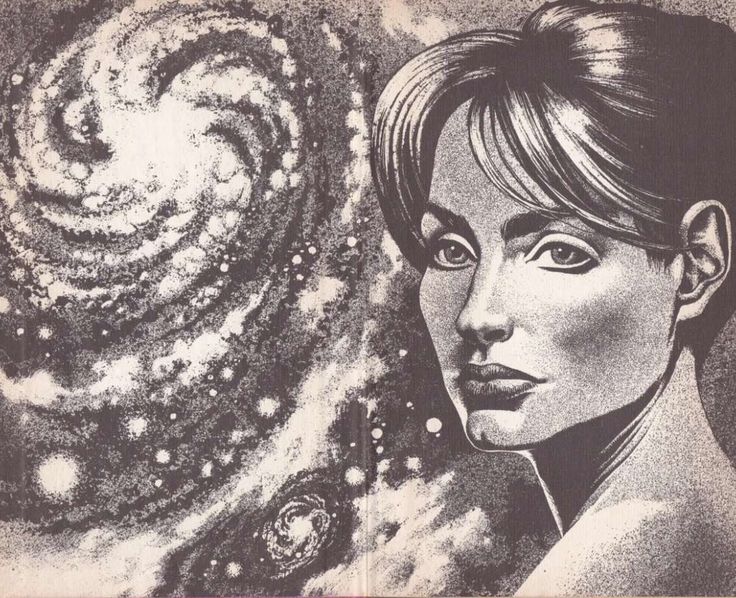
An article from the “Personal Opinions” channel on Yandex Zen.
In his books about society in the distant communist future, Efremov set himself a truly grand task—to depict a world that is, at its very core, different from our own. Moreover, these differences lie not so much in technical achievements as in a fundamentally different way of life, interpersonal communication, and similar details. And the very first thing the reader notices in Yefremov’s description of the Communards’ lives is their extreme asceticism.
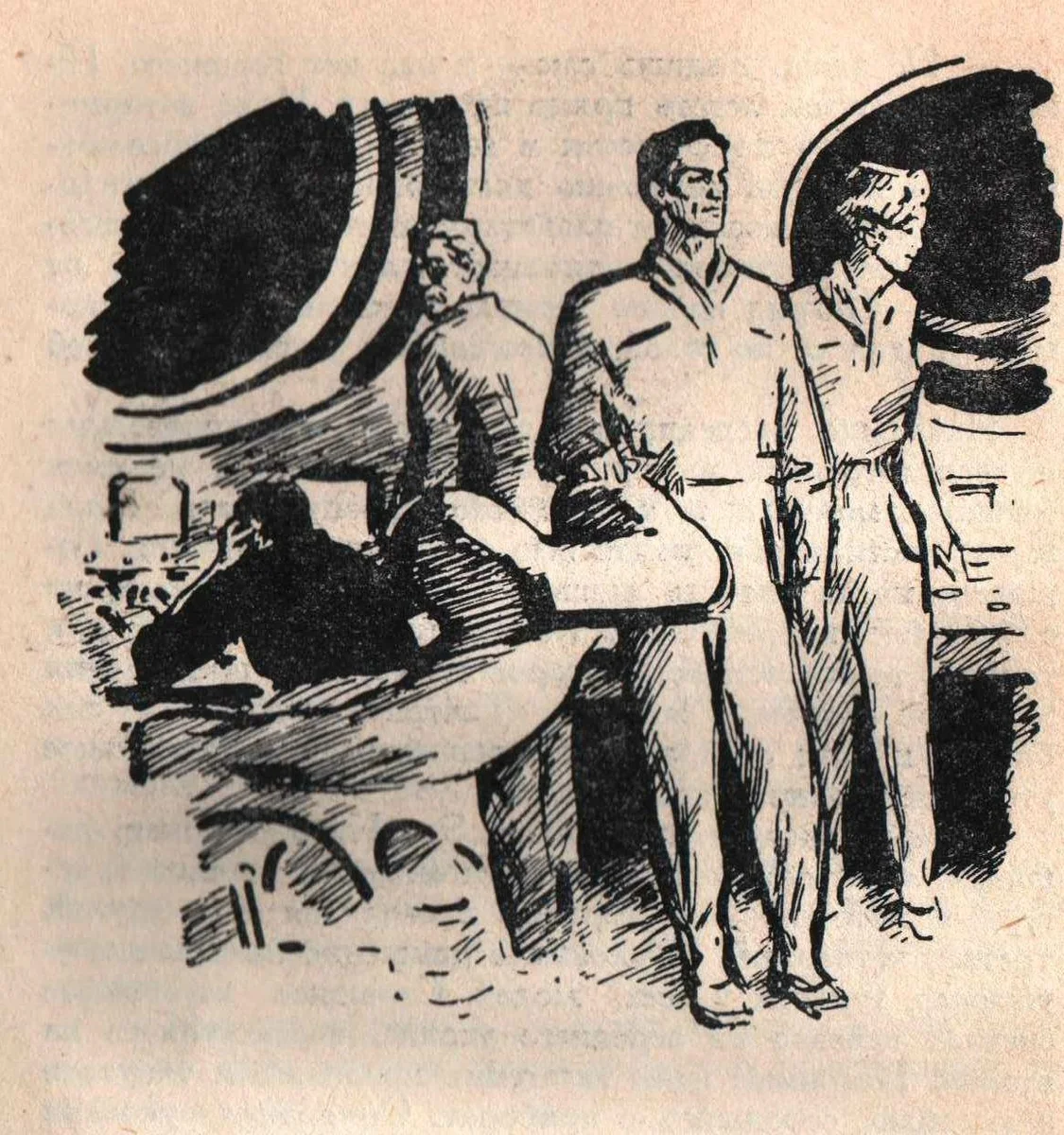
No personal belongings at the workplace
The communards don’t own their own houses or summer cottages, and they generally lead a nomadic lifestyle. Their children do not tie them to any one place; they have few personal belongings, and any Efremovian communalist can easily leave their current temporary dwelling and move to a new one, which might be located on a remote island, in space, or underwater. It’s worth noting that the people of the Strugatsky brothers’ world of “Midday”—which is essentially an improved version of the socialist society envisioned by modern writers—do not have such homes. In the world of “Midday,” there are summer homes the size of a decent mansion—for example, the one owned by Kornei Yashmaa. There are also permanent apartments where they live as quite ordinary families, albeit “nuclear” ones—that is, consisting of just a single generation, with no children or grandparents.
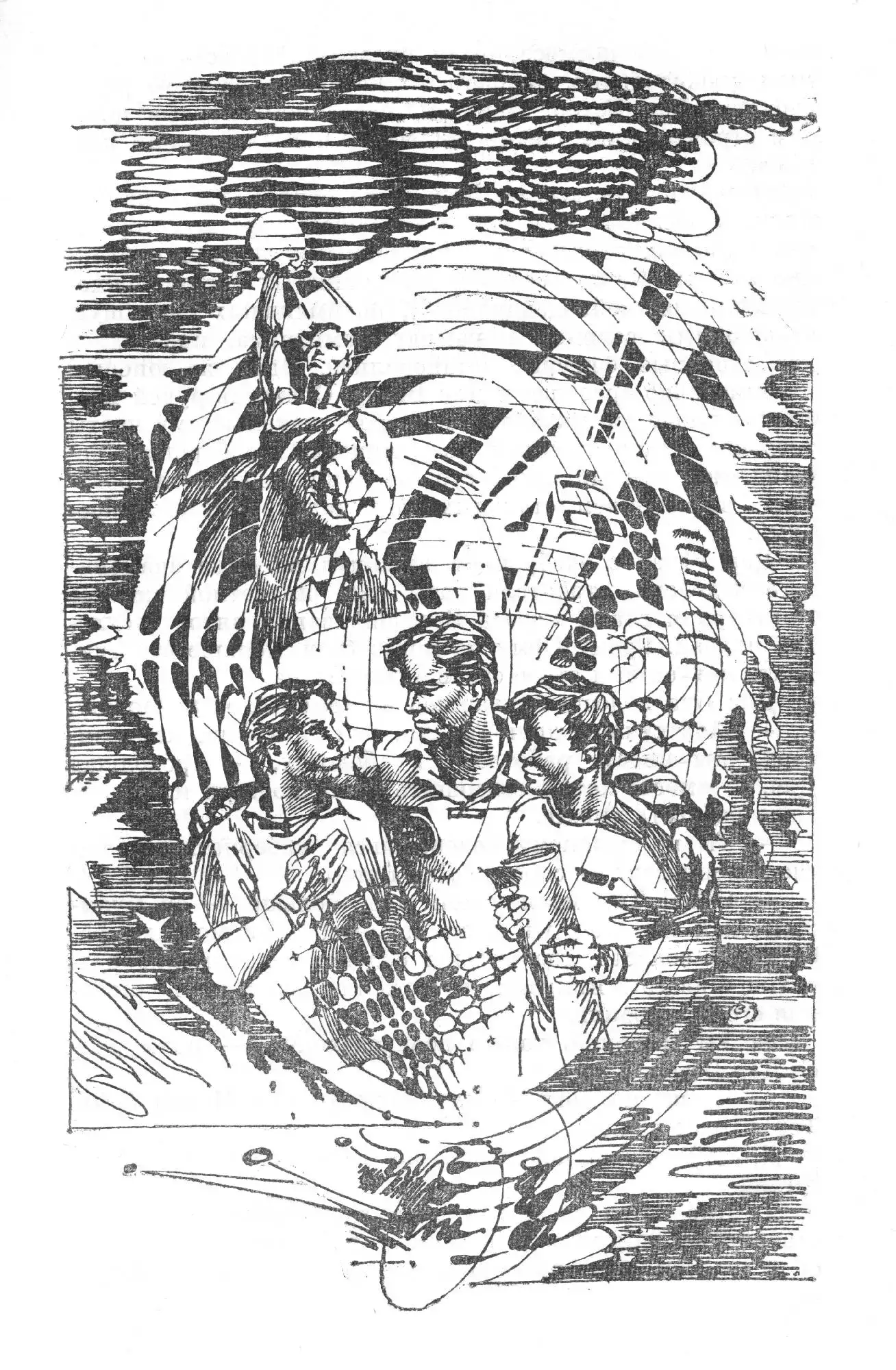
Work always comes first
But in Efremov’s work, even long-term couples do not form a family in the modern sense of the word. They simply do not share a common household or family responsibilities. Figuratively speaking, they don’t build family nests. Moreover, there is no state or social oversight to ensure that “bourgeois ficus trees on the windowsill” (as the real communards of the 1920s referred to this unfortunate plant); there is none in Yefremov’s future—it is simply unnecessary. However, for modern people, the absence of a “normal” way of life and the lack of opportunities for personal privacy will first and foremost evoke associations with imprisonment. That is why many readers today reject Yefremov’s utopia. Meanwhile, this brilliant writer has truly shown us what an ideal world looks like.
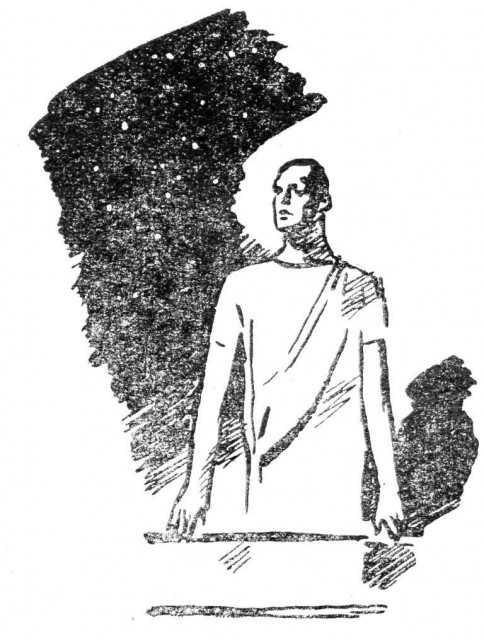
Even when it comes to clothing—nothing extra
What drives the desire to shut oneself off from the outside world in general and from the society around us in particular? First, physical discomfort. Home is a place sheltered from inclement weather, enemies (“my home is my castle”), and all other negative influences. Second, and most importantly, privacy provides protection from society’s excessive moral demands and other people’s attempts to control your daily life. We’re all familiar with people who constantly tell those around them how to raise their children, cook borscht, what to read, what music to listen to, and so on. The walls of your home allow you to shield your personal space from such didactic (i.e., patronizing) aggression.
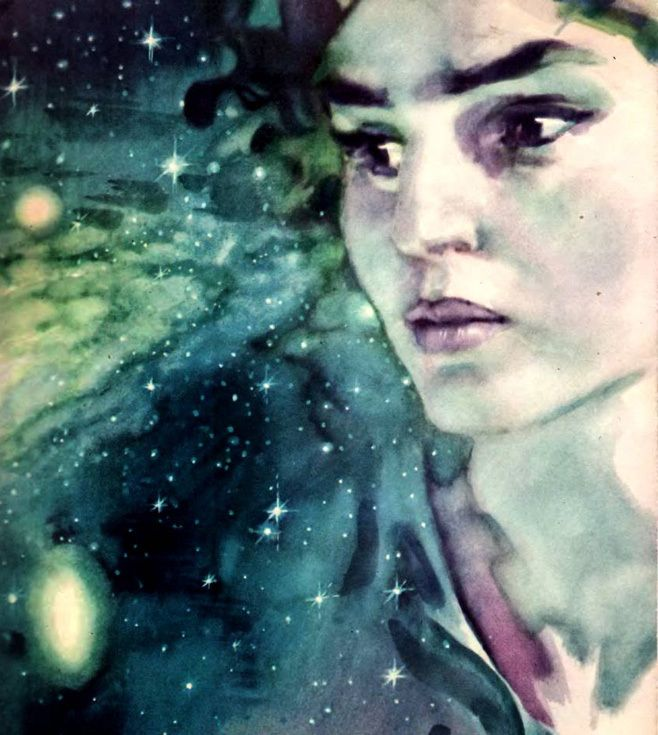
To Yefremov’s Communards, the principle of the inhabitants of the world of Midday—“What matters most is on Earth”—would have seemed like boring nonsense
It must be said that in the Strugatskys’ society of the Noon, there are still quite a few of these overbearing types, despite all the lofty theories of upbringing. This is what drives people—especially creative types, who lack the energy and desire to fend off such advances every time (even though they’re made, of course, with the best of intentions)—to seek personal space and then to cultivate that space. In Yefremov’s world, however, any identified social aggressor is immediately subjected to compulsory treatment or sent to the Island of Oblivion. In any case, they are forcibly removed from the public sphere. This is precisely the fundamental difference between the two communist utopias of the great Soviet science fiction writers.
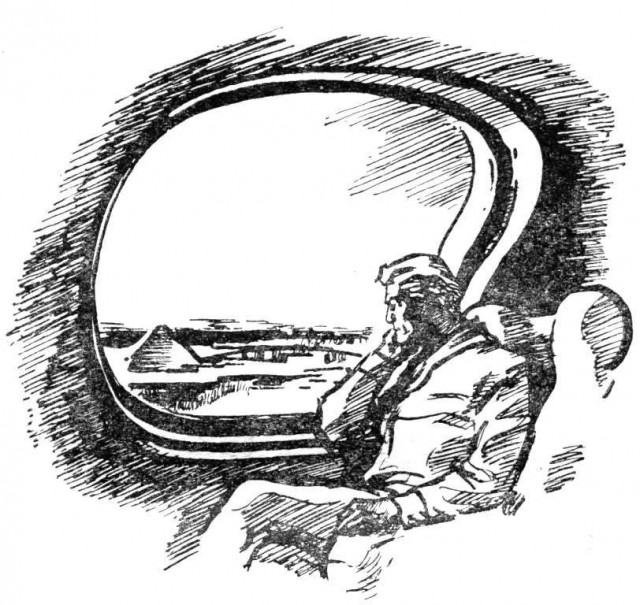
But the comfort of public transportation in Yefremov’s world is simply off the charts. A panoramic window, a comfortable seat, and huge spaces between the rows of seats
For Efremov’s Communards, the entire universe is their home. And they consider its space—including that inhabited by other intelligent beings—to be their own. And they set it up just like their own home. Hence the scale of the transformation of Earth’s nature in the future, as envisioned by Efremov. In Efremov’s world, children are taught from the start to respect the individuality of every Commoner and not to meddle in others’ affairs. Even when Ren Boz embarked on his dangerous experiment, people began to help him without asking whether his experiment had been authorized by the World Council or any scientific authority. Yefremov’s communards simply do not need any external permissions; each of them makes their own decisions without looking to external authorities or needing them.
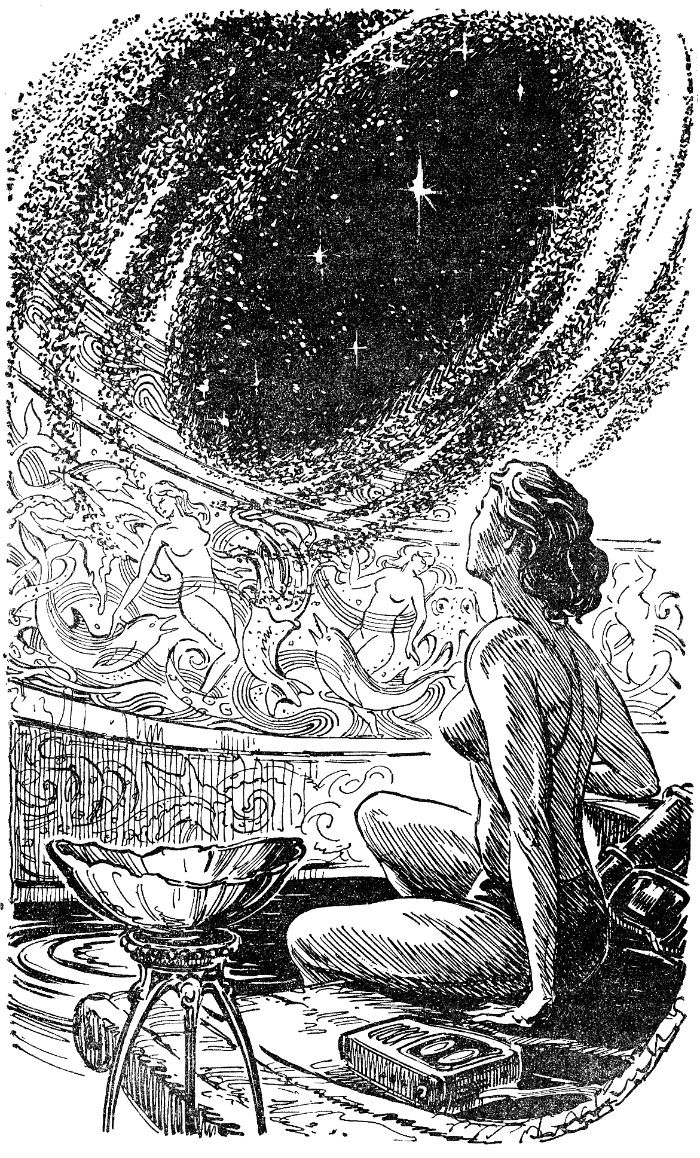
In Yefremov’s utopia, there is no shortage of household appliances that make it possible to create a comfortable environment anywhere
Several quite obvious conclusions follow from this. Efremov’s version of communism clearly aspires not only to a global, but to a universal scope. In principle, it cannot coexist peacefully with any other social organization, let alone other economic and political systems. After all, if the whole world is your home, then you should arrange it entirely, without reserving separate rooms for cockroaches to breed. That is precisely why, in *The Hour of the Ox*, the crew of the Earth starship considered themselves not only entitled but also obligated to intervene in the affairs of the planet Yang-Yah and made every effort to bring about radical transformations in local society.
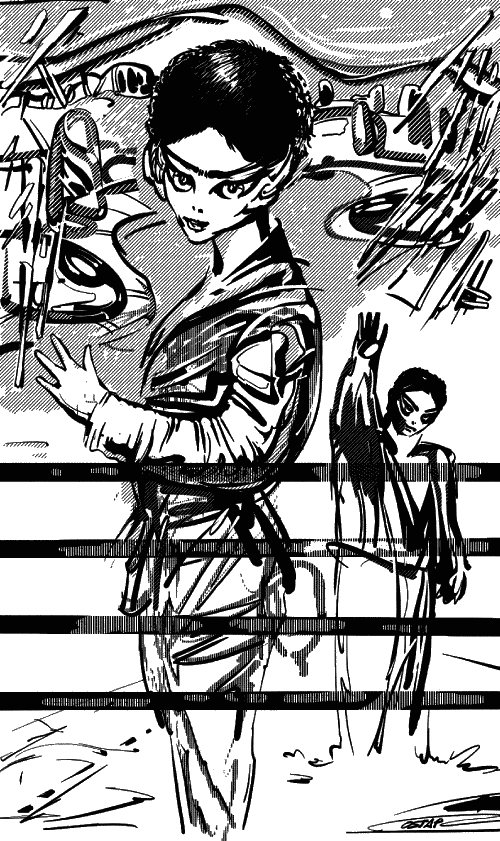
Aliens from Efremov’s novella “The Heart of the Snake”
The second conclusion is that Efremov’s communism is possible only in a world inhabited exclusively by human intelligence. Efremov himself, by the author’s own discretion, made all intelligent aliens resemble humans, but in principle this is not strictly necessary. Lem’s *Solaris* or any other alien intelligence—one that is inherently unknowable to humans yet engages in some form of active activity—is simply impossible in Efremov’s world, and the Communards themselves proceed precisely from this premise.
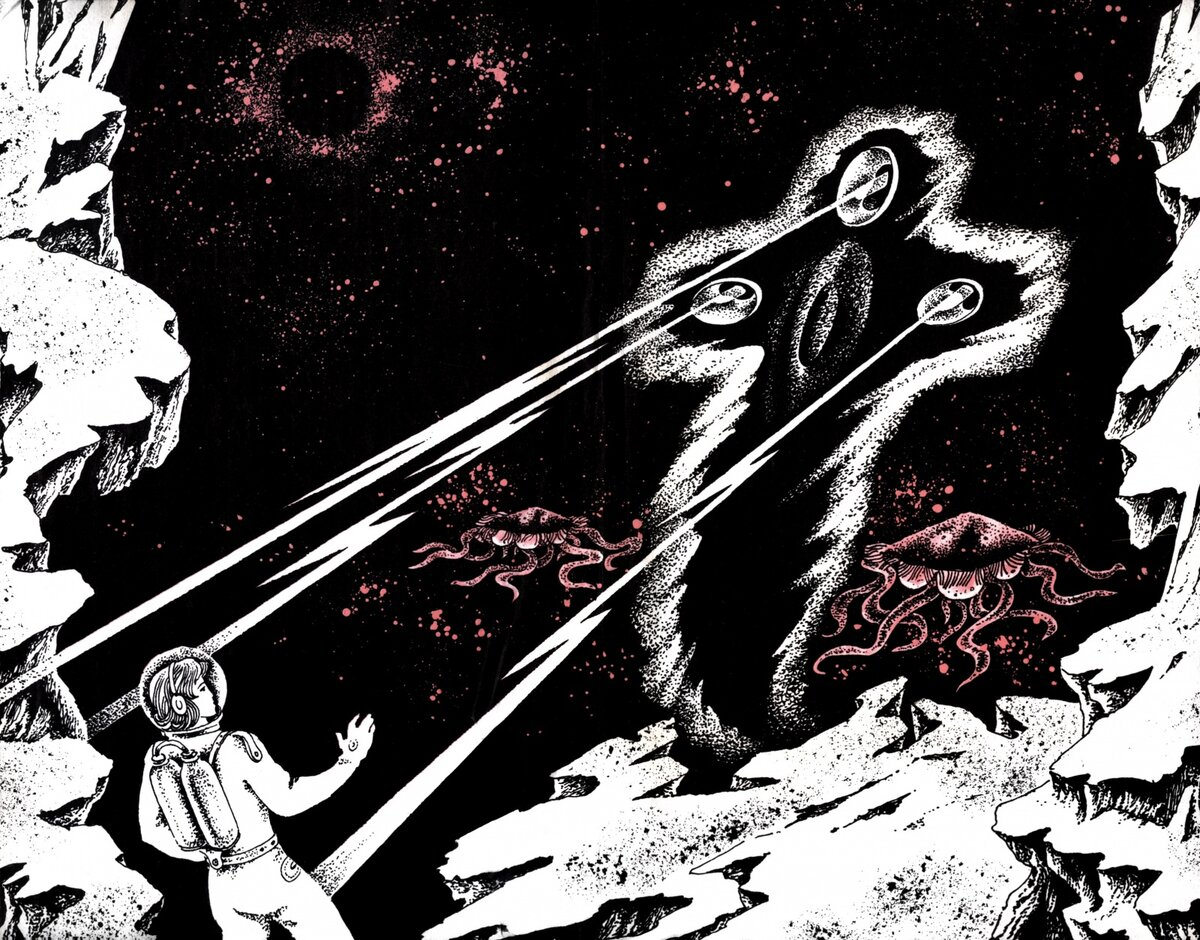
A hostile cross-shaped creature from the novel *The Andromeda Nebula*
And from this, we can draw a third conclusion. When confronted with something incomprehensible, the Communards will, by definition, not consider it to be rational. For example, in *The Andromeda Strain*, they did not bother to determine whether any of the mysterious creatures inhabiting the planet of the “iron star” possessed intelligence. In the American science fiction film *Aliens*, there’s a scene where the main character, fleeing from a female Alien, pauses for a moment to wonder whether this terrifying creature might actually be intelligent. Well, such a thought would never cross a Commune member’s mind. This amounts to a death sentence for all non-humanoid intelligent beings unlucky enough to live within reach of Efremov’s Communards. They’re simply ridding their universe-sized home of harmful insects—nothing personal.
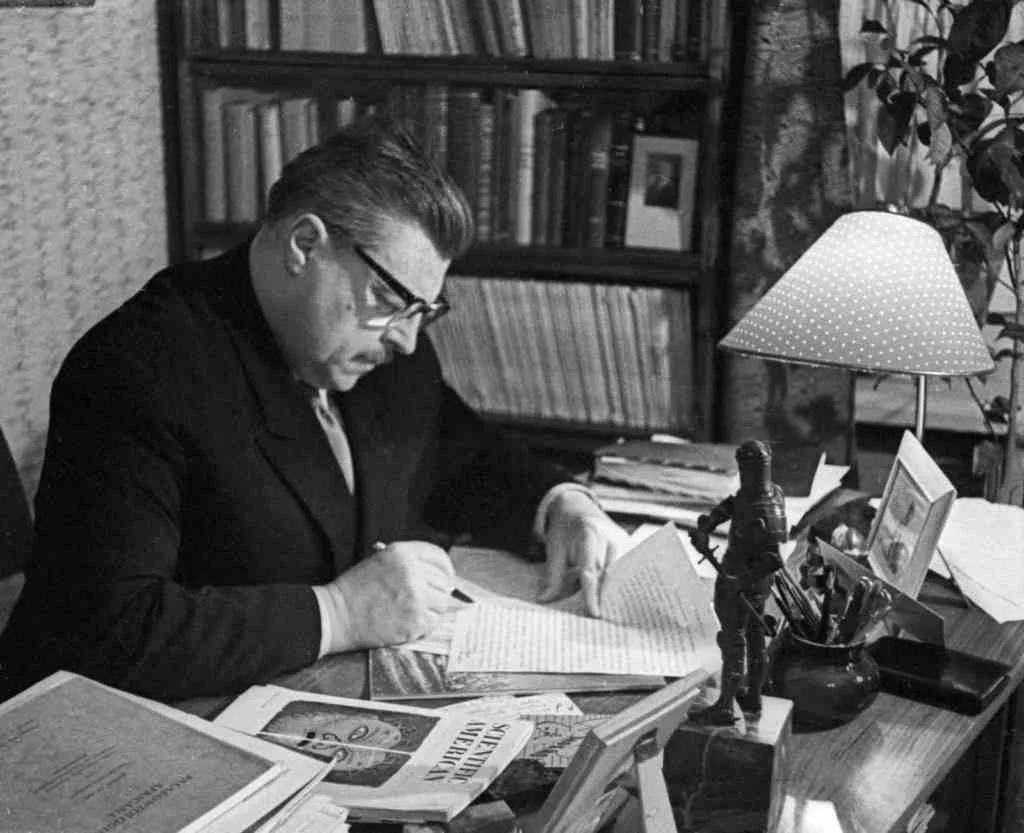
Ivan Antonovich Efremov in his office
Finally, there’s one small detail worth mentioning. In Efremov’s vision of the future, there are no pets. None at all—not even hamsters. And there are reasons for this, too. First, they would be a burden to the inhabitants of this utopia, who often move from place to place. Second, they would distract them from important matters. And most importantly, pets compensate their owners for a lack of attention and acceptance from other people. Ideal people in an ideal society simply do not need such psychological compensation.