Will there be a revolution in the skies? A telescopic wing has been patented in Russia—what does this mean for the future of aviation?

Engineers at KVVAUL have proposed a design that changes the sweep angle while in flight.
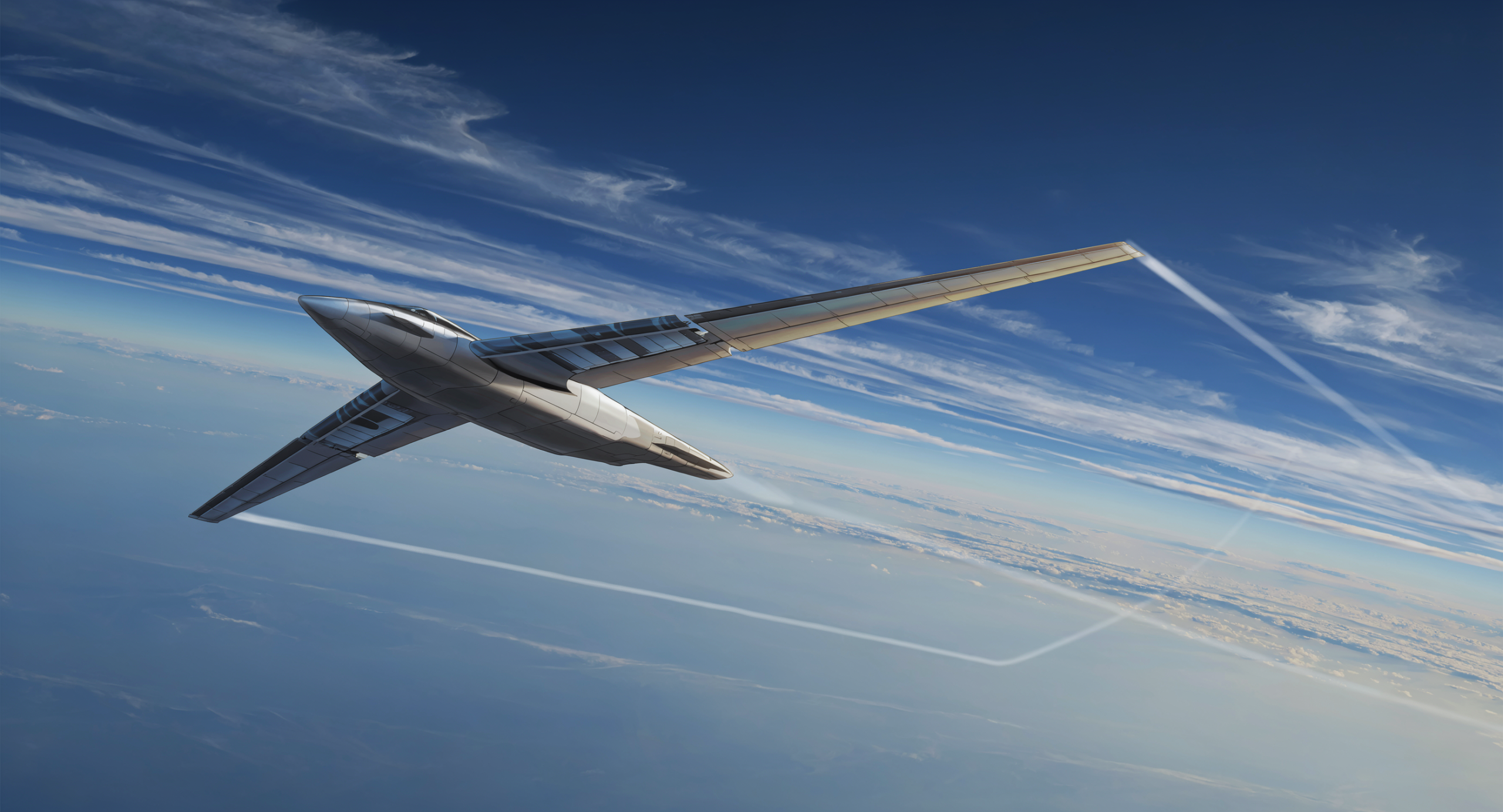
Specialists from the Krasnodar Higher Military Aviation Pilot School have presented an original concept for an aircraft wing capable of transforming its geometry during flight. This aerodynamic element is designed to adapt to various flight regimes—from takeoff and landing operations to reaching supersonic speeds. The relevant documentation has already been registered in the information system of the Federal Institute of Industrial Property.
The key design feature developed by the engineers is the use of movable cantilever sections capable of changing both the wingspan and the sweep angle directly during flight. When flying at low speeds, the wing transitions to an “extended” position: the wingspan increases, and the sweep angle decreases to approximately 16 degrees. This configuration increases lift, which significantly simplifies the aircraft’s takeoff and landing procedures.
When supersonic speeds are reached, the aerodynamic configuration undergoes changes. The movable cantilevers retract into the interior of the structure, giving the wing a more compact shape and increasing the sweep angle to 72 degrees. This configuration is optimized for flights at speeds exceeding Mach 2 and is designed to minimize aerodynamic drag.
The key difference between the proposed design and conventional solutions with variable sweep lies in the combination of two types of motion: rotational and telescopic changes in wingspan. This approach allows for more precise tuning of the aerodynamic characteristics to a specific flight mode without significantly complicating the mechanical design.
Key Parameters of Wing Transformation
- Sweep angle during takeoff and landing: approximately 16 degrees
- Sweep angle in supersonic flight: up to 72 degrees
- Estimated flight speed for the compact configuration: over Mach 2
- Type of transformation mechanism: telescopic extension/retraction of the cantilevers with simultaneous adjustment of the camber
- Design advantage: reduced aerodynamic drag at high speeds while maintaining high lift at low speeds
The development is currently in the conceptual design and patent protection stages. Its registration in the FIPS database indicates that the idea has passed an initial review and has been recorded as an intellectual property right. The project’s future will depend on interest from aviation companies and the feasibility of implementing the proposed engineering solution.
The proposed design is of interest for the development of promising supersonic aircraft for various purposes. The flexibility of aerodynamic configuration without radically complicating the design could be an important factor in the design of next-generation aircraft that combine the requirements for takeoff and landing performance with high cruise speeds.
Sources: FIPS, materials from KVVAUL