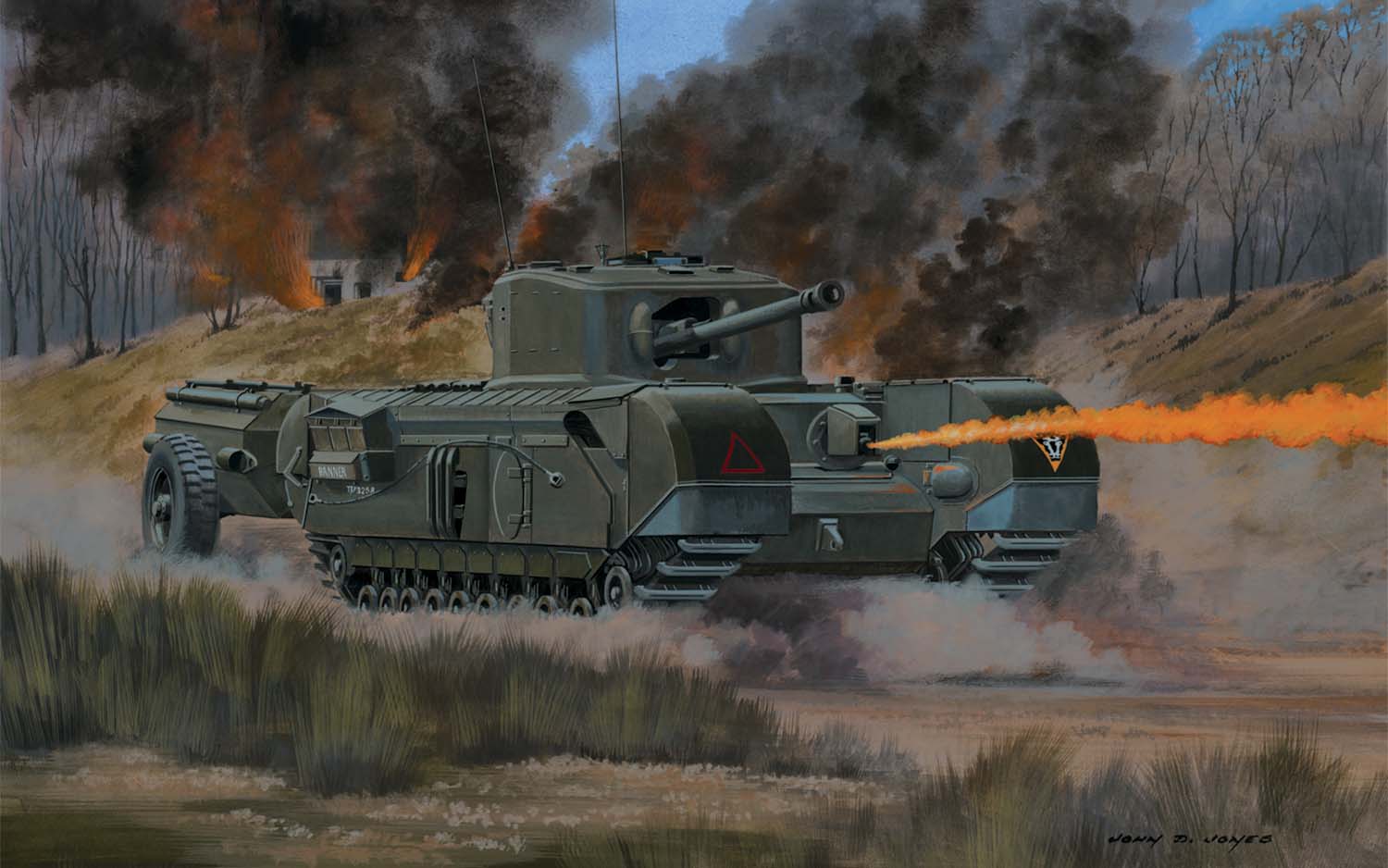
The story of the Churchill VII Crocodile, which became the best of the flamethrower tanks developed during World War II
The idea of mounting a flamethrower on a tank first emerged during World War I. A pair of flamethrowers was planned for the German K-Wagen super-heavy tank, which, however, was never brought to a fully operational state. Flamethrower tanks became truly widespread in the 1930s. However, they had two key problems that significantly limited their effectiveness. First, the firing range was no more than 50 meters (and in reality, even less). Second, flamethrower tanks were equipped with bulletproof armor, which led to heavy casualties.
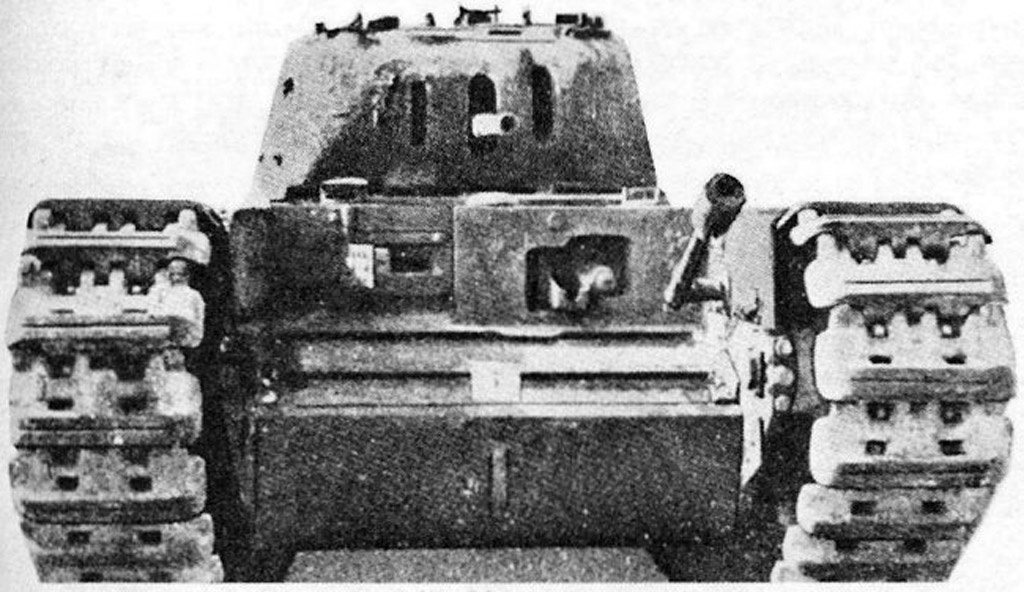
Churchill II Oke, one of the first attempts to create a flamethrower tank based on the Churchill
World War II marked the peak of flamethrower tank deployment. It once again demonstrated the obvious: the need for anti-shell armor, as well as the need to increase the firing range of the incendiary mixture to at least 100 meters. There was also an important consideration related to the maneuverability of fire and the presence of cannon armament. The Soviet and British designs made the greatest progress in this area. And if we add mass production to the mix, the best flamethrower tank is fairly easy to identify. We’re talking about the Churchill VII Crocodile, which also became the most widely produced flamethrower tank of World War II.
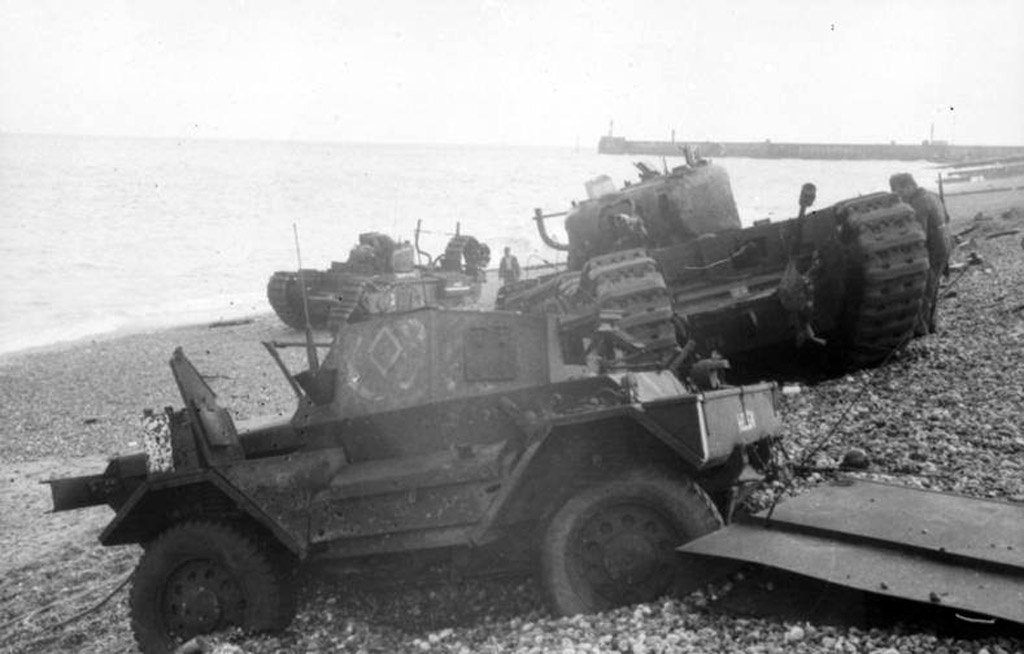
During the raid on Dieppe, three such tanks—named Bull, Boar, and Beetle—were used; they were part of Squadron B
The most interesting thing about this story is that the British didn’t start developing flamethrower tanks until fairly late. And there were good reasons for that. By and large, there was no suitable platform for such a tank. The tanks already in service were simply unsuitable for such purposes. The situation changed only in 1941, when production of the Infantry Tank Mk. IV—also known as the Churchill—began. Of course, at first this tank caused quite a few problems; nevertheless, it turned out to be the ideal platform. It was large and well-protected, and it was possible to mount a flamethrower on it.
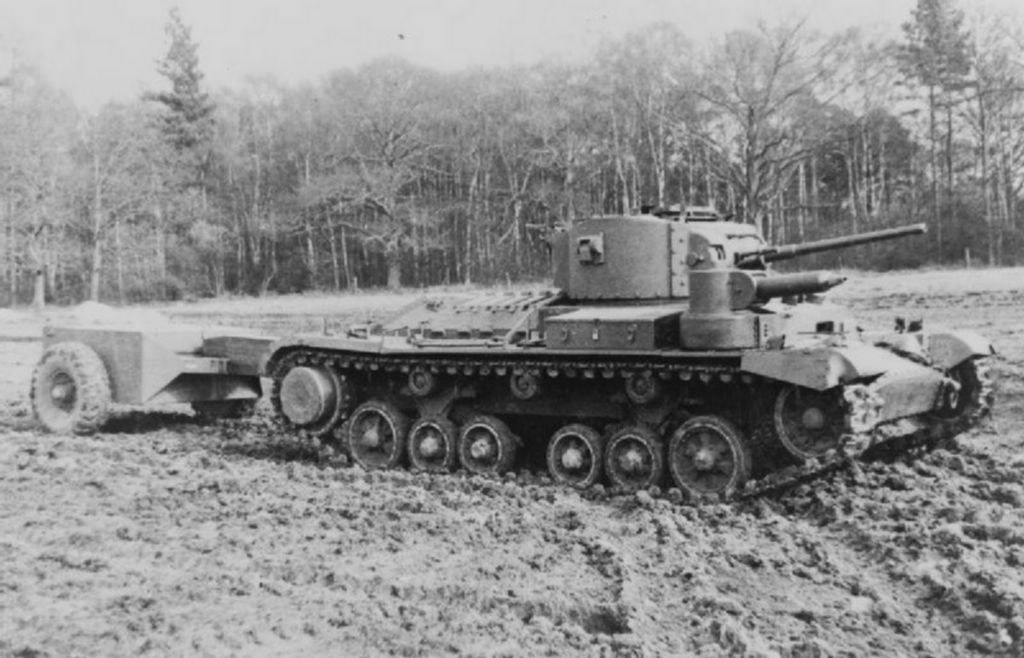
The flamethrower trailer was first used on Valentine
Work on flamethrower tanks was assigned to two organizations—the PWD (Petroleum Warfare Department, a department established in 1940 that was responsible, among other things, for flamethrowers) and the MoS (Ministry of Supply)—and the two competed with one another. In any case, the overall concept of the flamethrower tank being developed by the PWD and the MoS was similar. Unlike designs from other countries, where the fuel tanks for the incendiary mixture were located inside the hull, the British placed them on the outside. This significantly increased the crew’s chances of survival; however, it should be noted that flamethrower operators were not usually taken prisoner.
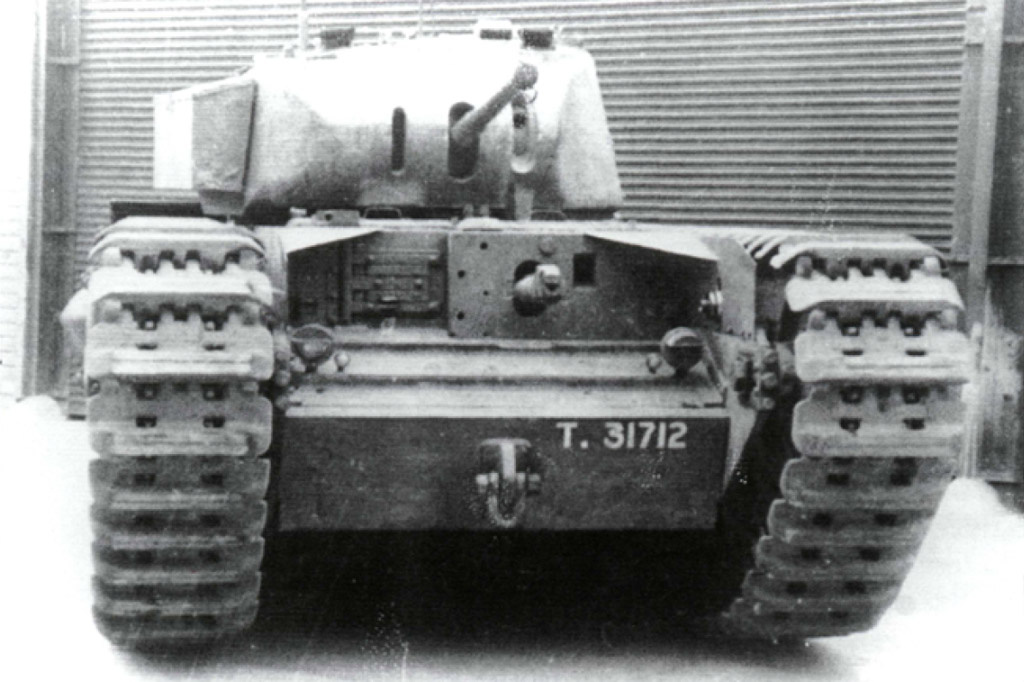
Chirchill II Crocodile Prototype
On early versions of the Churchill flamethrower tank, the fuel tank was located at the rear of the hull, but this design was deemed less than ideal. Nevertheless, it was this version—the Churchill Oke—that was the first to see combat. These tanks were assigned to the 14th Canadian Tank Regiment, which took part in the infamous Dieppe Raid. Either the Churchill II or the Churchill III was converted for this purpose, while retaining its standard armament. The flamethrower was mounted separately, and it must be said that this solution proved less than ideal.
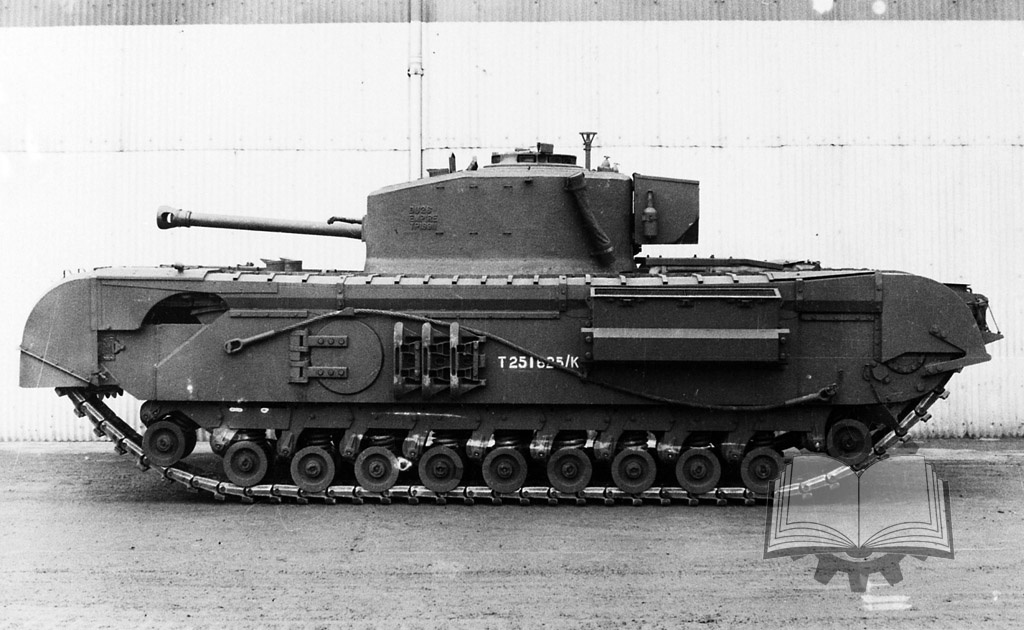
Серийный Churchill III Crocodile
The PWD concluded that a more effective system would be the use of special trailers designed to carry the incendiary mixture. This wasn’t exactly a new idea; the Italians had already been using chemical trailers, and similar designs were being built in the USSR as well. Nevertheless, the British were the first to completely remove the dangerous cargo not just from inside the tank, but into a special trailer. The trailer system was first tested on the Valentine infantry tank, using trailers developed by both PWD and MoS. However, this platform was still a bit too small for these purposes.
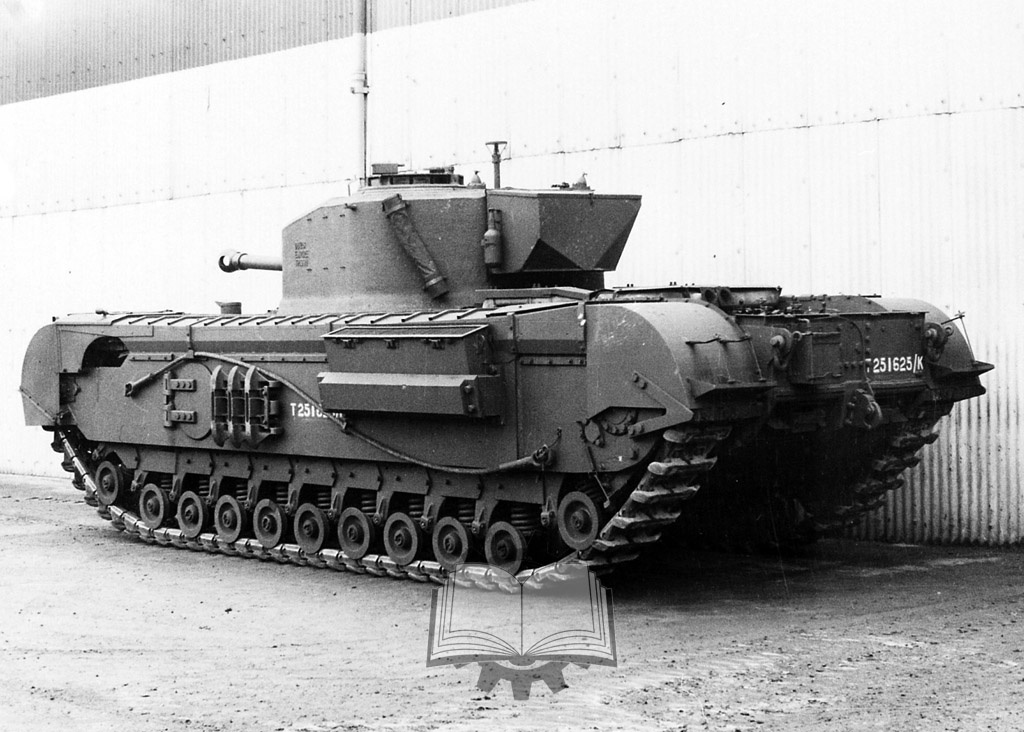
This tank does not yet have any equipment installed. The letter K in its registration number hints at its flamethrower capability.
The first prototype of the Churchill flamethrower with a trailer was ready by December 1942. A Churchill II served as the base vehicle, but it was more of a technology demonstrator. The main focus was on the equipment installed in the tank. The design called for a flamethrower range of an incredible 182 meters. Tests showed that the maximum firing range, with a tailwind, was 140 meters. Still, this was a record in its own right. By comparison, the firing range of the ATO-42 (mounted on the KV-8 and T-O34) was 65–70 meters, which was roughly the same as that of German flamethrower tanks.
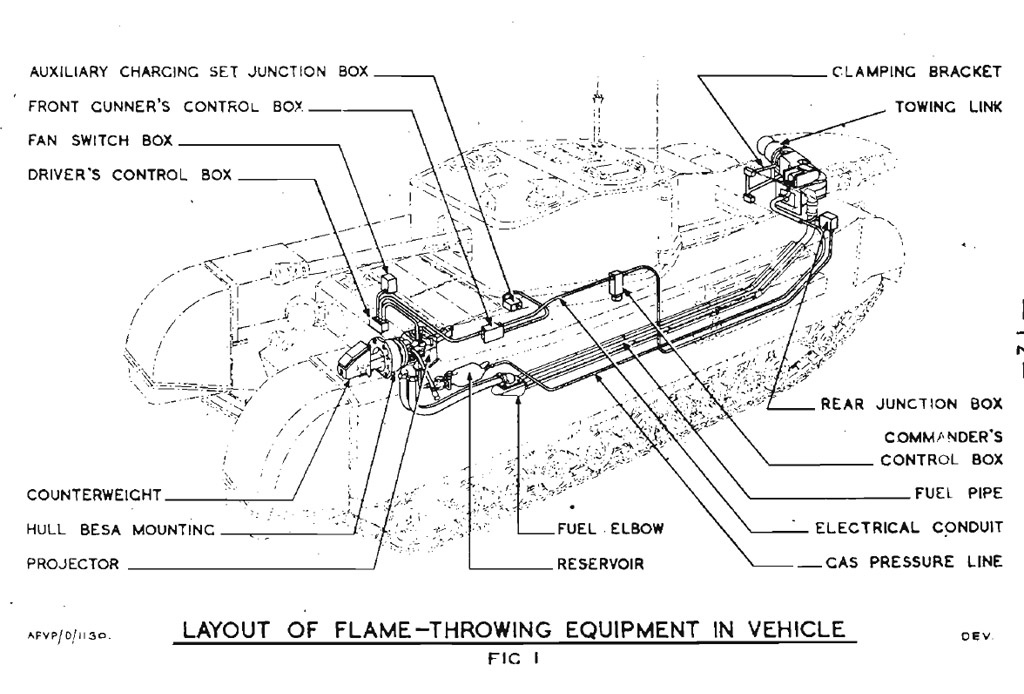
Installation Diagram for Flamethrower Equipment
As before, no cylinders were stored at Churchill. The incendiary mixture and compressed-air cylinders were housed inside a specially designed trailer. Unlike the original designs, the trailer was fully armored. The armor plates were 12 mm thick, providing protection against small-arms fire. The downside was that the trailer’s weight increased to an impressive 6 metric tons. It carried up to 1,600 kg (2,400 liters) of incendiary mixture and 5 compressed nitrogen cylinders.
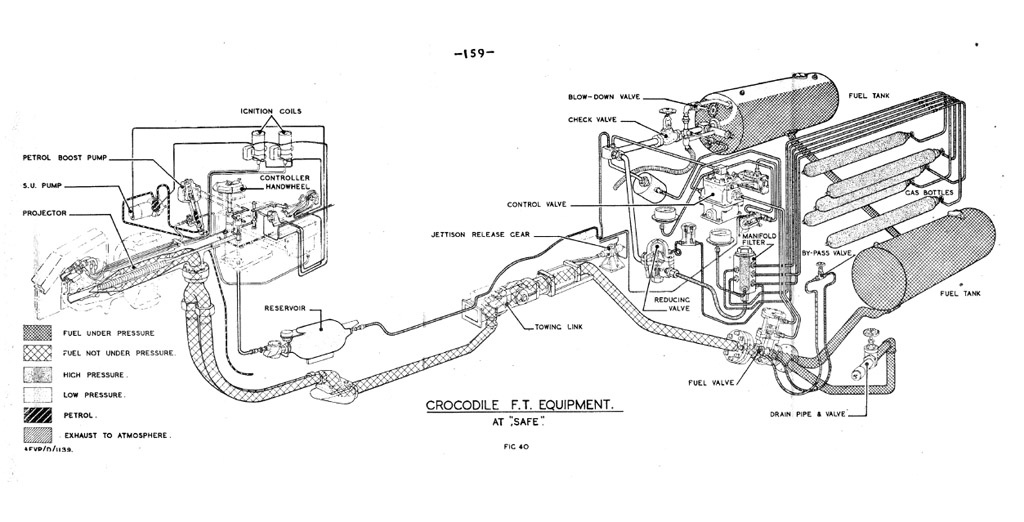
A flamethrower and its fuel supply system
The trailer was connected to the flamethrower’s piping system via a special hinged mechanism. This mechanism allowed the trailer a fairly high degree of freedom of movement behind the tank. The trailer’s designers also gave careful consideration to safety: the flamethrower operator could detach the trailer directly from his workstation using pyrotechnic charges. After detachment, all that was required was to purge the pipeline, and the tank was completely cleared of any remaining fuel-air mixture. In 1 second, the British tank flamethrower discharged 21 liters (14 kg) of fuel-air mixture, and the “shot” itself lasted 2–3 seconds.
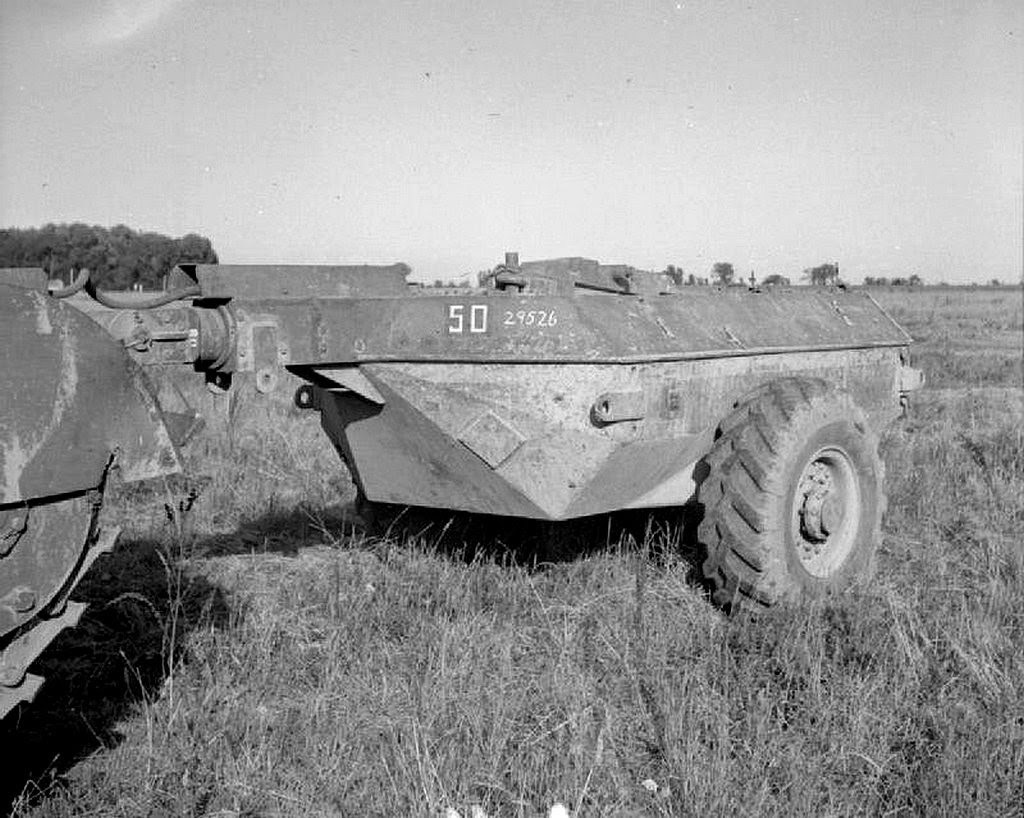
Armored Trailer
Further work on the system, designated the Churchill Crocodile, proceeded with the direct involvement of Major General Percy Hobart. At that time, he commanded the 79th Armored Division, which specialized in various non-standard equipment nicknamed “Hobart’s toys.” Tests showed that the idea of using a trailer proved quite successful. As a result, even during the A22F’s design phase, the tank was engineered to allow for quick conversion from a standard tank to a flamethrower tank. The idea, incidentally, was not new either: in early 1941, the Main Armored Directorate (GABTU KA) had incorporated the option of installing a flamethrower into the design of new tanks. Through a simple procedure, the standard machine gun could be replaced with a flamethrower.
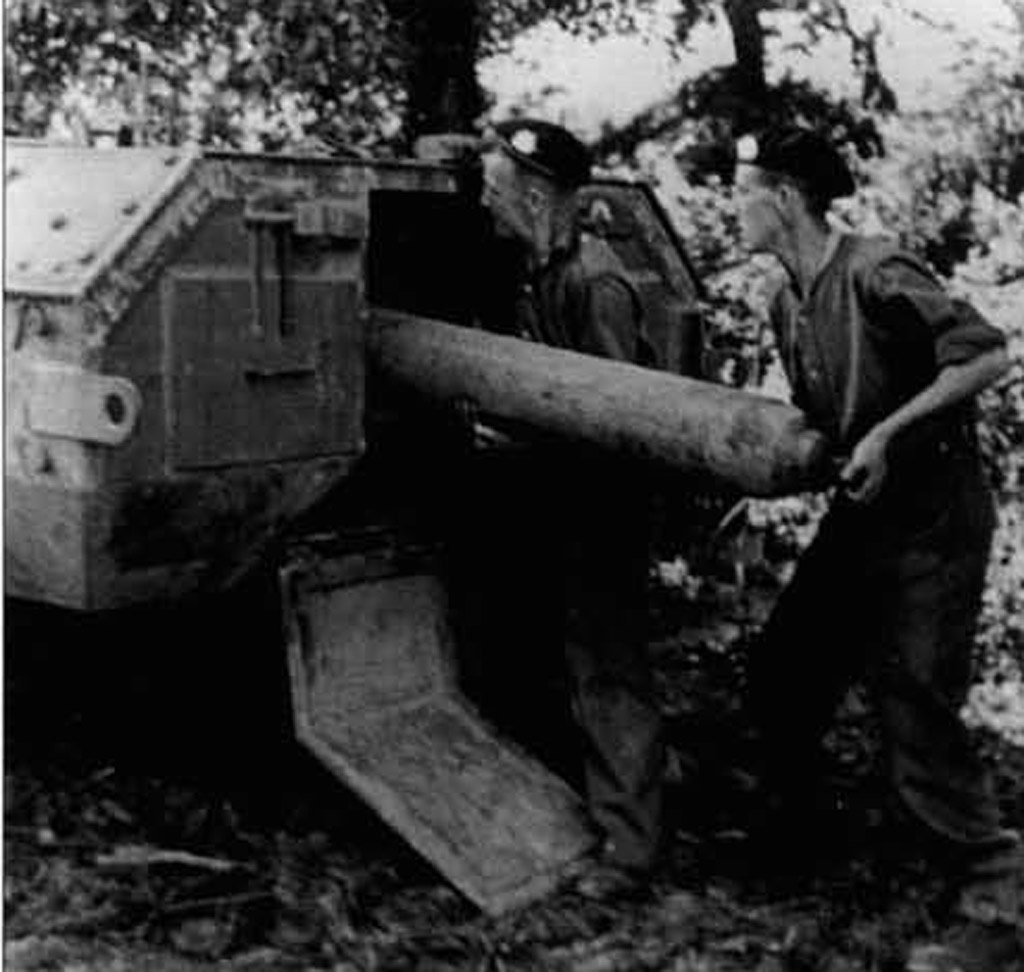
That is how it was recharged
The difference lay in who was able to put this idea into practice. In the Red Army, the A.T.O. never became a removable weapon; it was mounted on special flamethrower tanks. The situation was quite different in the case of the Churchill VII Crocodile. This required removing the co-driver’s machine gun mount and replacing it with a flamethrower mount, laying piping, and installing a swivel mechanism on the existing mounts. If necessary, converting it back to a standard Churchill tank also posed no significant problems.
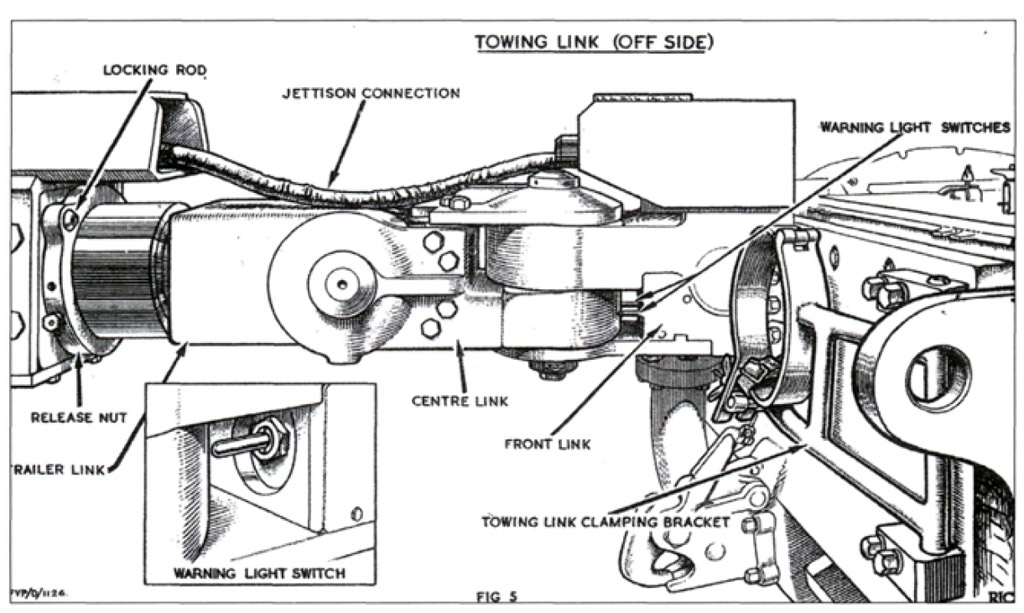
The hinged joint had 2 degrees of freedom
Based on the design results, British engineers produced what was arguably the best flamethrower tank of the war. First, it had the maximum range for firing the incendiary mixture and the largest ammunition capacity. Second, converting it into a flamethrower version did not require significant modifications to the tank. Third, it was the best-protected of all flamethrower tanks, which increased the chances of reaching the attack range. Fourth, because converting it into a flamethrower tank did not require modifying its main armament or ammunition stowage, the Crocodile was equivalent to a standard tank in terms of combat effectiveness. Finally, it was the safest flamethrower tank for the crew.
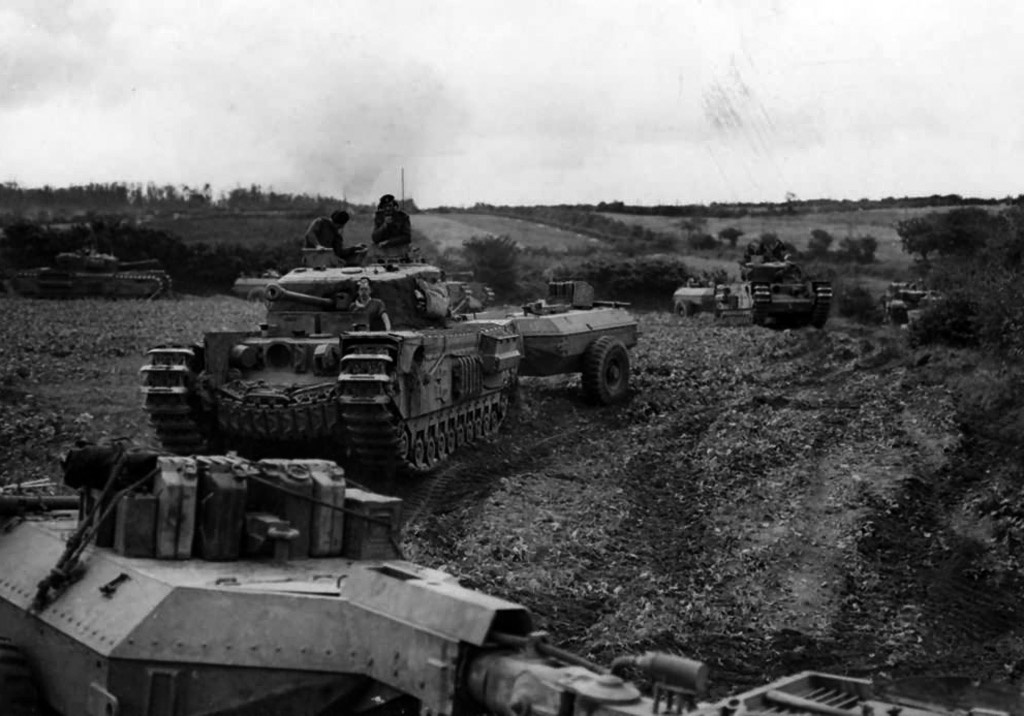
Reinforcements began arriving for the “Crocodiles” unit in early 1944
The first Churchill VII “Crocodile” tanks were ready in the fall of 1943. Subsequently, the conversion of Churchill VII tanks into flamethrower tanks gradually increased, with the result that approximately half of the A22F tanks (about 800) were converted into flamethrower tanks. This number also included Churchill VIII tanks armed with 95-mm guns, but it is unknown how many of them were converted. It should be noted that during the conversion to Crocodile, the registration numbers were slightly altered. The letter K was added at the end of the number, indicating that it was a flamethrower tank.
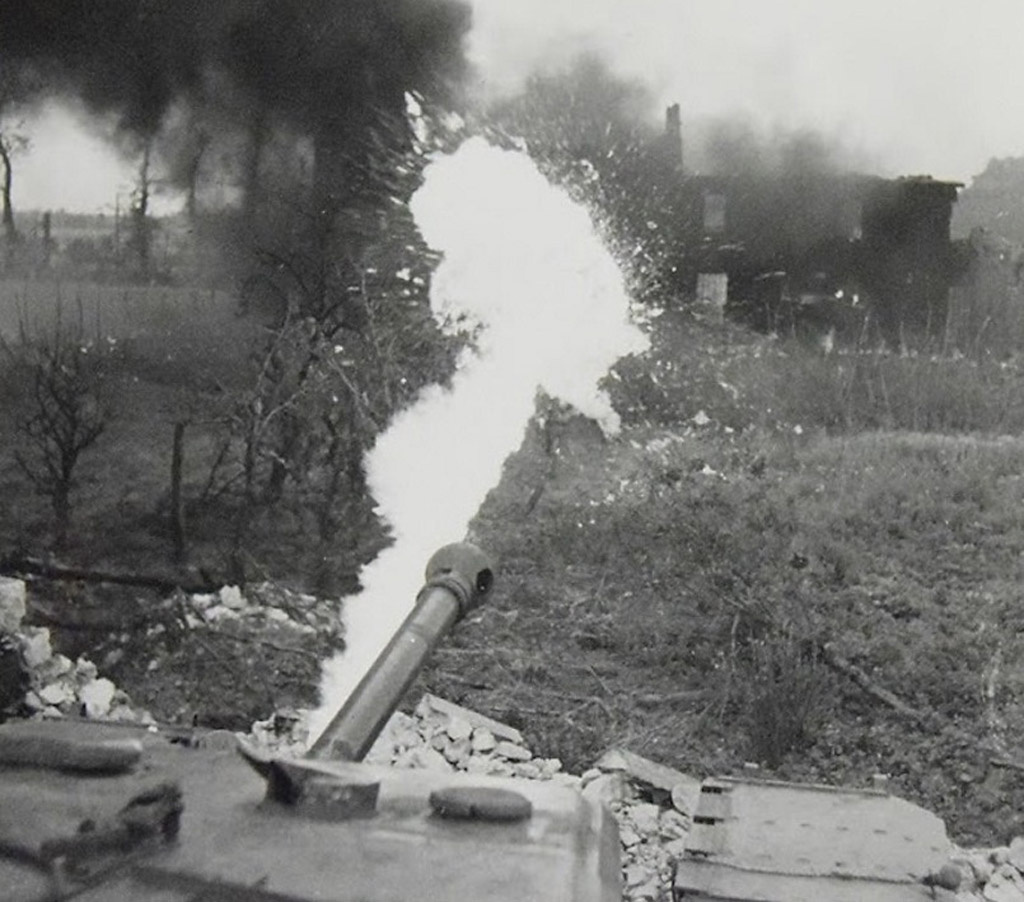
Start-up torque
As with the base tank, the “Crocodiles” made their combat debut on June 6, 1944, in Normandy. The most interesting debut was that of the 141st RAC, which was part of General Hobart’s 79th Tank Division. It was the first unit to be equipped with the Churchill VII Crocodile. On June 6, 1944, the regiment landed on Golden Beach. The tanks successfully attacked a German battery but did not use their flamethrowers during the engagement. The battle on June 14 for the village of La Senodière, south of Bayeux, proved to be more intense. Three flamethrower tanks attacked the village, exchanged fire with a Pz.Kpfw.III, and then found themselves face-to-face with a Pz.Kpfw.Panther from the Tank Training Division. The first tank fired at the Panther’s front hull and failed to penetrate it; the crew of the second tank kept their composure and fired a volley from their flamethrower. As a result, the German tank was put out of action. The second “Panther” destroyed one of the tanks during the battle.
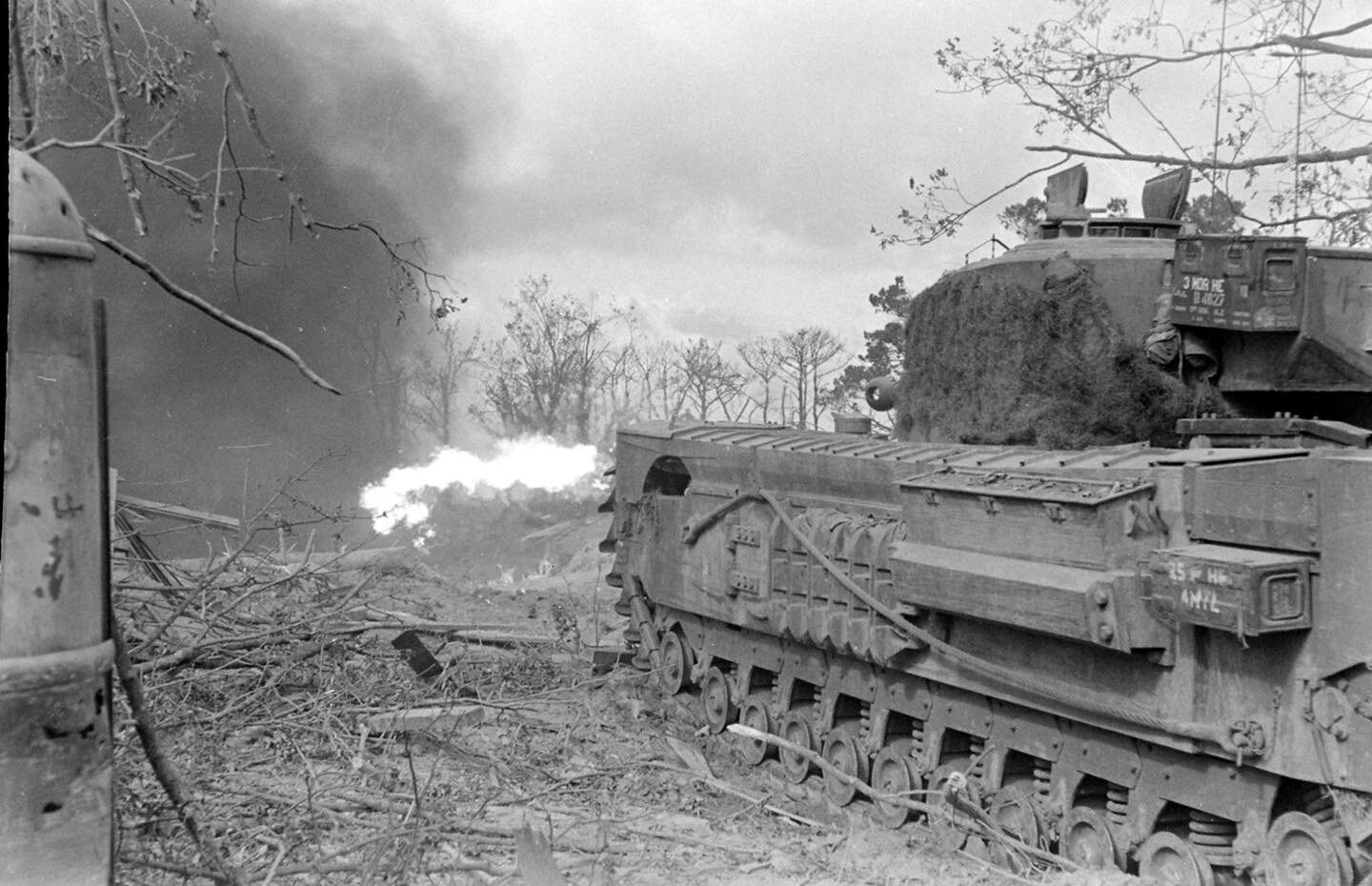
The Churchill VII Crocodiles proved to be an effective means of supporting the infantry
As practice showed, the Churchill VII Crocodile’s sturdy front armor allowed it to close to within firing range even under heavy enemy fire. From there, the highly effective flamethrower came into play. The downside was that German artillerymen paid increased attention to flamethrower tanks. Churchill Crocodiles were easily identified by their trailers, after which artillery fire was concentrated on them. If hit, the crews faced a grim fate—flamethrower operators were not typically taken prisoner.
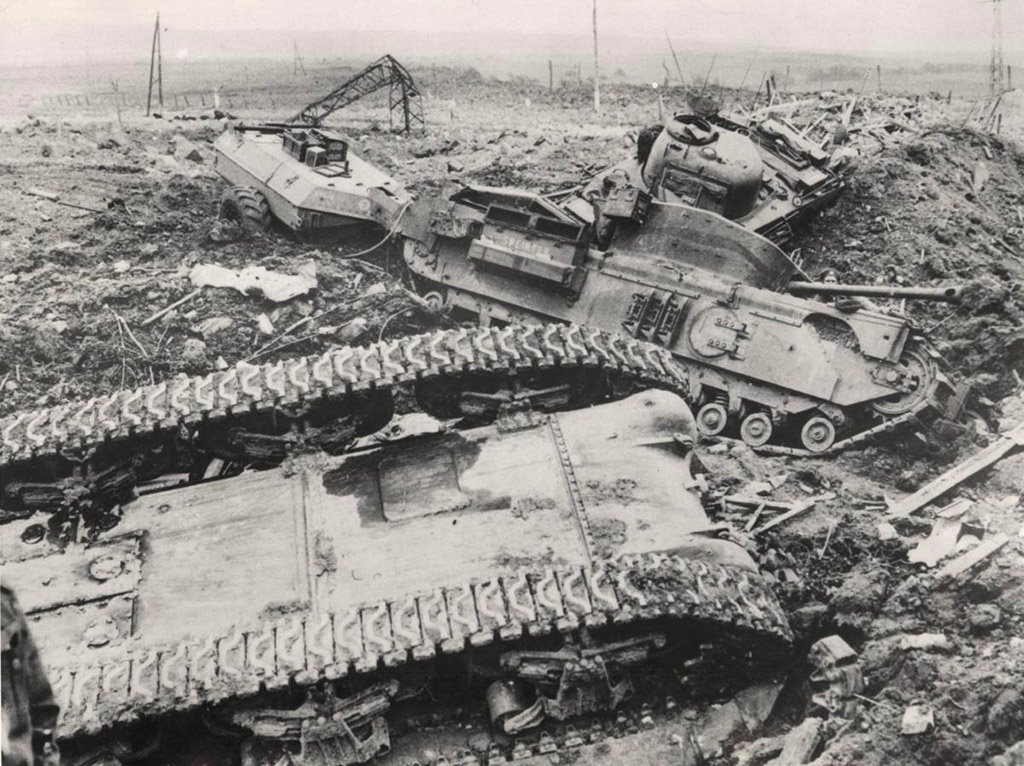
However, the system with the trailer had its drawbacks as well. The tank had difficulty moving backward
The Churchill VII Crocodiles went on to distinguish themselves during the battle for Hill 112, and they also performed well in other battles during the summer and fall of 1944. These early successes led to an increasing ratio of flamethrower-equipped Churchill VIIs to standard ones. Fortunately, as mentioned above, the conversion posed no major problems. By December 1944, of the 122 Churchill VIIs serving with the 21st Army, 90 were flamethrower variants. The Western Front became the site of the most widespread use of the Churchill VII and its flamethrower variant. There were plans for the widespread deployment of Churchill VIIs, including the flamethrower tanks, in combat operations against Japanese forces, but they arrived too late on the battlefield. The most these tanks managed to do in the Pacific Theater was to undergo testing.
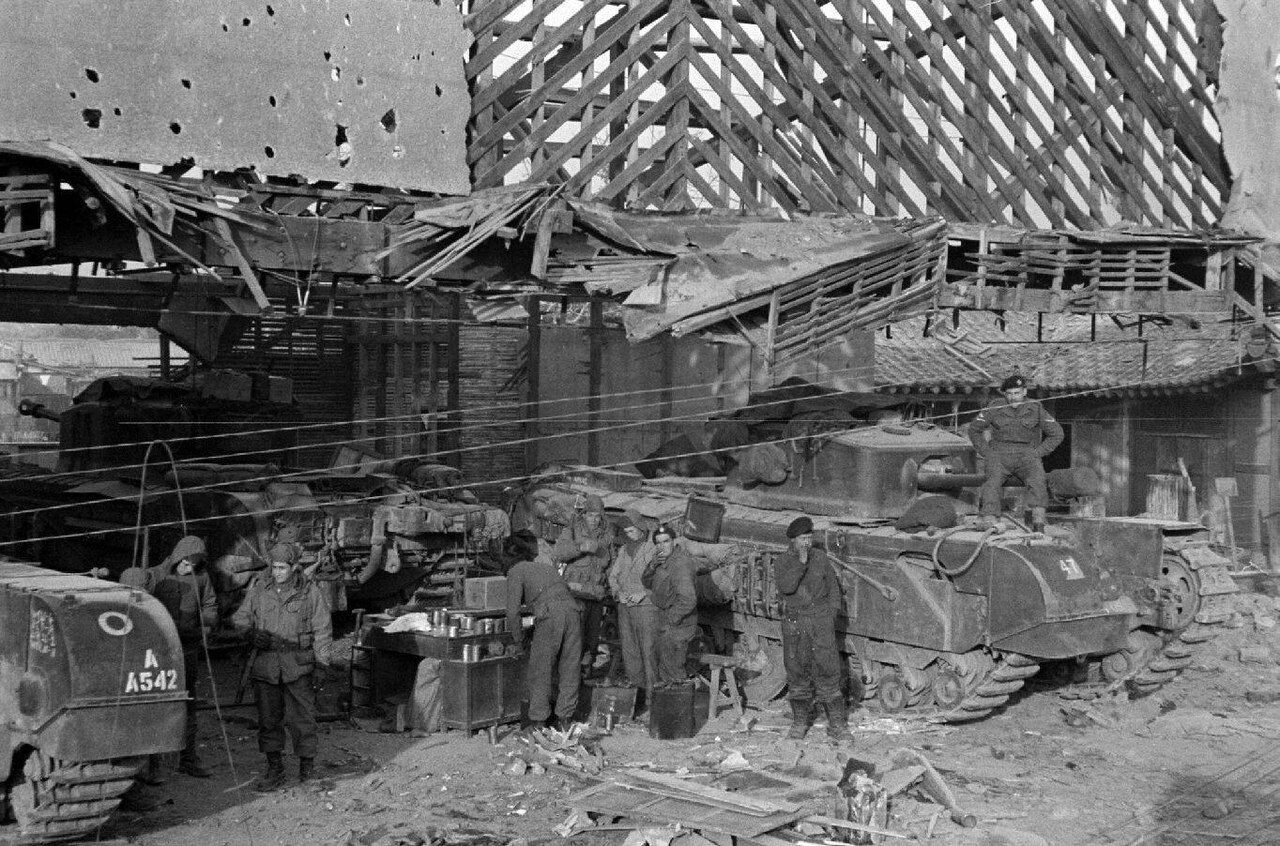
During the fighting in Korea, 1951
Of course, the concept of using a chemical trailer had its drawbacks. For example, there were problems when moving in reverse. Nevertheless, the advantages far outweighed the disadvantages. The Churchill VII Crocodile saw combat until 1951, and was decommissioned shortly thereafter. The Churchill VII Crocodile became the longest-serving variant of the infantry tank. Of the three and a half dozen tanks from the Churchill VII family that have survived to this day, more than half are of the flamethrower variant. In addition to the British Army, the Churchill VII served in India and Iraq; they were also present in the Jordanian Army, which traditionally used British tanks.
List of Sources:
-
-
- US NARA
- ЦАМО РФMr. Churchill’s Tank: The British Infantry Tank Mark IV, David Fletcher, Schiffer Publishing, Ltd, 1998, ISBN 978-0764306792.
- Архив автора
-