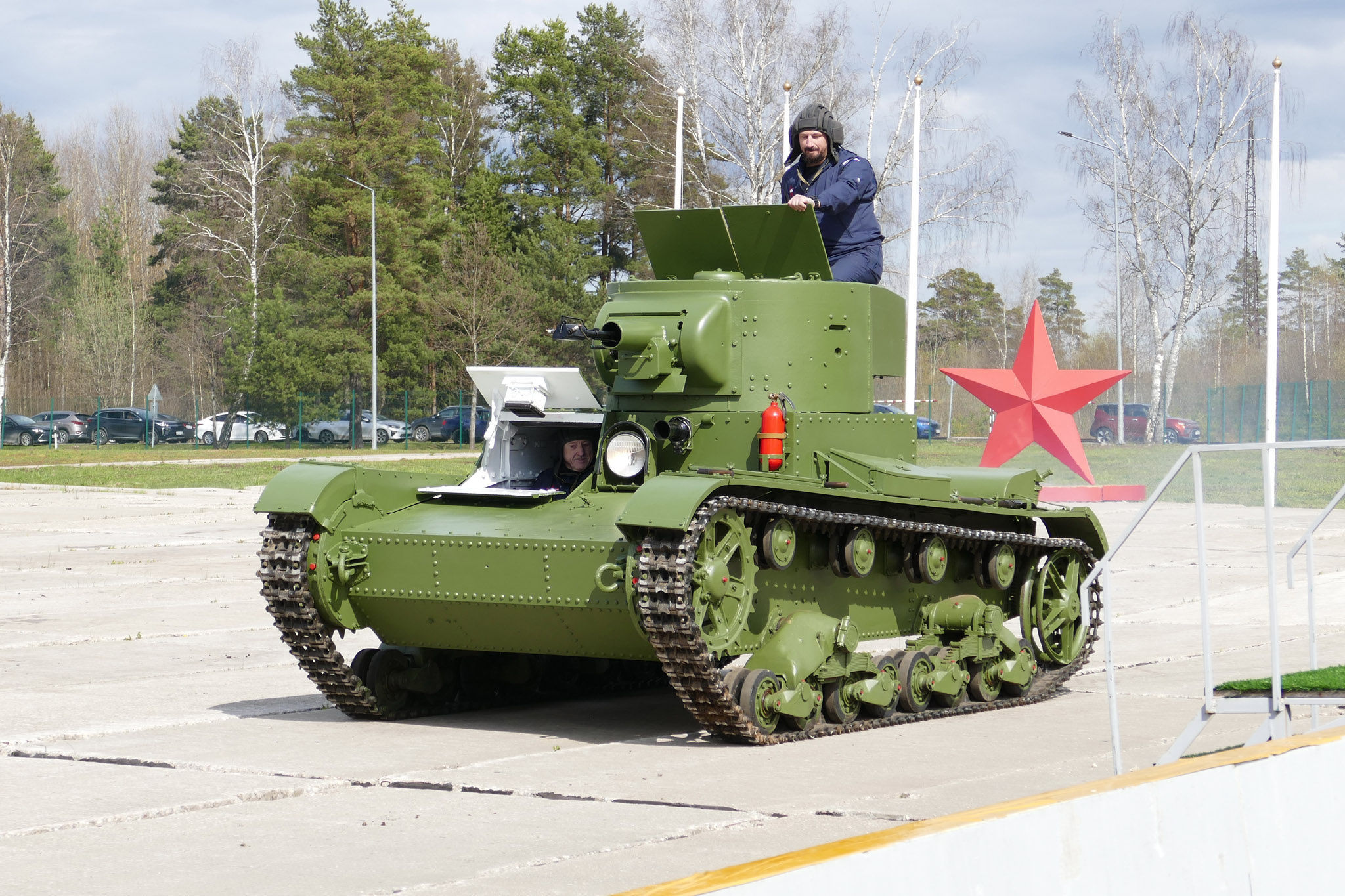
The only surviving TT-26 tank, restored by the restoration workshop at Patriot Park
The well-worn saying about “the good old days” fits perfectly into world history—including the history of military technology. Just because certain solutions didn’t work during a particular period didn’t mean they were a complete failure. Some ideas needed time to mature—sometimes over the course of many decades. But then those very ideas that had failed in the distant past turned out to be effective in the future. Humanity spent centuries developing tanks, for example.
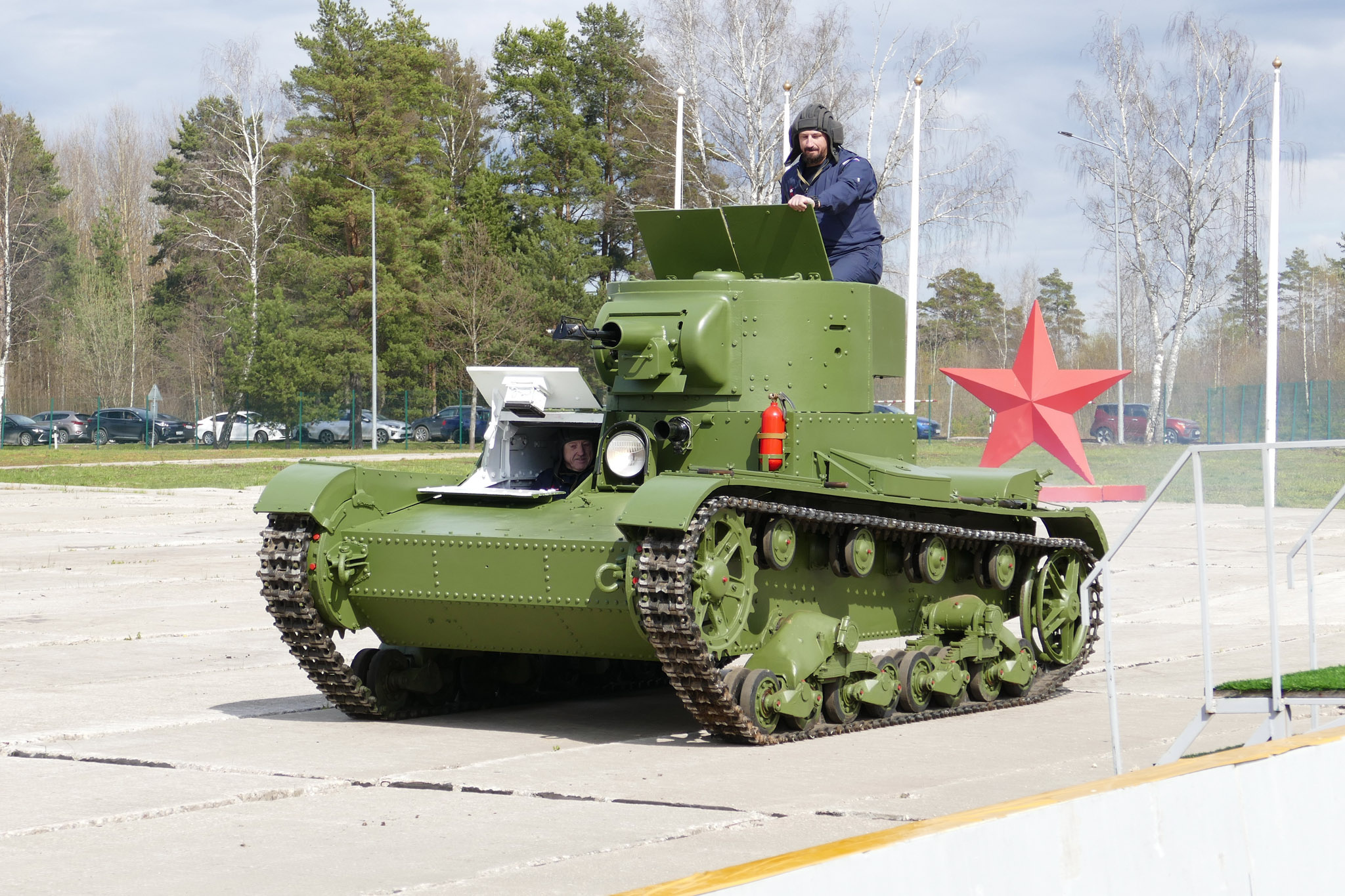
The TT-26 during a live demonstration at the Patriot Park Technical Center on May 2, 2026
Something similar happened with remotely controlled combat vehicles. The first prototypes of such vehicles appeared in 1915, but at first, efforts were limited to experimental development. The second wave occurred during World War II, but the results of their use proved highly controversial. However, some countries achieved success in developing radio-controlled combat vehicles as early as the second half of the 1930s. One example of this was the TT-26 teletank, which was recently restored by the restoration department of the “Patriot” park.
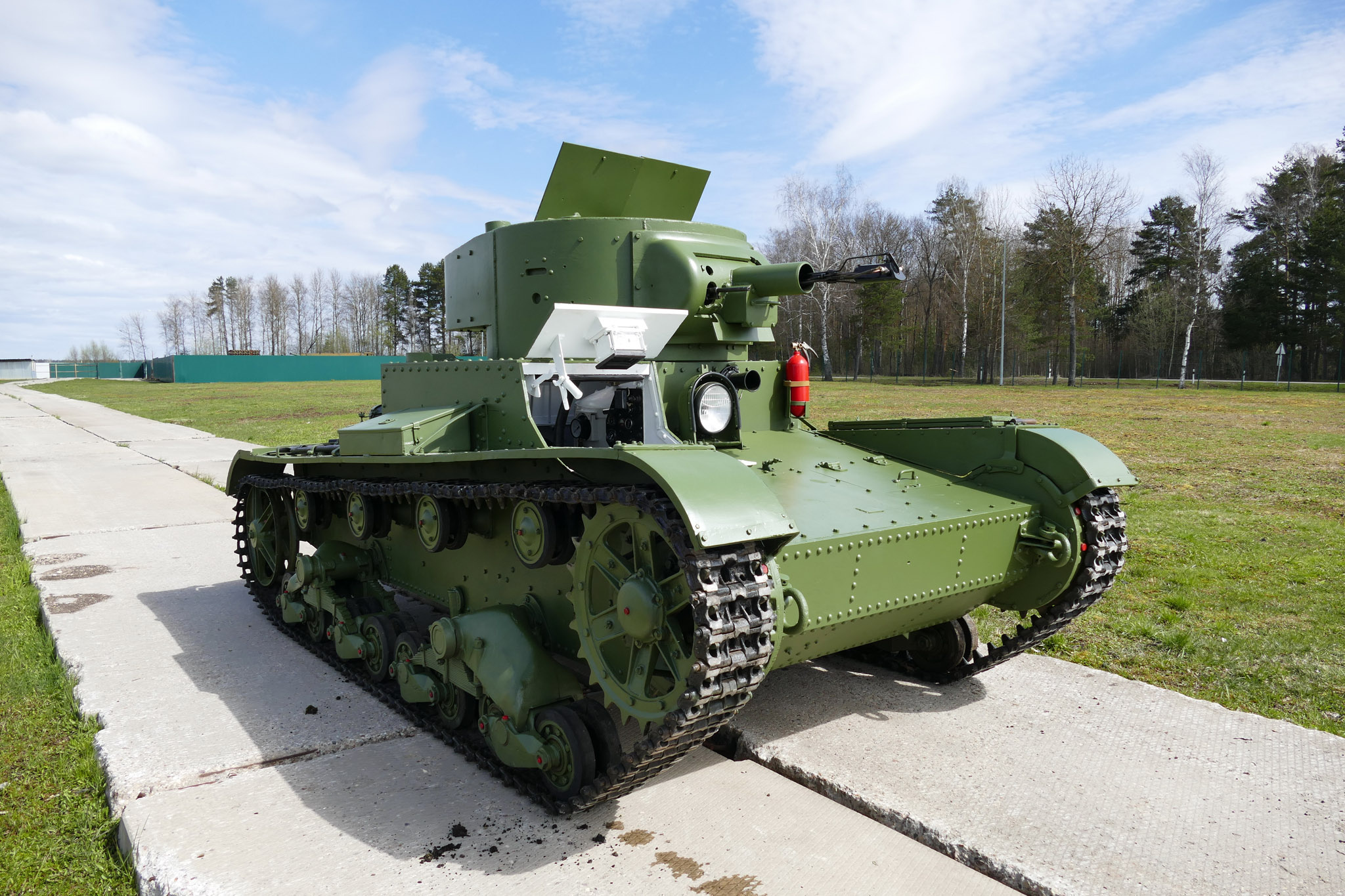
Work had been underway since late 2025
This vehicle was discussed three years ago, so there’s no point in repeating the entire history of the development of Soviet teletanks. It’s enough to highlight the main points. This project was launched in 1929 at the initiative of the Red Army Communications Directorate. Following the initial experiments, a concept emerged that was subsequently developed step by step. It essentially involved creating a group of tanks that included a command tank as well as a teletank (a remotely controlled tank).
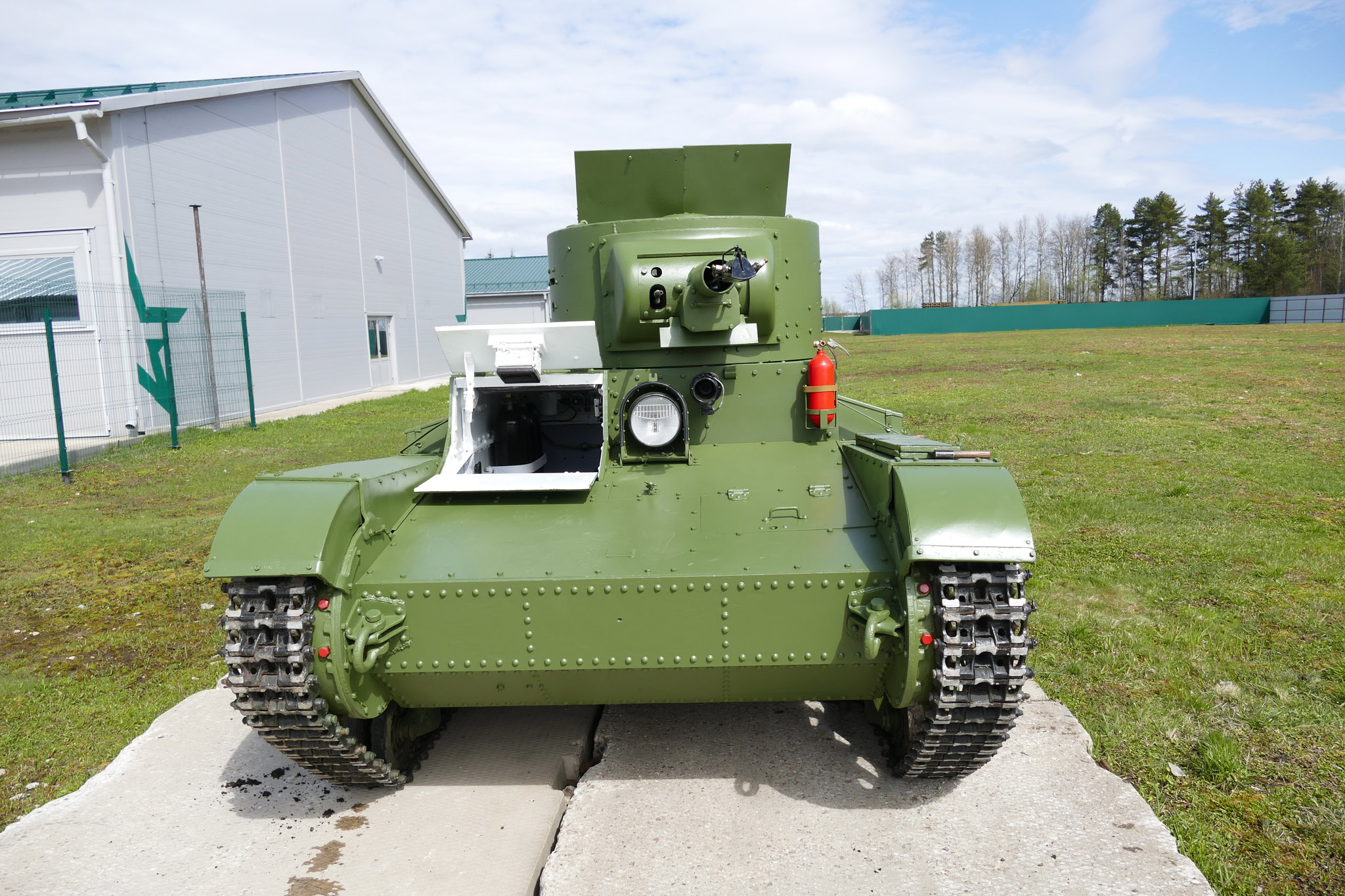
As a result, the tank has undergone a noticeable transformation
Over the 10 years that work was carried out in this area, various versions of remote-controlled tanks were developed. However, the most successful effort was the creation of telemechanical units based on the T-26 escort tank. First, the TOZ-4 prototype control system was developed, and subsequently, the first production variant—designated TOZ-6—was developed based on it. This equipment was installed on 35 remote-controlled tank groups converted from standard T-26 tanks.
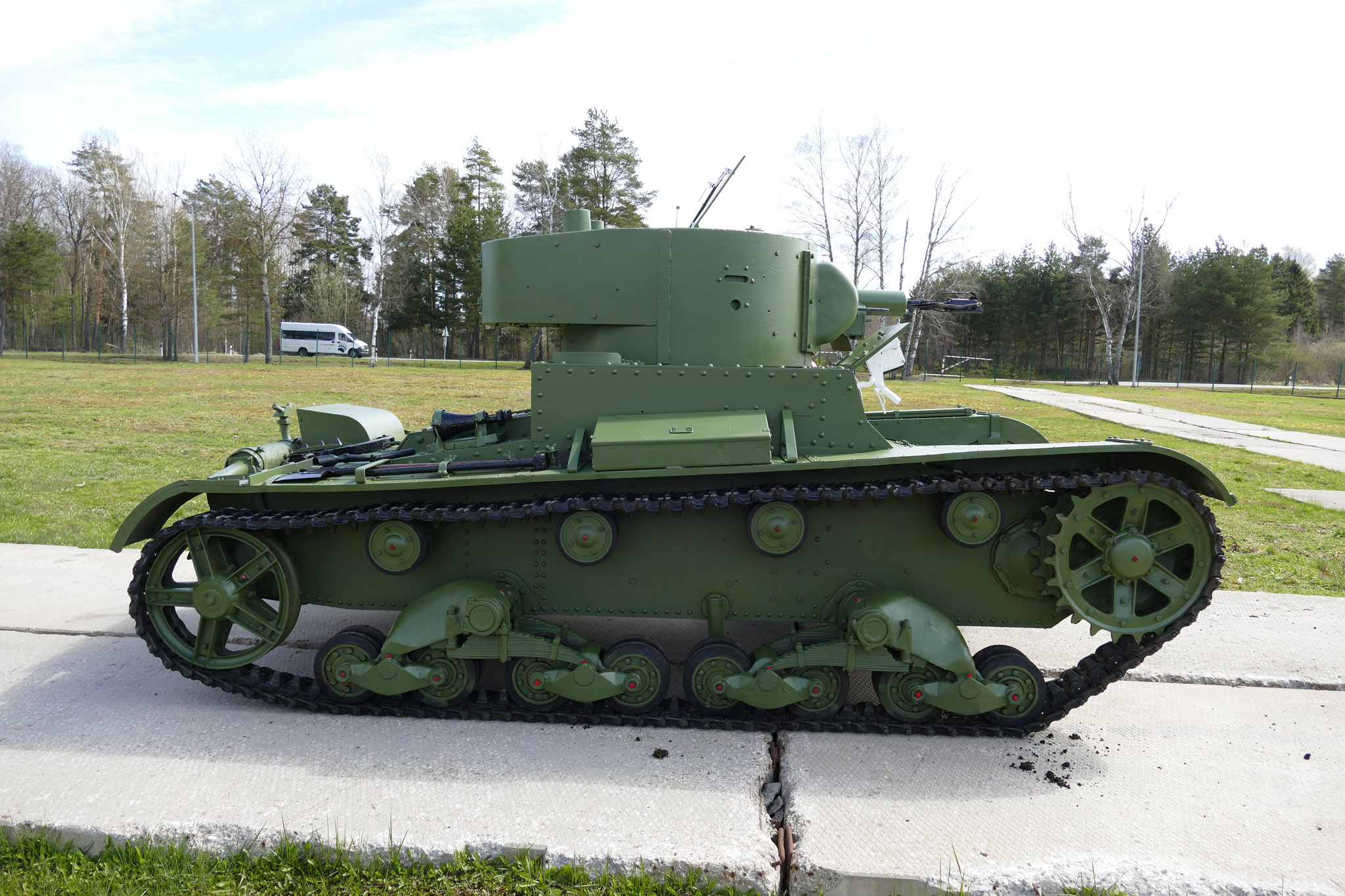
It was completely disassembled, and the missing parts were replaced.
At that point, the designers of the TV tanks had not yet realized that it would be more appropriate to base the remote-controlled vehicle on a specialized flamethrower (chemical) tank. The XT-130 fit this description, and it was eventually put to use, though this happened somewhat later. Initially, a standard T-26 was used, which was modified according to a design more reminiscent of the HT-26. The difference was that the chemical equipment was installed in a two-man turret rather than a single-man one.
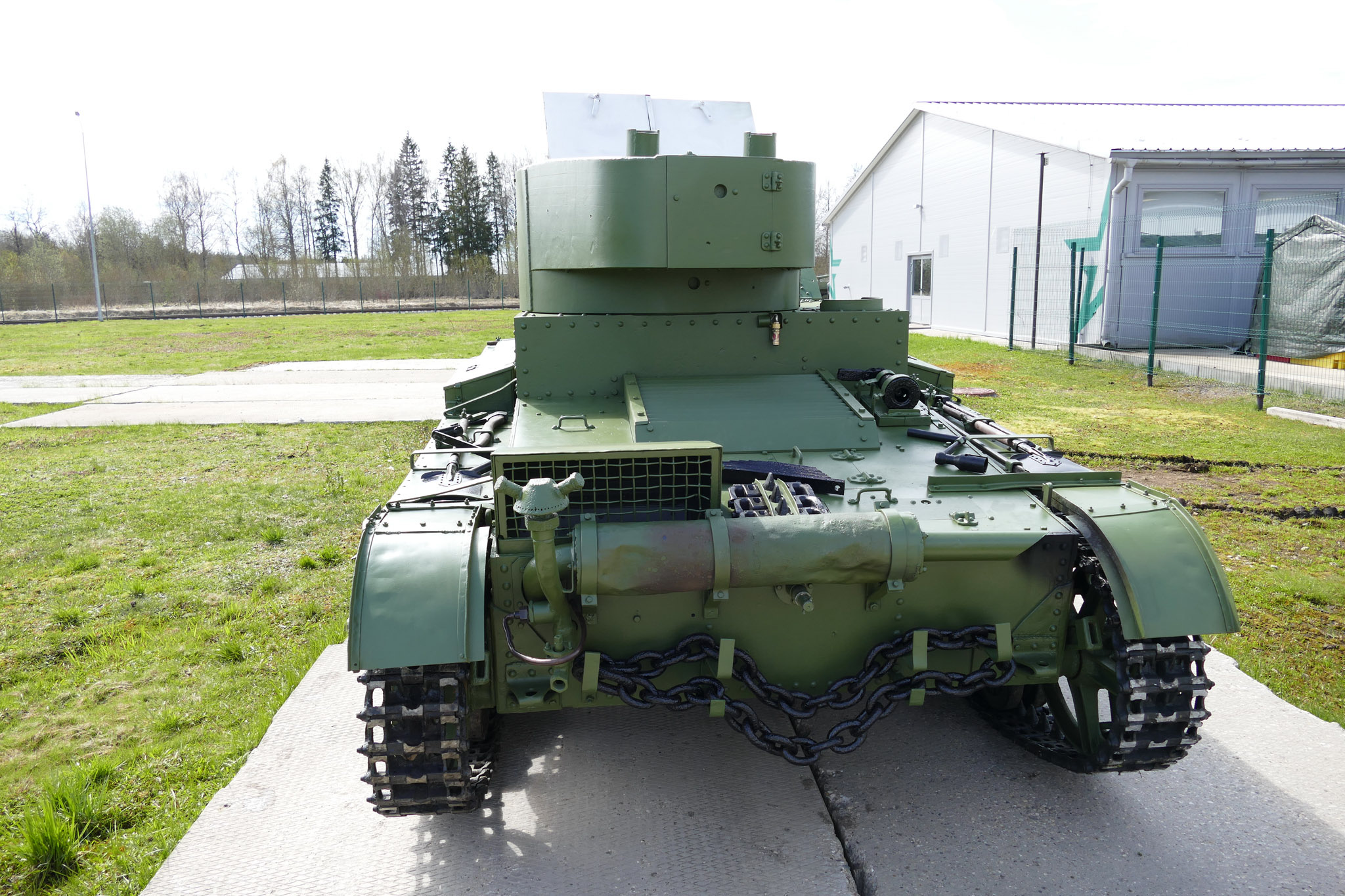
The spare parts kit has arrived
The use of a two-man turret was necessitated by the need to ensure remote aiming of the KS-2 flamethrower. The HT-26 turret could not provide this capability, so, in the initial phase, it proved easier to opt for a gun tank. The fighting compartment housed the main fuel tank for the fuel-air mixture and the cylinders for the flamethrower’s pneumatic firing system. A smoke-launching device, carried over from the HT-26, was also installed in the rear of the hull.
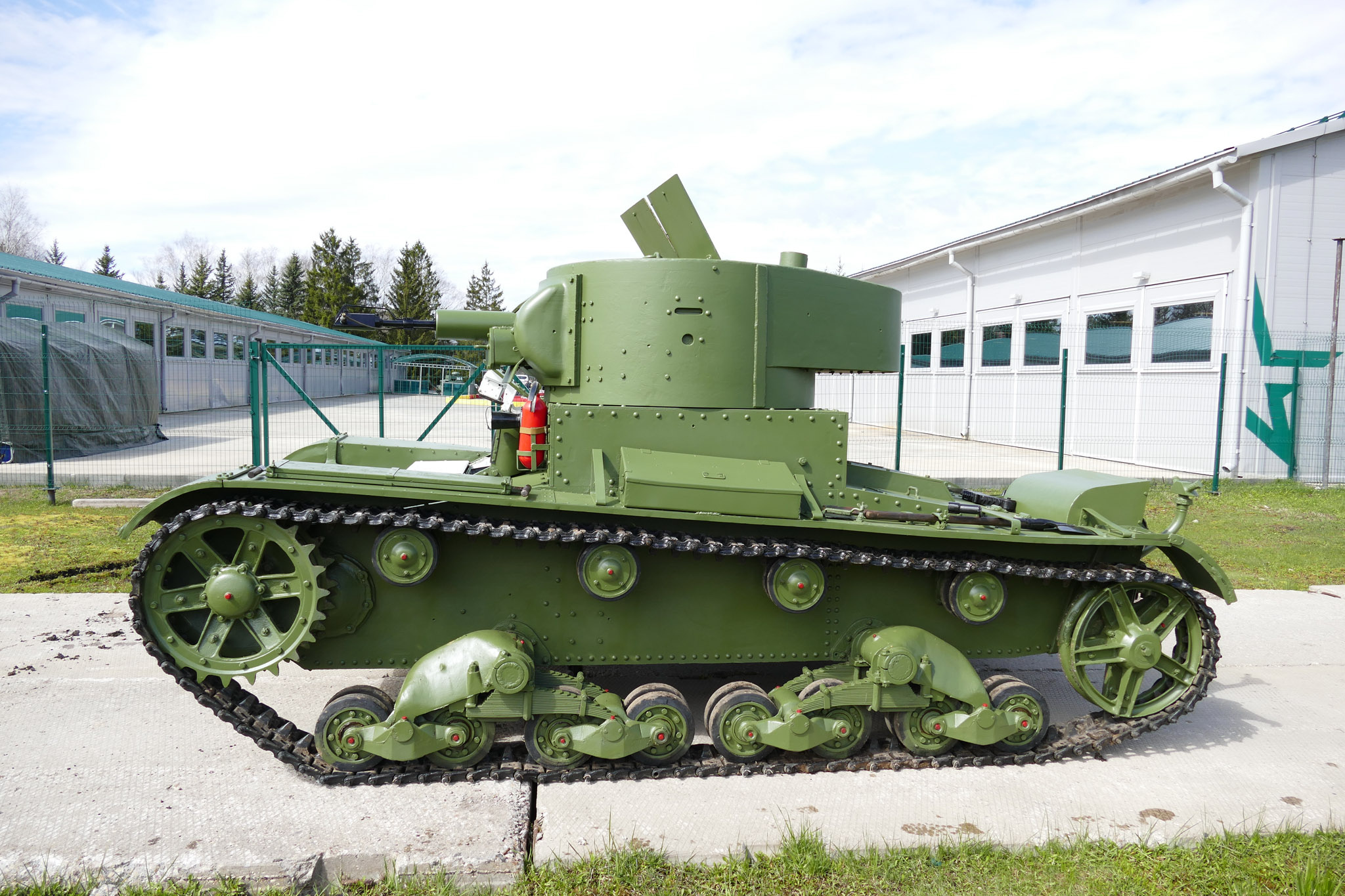
It was converted into a teletank from a standard T-26
On the one hand, this approach simplified the modification work; on the other, it created major problems for the crew. If you look at the HT-130, you’ll notice that the turret is offset to the right. This was done for a reason: the fuel tank, mounted on the left side, was clearly getting in the way of the turret crew. Of course, this wasn’t a problem for the telemechanical equipment. However, as practice showed, the TT-26 was more often used not as a remote-controlled tank.
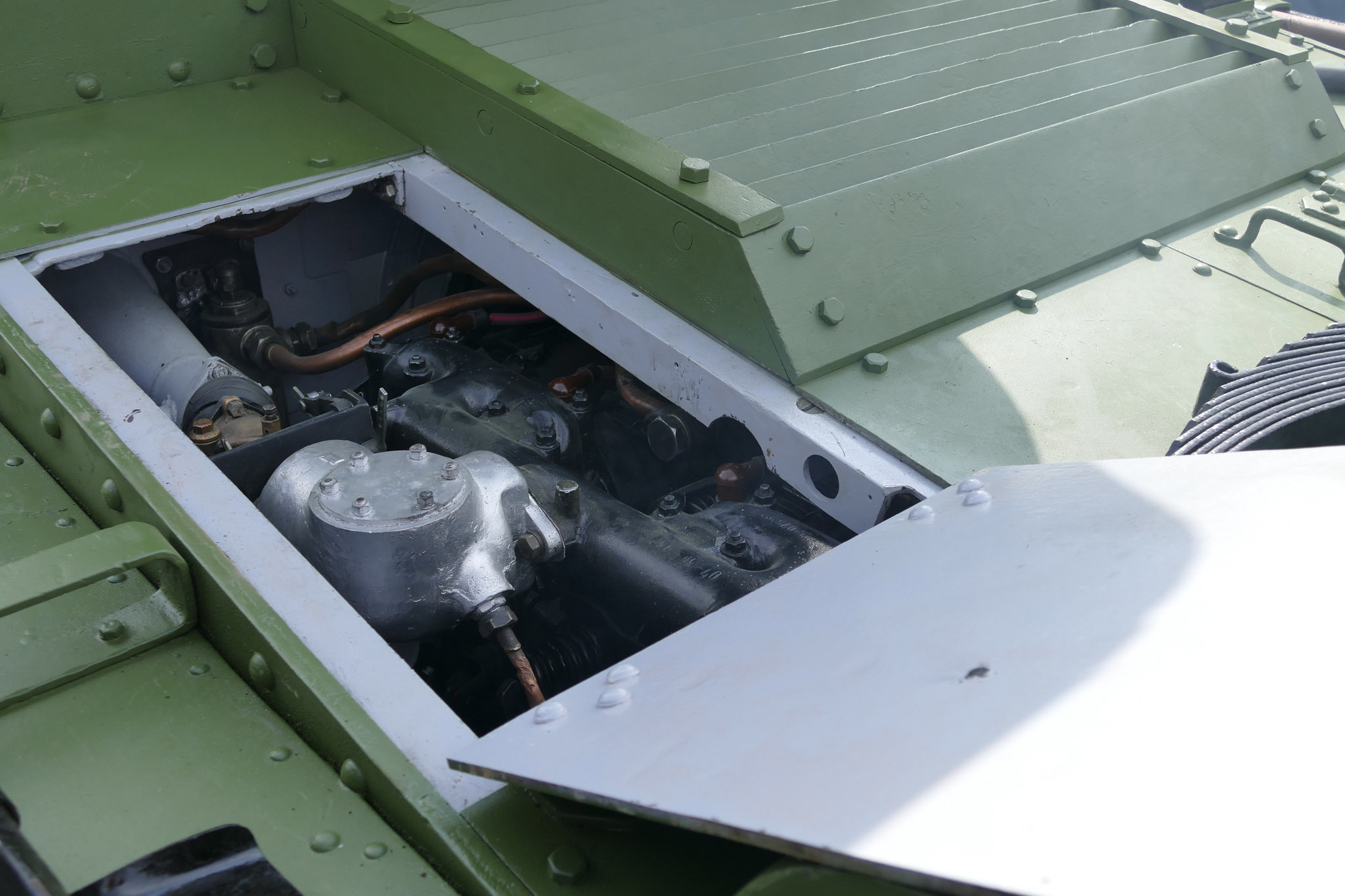
Refurbished Original Engine
By and large, the TT-26 became a two-seater tank because firing without telemechanical equipment had become inconvenient. It wasn’t that it was completely impossible, but the fuel tank was frankly in the way. And that was only part of the problem. Filling it with fuel or toxic agents also proved inconvenient. The TT-26, and later the HT-130, had special filler necks for this purpose. There was nowhere to install them on the TT-26, so the crews of the remote-controlled tanks certainly weren’t to be envied.
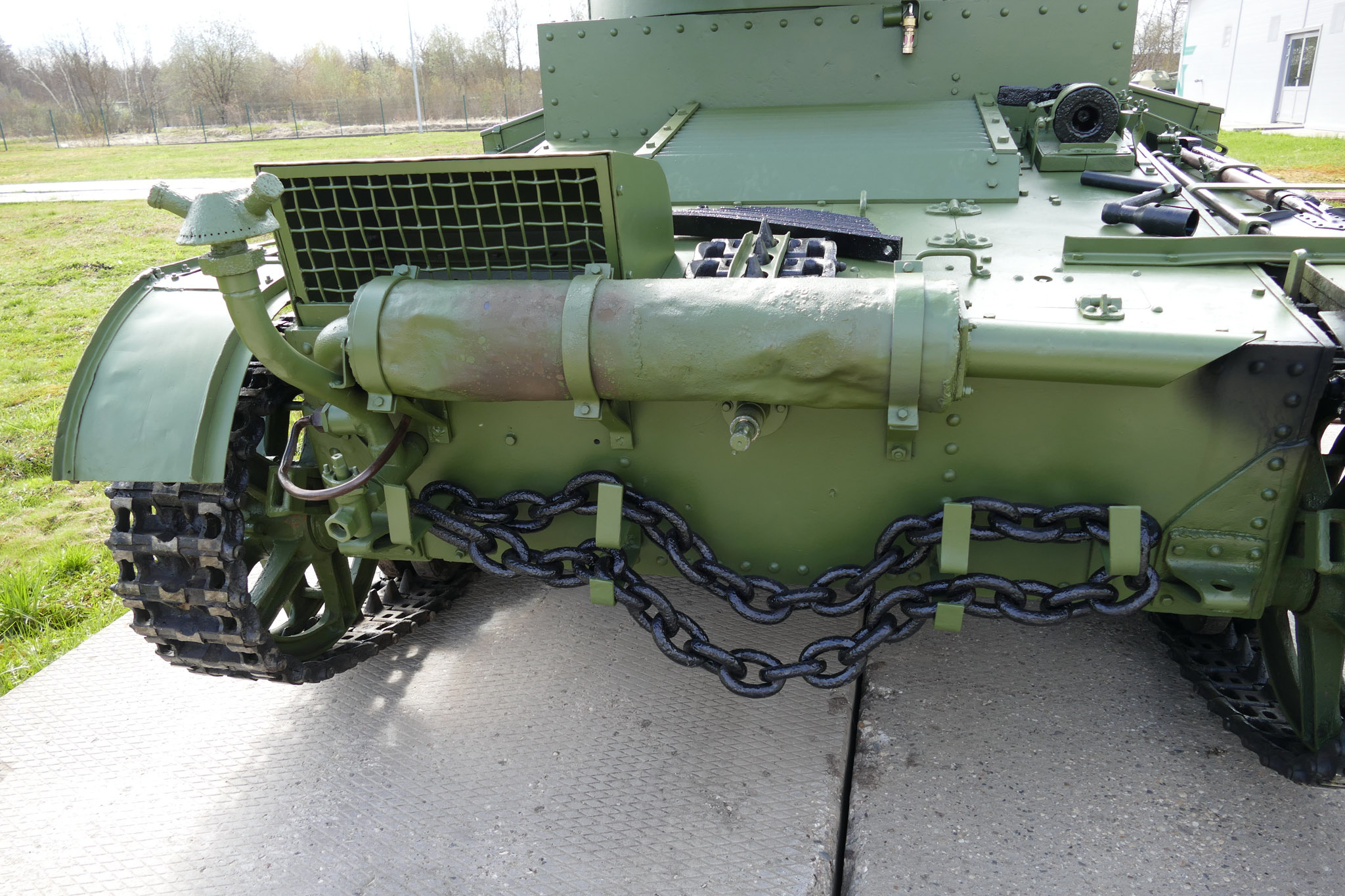
The stern smoke stack fitting has been returned to its original position
The TT-26 preserved in Patriot Park was assigned to the 217th Tank Battalion, which was originally under the command of the 30th Light Tank Brigade. In fact, it was the only battalion that routinely deployed its equipment in combat conditions. This occurred during the Soviet-Finnish War, when it was under the command of the 20th Heavy Tank Brigade. This war provided ideal conditions for the use of armored personnel carriers, as it was a war of position.
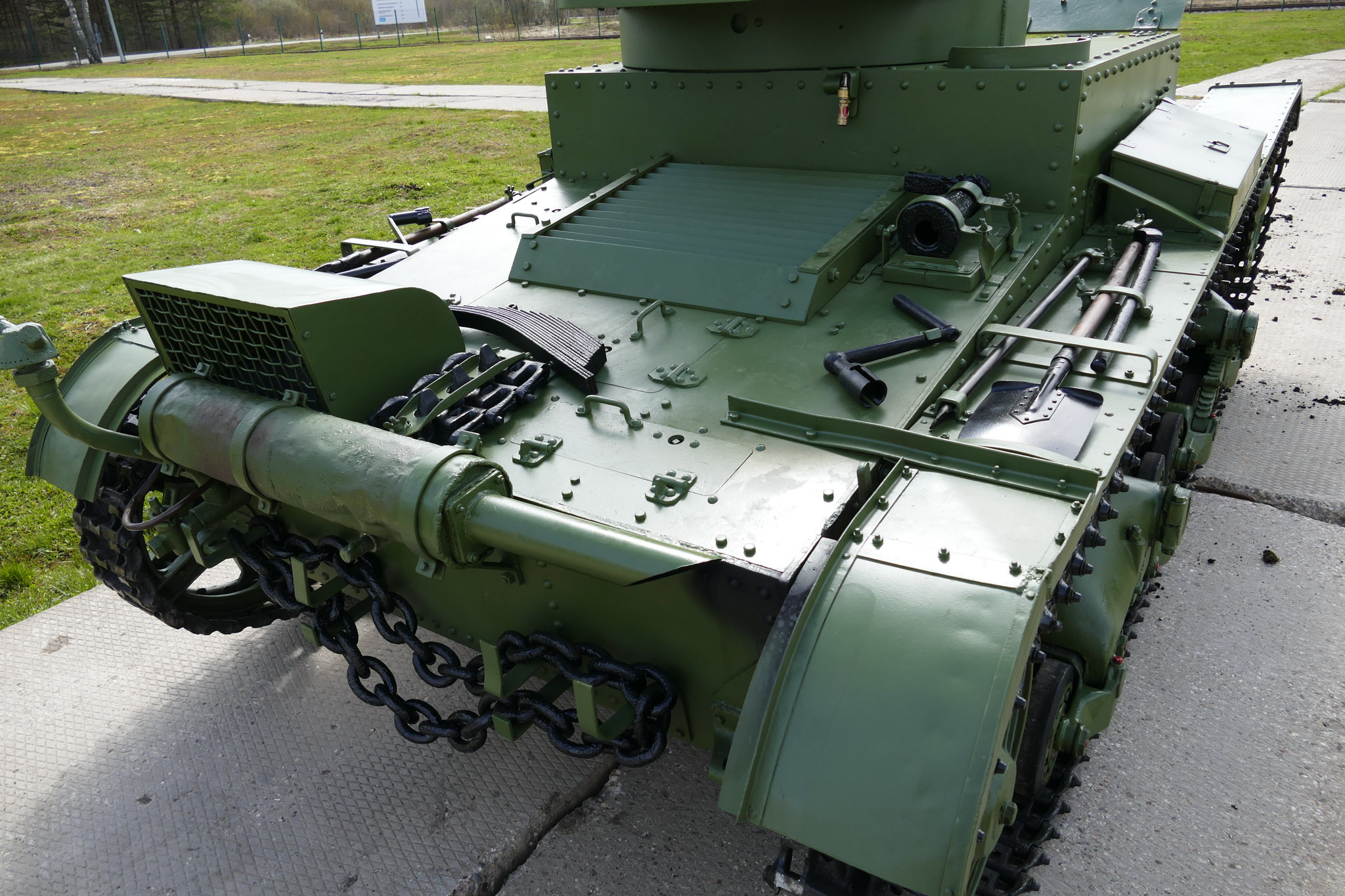
A notch on the stern plate
As a result of the combat operations, the battalion irretrievably lost six armored personnel carriers; at the same time, it gained extensive experience in the use of these combat vehicles. And that experience turned out to be, shall we say, highly mixed. For starters, maneuvering the tank proved extremely difficult, as visibility from the driver’s seat was very poor, making it hard to see what was happening ahead. Aiming and firing proved practically impossible. Furthermore, the teletank’s off-road capability was lower than that of a conventional tank, since it operated in a specific mode.
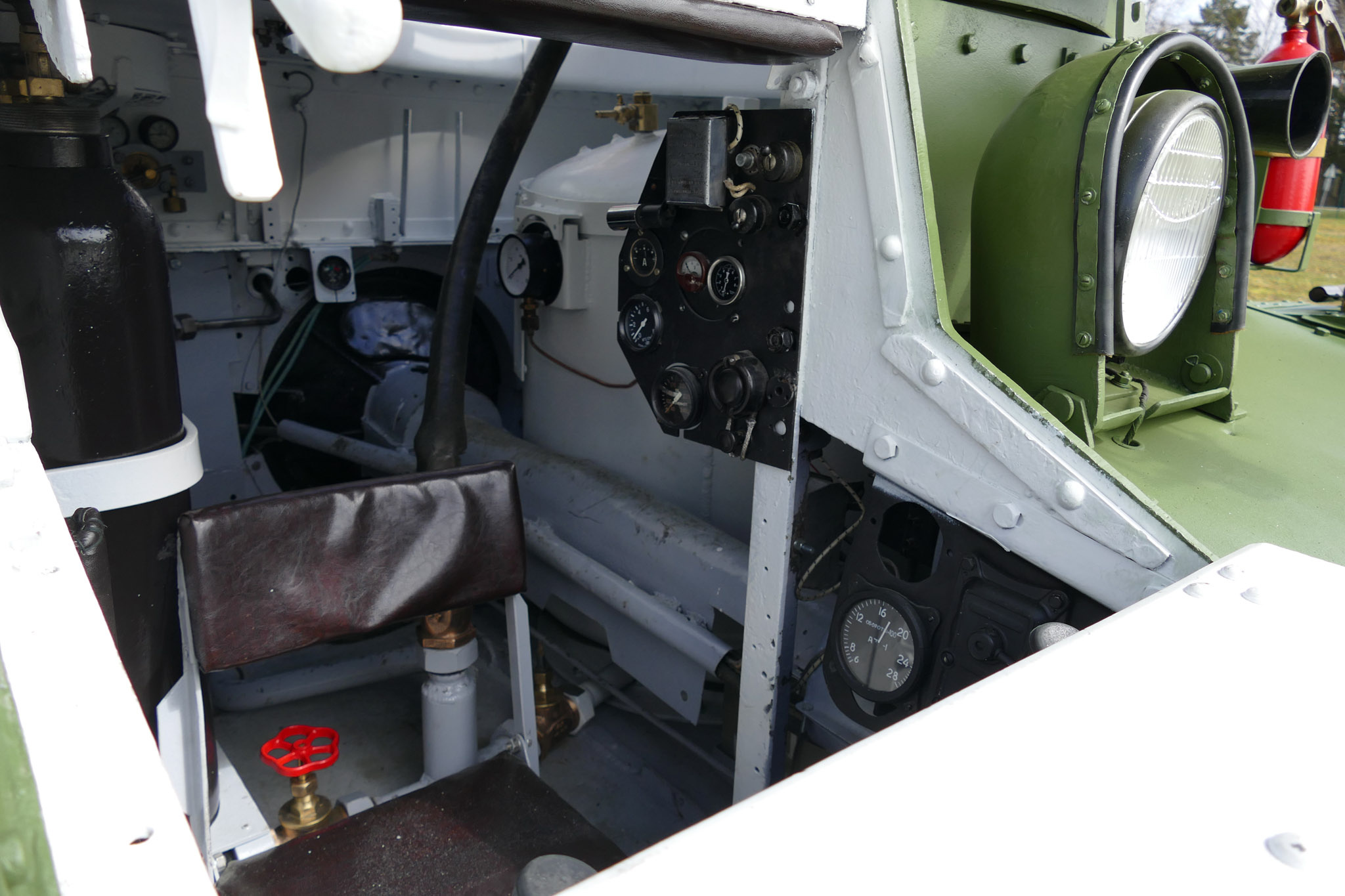
We also worked on the interior
In total, over 100 million rubles were spent on the teletank project over the course of 10 years. In 1938, the Communications Directorate, recognizing the obvious problems with implementing the teletank program, transferred the project to the ABTU KA. Attempts to develop this technology proved futile. The equipment was too complex (the TOZ-8, for example, consisted of 20,000 parts), qualified specialists were required, and the teletanks proved to be of little practical use. Work was halted in 1940, although another attempt was made to revive the project in 1941—this time with the T-50 tanks in mind.
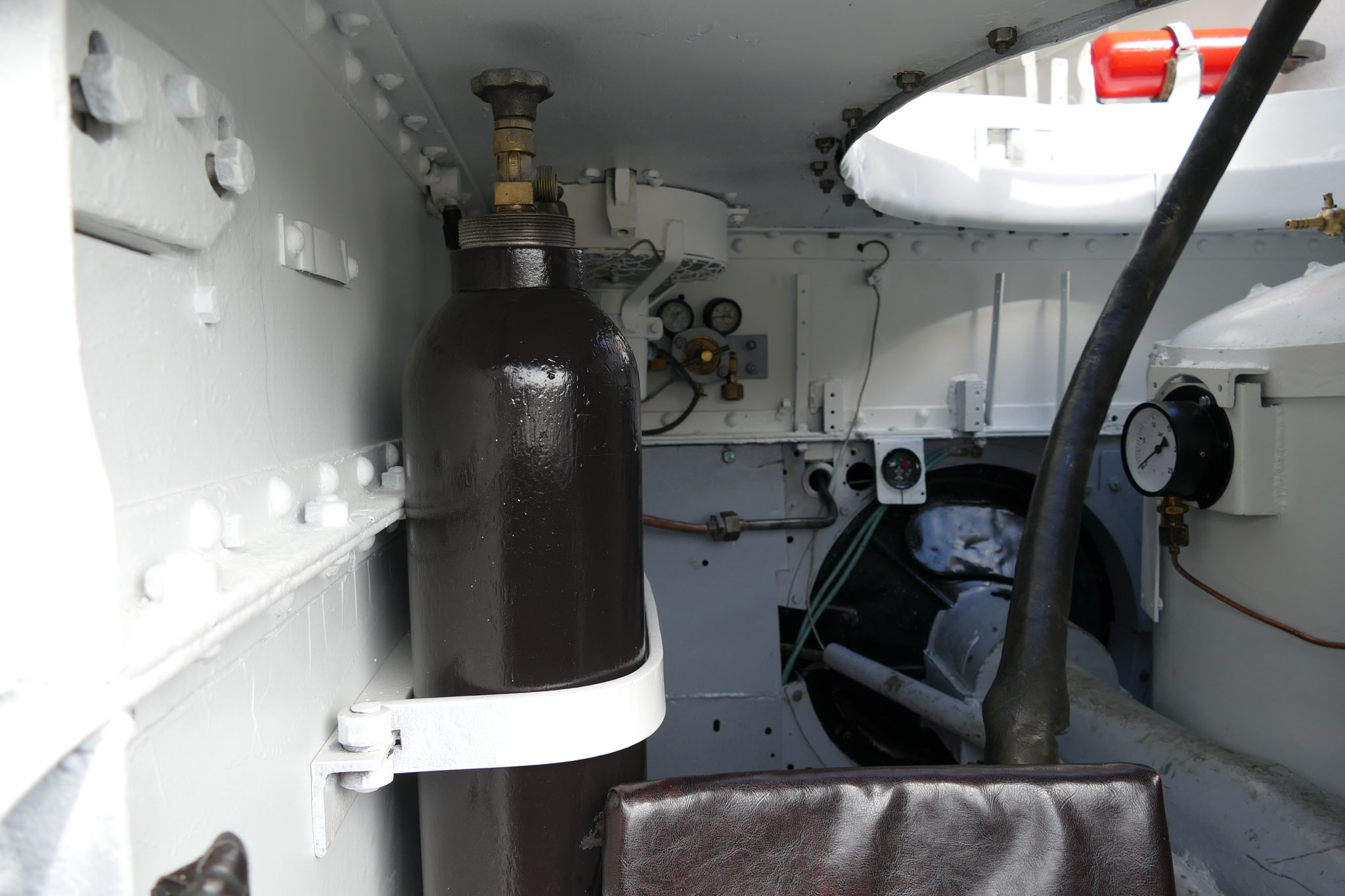
Since this is a tank on wheels, there’s very little space in the turret
At the same time, it would be wrong to say that the work was in vain. The Soviet Union was the first to successfully put the idea of radio-controlled tanks into practice. And even a negative outcome is still an outcome. At the very least, the enormous expenditures on this project occurred during the prewar period. This is in contrast to the Germans, who worked on their radio-controlled combat vehicles during the war and spent far more money.
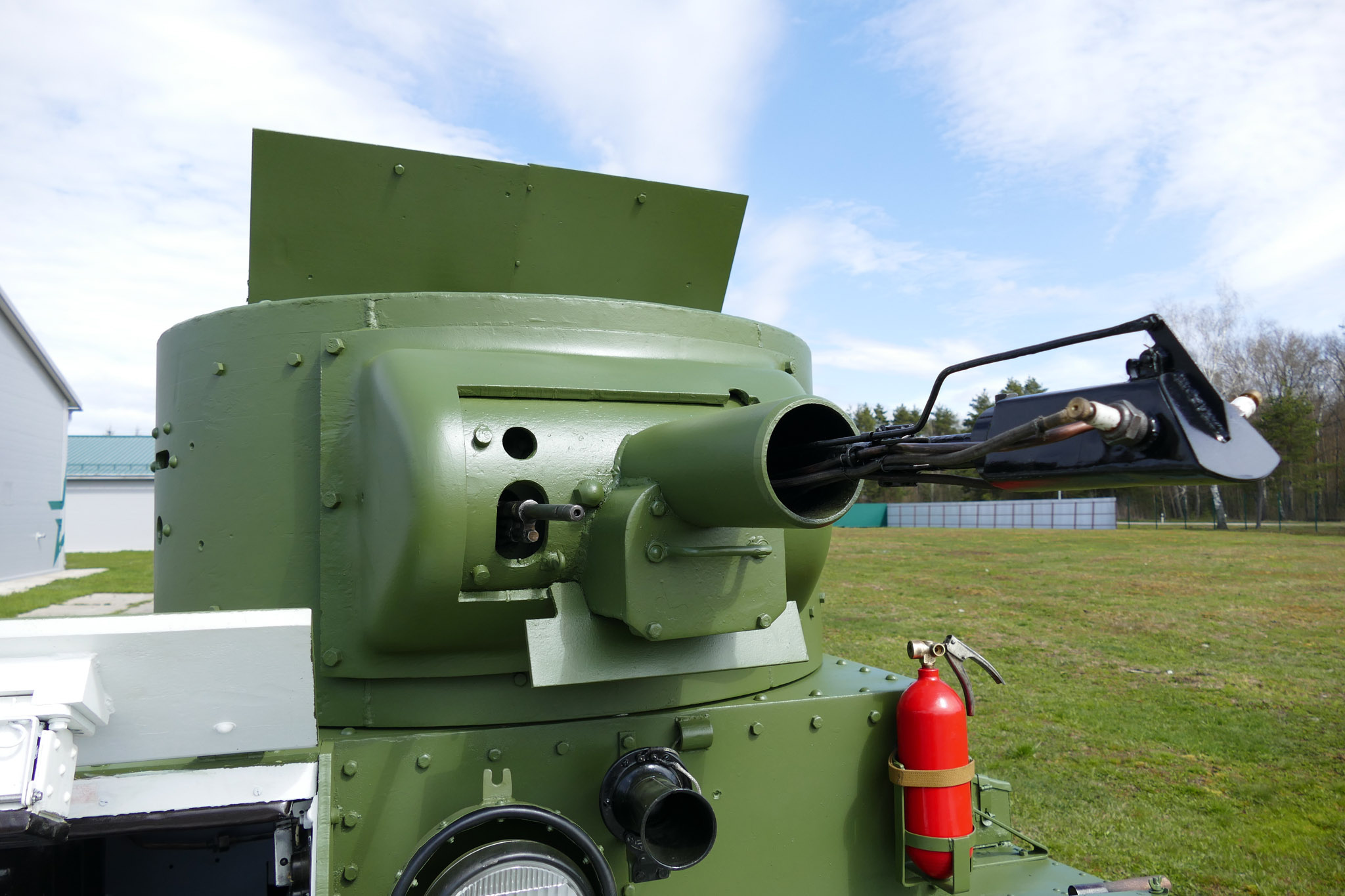
The KS-2 flamethrower has been restored
Here, the topic of light tanks has fallen into semi-oblivion. So much so that the only TT-26 to survive to this day was referred to as the XT-130. Nevertheless, a celebration has come to its street as well. At the end of 2025, restoration work began on it. This vehicle is notable because, of the three surviving T-26-series tanks in the “Patriot” park, it is the most complete. The T-26 with a conical turret was damaged in the 1960s, and the engine of the twin-turret T-26 was partially lost during a “military-style cleanup” in 2007.
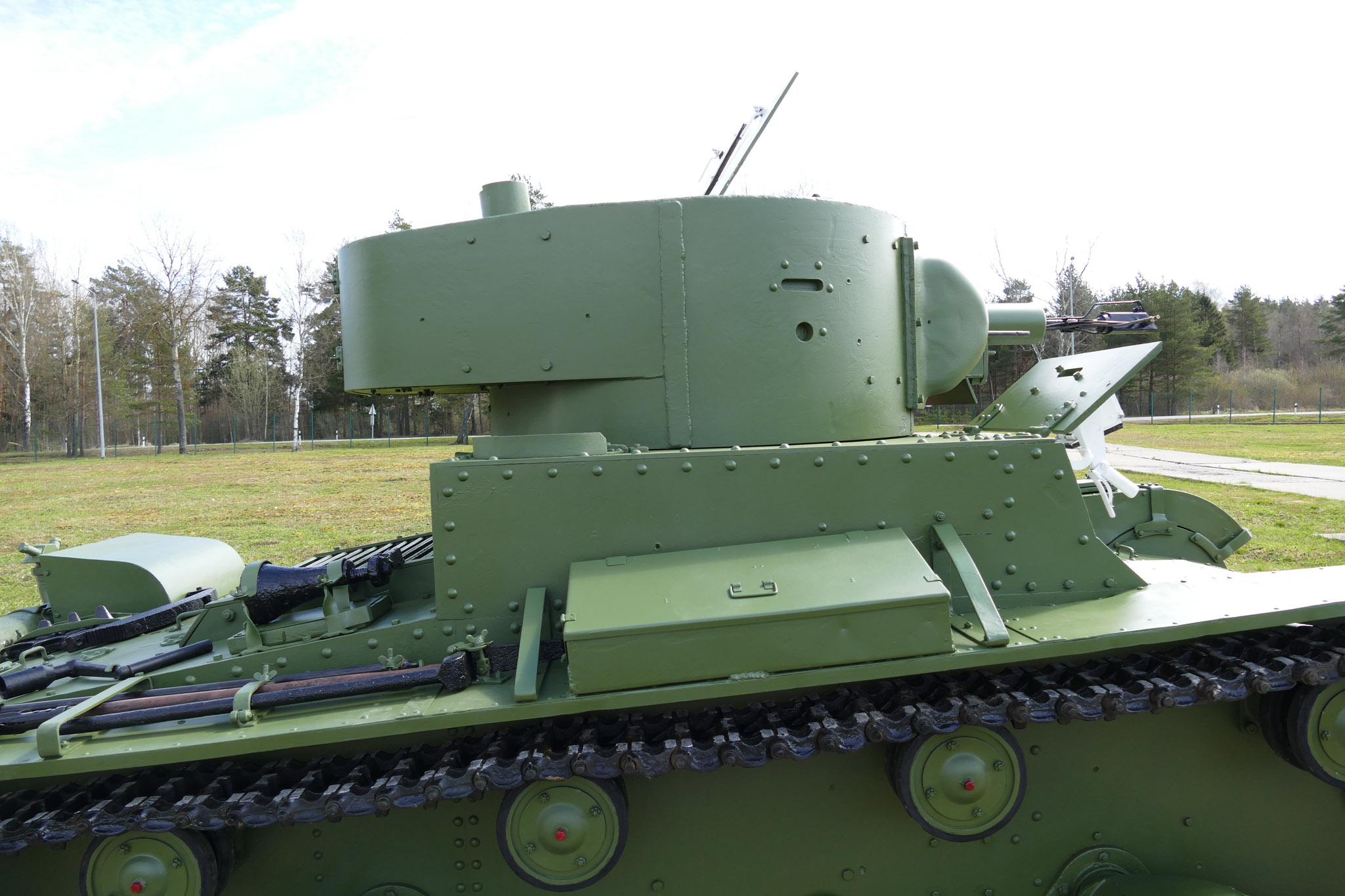
It is mounted in the T-26’s standard cylindrical turret
Recently, the quality of the restoration department’s work has improved significantly; in this sense, the TT-26 marks a new milestone in terms of progress. The most important aspect concerns the engine, which, in the T-26, is not nearly as simple as it might seem. Often, museums abroad try to avoid dealing with it, replacing it with modern engines. Here, however, the engine is fully operational; during the presentation, the tank drove quite briskly. A much more meticulous approach was taken even with regard to the smallest details.
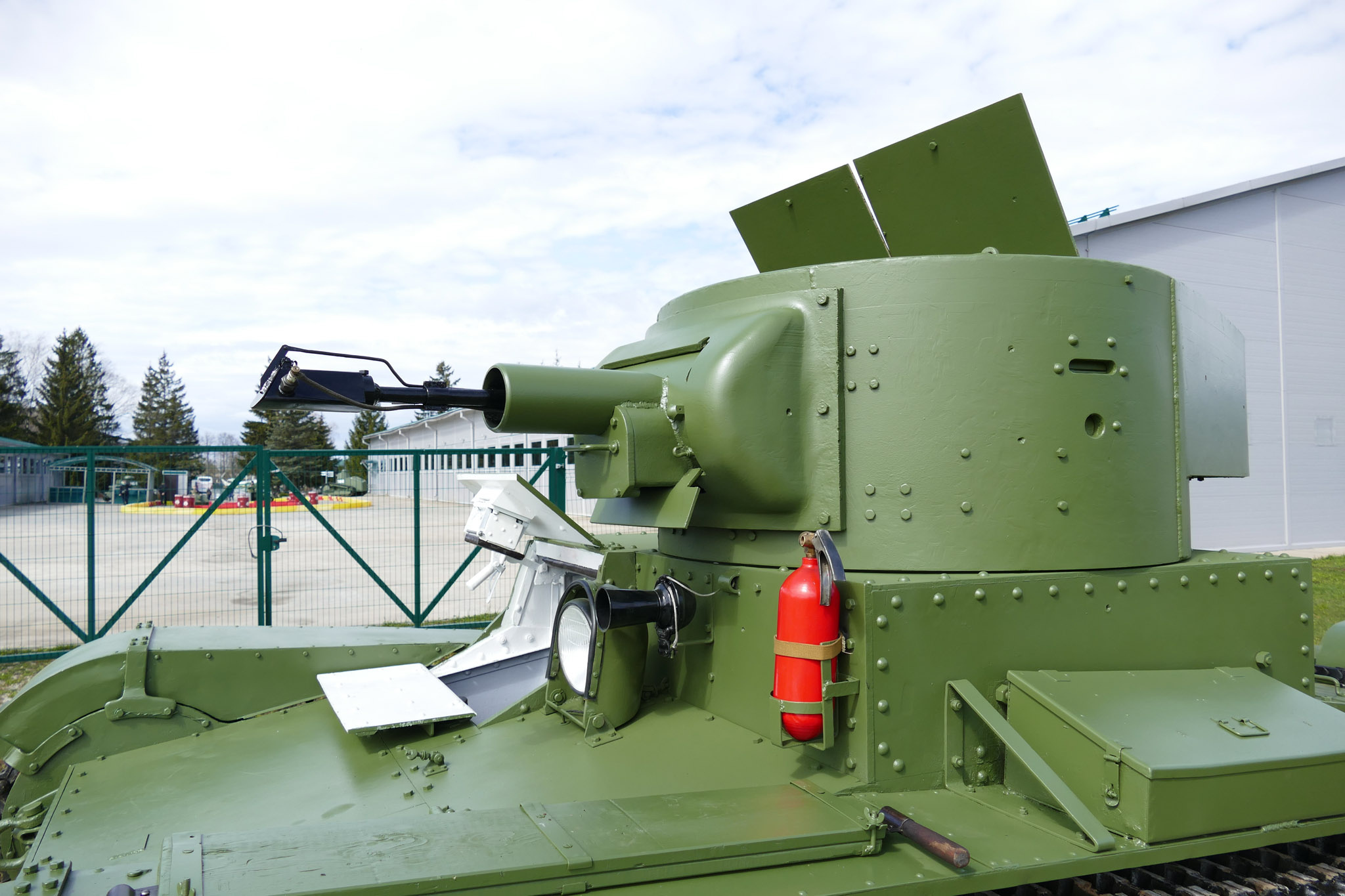
Next, the tank will be placed on the grounds of Museum Site No. 1
The tank has not merely been restored to operational condition. The flamethrower has been repaired, the smoke launch device has been reinstalled, and entrenching tools and other spare parts have been fitted. A truly substantial amount of work has been done, both on the exterior and interior of the tank. If there are any shortcomings, they are very minor; otherwise, it’s a very commendable effort. In time, the tank is set to return to the Museum Sector of Patriot Park. Where exactly it will be displayed remains to be seen, but it certainly won’t be in the “Japanese” exhibit.
The author would like to thank Ravil Miftakhidinov, head of the restoration department, for his assistance in preparing this material