A Bitter Tree: The Curtiss-Wright C-76 Caravan, a Proven Medium Military Transport Aircraft

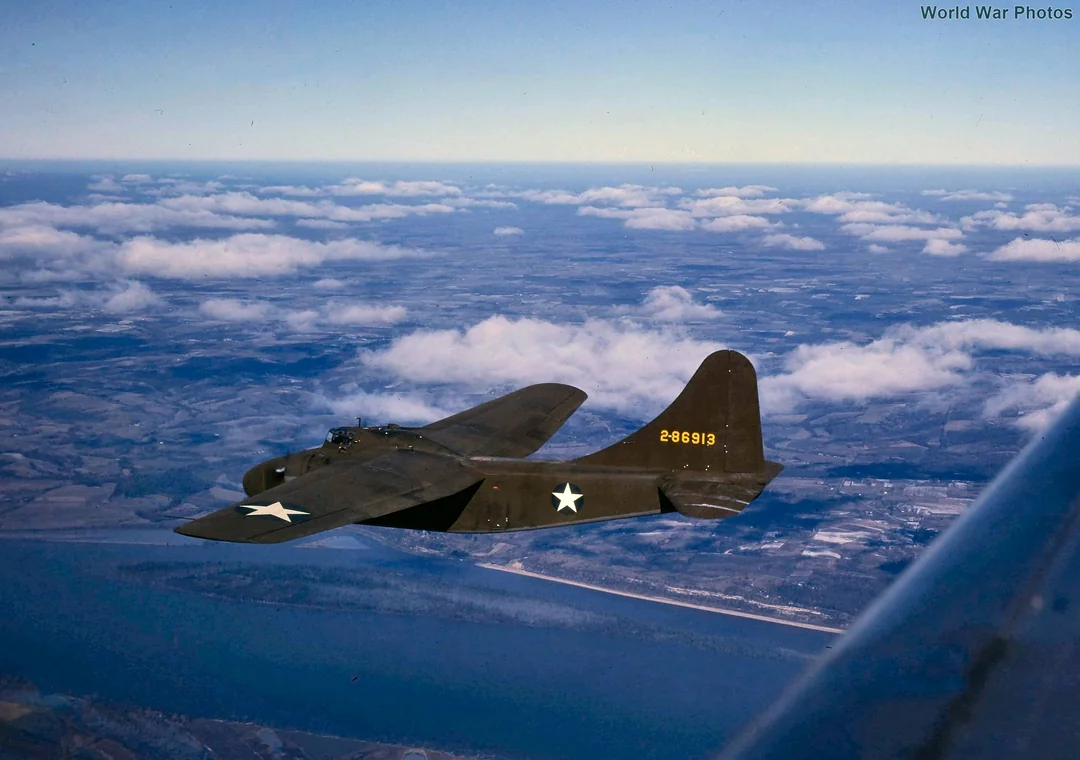
Editor’s Foreword: Built of wood to conserve aluminum—which, it was feared, would be in short supply during the war—the Curtiss C-76 Caravan became the embodiment of one of the most unusual industrial ventures undertaken by the United States during the war. However, this aircraft failed to successfully complete its testing. Endreï Skala recounts the history of the Curtiss C-76 Caravan medium military transport aircraft.
In early 1941, the U.S. Army Air Forces faced a strategic problem that was rarely mentioned in public statements but was ubiquitous in planning documents: the future availability of sufficient quantities of light metals. As early as May 1940, the War Department estimated the combined needs of the military and civilian industries at more than one billion pounds (453,592 metric tons) of aluminum over two years—a volume that, at the time, was believed to be at the limit of production capacity and existing reserves. Forecasts made at that time indicated that the planned acceleration of aircraft production—several tens of thousands of aircraft per year—threatened to place a critical strain on light alloy manufacturing plants.
It was at that very moment that aluminum—a key material in modern aviation—was quickly recognized as a strategic resource that should be reserved, as a matter of priority, for the production of fighter planes and bombers. The federal government did not hesitate to intervene: as early as 1941–1942, official directives restricted the use of aluminum in certain sectors of the aviation industry, which served as a clear indication of an active policy of conserving strategic metals in advance. At the direction of the War Department, the U.S. Army Air Forces asked the aircraft manufacturing industry to consider the possibility of creating so-called “non-strategic” aircraft, intended for transport and support missions and designed to use as little lightweight alloy as possible.
Fears that the conflict will deplete aluminum reserves
It was precisely in this specific context—marked by cautious forecasts, alarming figures, and concrete administrative decisions—that the idea of a military transport aircraft made primarily of wood was born. This was not a manifestation of a penchant for archaism or unwarranted experimentation, but rather a response by the country’s leadership and industry to very real fears that the war would consume aluminum faster than America could produce it.
Curtiss-Wright Corporation, a historic giant in the American aircraft manufacturing industry, was among the companies called upon to meet this unique request. The company, which had earned its reputation by building iconic fighter jets and maintained an extensive network of factories across the country, was at a turning point in its history at that time: still powerful and influential, but already facing increased competition and the need to adapt to a rapidly changing industry.
In late 1941, as the United States accelerated the mobilization of its industry, Curtiss-Wright was tasked with designing a military transport aircraft that was not to incorporate light alloys; which meant abandoning the all-metal construction that had by then become standard in American aircraft manufacturing. Development of the project, designated internally as the CW-27, was entrusted to a team led by George A. Page Jr. (George A. Page Jr.), chief engineer of the aviation division. In the U.S. Army Air Forces inventory, this aircraft was designated the C-76 Caravan. The goal set by the U.S. Army Air Forces command was ambitious: to develop a twin-engine, multi-purpose aircraft capable of performing logistical support missions, comparable in capacity to the Douglas C-47 Skytrain, and constructed primarily from non-strategic materials.
This program ran in parallel with another major Curtiss project: the development of the C-46 Commando—a more powerful, all-metal heavy transport aircraft designed to fly the most challenging routes. For the Curtiss-Wright Corporation, the CW-27 program represented both an opportunity and a challenge. It was an opportunity because the program offered a new direction at a time when major fighter contracts were shrinking in favor of more agile competitors, and a challenge because it entailed a profound cultural and industrial shift.
The company, which had inherited a tradition of manufacturing riveted metal structures, now had to master processes more typical of industrial furniture manufacturing than of traditional aircraft construction. Curtiss’s last wooden aircraft was the CW-1 Junior, production of which ceased in 1932. Company employees turned to the Forest Products Laboratory (FPL) (1) and conducted extensive research on wood species, adhesives, joining methods, and quality control techniques, seeking to balance structural strength with mass production.
The choice of materials proved to be both an ambitious and a disastrous decision for the C-76 Caravan program. Curtiss-Wright, partly inspired by the success of the British de Havilland Mosquito aircraft—which was made of very lightweight balsa wood—chose a completely different approach. Drawing on research from the Forest Products Laboratory, engineers abandoned the lightweight design in favor of dense plywood, specifically mahogany. This durable material was known for its mechanical properties, but it was significantly heavier than the types of wood used in lightweight sandwich constructions.
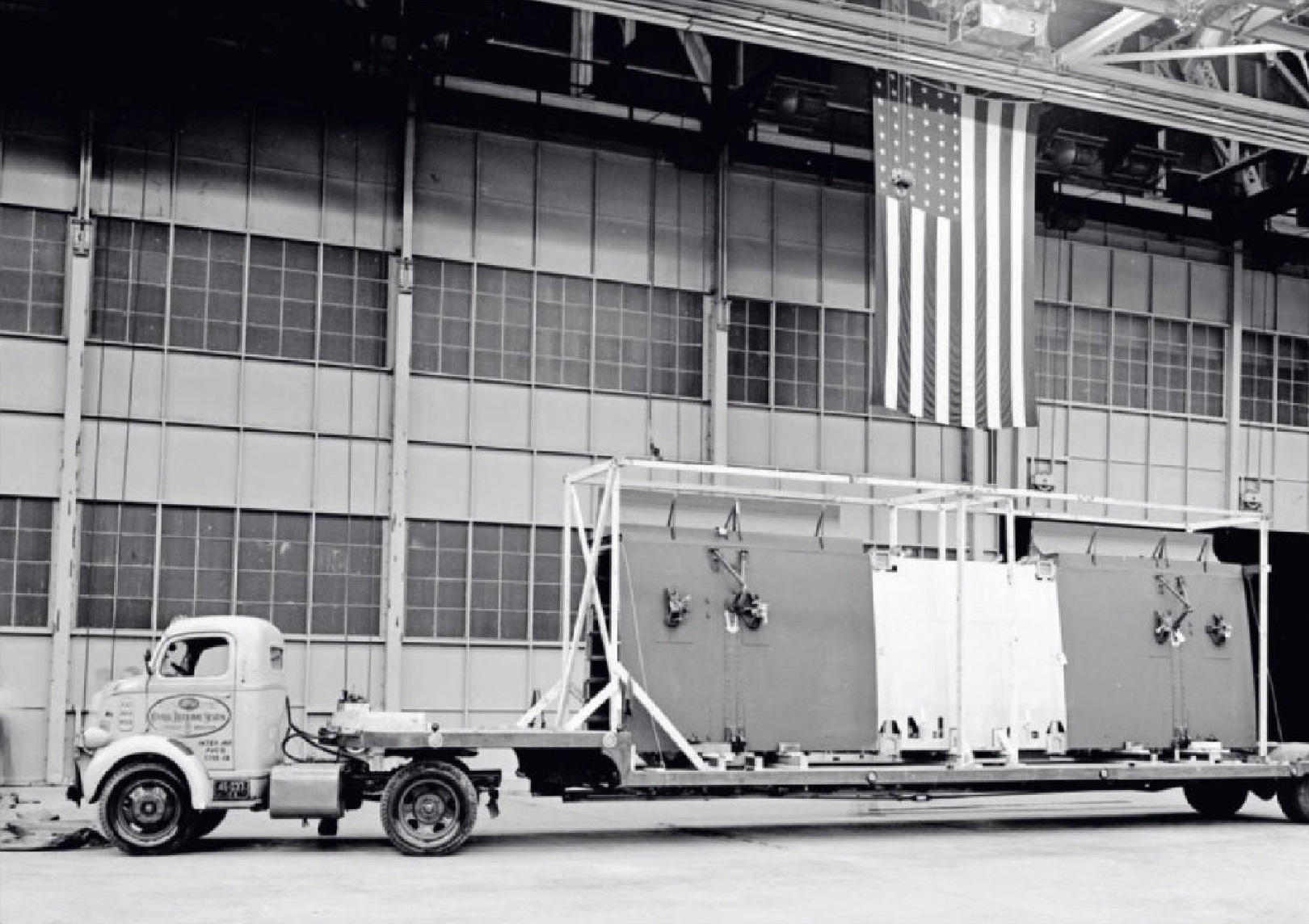
The production of Caravan aircraft required numerous subcontractors, which shipped their products to the final assembly line. Photo courtesy of Curtiss-Wright and from Ron Downey’s collection
The Army even built up significant stockpiles of mahogany for this program, while the Curtiss-Wright Corporation relied on a network of civilian subcontractors. Companies outside the aviation industry, such as the well-known piano manufacturer Baldwin Piano Company, were enlisted to produce plywood components and structural panels—a striking illustration of the mobilization of American industry, which was forced to abandon traditional supply chains.
A major order from the U.S. Army Air Force
From a design standpoint, the Caravan was a monoplane with a cantilever wing and retractable tricycle landing gear with a nose wheel, which kept the cargo compartment in a horizontal position, which facilitated loading and unloading operations. The cockpit was located above the cargo compartment, which maximized usable space and allowed for the installation of a hinged front section that could be rotated to facilitate the loading of large items, such as jeeps or light artillery. Two air-cooled Pratt & Whitney R-1830-92 Twin Wasp radial engines, each rated at 1,200 l.s., were selected as the powerplant—the same engines used on the C-47. The Army’s order was substantial: 11 pre-production aircraft, designated YC-76, were to be built, followed by a batch of five production C-76s and ten modified YC-76As, to be followed by several hundred more production aircraft. Production was planned not only at the Curtiss-Wright plant in St. Louis, Missouri, but also at a new facility in Louisville, Kentucky, and at the Higgins Aircraft plant in Michoud, near New Orleans. To ensure the wood remained pliable during processing, the workshops were kept warm and humid, which was unusual for aircraft manufacturing.
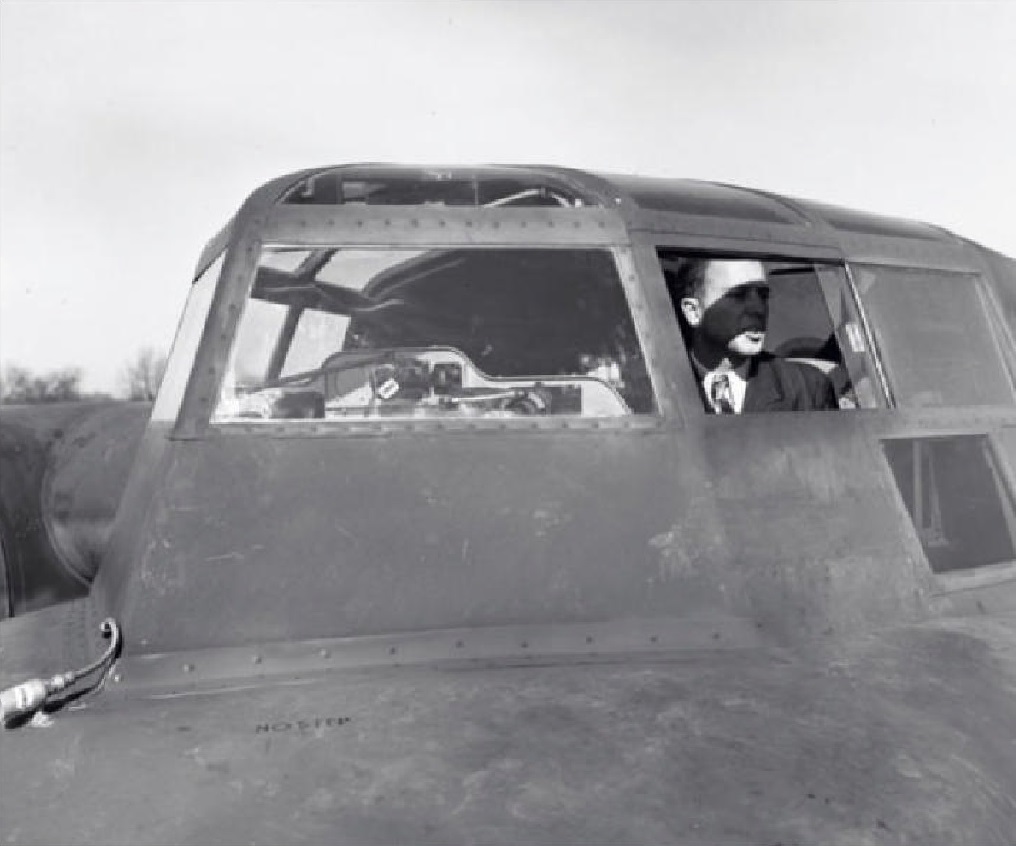
The raised cockpit of a C-76 Caravan military transport aircraft. Photo by Curtiss-Wright and from the Ron Downie collection
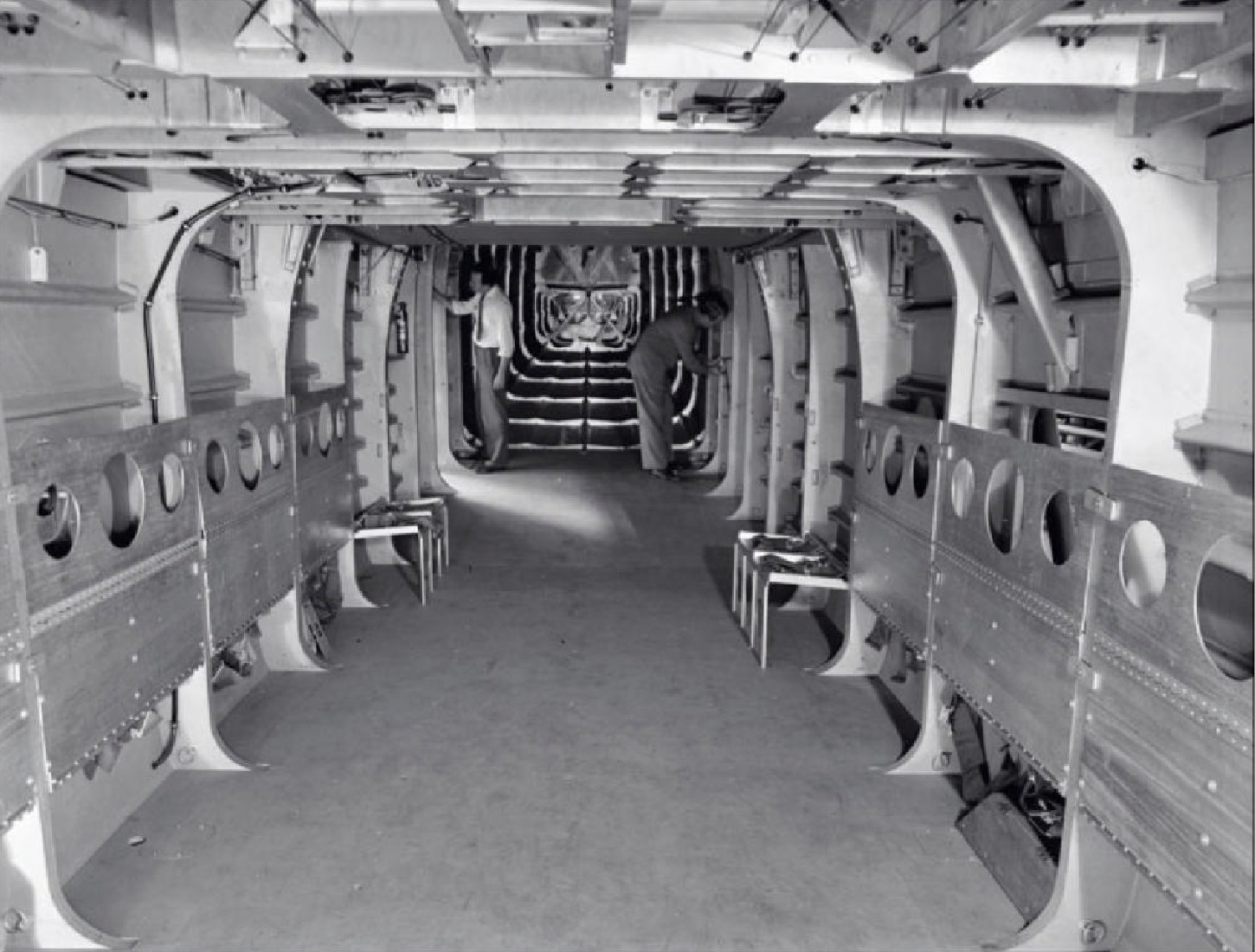
The C-76’s cargo compartment could carry small vehicles, such as jeeps. Photo courtesy of Curtiss-Wright and from Ron Downie’s collection
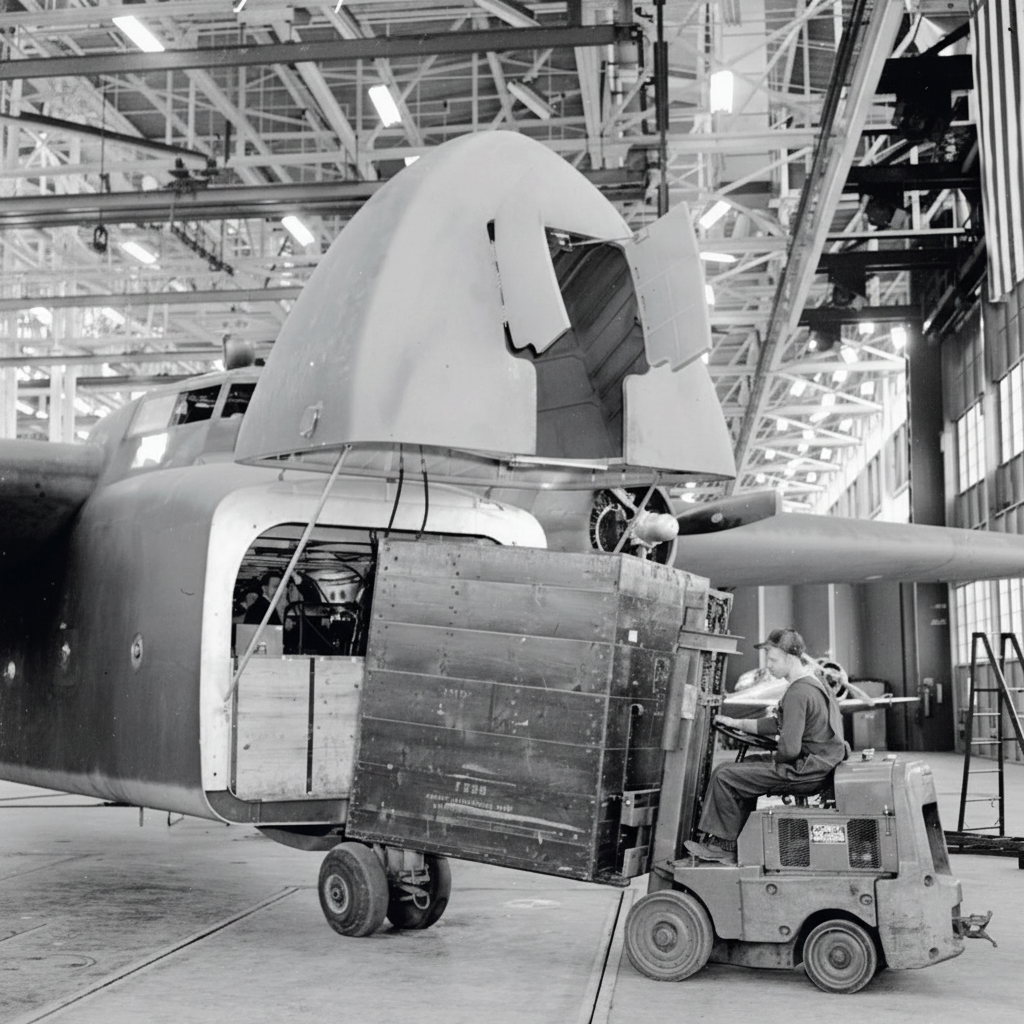
One of the most important features of the C-76 was its swing-out nose, which provided convenient access to the cargo compartment. Photo by Curtiss-Wright and from Ron Downey’s collection
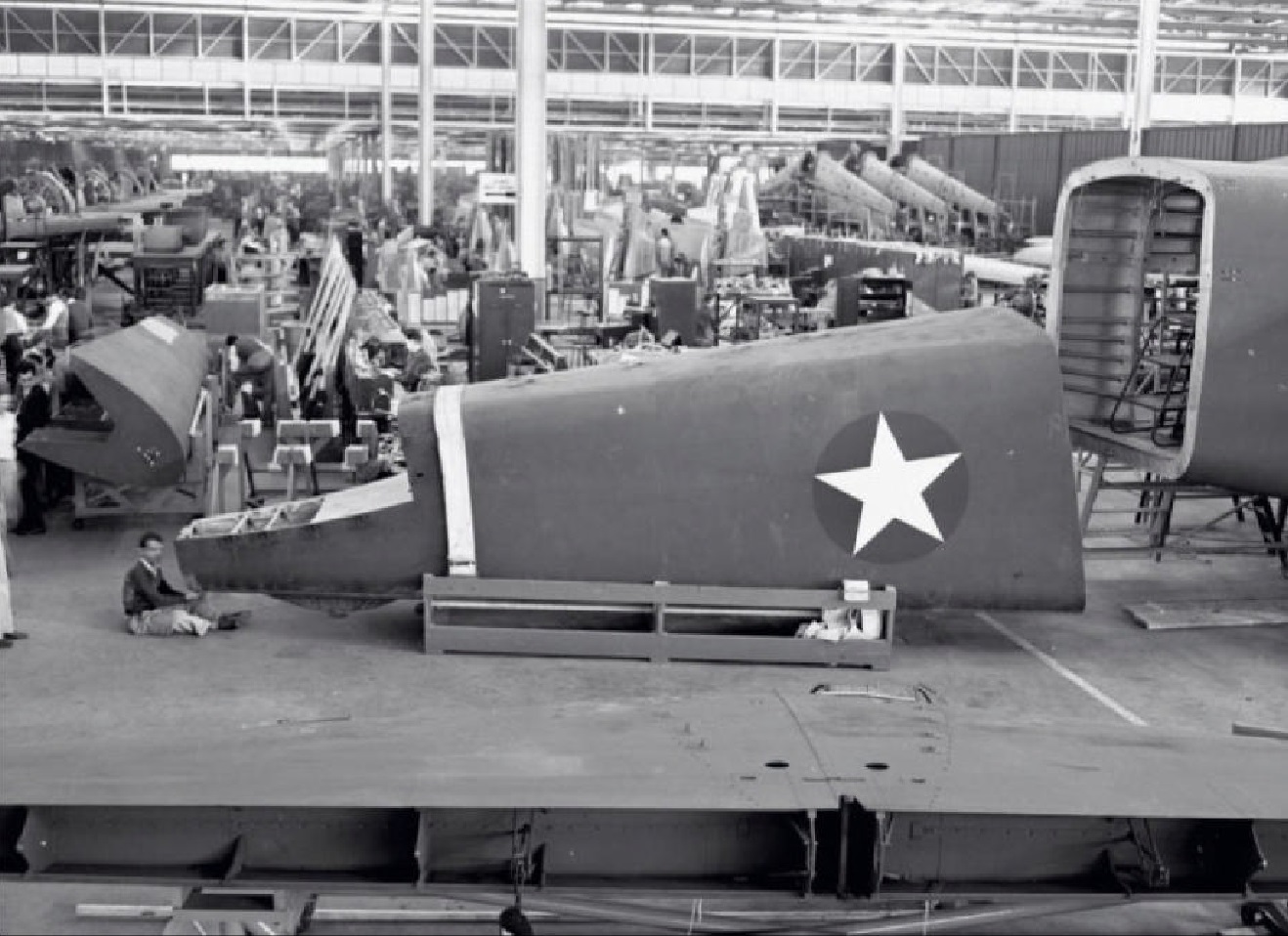
Production of the C-76 series of transport aircraft began before flight testing was completed. Photo courtesy of Curtiss-Wright and from Ron Downey’s collection
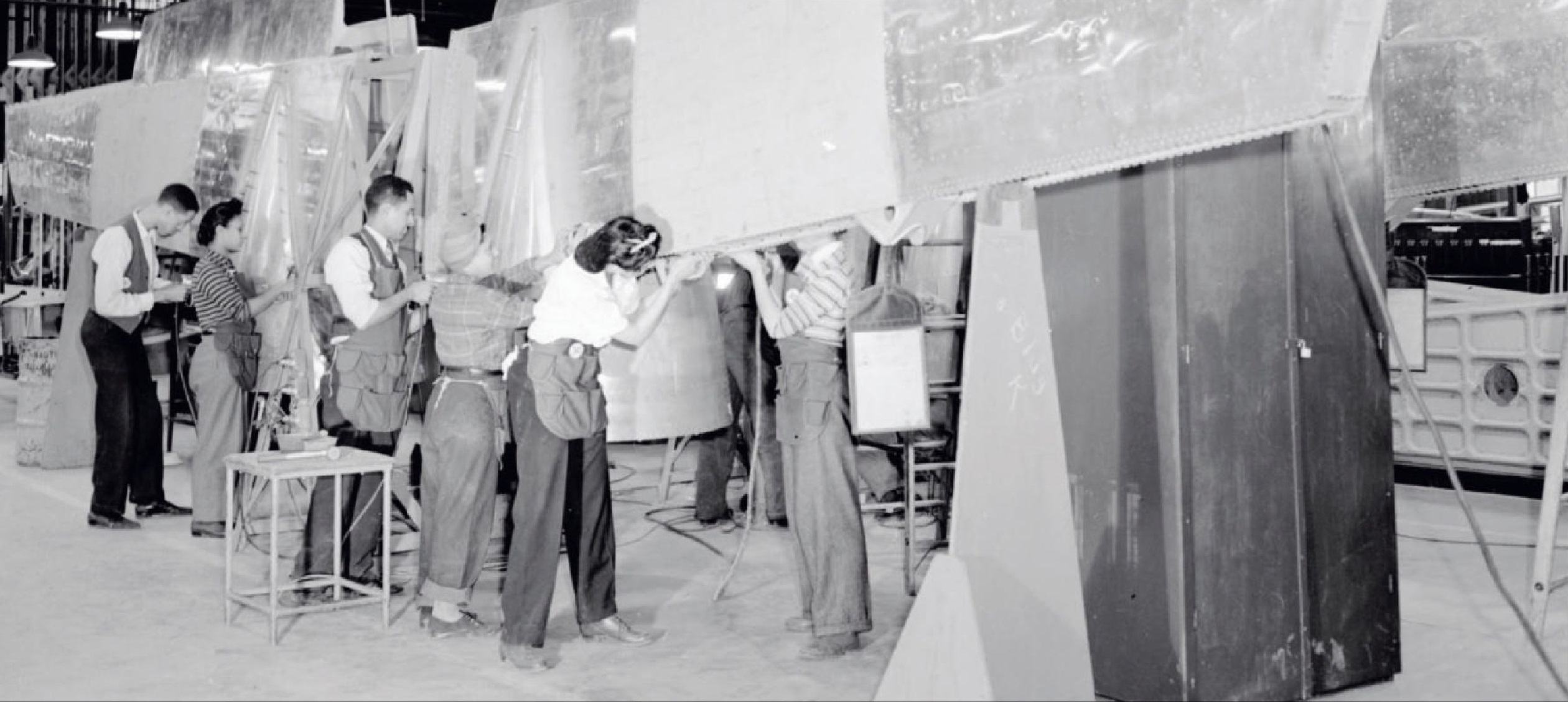
Several factories were to be involved in the mass production of the C-76 Caravan military transport aircraft, such as the plant in St. Louis shown in this photograph. Photograph by Curtiss-Wright and from the Ron Downie collection
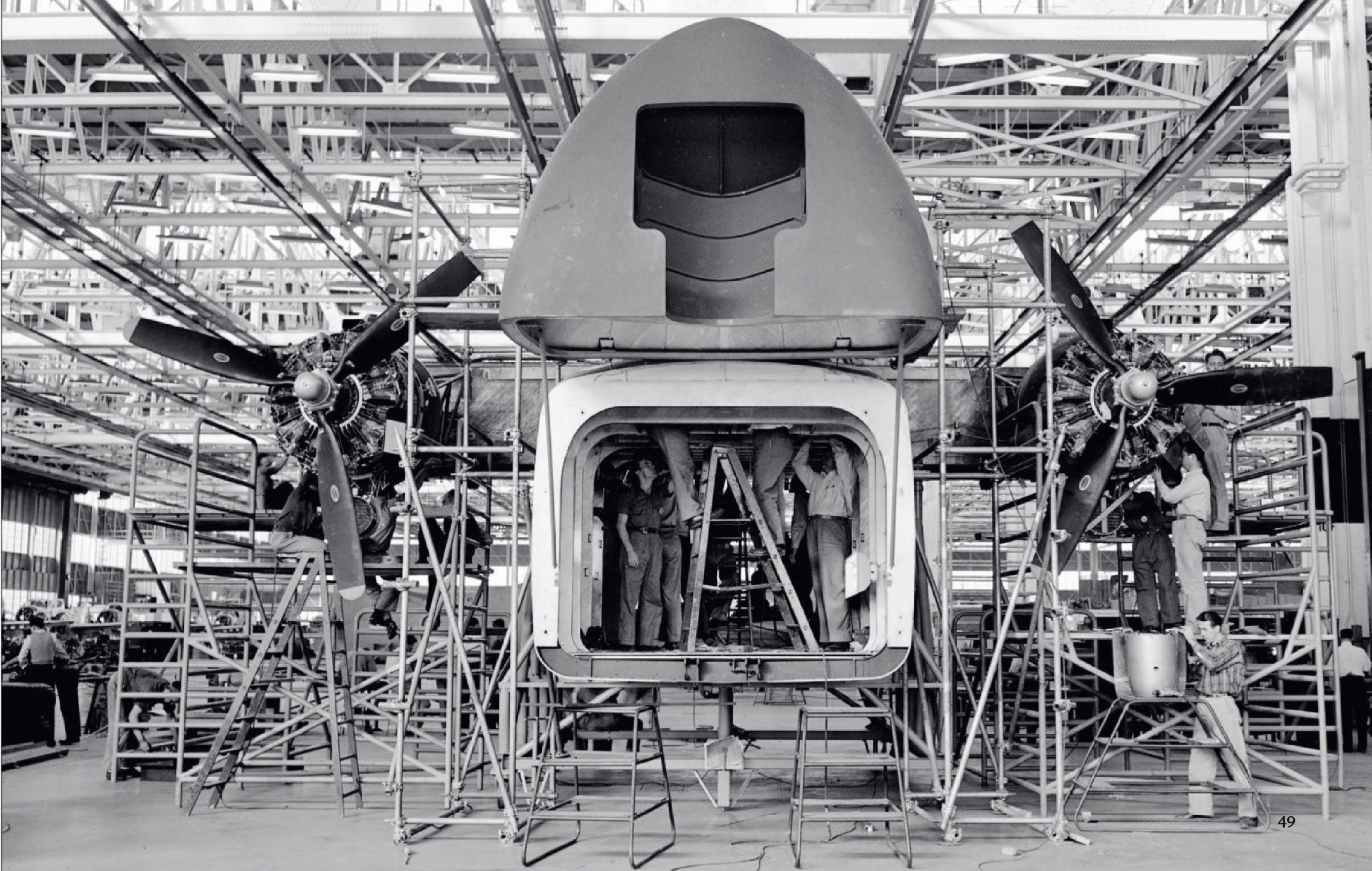
One of the C-76 Caravan military transport aircraft in the final stages of assembly. Numerous quality issues arose during the production of this series of aircraft. Photo courtesy of Curtiss-Wright and from the Ron Downey collection
Initial Tests and the Disaster
The YC-76 prototype, registration number 42-86918, made its first flight on May 3, 1943. Testing quickly revealed serious problems. The aircraft suffered from a serious lack of engine power, which was a consequence of its heavy weight. A cruising speed of about 260 km/h and a maximum speed close to 309 km/h already indicated that the aircraft had failed to meet expectations. A few days later, on May 10, 1943, the most tragic incident in the C-76 Caravan’s short history occurred. During a test flight in Louisville, prototype 42-86918 suddenly lost its tail section due to the absence of the main mounting bolts, which was a direct result of an assembly defect. The aircraft crashed shortly after takeoff, killing all three crew members: test pilot Edward “Ed” Schubinger, co-pilot John L. “Duke” Trowbridge (John L. “Duke” Trowbridge), and flight engineer Robert G. Scudder. This accident clearly demonstrated the quality issues facing the program.
An Expensive Program
Shortly after the crash, flight tests resumed, and they revealed troubling aerodynamic shortcomings and structural defects. The C-76 proved to be unstable when unloaded; at times, additional ballast was required to achieve an acceptable center of gravity. This resulted in the aircraft exceeding its maximum allowable weight. The flight controls, particularly the elevator, were prone to uncontrolled oscillations. An even more serious flaw was revealed during static tests, which demonstrated that the wing spars’ load-bearing capacity was significantly lower than design requirements, amounting to only 40% of the calculated value. For a military transport aircraft, this was no longer merely one of the teething problems to be ironed out during the fine-tuning phase, but an unacceptable flaw. Subsequent attempts to reinforce the structure only increased the aircraft’s weight and further reduced its already mediocre performance. In the weeks that followed, no noticeable improvements were observed. Assessments conducted by the U.S. Army Air Forces Logistics Command in the summer of 1943 found the C-76 Caravan to be unsatisfactory in virtually all key parameters—payload, speed, range, and service ceiling—and also identified insufficient structural strength and alarming flight instability. The scattered nature of production, the use of non-specialized facilities, and assembly methods inherited from furniture factories were the causes of this.
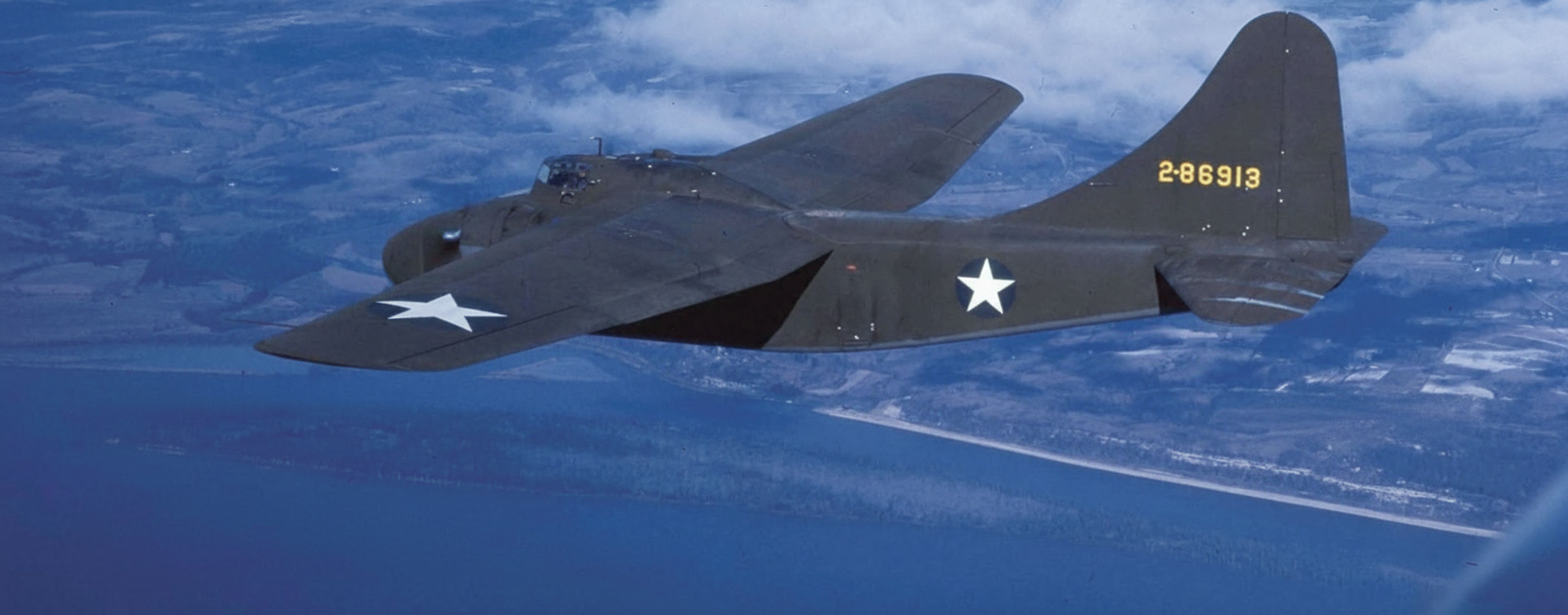
One of the prototype C-76 Caravan military transport aircraft during flight tests in 1943. The aircraft proved to be poor in every respect and was never adopted for service. Photo courtesy of Curtiss-Wright and from Ron Downey’s collection
At the same time, the shortage of light alloys—which had been so greatly feared at the start of the war—never materialized: American industry was producing so much aluminum that there was more than enough to meet the needs of both its own aircraft manufacturing sector and for shipments to the Allies. Under these circumstances, the very foundations of the Caravan program lost their relevance. Consequently, on August 3, 1943, the U.S. War Department canceled orders for the C-76, even though 175 serial numbers had already been reserved. Of the 25 aircraft built—eleven YC-76s, nine YC-76As, and five C-76s—not a single one was adopted for service. Some were reclassified as ZC-76s and used as ground-based training aircraft; others were placed in reserve. All were scrapped at the end of the war. Nothing remains of the Caravan aircraft, likely one of Curtiss-Wright’s most resounding failures.
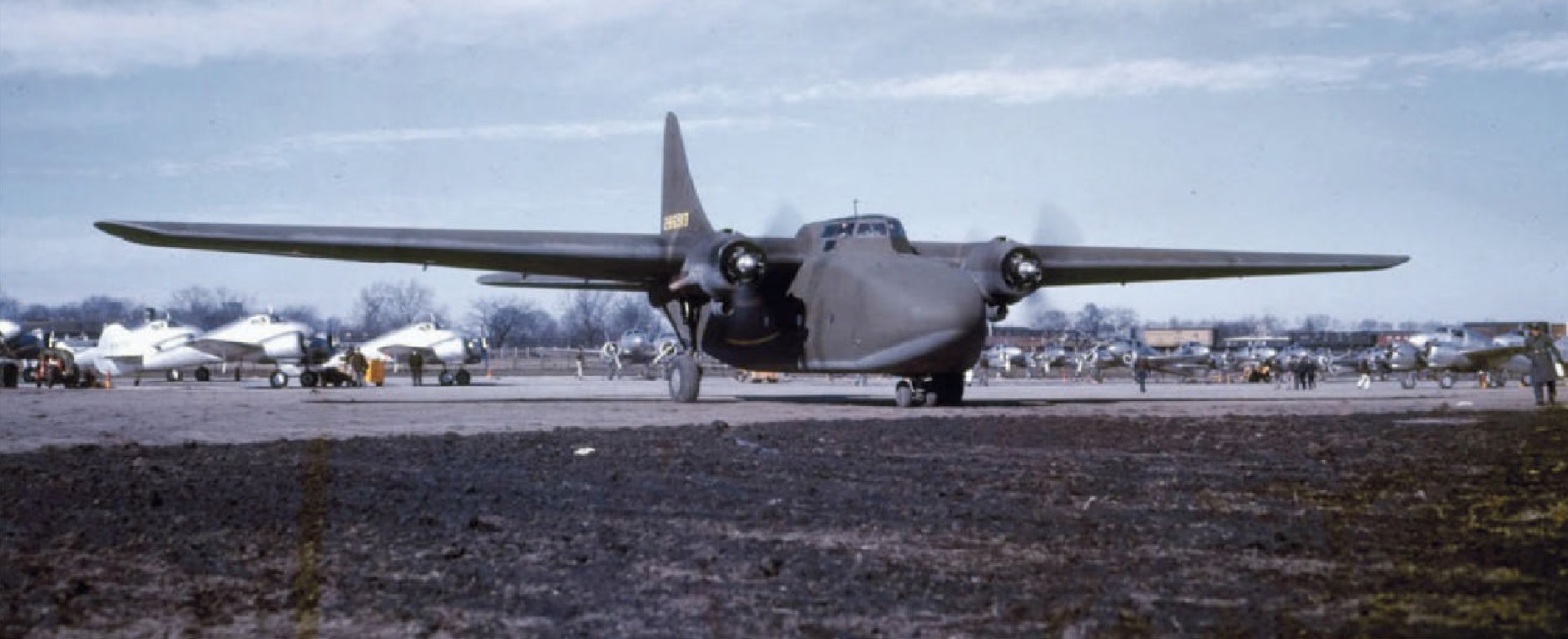
The Curtiss C-76 Caravan was developed to meet the need for an all-wood military transport aircraft in the event of a shortage of light alloys. Photo courtesy of Curtiss-Wright and from Ron Downey’s collection
As for takeoff weight and payload, the Curtiss C-76 Caravan found itself in an awkward position, caught between two categories and not fitting into either. Although its takeoff weight was greater than that of the Douglas C-47, it did not have the same payload capacity. Due to the use of solid wood in its construction and subsequent reinforcements to the airframe, the Caravan could carry approximately two metric tons of cargo. Too heavy to be a light transport aircraft and too mediocre to compete with the military transport aircraft already in service, the C-76 struggled to find a place in the U.S. Army Air Forces’ logistics arsenal.
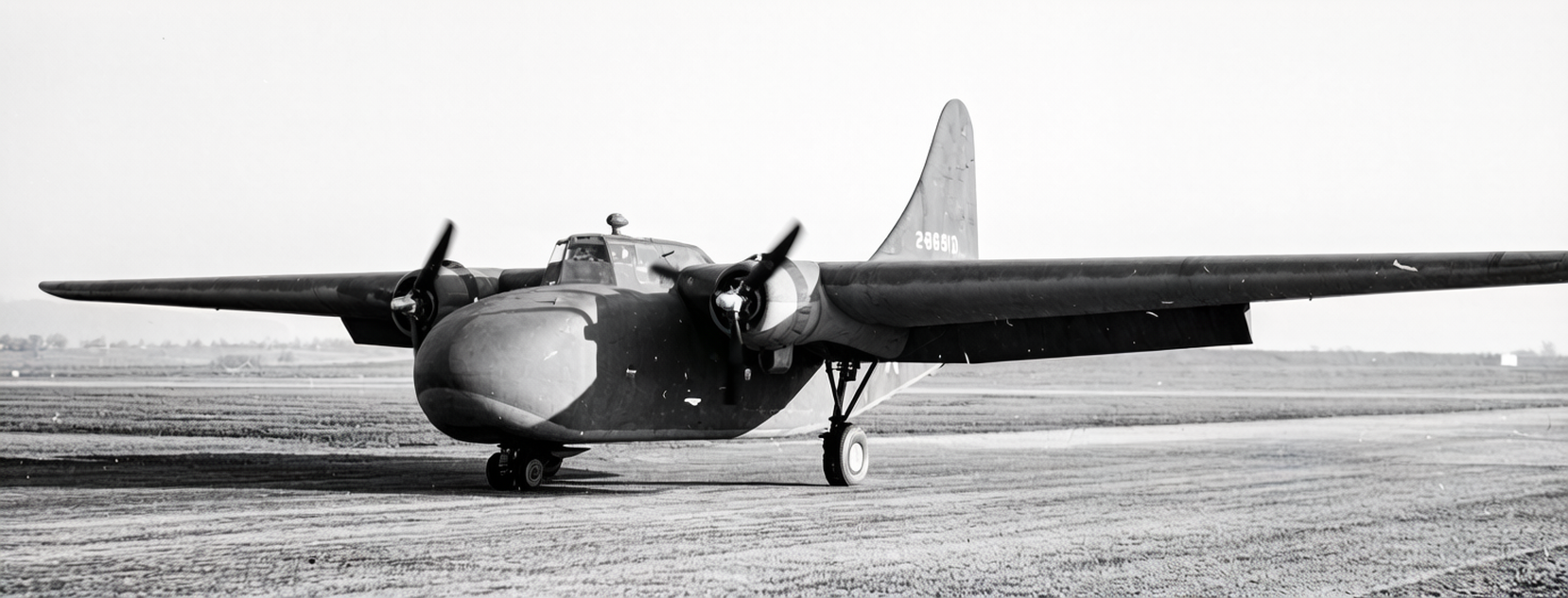
In terms of flight performance, the all-metal C-47 Skytrain military transport aircraft was far superior to the all-wood C-76 Caravan. The wooden construction gave the C-76 no advantages whatsoever
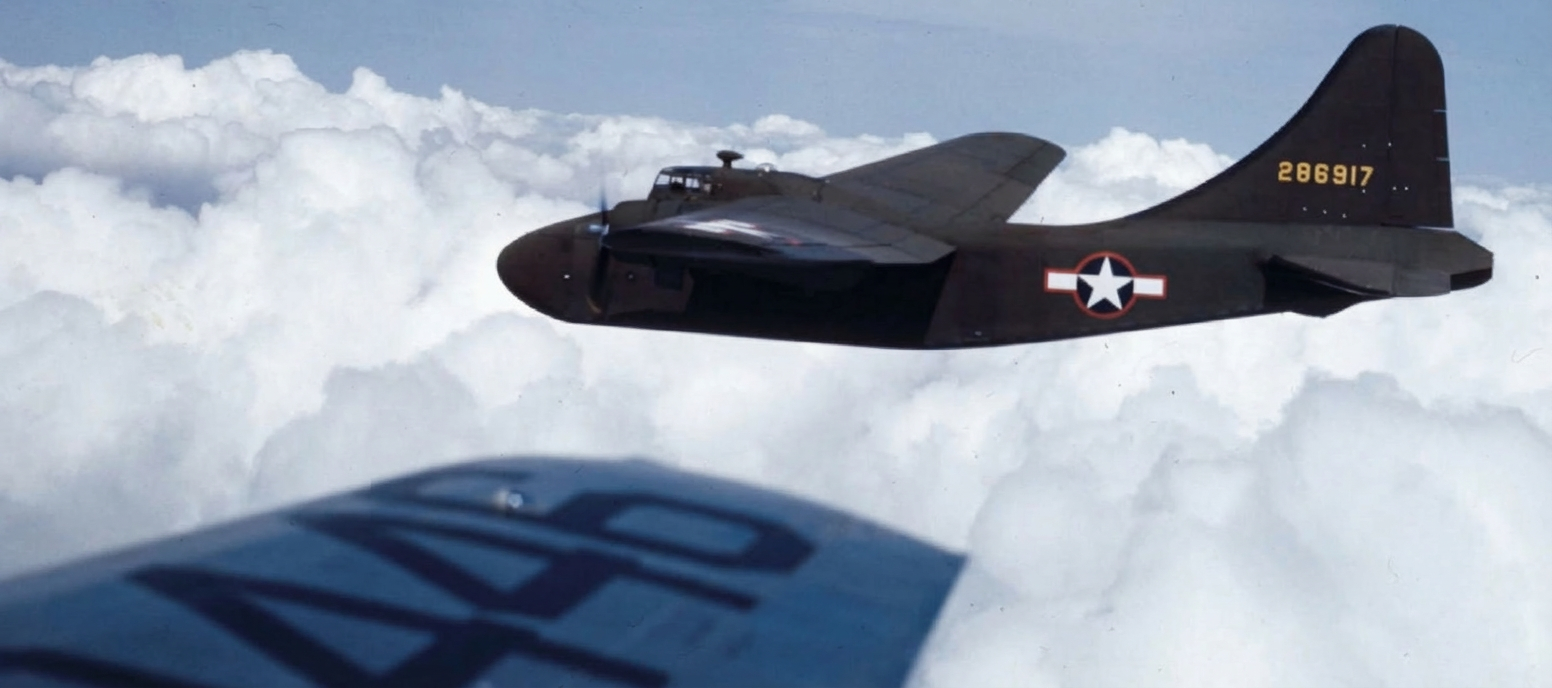
In August 1943, the C-76 Caravan program was canceled. Photo courtesy of Curtiss-Wright and from Ron Downey’s collection
At the other end of the spectrum was the all-metal Curtiss C-46 Commando; this more powerful and larger military transport aircraft was in a league of its own. Its maximum weight exceeded 20 metric tons, and its payload approached 6.8 metric tons. This simple set of numbers was enough to spell the end for the Caravan, which found itself caught between the C-47—ideal for everyday needs—and the C-46, designed for heavy-duty missions.
Neither a hoax nor a work of science fiction
The consequences of this failure for the industry were significant. The plants built to manufacture Caravan aircraft—primarily the one in Louisville—quickly shifted to more promising programs, foremost among them the C-46 Commando.
The C-76 Caravan program, valued at more than $400 million in 1944, would amount to over $7 billion in today’s prices—a colossal investment for an aircraft that remained on the periphery of history. The Curtiss C-76 Caravan was neither a hoax nor a technical fantasy, but rather a product of a specific moment in time, when concerns about a shortage of raw materials prompted the United States to explore paths it would never take again.
The failure of this aircraft—which had been developed with the utmost seriousness and supported by the government—highlighted the limitations of aircraft designed primarily with an emphasis on using readily available materials rather than on achieving optimal flight performance. Once concerns about a shortage of light alloys had been allayed, and the C-47 Skytrain—soon joined by the powerful C-46 Commando—had established itself as a mainstay of the Allies’ military transport aviation, the Curtiss C-76 Caravan lost all reason for its existence. Conceived as a backup in case of a shortage of strategic materials, the C-76 carried within it the seeds of its own demise.
FLIGHT AND TECHNICAL SPECIFICATIONS
Тип: Curtiss-Wright C-76 Caravan
Purpose: medium military transport aircraft
Status: prototype
Crew: 3 people
Powerplant: two Pratt & Whitney R-1830-92 Twin Wasp 14-cylinder, two-row, air-cooled radial engines, each rated at 1,200 l.s.
Dimensions:
Wingspan: 30.2 m
; Length: 19.4 m
; Height: 6 m
; Wing area: 93 m²
Weight:
Empty weight: 8,700 kg
; maximum takeoff weight: 14,500 kg
; maximum theoretical payload: 4,500 kg
Flight characteristics:
Maximum speed: 310 km/h
; cruising speed: 260 km/h
; service ceiling: 7,000 m
; range: 1,600 km
APPENDIX 1. St. Louis, a City Built for War
Located on the edge of Lambert-Field Airfield, the Curtiss-Wright plant in St. Louis epitomized the rise of American industrial power on the eve of World War II. Built in 1941 and designed by architect Albert Kahn, the chief architect behind America’s industrial giants, the plant was designed for rapid, large-scale production, as well as for delivering aircraft directly from the assembly lines to nearby runways. The size of the workshops, natural lighting, and streamlined work processes—everything was geared toward achieving maximum efficiency.
During the war, the St. Louis plant was primarily engaged in the assembly of CW-22 Falcon and AT-9 Jeep trainer aircraft, which trained thousands of pilots and crew members, while the main production of heavy transport aircraft gradually shifted to Louisville. The plant employed several thousand workers and technicians and was a symbol of the Curtiss-Wright Corporation—still powerful, but already forced to spread its resources too thin across too many programs and sites.
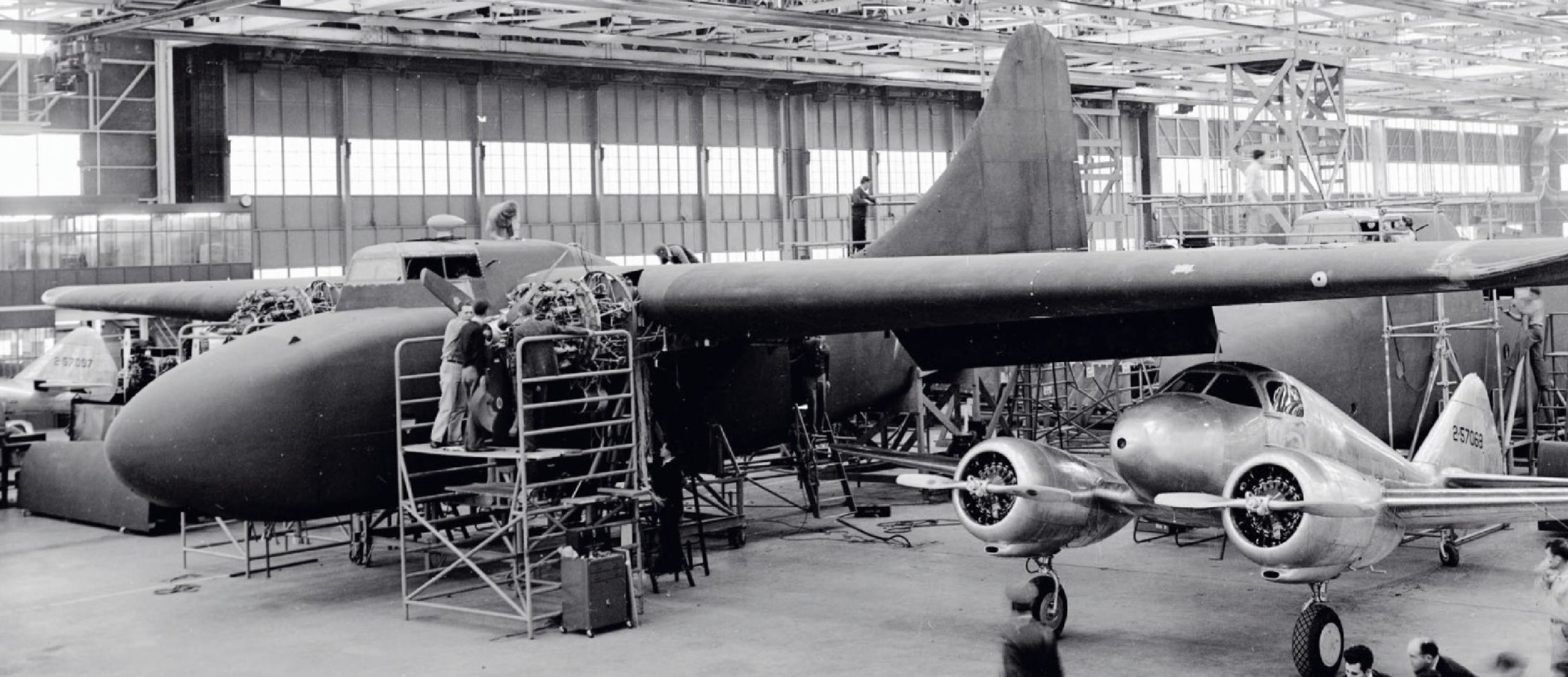
Assembly of the C-76 Caravan military transport aircraft at the St. Louis plant. Under the wing of the C-76, you can see an AT-9 Jeep trainer aircraft, which was manufactured at the same plant. Photo by Curtiss-Wright and from the Ron Downie collection
After the end of World War II, this industrial facility was too large to sustain peacetime orders and changed hands. As early as 1948, the buildings were acquired by McDonnell Aircraft, ushering in a new era: the era of jet engines and the Cold War. Thus, the St. Louis plant turned a new page in aviation history, leaving behind the era of piston-powered aircraft and entering the jet age. The Curtiss-Wright Corporation, too, became a thing of the past, finding itself on the sidelines of the very industry it had helped create.
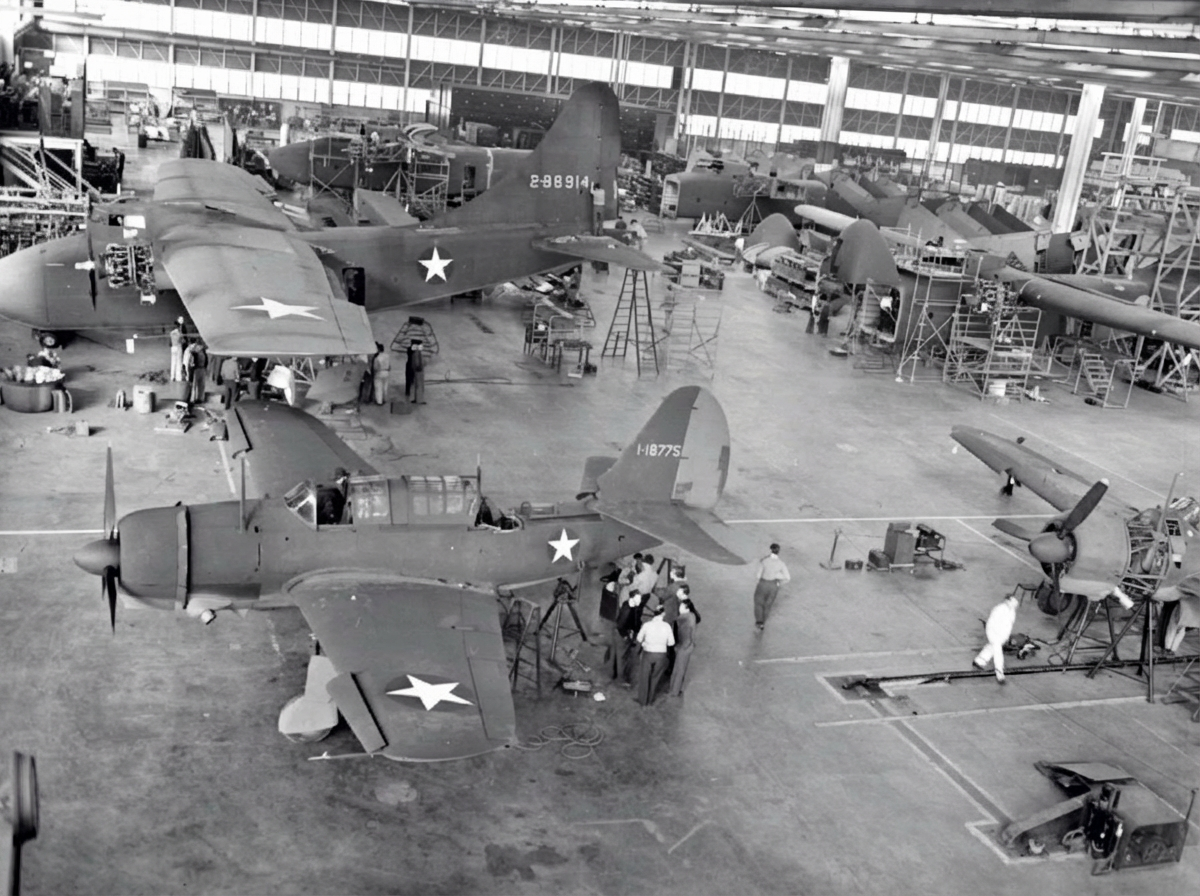
The assembly shop at the St. Louis plant, with an A-25 Shrike fighter in the foreground and C-76 Caravan military transport aircraft in the background. Photo courtesy of Curtiss-Wright and from the Ron Downie collection
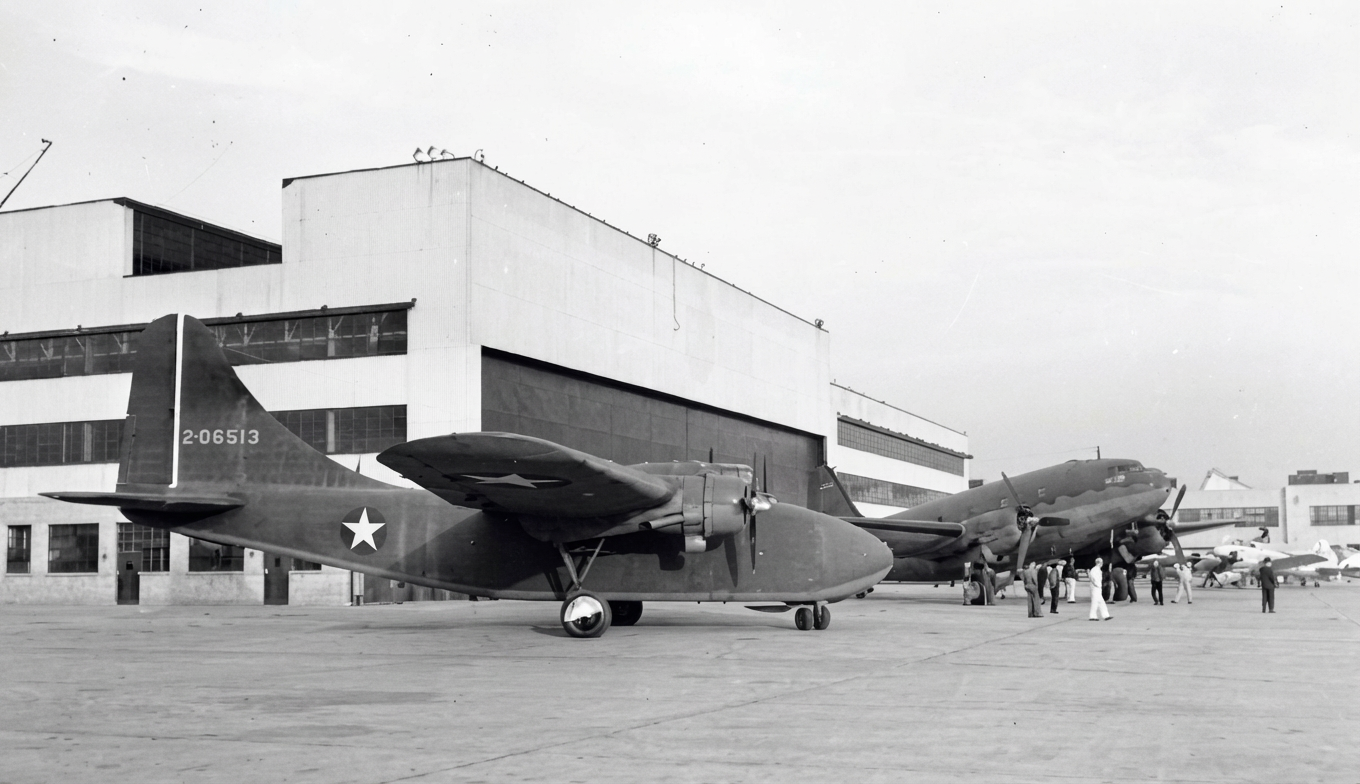
C-76 (in the foreground) and C-46 (in the background) military transport aircraft in front of the factory buildings in St. Louis. Photo by Curtiss-Wright and from Ron Downie’s collection
APPENDIX 2. Wood in Aircraft Manufacturing
In the early 1940s, wood was neither an outdated material nor an anomaly in military aircraft construction. Depending on the country and the actual capabilities of its industry, the use of wood became a response to total war. In the United Kingdom, the most striking example is the de Havilland Mosquito. Constructed using sandwich panels of wood, balsa, and plywood, it was not developed due to a shortage of lightweight alloys, but rather as the result of a deliberate technological choice based on lightness, rigidity, and the ability to utilize existing civilian technologies. The successful combat use of the Mosquito demonstrated that wood can compete with metal, provided that it is considered as
The British took a pragmatic approach to using wood for their assault gliders, such as the Airspeed Horsa and the General Aircraft Hamilcar. These gliders, which featured an all-wooden structure, followed a clear logic: rapid production in large quantities without the use of strategic materials, which for Britain were light alloys. Freed from the constraints of powerplants and structural durability, these gliders made the best use of the properties of their construction material without being hampered by its shortcomings. In the Soviet Union, wood played an even more important role. The mixed metal-wood construction, inherited from the 1930s and reinforced by wartime restrictions on industry, became the norm for many combat aircraft. Mass-produced fighter aircraft, such as the Yak-1, Yak-7, and LaGG-3, made extensive use of wood in their construction—not for ideological reasons, but because Soviet industry had mastered this material, possessed vast forest resources, and required very large production volumes at factories, many of which were relocated east of the Urals. In this case, wood was neither a stopgap measure nor an experiment: it was the foundation of an industry integrated into rigid but efficient production lines, one that made compromises regarding weight and final finish in favor of speed and durability. In contrast, in Germany, the use of wood reflected a gradual deterioration in the state of the industry. As the war dragged on, laminated wood was widely used in the construction of aircraft such as the Focke-Wulf Ta 154 and the Heinkel He 162. However, the lack of suitable adhesives and the disorganization of the industry jeopardized the structural integrity of these aircraft and revealed the limitations of this solution, which was driven more by a shortage of resources than by technical expertise.
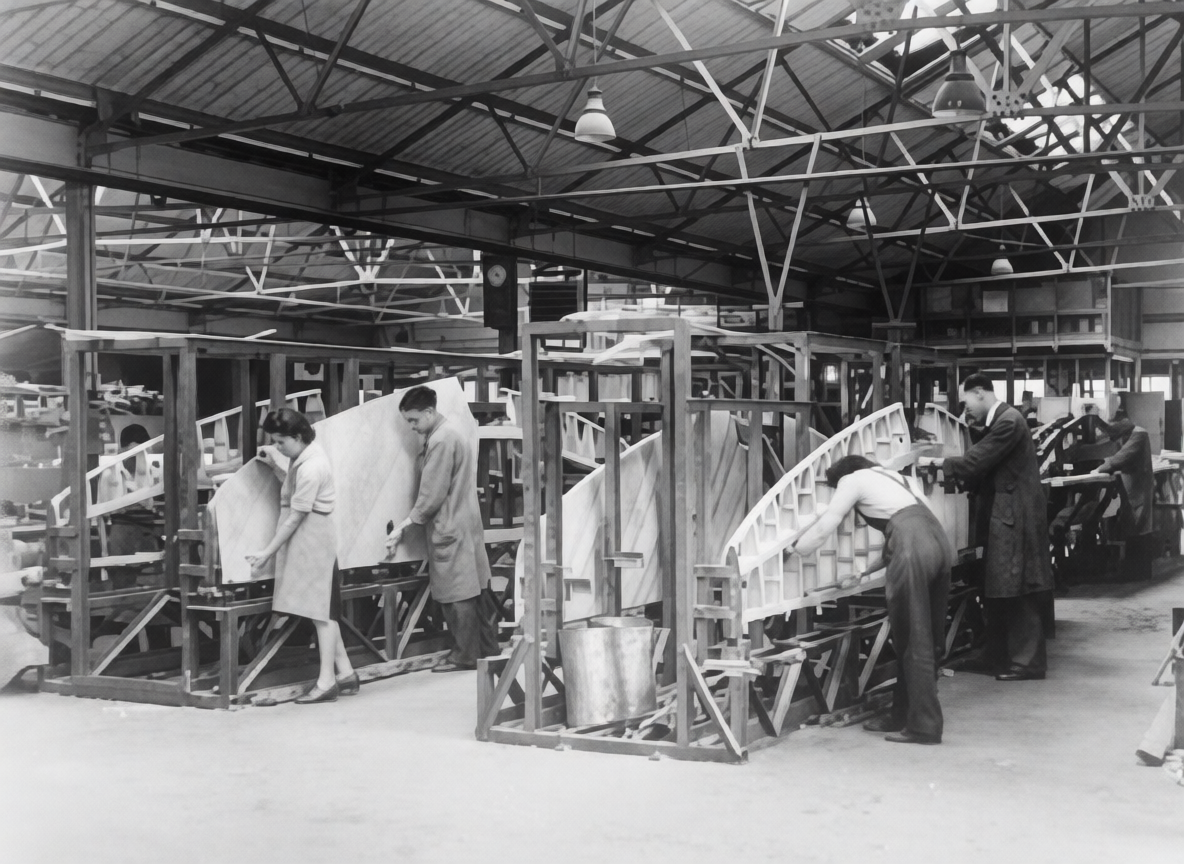
Assembly of the Mosquito’s tail section at the production facilities of subcontractor Hoopers in Park Royal, northwest London. Photo courtesy of the Imperial War Museum
The Curtiss C-76 Caravan stands out against this backdrop. A rare American example of a large transport aircraft equipped with a powerplant and constructed primarily of wood, the C-76 Caravan followed neither the British path of technological excellence, nor the Soviet path of industrial standardization, nor even the German path of haste. The C-76 was the result of strategic foresight: the shortage of light alloys, which had been so greatly feared at the start of the war, never materialized. Caught between a rational choice and an industrial risk, the use of wood in the C-76’s construction presented a complex logistical challenge for which American industry—paradoxically—lacked both the necessary culture and the ecosystem.
(1) The Forest Products Laboratory (FPL) is a U.S. federal laboratory founded in 1910 and part of the Department of Agriculture. The laboratory specializes in scientific research on wood and its industrial applications.
Source: Endreï Skala, “The Curtiss C-76 ‘Caravan’: A Bitter Pill,” *Le Fana de L’Aviation*, February 2026 (675), pp. 44–53
Translation first published at – https://vk.com/@710541705-curtiss-wright-c-76-caravan