A Black Day for U.S. Aviation. Eight aircraft lost in a single day—what went wrong on April 4, 2026?

Rumors of the demise of Iran’s air defense system, as it turned out, were somewhat exaggerated. Contrary to numerous claims by Western experts that Iran’s air defense system had been completely neutralized, the Islamic Republic has demonstrated to the world that its air defense shield is not only alive and well but also capable of delivering significant blows against a technologically superior adversary. The events of April 4, 2026, served as a vivid lesson in how overestimating one’s own strength and underestimating the enemy can lead to catastrophic consequences even for the world’s most powerful air force.
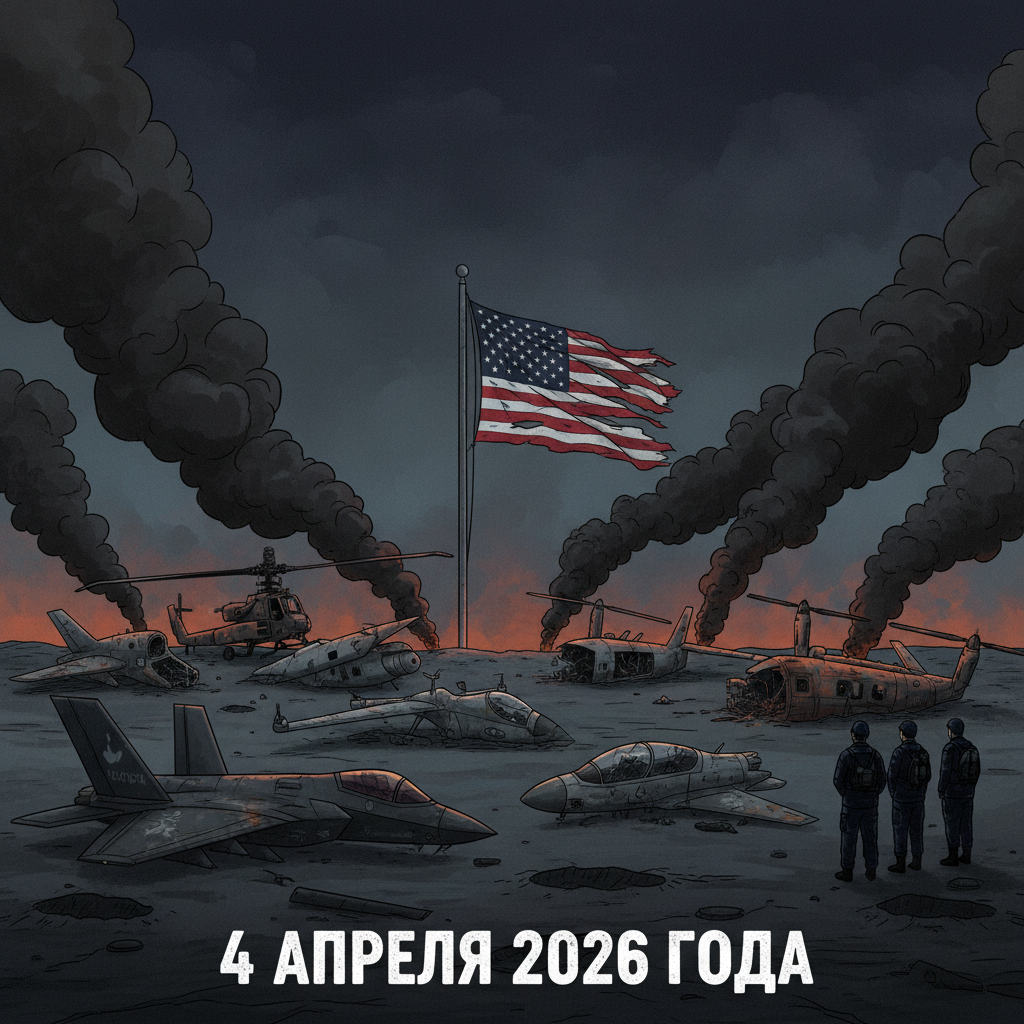
The Start of the Crisis: A Downed Fighter Jet
A string of losses began on April 4, 2026, when a U.S. F-15E Strike Eagle multi-role fighter was shot down over Iranian territory. This fact alone was an extraordinary event, given previous confident assertions about the complete dominance of Western aviation in the region’s airspace. However, the true scale of the disaster became apparent not at the moment a single aircraft was lost, but during the subsequent operation to rescue its crew.
The launch of a large-scale search-and-rescue mission, codenamed, triggered a whole cascade of events, during which Iranian air defense forces, using a layered detection and engagement system, were able not only to repel the invasion but also to launch a series of retaliatory strikes that turned the rescue operation into a bloody massacre.
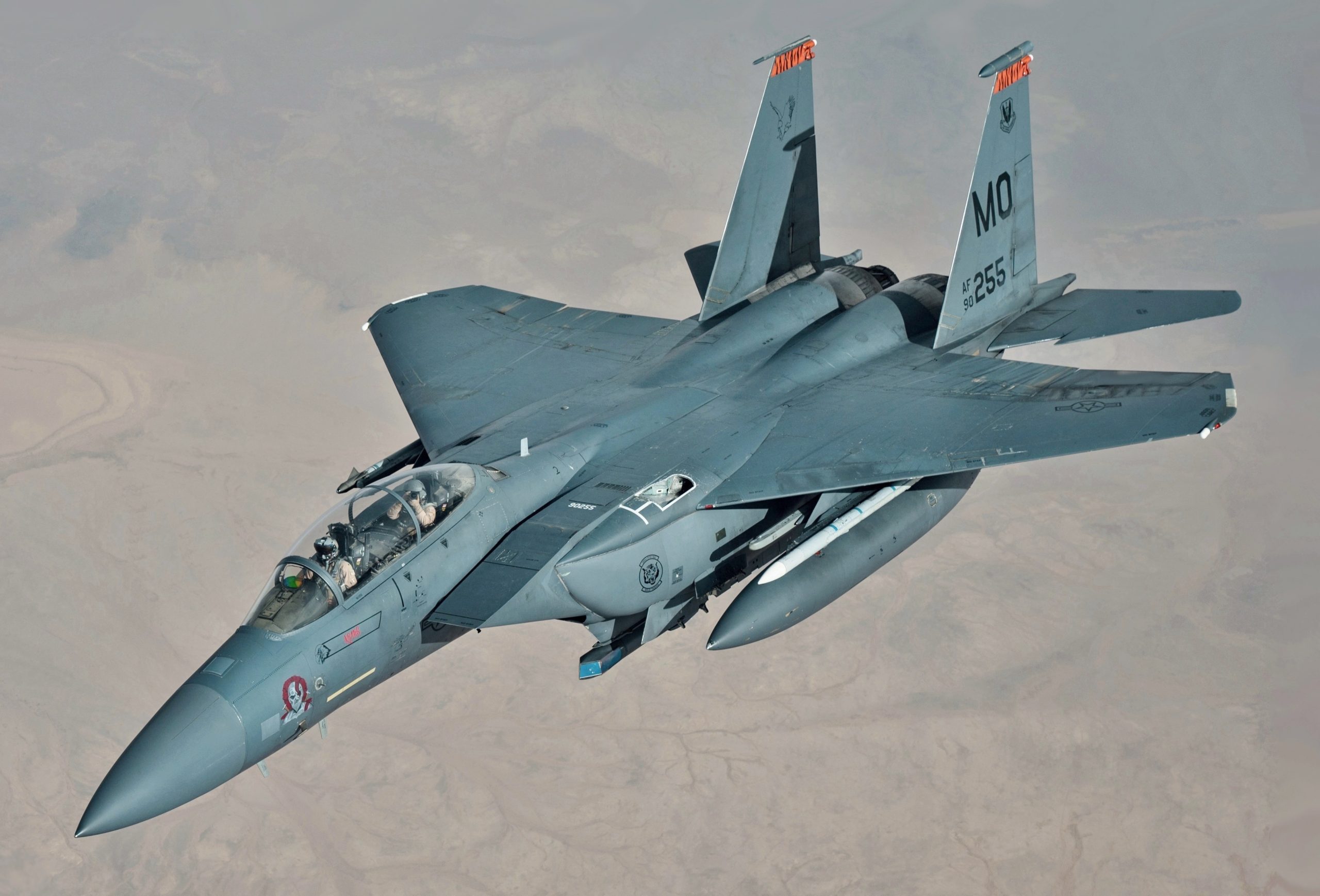
F-15E Strike Eagle
Air Losses: A Ground-Attack Aircraft That Never Returned
The first confirmed loss during the search and rescue operations was an A-10 Warthog attack aircraft, shot down by Iranian air defense systems over southern Iran. This armored aircraft, designed to provide ground troops with support and destroy armored vehicles, proved vulnerable to modern anti-aircraft systems in an airspace saturated with air defense assets.
The loss of the A-10 served as a wake-up call for the U.S. command; however, instead of scaling back the operation, a decision was made to expand it, which ultimately led to even more severe consequences.
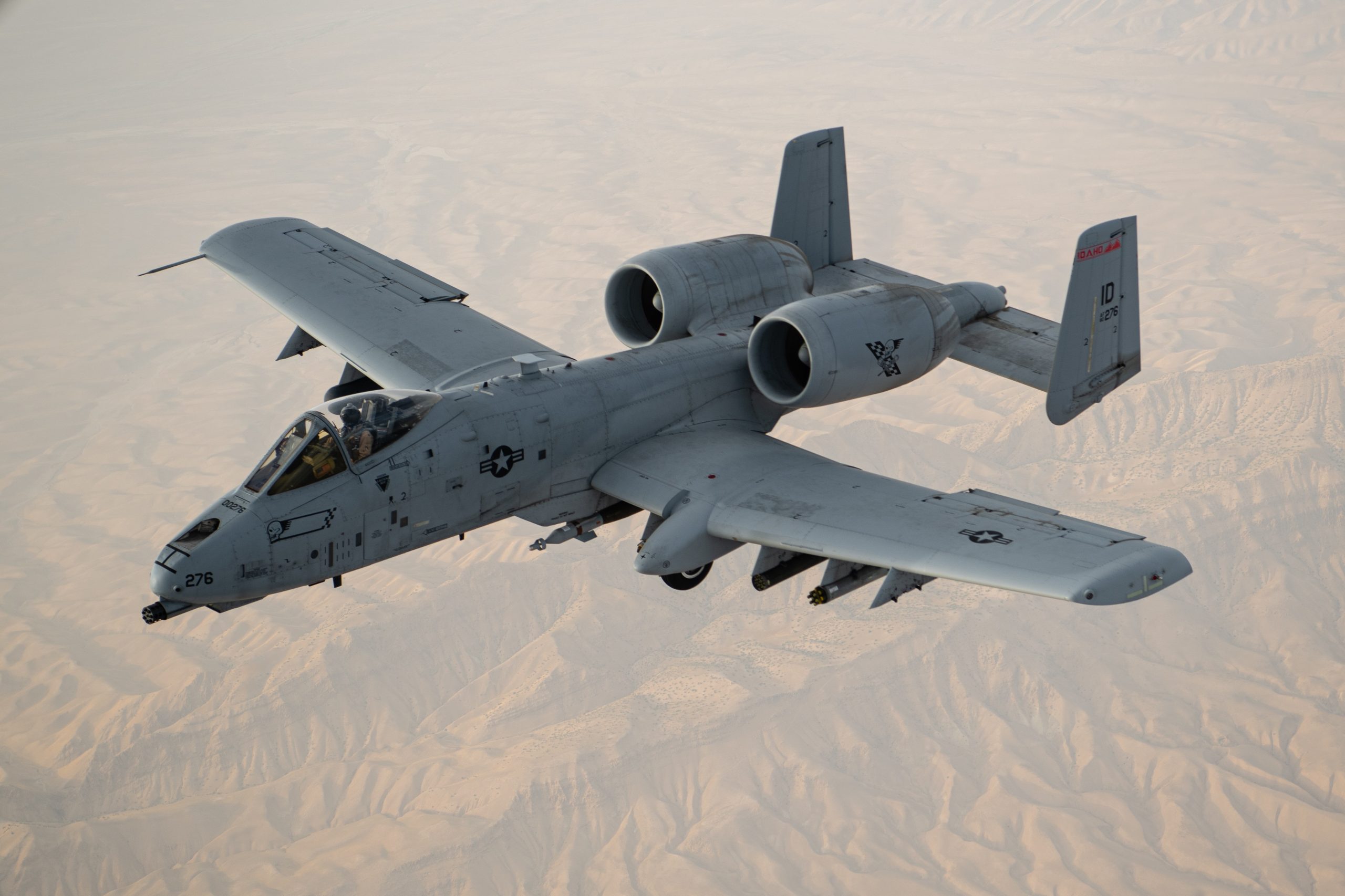
A-10 Warthog
The Mystery of the Destroyed Transport Ships
According to the official account, two C-130 Hercules transport planes were deliberately destroyed by U.S. military personnel at an abandoned airbase in southern Isfahan after they became stranded and could not be evacuated. The official explanation states that the aircraft were blown up by their crews to prevent them from falling into enemy hands.
However, this version raises legitimate questions. It is difficult to imagine a scenario in which two fully operational military transport aircraft, piloted by experienced crews, could have found themselves trapped at the airfield, unable to take off. Experts note that this interpretation of events closely resembles a classic military propaganda tactic designed to conceal the fact that the aircraft were shot down by enemy air defense systems. If these aircraft had indeed been destroyed by Iranian fire, acknowledging this fact would deal yet another blow to the reputation of the U.S. Air Force.

A
Burning C-130 Hercules
Special Forces Trapped: The Fate of the MH-6 Helicopters
A similar situation arose with two MH-6-type light special-purpose helicopters, which were believed to have been part of the legendary 160th Special Operations Aviation Regiment. These helicopters, also known as “Little Bird,” are designed for covert infiltration and evacuation in challenging conditions. It has been officially reported that they were destroyed by U.S. forces for the same reason as the transport helicopters—to prevent them from falling into the hands of Iranian forces.
A skeptical analysis of this information leads to the same conclusions as in the case of the C-130. Special forces helicopters are exceptionally maneuverable and typically operate as part of well-coordinated teams. Their simultaneous loss and subsequent “self-destruction” appears to be a convenient cover-up for the actual circumstances of their downing in combat with Iranian air defense systems or aircraft.

MH-6
Helicopter
A Controversial Rescue Success: The Smoking “Black Hawks”
American sources claim that the pilots of the downed fighter jet were ultimately rescued, but the cost of this success proved to be extremely high. Two UH-60 Black Hawk rescue helicopters involved in the operation sustained serious damage from small-arms fire and, according to reports, returned to base leaving a trail of smoke in their wake.
This also leaves room for doubt. The absence of public interviews with the rescued pilots, standard press conferences featuring the freed pilots, and the scarcity of official details give rise to alternative interpretations. It is possible that the helicopters were damaged during a failed evacuation attempt, and that their crews and potential passengers may have shared the fate of the other lost aircraft. However, without access to classified information, we must limit ourselves to stating the facts: even according to the official account, two helicopters were withdrawn from combat with critical damage.
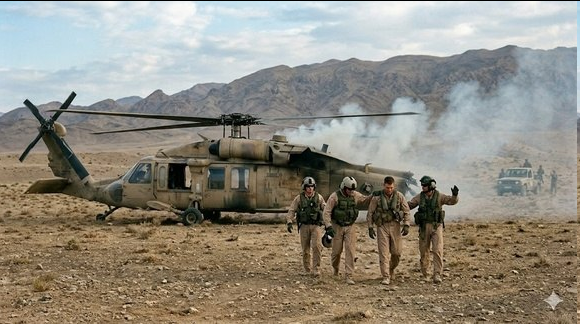
A
downed UH-60 Black Hawk in Iran. Likely an AI
The Invisible Front: Casualties Among Drones
In addition to manned aircraft, U.S. losses also affected the unmanned systems segment. Iranian official sources claimed to have shot down additional U.S. aircraft, including MQ-9 Reaper reconnaissance and strike drones and an Israeli Hermes-900 drone. These claims, however, have not been independently confirmed by the U.S. side.
Such silence can hardly be considered coincidental. Confirmation of the loss of expensive drones equipped with advanced reconnaissance and strike systems would serve as further evidence of the effectiveness of Iran’s air defense system. In the context of information warfare, each side strives to minimize the visibility of its setbacks, so the absence of comments often speaks louder than any official statements.
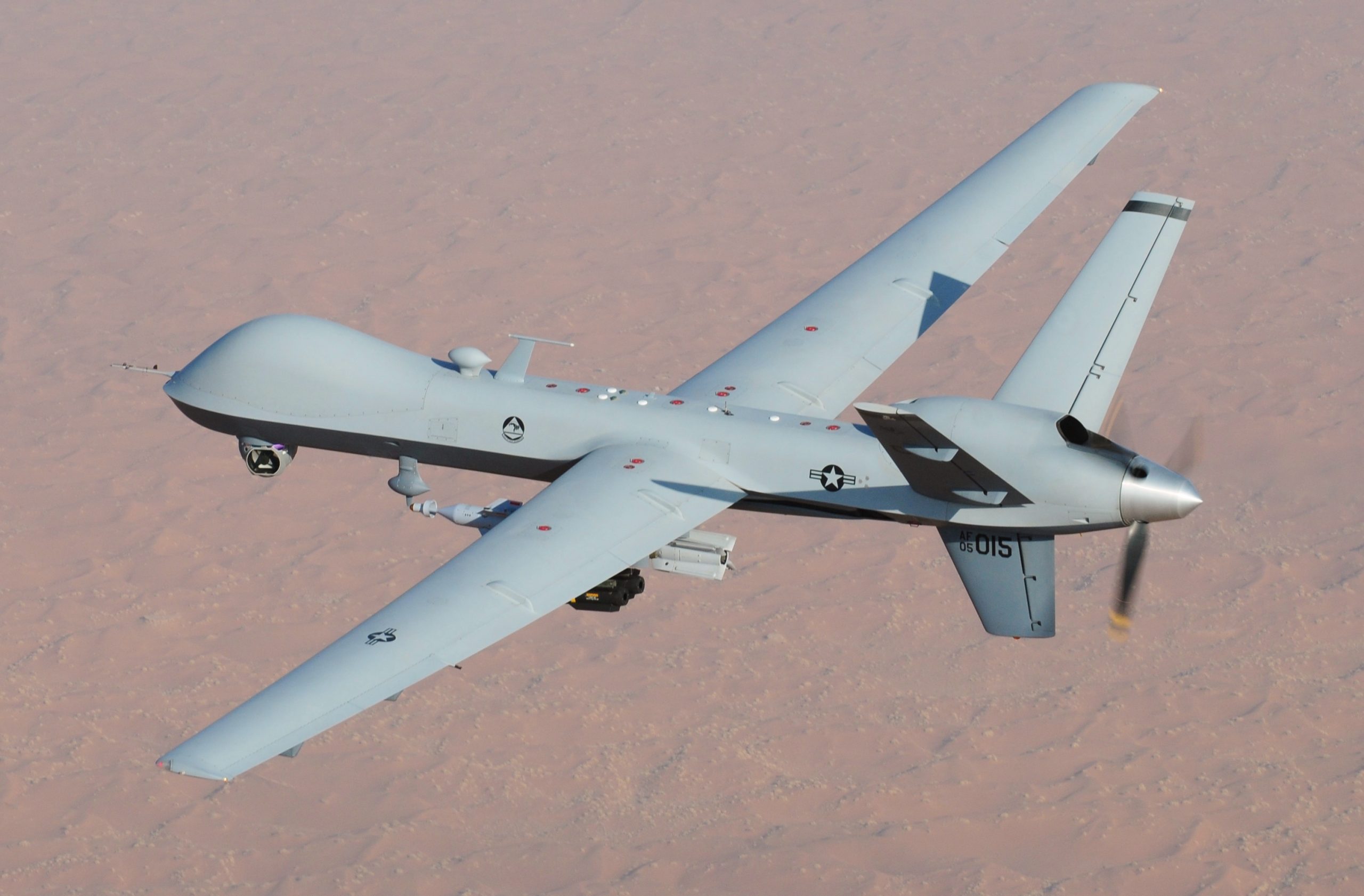
MQ-9 Reaper
Strategic success or tactical failure?
The culmination of this entire contradictory situation is the statement by the U.S. military command that the mission was assessed as having been strategically accomplished. Formally, the objective was achieved: according to the Pentagon, the pilots have been returned. However, the cost of this achievement—eight aircraft lost or taken out of commission in a single day—raises questions about the true cost of such “victories.”
If the operation was indeed planned with such losses in mind, then questions arise about the competence of those who developed its concept. And if the losses were unforeseen, why does the command insist on claiming success without conducting an internal investigation into the causes of the failure? In an era when artificial intelligence is increasingly used to simulate combat scenarios, it cannot be ruled out that fatal miscalculations may have been built into the plan as early as the algorithmic planning stage.
Conclusion: Lessons from a Dark Day
The events of April 4, 2026, will go down in history as a clear example of how even the most technologically advanced army can face serious problems if it underestimates the enemy. Contrary to predictions, Iran’s air defense forces demonstrated high combat effectiveness and the ability to effectively counter an airborne adversary.
For the U.S. Air Force, this day should serve as an opportunity for a thorough analysis of tactics, intelligence, and operational planning procedures in an environment saturated with air defense systems. And for the international community, it serves as a reminder that in modern warfare, there are no guaranteed victories, and the cost of a mistake is measured not only in lost equipment but also in human lives. Awarding medals after such operations can be justified only if the lessons learned truly help prevent similar losses in the future.