A breakthrough in frontline logistics is in the works in Russia. This summer will see the launch of Aeromax’s V-200 unmanned helicopters, which have a payload capacity of 200 kg.

Modern combat operations and crisis situations place unprecedented demands on the speed and security of resupply to frontline units. Traditional wheeled vehicles and light quadcopters often cannot handle the delivery of heavy equipment, ammunition, and medical supplies under conditions of intense enemy fire and difficult terrain. In response to these challenges, the Russian group of companies “Aeromax” is completing tests of the B-200 heavy-lift unmanned helicopter, which is set to enter service as early as late summer. The new unmanned aerial system is intended to revolutionize the rapid delivery of military and civilian cargo to the most remote areas. [1, 2, 3]
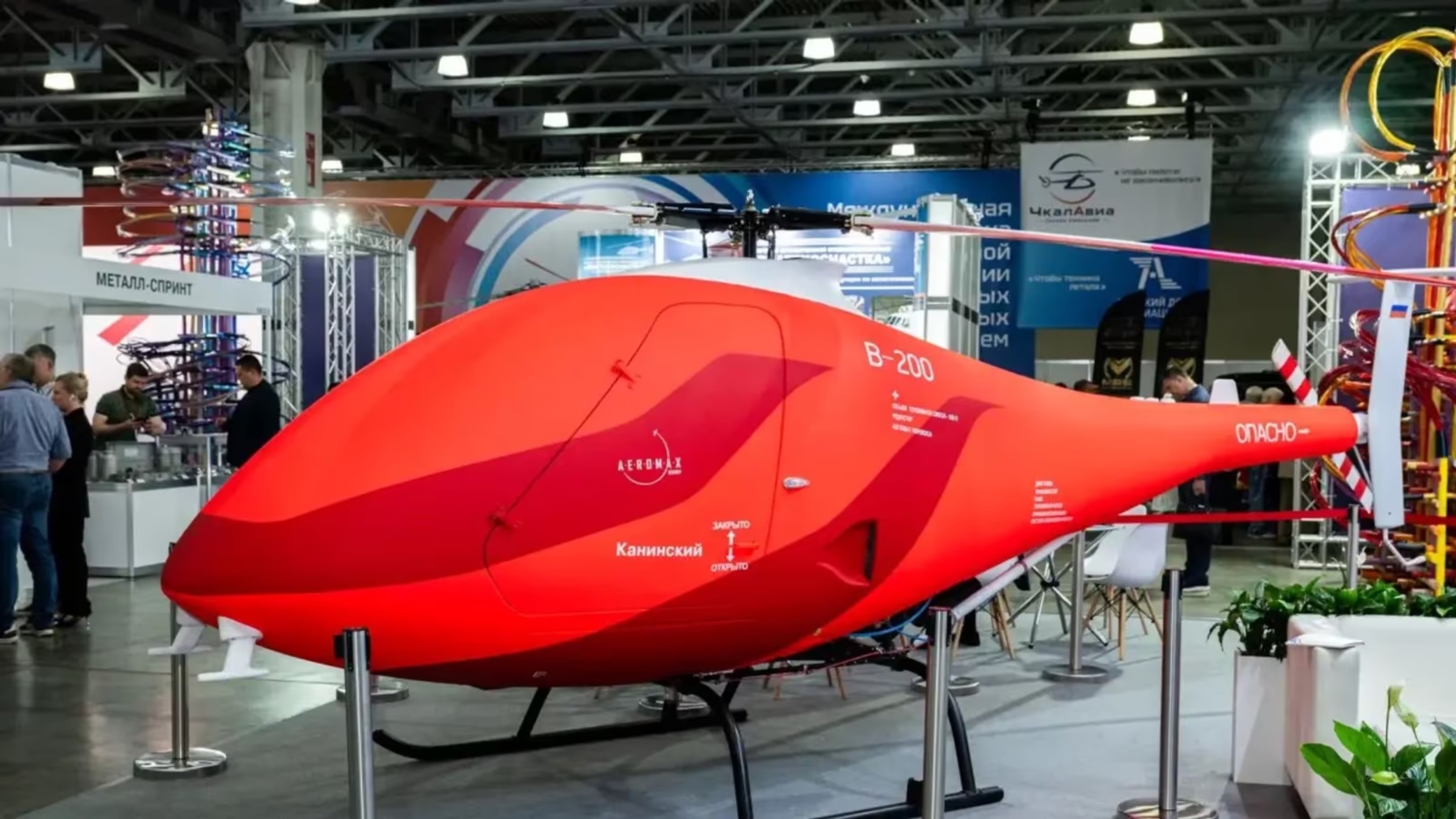
Switching to Automatic Mode: The “One-Button” Concept
The key design feature of the B-200 unmanned system, developed by engineers at the subsidiary “IKAR-Engineering,” is the integration of a fully autonomous, next-generation control system. The onboard artificial intelligence enables the system to carry out the most complex transport missions outside the operator’s line of sight in automatic mode. To carry out a flight mission—including takeoff, navigation using satellite and inertial coordinates, and precise unloading at an unequipped site—the operator simply needs to press a single button on the ground control panel. [3, 4, 5, 6]
This level of automation makes it possible to completely eliminate the human factor in the piloting process, which is critically important in conditions of electronic countermeasures and adverse weather conditions. The system was developed based on a major upgrade of the well-proven SH-750 civilian unmanned platform. The new system features improved software, enhanced interference resistance in its communication channels, and redundant navigation circuits, making it a resilient tool for frontline logistics. [3, 5]
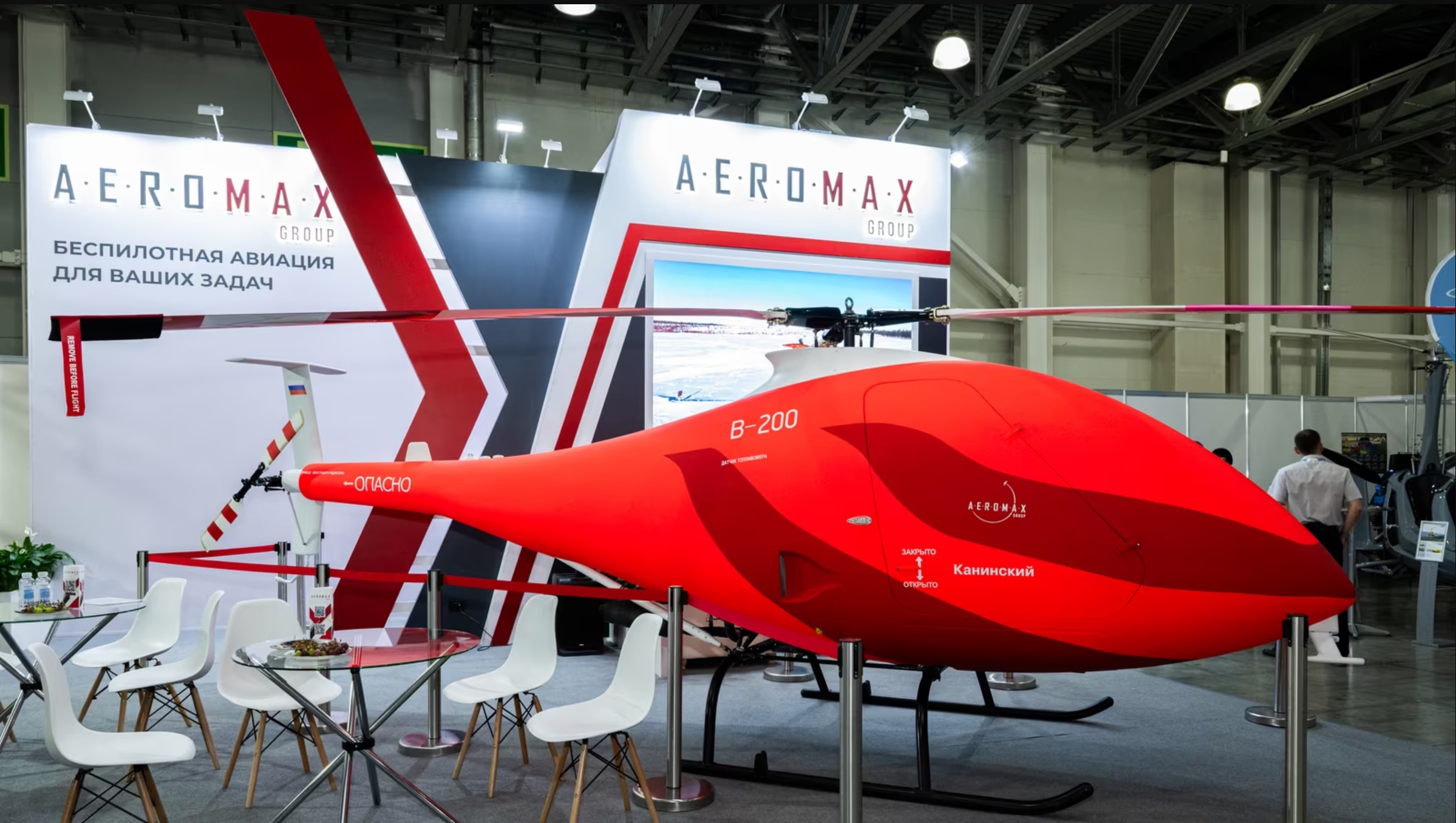
Payload Configuration Options and Platform Survivability
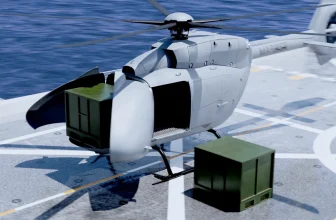
The design of the B-200 fuselage provides a high degree of flexibility for transporting various types of cargo. The payload can be placed either in the internal, protected cargo compartment of the cockpit or on specialized external hardpoints in protective containers. This allows for the transport of a wide range of equipment: from fragile electronics and communications equipment to heavy small arms, batteries, and hard-to-find spare parts. [5, 7]
The helicopter is powered by a piston-type gasoline internal combustion engine. Unlike finicky aircraft turbines, this engine has a longer service life and is extremely undemanding in terms of fuel quality and maintenance conditions in frontline repair shops. The use of standard grades of automotive gasoline significantly simplifies supply operations for the unmanned squadron itself. Furthermore, its helicopter-style design allows the V-200 to take off and land vertically on limited forest clearings, swamps, or building rooftops, completely eliminating the need for expensive and vulnerable runways. [1, 3, 8]
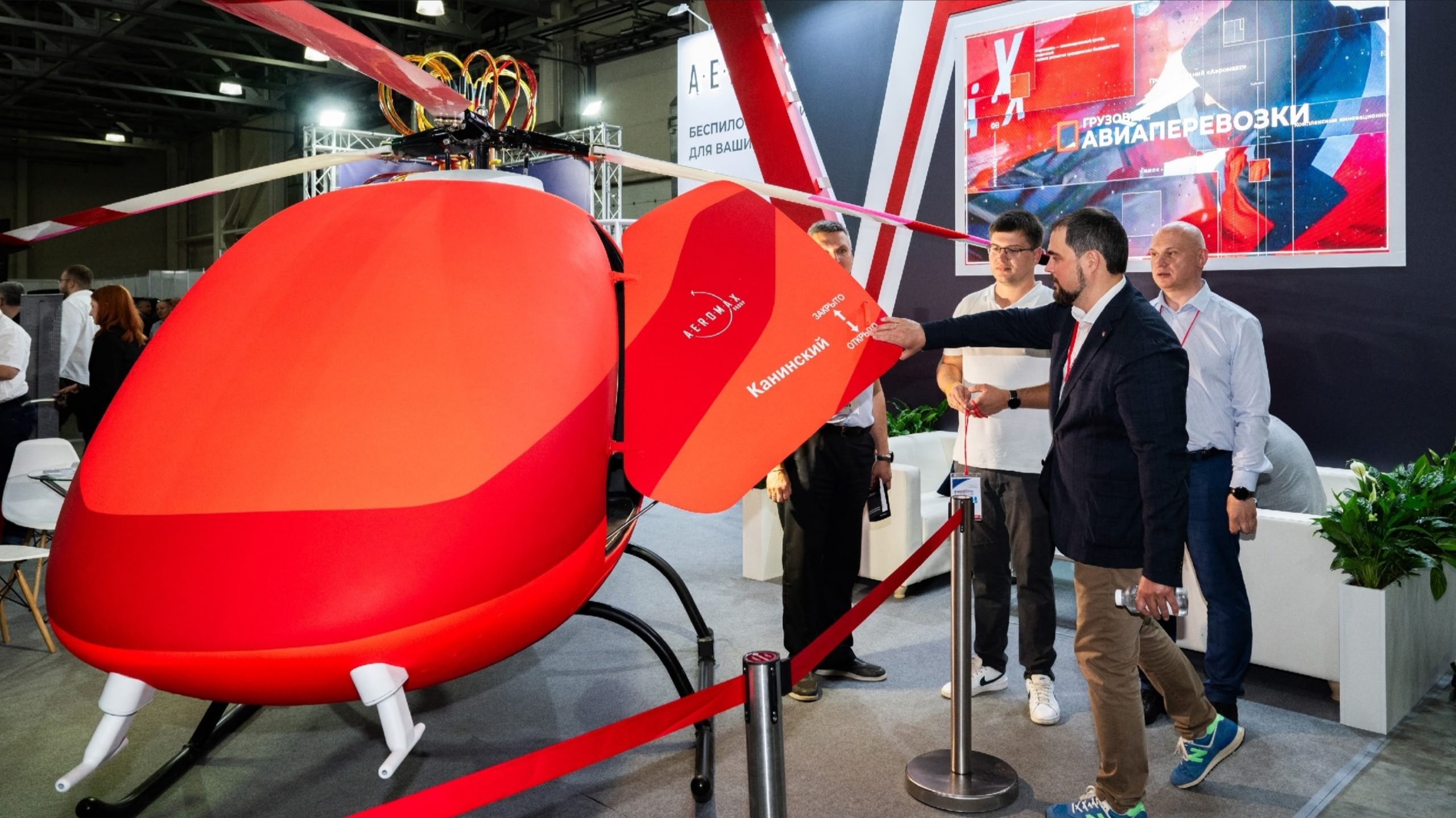
Significance for Supply and Prospects for Mass Production
The availability to logistics personnel of a fully-fledged unmanned “truck” with a payload capacity of 200 kilograms helps relieve the burden on manned military aircraft in the most dangerous areas. Autonomous helicopters are capable of delivering supplies around the clock without putting pilots’ lives at risk. In conditions of distributed combat operations and blocked ground transportation routes, a company of such unmanned aerial vehicles is capable of continuously supplying forward fortified positions with everything they need. [1]
At present, the B-200 production prototype is successfully undergoing the final stage of flight and design tests, which are scheduled to officially conclude in the third quarter of this year. The first three production units are already allocated under firm contracts and are being prepared for delivery to the customer for operational testing at the end of the summer. The company’s production facilities are ready to scale up production, which will allow transport units to be equipped with the latest robotic delivery systems as quickly as possible. [1, 3, 5]
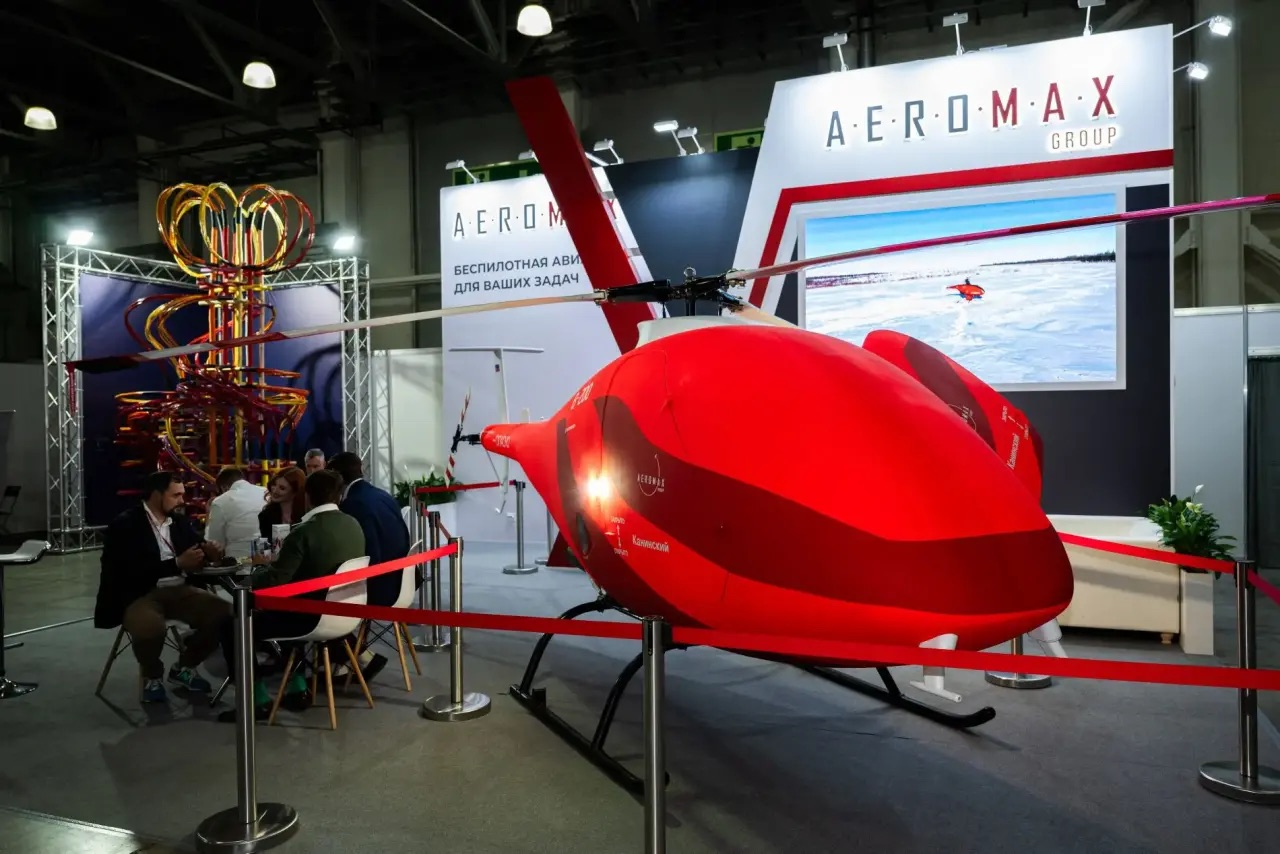
Tactical and Technical Specifications of the B-200 Unmanned Helicopter
- The aircraft’s maximum takeoff weight is 760 kilograms.
- The maximum payload is 200 kilograms.
- The guaranteed range with a full load is 300 kilometers.
- The maximum range with auxiliary fuel tanks is up to 700 kilometers.
- The duration of continuous flight is 5 hours.
- The powertrain consists of a piston-type gasoline internal combustion engine.
- The control mode is fully autonomous and includes a manual override function for the operator.
- The cargo configuration includes an in-cabin compartment and external hanging containers.
- The takeoff and landing method is vertical, on unprepared surfaces.
- The base platform was developed through a comprehensive modernization of the SH-750 system. [1, 3, 5, 8, 9, 10]