A Flying Truck Without a Pilot: Airbus Is Teaching a Helicopter to Deliver Supplies and Choose Its Own Landing Site

This article was prompted by a TWZ report labelled as sponsored content, in which an Airbus representative discussed progress on the Lakota Connector at AUSA 2026. We will give this little flying truck some space here, too — taking a closer look at its design and the testing completed so far. The project’s claimed advantages remain the developers’ assessments.
A unit needs water, ammunition, and spare parts. There is no runway nearby, no road, and sending a large transport helicopter with a relatively small shipment is inconvenient. Airbus proposes assigning the delivery to an aircraft that arrives without a crew, assesses the landing area, and touches down near the recipient. If the site is occupied or unsafe, it chooses another.
That is the concept behind the MQ-72C Lakota Connector, an uncrewed cargo helicopter being developed for the U.S. Marine Corps. The most interesting part of the project is inside: a familiar helicopter platform is being taught to perform work that previously required a pilot’s eyes, hands, and experience.
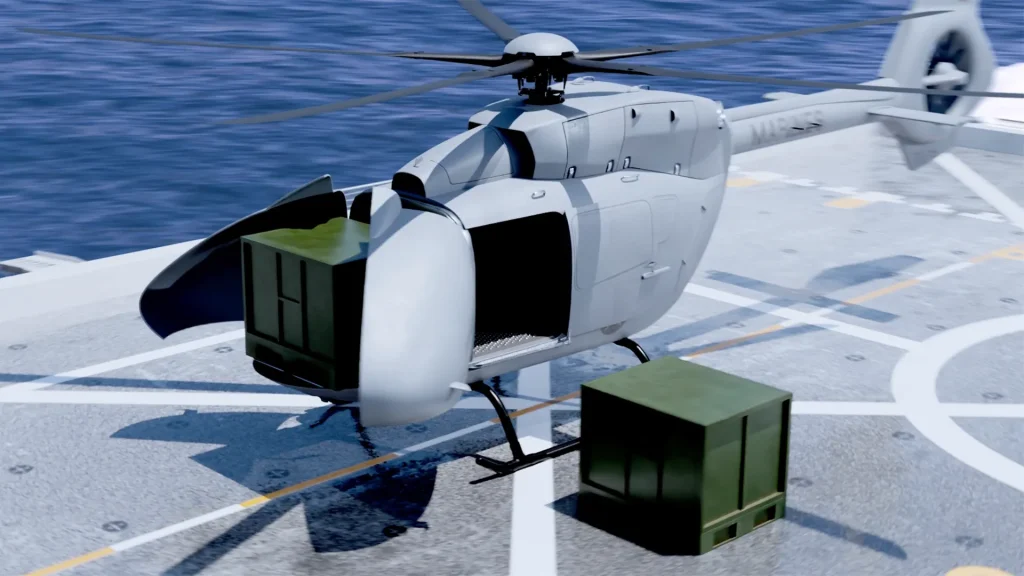
Why the Marines Need a Flying Truck
A small unit has an inconvenient habit: it consumes supplies every day, even when nothing spectacular is happening. Generators need fuel, people need food and water, and equipment needs parts. The farther apart these groups are, the harder it becomes to supply each one regularly.
Airbus described one potential Lakota Connector mission as delivering cargo to units of 60–70 personnel distributed across islands. Vertical take-off is particularly useful for such routes: a helicopter needs no runway and can deliver supplies much closer to where they will be used.
An uncrewed aircraft removes the flight crew from a dangerous transport mission. Its flight schedule is also less constrained by pilot fatigue. Round-the-clock deliveries would nevertheless require refuelling, maintenance, loading, and ground personnel. A helicopter without a pilot remains a helicopter with all its usual needs.
Starting with an Aircraft People Already Know How to Maintain
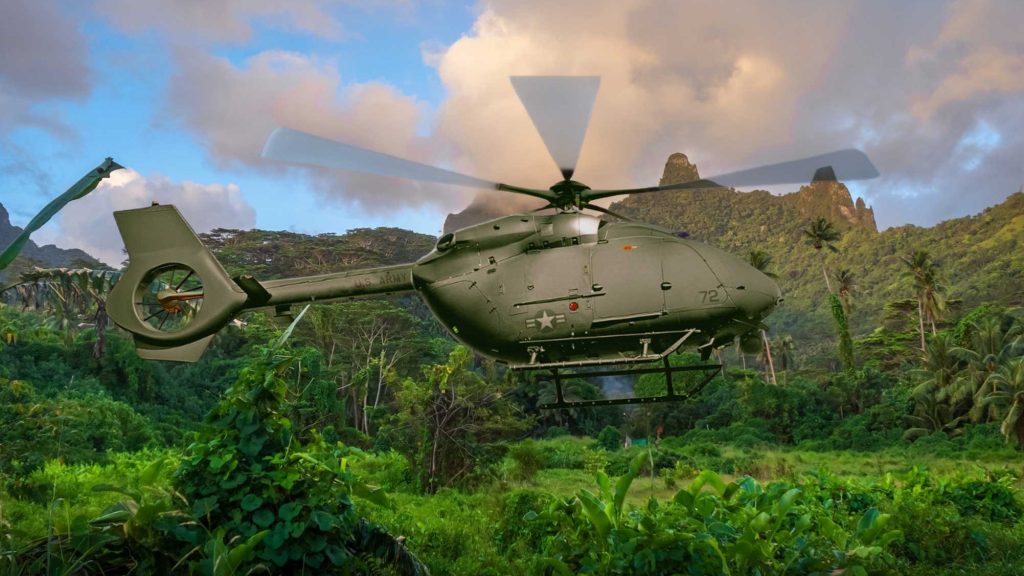
The project is based on the UH-72B Lakota. Airbus is relying on an established platform with existing production facilities, spare parts, and operational experience. According to the company, more than 480 Lakota-family helicopters have been delivered, and the fleet has accumulated over 1.6 million flight hours across U.S. military services.
That is a strong argument for a transport aircraft. An impressive experimental drone might complete several excellent flights, then sit idle for an extended period because a replacement component has to be manufactured specially. An established aircraft family already has solutions to many maintenance and supply problems.
But converting a crewed helicopter involves much more than removing the seats and installing a computer. The autonomous system must be connected to the flight controls, given awareness of its surroundings, and taught to respond when conditions change. Airbus has specifically highlighted the difficulty of replacing traditional mechanical controls with a system that electronics can command directly.
The space and weight freed up are useful for a cargo variant. One scenario described by Airbus involved delivering a 2,000-pound missile reload — approximately 907 kilograms. That is an example of a proposed mission, rather than a universal payload capacity for every route. Range, fuel reserves, air temperature, and landing-site elevation will all affect the permissible load.
The Hardest Part Is the Final Few Metres
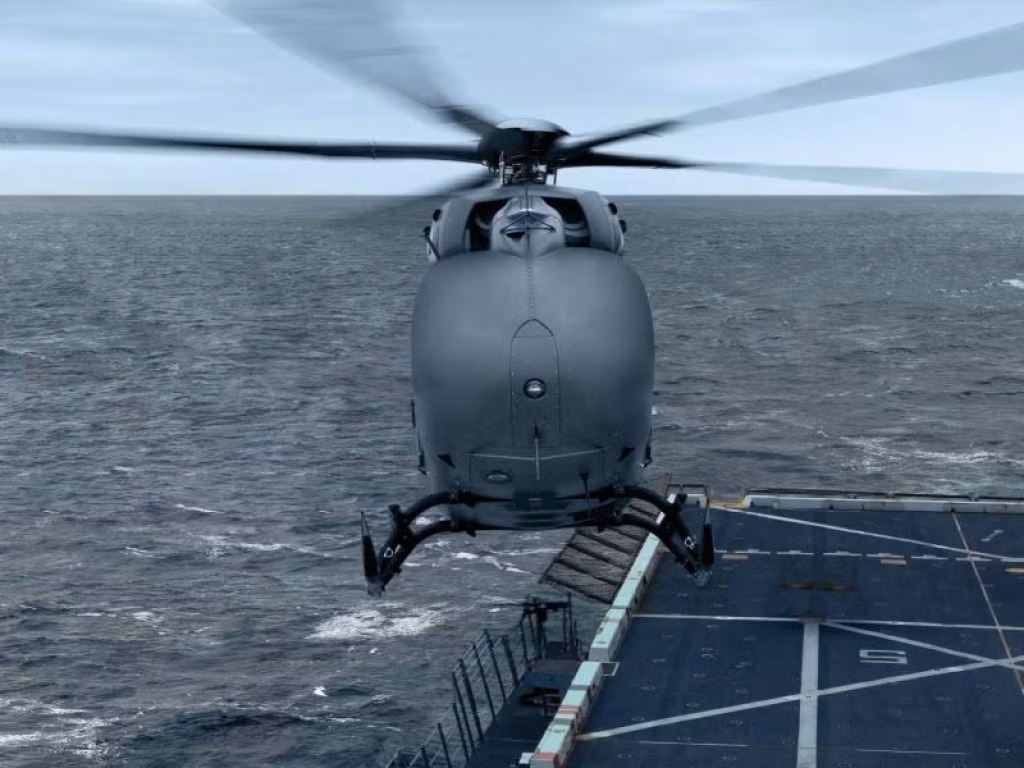
Following a planned route is not enough. The helicopter must determine whether it can land where it has been sent.
A site may look suitable on a map, yet contain vehicles, crates, or other obstacles when the aircraft arrives. A person can notice the change and make a decision. An autonomous system must obtain a sufficiently accurate picture through its sensors, recognise the hazard, and decide what to do next.
That was the focus of the fourth autonomous flight-test campaign reported by Airbus in April 2026. An H145 served as the flying testbed: its onboard system assessed the landing zone, detected obstacles, and redirected the helicopter to an alternative site when necessary.
For a future flying truck, this matters more than an impressive flypast at an exhibition. The recipient will not always be able to prepare a perfectly clear landing area. The delivery system must cope with conditions that change between the request being sent and the helicopter arriving.
One successful demonstration does not answer every question. Dust, rain, poor lighting, and difficult terrain will impose their own demands. But the demonstrated ability to reject an unsuitable landing site shows the problem the developers are working to solve.
Who Replaces the Pilot?
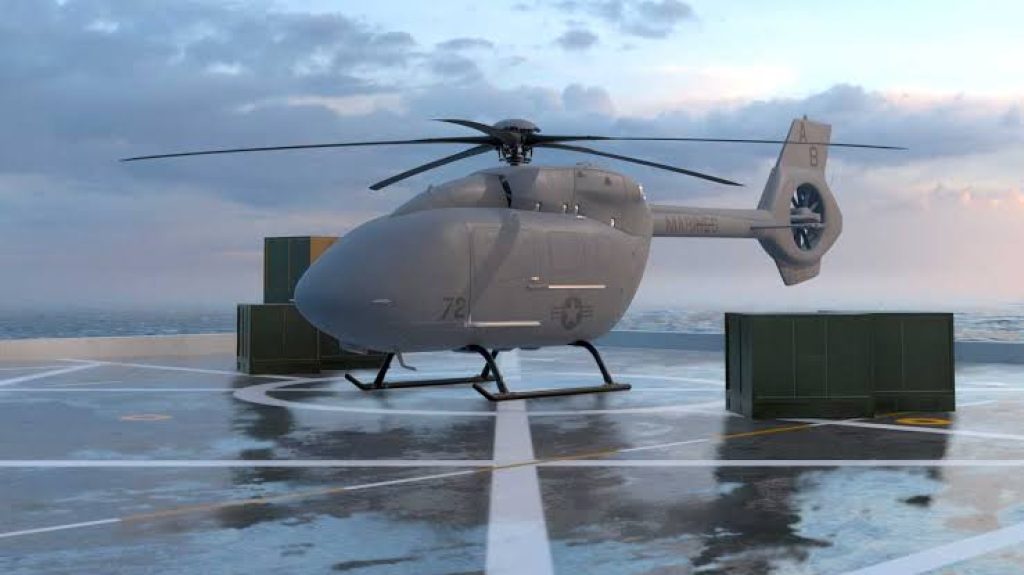
Four companies are working on the Connector. Airbus provides the aviation platform. Shield AI supplies its Hivemind autonomous flight software. L3Harris handles the digital architecture and integration of onboard systems, while Parry Labs contributes software, onboard computing, and ground-control capabilities.
In August 2025, the partners announced the programme’s first autonomous test flight. Hivemind was integrated with Airbus Helionix avionics aboard an H145, demonstrating automatic take-off, landing, and other flight tasks without pilot control inputs. The technologies being tested are intended for the future MQ-72C.
That distinction should be preserved: the test H145 and the final cargo Connector represent different stages of development. A successful software-controlled flight aboard a testbed does not mean the customer has already received a complete uncrewed transport aircraft.
By June 2026, Airbus reported that the team had accumulated more than 70 autonomous flight hours. The next priorities included assessments with military units, full implementation of fly-by-wire controls, and development of a prototype representative of future missions.
Delivery Is Only Half the Job
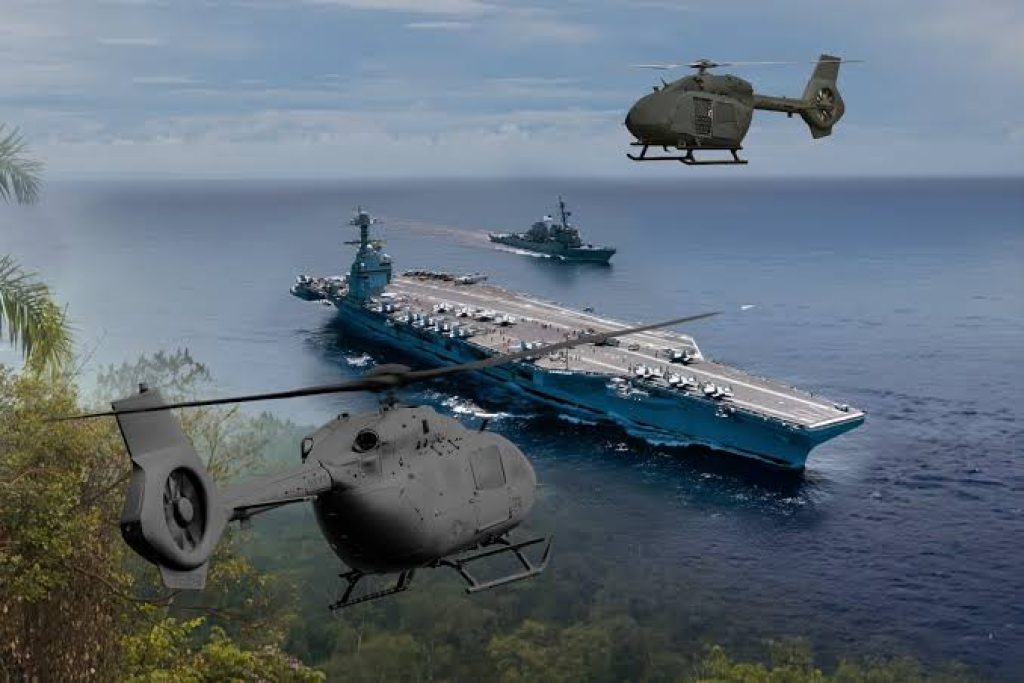
For a flying truck, mission success is measured in practical terms: how much useful cargo reaches the recipient, and how soon the aircraft is ready to fly again.
In May 2025, Airbus conducted a demonstration at Yuma to assess the underlying UH-72B platform’s performance, along with the loading and transport of specialised cargo. The company linked these trials to Marine Corps requirements for the future logistics aircraft.
There are plenty of challenges here that have nothing to do with artificial intelligence. Cargo must fit through the opening, be secured properly, preserve the aircraft’s balance, and be unloaded quickly. If the recipient has to spend a long time struggling with every package, some of the advantages of aerial delivery disappear.
There is also the larger question of cost. Removing the onboard crew reduces the risk to people, but does not turn the aircraft into a cheap, expendable asset. Engines, transmission, rotor systems, and sophisticated electronics all require maintenance. The Connector’s economics will have to be assessed through regular flights carrying real loads.
What Has Been Achieved So Far?
The Lakota Connector has progressed beyond drawings: autonomous flight technologies are being tested aboard a helicopter, all four partners’ systems have operated together, and landing-zone obstacle detection has been demonstrated in flight. Development continues, however; readiness for routine supply missions still has to be proven.
The concept’s strength is that the aircraft has a clear job. It needs to collect cargo, deliver it to a small unit, and return for the next shipment. Without a crewed cockpit, but with the caution required for landing.
The best outcome for such a drone would be an entirely ordinary scene: the helicopter lands, people collect the crates, and the aircraft departs. The next day, it does it again — and at the next landing site, too.