Iran's Secret Weapon. What attack drones are they still hiding from the rest of the world, and what are they like?

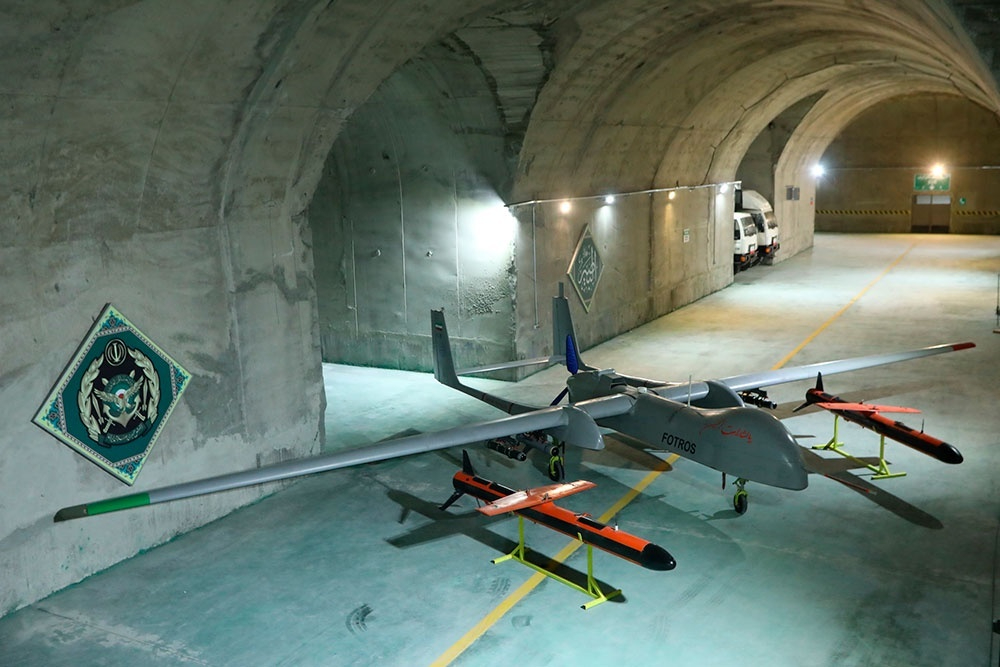
The Iranian Air Force has long employed the practice of stationing aircraft in secure underground facilities. In addition to fighter jets and bombers, specialized tunnels have been built deep within rock formations to store unmanned aerial vehicles. One such facility is Complex 313, which is under the control of Iran’s regular army rather than the Islamic Revolutionary Guard Corps. Photos from this storage facility first appeared in the public domain about six years ago and demonstrated the scale of preparations for potential conflicts.
Key Models of Iranian Attack Drones
The underground hangars house the largest and most strategically significant Iranian UAVs. Of particular note is the Kaman-22 reconnaissance and strike system—one of the largest drones developed in Iran. It is designed for extended patrols and precision strikes against distant targets.
Another notable aircraft is the Fotros, which also belongs to the class of heavy reconnaissance and strike UAVs. This aircraft is capable of performing both reconnaissance and strike missions, making it a versatile asset in the Iranian military’s arsenal.
Tactical and Technical Specifications of Major UAVs
Kaman-22
- Wingspan: ~21 m
- Class: Heavy reconnaissance and strike UAV
- Purpose: extended patrol missions, striking ground targets
Fotros
- Wingspan: ~16 m
- Length: 8 m
- Height: 3.1 m
- Class: Heavy Multipurpose UAV
- Purpose: reconnaissance, target acquisition, and strike operations
Logistics and Combat Support for Underground Facilities
In addition to the drones themselves, the tunnels house a wide range of munitions: guided bombs, air-to-surface missiles, and mobile command posts mounted on vehicles. Separate compartments are designated for aviation fuel reserves and the technical equipment needed to prepare the aircraft for takeoff. This integration allows equipment to be transitioned from storage to combat readiness in a short period of time.
Strategic Role and Prospects for Application
Given the air superiority of the U.S. and Israeli coalition forces, the use of large Iranian UAVs in the current operational environment carries high risks. Nevertheless, keeping these aircraft in secure underground facilities is of long-term strategic importance. Should the balance of power shift or a regional conflict escalate, these drones could become a key element of an asymmetric response, particularly when carrying out missions over long ranges and in the face of limited enemy air defense countermeasures.
Underground storage facilities remain a key element of Iran’s military doctrine, ensuring the survivability of critical assets even under conditions of intense aerial combat.